
Cultivating
Sustainable Futures
 News
News
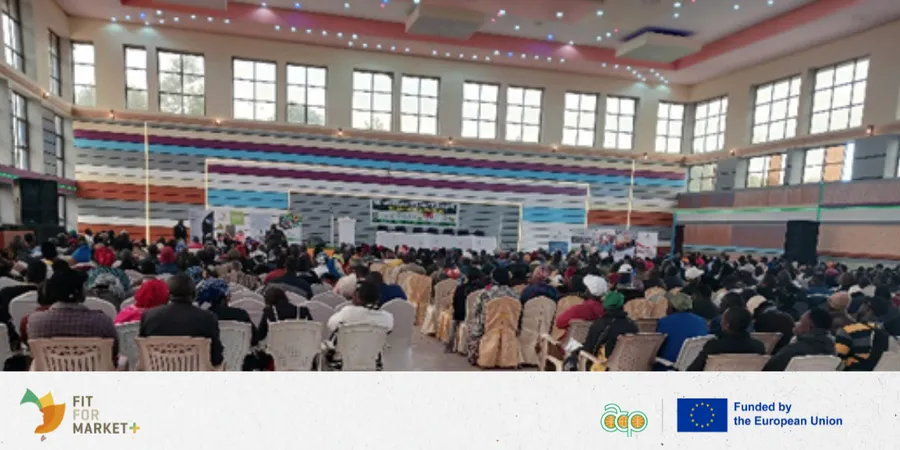
Tanzania: meeting with 2,000 avocado value chain actors, a promising sector for smallholders
As part of the FFM+ programme, COLEAD took part in a Southern Highlands Development Alliance (SHDA)-organised workshop dedicated to the avocado sector in Njombe, Tanzania. Over 2,000 value chain stakeholders, including producers, exporters, suppliers of inputs, transporters, and farmers' associations from the Njombe, Iringa, Ruvuma, and Songwe regions, came together to discuss the future of this thriving sector.A promising sector for smallholders.With over 25,000 small-scale producers organised within SHDA groups, the Southern Highlands are emerging as a promising region for avocado production. The potential is significant for both inclusive growth and export development.During the workshop, SHDA’s Executive Director, Frank Msigwa, highlighted several priorities, including making certification (GLOBALG.A.P. and organic) more accessible and affordable, creating local certification mechanisms, increasing Tanzania’s presence at international organic trade fairs and investing in infrastructure that adds value, such as avocado oil processing facilities.COLEAD’s supportAt the event, Isaac Ndamanhyilu, COLEAD’s national focal point in Tanzania, presented COLEAD’s global approach to strengthening horticultural value chains and supporting producers and businesses in preparing more effectively for export.The presentation was structured around COLEAD’s three pillars of action:Facilitating market access: compliance with international standards, access to market studies and regulatory alignment.Strengthening value chains through targeted technical assistance, practical training, improved production practices, and governance;Increasing impact through partnerships, access to finance and networking at regional and international levels.COLEAD also reminded stakeholders of the technical resources available online, such as the e-learning platform, technical guides, manuals, and market analysis tools, which can help to consolidate their capacities and strengthen their export readiness.This activity is supported by the Fit For Market Plus (FFM+) programme, implemented by COLEAD within the Framework of Development Cooperation between the Organisation of African, Caribbean and Pacific States (OACPS) and the European Union. This publication receives financial support from the European Union and the OACPS. The content of this publication is the sole responsibility of COLEAD and can in no way be taken to reflect the views of the European Union or the OACPS.
 News
News
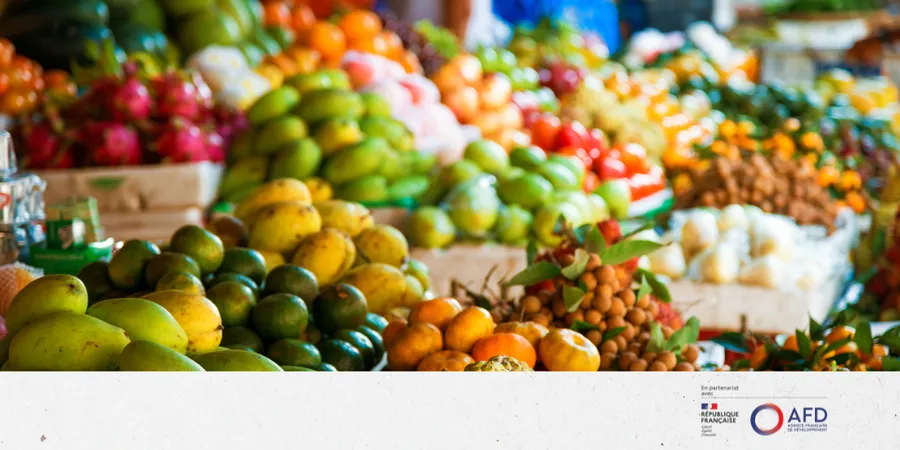
West Africa: new initiatives launched with AFD to support agripreneurs in seven countries
In April 2025, COLEAD secured new funding from the French Development Agency (AFD) to provide long-term support to the horticultural sector in sub-Saharan Africa. This three-year project builds on the Fit for Market programmes and broadly aims to reduce poverty and improve food and nutrition security.The objective is to support agripreneurs in implementing sustainable practices.The initiative targets smallholders, farmers' groups and SMEs, aiming to maintain and strengthen their access to national, regional and international horticultural markets. The focus is on developing skills, adopting sustainable practices, and creating new business opportunities.Three areas of intervention are plannedCapacity building of horticultural operators: co-construction of development projects with beneficiaries, delivered through training, coaching, technical assistance and updated resources (SPS standards, environmental and social criteria, etc.).Support for professional organisations: providing tailored assistance to strengthen their role as technical and strategic intermediaries and improve their ability to adapt services to market changes.Public–private dialogue and access to the European market: participatory identification of export obstacles, complemented by market intelligence activities in collaboration with the relevant authorities and private sector organisations.The first actions have been launched.The target countries have been defined as: Senegal, Guinea, Togo, Benin, Malawi, Tanzania and Madagascar. This selection was made based on criteria including requests received under FFM+. A call for expressions of interest has been launched and disseminated to eligible organisations to identify their priority needs around four pillars: SPS, environment, social and governance. The requests received will be analysed and action plans will be co-developed with stakeholders in Q3 2025.This activity is supported by the Trade Capacity Building Program (TCBP), implemented by COLEAD, with financial support from the French Republic through the French Development Agency (AFD). This communication has been produced with the financial support of AFD. Its content is the sole responsibility of COLEAD and can in no way be taken to reflect the position of AFD.
 News
News
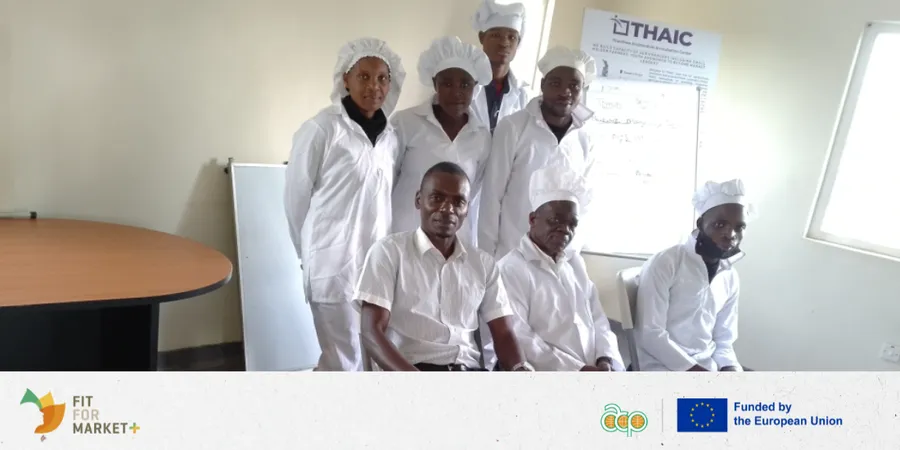
Malawi: From training to action to strengthen quality and traceability
As part of the Fit For Market Plus programme (FFM+), two Malawian horticultural companies, Thanthwe Enterprises in Lilongwe and Mtengo wa Mizu in Salima, received post-training support in food safety, quality management, and traceability.This followed a collective training session on the principles of quality and traceability management systems for food safety. The training enabled an assessment of existing systems, including field visits and discussions with management teams, and the formulation of practical, tailored recommendations.Both companies now have concrete action plans with defined responsibilities, deadlines, and monitoring indicators. Priorities include recruiting a quality manager, updating GlobalG.A.P. documentation, organising regular internal training sessions, carrying out internal audits and introducing tools to monitor quality and traceability.Additional measures for Mtengo wa Mizu include plot demarcation and the construction of a warehouse, thus strengthening its production and storage capacity.Implementing these plans will enable both companies to improve their compliance with food safety standards, enhance the traceability of their products, and prepare for future certifications, which is key to achieving better market access.This activity is supported by the Fit For Market Plus (FFM+) programme, implemented by COLEAD within the Framework of Development Cooperation between the Organisation of African, Caribbean and Pacific States (OACPS) and the European Union. This publication receives financial support from the European Union and the OACPS. The content of this publication is the sole responsibility of COLEAD and can in no way be taken to reflect the views of the European Union or the OACPS.
 News
News
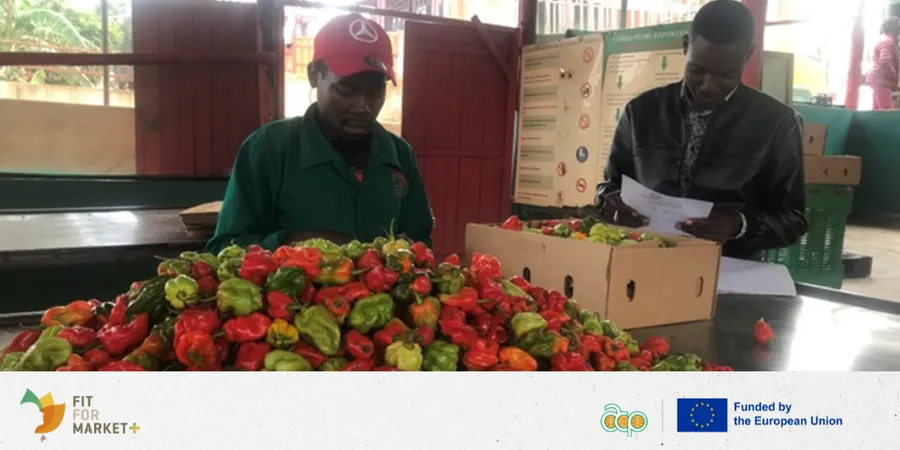
Uganda: United Pearl Exporters strengthens HACCP compliance
Within the framework of the Fit For Market Plus (FFM+) programme, COLEAD provided targeted technical assistance to United Pearl Exporters Ltd (UPEL), a Ugandan exporter of fresh fruit and vegetables (chillies, okra, bananas, green beans…) to the European Union and the United Kingdom.After participating in a COLEAD collective training on HACCP (Hazard Analysis and Critical Control Points) in 2024, UPEL received post-training support to improve its food safety systems and progress towards certification.Tangible progress The support enabled:A comprehensive evaluation of food safety practices at the Kampala packhouse.The establishment of a HACCP team integrating agronomists, supervisors and management.Practical coaching to identify Critical Control Points (CCPs) and Prerequisite Programmes (PRPs), map production flows, and develop a Codex-compliant HACCP plan.Long-term impact As a result, UPEL now has a robust, documented HACCP plan and trained staff to drive continuous improvement. The company is therefore better prepared to achieve certification and access high-value export markets.
 News
News
Senegal: OFRUTTI strengthens its quality and traceability system
As part of the Fit For Market Plus (FFM+) programme, COLEAD supported the Senegalese company OFRUTTI, specialised in dried mango processing, in setting up concrete tools to structure its quality and traceability management system.This post-training support followed a collective session on the principles of quality and traceability management for food safety. The goal: to turn the knowledge gained into operational practices tailored to the company.Tangible resultsThanks to strong commitment from the management team, several key achievements were made:a functional organisational chart and tailored job descriptions;a process flow diagram for dried mango production, making risk analysis easier;a product coding system allowing production batches to be traced;new quality monitoring tools, non-conformity management forms and a recall procedure in case of incidents;identification of the main food safety hazards and a Critical Control Point (CCP) in the production process.Building on progressTo consolidate these efforts, OFRUTTI is encouraged to strengthen its quality team, define a clear quality policy, and expand its documentation system with formalised procedures, work instructions and systematic records.This support marks a turning point for the company, which now has solid foundations to sustainably improve the safety and traceability of its products.Photo crédit : OFRUTTIThis activity is supported by the Fit For Market Plus (FFM+) programme, implemented by COLEAD within the Framework of Development Cooperation between the Organisation of African, Caribbean and Pacific States (OACPS) and the European Union. This publication receives financial support from the European Union and the OACPS. The content of this publication is the sole responsibility of COLEAD and can in no way be taken to reflect the views of the European Union or the OACPS.
 News
News
Ethiopia: Chives company invests in sustainable waste management
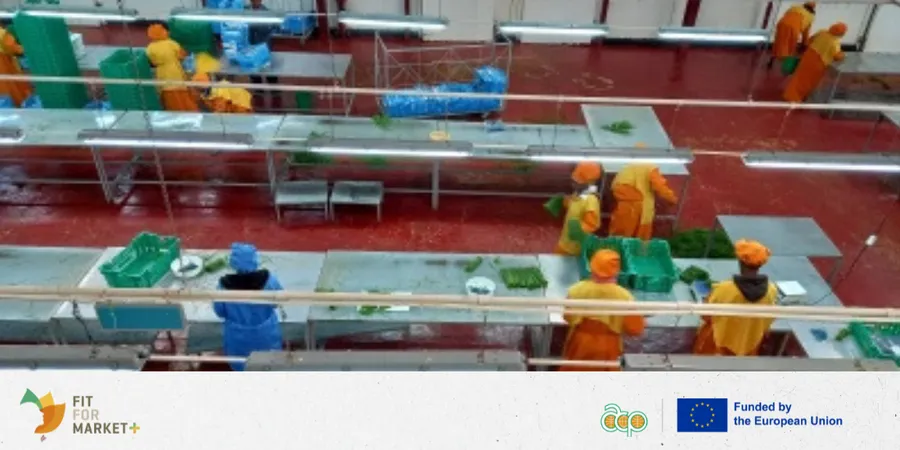
Founded in Menagesha in 2004, around 15 km west of Addis Ababa, Jordan River Herbs PLC Ethiopia has become a leading producer and exporter of fresh and processed chives. Located at a high altitude, the farm benefits from optimal growing conditions with minimal disease, virus and pest pressure.Cultivating 13 hectares under controlled conditions, the company employs 595 people, most of whom are women, and holds key certifications including GLOBALG.A.P., BRCGS, SMETA, LEAF, Tesco and M&S.; Its products are exported to Canada, the Netherlands, Germany, Belgium and the United Kingdom.Jordan River Herbs has developed its own production system that ensures the consistent availability of high-quality chives throughout the year. Rigour and attention to detail ensure that consumers enjoy consistent quality year-round, demonstrating that sustainable agriculture can rhyme with reliability and innovation.However, a major challenge remained: managing the large volumes of wastewater and green waste generated by farming and packing operations. To address this issue, Jordan River Herbs received technical support through the Fit for Market Plus (FFM+) programme, which is implemented by COLEAD. A very tangible outcome of the support resulted in the design and construction of a wetland system that filters the waste water from production and processing operations.This support is part of efforts to strengthen the market compliance capacities of ACP horticultural MSMEs, particularly in response to the increased requirements that have emerged since the onset of the pandemic. It shows how improved environmental management can strengthen the international competitiveness of African horticultural businesses and pave the way for a more sustainable and inclusive agriculture.This activity is supported by the Fit For Market Plus (FFM+) programme, implemented by COLEAD within the Framework of Development Cooperation between the Organisation of African, Caribbean and Pacific States (OACPS) and the European Union. This publication receives financial support from the European Union and the OACPS. The content of this publication is the sole responsibility of COLEAD and can in no way be taken to reflect the views of the European Union or the OACPS.
 News
News
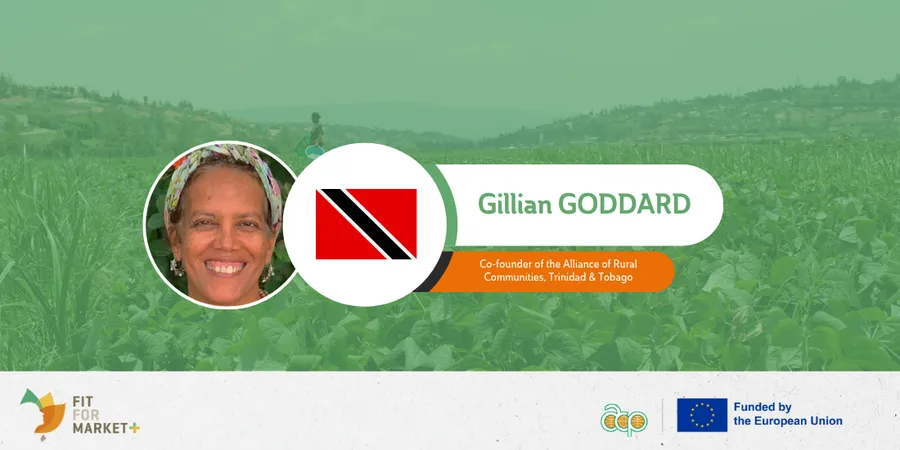
Gillian Goddard (Trinidad & Tobago), co-founder of the Alliance of Rural Communities
An activist, systems thinker, and organic food pioneer, Gillian has spent over three decades cultivating not just crops, but community. As co-founder of the Alliance of Rural Communities, she has turned her passion for food justice into a bold movement spanning the Caribbean, Africa, and North America, with a single vision: to restore power, pride, and prosperity to rural communities.Born in Trinidad and Tobago, Gillian left for the United States at 17, where she built on her gardening experiences by volunteering on an organic farm in Atlanta. Though her studies were not in agriculture, the experience planted a seed. She returned home years later with a desire to reconnect people with land.She started off by launching Sun Eaters Organics, Trinidad and Tobago’s first organic food store. It quickly became more than just a shop; it was a gathering place and a symbol of possibility. Gillian began working directly with farmers, helping them grow organically, sell locally, and reimagine the value of their crops.But it was cocoa, the Caribbean’s forgotten treasure, that would become a turning point. Local awareness of the possibility of producing chocolate was scarcely known. Once Gillian learned the process, she realized this was more than a product, it was a tool for economic and cultural liberation.That realization sparked the formation of the Alliance of Rural Communities in 2014: a grassroots, regenerative movement empowering rural and semi-rural communities through sustainable agriculture, artisanal chocolate-making, and the circular economy.The Alliance of Rural Communities started small, training cocoa farmers in remote villages of Trinidad and Tobago to craft their own chocolate. But word spread. Soon, neighbouring islands like St. Lucia and Dominica joined in, and then Guyana. In 2021, the Alliance of Rural Communities expanded across the Atlantic to form the Cross Atlantic Chocolate Collective, uniting cocoa growers from the Caribbean with farmers in Ghana, Cameroon, Cote D’Ivoire, Uganda, and beyond.The Alliance of Rural Communities, alongside the Cross Atlantic Chocolate Collective, champions a range of initiatives, from plastic-free commerce and forest conservation to the use of everyday digital tools like WhatsApp and Google Forms. These tools help organize sales, share training materials, and connect rural entrepreneurs across more than 20 countries. During the COVID-19 pandemic, they became lifelines, allowing the Alliance to pivot to digital catalogues and decentralized logistics, keeping communities fed and connected even in isolation.Yet, the work has not come without obstacles. Both ARC and CACC remain undercapitalized, often operating with minimal resources. Despite the challenges, Gillian remains grounded in her purpose: to honour the knowledge and strength of rural communities. In 2022, her work was recognized internationally with the "Soul of Rurality" award by the Inter-American Institute for Cooperation on Agriculture (IICA), celebrating her leadership in biodiversity and rural development.Through the Alliance of Rural Communities, the Cross Atlantic Chocolate Collective, and a tireless commitment to people and planet, Gillian Goddard is turning forgotten communities into global changemakers.Gillian Goddard has presented her enterprise during the Caribbean Agrifood Business Session n°18, organised by IICA and COLEAD through the FFM+ programme. This session aimed at showcasing the innovations and successes of Caribbean farmer-led businesses and small and medium enterprises.If you are interested in this topic, join the Circular Economy discussion on the Agrinnovators Forum.This activity is supported by the Fit For Market Plus (FFM+) programme, implemented by COLEAD within the Framework of Development Cooperation between the Organisation of African, Caribbean and Pacific States (OACPS) and the European Union. This publication receives financial support from the European Union and the OACPS. The content of this publication is the sole responsibility of COLEAD and can in no way be taken to reflect the views of the European Union or the OACPS.
 News
News
‘Market access and trade facilitation’ at the AU-EU Ministerial Conference: call to strengthen collaboration between the private sector, decision-makers, researchers and donors
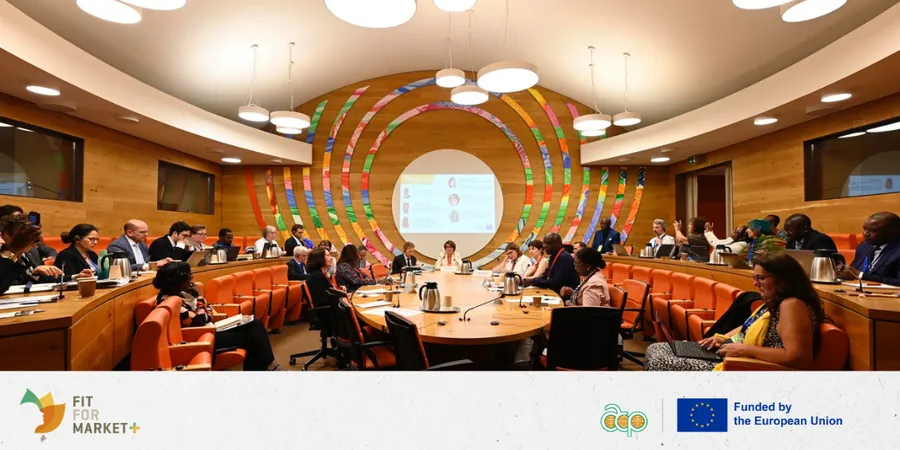
COLEAD participated through the FFM+ programme at the high-level thematic session on market access and trade facilitation, organised as part of the 6th African Union–European Union Ministerial Conference on Agriculture, entitled ‘A sustainable future for agri-food systems’, held in Rome on 10 October.The session, opened by French Minister of Agriculture Annie Genevard, brought together a prestigious panel composed of Estherine Fotabong (AUDA-NEPAD), Agata Gałińska (DG AGRI, European Commission), Alice O'Donovan (CELCAA) and Isolina Boto (COLEAD), moderated by Steven Were Omamo (IFPRI).The discussions highlighted several key points:AU-EU cooperation is crucial for the agri-food sector, which plays a major role in job creation and contributes directly to food and nutrition security.The private sector is emerging as a strategic partner, with fruitful partnerships already in place between African and European actors.The African Continental Free Trade Area (AfCFTA) offers a major opportunity for African businesses, but its success depends on inclusive implementation, skills development for entrepreneurs and SMEs, and improved access to information on regulations, taxation and logistics. Input for news Rome.SMEs and micro-enterprises need more support to build their capacity, meet market requirements, access finance and scale up their innovations. Women and young entrepreneurs need particular attention.Logistics infrastructure remains a major constraint, particularly for perishable products. Strategic investments are needed, including public-private partnerships, to reduce costs and losses.Access to business networks and partnerships is just as essential as access to finance or markets, enabling entrepreneurs to overcome obstacles that are often common across regions.The panel thus highlighted the need for close collaboration between the private sector, public decision-makers, researchers and financial institutions to unlock the full potential of inclusive and sustainable trade and seize the opportunities offered by the AfCFTA.As a committed player in these areas, COLEAD took this opportunity to share its ongoing commitment to actively supporting African and European entrepreneurs in a context of ongoing dialogue between the private and public sectors, thereby helping to shape the future of AU-EU cooperation and more sustainable agri-food systems.This activity is supported by the Fit For Market Plus (FFM+) programme, implemented by COLEAD within the Framework of Development Cooperation between the Organisation of African, Caribbean and Pacific States (OACPS) and the European Union. This publication receives financial support from the European Union and the OACPS. The content of this publication is the sole responsibility of COLEAD and can in no way be taken to reflect the views of the European Union or the OACPS.
 News
News
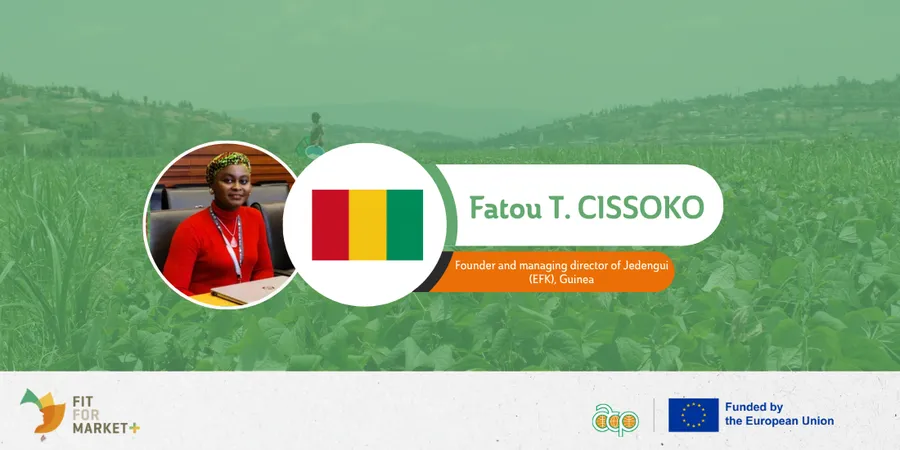
Fatou Cissoko (Guinea): “Our work goes beyond products: it's about people.”
Fatou Titine Cissoko is the founder and managing director of Jedengui (EFK), a Guinean agri-food company that transforms local agricultural surplus into high-quality natural products. She is a leading figure in women’s entrepreneurship in West Africa, committed to empowering women, supporting small-scale producers and reducing post-harvest losses. Originally from Kindia, Fatou witnessed over 40% of fruit production being wasted due to a lack of markets. Hailing from a farming background, she established EFK in 2014 to reduce waste and enhance the value of local produce. The company is entirely women-run and specialises in dried fruits and natural juices under the Jedengui brand, meeting demand for healthy, additive-free products.It is an inclusive model for small-scale producers.EFK works with over 70 small-scale producers, most of whom are women, buying their surplus produce and providing them with a stable income. The company supports the organisation of local cooperatives and collaborates with FEPAF-BG. In 2021, it launched the ADAKI cooperative, which Fatou chairs. EFK also provides training and technical support to help producers integrate into a sustainable value chain.Natural, competitive and certified productsThe Jedengui range includes dried mango, 'Baronne de Guinée' pineapple, ginger and 100% natural juices with no preservatives. EFK is pursuing HACCP and FSSC 22000 certification to support its export ambitions. Currently, 70% of sales are in Guinea, through supermarkets, hotels and fuel stations, with exports to the UAE accounting for 15%, and to Senegal, Mali and Morocco for 5% each. In the medium term, the goal is to export 60% of dried fruit production.Innovating for sustainable developmentEFK combines semi-industrial dryers with traditional juice units. Fatou is also piloting solar drying in collaboration with UC Davis and Winrock International as part of the Feed the Future programme. Despite this progress, EFK still faces capacity limitations, high packaging costs and restricted access to finance. Partners such as COLEAD, UNDP, USAID, Enabel, ITC, UNIDO, UNCDF and the World Bank support EFK by providing training, equipment and strategic guidance.EFK is a model of inclusion and women’s leadership.EFK employs ten women, often from informal or unemployed backgrounds, offering them a decent income, technical skills, and a sense of pride in contributing to the production of quality local goods. For Fatou, creating rural jobs is key to slowing the exodus from rural areas, with the aim of reducing it by 10% in affected communities.National recognition and active advocacyFatou’s work has earned her widespread acclaim. She won the Agrobusiness Prize for Social Entrepreneurship at SADEN 2020 and was named Best Female Hope and Best Rural Investment by Gnouma Magazine in 2022. In 2023, she received the “GUINE LOOLEH” award. As president of IFIM Guinée, she campaigns to better structure the mango sector and raise producers’ visibility. Through trade fairs and regional partnerships, Jedengui is emerging as a symbol of Guinea’s agri-food potential.Concrete prospects lie ahead:With support from I&P; Acceleration, EFK is installing a 1,000-litre/day juice line and upgrading facilities, creating eight permanent jobs and indirect opportunities in line with its inclusive mission. For Fatou, “our work goes beyond products: it’s about people”.She shared this vision during session 11 of the PAFO-COLEAD Innovations series, highlighting how local processing can reduce food waste. "Our work goes beyond products: it's about people. We support producers, especially women, to realise their full potential."Read her company profile here. Join the discussion on the circular economy on the Agrinnovators forum.This activity is supported by the Fit For Market Plus (FFM+) programme, implemented by COLEAD within the Framework of Development Cooperation between the Organisation of African, Caribbean and Pacific States (OACPS) and the European Union. This publication receives financial support from the European Union and the OACPS. The content of this publication is the sole responsibility of COLEAD and can in no way be taken to reflect the views of the European Union or the OACPS.
 News
News
Participatory development of the COLEAD 2030 strategy: initial results and trends from the public consultation launched in June
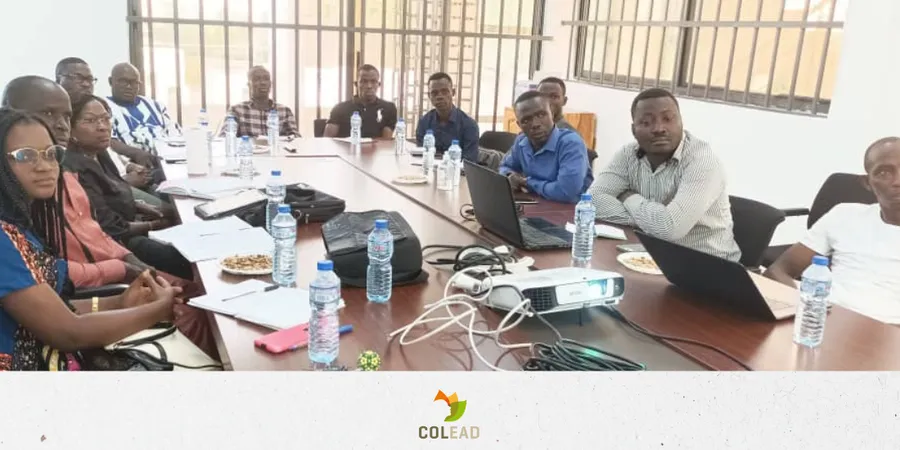
The consultation process, which officially began in June 2025, aimes to contribute to the development of the COLEAD 2030 strategy. Close to 300 contributions have been registered so far. These responses come from members, technical and financial partners, and the COLEAD team. This wide-ranging survey reveals some valuable initial findings, which we share with you here. Please note that there is still time to respond to the questionnaire (and at 2030@colead.link) as the consultation closes at the end of July. Please send an email to this address to express your interest. A detailed analysis of the results will follow, and from September onwards, workshops will be held on the key priority issues raised by stakeholders.Mission and vision confirmed:95% of respondents endorse COLEAD's current mission, vision, and values, which are considered fully aligned with the challenges facing the agri-food sector and sustainable development. SDG 1 (poverty reduction) and SDG 2 (food security and nutrition) are widely supported as central axes for future action at this stage.Priorities and modes of action:Participants confirm the importance of the macro-meso-micro triptych in COLEAD's approach: advocacy and inspiration at the global level; public-private dialogue, regulatory, market, and financial support at the national level; and high-quality, tailored online and field support for partner-beneficiaries. Seventy-five per cent of respondents want intensive field support while acknowledging the multiplier effect of digital technology.Themes and areas of expertise to be strengthened:The three most frequently cited topics are sustainable production, food security, and plant health. As for areas of expertise to be consolidated, technical assistance, training and market information were the most popular choices. The inclusion of women and young people, climate resilience and agroecology emerged as strong expectations across the board.Governance and network:More than 90% want to increase membership in line with the geographical scope of the programmes and 85% are in favour of integrating external partners into the governance of the association, thereby strengthening COLEAD's position as a leading organisation to support the transition to sustainable agri-food systems.Finally, 90% of participants believe that COLEAD will be able to increase the positive impact of its actions by 2030. Half of these participants expect this increase to be realistic and gradual, while the other half expect it to be exponential.The detailed analysis of all the feedback will be available in September. See you in the autumn!
 News
News
COLEAD Board and General Assembly: 2024 annual report approved, on course for 2030!
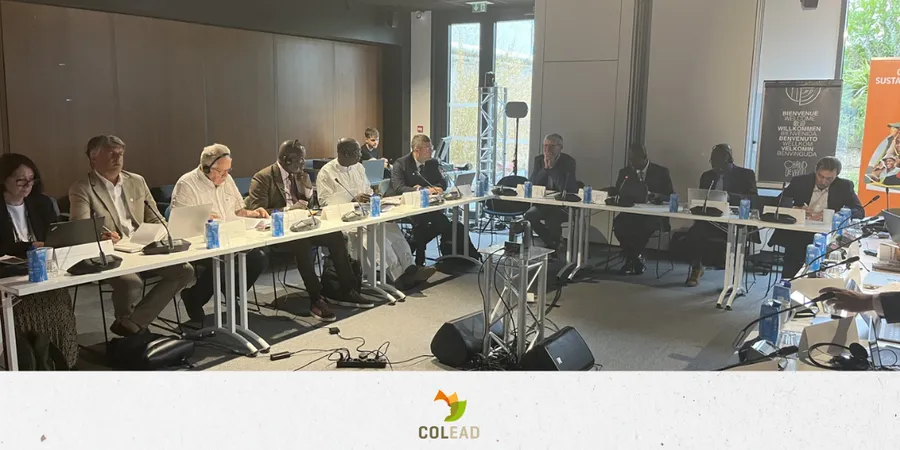
On 25 June, COLEAD held its Board of Directors and General Assembly in a hybrid format, bringing together almost 200 members who joined the event online through national members’ meetings. Around twenty countries were represented. This level of participation highlights the network's increasing vitality and the value placed on direct dialogue between members, teams, and partners.During the meeting, members approved the 2024 annual report and financial accounts. The meeting also provided an opportunity to review progress towards the five major strategic objectives set for 2025. Overall, the results are encouraging in terms of implementing and launching new programmes, strengthening partnerships, promoting technical and educational resources, structuring the members’ network, and advocating for and inspiring communities to support the transition towards sustainable agrifood systems.In June, the participatory process of developing the COLEAD 2030 strategy reached an important milestone with the distribution of a questionnaire to almost 900 stakeholders, 300 of whom have already responded. These responses will inform the workshops planned for autumn.These exchanges confirm the collective commitment to COLEAD's ambition to contribute fully to the Sustainable Development Goals, in line with the priorities of the EU Green Deal and the Global Gateway. The first presentation of the 2030 strategy will take place in December at the next COLEAD Consultative Committee meeting with its partners.[maxbutton id="9" url="https://eservices.colead.link/sites/default/files/file_fields/2025/Newsletter/annual-report/2024-Annual_Report%20COLEAD.pdf" text="Read the 2024 annual report of COLEAD and its programmes here" ]
 News
News
Access to finance: capacity building based on a pathway to investment for MSMEs in the agri-food sector
In response to the challenges of accessing finance, COLEAD has developed through the FFM+ programme a comprehensive approach called “Investment Readiness Path”. The approach aims to strengthen the financial capacity of agri-food businesses by equipping agricultural business managers and owners with the skills to validate their business models, develop business and financial plans, and interact with potential sources of financing. This increases their chances of accessing capital. These tools are essential for demonstrating the viability and profitability of businesses to donors and investors, presenting them as bankable projects.As part of its capacity-building efforts in this area, COLEAD has developed a self-study course entitled 'Introduction to Financial Planning in the Agricultural Sector'. This four-week pilot training course was organised in March and April this year.Target audience:This module is aimed at professionals in the agri-food sector, particularly:Business leaders;Farmers,Administrative and financial managers.Business managers;Management controllers, and accountants.The main objectives were:The training aimed to enable participants to:understand the theoretical foundations of financial planning in agricultural businesses;recognise the importance of financial planning for accessing finance.assimilate and apply financial risk management techniques specific to agriculture;identify the essential components of a financial plan and begin to draw up a plan tailored to the agricultural sector.Keys to success:This training was highly successful thanks to:the use of real-life examples from agri-food businessesa blended approach combining self-study and live sessionsactive support and regular interaction with participants.This is reflected in the feedback. For example: