
Cultivating
Sustainable Futures
Featured Articles
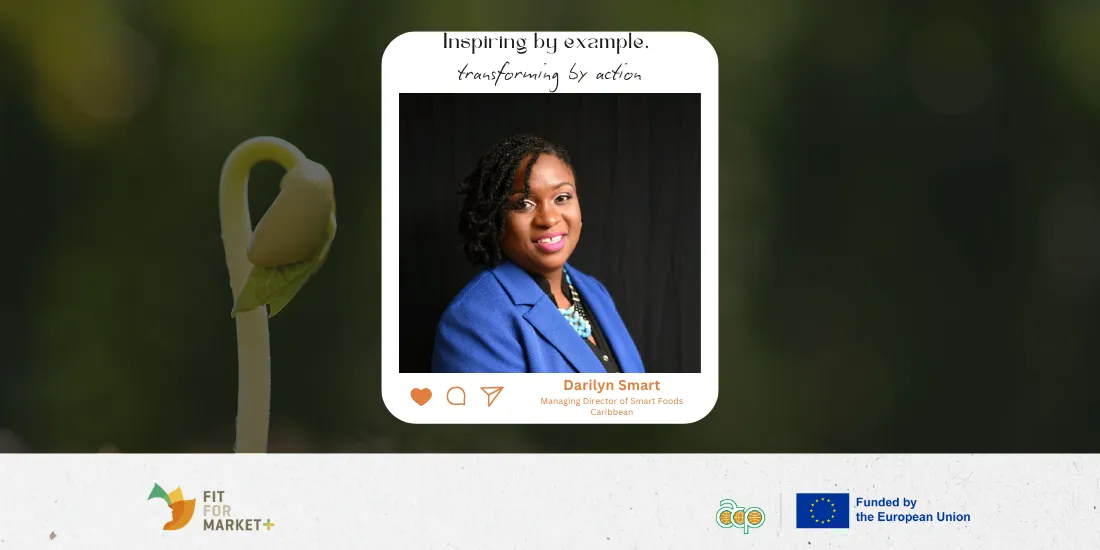
Darilyn Smart (Caribbean)
From value-added food products to partnerships with local farmers, Darilyn Smart has built her entrepreneurial journey around strengthening Caribbean agriculture. As Managing Director of Smart Foods Caribbean, she leads the strategic direction of the family-owned agro-processing business with a mission to take authentic Caribbean foods and flavours to the world.Founded in 2011, Smart Foods Caribbean began, like many small businesses, from a practical need. What began as a small family venture has grown into a company producing value-added food products made from Caribbean ingredients. Its range includes soaked fruits for Caribbean black cakes, preservative-free pepper sauces, condiments and fruit products, with a focus on clean, safe and nutritious food.In recent years, the company has embarked on a new chapter by relocating its fruit and vegetable processing operations from Trinidad and Tobago to Grenada, where it is establishing a new processing facility under the brand Oui Island. This transition reflects Darilyn's determination to continue growing the business while creating stronger links with regional agriculture. Through a structured outgrower programme, the company aims to build a robust, inclusive and sustainable supply chain by working closely with local farmers.Smart Foods Caribbean has benefited from technical support through the COLEAD Fit for Market Plus programme to support the design and initial implementation of this outgrower scheme. The assistance provided practical tools for farmer engagement, monitoring and partnership development, together with an action plan to guide the next phase of implementation and help build a reliable supply of high-quality raw materials. In addition, the company also participated in several courses through COLEAD's e-learning platform, including Building and Developing a Successful Outgrower Scheme.A strong advocate for entrepreneurship, Darilyn is particularly passionate about supporting women in business. Her ambition is to help women-led enterprises grow beyond the home kitchen and build businesses that can reach wider markets.Through Smart Foods Caribbean, Darilyn Smart is working towards a more resilient Caribbean food system. By strengthening partnerships with farmers, preserving authentic Caribbean flavours and creating value from local produce, she is helping build a future where farmers thrive and the region's food heritage continues to grow.This activity is supported by the Fit For Market Plus (FFM+) programme, implemented by COLEAD within the Framework of Development Cooperation between the Organisation of African, Caribbean and Pacific States (OACPS) and the European Union. This publication receives financial support from the European Union and the OACPS. The content of this publication is the sole responsibility of COLEAD and can in no way be taken to reflect the views of the European Union or the OACPS.
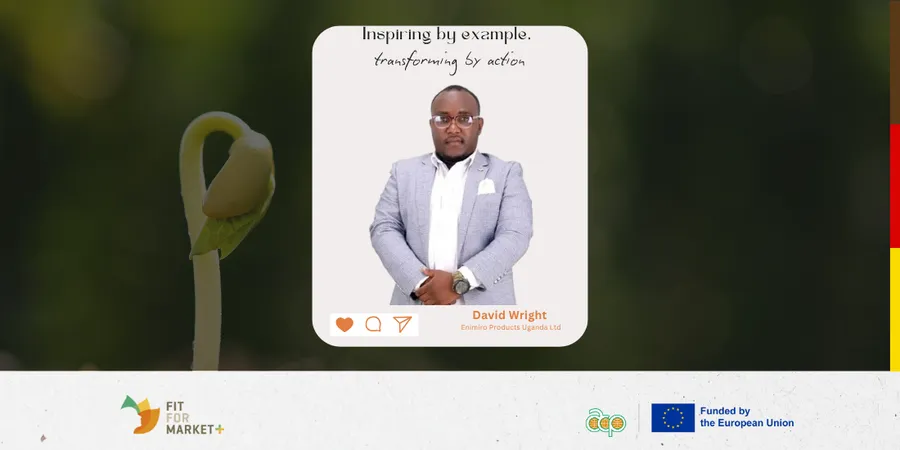
David Wright (Uganda)
When David Wright founded Enimiro Products Uganda Ltd in 2019, his ambition was to prove that successful agribusiness begins with trust. With a background in finance and commodity trading and drawing on his experience at Sahanala Madagascar, one of the pioneers of fully traceable vanilla supply chains, he set out to build a business that places smallholder farmers at the heart of the value chain. This vision became Enimiro's "Farmer First" approach, combining direct trade, digital traceability and long-term partnerships to create lasting opportunities for rural producers.Today, Enimiro works with more than 4,000 smallholder farmers across Uganda, exporting premium vanilla, coffee, pineapple and jackfruit to international markets, including the European Union and the United States. Under David's leadership, vanilla export volumes have increased tenfold, from around 10 metric tons to 100 metric tons per year, through direct farmer engagement, agronomic support and sustainable farming practices.For David, technology is only valuable when it improves farmers' lives. Enimiro's digital traceability system registers farmers, captures GPS locations and links every harvest to its source, while supporting transparency throughout the supply chain. Beyond compliance, he sees traceability to strengthen farmers' access to training, fairer markets and long-term commercial relationships.This philosophy is reflected in the experience of Manana Stephen, a partner farmer who expanded his vanilla plantation from 80 to 240 vines after joining Enimiro in 2020. By offering farmers an alternative to informal trading through transparent partnerships, Enimiro has helped build more secure livelihoods while improving the quality and competitiveness of Uganda's agricultural exports.This long-term vision also helped secure a financing partnership with the Common Fund for Commodities in 2022, reinforcing Enimiro's capacity to invest in farmers and future growth. Through this approach, David demonstrates that agricultural innovation is not only about technology, but also about building trusted relationships and creating value for farmers through transparency, inclusion and sustainable partnerships.Enimiro has also benefited from the COLEAD Fit for Market Plus programme, receiving tailored technical assistance to strengthen its food safety and quality management systems, prepare for BRCGS certification, and develop a carbon footprint management framework. Complemented by specialised training and post-training support on topics including GLOBALG.A.P., HACCP and access to finance, this support has reinforced the company's capacity to meet evolving market requirements and drive continuous improvement. The company’ experience was also shared in Session 13 of the OECD–COLEAD Fruit and Vegetable Industry Series, where discussions explored how digital technologies and artificial intelligence are helping strengthen traceability, improve operational decision-making and enhance the competitiveness of fruit and vegetable value chains.This activity is supported by the Fit For Market Plus (FFM+) programme, implemented by COLEAD within the Framework of Development Cooperation between the Organisation of African, Caribbean and Pacific States (OACPS) and the European Union. This publication receives financial support from the European Union and the OACPS. The content of this publication is the sole responsibility of COLEAD and can in no way be taken to reflect the views of the European Union or the OACPS.

Fit For Market Africa 2030
COLEAD has signed Fit for Market Africa 2030 — a EUR 50 million programme funded by the European Union under NDICI-Global Europe, running over six years from 2026 to 2032. It is the most integrated programme ever entrusted to COLEAD, and the principal operational vehicle for delivering the COLEAD 2030 Strategy, enabling food value chain actors not only to comply, but to compete, invest and grow on durable terms.Food value chains in Sub-Saharan Africa are operating under converging pressures. Climate variability and environmental degradation are compounding faster than most interventions deliver change. Geopolitical shocks and macroeconomic volatility have disrupted freight, inputs and credit. EU Market access requirements continue to tighten creating an upgrading opportunity for those able to respond, and a real exclusion risk for those who are not.At the same time, new opportunities are arising. Domestic and intra-African markets are growing fast with urbanisation, and the AfCFTA opens regional prospects. On the investment side, the EU's Global Gateway and its Investment Hub are seeking to channel European capital towards African food systems, which makes the capacity of local ecosystems to absorb and structure that capital decisive.Underneath all of this sits a single binding constraint: the fragile economic viability of the weakest actors in food value chains across the African continent. Smallholders, producer organisations and small enterprises operate on margins too thin to sustain the reinvestment that resilience building requires. Without addressing economic viability as an objective in its own right, gains on compliance, sustainability, skills or finance remain partial and reversible.FFM Africa is built around that diagnosis.What the programme isThe programme covers Sub-Saharan Africa, including South Africa, and focuses on food value chains. Its EUR 50 million budget is split equally between two complementary components.Component 1 — the continental facility (EUR 25 million) serves horticultural value chains across the continent. It delivers public goods, tools and services at scale: technical assistance and training on SPS compliance, sustainability and climate resilience; applied research and innovation on agroecological practices, integrated pest management, soil management, bio-inputs, post-harvest handling and traceability; a structured offer to vocational training providers and education institutions; investment facilitation; and market and regulatory intelligence feeding public–private dialogue.Component 2 — the country facility (EUR 25 million) goes deeper, in around eight country–value chain combinations spanning a broader range of food value chains. Each follows a progressive sequence: systemic diagnosis and an endorsed national action plan; strengthening of compliance, sustainability and dialogue capacity; development of commercial linkages; and mobilisation of investment. Combinations are identified in partnership with EU Delegations and DG INTPA, entering progressively over the programme's life rather than all at once, which preserves the ability to respond to opportunities as they emerge.Across the two components, nine outputs carry the work, connected by five mutually reinforcing causal pathways: compliance and market access; innovation and the sustainability transition; skills systems and human capital; enabling environments and governance; and investment and finance mobilisation. Inclusive public–private dialogue runs across all of them.The scale of the ambitionThe continental facility carries quantified objectives from the outset. Over six years, it aims to reach around 5 million smallholders with support for sustainable production, market access or land security, and to contribute to 120,000 jobs sustained or created — at least 40% held by women and 30% by young people aged 18 to 35. Supported operators are expected to increase commercialised volumes by an average of 20%, while EU SPS interceptions affecting horticultural exports should fall by at least 10%.The country facility works differently by design. Because its scope depends on which country–value chain combinations are confirmed, and when, its objectives are set as each combination enters the portfolio. The value of a country facility lies in being calibrated to the actual constraints and opportunities of each context, which cannot be specified in advance from a continental vantage point.Building on two decades — and on what the evaluations told usFFM Africa builds on the PIP and PIP2 programmes, the EDES programme, and on FFM- FFM SPS (2016–2023), and FFM Plus (2021–2026), which together established COLEAD's demand-driven intervention model: support mobilised through Development Projects based on applications from partner-beneficiaries, combined with diagnostics and customised action plans, delivered through a cascade of trained local experts and partner institutions, and cost-shared according to each enterprise's capacity to contribute.The FFM and FFM SPS evaluations shaped the new design in specific ways. Access to finance emerged as the most significant constraint preventing technical progress from translating into investment — hence a dedicated output, a supply-side engagement track with African financial institutions and insurers, and business management embedded as a core part of the operator pathway. The evaluations called for a differentiated architecture combining continental coverage with country depth — hence the two-component structure. They confirmed the cascade model's strength while noting that its last-mile reach was resource-constrained — hence the structured approach to training institutions, and the positioning of business membership organisations and local training providers as multipliers.FFM Africa translates the three orientations of the COLEAD 2030 Strategy into delivery — economic viability, a hybrid digital and field-based resource platform, and a federated network of local relays and national ecosystems — on a timeline that begins with the strategy's foundation year and runs beyond its 2030 horizon.Investment: working in two directionsOne genuinely new feature deserves highlighting. FFM Africa approaches investment facilitation from both sides at once. Bottom-up, it prepares operators (business management, financial transparency, ESG performance, investment readiness) and structures them into pipelines that can be presented to financiers. Top-down, it accompanies European companies and investors seeking to enter or expand in African food value chains, scouting and structuring opportunities and facilitating partnerships with local actors, in coordination with the Global Gateway Investment Hub.Where the two meet, a matchmaking mechanism supports the transaction. COLEAD does not deploy financial instruments itself: genuine financial de-risking remains the responsibility of financial institutions and development finance partners, with whom the programme coordinates. Its contribution is technical : reducing the perceived risk of African food value chains by strengthening the compliance, governance and traceability of the supply base, and lowering the transaction costs of finding investable operators.Partnerships and ownershipThe programme is delivered with the ecosystem. Partnerships run from field level — producers, cooperatives, MSMEs and local service providers — through business membership and producer organisations, training and extension systems, certification services and coordination mechanisms, to international, continental and regional bodies Synergies with all COLEAD managed programmes will be ensured, with a particular emphasis on AGRINFO. The delivery model is fully aligned with the Team Europe approach and may accommodate complementary financing from Member States, development finance institutions and private sector initiatives.What happens nextFollowing signature, COLEAD is mobilising teams, defining priorities and preparing the operational architecture, in close dialogue with DG INTPA and EU Delegations. A Consultative Committee meets on 3 December 2026, around which the programme offical launch will be organised. Applications for support under the continental facility open thereafter, and the first country–value chain combinations will be proposed and validated in parallel. Year 1 runs to Q3 2027.For value chain actors, support organisations, training institutions and public authorities across Sub-Saharan Africa, the door opens with a simple step: tell us your needs and access solutions to grow sustainably.For more information on FFM Africa 2030 and on how to apply for support, visit colead.link or contact your usual COLEAD focal point.
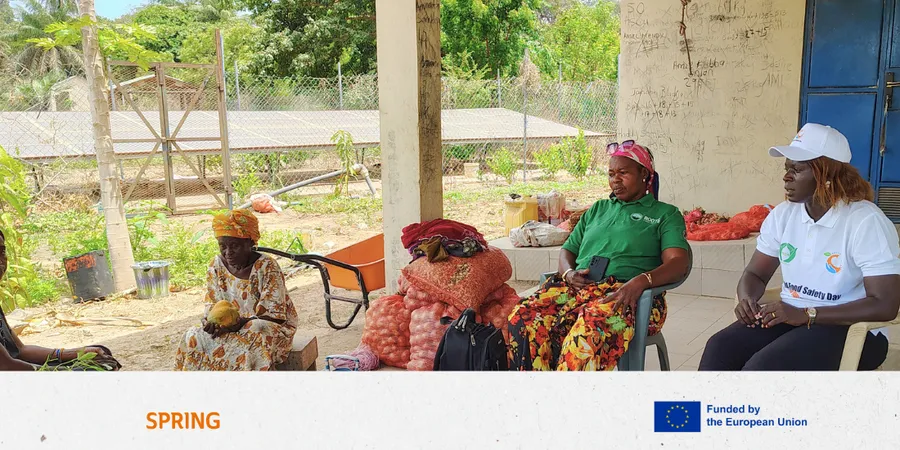
We strengthen food systems. We partner on health
A nutrition approach for 2026-2030, first applied in The Gambia with SPRINGAccording to the SOFI 2026 report, 2.69 billion people could not afford a healthy diet in 2025. Against this backdrop, COLEAD has formalised its nutrition approach for 2026-2030. The principle is simple: nutrition is not a new line of business but a lens through which the organisation looks afresh at the work it already does with agricultural and food value chains. The SPRING programme in The Gambia is its first testing ground.Bringing supply and demand through a nutrition lensCOLEAD sits at the interface between supply (farmers, cooperatives, SMEs, processors) and demand (schools, communities, markets, retailers, households). The nutrition lens is about bringing these two sides together so that safe, diverse and nutritious foods are available, affordable, competitive and actually consumed.The approach is fully embedded in the COLEAD 2030 strategy, where nutrition is one of the cross-cutting priorities, and plays out across the organisation's three levels of intervention: the enabling environment (policy dialogue, institutional strengthening, evidence), systems and markets (technical assistance, value-chain development, partnerships) and access and demand (support to producers, MSMEs and retailers, consumer and household engagement). The results chain is explicit: stronger food systems lead to safe, available, diverse and affordable foods, to healthier food environments and, ultimately, to healthier diets.Five pillars, a role for every departmentThe approach is built around five pillars: transforming value chains for better nutrition, notably through nutrient-rich and biofortified crops that respond to market demand; making food safety the foundation of healthy diets; building competitive markets for nutritious foods; accelerating innovation and knowledge; and catalysing partnerships. Every COLEAD department contributes from its own area of expertise, whether technical assistance and training, regulations, research and innovation and market intelligence, or networks and access to finance. Nutrition is thus integrated into existing work rather than carried by a dedicated structure.From approach to action: The Gambia as the first live applicationMoving into action follows four steps: operationalising the approach across all departments, equipping teams with dedicated tools -A Rapid Nutrition Assessment tool (R-NAT) and Nutrition AFS), applying it in real conditions, then testing, learning and refining with a view to wider roll-out.The first live application is taking place in The Gambia through SPRING. Funded by the European Union and implemented by COLEAD over 2025-2030, the programme aims to strengthen the contribution of Gambian horticulture to growth, food security and nutrition, through a market-oriented agroecological transition centered on women and young people. Its third specific objective focuses precisely on nutrition-sensitive horticultural value chains, with biofortified crops (orange-fleshed sweet potato, iron-rich beans, cassava) alongside value chains for the domestic market and for export. The programme also includes nutrition education and nutrition-sensitive initiatives, creating complementary pathways to strengthen both the supply of nutritious foods and the knowledge, practices and enabling conditions that support healthier diets.Lessons learned will help consolidate the approach before it is extended to COLEAD's other programmes.Find out more about the SPRING programme.This activity is supported by the "Sustainable Production for Resilient and Inclusive New Generations" (SPRING) programme, funded by the European Union and implemented by COLEAD. This communication has been produced with the financial support of the EU. Its content is the sole responsibility of COLEAD and can in no way be taken to reflect the views of the EU.
Unlocking bioeconomy opportunities in Latin America & the Caribbean
Experiences highlighted the importance of demonstrating a clear market need and moving from innovation towards commercial application.Latin America and the Caribbean (LAC) is uniquely positioned to harness the potential of the bioeconomy. With around half of the world’s known biodiversity, abundant biological resources and a strong agricultural and agri-food sector, the region has significant potential to develop more sustainable and competitive models of economic growth.To explore this potential, IICA and COLEAD organized, through the FFM plus programme, a two-part webinar series, “Unlocking Bioeconomy Opportunities in Latin America and the Caribbean”, bringing together entrepreneurs, researchers, investors and institutional actors from across the region.The series attracted a diverse audience from across Latin America and the Caribbean and beyond, with more than 500 people registering for the two webinars.The first webinar, held on 8 July, provided an overview of the emerging bioeconomy landscape in the region, exploring market opportunities and showcasing innovative businesses and initiatives already turning biological resources into new products and solutions.The discussion brought together four startups, APASOMICS (Costa Rica), SOS Biotech (Dominican Republic), Skin Graft (US-based) and RefruBio (Colombia), who showcased a range of innovative bioeconomy applications across sectors. The institutional panel then featured the Alexander von Humboldt Biological Resources Research Institute, the Latin American Bioeconomy Network and the University of Costa Rica’s CEIBA Project, highlighting the role of research, knowledge exchange and institutional collaboration in strengthening bioeconomy ecosystems.Showcasing innovation is one thing; turning promising solutions into successful, scalable businesses is another. Building on the first session, the second webinar, held on 2 September, explored what it takes to move from innovation to growth, with a particular focus on access to finance and the expectations of investors.Impact investors from The Yield Lab Latam, Atta Impact Capital and Kampani shared their perspectives on what bioeconomy businesses need to demonstrate to attract investment. While their approaches differ, they highlighted common expectations around technological maturity, a strong business model, measurable impact and market potential.Three startups, Solena (Mexico), Nat4Bio (Argentina) and Nanomedical Solutions (Costa Rica), then shared their experiences of fundraising and commercialising bio-based solutions. Their businesses illustrated the range of innovations emerging from the region, from soil-health diagnostics combining microbiology and AI to biological post-harvest solutions that reduce conventional fungicide use and edible coatings designed to reduce cassava losses. Their experiences also highlighted the importance of demonstrating a clear market need and moving from innovation towards commercial application.Together, the webinars highlighted both the significant potential of the bioeconomy in LAC and what is needed to turn that potential into impact: innovative solutions, strong ecosystems and access to the right financing at the right stage of development.COLEAD is pleased to continue contributing to this dynamic and supporting the development of a more innovative, sustainable and inclusive bioeconomy in the region.Find the recording of the first webinar here: Spanish.Find the recording of the second webinar here (English) / Spanish.This activity is supported by the Fit For Market Plus (FFM+) programme, implemented by COLEAD within the Framework of Development Cooperation between the Organisation of African, Caribbean and Pacific States (OACPS) and the European Union. This publication receives financial support from the European Union and the OACPS. The content of this publication is the sole responsibility of COLEAD and can in no way be taken to reflect the views of the European Union or the OACPS.
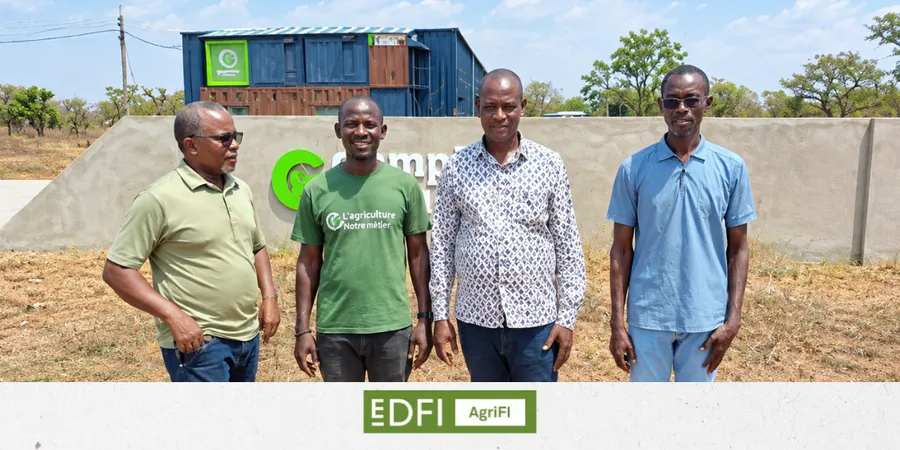
Complete Farmer - Diagnosing to Grow: A two-phase approach to stronger outgrower networks and training systems
COLEAD carried out a comprehensive diagnosis of Complete Farmer's outgrower model and training system, an assignment delivered in the context of the EDFI MC - AgriFI Facility / COLEAD cooperation agreement (link HERE).Complete Farmer connects farmers to domestic and international markets through technology-driven solutions. Founded in 2017 and headquartered in Accra, the company works with 52.461 smallholder farmers and 11.892 in their farmer network. Its commodities - chilli pepper, ginger, soybean and sweet potato, sold fresh and dried - are largely destined for export, reaching markets such as the European Union, India and Dubai.A two-phase diagnostic journeyThe assignment combined quantitative and qualitative methods - surveys, document reviews, stakeholder interviews, group discussions, SWOT analysis and field observations - across two complementary phases.The first examined the relationship with outgrowers, looking at farmer selection and inclusion, market linkages, input supply, contract transparency, technology use, regulatory compliance, certification support and risk management. The second assessed the training system itself, from content and target groups to delivery methods, internal resources and post-training follow-up.Building on real strengthsThe findings pointed to real strengths to build on: trust-based relationships with farmers, prompt payments, continuous technical support, and a well-equipped operational base. At the same time, they identified opportunities to further professionalise the outgrower scheme - notably through stronger farmer organisation, governance and monitoring arrangements, and continued capacity building on good agricultural practices and certification requirements.Sharpening the training systemOn the training side, a solid agronomic foundation stood out, alongside room to strengthen governance and documentation, the consistency of training delivery, and monitoring and evaluation mechanisms. Broadening content on topics such as food safety, traceability and business skills, and paying closer attention to inclusivity, were also flagged as valuable next steps.A roadmap for growthTogether, these insights now feed into a roadmap for a structured and resilient sourcing model - one well positioned to capture growing opportunities linked to certification and expanding organic markets. It's a clear illustration of how targeted technical diagnostics can translate into concrete pathways for stronger, more sustainable agricultural value chains.About EDFI Management Company: EDFI Management Company (EDFI MC) is a multilaterally owned impact asset manager that delivers innovative development finance solutions. The company enables European DFIs, development banks, and private sector investors to increase the scale and impact of their work, focusing on business models, technologies, and geographies where other investors have not been able to operate at the desired scale.About Cajou Espoir: Cajou Espoir is Togo’s leading processor of raw cashew nuts, playing a crucial role in the country’s cashew value chain. With a focus on sustainable practices, the company is organic / fairtrade certified and is committed to supporting local communities and enhancing livelihoods.About COLEAD: COLEAD is a leading provider of technical assistance in sustainable agriculture, working with organizations worldwide to implement innovative and effective solutions for improved agricultural practices and rural development.
EU organic agricultural and food imports at their highest since 2018: who is capturing the growth?
Eight years of TRACES data, now available in COLEAD's dashboardThe 2025 data on EU27 imports of organic agricultural and food products are now available through TRACES and can be explored in the dashboard on COLEAD's Analytics page. With this latest update, carried out through the FFM Plus programme, the dataset now spans eight years, from 2018 to 2025 — providing a solid basis for distinguishing longer-term trends from one-off movements. The data cover a broad range of organic products entering the EU27 market, including fruit and vegetables, cereals and oilseeds, coffee and cocoa, animal products, beverages and processed foods, as well as a small number of non-food products. All products included in the dataset are certified organic.A market at its highestEU organic imports rose sharply in 2025, reaching almost 3 million tonnes. That is the highest level since TRACES data became available in 2018, after two years of lower volumes. The increase covers most product groups, which points to firmer demand across a wide range of supply chains rather than an isolated catch-up effect.Fruit and vegetables have taken first placeThey now account for around 45% of import volumes, led by bananas, followed by avocados, lentils, cashew nuts, fruit juices, dates, citrus fruits and kiwifruit. Arable crops — mainly soybean products and cereals — follow at 39%, having ranked first in 2018 with 51%. The reversal happened gradually, through steady growth in fruit and vegetables rather than any collapse in arable crops.Who supplies Europe's organic fruit and vegetables?Ecuador alone supplied around a third of them in 2025, with volumes rising continuously over the eight years. The Dominican Republic and Peru remain major suppliers, although Dominican exports have fallen back since their 2021/2022 peak. Colombia stands out for steady growth, while Türkiye and Egypt have held relatively stable volumes over the period.Where the growth is goingGrowth in the market is not evenly shared. Between 2022 and 2025, Ecuador alone added almost 100,000 tonnes, and Colombia continued its steady climb. Over the same period, most of the leading African and Caribbean suppliers held relatively stable volumes — the Dominican Republic being the exception, with a decline since its 2021/2022 peak. Côte d'Ivoire, South Africa, Ghana and Kenya are among the main suppliers in that group.The overall movement is therefore less a decline than a dilution: the market is growing faster than those supplies, which reduces their relative share at constant volumes.Five countries, more than 80% of entriesThe Netherlands remained the main gateway for organic imports into the EU in 2025, accounting for more than a third of volumes. Germany, Italy, Belgium and France complete the top five: together, these five destinations take in more than 80% of all organic imports. That reflects the size of these markets, but also the role of the major European logistics hubs, Dutch and Belgian in particular — the country of entry is not necessarily the country of consumption. These findings are only a snapshot. The dashboard allows trends to be explored by product, by country and by market.EU organic imports dashboard — COLEAD Analytics pageThis activity is supported by the Fit For Market Plus (FFM+) programme, implemented by COLEAD within the Framework of Development Cooperation between the Organisation of African, Caribbean and Pacific States (OACPS) and the European Union. This publication receives financial support from the European Union and the OACPS. The content of this publication is the sole responsibility of COLEAD and can in no way be taken to reflect the views of the European Union or the OACPS.

Market notes for VCA4D: placing each value chain in its trade context
From Colombian cocoa to Mongolian cashmere: taking stock of a collaboration begun in 2021.A value chain analysis carried out in the field tells you a great deal that is accurate about a sector's production, incomes and environmental impacts. It says much less about what happens beyond the country's borders, which is often where prices and outlets are actually determined. Filling that gap is what COLEAD's Market Insights service has been doing alongside the VCA4D programme since 2021.The value chain approach, from local producer to global consumerVCA4D (Value Chain Analysis for Development) is an EU-funded programme coordinated by Agrinatura. It analyses agricultural value chains to assess their economic, social and environmental sustainability, and so to inform policy and investment decisions. Each study covers one value chain in one country.VCA4D analyses that value chain within its country. Market Insights extends the analysis to the regional and global scale: international and regional trade, price trends, competitiveness, market access conditions and emerging opportunities. The two scales speak to each other, since global market dynamics shape what happens locally.A standard structure, so studies can be comparedAll the notes follow the same outline (see box). They combine trade data with literature reviews, exchanges with experts and COLEAD's own market knowledge. Depending on the study, they serve as background material for the VCA4D team, are incorporated into the final report or published as an annex.What does a market note contain?Executive summaryScope and methodologyProduct overviewProduction analysisInternational, regional and domestic trade analysisPrice analysisMarket access and regulatory requirementsConclusionsBrowse the market notes COLEAD e-library.Seventeen notes, twelve countries, thirteen value chainsThe body of work produced since 2021 spans a broad range of sectors and regions: cocoa in Colombia, fisheries in Guinea-Bissau, cashmere in Mongolia, aquaculture in Georgia, shrimp in Madagascar, among others. VCA4D Phase 2 closed in June 2026 and Phase 3 is now beginning, a good moment to take stock and make the full collection available.

Dominican Republic: a modernised sanitary and phytosanitary framework
The SIA project (Sanidad e Innovación Agropecuaria), led by the Ministry of Agriculture and financed by the Inter-American Development Bank (IDB), closed in August 2026. It leaves the country with revised health legislation, a national SPS policy, digitalised services and 22 good practice manuals ready for use in the field.The Dominican Republic is one of the Caribbean's main agri-food players, and its access to domestic and export markets rests on the strength of its sanitary and phytosanitary (SPS) systems. The SIA project was designed to reinforce that foundation: strengthening sustainable production capacity, raising the level of food safety, and improving the country's compliance with international standards.Launched in May 2024, the project ran for 28 months, a scope initially planned over 48. COLEAD provided the technical assistance, mobilising 21 experts — staff and external specialists from Argentina, Belgium, Chile, Honduras, Mexico and the Dominican Republic — alongside the Ministry's teams.A renewed legal and policy basisTwelve laws and regulations covering plant and animal health were revised, updating the legal framework within which the Ministry operates.The project also supported the drafting of a national SPS policy. Internally, it gives Agriculture, Health and Environment a shared basis for coordination. Externally, it strengthens the country's application of requirements set by international bodies, and with it its standing as a reliable trading partner.Systems reinforced, services digitalisedSurveillance, traceability and certification systems were all strengthened. These technical improvements were paired with the digitalisation of a number of processes handled by the Ministry of Agriculture and the Dirección General de Ganadería, improving the services both institutions provide to their users.Good practices, ready for the fieldTwenty-two good practice manuals were produced across a range of commodities, making good agricultural and livestock practices easier for Dominican producers to understand and apply. They also give extension staff an up-to-date basis on which to train producers in the different regions of the country.What comes nextFurther collaborations are under discussion with the Ministry, on these topics and others. A COLEAD office opened in Santo Domingo in 2026, giving the organisation a permanent base from which to work with partners in the country and the wider region.This activity is supported by the SIA project (Sanidad e Innovación Agropecuaria), implemented by COLEAD on behalf of the Ministry of Agriculture of the Dominican Republic and financed by the Inter-American Development Bank (IDB) under loan no. BID-4909/OC-DR. This publication has been produced with the financial support of the IDB. The contents are the sole responsibility of COLEAD and in no way reflect the views of the Dominican Ministry of Agriculture or the IDB.
New EU rules on packaging and packaging waste (PPWR) now apply
From 12 August 2026, the following new European Union (EU) rules on packaging and packaging waste (PPWR Regulation 2025/40) apply to packaged food products:Manufacturers of packaged food products exported to the EU must carry out a packaging conformity assessment, and the packaged product must be accompanied by a declaration of conformity (PPWR, Annex VIII) and supported by the relevant technical documentation (PPWR, Annex VII).Substances of concern in food packaging must be minimised, including per- and polyfluorinated alkyl substances (PFAS). See the AGRINFO Guidance on PFAS limits.The European Commission has published a Guidance document and recently updated its Frequently Asked Questions (FAQs) (changes since the first version are marked 'NEW' or 'UPDATED').The updated FAQs aim to clarify:the difference between sales, grouped, and transport packaging (chapter II)who is considered the manufacturer and who is the producer of transport packaging (chapter II)the obligations of packaging manufacturers (chapter X)how the new rules will be enforced by EU Member States from 12 August 2026 onwards (chapter XVI).AGRINFO offers practical resources to help agri-food operators understand the new rules, including:webinar resources including video recording, presentation slides, and questions and answers arising from the webinarsa regularly updated report: New EU packaging rules explained.Other PPWR requirements do not apply immediately and will be introduced progressively over time.If you need further information or have specific questions regarding the application of these rules, please do not hesitate to contact usThis activity is supported by the AGRINFO programme, implemented by COLEAD and funded by the European Union (EU). This publication receives financial support from the European Union. The content of this publication is the sole responsibility of COLEAD and can in no way be taken to reflect the views of the European Union.

Registrations, MRLs, biopesticides, soil laboratories: the COLEAD crop production toolbox is live
COLEAD's new tool replaces the Crop Protection Database and adds a mapping of soil analysis laboratories across Africa.An exporter preparing a season quickly runs into three questions whose answers sit in different places: which plant protection product is registered in their country for their crop and their pest, which maximum residue limits the European Union applies now and is about to change, and where soils can be analysed without crossing the region. The Crop Production Toolbox, now live on COLEAD's website, brings those answers together in one place. It replaces the Crop Protection Database, whose content it carries over in full.The crop protection database, extendedThe first section lets users check the plant protection products registered by country, by crop and by target pest or disease. It tracks recent and upcoming changes to EU MRLs and the EU approval status of active substances — the most critical information at present, with MRL revisions accelerating. It also gives access to the Good Agricultural Practices needed to comply with current EU and Codex Alimentarius MRLs, and to abstracts from COLEAD's biopesticide trials, for growers looking at lower-risk alternatives.A mapping of soil analysis laboratories in AfricaThis is what is new. Finding an analytical service that is reliable, reachable and affordable remains a practical obstacle to testing soils regularly, and therefore to managing their fertility over the long term. The second section lists the laboratories and analytical services available across the continent, filtered by location and type of service. Only laboratories that have consented to publication appear there.And supporting resourcesThe third section gathers links to resources relevant to crop production: COLEAD materials, including production guides and the AGRINFO platform, alongside external sources. It will be expanded over time.A user guide is being finalised. The toolbox will keep evolving, with new content and functionalities added: feedback on the user experience is welcome.Open the COLEAD crop production Toolbox
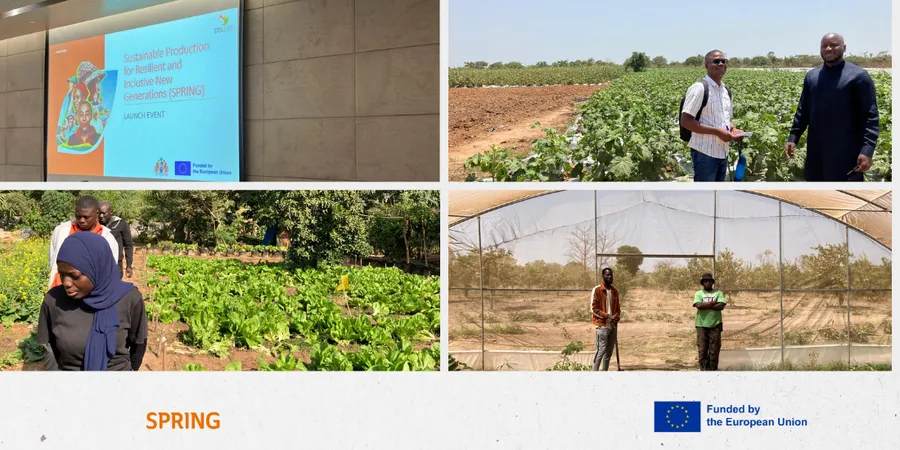
The Gambia: SPRING moves from diagnostics to action plans
A bottleneck study, R-SAT diagnostics value chain by value chain, the revival of the National SPS Committee and the first support applications assessed — Year 1 is delivering.Launched in Banjul in April 2026, the SPRING programme (Sustainable Production for Resilient and Inclusive New Generations) is supporting The Gambia's horticultural sector over five years, with European Union funding. The targeted value chains combine export crops (mango, capsicum, groundnut), the domestic market (tomato, onion) and biofortified crops for nutrition (orange-fleshed sweet potato, iron-rich beans, cassava). Year 1 is dedicated to establishing the evidence base and mechanisms required to ensure that subsequent support is informed, targeted, and responsive to identified needs. Five workstreams structure that effort.A sector-wide diagnosticA bottleneck study is currently underway. Fieldwork is running from 21 August to 18 September 2026, followed by an in-person validation workshop on 21 September, with a first draft due on 1 October. Going beyond a simple inventory of constraints, the study analyses the causes and consequences of each bottleneck and assesses its importance and potential for resolution, providing a clear basis for prioritising interventions.The National SPS Committee as the cornerstone of public-private dialogueRather than creating a new body, the programme builds on the existing National SPS Committee (NSPSC) as the national platform for public-private dialogue. Its revival was supported in collaboration with the World Bank- and Government-funded GIRAV project during World Food Safety Day celebrations in June 2026. As a follow-up in October, an in-depth assessment using the R-SAT (Rapid SPS Assessment Tool) methodology will inform an action plan to strengthen structured public-private dialogue led by the NSPSC.Structured action plans to support value chains and laboratoriesThree priority areas were selected for sanitary and phytosanitary diagnostics: the domestic market, exports and groundnuts. The domestic market R-SAT was completed in August and shared with its dedicated Technical Working Group (TWG) for validation on 19 September, ahead of presentation to the National SPS Committee in October. The export and groundnut R-SATs will follow on 19–23 October and 16–20 November, respectively. A laboratory assessment is also planned for November, complementing efforts to operationalise the National Laboratory supported by the EU-funded WACOMP programme. For each area, a dedicated TWG will guide the diagnostic and development of an action plan framing subsequent SPRING support.Applications for support are coming inThe Application for Support (AFS) mechanism, opened at the launch event on 14 April, drew 153 expressions of interest, converted so far into more than 75 AFS. These include 117 MSMEs, 7 training institutions, 2 service providers, 12 smallholder support structures, 2 research institutions, 4 producer groups, 1 finance-based organisation, 3 competent authorities, 1 business membership organisation, 4 other organisations that do not fall in any of these categories. Following more than 50 meetings and company visits, 39 applications were reviewed by the Technical Committee in June and August. Five priorities consistently emerge: access to finance, by far the most frequently raised concern; water availability and irrigation management; human resources and expertise; post-harvest losses and market access; and climate-resilient practices. The first development plans are expected to be signed in the coming weeks.A business community taking shapeThe last workstream is the least formal and not the least important. A "SPRING partners" WhatsApp group, created in April, brings together 62 participants outside the COLEAD team, several of them co-opted by the first joiners. This is a result of two informal gatherings of COLEAD members or “members to be” that were held in April and June this year. The objective is to offer opportunities for entrepreneurs and MSMEs to connect, exchange ideas and explore business opportunities. Discussions around shared challenges have led to the revival of GAMHOPE, the horticultural sector’s professional body, currently led by an interim board tasked with organising elections.Capacity-building opportunitiesAmong the activities launched in Year 1, two training initiatives are coming up:Training of Trainers – Capacity Building in Training and Communication Techniques. A Call for Expressions of Interest is open to experts and consultancy firms until 16 September 2026. Find out more and apply here.Demystifying Access to Finance for Horti- and Agri-projects & Introduction to Business Model Validation. An awareness session designed to walk agri-MSMEs through the access to finance journey, as well as help MSMEs understand how validating their business model strengthens their position with financiers. The workshop will be organised on 6 October.Connecting needs, opportunities and partnershipsThe programme will actively seek complementarities and synergies with all government-led agencies supporting The Gambia’s agricultural sector. It will also coordinate closely with the Twinning Grant Agreement, which will be implemented concurrently, as well as with other relevant programmes, to maximise added value and avoid duplication.SPRING is a demand-driven programme. If you would like to receive support or partner with us, please submit an expression of interest using this link: https://colead.link/apply-for-support/.If you have any questions, please contact network@colead.link.This activity is supported by the "Sustainable Production for Resilient and Inclusive New Generations" (SPRING) programme, funded by the European Union and implemented by COLEAD. This communication has been produced with the financial support of the EU. Its content is the sole responsibility of COLEAD and can in no way be taken to reflect the views of the EU.

Zimbabwe: the THRIVE programme gets under way, for four years
A four-year agreement with the European Union Delegation, to go further in-country on the foundations laid by FFM+ and AGRINFO.COLEAD signed a 48-month grant agreement with the European Union Delegation to Zimbabwe in July 2026, for the implementation of the THRIVE Zimbabwe programme — Transforming Horticulture for Resilient, Inclusive & Value-driven Exports. A first in-country mission took place from 17 to 21 August. It served to introduce the programme, validate priority areas and put in place the working relationships that will carry delivery over the next four years.A country programme, built on the regional onesTHRIVE follows a country-programme logic: it draws on the results, tools and deliverables produced by COLEAD's regional programmes, and adds the resources for more numerous and more individualised support in a single country. The same architecture is at work elsewhere, with PASA in Côte d'Ivoire and NEXT in Kenya. In Zimbabwe, the groundwork is there: since Fit For Market Plus (FFM+) was launched in 2022, 57 applications for support have been received and 46 development projects signed with MSMEs, business membership organisations, service providers, competent authorities, universities and other support structures. The AGRINFO programme is also active in the country.Four partners consulted, five areas identifiedDiscussions brought together the Plant Quarantine Services Institute (PQSI), Zimbabwe's national plant protection organisation (NPPO), the Horticultural Development Council (HDC), ZimTrade and Bio-Hub Trust — a regional think tank working since 2011 on natural resource management and biodiversity conservation — among others. They opened up scope for collaboration on plant health, market access, business support, sector coordination and the development of sustainable support services for horticultural operators.A new R-SAT under discussion with the NPPOWith PQSI, COLEAD reviewed earlier cooperation and discussed priorities for future technical support. Among them, a new iteration of the Rapid SPS Assessment Tool (R-SAT), which COLEAD has also used this year in Mali and Burkina Faso. Scope, timing and practical arrangements are still to be confirmed through follow-up technical discussions.A permanent presence in the countryThe mission moved forward the recruitment of COLEAD's first Zimbabwe-based programme coordinator. Initial interviews were held in Harare and the selection process is continuing; the appointment is expected in September or October 2026. This permanent in-country presence will make COLEAD more accessible to national partners and allow for close coordination throughout implementation.Two EU programmes that answer each otherA close working relationship was also established with the EU Delegation and with the International Trade Centre's Horticulture Export Value Chain Development Project, likewise EU-funded. The two programmes will coordinate their interventions to seek complementarity, avoid duplication and maximise their combined contribution to the sector. Preparations for a joint launch event are under way.What the sector saidOne point came back throughout the week: partners and COLEAD members welcomed THRIVE's long horizon and the prospect of a stronger presence in the country, while stressing the need to turn that coordination into practical, responsive support for businesses, producers and sector institutions.
Madagascar: bringing cowpea up to international market requirements
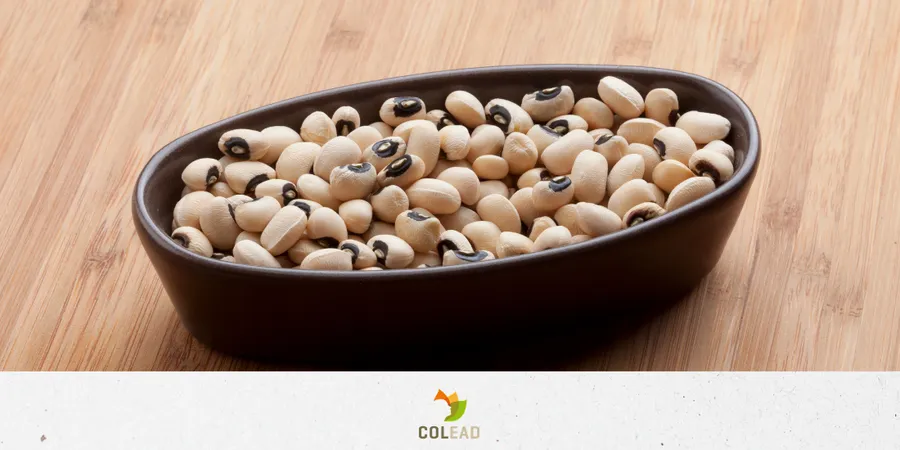
COLEAD will support the value chain's action plan for 24 months, under the World Bank-funded FSRP project.Cowpea, known in the trade as black-eyed beans, holds a particular place in Madagascar's dry grain exports: a largely smallholder value chain, serving markets that require increasingly well-documented food safety management. Official checks at the European Union border have, in recent years, revealed recurrent non-compliances on dry beans, pesticide residues such as chlorpyrifos in particular. The European Commission consequently increased the frequency of identity checks and physical checks applying to certain consignments, through Implementing Regulation (EU) 2024/286 amending Regulation (EU) 2019/1793.These requirements are not specific to Europe, nor are they only about the quality of the grain itself: they concern a value chain's ability to demonstrate what it does, from the choice of inputs through to shipment. That is what the value chain's updated action plan sets out to build.A two-year mandateThe Ministry of Agriculture, through the management unit of the Food Systems Resilience Project (FSRP) in Madagascar, has entrusted COLEAD with supporting the implementation of that plan and aligning the value chain with international standards. FSRP is funded by the World Bank, with a total budget of USD 228.1 million over seven years, and this activity falls under its sub-component on strengthening priority value chains and links to regional markets.The assignment runs for 24 months, timed to cover two recession-farming seasons on baiboho land.Three strands of workThe first concerns governance and traceability: equipping the value chain with a working digital traceability system, a digital register of operators and the regulatory texts that frame it, and reviving the inter-regional dry grains platform as a space for monitoring and consultation.The second addresses practices and controls. A sanitary and phytosanitary good practice guide specific to cowpea, together with a list of prohibited products, will serve as a common reference. A training-of-trainers session will precede the sessions rolled out to producers over the two seasons. Officers of the Plant Protection Directorate will be trained, 24 phytosanitary brigades trained and equipped, and an awareness campaign will target input retailers with a focus on fraud — a decisive link in the chain, since part of the residue problem originates there.The third prepares what comes after. A regional monitoring and evaluation committee, bringing together the Plant Protection Directorate, the regional agriculture directorates and the platform's constituent groups, will track the indicators. An export marketing strategy will be developed and tested through pilot campaigns, ahead of arrangements to sustain the work beyond the project.Where, and for whomThe situational review will cover all producing regions, with particular attention to Boeny and Betsiboka, where two pilot zones for the traceability system will be set up. The pilot phase is designed to reach 500 producers, 4 exporters, 12 collectors and 6 transporters, for 500 direct and as many indirect beneficiaries, and to transfer at least five technologies to value chain operators.The objective comes down to one sentence: that compliance of Malagasy cowpea should no longer depend on the luck of the draw at inspection, but on a system that produces it.

Uganda: from local to European markets, what the requirements change for horticultural exporters
Understanding the requirements is one step, meeting them is another: GLOBALG.A.P. IFA v6 training in Kampala, 28 September to 2 October.Choosing a market is not only a question of price. A Ugandan exporter comparing the local, regional and European markets is also comparing different sets of requirements and levels of risk and three cost structures. That is the reasoning COLEAD set out for Ugandan horticultural companies in two sessions held in August 2026, under the SPS Uganda project (Boosting International Trade: Improved Sanitary and Phytosanitary System in Horticulture in Uganda), funded by the European Union and implemented by CABI in collaboration with COLEAD.First session: compare before choosingThe session on 5 August covered the fundamentals: what separates local, regional and export markets in terms of business models, risks and returns; the regulatory, commercial and technical requirements specific to each; and the steps to take and costs to bear in reaching a target market. Two areas drew particular attention. Changes in EU regulation, presented through the AGRINFO programme. And private voluntary standards — GLOBALG.A.P., GRASP, SMETA, BRCGS — now decisive in market access, with GLOBALG.A.P. treated separately.Second session: the route to certificationOn 12 August the discussion turned operational: the GLOBALG.A.P. certification process step by step, and the self-study pathway COLEAD has built to prepare companies for the requirements of version 6 of the standard, on its e-learning platform. The two sessions drew 135 registrants and 101 actual participants, including 26 women and 30 young people. Questions covered EU market requirements, upcoming regulatory changes, private standards, trade fairs and market entry strategies. The sessions were led by experts from COLEAD's Standards & Regulations, Market Insights and Technical Assistance departments, with a consultant specialising in version 6 of GLOBALG.A.P."Very informative sessions, and we look forward to working with COLEAD and the Uganda SPS Project to achieve our goals," said Florence Nagawa, a Ugandan producer.Next: five days in the classroom in KampalaThis is where the project moves to the next stage. GLOBALG.A.P. IFA v6 training will be held in person in Kampala from 28 September to 2 October 2026, and interested companies can register their interest now. COLEAD is also continuing to support participating companies individually as they work through the self-study pathways.
Central Africa: tackling the rejection of agrifood products at EU borders
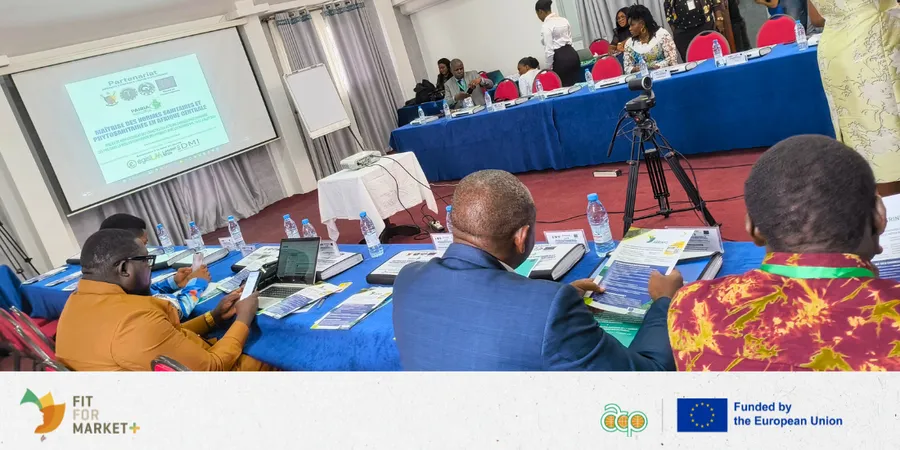
COLEAD contributed to workshops in Douala in July for the organisations supporting SMEs across the region's eleven countries, under the PAIRIAC programme.Agrifood SMEs in Central Africa face a recurring problem: their consignments are rejected at EU borders. The SPS component of the PAIRIAC programme (Programme d'appui à l'intégration régionale et à l'investissement en Afrique centrale), funded by the European Union in partnership with ECCAS and CEMAC, addresses precisely that. The workshops held in Douala from 14 to 17 July 2026 brought together the organisations that support those companies across the region's eleven countries, with COLEAD contributing trough the FFM+ programme.Training those who support the SMEsThe first two days covered EU SPS legislation, import procedures, pesticide management and biological contaminants — most of what triggers a refusal at the border. COLEAD set out the EU requirements applying imports of food products, along with the resources regional stakeholders can draw on to prepare for them: the AGRINFO programme for regulatory monitoring, the e-learning offer and the online library.From audit to recommendations16 and 17 July were given over to the technical assistance restitution. The PAIRIAC technical team presented its audit report, and participants drew up recommendations aimed at addressing non-tariff barriers on a lasting basis rather than case by case.What the discussions brought outRegulatory harmonisation between CEMAC and ECCAS remains the sticking point. One avenue emerged from the exchanges: UNIDO's experience in West Africa, through its ATCMA programme, in setting up the West African Accreditation System (SOAC). That precedent could inform PAIRIAC's next steps in Central Africa.This activity is supported by the Fit For Market Plus (FFM+) programme, implemented by COLEAD within the Framework of Development Cooperation between the Organisation of African, Caribbean and Pacific States (OACPS) and the European Union. This publication receives financial support from the European Union and the OACPS. The content of this publication is the sole responsibility of COLEAD and can in no way be taken to reflect the views of the European Union or the OACPS.