
Cultivating
Sustainable Futures
 News
News
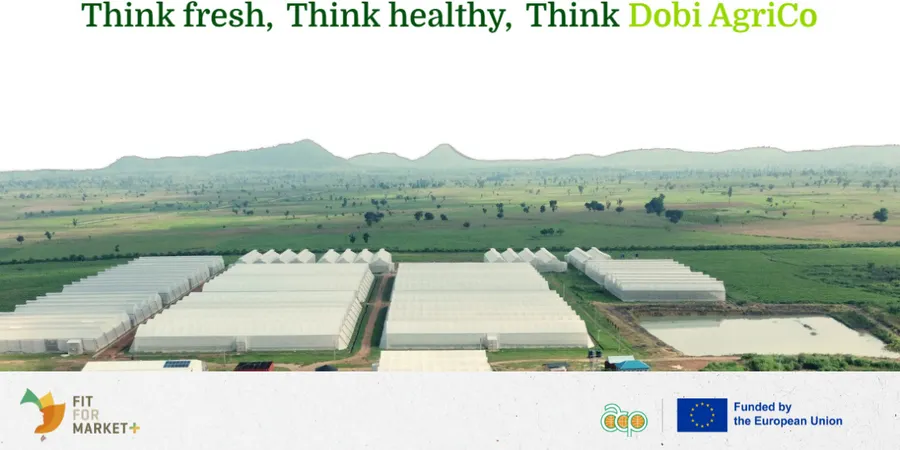
Development of an internal training system – example of Dobi AgriCo Ltd., a committed partner for sustainable agri-food in Nigeria
Founded in 2013 and located near Abuja, Dobi AgriCo Ltd is a Nigerian agri-food company that farms 200 hectares (100 of which are in active production) to grow vegetables in open fields and greenhouses for the local market. As a supplier to retail chains such as Shoprite and Spar, the company now aims to break into the export market. As part of the L.A.T. Cleveson Group, Dobi AgriCo has received substantial investment to develop a processing centre and dedicated training facilities.With a workforce of around 200 day labourers and 12 technical managers, Dobi AgriCo prioritises skills development and community engagement. It is a member of COLEAD and a key partner under the FFM Plus programme in Nigeria.COLEAD recently carried out a mission under FFM+ to:evaluate Dobi AgriCo's existing internal training system ;design and formalise an improved system to be integrated into the future ‘Dobi Academy’.The strategic document on training includes: a detailed programme and budget;a training schedule and matrix;and a proposal for organising the training department.Take a participatory approach tailored to needsLed by COLEAD expert Fredrick Ogutu, the mission involved:preliminary assessments via questionnaires and virtual meetings ;On-site coaching from 14 to 19 April 2025 ;and participatory sessions to jointly develop a comprehensive strategy.This approach was based on adult learning principles and a training needs assessment (TNA), as well as the integration of an internal network of trainers (trainers of trainers, or ToTs). Tools were drawn from e-learning systems and platforms developed by COLEAD.Main results and deliverablesThe evaluation report highlighted gaps in training, limited resources, a lack of formalised protocols and unclear budgets.The 2025 training matrix covered cross-cutting skills (e.g. leadership and time management), standards (e.g. HACCP and food hygiene) and techniques (e.g. IPM and soil management). A training schedule and budget were established in collaboration with Dobi managers, in line with operational needs and growth ambitions.Training programme template: to structure future sessions.The strategic training document was presented to management in May 2025 and detailed: the architecture and governance of the future Dobi Academy;a cascade model for disseminating skillsthe criteria for selecting and monitoring trainers.Towards an operational Dobi AcademyThe Academy is currently under construction and will be jointly managed by the HR and Production teams once finalised. The tools created will enable a digital training schedule to be managed from the second half of 2025 onwards. Annual updates to the TNA and the training matrix will refine this system.COLEAD will continue to provide support to strengthen capacities and ensure the sustainable upskilling of teams. This initiative fully aligns with COLEAD's commitment to supporting its FFM Plus programme partner beneficiaries in developing competitive, inclusive, and resilient agri-food value chains.This activity is supported by the Fit For Market Plus (FFM+) programme, implemented by COLEAD within the Framework of Development Cooperation between the Organisation of African, Caribbean and Pacific States (OACPS) and the European Union. This publication receives financial support from the European Union and the OACPS. The content of this publication is the sole responsibility of COLEAD and can in no way be taken to reflect the views of the European Union or the OACPS.
 News
News
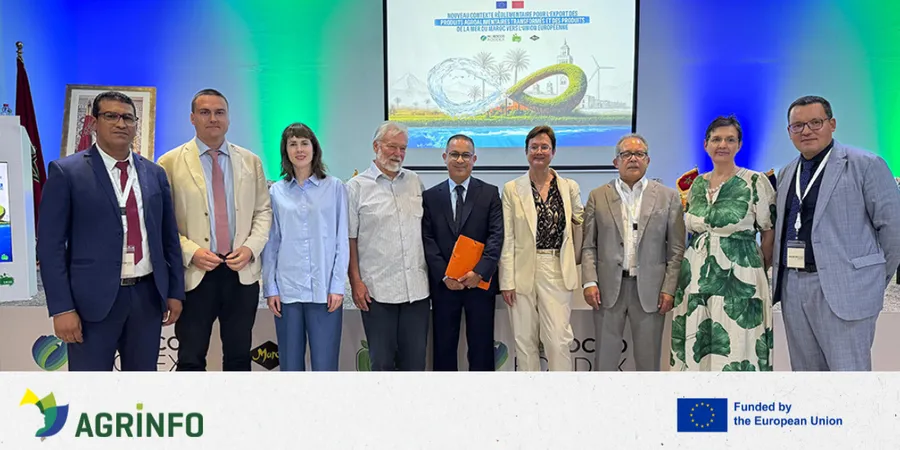
AGRINFO is supporting Morocco in anticipating new EU regulations
As part of its EU-funded AGRINFO programme, COLEAD participated in a workshop organised by Morocco FoodEx on “The new regulatory context for exports of processed agri-food products and seafood from Morocco to the EU” on 24–25 June 2025 in Marrakech. Around 130 participants attended the event, including export companies, government agencies, and professional organisations. The aim was to improve understanding of upcoming EU legislative changes and safeguard the competitiveness of Moroccan exports.Over three half-day sessions, COLEAD expert Ingrid Morvan delivered presentations on:The EU decision-making process, emphasising the importance of data collection and public consultations in anticipating and influencing future legistative changes.Major upcoming changes, including those relating to contaminants (e.g. mineral oil aromatic hydrocarbons (MOAH) in food; nickel in fruit juices), food additives (e.g. the ban of 10 primary products in smoke flavourings ), the ban of certain use of antibiotics in food producing animals (in the case of Morocco, affecting poultry, aquaculture, honey and casings) and new packaging requirements.The AGRINFO’s new aquaculture guide, which supports Morocco’s ambitions for the sustainable development of this sector.Participants voiced concerns about the pace of regulatory changes, the lack of predictability and the challenges involved in achieving compliance. This is particularly important as Morocco seeks to further strengthen its exports to the EU, notably of composite products, honey, poultry, and high-value foods.Promoting AGRINFO and building local capacitiesThis mission raised significant awareness among Moroccan stakeholders of COLEAD & AGRINFO resources, including the analytics platform, sectoral guides, newsletters, webinars, and the 'Ask AGRINFO' feature. While some participants were already users of AGRINFO, many others subscribed to the platform after discovering its services. The presentations, which included direct links to AGRINFO reports, will be shared with all participants to help them gain a deeper understanding.Beyond technical tools, the workshop encouraged practical discussions on the new EU Vision for agriculture and food, sustainability approaches, and new due diligence obligations. It also highlighted Morocco Sustain Food®, a national initiative that helps companies calculate their carbon footprint and environmental performance.Strategic support for African value chainsThis mission is also part of COLEAD’s efforts to strengthen ties between Morocco and the agri-food value chains in sub-Saharan Africa, which are supported through the FFM+ programme. Morocco is a key market for tropical fruits and a gateway to Spain and the rest of Europe, offering additional opportunities for smallholders and SMEs in partner countries.COLEAD would like to thank Morocco FoodEx for organising this workshop, which enabled rich and concrete exchanges that were perfectly aligned with the objectives of the AGRINFO programme.This activity is supported by the AGRINFO programme, implemented by COLEAD and funded by the European Union (EU). This publication receives financial support from the European Union. The content of this publication is the sole responsibility of COLEAD and can in no way be taken to reflect the views of the European Union.
 News
News
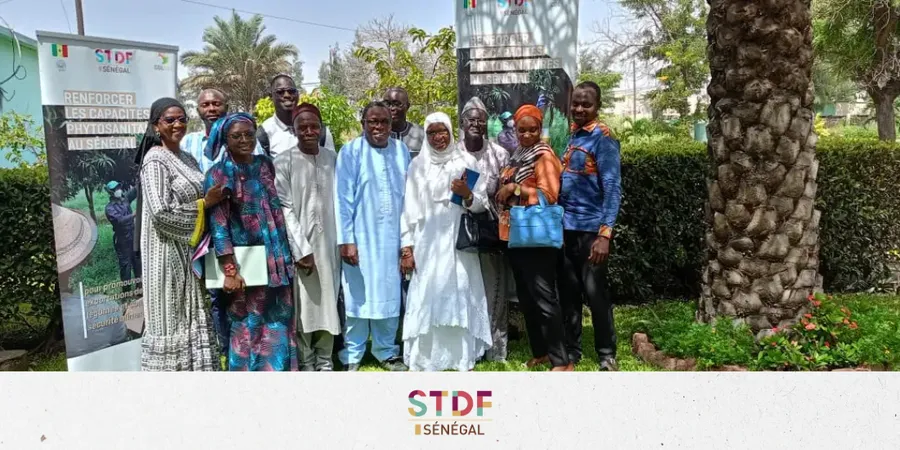
The latest news from the STDF/PG/946 programme: strengthening phytosanitary capacities in Senegal to boost horticultural exports
The STDF/PG/946 programme is currently being implemented in Senegal by COLEAD. It aims to strengthen the country's phytosanitary capacities to promote fruit and vegetable exports and contribute to national food security.The project is structured around four pillars: revision of the legislative framework; improvement of operational processes; capacity building for stakeholders; and communication dynamics. It also incorporates a cross-cutting gender analysis to ensure greater inclusion. Key progress to date include among other :Phytosanitary risk analysis (PRA): Training of stakeholders on risk analysis methodology applied to three priority value chains: potatoes, citrus fruits, and cabbage.Gender mainstreaming: Following the gender analysis, two women's organisations were invited to join the steering committee. Additionally, the open day of the Plant Protection Directorate (DPV), scheduled for 12 May 2026, will focus on 'Women and Agriculture'. A training session dedicated to good agricultural practices for women has already been organised with mixed participation (70:30).These concrete advances demonstrate the programme's dedication to equipping Senegal with more effective and inclusive plant protection systems that align with international market standards and support local producers.The “STDF/PG/946 ” project is funded by the WTO’s Standards and Trade Development Facility (STDF) at the request of the Senegalese Ministry of Agriculture, Rural Development and Food Sovereignty’s (MAERSA) Directorate of Plant Protection.
 News
News
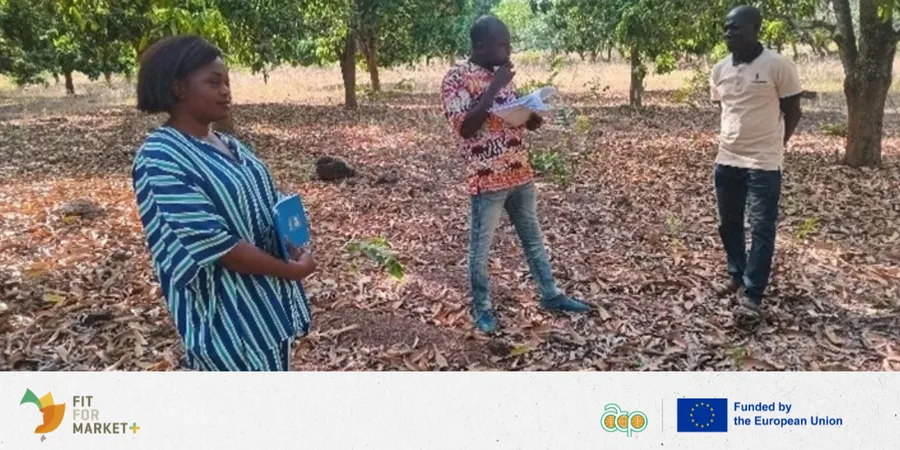
Côte d’Ivoire – SODIPEX SA strengthens its internal audit capacity: an example of COLEAD post-training support
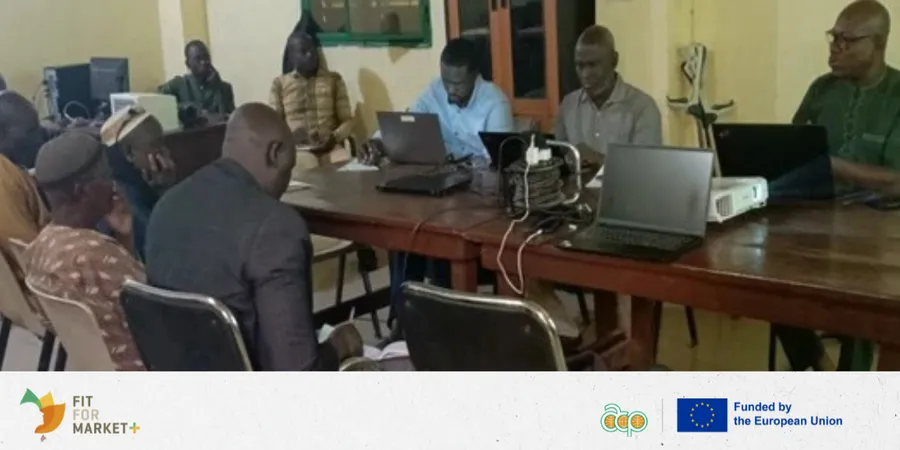
As part of the Fit For Market Plus (FFM+) programme, COLEAD continues to provide post-training support to ensure that the acquired skills are firmly established. In Côte d'Ivoire, SODIPEX SA received bespoke support following a group session on the principles of internal auditing. This is just one example of the operational support provided to horticultural enterprises.Coaching in real-life situationsThe support aimed to guide SODIPEX's internal auditors in conducting an audit in accordance with the GLOBALG.A.P. standard, strengthening their autonomy and preparing them for the next certification campaign. This coaching enabled us to: review the audit plan and the auditors' preparation; assist with interviews with process managers; formulate findings and concrete recommendations for continuous improvement. The team was committed to skills development.The group of internal auditors, which included a Rainforest Alliance administrator and a social standards manager (GRASP, BSCI), demonstrated a high level of dedication. The coaching laid a solid foundation for the development of an operational internal audit system.Towards a robust audit system:Recommendations were therefore made to support the gradual structuring of the system. organise internal audits under observation (without evaluation); schedule an evaluation during the next recertification audit; extend audit skills to other standards. This activity is supported by the Fit For Market Plus (FFM+) programme, implemented by COLEAD within the Framework of Development Cooperation between the Organisation of African, Caribbean and Pacific States (OACPS) and the European Union. This publication receives financial support from the European Union and the OACPS. The content of this publication is the sole responsibility of COLEAD and can in no way be taken to reflect the views of the European Union or the OACPS.
 News
News
Strengthening the financial resilience of professional organisations – Example of the UNCPM in Mali
Mali's leading agricultural umbrella organisation, the Union Nationale des Coopératives de Planteurs et Maraîchers du Mali (UNCPM), was established in 1985 to act as a liaison between the government and horticultural producers. Consisting of 17 horticultural unions and 150 cooperatives, the UNCPM now has over 15,000 producer members nationwide.As part of its development, the UNCPM has created a strategic plan to clarify and prioritise the services offered to its members. These include promoting agroecology, providing representation and building technical capacity, supplying seeds and agricultural equipment, advocating on land issues and facilitating access to markets and finance.Support to strengthen resource mobilizationDespite this structured vision, the UNCPM is facing difficulties in mobilising the resources needed to implement its roadmap. Against this backdrop, COLEAD, via the Fit For Market Plus (FFM+) programme, has provided support to analyse the union's financial requirements and current financing arrangements, with the aim of identifying realistic options appropriate to its environment.Several priority levers identifiedThe joint analysis identified several priority areas for strengthening the UNCPM's financial resilience and consolidating its leading role in Mali's horticultural sectors:Strengthening members' capacities to improve agricultural practices and yields (a key element in ensuring sustainable incomes);Establishing strategic partnerships with public and private actors to diversify sources of funding and technical support;Optimising the union's communication and visibility strategy to better promote its actions and attract new partners;Stimulating innovation in the services offered and approaches adopted to better meet the evolving needs of producers and markets.Towards more competitive and sustainable value chainsThe implementation of these recommendations should enable the UNCPM to better support its members while strengthening the competitiveness and sustainability of Malian agricultural value chains. This support is fully in line with COLEAD's mission to strengthen the capacities of professional agricultural organisations, enabling them to become effective drivers of sustainable agri-food system transformation.This activity is supported by the Fit For Market Plus (FFM+) programme, implemented by COLEAD within the Framework of Development Cooperation between the Organisation of African, Caribbean and Pacific States (OACPS) and the European Union. This publication receives financial support from the European Union and the OACPS. The content of this publication is the sole responsibility of COLEAD and can in no way be taken to reflect the views of the European Union or the OACPS.
 News
News
FLASHBACK 2016 : EDES (COLEAD) is building a new network of trainers to support the cocoa sector
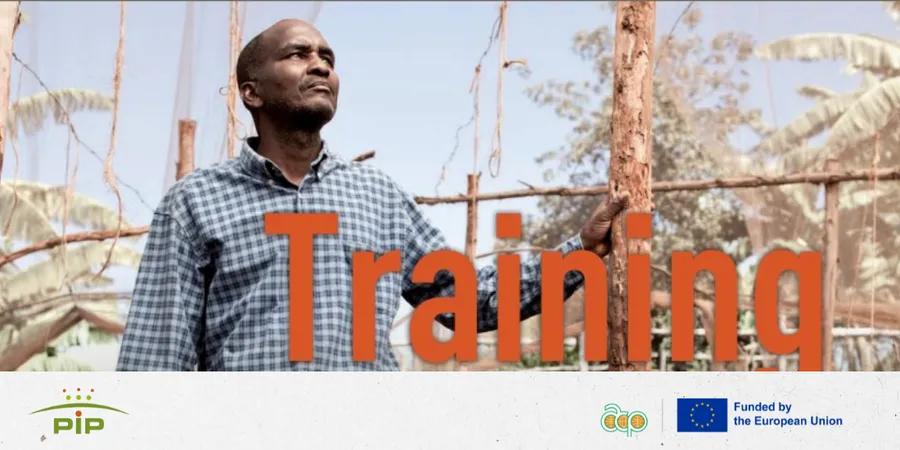
The purpose is to ensure compliance with international standards for beans and semi-processed products. This achievement comes at the right time to meet a new challenge: respecting maximum cadmium limits.“The EDES programme is making great strides in the cocoa sector, mainly in Côte d’Ivoire, Ghana and Cameroon. A self-assessment guide for the sector has been drafted for Ghana and adapted for the other two countries in cooperation with professional associations and relevant authorities.This guide identifies the good practices and risk assessment measures that the cocoa sector must implement to ensure the compliance of its beans and semi-processed products. This guide is essential: it is the basis for work to prevent health and phytosanitary risks. EDES will guide official control, laboratory work, the regulatory framework and training programmes based on its findings. Small producers and cadmium In terms of training, the main challenge facing the cocoa sector is its segmented production structure. Although there are some large-scale plantations, the core of production is ensured by small scale farmers, generally grouped into associations or cooperatives. “A business that can supervise its staff can manage the risks linked to its own human resources, for example by choosing to use a fertiliser or a particular method to fight pests,” explains Christophe Schiffers, the EDES director. “But when we work with small-scale farmers, these risks are harder to master and control. Consequently, we’re committing farmers to move towards agro-ecological practices that present fewer risks... and are still profitable.”In addition to complying with maximum PAH levels,1 cocoa producers face a new challenge: that of maximum limits (MLs) for cadmium, currently being developed by the European Union (EU). These MLs focus on the finished product, such as chocolate or candy. They therefore concern processors first of all. But there is a direct consequence for ACP sectors, as European buyers will add these new requirements to the exporters’ specifications.Meeting this new challenge will involve changes at the production level. Certain fertilisers are richer in cadmium than others; certain varieties of cocoa absorb more cadmium than others; certain soils, notably in volcanic areas, contain more heavy metals and therefore more cadmium. The choices to be made will lead to the introduction of new practices, control plans, preventive analyses for laboratories, etc. Training needs will be significant. (…).The Pesticides Initiative Programme (PIP) was financed by the European Development Fund. The ACP Group of States and the European Commission entrusted responsibility for its implementation to COLEACP (today COLEAD).
 News
News
Tomato trials in northern Nigeria: encouraging early results against heat stress and Tuta absoluta
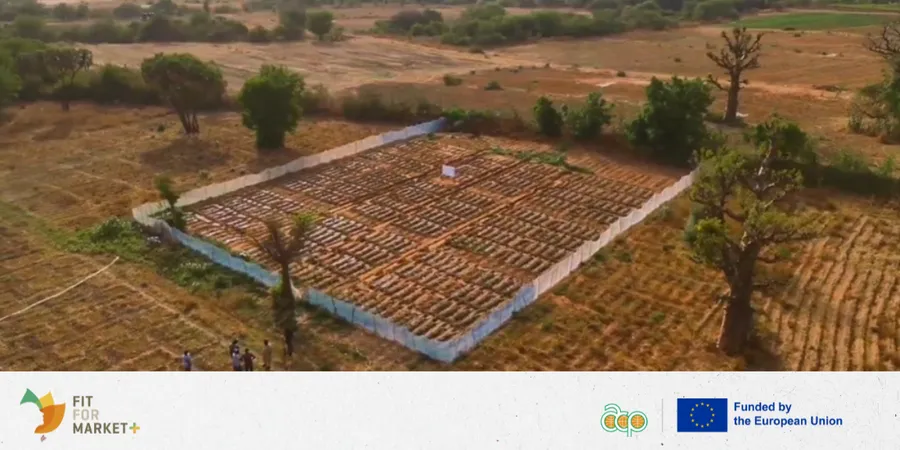
Between February and July 2025, COLEAD conducted field trials in four major tomato production zones in Kano State, Nigeria, as part of the FFM+ programme. COLEAD collaborated with Bayero University Kano (BUK) and the National Horticultural Research Institute (NIHORT) on this project. The aim of this research was to identify integrated solutions to two major challenges: heat stress, which is exacerbated by climate change, and infestations of Tuta absoluta, a highly destructive pest.Solutions tested in the field:The teams evaluated:heat-tolerant tomato varieties (Platinum F1 and TOM-H2);kaolin-based sun protectant to reduce the effects of heat stress;locally available biopesticides as an alternative control method for Tuta absoluta.A rigorous split-plot experimental design was implemented, with 72 experimental units replicated across all sites. A detailed data collection process monitored soil characteristics, weather data, physiological responses, agronomic parameters and pest infestation levels. This provided in-depth qualitative insights into treatment dynamics.Despite the challenging conditions (temperatures reaching 41°C and high infestation levels), these trials provided a preliminary assessment of the effectiveness of the different strategies.Key lessons and next stepsInitial observations show that the heat-tolerant varieties outperformed the local variety and that local biopesticides produced promising results, albeit below those of conventional pesticides. In contrast, the kaolin-based sun protectants did not have a visibly significant effect under these extreme conditions.The next steps will include detailed statistical and economic analyses, as well as a second season of trials, to refine recommendations and help farmers to secure their harvests and incomes in a sustainable way.This activity is supported by the Fit For Market Plus (FFM+) programme, implemented by COLEAD within the Framework of Development Cooperation between the Organisation of African, Caribbean and Pacific States (OACPS) and the European Union. This publication receives financial support from the European Union and the OACPS. The content of this publication is the sole responsibility of COLEAD and can in no way be taken to reflect the views of the European Union or the OACPS.
 News
News
Research & innovation: new guides for sustainable production available in our e-library
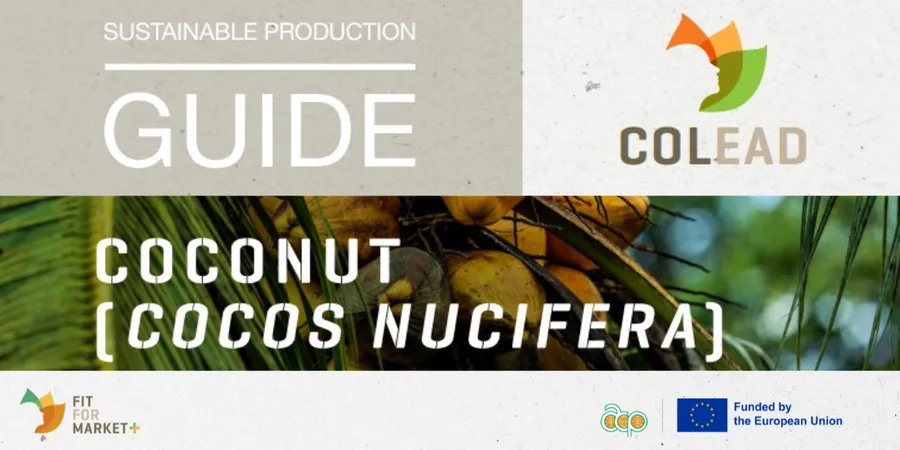
The Research and Innovation Brokerage Department (R&I;) at COLEAD plays a key role in identifying, consolidating and disseminating technical knowledge for the benefit of agri-food sectors. In collaboration with the Information and Communication Department, it develops practical tools to support stakeholders in the sector towards more sustainable and competitive practices.In this context, these two departments work together to continuously review, update and enrich our technical guides so that they best meet the specific needs of value chains.The latest versions of these guides are now available in French and English in our e-library: Guide to good crop protection practices for mango in organic farming Guide to sustainable mango production Guide to sustainable avocado production Guide to sustainable green bean production Guide to sustainable dasheen and macabo production Guide to sustainable pineapple production Guide to sustainable coconut production Please feel free to share these documents with your partners to strengthen alignment and knowledge dissemination within your networks.What's next?New guides on sustainable production of cassava, potatoes, citrus fruits, ginger, capsicum and many more are in the pipeline. Stay tuned!We hope these updated resources will effectively support you on your journey towards more sustainable and productive production. This activity is supported by the Fit For Market Plus (FFM+) programme, implemented by COLEAD within the Framework of Development Cooperation between the Organisation of African, Caribbean and Pacific States (OACPS) and the European Union. This publication receives financial support from the European Union and the OACPS. The content of this publication is the sole responsibility of COLEAD and can in no way be taken to reflect the views of the European Union or the OACPS.
 News
News
Making COLEAD's resources and network available to the Dominican agri-food sector
On Friday 27 June, a webinar entitled 'Los recursos y la red de COLEAD a su servicio' was organised specifically for the Dominican Republic, in collaboration with the Junta Agroempresarial Dominicana (JAD).The webinar showcased the wide range of tools and services offered by COLEAD, including: the e-learning platform for training in agricultural, commercial and regulatory best practices; access to the digital library and interactive sector data tools; updates on European regulations via the AGRINFO programme; the crop protection database and associated technical bulletins. self-assessment tools to help businesses evaluate their sustainability performance ; opportunities provided by COLEAD’s international network and peer exchange sessions. These resources are designed to provide concrete support to Dominican professionals, helping them to continuously improve their competitiveness and market access.A webinar aligned with the SIA projectThis initiative is fully aligned with the SIA Project (SANIDAD E INNOVACIÓN AGROPECUARIA), which was entrusted by the Dominican Ministry of Agriculture to COLEAD. In the Dominican Republic, a major player in the Caribbean agri-food sector, this ambitious project, financed by the Inter-American Development Bank (IDB) over 29 months, seeks to transform food safety and the competitiveness of the agricultural sector. As a reminder, the SIA project has three main objectives:1) Improve agricultural and food health and safety services by modernising infrastructures and methods to better meet international sanitary and phytosanitary standards.2) Promote innovation and technology transfer by introducing advanced practices to boost productivity and environmental sustainability.3) Strengthen the agricultural statistics’ system by developing data collection and analysis tools to support better decision-making and more effective agricultural policies.Through this project and its related activities, COLEAD reaffirms its commitment to working alongside Dominican operators to address sanitary, productivity and market challenges and support sustainable, forward-looking agricultural growth.This activity is supported by the SIA project (Sanidad e Innovación Agropecuaria), implemented by COLEAD on behalf of the Ministry of Agriculture of the Dominican Republic and financed by the Inter-American Development Bank (IDB) under loan no. BID-4909/OC-DR. This publication has been produced with the financial support of the IDB. The contents are the sole responsibility of COLEAD and in no way reflect the views of the Dominican Ministry of Agriculture or the IDB.
 News
News
Regulations and standards: upcoming European Union rules on food contamination with mineral oil hydrocarbons (MOH)
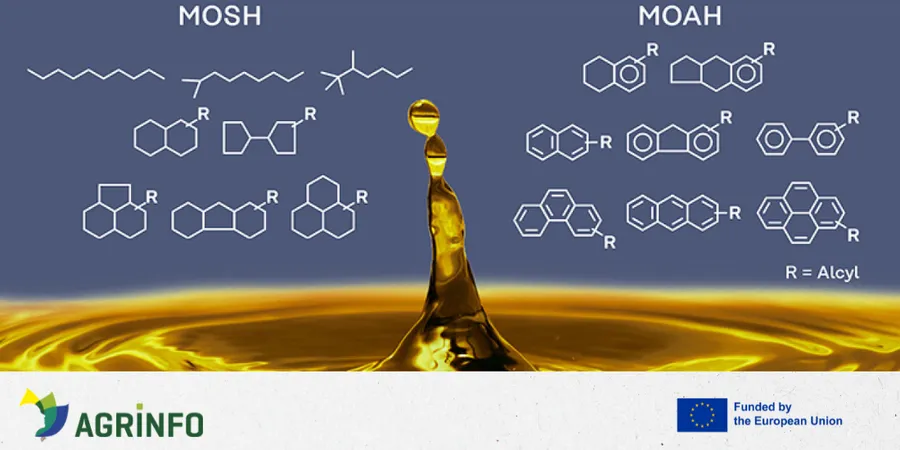
In June, three sessions were organised to inform agri-food chain stakeholders and competent authorities about new EU rules on MOH in food, which are expected to come into force in 2027. To facilitate participation by AGRINFO programme* partner countries across geographical regions, webinars were held for three different time zones with interpretation in French, Spanish and Portuguese.The webinars attracted considerable interest, with a total of 794 people registering and more than 520 taking part in the three sessions. Presentations were followed by discussions, where many in-depth technical questions were received from participants.To share responses to these questions with a broader audience, an FAQ document is being prepared and will be made available on the AGRINFO platform.Recordings of the three sessions are now available in a new 'Webinars' section on the AGRINFO website, and available to those who were unable to attend the sessions live.* Partner countries are those in the OECD Development Assistance Committee List of ODA Recipients.This activity is supported by the AGRINFO programme, implemented by COLEAD and funded by the European Union (EU). This publication receives financial support from the European Union. The content of this publication is the sole responsibility of COLEAD and can in no way be taken to reflect the views of the European Union.
 News
News
A new version of Agrinnovators.org is now available, providing a global hub for entrepreneurs in the agri-food sector
COLEAD is pleased to announce the new version of Agrinnovators.org. This new version has been developed as part of the FFM+ programme, in collaboration with PAFO, the OECD, IICA, PFO and UN Women.While the platform was previously focused mainly on African entrepreneurs, it is now open to all regions of the world, strengthening our commitment to South-South cooperation and knowledge sharing.Agrinnovators.org is a dynamic platform that connects entrepreneurs, companies, and experts to accelerate the development of sustainable solutions for agriculture and food systems worldwide.You will find:information on past and upcoming information sessions on strategic topics;company profiles and impact stories,an interactive forum where entrepreneurs can discuss innovations in sustainable agriculture, including labelling, packaging, climate resilience and the circular economy.The COLEAD Network & Alliances department actively encourages entrepreneurs to use the platform through targeted campaigns and direct contact with the people and organisations featured on the site.To promote and enrich the platform, a multilingual flyer (English, French, Spanish and Portuguese) is available to distribute to interested stakeholders. Please contact network@colead.org to obtain the flyer or if you have any questions.Together, let's make this platform a powerful tool for entrepreneurs shaping the sustainable transformation of agri-food systems worldwide.This activity is supported by the Fit For Market Plus (FFM+) programme, implemented by COLEAD within the Framework of Development Cooperation between the Organisation of African, Caribbean and Pacific States (OACPS) and the European Union. This publication receives financial support from the European Union and the OACPS. The content of this publication is the sole responsibility of COLEAD and can in no way be taken to reflect the views of the European Union or the OACPS.
 News
News
Gender: COLEAD trains its experts to fully integrate gender into their training programmes
As part of the Fit For Market Plus programme, COLEAD has just launched a new training course for trainers dedicated to 'Strengthening facilitation and communication skills for gender mainstreaming in the agri-food sector'.This five-week programme brings together 16 carefully selected experts, supported by two educational and two technical experts. The course is directly aligned with the practical implementation of COLEAD's Gender Strategy, which aims to embed gender equality at the heart of sustainable agri-food value chains.The objective is clear: to train gender experts who can design, facilitate and evaluate truly impactful training courses that can change practices and promote greater inclusion. The approach favours group dynamics and active collaboration to improve the quality of support and prepare for field initiatives that are better adapted to local contexts.This training course represents a significant milestone in COLEAD's commitment to promoting fairer and more inclusive food systems where women and young people are given their rightful place, in line with the ambitions of the EU Green Deal and the Global Gateway.This activity is supported by the Fit For Market Plus (FFM+) programme, implemented by COLEAD within the Framework of Development Cooperation between the Organisation of African, Caribbean and Pacific States (OACPS) and the European Union. This publication receives financial support from the European Union and the OACPS. The content of this publication is the sole responsibility of COLEAD and can in no way be taken to reflect the views of the European Union or the OACPS.