
Cultivating
Sustainable Futures
 News
News
Reform to protect: towards new plant health legislation in Senegal
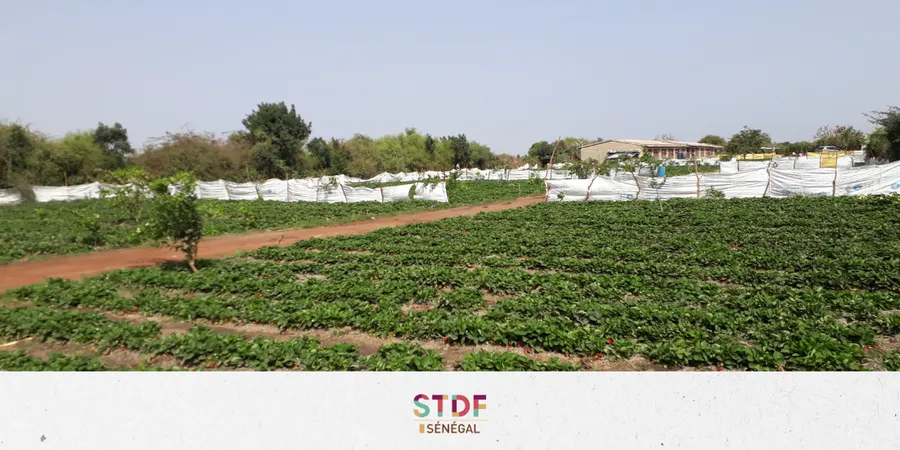
COLEAD's STDF/PG/946 project in Senegal has taken a decisive step with the completion of a strategic mission to analyse and revise the national plant health legislation. This milestone marks the culmination of extensive work to strengthen the regulatory framework in line with Senegal's regional and international commitments and to better protect the local horticultural sector.A project to promote health and trade competitivenessThe STDF Senegal project, funded by the Standards and Trade Development Fund (STDF), aims to strengthen the country's sanitary and phytosanitary capacity to ensure that horticultural products meet international requirements. Implemented by COLEAD in partnership with the Directorate of Plant Protection (DPV) and the Senegalese Ministry of Agriculture, Rural Equipment and Food Sovereignty, the project supports export competitiveness while protecting the country from harmful organisms.A long-awaited phytosanitary reformOne of the main tasks of the project was to carry out an in-depth analysis of the existing laws and regulations on phytosanitary control in Senegal. The aim was to update a 1960 decree to bring it into line withthe International Plant Protection Convention (IPPC)the WTO Agreement on the Application of Sanitary and Phytosanitary Measures (SPS), andthe provisions of the African Continental Free Trade Area (AfCFTA).The result is a draft phytosanitary regulation accompanied by three draft implementing regulations coveringMonitoring and control of harmful organisms,Phytosanitary controls on imports and exports, andRegulation of phytosanitary fees.These texts are submitted for approval on 6 and 7 May in Dakar during a workshop organised within the DPV in the presence of horticultural operators, professional associations and competent authorities. The aim of this consultation process is to ensure that the texts are not only technically sound, but also operational and accepted by the stakeholders.Gender mainstreaming in the reformIn line with the cross-cutting commitments of the project, gender equality has been integrated into the legislative process. The gender analysis carried out at the beginning of the project highlighted several important facts:Women are mainly active in small agricultural units, often focused on subsistence or local markets.They have less access to technical support and training programmes.In rural areas, women's education levels are lower and illiteracy rates are high.Village action committees, which are often closer to women, are important channels for disseminating information.Finally, women phytosanitary inspectors face discrimination in the performance of their duties.These findings were taken into account in the drafting of the legislation, with specific adaptations to better reflect the different needs, constraints and roles of women in the horticultural sector.This legislative reform process represents an important step towards strengthening plant health governance in Senegal. It illustrates the collective capacity of public, private and civil society actors to work together for sustainable, competitive and inclusive horticultural development.The “Strengthening phytosanitary capacity to promote exports of horticulture products from Senegal” project is funded by the WTO’s Standards and Trade Development Facility (STDF) at the request of the Senegalese Ministry of Agriculture, Rural Development and Food Sovereignty’s (MAERSA) Directorate of Plant Protection.
 News
News
Supporting horticultural certification - the success story of the KLO Mango Farmers & Processors Association in Ghana
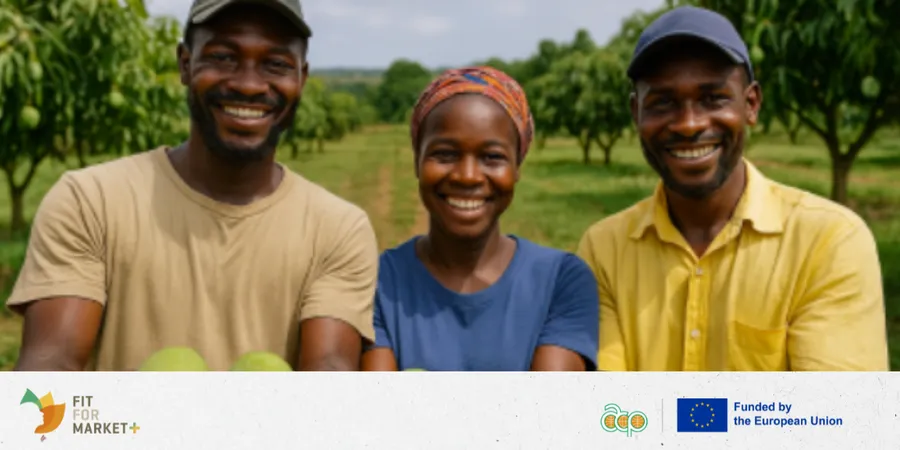
In many countries, COLEAD's Fit For Market Plus (FFM+) programme supports farmers and agricultural organisations in their efforts to adopt sustainable practices and achieve international certification.The recent experience of the KLO Mango Farmers & Processors Association (Klomangfpa) in Ghana is a concrete example of the impact of this support.Klomangfpa successfully renews its GLOBALG.A.P. certificationThis achievement is the result of an ongoing commitment to continuous improvement and adherence to high standards of sustainable horticultural production.As part of the Fit For Market Plus programme, Klomangfpa received post-training support to verify and consolidate its compliance with GLOBALG.A.P. Integrated Farm Assurance version 6.Targeted support from Dr Mark Tutu Sarpong provided tailored technical advice to address the specific challenges faced by the association.An association committed to sustainable horticultureThe KLO Mango Farmers & Processors Association is a legally constituted association with 36 active members cultivating 412 hectares of mango plantations in the Eastern Region of Ghana. Its executive committee works daily to facilitate access to information, improve production quality and organise collective marketing.Thanks to its rigorous approach, Klomangfpa is now GLOBALG.A.P. and Fairtrade certified, strengthening its position in the markets, particularly with renowned processors such as Blue Skies and HPW.
 News
News
A look back at Gulfood 2025: a world-class exhibition offering a wealth of opportunities, particularly for the still under-represented countries of sub-Saharan Africa
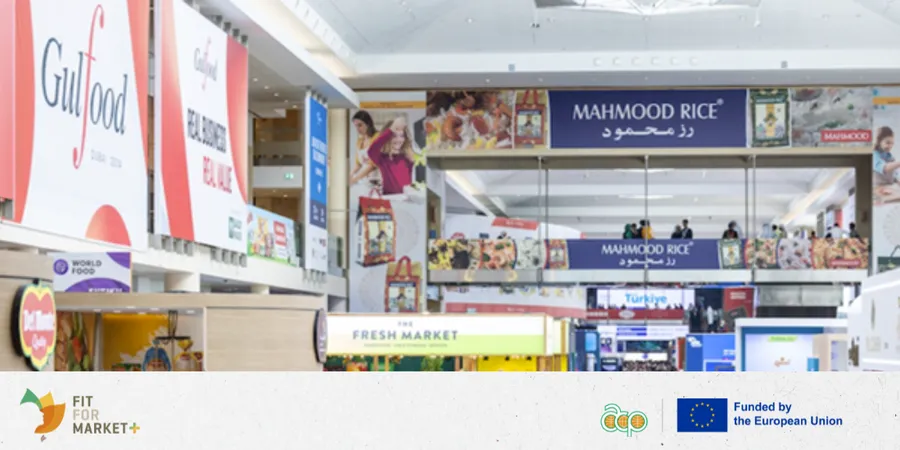
This article is based on observations and meetings made by the COLEAD team in Dubai during the show last February. The mission has been implemented through the Fit For Market Plus programme.A world-class show, but with a still limited African presenceGulfood is the largest food exhibition in the Middle East, attracting more than 5,500 exhibitors from around 130 countries. The last edition took place in Dubai in February 2025. Every year it brings together companies from all over the world, not only to sell to the Middle East, but also to establish global business contacts. This year, the African continent was noticeably under-represented, with only two South African exhibitors, one Ethiopian and one Madagascan. This absence is difficult to explain, but could be due to competition from the European shows Fruit Logistica and BIOFACH, a lack of awareness of the event or difficulties in accessing it. What is certain is that the potential for commercial opportunities appears to be largely untapped.Middle East markets: potential and constraintsThe exhibition gave us a deeper understanding of the Middle Eastern agri-food markets, which vary greatly from country to country. Among other, the following observations were made:The United Arab Emirates offers an easy entry point to the region;Saudi Arabia is becoming increasingly attractive thanks to the development of tourism ;The market in Kuwait seems more difficult to reach ;Oman has strict regulations for fresh fruit and vegetables.In this region, commercial practices often require payment in advance and it is advisable to take out insurance against fraud. Using a reliable local partner and having a local presence are key elements for success.The processed fruit and vegetable market is highly competitive and price sensitive and is dominated by China, India and Turkey. The only identified niches are high-end products such as IQF (Individually Quick Frozen) fruit and innovative juice blends.African products already on the shelvesDespite their absence from the show, many fresh products of African origin are well represented in local premium stores: pineapples, avocados, strawberries, lychees, broccoli, citrus fruits, grapes, fresh dates and baby vegetables, mainly from Kenya, Tanzania, Namibia, South Africa, Madagascar and Ethiopia.Product trends and innovationsThree main consumer trends were identifiedHealth: nutritious, protein-rich snacks with collagen or probiotics.Nostalgia: a return to familiar, comforting flavours.Sustainability: the growing importance of environmental impact in consumer choice.Some notable product innovations spotted at the show:Pinkglow, Honeyglow and Rubyglow pineapples (Del Monte): pink flesh, red skin... but not approved in the EU due to genetic modification.Tropical fruit avocado spreads: a bold combination of creamy texture and sweet and tangy flavours.Vegan coconut and mango puree snacks (Yourharvest, Switzerland), winners in their category.Yook's Mango Oat Milk, sweetened only with fruit, winner in the health category.This activity is supported by the Fit For Market Plus (FFM+) programme, implemented by COLEAD within the Framework of Development Cooperation between the Organisation of African, Caribbean and Pacific States (OACPS) and the European Union. This publication receives financial support from the European Union and the OACPS. The content of this publication is the sole responsibility of COLEAD and can in no way be taken to reflect the views of the European Union or the OACPS.
 News
News
Vocational training as a lever for sustainable change - Mission to Kenya and Tanzania for the 'E-learning Africa 2025' Forum
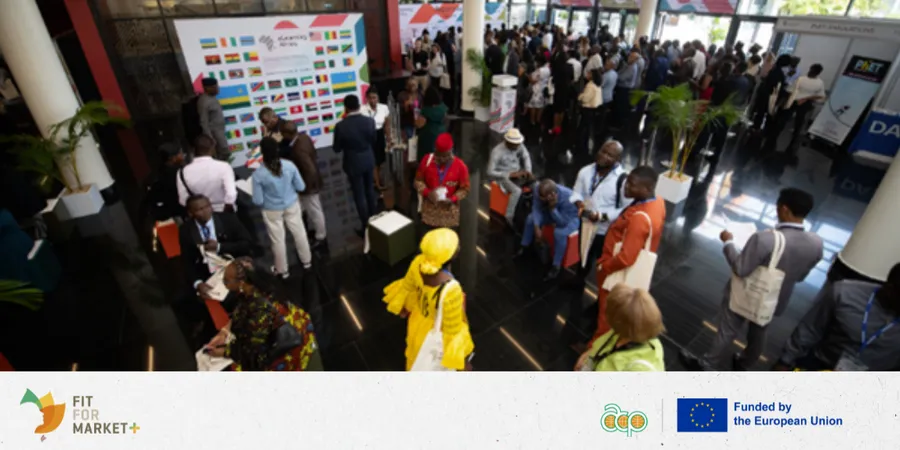
At COLEAD, partnership is not an option: it is a cornerstone of our work and our impact. It shapes our approach, guides our interventions and drives a strategy for systemic change. This strong choice reflects a commitment to shared governance, equitable cooperation and a shared vision of sustainable development, and is an essential lever for maximising the impact of our actions on the ground, particularly in the area of vocational training.Kenya and Tanzania: a mission to strengthen skills and innovationFrom 28 April to 9 May, COLEAD's Training Department, represented by Laura Wauters and Simotwo Zainabu, is on a mission to Kenya and Tanzania. This mission is part of the Fit For Market+ (FFM+) programme and aims to deepen training partnerships, promote the use of our Training Management System (TMS) and gather feedback from the field to improve our training tools.Mission objectives:Discuss with local partners current training activities and prospects for future initiatives, in particular around competency frameworks and e-learning academies.Lead working sessions in Nairobi to strengthen internal and partner capacity around TMS and skills frameworks.Consolidate collaboration with local training centres and identify new partners in line with FFM+ priorities.Promote the COLEAD e-learning platform at the eLearning Africa 2025 forum.Identify trends and networking opportunities in digital education.Organise meetings between COLEAD members in both countries to discuss developments in vocational education and training.Discuss COLEAD's training perspectives with the European Union Delegations in Kenya and Tanzania.COLEAD at the eLearning Africa 2025 ForumCOLEAD will participate as a panelist at the eLearning Africa 2025 Forum in Dar es Salaam, in the session entitled 'Innovations in Sustainable Agriculture and Green Skills Development'.The session will explore how digital learning can strengthen the green skills of Africa's agricultural workforce, supporting the transition to more sustainable and climate-resilient practices. COLEAD will share its experience in designing and delivering digital training for the horticulture sector, highlighting innovations that promote inclusive growth and improved environmental sustainability.A springboard for innovation and visibilityBeyond panel participation, the eLearning Africa 2025 Forum is a strategic platform for:Networking with digital education stakeholdersSharing best practices in capacity buildingIdentifying trends and opportunities for collaborationRaising the visibility of COLEAD's educational approaches and e-learning tools on the continent.Through this initiative, COLEAD reaffirms its role as a catalyst for innovation and skills development in support of sustainable and inclusive agriculture in Africa.Cette activité est soutenue par le programme Fit For Market Plus (FFM+), mis en œuvre par le COLEAD dans le cadre de la coopération au développement entre l’Organisation des États d’Afrique, des Caraïbes et du Pacifique (OEACP) et l’Union européenne. Cette publication bénéficie du soutien financier de l’UE et de l’OEACP. Son contenu relève de la seule responsabilité du COLEAD et ne peut en aucun cas être considéré comme reflétant la position de l’UE ou de l’OEACP.
 News
News
Empowering women-led businesses - Spotlight on marketing and branding. Insights from three women entrepreneurs from Nigeria, the Bahamas and Trinidad and Tobago
As part of UN Women and COLEAD's South-South Series - Empowering and Growing Women-led Businesses - a special session on effective marketing and branding strategies was held on 9 April 2025. This series of virtual meetings aims to strengthen women's entrepreneurial capacities through experience sharing, skills development, market access and networking.Inspiring entrepreneurs and tangible experiencesThree businesswomen - from Nigeria, the Bahamas and Trinidad and Tobago - shared their innovative approaches to building strong brands, using digital tools and creating real connections with their customers. Their contributions highlightedThe importance of sensory branding and user experience in an increasingly digital environment,The value of personal storytelling in establishing credibility and building a loyal community,The critical role of mentorship in supporting and raising the profile of women entrepreneurs,The use of e-commerce and content marketing strategies tailored to small businesses.A global audience and practical resourcesThe session attracted strong international interest, with 601 registrations. Participants had access to practical resources, training tools and the session recording - available in English and in French. .Access to the session highlights: a concise summary of the key discussions, along with useful resources and information on upcoming training opportunities.This activity is supported by the Fit For Market Plus (FFM+) programme, implemented by COLEAD within the Framework of Development Cooperation between the Organisation of African, Caribbean and Pacific States (OACPS) and the European Union. This publication receives financial support from the European Union and the OACPS. The content of this publication is the sole responsibility of COLEAD and can in no way be taken to reflect the views of the European Union or the OACPS.
 News
News
COLEAD's gender strategy plan in action: example of a training of trainers course to strengthen local capacities
Gender equality is central to sustainable development and a key pillar of COLEAD's mission. Particularly in the African, Caribbean and Pacific countries where the organisation works through the FFM+ programme, women play a crucial role in agriculture and the rural economy. However, they face many barriers to their economic participation. COLEAD is committed to removing these barriers and promoting women's economic empowerment as a lever for inclusive and sustainable growth.A gender mainstreaming strategy at all levelsCOLEAD's Gender Action Plan provides a structured framework for achieving this goal. It is based on four key areas:Ensuring equitable participation of women and men in agricultural value chains.Strengthening the capacity of women entrepreneurs and agricultural producers to access sustainable economic opportunities.Facilitating women's access to markets, finance and support services for economic empowerment.Systematically integrate a gender perspective into assessments, training and technical interventions to ensure that they meet the different needs of women and men.This action plan is part of the broader Sustainable Development Goals (SDGs), which aim to build inclusive and resilient agricultural systems.Training of trainers to strengthen local capacityFrom 27 March to 25 April, COLEAD organised a training of trainers on gender mainstreaming as part of FFM+ programme. The training brought together 19 participants from 11 countries in Africa and the Caribbean, all involved in promoting gender equality in the agri-food sector.The session, facilitated by Antonia Caramba-Coker and Kerry Kyd (gender experts) with pedagogical support from Ernest Muzukutwa, aimed to equip participants with technical and pedagogical skills to design, facilitate and evaluate gender training in line with COLEAD's Gender Strategy 2024-2027.Feedback highlighted the practical and directly applicable nature of the training, which was seen as a lever for changing professional practices in the countries represented.A structuring tool to support changeCOLEAD's Sustainability Self-Assessment System complements this approach. It provides a framework for agribusinesses to make progress in integrating best practices - including gender equality - into their management. By answering simple questions, operators can progressively improve their performance, meet market demands and demonstrate compliance with expected standards.By implementing its gender strategy plan through concrete actions such as training of trainers, COLEAD confirms its commitment to working towards a more inclusive, equitable and sustainable agriculture. Thanks to the support of the FFM+ programme, skills are disseminated at the local level for greater impact on the ground.This activity is supported by the Fit For Market Plus (FFM+) programme, implemented by COLEAD within the Framework of Development Cooperation between the Organisation of African, Caribbean and Pacific States (OACPS) and the European Union. This publication receives financial support from the European Union and the OACPS. The content of this publication is the sole responsibility of COLEAD and can in no way be taken to reflect the views of the European Union or the OACPS.
 News
News
Moroccan International Agricultural Exhibition (SIAM) 2025: COLEAD mobilised to provide insights on EU regulatory developments and strengthen ties with African and European agri-food professionals
From 22 to 25 April 2025, COLEAD took part—for the second consecutive year—in the Moroccan International Agricultural Exhibition (SIAM) in Meknes, at the invitation of the European Union Delegation (EUD). This mission aimed to promote the AGRINFO programme, funded by the EU, along with digital resources developed by COLEAD through the Fit for Market Plus (FFM+) programme.Explaining regulatory changes in the European UnionIngrid Morvan, expert from COLEAD’s Regulations and Standards Department, led two sessions at SIAM titled “Exporting to the EU: adapting to changes in European regulations.” These presentations allowed participants to:Discover the AGRINFO.eu platform, an accessible online regulatory monitoring tool tailored for stakeholders in the agri-food chain across 142 EU partner countries;Gain insight into upcoming EU regulatory changes, especially regarding pesticide residue limits, food packaging, and antimicrobial use, with a focus on impacts for fruit and vegetables, animal products (aquaculture and honey), and processed goods;Learn about key features of the platform, including keyword or HS code search, update subscriptions, and the “Ask AGRINFO” functionality for tailored support.The sessions were also an opportunity to showcase other COLEAD digital tools, such as interactive dashboards, the technical e-library, the e-learning platform, the crop protection database, and the thematic exchange sessions hosted on agrinnovators.org.Strengthening regional and partnership synergiesSIAM 2025 provided a valuable setting to connect with COLEAD partner-beneficiaries, establish new relationships, and better understand current needs and constraints faced by stakeholders—particularly around packaging, logistics, and agri-food processing equipment. Fruitful exchanges took place with producers, exporters, and institutions from West and Central Africa, the Maghreb, and Europe. Morocco is increasingly positioning itself as a strategic trade hub between sub-Saharan Africa, Europe, and Latin America. The country is investing in major infrastructure, including a new port scheduled for 2028, two secure maritime corridors, and a motorway already connecting Guerguarat to Agadir, which together are expected to significantly enhance trade flow and connectivity.Engaging with Moroccan professionalsThe mission also provided insight into the structure of Morocco’s agri-food ecosystem, which includes institutions such as the National Office for Food Safety (ONSSA), Morocco Foodex, and COMADER—an umbrella inter-professional association comprising 13 industry organisations. These include groups focused on fruit and vegetables (FIFEL), red fruit (AMPFR), citrus (Maroc Citrus), organic products (Maroc Bio), honey (FIMAP), olives (Interprolive), cereals (FIAC), milk, meat, and sugar. These inter-professional bodies play a key role in regulatory monitoring for their members, making the AGRINFO platform particularly relevant. The retail sector was also present and engaged during the show.Next steps and follow-up actionsPlanned follow-up actions include:Sharing presentations with the EUD and relevant partners;Coordinating a thematic event and/or webinar with institutions such as Foodex, Customs, and COMADER;Sharing useful contacts and technical information with FFM+ partners;Maintaining active communication around AGRINFO’s upcoming multi-country webinars.This mission clearly aligned with COLEAD’s vision: to support economic operators in building a more sustainable, better-connected, and climate-resilient agricultural sector, while navigating evolving regulatory and market dynamics.This activity is supported by the AGRINFO programme, implemented by COLEAD and funded by the European Union (EU). This publication receives financial support from the European Union. The content of this publication is the sole responsibility of COLEAD and can in no way be taken to reflect the views of the European Union.
 News
News
EU and GB approval changes (January-March 2025)
EU and GB approval changes COLEAD’s Regulation Monitoring covers both European Union (EU)and Great Britain (GB) approval changes. Note that EU approvals still apply in Northern Ireland. Great Britain is the mainland comprising England, Scotland and Wales. The European Commission (EC) has recently published changes to 31 plant protection product (PPP) approvals within the EU, 12 of which concern the extension of approval for PPPs important for ACP horticulture. In addition, the EC has recently notified the WTO of its intention not to renew the approval for the active substance flufenacet. The Health and Safety Executive (HSE) has recently published changes to 10 PPP approvals within GB, including the withdrawal or approval of the active substance metaflumizone, which is of importance for ACP horticulture. How will ACP producers/exporters be affected? Non-approval, withdrawal of approval or expiration of approval mean that EU/GB maximum residue levels (MRLs) are likely to be maintained or reduced to the limit of determination (LoD) which, in most cases, will mean that they cannot be used on crops for export to the EU/GB. COLEAD now compiles a dashboard of ACP countries impacted by the recent changes of approvals in the EU and GB. Check it out here . What should ACP producers/exporters do now? If you currently use dodemorph or flufenacet on crops destined for the EU market, or metaflumizone on crops for the GB market, you need to look for alternatives or ensure that current uses allow you to comply with the new MRLs (most likely at LoD), as soon as the change is communicated. If this is likely to cause you significant problems, and you fear being left without effective and available alternatives, please contact COLEAD at: network@colead.link . We will keep you informed as more information becomes available.
 News
News
New partnership with the French Development Agency (AFD) : increased support for a more equitable, secure and sustainable horticultural sector in sub-Saharan Africa
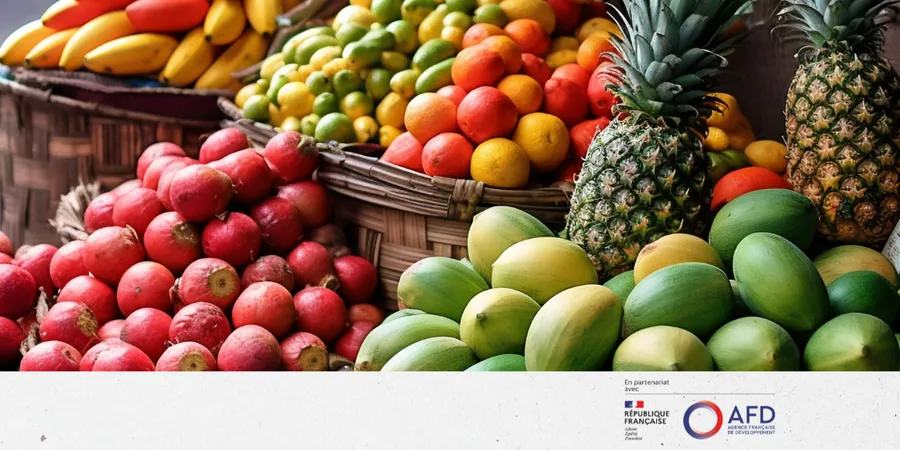
COLEAD is pleased to announce new funding from the French Development Agency (AFD) to provide sustainable support to the horticultural sector in sub-Saharan Africa. This three-year project builds on the efforts of previous phases of the Fit for Market programme and aims to reduce poverty while improving food and nutrition security in the region.Supporting agripreneurs The specific objective of the project is to support smallholder farmers, farmer groups and small and medium enterprises to maintain and improve their access to national, regional and international horticultural markets. This will be achieved by equipping them with the skills, practices and safe and sustainable technologies needed to take advantage of new business opportunities.Three strategic pillars to maximise impactThe project is structured around three expected outcomes, each translated into concrete and targeted activities: Strengthening the capacity of horticultural operators : development projects will be co-designed with operators based on a support request mechanism and implemented through training, coaching, technical assistance and dissemination of updated resources on market requirements (SPS standards, environmental and social criteria, etc.). Support for professional organisations : producer organisations and support structures will also benefit from tailor-made development projects aimed at strengthening their role as technical and strategic intermediaries and improving their capacity to provide services in line with market developments. A participatory analysis will help to identify and prioritise the main barriers to exporting to the European Union : market intelligence activities will complement these efforts and provide valuable insights to support the dialogue between public authorities and private sector representatives.Geographical coverage targetedThis funding is exclusively dedicated to countries in sub-Saharan Africa, responding to a large number of requests for additional support already received through programmes such as FFM+. The final selection of countries to benefit from this new initiative will be confirmed at the start of the implementation phase.This new partnership with AFD is a great opportunity to consolidate the achievements of COLEAD and its partners in building a horticulture sector that is more inclusive, competitive and resilient to climate and economic challenges. We are excited to once again combine technical expertise and long-term vision to support agricultural value chains in Africa.This activity is supported by the Trade Capacity Building Program (TCBP), implemented by COLEAD, with financial support from the French Republic through the French Development Agency (AFD). This communication has been produced with the financial support of AFD. Its content is the sole responsibility of COLEAD and can in no way be taken to reflect the position of AFD.
 News
News
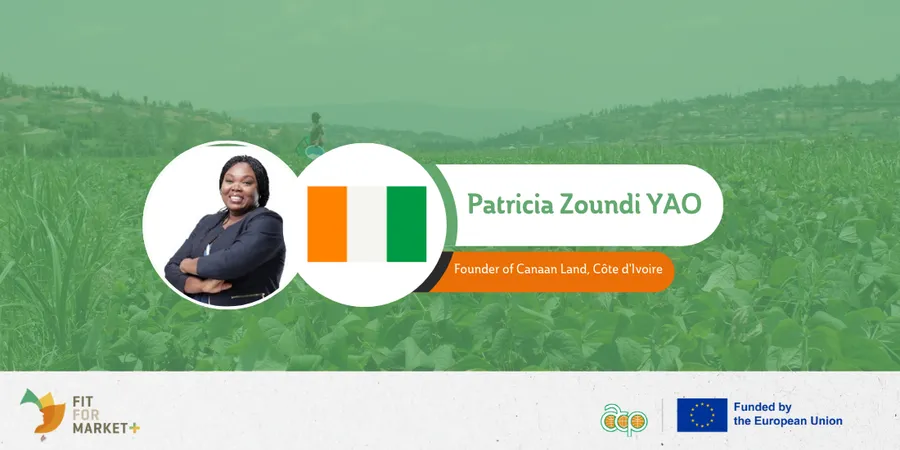
Patricia Zoundi Yao, entrepreneur and African champion of sustainable development, is an inspiration to us. What about you?
Patricia Zoundi Yao is a social entrepreneur, impact leader, and dedicated advocate for rural Africa. She is committed to fostering sustainable agriculture, a more inclusive economy, and the promotion of local value chains.At the crossroads of agriculture, technology, and social development Patricia Zoundi Yao is not just any entrepreneur. She embodies a new generation of changemakers in Africa, bridging the worlds of agribusiness, inclusive technology, and the empowerment of rural women. She is the founder of Canaan Land, an Ivorian social enterprise established in 2019, which she led for several years before handing over leadership to a new management team. She continues to champion its vision and values through her national and international commitments. Today, Canaan Land supports over 400 farmers—86% of whom are women—toward sustainable, traceable, and profitable agriculture.Beyond rhetoric, Patricia takes action on the ground: facilitating access to high-quality inputs, training in best agricultural practices (including organic and climate-smart farming), integrating farmers into local and international value chains, and supporting certification (notably Yum Gap). Her clear vision is to develop Africa from its villages.An entrepreneurial response to inequalityIn 2010, Patricia founded QuickCash, an inclusive fintech solution designed for rural areas. She later stepped away from the leadership of this company, as well as Digital Hub, to dedicate herself fully to her mission in the agricultural sector. This entrepreneurial experience marked the beginning of a broader commitment to providing tangible solutions for populations often excluded from economic hubs.Through her initiatives, she aims to give visibility to the invisible, integrate informal economies into the formal sector, and accelerate the economic empowerment of women, who are the backbone of Africa’s entrepreneurial ecosystem.Canaan Land: a catalyst for agricultural transformationAt Canaan Land, agriculture is more than just an economic activity—it is a lever for public health, social justice, and environmental conservation. The company is committed to producing and distributing healthy fruits and vegetables grown in compliance with hygiene standards, biodiversity protection, and environmental sustainability. Traceability is central to the model, ensuring that end consumers have full knowledge of the origin, agricultural practices, and working conditions associated with each product.Canaan Land has positioned itself as a key player in agricultural modernization in Côte d’Ivoire. The company provides smallholder farmers with integrated support, including technical capacity building, access to quality inputs, the introduction of sustainable practices adapted to climate change, and assistance in complying with formal market standards. This holistic support model enables vulnerable farmers to integrate into structured economic circuits, securing their income, improving productivity, and strengthening resilience.Canaan Land’s approach aligns with the United Nations Sustainable Development Goals (SDGs), particularly:SDG 1: No Poverty – by increasing rural farmers' income;SDG 2: Zero Hunger – through food security and sustainable agriculture;SDG 5: Gender Equality – by supporting a majority of women farmers;SDG 8: Decent Work and Economic Growth – by structuring rural economic opportunities;SDG 13: Climate Action – by integrating resilient and eco-friendly agricultural practices.This model is now inspiring other initiatives across the continent.A Pan-African voice and advocate for changeA recipient of the National Order of Merit and the Ivorian Excellence Award, Patricia is also an eTrade for Women Advocate for UNCTAD. She serves on several boards, including those in banking and institutions supporting the private sector. As President of the Movement of Small and Medium Enterprises (MPME), she actively works to create a more favorable environment for SME growth, particularly in agribusiness.She is also dedicated to building bridges between continents, as demonstrated by her recent mission to China, aimed at fostering technological and trade partnerships between Ivorian and Chinese SMEs.A vision for the futurePatricia Zoundi Yao embodies a bold vision: an agricultural world where even the smallest farmers can become successful entrepreneurs, drivers of economic development, and guardians of biodiversity.Through Canaan Land, she is paving a concrete path toward agricultural transformation based on autonomy, expertise, equity, and access to opportunities. Her work actively contributes to shaping fairer, more sustainable, and more humane food systems.With her leadership, a new Africa is emerging—greener, more inclusive, and more resilient.Patricia has joined COLEAD and UN Women in their South-South Series implemented through the FFM+ programme, an initiative aimed at strengthening women-led businesses by fostering collaboration, knowledge-sharing, skills development, market access, and networking opportunities. You can find valuable resources in the Agrinnovators entrepreneur community: https://agrinnovators.org/This activity is supported by the Fit For Market Plus (FFM+) programme, implemented by COLEAD within the Framework of Development Cooperation between the Organisation of African, Caribbean and Pacific States (OACPS) and the European Union. This publication receives financial support from the European Union and the OACPS. The content of this publication is the sole responsibility of COLEAD and can in no way be taken to reflect the views of the European Union or the OACPS.
 News
News
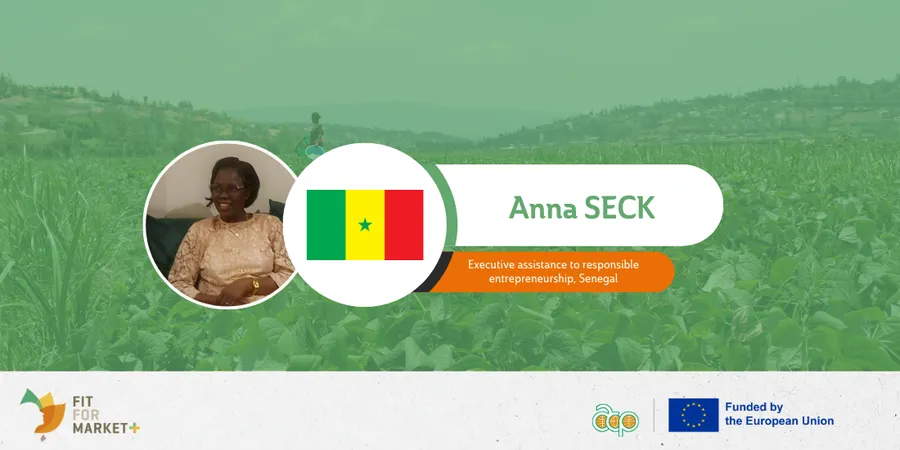
Anna Seck - From executive assistance to responsible entrepreneurship: a journey that inspires. What about you?
Mrs Anna Seck, based in Senegal, embodies a remarkable journey of determination, resilience and commitment to excellence. Married and the mother of three, her academic career was interrupted by marriage and her first pregnancy in her final year of secondary school. A brilliant student, she was unable to pursue higher university studies - a regret that lingers as she still aspires to one day to resume an academic path, a symbol of personal achievement.A non-linear journey, guided by willpowerAfter giving up on the idea of resuming her studies due to family commitments, Anna Seck turned to teaching in a private school, where she worked for six years before changing her career to IT. She then found her calling in the agri-food industry, joining a company as an executive assistant. She quickly exceeded the expectations of her role and took on responsibilities closely related to production management.In 2010, while continuing to work as an Executive Assistant, she became actively involved with certification bodies. Her increasing involvement in quality management led her to play a key role in SEPAM's GlobalG.A.P. certification in 2012 - a turning point in her career. Following the departure of the quality manager in 2015, she took over all documentation and led the certification renewal process. In the same year, she completed a COLEAD training course on Corporate Social Responsibility (CSR) as part of the PIP programme. This module was a catalyst: she decided to devote herself entirely to quality.Leadership and expertise Appointed Quality Manager in 2015, Mrs Seck strengthened her expertise through numerous trainings with COLEAD and other partners in areas such as hygiene, food safety, risk analysis, self-monitoring, sustainable biodiversity management and good agricultural practices.Under her leadership, SEPAM implemented key standards such as GRASP in 2017, Rainforest Alliance in 2019, and later SMETA and TESCO, thus increasing the company's credibility in international markets. Her responsibilities gradually expanded, and she eventually became SEPAM's QHSE Manager, also helping another branch of the company to become export ready.An entrepreneur committed to sustainable development In 2021, driven by her experience and vision for the future, Anna Seck founded her own company: St Esprit Import Export Service. This business aims to help local stakeholders adapt to the demands of the international market. She also plans to begin exporting fresh and processed products from Senegal to Europe, while further developing her skills in quality management and food safety. A model of resilience and growthAnna Seck's journey is a powerful source of inspiration. It shows that with perseverance, a strong commitment to continuous learning and a desire to make a positive contribution to her professional environment, one can overcome obstacles, overcome challenges and transform an entire sector.Her dream of one day pursuing higher university studies, even though she is already recognised as an expert in her field, is emblematic of her philosophy: never stop learning and always move forward.This activity is supported by the Fit For Market Plus (FFM+) programme, implemented by COLEAD within the Framework of Development Cooperation between the Organisation of African, Caribbean and Pacific States (OACPS) and the European Union. This publication receives financial support from the European Union and the OACPS. The content of this publication is the sole responsibility of COLEAD and can in no way be taken to reflect the views of the European Union or the OACPS.
 News
News
AGRINFO: Improved tools to track EU regulations and strategic outreach to Latin America
AGRINFO continues to keep its network informed of new and upcoming changes to EU Regulations. Use of the service is growing, and the clear and accessible explanations about new rules are receiving very positive feedback.Keeping up with new Regulations remains challenging for exporting countries, with large numbers of rule changes affecting all agri-food sectors, and covering multiple areas of law.Improvement of the AGRINFO.EU websiteIn response to feedback from users, several improvements to the AGRINFO website were made. Most importantly, the regular newsletter AGRINFO Update, as well as the records on changing Regulations, can now be viewed in Spanish and French. Portuguese translation will be added in the coming months.A new Publications tab makes additional AGRINFO resources more easily available. These include regulatory guides that give detailed explanations on compliance with some key new items of legislation. So far, guides are available on Upcoming EU Regulation on Mineral Oil Hydrocarbons in Food; rules on Exporting Honey to the European Union; and on Exporting fresh capsicum to the EU. Additional guides on the EU rules for organic production and labelling; aquaculture; and composite products are under development and will be available soon.A new Ongoing Consultations tab gives links to consultations that are currently open for feedback, making it easier for stakeholders to comment on proposed EU Regulatory changes that could impact trade.A landing page has been designed so that partner agencies and networks can add it to their own websites to link to the AGRINFO platform. Please contact us if you would like to access this facility (agrinfo@colead.link).Latin America OutreachDuring the first quarter of 2025, efforts have been particularly focused on increasing activities and outreach in Central and South America.On 21 March, the AGRINFO Team collaborated with the Embassy of Brazil in Brussels to host a webinar on the rules for exporting novel foods to the EU, with a focus on traditional foods from the Amazon. This was delivered with the support of the European Commission (DG SANTE) and the European Food Safety Authority, and attended by over 130 participants from Bolivia, Brazil, Colombia, Ecuador, and Peru.The AGRINFO programme was presented to staff at all EU Delegations in Latin America to raise awareness about the service, and to foster contact with other EU-funded initiatives in the region. The Team has also met with the Embassies of Argentina, Guatemala, Mexico, Panama, and Paraguay, and the PromPeru office in Madrid, and has held online meetings with several Central American organisations including the Secretaría de Integración Económica Centroamericana (SIECA) and the Consejo Agropecuario Centroamericano. This has generated considerable interest in the services that AGRINFO can provide, and its importance in helping to maintain and increase trade between this region and the European Union.As a follow-up to these preliminary contacts, the Embassy of Paraguay has already facilitated a meeting with the staff of the Ministry of Industry and Trade and will feature AGRINFO in its magazine for producers and traders in Madrid and Panama. Webinars are being organised for stakeholders in Panama, Paraguay and Colombia on topics of interest for their agri-food sectors, including on the EU Corporate Sustainability Due Diligence Directive; other webinars are planned. There has also been a significant increase in the number of new subscribers from the region to the AGRINFO Update email newsletter. Feedback on the AGRINFO website and communication materials is always welcome: please feel free to contact us via the Ask AGRINFO facility.This activity is supported by the AGRINFO programme. The AGRINFO programme is implemented by COLEAD and funded by the European Union (EU). This communication has been produced with the financial support of the EU. Its contents are the sole responsibility of COLEAD and can under no circumstances be regarded as reflecting the position of the EU.