
Cultivating
Sustainable Futures
 News
News
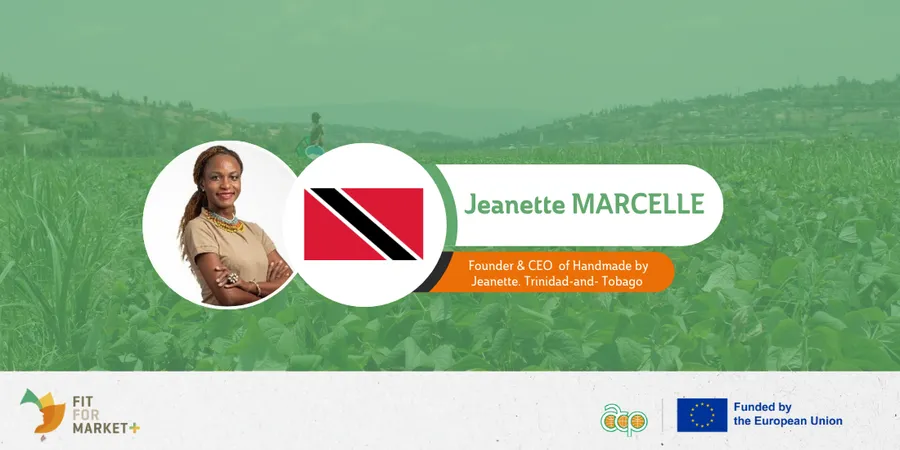
Jeanette Marcelle inspires us—And you?
In Trinidad and Tobago’s agri-food landscape, Jeanette Marcelle, also known as Chef Marcelle, stands out as a visionary and dedicated entrepreneur. As the founder and CEO of Handmade by Jeanette, she embodies resilience, innovation, and social impact through her brand, which promotes healthy, sustainable, and locally rooted food products.From culinary passion to purpose-driven entrepreneurshipJeanette Marcelle’s journey is anything but conventional. Initially pursuing a career in early childhood education, a part-time job as a waitress in a Thai restaurant ignited her passion for food and diverse flavors. This experience became a pivotal moment—she set aside teaching to fully immerse herself in the culinary world. Over the years, she honed her skills as a traveling chef, blending different culinary traditions to create memorable dishes. When the COVID-19 pandemic disrupted economies worldwide, Jeanette turned crisis into opportunity. Facing unemployment, she identified a crucial need—reducing Trinidad and Tobago’s reliance on food imports by developing innovative, locally sourced products. In 2020, she founded Handmade by Jeanette, a company that merges artisanal craftsmanship, a commitment to health, and environmental responsibility.A business committed to well-being and local impactHandmade by Jeanette stands out for its healthy and natural products, including cocoa nib-infused granola, flavorful sauces, and aromatic spice blends. More than just a brand, the company embodies a philosophy: “You are what you eat.” With 75% of ingredients sourced locally, Handmade by Jeanette actively supports small farmers and promotes the circular economy. Its impact goes beyond sourcing raw materials. The company repurposes by-products—tamarind seeds and coconut shells are given to artisans for jewelry making, pepper seeds are returned to farmers for replanting, and orange peels are transformed into wellness teas. Handmade by Jeanette is not just selling products; it is building a more sustainable and inclusive food ecosystem. Jeanette’s ambitions don’t stop there. She is actively involved in food security discussions and import substitution efforts in the Caribbean while developing an ambitious project: a food bank that will provide healthier food options to underserved families and help farmers manage surplus produce responsibly, reducing food waste while supporting community well-being.Innovation and international expansionOne of Handmade by Jeanette’s major strengths is its commitment to food innovation. Jeanette continuously experiments with new ingredient combinations, such as blending dried mushrooms with cocoa to create a shelf-stable, flavorful product adapted for international markets.In just a few years, the company has achieved key milestones: ✔ First official shipments to Saint Lucia and the United States, paving the way for international expansion. ✔ Participation in three major trade missions, fostering strategic partnerships. ✔ Showcasing products at SIAL Paris, one of the world’s largest food innovation expos.Today, Handmade by Jeanette is experiencing rapid growth, seeking to expand into new foreign markets and obtain additional certifications for the European market.Overcoming challenges to empower women entrepreneursJeanette Marcelle does not shy away from discussing the challenges of being a woman entrepreneur in a still male-dominated industry. She emphasizes that women often have to work twice as hard for recognition and fair funding opportunities. Yet, rather than being discouraged, she turns obstacles into stepping stones toward greater success. Her message to women entrepreneurs? See every challenge as a gateway to new opportunities.Her dedication to excellence and quality also led her to participate in COLEAD’s Fit For Market Plus (FFM+) programme, where she received training in hygiene, food safety, and traceability. These skills further strengthen her company’s positioning in global markets.An inspiring success storyJeanette Marcelle represents a new generation of agri-food entrepreneurs, where innovation, sustainability, and social responsibility converge to create lasting impact. Her journey is a testament to the power of support and capacity building in accessing markets and financing. COLEAD is proud to support entrepreneurs like Jeanette Marcelle and to share inspiring success stories that demonstrate how sustainable agribusiness can be a powerful driver of economic and social transformation.This activity is supported by the Fit For Market Plus (FFM+) programme, implemented by COLEAD within the Framework of Development Cooperation between the Organisation of African, Caribbean and Pacific States (OACPS) and the European Union. This publication receives financial support from the European Union and the OACPS. The content of this publication is the sole responsibility of COLEAD and can in no way be taken to reflect the views of the European Union or the OACPS.
 News
News
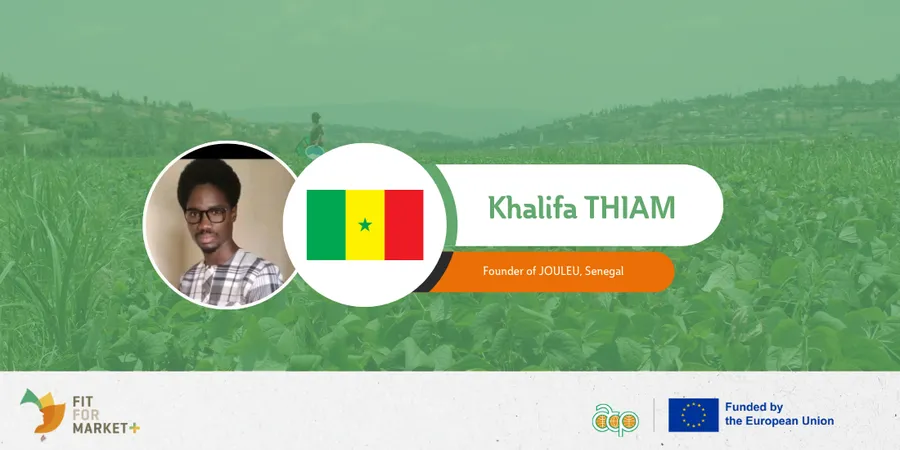
Khalifa Thiam inspires us and you?
In the world of African agribusiness, some players are pioneers in combining innovation, sustainability and social commitment. Khalifa Thiam, founder of JOULEU, embodies this ambition. Through his company, he is working towards a more resilient, inclusive and connected agriculture, responding to the challenges of market access, sustainable production and modernisation of the horticulture sector in Senegal and the sub-region.JOULEU: A link between producers and marketsCreated in 2018, JOULEU was born out of a simple but crucial observation: Senegalese horticultural producers are struggling to sell their crops on organised and profitable markets. Faced with this difficulty, Khalifa Thiam came up with JOULEU, which means 'trader, mediator' or 'facilitator' in Wolof. The company acts as a bridge between producers and markets, facilitating the marketing of local horticultural products while promoting the principles of agro-ecology.Initially focused on this intermediary role, JOULEU quickly expanded its scope by developing its own horticultural production. Today, the company grows up to 300 tonnes of fruit and vegetables per season, mainly onions and potatoes (80% of production), but also okra, chilli, watermelon and tomatoes.With 17 employees, including 8 women, JOULEU is part of an effort to strengthen and structure the local agricultural sector and works with about ten small producer partners, including 6 women. The company provides them with market access, agricultural inputs and technical support to ensure quality production while promoting sustainable and environmentally friendly practices.Integrated and sustainable agricultureFar from limiting itself to marketing and production, JOULEU is innovating by integrating digital tools and new agricultural technologies. The company aims to become "Africa's organic cybermarket", using digital platforms to sell and distribute its products. Today, consumers can buy JOULEU products directly through social networks such as Instagram, an innovative model that modernises the supply chain and brings producers and consumers closer together.The company is also investing in the optimisation of its production techniques:Agricultural mechanisation and the design of modern farms to maximise yields.Drip irrigation, an effective solution to reduce water consumption and improve crop growth.Greenhouses, a key project that aims to produce all year round and stabilise the supply of horticultural products to the market.In an environment where climatic and logistical constraints are severe, these innovations make it possible to increase the profitability and sustainability of farms.The company also aims to create a reference centre for organic horticulture on a 5,000m² site to promote organic farming by introducing the young people it supports to good agro-ecological practices.A strong social impact: training and empowermentBeyond its own agricultural activities, JOULEU has a strong social dimension. As well as working with producers, the company supports young people and women's groups in local communities by providing training in entrepreneurship and business management. The aim is to encourage a new generation of farmers and rural entrepreneurs capable of innovating and structuring competitive and sustainable agricultural sectors. The company also facilitates village women's access to vocational training programmes and institutional support, giving them the means to develop income-generating activities.A regional ambition and an ambitious expansion planWith a fast-growing local market and increasing regional demand, JOULEU has no intention of stopping there. The company already sells part of its production in Mali and Guinea-Bissau, despite the logistical challenges of transport and customs regulations. It is working with local partners to improve these channels and secure its distribution flows.JOULEU has been partner beneficiary of the FFM+ programme. Find out more about JOULEU and its founder on the agrinnovators.org platform.This activity is supported by the Fit For Market Plus (FFM+) programme, implemented by COLEAD within the Framework of Development Cooperation between the Organisation of African, Caribbean and Pacific States (OACPS) and the European Union. This publication receives financial support from the European Union and the OACPS. The content of this publication is the sole responsibility of COLEAD and can in no way be taken to reflect the views of the European Union or the OACPS.
 News
News
EU food packaging regulations: the new rules impose new requirements that also apply to suppliers outside the European Union
New rules on packaging and packaging waste, including design and waste management, are set by the European Union (EU) under the Packaging and Packaging Waste Regulation (PPWR) (Regulation 2025/40). The objective is to increase the reuse and recycling of all packaging materials, including food packaging. The new rules also apply to suppliers of packaged food to the EU market who are based outside the EU.Under the PPWR rules, all packaging and packaging waste made of any material have to comply with sustainability requirements, i.e. as regards substances of concern, recyclable packaging, minimum recycled content, compostable packaging and packaging minimisation.The PPWR rules apply from different dates starting from 12 August 2026.New PPWR rules having a direct impact on fresh fruit and vegetables include:All sticky labels attached to fruit and vegetables have to be compostable from 12 February 2028Single use plastic packaging cannot be used for quantities of fresh fruit and vegetables <1.5 kg from 1st January 2030Of importance is to note that the new Regulation allows EU Member States to set higher targets for some obligations, and to choose not to apply some obligations in specific cases (for example, certain prepacked fresh fruit and vegetables <1.5 kg could be packaged in single use plastic packaging). The differences between the national applications of the rules within the 27 EU Member States will have to be closely monitored.More information about the PPWR is available in this record published on AGRINFO.Implications for operators outside of the EUUnder the new rules, non-EU exporters of packaged foods to the EU market must ensure by the end of 2025 that:any packaging has undergone an appropriate conformity assessment procedurethe relevant technical documentation has been drawn up by the packaging manufacturerthe manufacturer has provided a written declaration of conformity for the packaging type.Suppliers exporting packaged foods should engage early with packaging manufacturers to review testing, monitoring, and documentation processes. Packaging manufacturers must be able to provide the information and documentation necessary for the exporter manufacturer to demonstrate compliance with this Regulation.Suppliers of fruit and vegetables should closely monitor how EU Member States intend to implement rules on single use plastic packaging for products weighing <1.5 kg. They should explore sources of non-compostable sticky labels.COLEAD action Packaging and packaging waste is a key area of work for the Regulations and Standards department. Several activities are being developed, including:Publishing updates on the latest regulatory changes on the AGRINFO websitePreparing an explaining document to be published onlineLaunching a study on packaging manufacturing and technologies in AGRINFO partner countriesProviding tailor-made advisory support to operators asking questions on this topicThese actions are implemented by COLEAD's Regulations and Standards department.Be aware that other COLEAD departments are undertaking activities on this topic of high relevance for agri-food operators, including partner-beneficiaries of programmes such as FFM+ implemented by COLEAD. This includes:Market Insights planning a webinar on packaging (for end of 2025)Networks and Alliances focusing on this topic as part of its Agrifood Partnership Series (organised with various partners, e.g. PAFO, IICA, OECD etc.). A discussion on this topic has been created on the Agrinnovators forum and is open for everyone to contribute to it.Stay tuned throughout the year to benefit from the various activities organised around a highly strategic theme, particularly for the international fruit and vegetable sector.This activity is supported by the AGRINFO programme. The AGRINFO programme is implemented by COLEAD and funded by the European Union (EU). This communication has been produced with the financial support of the EU. Its contents are the sole responsibility of COLEAD and can under no circumstances be regarded as reflecting the position of the EU.
 News
News
Sustainability – Waste management. Example in Benin using pineapple waste to improve soil fertility and promote energy self-sufficiency
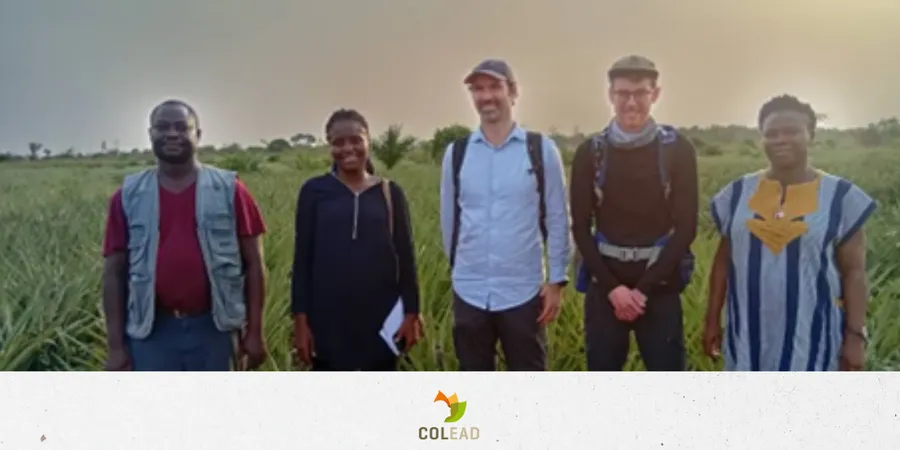
The VLIR-UOS-funded VALPIRES project was officially launched in Benin by the partner universities, marking a major step forward in sustainable agriculture and renewable energy solutions. This research project aims to use pineapple residues to improve soil fertility while promoting energy self-sufficiency, thus responding to major agricultural and environmental challenges in the region.COLEAD played a key role in bringing together the partner universities - KU Leuven, the University of Abomey-Calavi (UAC) and UNSTIM - to develop the project proposal. By facilitating collaboration between scientific research and stakeholders in the pineapple sector, COLEAD contributes to effective knowledge exchange and sustainable agricultural innovation.This project is a continuation of the actions carried out by COLEAD, particularly in terms of validation and dissemination of innovative agricultural practices. By integrating the expertise of academic institutions and producer cooperatives such as FENACOPAB, VALPIRES adopts a holistic approach that supports both the economic development of local farmers and the preservation of the environment.
 News
News
Sustainability - Energy efficiency. Example in Kenya with the energy assessment of the Everest packaging plants in Timau and Murang'a
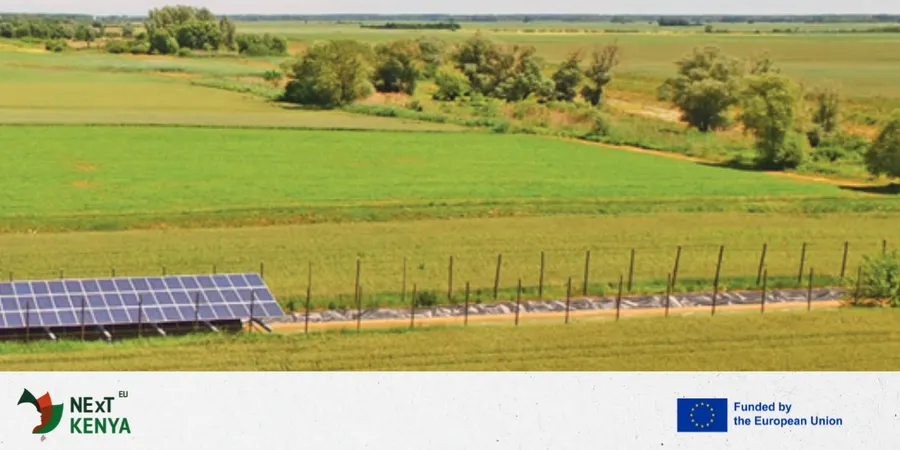
In the last quarter of 2024, COLEAD supported Everest Enterprises Limited in conducting an energy efficiency audit as part of the NExT Kenya Programme. Everest Enterprises, a leading Kenyan horticultural company established in 1988, specializes in growing and processing horticultural products. This initiative aimed to analyze energy consumption patterns, identify cost drivers, and propose strategies to enhance energy efficiency at Everest’s processing facilities in Murang’a and Timau. The assessment contributes to the company’s broader sustainability goals, including the adoption of cleaner energy sources and improved resource management.Objectives of the energy assessmentThe audit focused on:Conducting a comprehensive energy efficiency assessment to support informed decision-making.Identifying major energy-consuming equipment and processes.Exploring alternative energy sources to reduce dependence on conventional power.Pinpointing opportunities for reducing energy waste and improving efficiency in packhouses.Evaluating potential infrastructure investments that provide high returns on energy savings (payback period ≤ 3 years).Key findings and energy management opportunitiesThe audit revealed significant energy-saving opportunities, both in operational and technological areas. By mapping out energy consumption per equipment and process, the assessment provided Everest with a clear roadmap for short-term efficiency gains and long-term investment strategies. The proposed measures range from low-cost optimizations to capital-intensive upgrades that promise substantial reductions in energy costs and environmental footprint.Impact and Next StepsEverest Enterprises has demonstrated a strong commitment to implementing the audit recommendations. The company plans to:Expand its solar power capacity to enhance energy independence.Adopt cleaner, compliant energy management solutions to reduce its carbon footprint.These actions align with COLEAD’s mission to promote sustainable agricultural practices and support agro-industrial companies in reducing their environmental impact. This collaboration highlights how targeted interventions in energy management can drive cost efficiency, sustainability, and long-term resilience in the horticultural sector.This activity is implemented by COLEAD and supported by the NExT Kenya (New Export Trade) programme, established in collaboration with the EU Delegation in Nairobi and Kenyan stakeholders. This publication has been produced with the financial support of the EU. Its contents are the sole responsibility of COLEAD and can under no circumstances be regarded as reflecting the position of the EU.
 News
News
Raising climate change awareness among coffee and cocoa cooperatives: highlight of the COLEAD-SIF project, which ended in February 2025
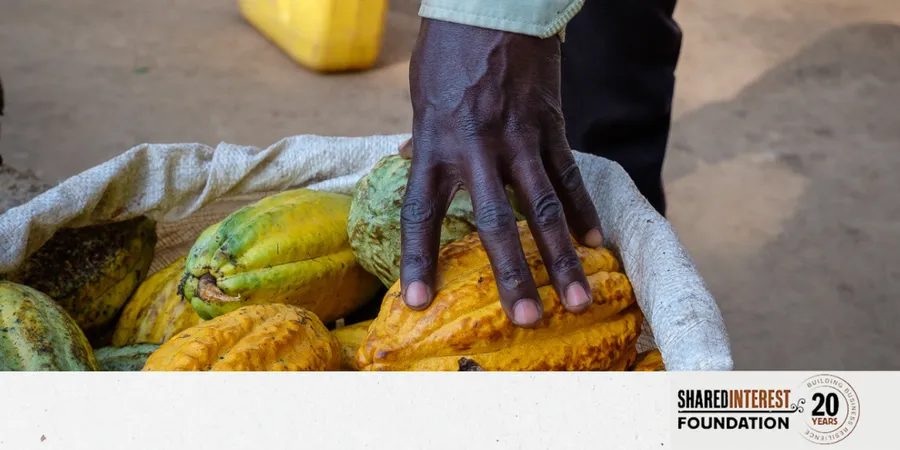
Since its launch in February 2024, the partnership between COLEAD and the Shared Interest Foundation (SIF) has been dedicated to strengthening eight selected cooperatives/companies in Côte d'Ivoire (three), Rwanda (four) and Uganda (one). This initiative concluded in February 2025, marked by a significant initiative - an interactive e-session on climate change awareness, conducted in both English and French.Raising awareness on climate changeThe two-day virtual session provided an engaging platform for participating companies/cooperatives to explore the intersection of climate change and agri-food systems. Participants explored key issues includingUnderstanding the impact of climate change on agri-food systems, with a particular focus on greenhouse gas emissions, global warming and the subsequent impacts on agriculture and horticulture, particularly in the African, Caribbean and Pacific (ACP) regions.Differentiate between climate change mitigation and adaptation strategies, understanding their importance, applications in agriculture and how both can be integrated to create resilient agri-food systems.Building climate resilience among smallholder farmers through climate-smart agriculture approaches.Key international climate finance flows.Importance of insuring agricultural enterprises against the impacts of climate change - local contextsThe role of gender mainstreaming in enhancing the success of climate-smart agriculture.Project outputsThe one-year project, entitled "Design and management of a training and technical assistance programme", successfully delivered its four key components as described:Baseline Diagnosis: A thorough assessment of the governance and financial frameworks of the eight participating cooperatives has been completed. The diagnostic reports provided a clear pathway for addressing gaps and improving management practices.Training on cooperative governance and management. Launched in July 2024, this training equipped cooperative boards and management teams with the skills needed for effective leadership and operational excellence. Targeted roles include presidents, general secretaries, treasurers and accountants.Business and financial planning. Training to improve financial literacy, develop business strategies and enhance market readiness.Climate change e-sessions. Raising awareness of adaptation strategies and building resilience to environmental challenges.ImpactThis project highlights COLEAD's role in linking technical assistance with access to finance, thereby strengthening the sustainability and operational efficiency of cocoa and coffee cooperatives. By integrating governance reforms, financial planning and climate-smart practices, the project advances the common goals of resilience and sustainability. COLEAD remains committed to fostering stronger frameworks and capacities for cooperatives to confidently navigate dynamic economic and environmental landscapes.Shared Interest Foundation was established in 2004 as a charitable subsidiary of Shared Interest Society. Its aim is to work with producers who need support to grow and be more sustainable, ultimately alleviating poverty by helping people to trade and earn a living. Founded in 1990, Shared Interest Society brings together a community of more than 12,000 people in the UK with the common goal of investing in a fairer world. They work hand in hand with communities where income opportunities may be limited and where businesses face increasing challenges. Shared Interest works cooperatively, funding Fair Trade enterprises in 45 countries. Most of these organisations support smallholder farmers who produce around a third of the world’s food but often struggle to feed their families.
 News
News
Innovation - Reducing diseases, improving soil health and nutrient management through the integration of indigenous vegetables intercropped with tomatoes and cabbage
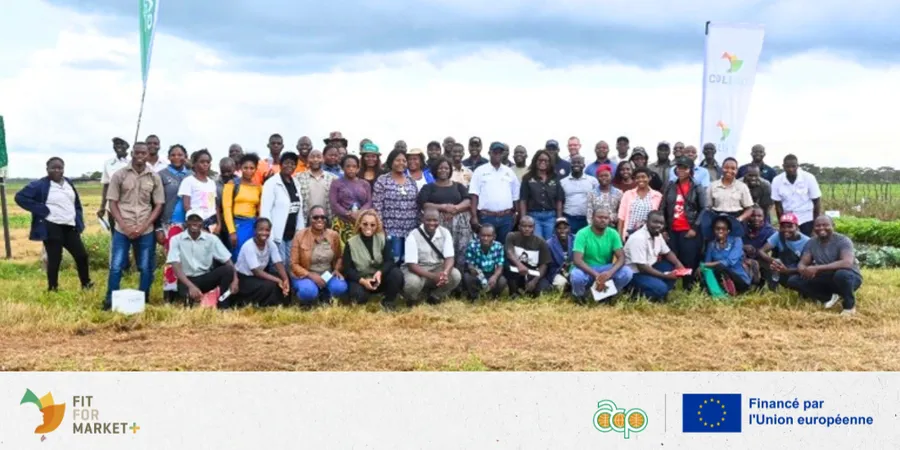
Research trial demonstration day at GART (Zambia)On 10 January 2025, the Golden Valley Agricultural Research Trust (GART) successfully hosted a Research Trial Demonstration Day at its research farm in Chisamba, Zambia. The event showcased the progress of trials conducted under COLEAD's Fit For Market Plus programme in partnership with GART.The primary objective of this research is to explore the potential benefits of integrating underutilised crops, such as Cleome and Amaranthus, into established tomato and cabbage production systems. These trials, conducted in commercial farming environments, aim to determine whether intercropping these native vegetables can effectively reduce disease and pests, improve soil health and nutrient management, while providing an additional source of income for farmers. The study also focuses on the agronomic efficiency of these integrated systems, particularly in terms of nutrient and water use efficiency. Ultimately, the aim is to adapt and promote intercropping practices at the local level and encourage their adoption within traditional tomato and cabbage production systems, which often rely on continuous monocropping.Organised in collaboration with COLEAD's Research & Innovation Brokerage Department and Kabuza Consultancy, this initiative brought together over 100 participants, including representatives from government ministries, NGOs, academic institutions, seed companies and farmer groups from different regions.After an introduction to the roles of GART and COLEAD, the objectives and methodology of the trial were presented. A guided field tour gave participants a first-hand look at the experimental plots, showing different intercropping configurations, drip irrigation techniques and pest management practices. Participants actively engaged in discussions and shared their observations during a feedback session.Feedback from participants highlighted the potential of intercropping Cleome and Amaranthus to increase farmers' incomes and improve the nutritional quality of crops. Key considerations raised included spacing requirements, the need for further trials in different regions and the commercial scalability of this intercropping system. The event also generated interest from academic institutions for future collaboration. Stakeholder engagement on trial objectives, practical applications and farmer concerns is critical to refining these alternative production practices and promoting their wider adoption.The event concluded with a summary of key takeaways and a call for increased collaboration to further develop and scale up these practices. The overwhelming support from stakeholders underscores the key role that underutilised vegetables can play in transforming agricultural systems towards greater sustainability and profitability.We thank all participants for their enthusiasm and contributions and look forward to sharing the final results of these trials in the coming months!This activity is supported by the Fit For Market Plus (FFM+) programme, implemented by COLEAD within the Framework of Development Cooperation between the Organisation of African, Caribbean and Pacific States (OACPS) and the European Union. This publication receives financial support from the European Union and the OACPS. The content of this publication is the sole responsibility of COLEAD and can in no way be taken to reflect the views of the European Union or the OACPS.
 News
News
Digital innovation in collaboration with the Ugandan Avocado Association. Scientific article published by COLEAD
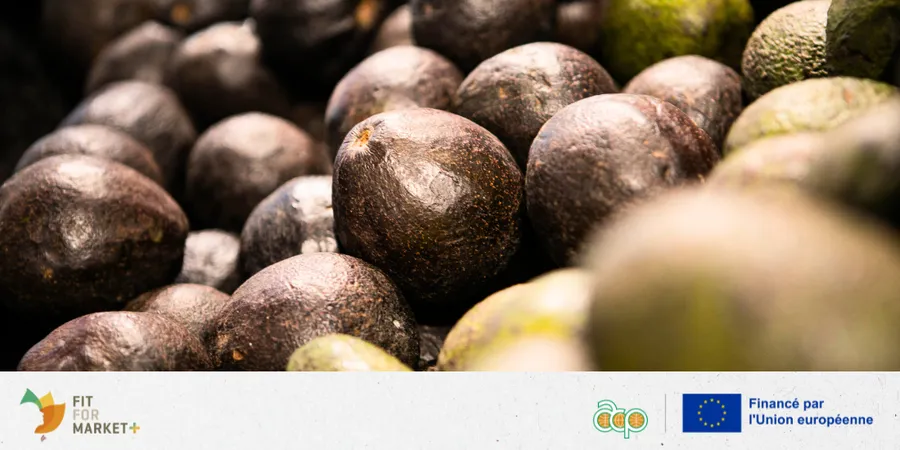
A recent scientific article highlights the results of a digital technology pilot project carried out in collaboration with the Uganda Avocado Association. This project, funded by the FFM+ programme, aims to support the development of the Hass avocado sector in Uganda and more broadly in the East African region. This publication represents a significant step forward in the promotion and dissemination of knowledge on sustainable agriculture.Read the full article: Characterising avocado production systems for Ugandan exports: the need for consolidation and support for sustainable developmentWhy is scientific publishing important for the agricultural sector?Dissemination of research findings through peer-reviewed journals provides tangible benefits to all stakeholders in the agricultural sector:Improving knowledge and field experience - pilot activities, trials and field missions generate valuable data. Scientific publication allows this knowledge to be shared beyond a limited circle and contributes to global knowledge.Improving the quality and credibility of initiatives - Scientific publication promotes high standards in pilot project design, data collection and analysis, and motivates stakeholders to strive for excellence.Strengthening the sector's technical expertise - Peer-reviewed publications help to raise the profile of sustainable agricultural practices and encourage their adoption by other organisations and researchers.Ensuring long-term impact - Open access publications make research results available to researchers, policy makers and other stakeholders, ensuring that resources invested have a lasting impact.With this first publication, further studies led by COLEAD's Research & Innovation Brokerage department, in collaboration with local experts, are underway to further promote initiatives and results in the field of sustainable agriculture.Stay tuned for new developments at the intersection of applied research, innovation and agricultural development!This activity is supported by the Fit For Market Plus (FFM+) programme, implemented by COLEAD within the Framework of Development Cooperation between the Organisation of African, Caribbean and Pacific States (OACPS) and the European Union. This publication receives financial support from the European Union and the OACPS. The content of this publication is the sole responsibility of COLEAD and can in no way be taken to reflect the views of the European Union or the OACPS.
 News
News
Empowering women entrepreneurs: successful launch of the South-South online series. On 19 February 2025, COLEAD and UN Women launched their initiative dedicated to empowering women entrepreneurs in Africa, the Caribbean and the Pacific (ACP)
On 19 February 2025, COLEAD and UN Women launched the first session of the South-South Online Series, an initiative dedicated to empowering women entrepreneurs in Africa, the Caribbean, the Pacific (ACP) and beyond. Designed to foster collaboration, knowledge sharing, skills development and market access, the series provides a dynamic platform for business leaders to connect and progress. This series is created and organised as part of the Fit For Market Plus programme.A promising start: strong participation and significant impactThe first session, entitled 'Empowering Women Entrepreneurs: Strategies for building confidence, leadership and overcoming gender bias', was a real success. Opened by Jeremy Knops, General Delegate of COLEAD, and Gayle Gollop, Private Sector Specialist at UN Women MCO (UN Women Multi-Country Office), the session welcomed four women entrepreneurs from Africa and the Caribbean. They shared their experiences, discussed the challenges of gender bias and highlighted strategies to overcome it while developing their leadership skills.The session attracted a great deal of interest, confirming the relevance of the topic:776 people registered to access the resources and the recording of the session.297 people watched the session live, a high participation rate of 38%.671 people subscribed to the COLEAD newsletter, widening the scope for future initiatives.Women entrepreneurs profiledThe event highlighted four remarkable women who are making a significant contribution to the agri-food sector:Christina Pooler (Barbados) - A proponent of regenerative and climate-resilient agriculture, she combines technology and environmental management to innovate in the agricultural sector.Lana Athanaze (Dominica) - Founder of Éclat Nova Luxuries, she creates botanical and eco-responsible skincare products while supporting local communities.Patricia Zoundi Yao (Ivory Coast) - Social entrepreneur who promotes the financial and agricultural inclusion of rural women by giving them access to training and resources.Fannie Perisha Gondwe (Malawi) - an activist for biofortified foods and women's empowerment, she supports women farmers in sustainable and entrepreneurial agriculture.Key points discussedThe role of women in the agri-food sector: Despite representing 42% of the world's agricultural workforce, women entrepreneurs face gender barriers that limit their access to resources, leadership positions and entrepreneurial opportunities. Bridging these gaps is essential for economic growth, food security and the achievement of the Sustainable Development Goals (SDGs).Leadership, a pillar of entrepreneurship: Developing leadership skills is essential to effectively manage a team and resources and ensure the growth of a business. Trust and resilience are key assets.Breaking down barriers and building confidence: confidence is not only based on self-esteem, but also on the ability to challenge prejudices, seek mentorship and create support networks. Systemic change through legal reforms, organisational policies and alliances with men is fundamental to achieving gender equality.The power of mentorship: access to a male or female mentor provides valuable advice, industry insight and networking opportunities that support the success of women entrepreneurs.Ongoing learning and skills development: ongoing training in agri-food and entrepreneurship enables women to remain competitive and innovate.Networking and collaboration: surrounding oneself with other entrepreneurs helps build confidence, facilitates business partnerships and provides access to new markets.Intergenerational and inclusive approaches: involving young women and men ensures their commitment to building a sustainable and inclusive entrepreneurial ecosystem.Inspiring testimonies from women entrepreneursThe speakers shared powerful messages of confidence, leadership and perseverance:
 News
News
Access to finance: COLEAD offers resources tailored to the context and needs of agri-MSMEs (Micro, Small and Medium Enterprises)
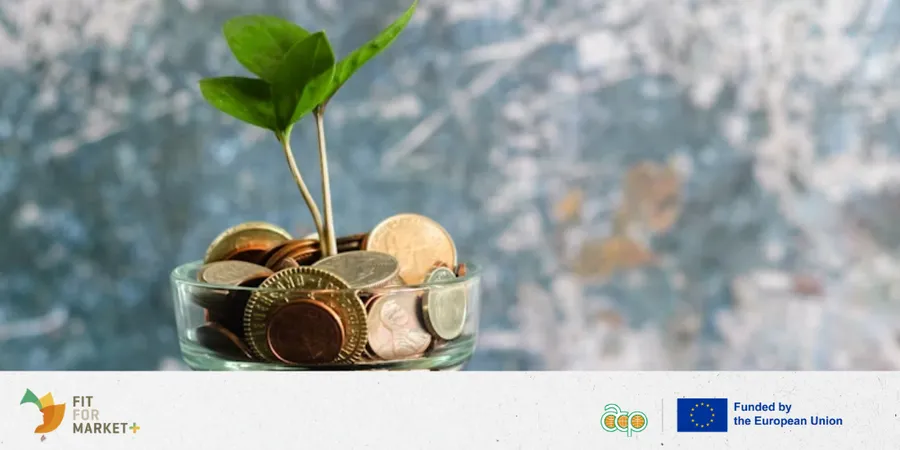
Access to finance remains one of the biggest challenges for micro, small and medium-sized agricultural enterprises (MSMEs), particularly in sub-Saharan Africa (SSA). While the sector accounts for nearly 49% of employment and 17% of GDP, the lack of adequate finance hinders productivity, rural development and food security.Yet agricultural MSMEs play a driving role in economic growth and poverty reduction. However, three out of four agricultural MSMEs have no access to bank loans and are stuck in the 'missing middle': too big for microfinance but too small to attract traditional investors. The annual financing gap is estimated at $74 billion, affecting nearly 130,000 agribusinesses.The COLEAD approachIn response to this challenge, COLEAD is taking action through programmes such as Fit For Market Plus (FFM+) to help agribusiness MSMEs overcome these barriers. In addition to technical assistance focused on productivity, market access and sustainability, COLEAD has stepped up its support for agricultural businesses to prepare for investment.Our approach is based on three strategic pillars:Scalable investment readiness training: COLEAD’s structured Investment Readiness Path equips partner beneficiaries with financial literacy and business acumen through scalable trainings, including webinars, self-paced courses, and collective workshops.Targeted technical assistance: Beyond training, we provide hands-on support to high-potential MSMEs (focus on scalable, high-impact projects) to reach the last mile of access to finance, helping refine business plans and investment proposals, and identifying relevant funding options. Partnering with the agri-finance ecosystem players: We connect agri-MSMEs with impact investors, development banks, and financial experts to bridge funding gaps and improve access to capitalOur common thread in 2025: share inspiring stories and in-depth knowledge to understand access to finance and how to actually obtain it.Throughout the year, we will bring you a series of key articles dedicated to access to finance. We will share inspiring stories of agribusiness MSMEs that have been able to raise finance and grow, in particular thanks to COLEAD's resources and support. For example, COLEAD's approach to access to finance was recently successfully tested in Kenya, where five agri-food companies were supported in their journey to investment readiness. Thanks to tailored technical assistance, four companies were able to secure funding, while all were equipped with the tools they needed to secure funding for their future projects. This pilot project demonstrated the impact of personalised financial support and strategic networking in unlocking funding opportunities, reinforcing COLEAD's evolutionary approach to Access to Finance.Future articles on access to finance will highlight the challenges, concrete solutions and tools to better understand and access available funding. Stay tuned in 2025! You will discover:Key blocking factors to access to finance - structural, institutional and market challengesCOLEAD's positioning on Access to Finance for agricultural SMEsCOLEAD's partnerships & success stories in access to financeThe link between business skills with access to finance COLEAD's Investment Readiness PathThe importance of a well-structured business & financial plan in access to financeHow to effectively navigate online platforms listing sources of fundingUnderstanding funding options: Key eligibility criteria for your agribusiness projectChoosing the right funding option: A step-by-step guide for agri-MSMEs Securing funding for your agricultural project: effective engagement strategies with identified sources of fundingAll these expert analyses, practical advice and resources have been developed as part of the FFM+ programme to help you better understand the agricultural finance landscape, access existing opportunities, overcome funding barriers and make your agricultural project a sustainable success!This activity is supported by the Fit For Market Plus (FFM+) programme, implemented by COLEAD within the Framework of Development Cooperation between the Organisation of African, Caribbean and Pacific States (OACPS) and the European Union. This publication receives financial support from the European Union and the OACPS. The content of this publication is the sole responsibility of COLEAD and can in no way be taken to reflect the views of the European Union or the OACPS.
 News
News
Digital technology to empower trainers: BigBlueButton provides an optimised environment for online teaching
Unprecedented series of e-meetings: more than 100 experts already on board in January 2025The COLEAD Training Department has embarked on a major transformation in 2025 with the launch of a series of innovative information sessions, available in English and French. These sessions aim to strengthen the skills of trainers by providing them with concrete tools to enrich their teaching practice and to fully exploit the potential of digital technology in distance learning.The first session, dedicated to BigBlueButton, marked the launch of this ambitious initiative. Designed to replace Zoom and other videoconferencing solutions by March 2025, BigBlueButton provides an optimised environment for online teaching.During these sessions, 103 trainers (52 English-speaking and 51 French-speaking) explored this tool and perfected their techniques to make their courses more interactive and effective. The feedback was very positive. To take things a step further, a 'sandbox' was set up to allow participants to train under real conditions and deepen their mastery of BigBlueButton.Next stepsThis momentum will continue with a series of 10 exclusive e-meetings throughout 2025, each session lasting a maximum of 2 hours.Next session:📌 Basecamp, a collaboration tool📅 Thursday 20 February 2025 at 11:00 UTC/GMTOther topics will be defined according to the needs of the participants. Your suggestions are welcome!Why join these e-meetings?Deepen the use of interactive and innovative toolsMaster solutions adapted to distance learning (BigBlueButton, H5P, Basecamp...)Improve your teaching methods for more engaging and effective trainingHow to participate?📩 Register now!🔗 Access the online course🔑 Registration key: e-m&ting2025;📢 Spread the word! Share this opportunity with your network and join us in building the future of online learning!This activity is supported by the Fit For Market Plus (FFM+) programme, implemented by COLEAD within the Framework of Development Cooperation between the Organisation of African, Caribbean and Pacific States (OACPS) and the European Union. This publication receives financial support from the European Union and the OACPS. The content of this publication is the sole responsibility of COLEAD and can in no way be taken to reflect the views of the European Union or the OACPS.
 News
News
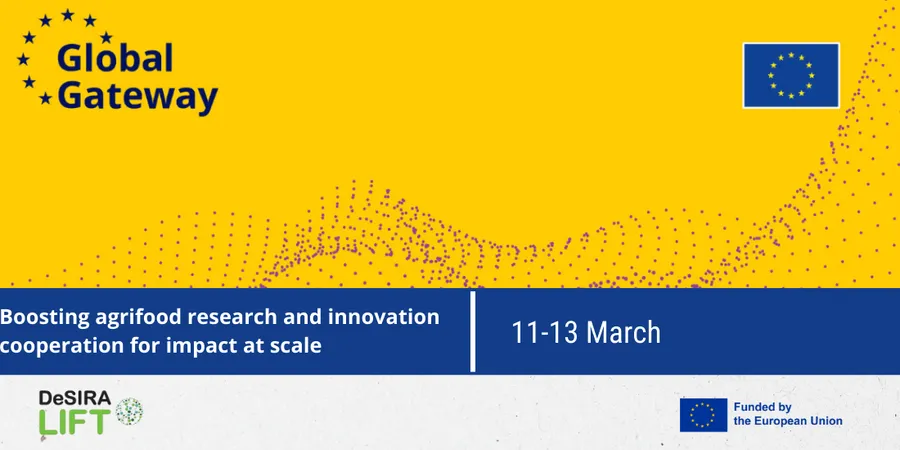
Conference: Boosting agrifood research and innovation cooperation for impact at scale
Be ready to participate in the conference ‘Boosting agrifood research and innovation cooperation for impact at scale’, which will be held in Brussels, Belgium, on March 11, 12, and 13, 2025.The aims of the conference are (i) to share results and lessons on the contribution of R&I; projects to agrifood systems transitions, (ii) to identify key enablers and hurdles to achieve impact at scale through innovation, (iii) explore future contributions of R&I; for agrifood systems transitions, innovation systems and innovation policies, and (iv) informed policy and decision makers on supporting R&I; at scale in partner countries. It will bring together stakeholders from policy, research, private sector and NGOs with similar objectives or experiences in advancing research and innovation in agrifood systems through international cooperation.Please note that there are no more seats are available for in-person participation. However, you can participate online using the links below (for plenary sessions AND parallel sessions). After registration, you will receive a meeting invite with a Zoom link.The plenary sessions will be translated into French and English, and the parallel sessions will be either in French or English.Day 1 (11 March). Registration linkDay 2 (12 March) Registration linkDay 3 (13 March) Registration linkBrief programme overviewDay 1 morning will feature the different EU R&I; programmes and focus on results and lessons from EU interventions (DeSIRA Initiative, Horizon Europe) that aim to support innovation.The afternoon of Day 1 will present key lessons from the regional DeSIRA workshops and discuss specific topics (including parallel sessions): how to do research in partnerships for innovation and how R&I; can support food systems transition based on agroecology and other innovative approaches.The morning of Day 2 will broaden the reflection and discussion by focusing on how to support innovation at scale using R&I; outcomes (policies for enabling the environment, public and private funding, and capacities, including education) and parallel sessions.The afternoon of Day 2 will be dedicated to high-level discussions on ongoing and future EU policies for R&I; cooperation with partner countries. A short session with partner countries will be devoted to future EU R&I; programmes.Day 3 will be dedicated to sessions/events proposed by organisations participating in the conference: the AU-EU FNSSA roadmap, the AU-EU FNSSA International Research Consortium, SCAR-ARCH and EU R&I; co-funded partnerships, GFAiR for innovation, Regional Multi-actors Research Networks on agroecology in Africa, Global Monitoring, and Evaluation of the DeSIRA initiative.You can find the latest information on the program here: www.desiralift.org/conferenceWe hope you will join us online!DeSIRA-LIFT (June 2021 – May 2025) is the result of close collaboration between Agrinatura (European Alliance on Agricultural Knowledge for Development), the European Forum on Agricultural Research for Development (EFARD) and the European Commission’s Directorate-General for International Partnerships (DG INTPA).