
Cultivating
Sustainable Futures
 News
News
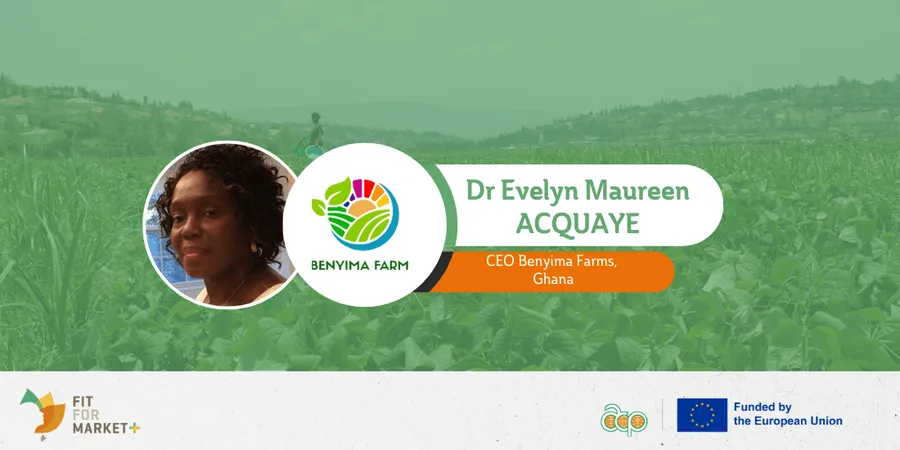
Dr Evelyn Maureen Acquaye inspires us and you?
In the vibrant heart of Ghana's Central Region lies a source of hope and sustainability: Benyima Farms. Under the dynamic leadership of Dr Evelyn Maureen Acquaye, this woman-owned business is transforming the agricultural landscape by combining innovation, sustainability and empowerment.An anesthetist turned agribusiness entrepreneur, Dr Acquaye embodies resilience and visionary thinking. In 2013, she founded Benyima Farms, a 240-acre oasis that produces mangoes, pineapples, passion fruit, coconuts, beetroot and butternut squash. But her mission goes far beyond farming. Dr Acquaye's leadership is driving economic empowerment, sustainable farming practices and a movement for healthier lifestyles.
 News
News
Promoting sustainable agriculture and empowering communities in Togo with Cajou Espoir
In a notable advance for sustainable agriculture in Togo, EDFI Management Company (EDFI MC) has partnered with COLEAD to support beekeeping capacity of one of its investee companies Cajou Espoir, a Togolese company active organic cashew production. This collaboration, supported by technical expertise from COLEAD and co-financed by the EDFI MC AgrifFI initiative, exemplifies a shared commitment to environmental sustainability and community empowerment. AgriFI is an investment facility funded by the European Union and managed by EDFI MC, providing long-term financing in the agri-food value chain and forestry.Cajou Espoir, a leading processor and exporter of organic and Fair-Trade certified cashews, has been a key player in Togo's agricultural landscape for over 20 years. Employing over 700 people, the company processes 10% of the country's annual cashew production, adding significant value to the local economy. However, recent climatic challenges and rising raw cashew nut prices have highlighted the need for innovative solutions to increase yields and ensure sustainability.Beekeeping: A game changer for cashew productionThe beekeeping capacity building, is co-funded by the European Union and supported through technical assistance from EDFI MC, focuses on improving pollination efficiency to increase cashew yields while promoting biodiversity. This project aims to support Cajou Espoir in expanding the installation of beehives, aligning its operations with its long-term vision of a fully organic production system."This project exemplifies our commitment to sustainable agriculture and support for smallholder farmers," said Natalia Svarinska, Technical Assistance Specialist at EDFI MC. "Strengthening Cajou Espoir's beekeeping capacity will improve yields in a way that is both innovative and ecologically sound."Transforming lives and communitiesBeyond the agricultural benefits, the initiative is a cornerstone of community development. It supports the livelihoods of smallholder farmers, many of whom are transitioning to organic farming practices, and increases employment security throughout the value chain. By promoting resilience to climate change, this initiative sets a precedent for scalable and sustainable agricultural practices.Jerome Poulin, Managing Director of Cajou Espoir, said: "Integrating beekeeping into our cashew production is key to achieving our sustainability goals. With the support of EDFI MC and COLEAD's expertise, we are well positioned to become a leader in organic production in Togo".COLEAD's role: Expertise in actionWithin the EDFI Agrifi initiative, COLEAD's contribution covers several dimensions:Strategic guidance to ensure alignment with international best practices.Development and implementation of a comprehensive apiculture training pathway.Conducting a market study to assess the scalability and economic potential of the initiative.
 News
News
Improving pest and disease management to improve the environmental sustainability : The inspiring case of AAA farmers in Kenya
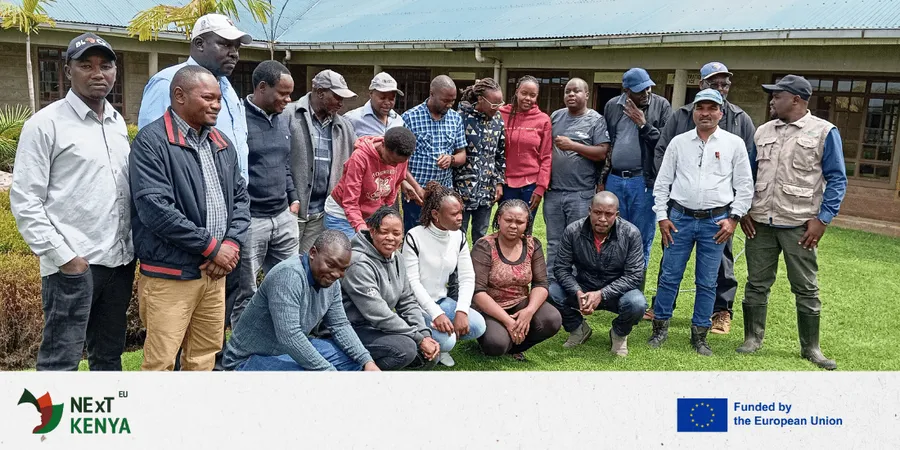
AAA Growers, one of Kenya's largest horticulture companies and renowned exporters of premium vegetables and fresh herbs, is making progress in improving pest and disease management on its farms. As part of its commitment to sustainability and quality production, AAA Growers participated in an Integrated Pest and Disease Management (IPDM) training organised by COLEAD in October through the NExT Kenya Programme.Nineteen staff from four farms participated in the comprehensive training, which was tailored to empower on-farm crop protection advisors and practitioners. The training provided participants with the skills needed to design and implement robust pest and disease monitoring programmes, identify key threats and apply effective control measures.The initiative had three core objectives:Assessment: Evaluation of existing IPDM (Integrated Pest and Disease Management) measures through farm visits and review of records such as spray programmes and scouting logs. IPDM focuses on monitoring pests and implementing biological and cultural control options, with chemical controls playing a supportive rather than disruptive role.Custom development: Developing a training programme specifically designed to meet the operational needs of AAA growers.Hands-on training: Delivering the training at Simba Farms to ensure hands-on experience.The training increased the technical capacity of AAA Growers' staff, focusing on pest identification, setting action thresholds and evaluating management strategies. With the skills gained and recommendations implemented, the company will see a significant reduction in pest and disease incidence. This improvement will ensure consistent production of high quality, pest-free exports while maintaining sustainable farming practices.Participants covered topics including : introduction and principles of IPDM ; setting pest thresholds ; identification of pests ; diseases and biological controls ; resistance management and practical pest management strategies ; field visits and practical sessions ; comprehensive action planning.The wider impact of the training is expected to ripple throughout the organisation as trained staff pass on their knowledge to colleagues and farmers within the AAA Growers network.By prioritising non-chemical methods, IPDM contributes to environmental sustainability, human health and cost savings by reducing reliance on expensive chemical solutions.This initiative is an example of how to contribute in practice to sustainable agriculture. It is in line with COLEAD's mission to strengthen the role of the agri-food sector in achieving the Sustainable Development Goals.This activity is supported by the NExT Kenya (New Export Trade) programme, established in collaboration with the EU Delegation in Nairobi and Kenyan stakeholders. This publication receives financial support from the European Union. The content of this publication is the sole responsibility of COLEAD and can in no way be taken to reflect the views of the European Union.
 News
News
Strengthening cooperative governance: Zimbabwe's Rusitu Valley leads the way
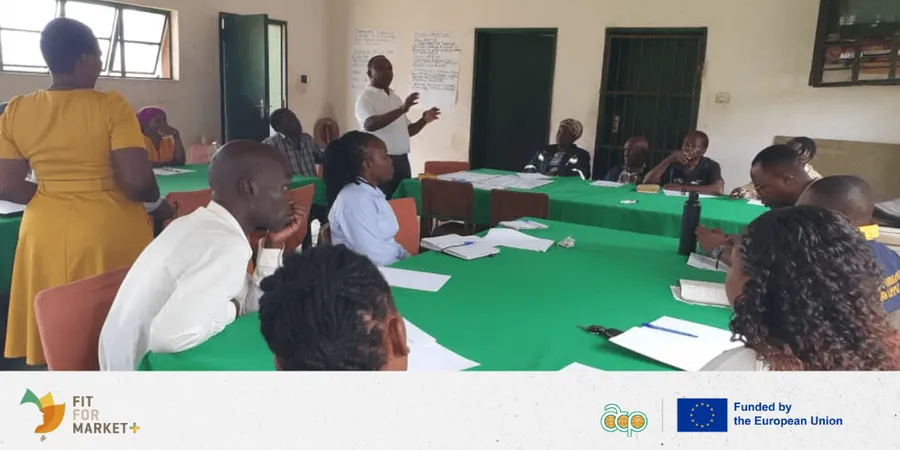
The Rusitu Valley Fruit Growers and Marketing Trust (RVFGMT), a cooperative of 1,400 growers in Chimanimani, Zimbabwe, is undergoing a transformative journey to strengthen its governance and sustainability. With targeted support from the Fit For Market Plus (FFM+) programme, RVFGMT is addressing critical governance challenges to better serve its members and position itself as a beacon of sustainable development in the region.RVFGMT aggregates and markets the produce of its members, who grow bananas, pineapples, avocados and citrus fruits. Despite its importance to the local agricultural economy, the cooperative has struggled with outdated governance frameworks, limited financial policies and weak risk management systems. These challenges have hampered its effectiveness and member engagement.As part of the FFM+, RVFGMT undertook a comprehensive governance assessment, identifying gaps and setting out a clear path forward. A strategic action plan was developed to address these issues, supported by targeted workshops and coaching for board members, staff and farmer representatives. These sessions covered best practices in governance, resource mobilisation and risk management, equipping the cooperative's leaders with the tools to modernise operations and build member confidence.The cooperative is already reaping the benefits of this support. With a stronger governance framework in place, RVFGMT has a clear roadmap to improve transparency and efficiency. Updates to its bylaws and financial policies are underway, as are plans to invest in infrastructure such as cold storage facilities to reduce post-harvest losses and increase revenue.In addition, RVFGMT is exploring market linkages and certifications, including GlobalGAP, to create new opportunities and increase its competitiveness. By embracing these changes, the cooperative aims to improve the livelihoods of its members and drive sustainable growth in the region.RVFGMT's transformation highlights the importance of sound governance in achieving long-term sustainability. It demonstrates how strategic reforms, supported by capacity building and technical assistance, can enable rural cooperatives to thrive and become engines of economic and social development. As the RVFGMT evolves, it stands as a model of resilience and success, underscoring the potential of agriculture-led development to uplift communities and achieve the Sustainable Development Goals.With a renewed focus on governance and sustainability, the Rusitu Valley Fruit Growers and Marketing Trust is not just improving its operations - it is laying the foundations for a stronger, more equitable future for its members and the community it serves.This activity is supported by the Fit For Market Plus (FFM+) programme, implemented by COLEAD within the Framework of Development Cooperation between the Organisation of African, Caribbean and Pacific States (OACPS) and the European Union. This publication receives financial support from the European Union and the OACPS. The content of this publication is the sole responsibility of COLEAD and can in no way be taken to reflect the views of the European Union or the OACPS.
 News
News
Improving seedling multiplication techniques: the example of SCOOPS AGRIVILLAGE in Cameroon
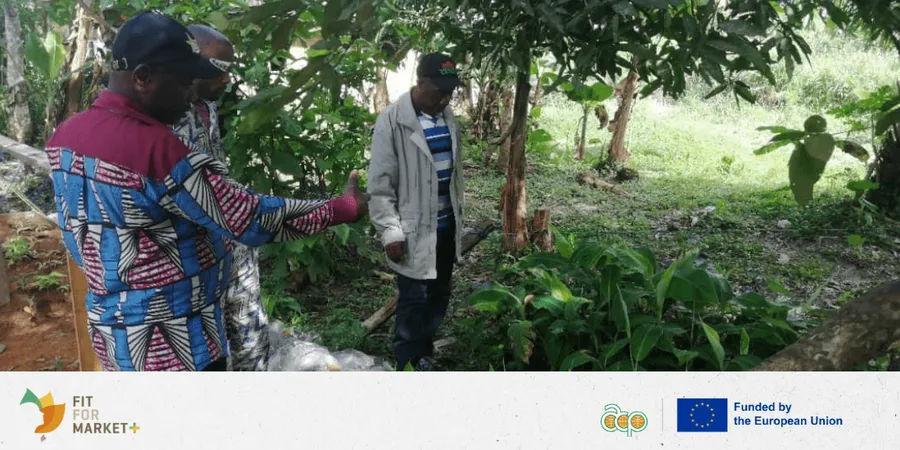
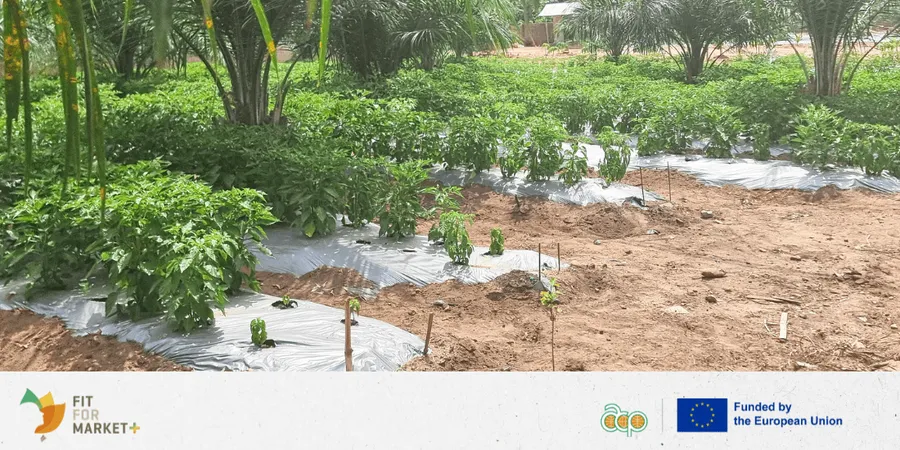
SCOOPS AGRIVILLAGE, a dynamic agricultural cooperative in Cameroon, recently benefited from technical assistance through the Fit For Market Plus (FFM+) programme. Recognising the importance of using healthy planting material to optimise yields and support the growth of its members, the cooperative requested an in-depth diagnosis of plant propagation techniques, particularly for citrus and banana.The main objective of the mission was to evaluate current plant propagation practices in order to identify concrete areas for improvement. This initiative is part of an ambitious vision to expand production areas and respond effectively to the growing needs of the local market.The mission, led by Dr Kuate, a Cameroonian expert in seedling propagation techniques, involved several key stages to ensure the work ran smoothly:Initial contact: The objectives of the mission were clarified during a meeting with the managers of SCOOPS AGRIVILLAGE.Introductory meeting: The nurserymen of the cooperative shared their current practices and challenges.Field visit: Practices such as the direct removal of banana shoots, the PIF technique (Plants from Stem Fragments) and the broadcast sowing of citrus seeds were observed and analysed.Feedback session: The conclusions were presented to the members of the cooperative, together with concrete recommendations.Observations and recommendations: The analysis provided an overview of the techniques used and an assessment of their effectiveness. Although certain practices were shown to be relevant in specific contexts, shortcomings were identified, particularly in terms of sustainability and effectiveness. Recommendations included the adoption of Good Nursery Practice (GNP) to improve the quality and longevity of seedlings.Thanks to this mission, SCOOPS AGRIVILLAGE is now better equipped to adapt its methods and strengthen the skills of its members. The next stage will be to implement good nursery practice and transfer knowledge through targeted training.This collaboration illustrates COLEAD's commitment to promoting sustainable solutions tailored to the needs of local stakeholders and the potential for significant progress towards a resilient, high-performing agricultural system that benefits rural communities and local economic development.This activity is supported by the Fit For Market Plus (FFM+) programme, implemented by COLEAD within the Framework of Development Cooperation between the Organisation of African, Caribbean and Pacific States (OACPS) and the European Union. This publication receives financial support from the European Union and the OACPS. The content of this publication is the sole responsibility of COLEAD and can in no way be taken to reflect the views of the European Union or the OACPS.
 News
News
Kulla Farms in Nigeria improves soil sustainability through nutrient management plans
At the heart of sustainable agricultural development is the recognition that soil health underpins the resilience and productivity of farming systems. Kulla Farms Limited, a pioneering greenhouse farming operation in Obafemi Owode Local Government, Abeokuta, Nigeria, demonstrates this principle through its recent collaboration with COLEAD through the FFM+ programme to develop a tailored Nutrient Management Plan (NMP).Established in 2023 but rooted in a family legacy of horticultural excellence dating back to 1980, Kulla Farms specialises in high-value crops such as peppers, habanero and cucumbers. The farm's two hectares of arable land features state-of-the-art greenhouse facilities and open field production, complemented by a growing focus on plantain cultivation.Driven by a commitment to sustainability, Kulla Farms' management recognised the need to improve soil management practices to maintain high yields. To achieve this, the farm participated in COLEAD's November 2023 Soil Management Training through the FFM+ programme, a capacity building initiative that reflects COLEAD's mission to integrate economic, social and environmental sustainability into agricultural practices.Following the training, COLEAD technical experts worked with Kulla Farms to develop a tailored nutrient management plan. This initiative incorporated comprehensive soil test results, crop-specific nutrient requirements and best management practices. The plan emphasises corrective action and targeted fertiliser recommendations, providing a solid foundation for improving soil health and crop performance.The results of this intervention go beyond immediate productivity gains. By adopting a science-based approach to soil and nutrient management, Kulla Farms is positioning itself as a model for sustainable horticulture. Integrating COLEAD's expertise not only strengthens the farm's operational resilience, but also aligns with broader goals of reducing environmental impact and promoting long-term agricultural sustainability.Kulla Farms' journey highlights the importance of agricultural solutions adapted to the local context and capacity building in achieving the Sustainable Development Goals (SDGs), particularly those centered on responsible production, environmental stewardship and resilience to climate change.As COLEAD continues to support initiatives like this, the organisation reaffirms its commitment to promoting sustainable food systems.This activity is supported by the Fit For Market Plus (FFM+) programme, implemented by COLEAD within the Framework of Development Cooperation between the Organisation of African, Caribbean and Pacific States (OACPS) and the European Union. This publication receives financial support from the European Union and the OACPS. The content of this publication is the sole responsibility of COLEAD and can in no way be taken to reflect the views of the European Union or the OACPS.
 News
News
Achieving more with less - the case of Malawi
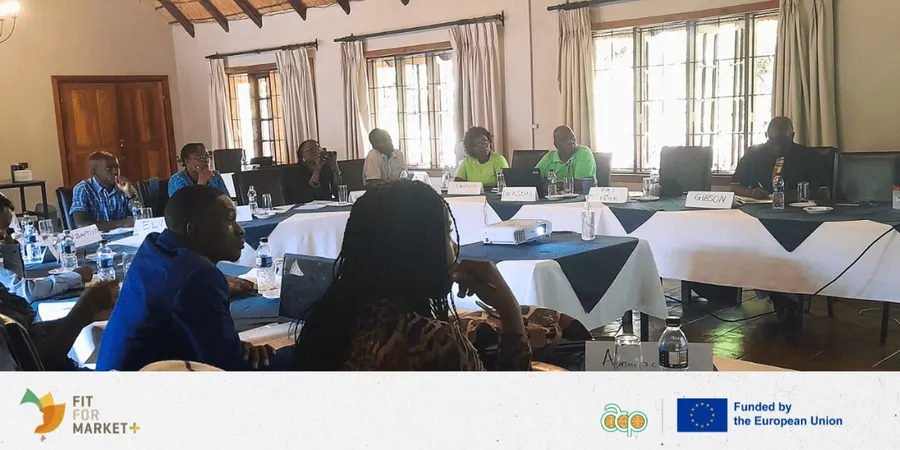
The positive increase in the number of FFM+ applications received by COLEAD from Malawi since the launch of the programme in the country illustrates the dynamism of the country's private and public sectors. Another factor is the involvement of the Malawian Embassy in Brussels, which has disseminated information about the programme, to the Malawi Investment & Trade Centre, which has played an important role in promoting FFM+ to potential partner beneficiaries.To date, COLEAD has received 82 applications and is implementing 61 development projects in the country (47 with companies and producer groups).Given the number of requests and the corresponding needs, on the one hand, and the budgetary resources available to a country through an all-ACP programme such as FFM+, on the other hand, collective and cross-cutting actions are favoured. This makes it possible to cover a wide range of needs.These cross-cutting activities are essentially collective training courses. They covered a wide range of topics, reflecting the diversity of needs: market access; good hygiene practices; phytosanitary measures; capacity building in training and communication techniques on food safety, phytosanitary and business; sustainable waste management; data collection; commercial negotiations; good hygiene practices; accounting and financial management; food safety quality management system and traceability.5 tailor made development projects are being established. For example, technical assistance was provided to the Corporate Institute of Horticulture (CIH) and the Horticultural Cooperative Union of Malawi (HORTCUM) to help them become GLOBALG.A.P compliant, thereby increasing their access to regional and international markets.CIH, a training and aggregation hub established in 2019, operates a model farming system and focuses on supplying domestic markets. However, it faced challenges such as inadequate risk assessments, waste management, and record keeping for the quality management system.HORTCUM, an umbrella cooperative organisation, supports member groups in marketing a wide range of crops. Their challenges included a lack of consistent training for cooperative leaders and the need for improved infrastructure such as chemical storage and irrigation systems.Both organisations developed action plans tailored to address these gaps, supported by detailed coaching (post-training support). Future steps include developing internal audit capacity and targeted investment in infrastructure to improve compliance.To do more, and to address the many specific requests that could become individual and customised projects, COLEAD is actively seeking partnerships and collaborations in the country.This activity is supported by the Fit For Market Plus (FFM+) programme, implemented by COLEAD within the Framework of Development Cooperation between the Organisation of African, Caribbean and Pacific States (OACPS) and the European Union. This publication receives financial support from the European Union and the OACPS. The content of this publication is the sole responsibility of COLEAD and can in no way be taken to reflect the views of the European Union or the OACPS.
 News
News
Flashback 2003: "Working with small producers in Kenya"
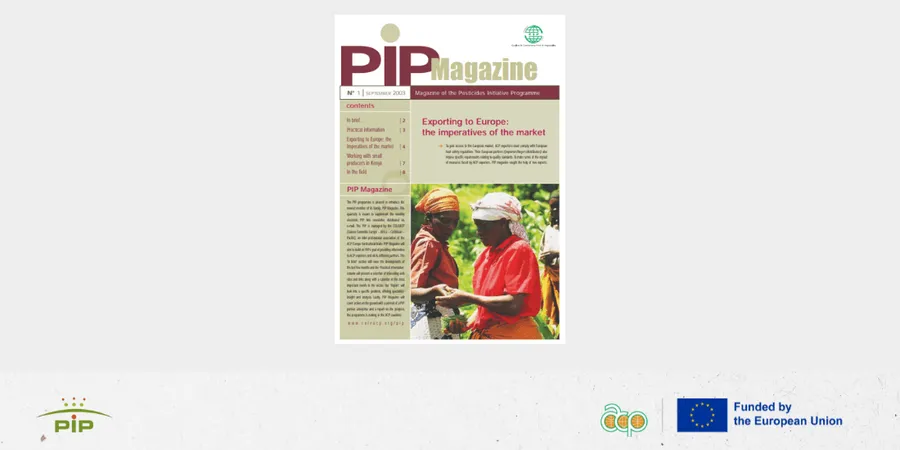
Source : PIP magazine, September 2003“We are at a crossroads,” says Charles Muchiri, the Managing Director of Avenue Fresh Produce. “The outgrowers we work with are not well trained and we don’t know whether to continue working with them. If somebody helped us to train them and sensitise them on the requirements of our consumers I would really love it.”Avenue Fresh Produce Ltd. is a producer and exporter of fresh fruits and vegetables based in Kenya. Avenue Fresh Produce exports about 600 000 kilos of fresh produce to the European Union (EU) every year, mainly loose and pre-packed fine beans and mange-touts and some passion fruit. Avenue Fresh has farms of its own spanning some 155 acres (62 hectares), but it also relies on the many outgrowers it has working for them.The 230 growers it works with, which are in different regions across the country, have small to medium sized plots with the ability to plant anywhere from one kilo to fifty kilos of seeds. “230 outgrowers is a lot of people to deal with,” states Mr. Muchiri. “I have an agronomist which works with them to guide them in ways of growing a crop.” Despite having the expertise of a specialist in agriculture to help farmers in the production process, Avenue Fresh is having a hard time to co-ordinate all their activities. Even if he is planning to set up technical teams to provide them with further support, Muchiri has been wondering whether he should continue working with them or find another solution.Avenue Fresh applied for PIP support in February 2002 and signed a protocol in January 2003. Its primary concern is to have the assistance of PIP in setting up a training programme for its outgrowers so that they may better understand the requirements of their customers and be aware of the safety risks in the different steps of the food production process. Having outgrowers versed in such topics as traceability and food safety is important for Avenue Fresh as it will facilitate its endeavour to develop a foot safety system and perhaps even lead to certification. Beyond helping his company to build up its capacity, Charles Muchiri considers that the PIP can also play an important role in other respects.“I feel that it’s better to work from a results-oriented approach,” he says. “PIP understands EU regulations, they understand what the growers and the consumers need. If we know exactly where we’re going, then it should be easy to put everything in place.” PIP understands EU regulations, they understand what the growers and the consumers need. If we know exactly where we’re going, then it should be easy to put everything in place.” Avenue Fresh wants to continue to export to the EU beyond the critical date of January 2005 when traceability requirements will become mandatory. Mr. Muchiri is confident that working with PIP can be helpful in achieving that goal if initiatives are implemented in a timely manner.”The Pesticides Initiative Programme (PIP) was financed by the European Development Fund. The ACP Group of States and the European Commission entrusted responsibility for its implementation to COLEACP (today COLEAD).
 News
News
Marketing trends: feedback from recent international trade fairs Exploring the latest innovations in agri-food systems
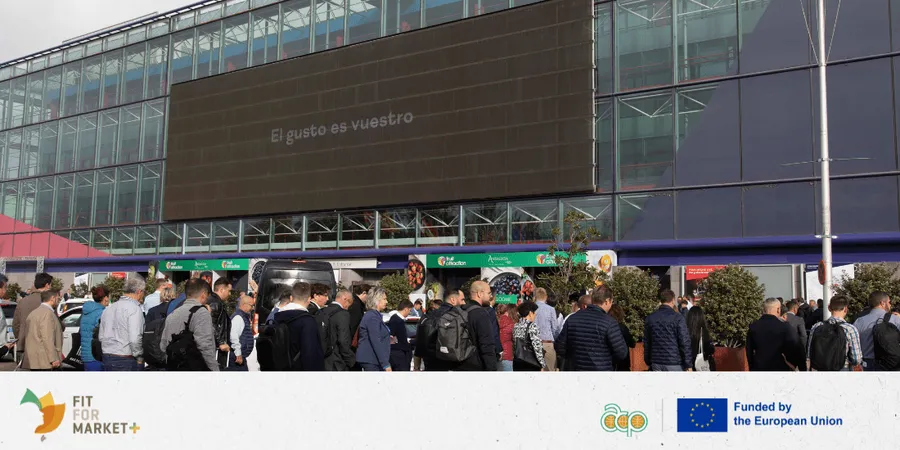
As part of the Fit For Market Plus programme, the COLEAD Market Insights team recently travelled to two key events in the global agri-food calendar: Fruit Attraction in Madrid and SIAL in Paris. These shows showcased new developments that illustrate how the industry is evolving.Global trends driving changeAs highlighted in SIAL Insights 2024, three major trends are influencing consumer behaviour:Feel: A renewed focus on comfort food that delivers pleasure and nostalgia.Connect: Bridging cultures and rediscovering forgotten ingredients, with Korean cuisine a particular highlight this year.Care: A shift towards health-focused, planet-friendly choices such as protein-packed snacks and non-alcoholic beverages.Innovative product highlightsExciting breakthroughs were introduced at this year's events, particularly in the fruit and vegetable industry.Super Greens Moringa Juice from Mauritius, a 100% natural blend, won a silver medal at SIAL Innovations 2024. It exemplifies circular economy principles by supporting local farmers and reducing carbon footprints.Yelloway One bananas, a groundbreaking variety resistant to both Fusarium wilt and Black Sigatoka, highlighting the importance of disease-resistant crops.Pikamelon, a snack melon that combines convenience with high yield, reflecting consumer demand for healthy, ready-to-eat options.Seedless premiumSeedless pepper varieties not only meet consumer preference, but also offer growers high yield potential, uniform size and shape for improved marketability, and an enhanced flavour profile. Confirming the findings of the COLEAD citrus study conducted under the FFM+ programme, seedless varieties are becoming increasingly popular.Orange Sunglow watermelon won the 2024 Innovation Award at Fruit Attraction. This is a new variety of Sandia watermelon from Rijk Zwaan Ibérica, with oval orange flesh. Sweet, juicy and refreshing, this variety contains very few seeds. It has won awards for its unique qualities and modern appeal to young consumers. It has a distinctive dark orange flesh and crunchy texture. Its practical size of 2.5 to 3.5 kg makes it ideal for family consumption. Limited production in Spain, with current distribution in the UK (Tesco) and Denmark (Salling) through partnerships with Pozo Sur, Única, Anecoop, Caparrós and Jimbo Fresh. ©️ Fruit AttractionThis activity is supported by the Fit For Market Plus (FFM+) programme, implemented by COLEAD within the Framework of Development Cooperation between the Organisation of African, Caribbean and Pacific States (OACPS) and the European Union. This publication receives financial support from the European Union and the OACPS. The content of this publication is the sole responsibility of COLEAD and can in no way be taken to reflect the views of the European Union or the OACPS.
 News
News
Innovation in action: tackling post-harvest diseases in dasheen in St Vincent and the Grenadines"
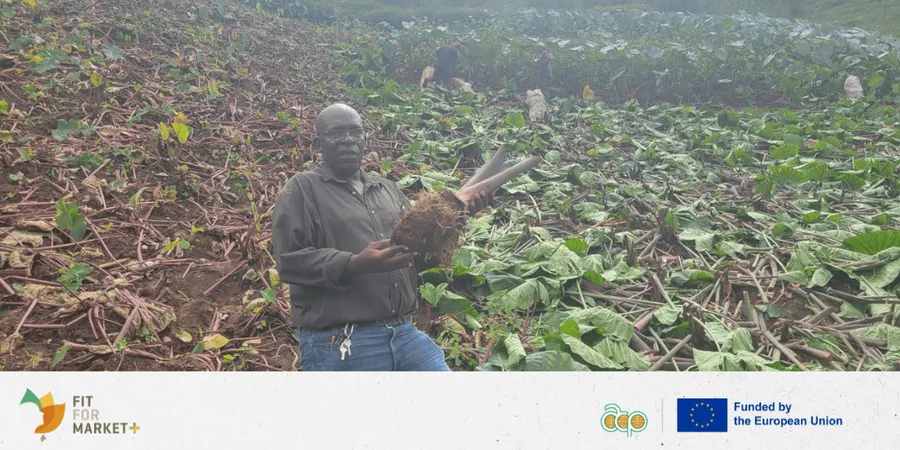
In St Vincent & the Grenadines, dasheen (taro) is more than a crop - it is a cornerstone of local agriculture and a major export commodity. However, post-harvest fungal diseases have posed significant challenges to maintaining quality during export, threatening market access and economic stability for farmers. To address this issue, COLEAD, in collaboration with ECTAD CARIBBEAN, the Caribbean Agricultural Research and Development Institute (CARDI) and the manufacturer of Serenade ASO®, launched a crop protection efficacy trial in the framework of the FFM+ programme.The challenge: replacing Metalaxyl-MTraditionally, Metalaxyl-M has been used to control fungal decay during export, but new Maximum Residue Level (MRL) restrictions necessitate an alternative solution. Finding effective, residue-free and sustainable treatments is critical to protecting the integrity of the dasheen value chain.Innovative alternatives under trialThe trial, which began in November 2024, is testing two promising alternatives:Lime Sulphur: Previously evaluated with mixed results, further optimisation is needed to improve efficacy.Serenade ASO® (Bacillus subtilis QST713): A biopesticide identified by COLEAD as a suitable candidate and already used locally for pre-harvest control of leaf blight.Both treatments are compatible with organic farming practices and leave no chemical residues, in line with sustainable agriculture objectives. The trial will also investigate the combined use of these treatments to maximise efficacy.Objectives: ensuring market access and sustainabilityThe ultimate goals of this initiative areMarket compliance: To ensure compliance with MRLs to maintain and expand market access.Spoilage reduction: Reducing post-harvest losses to protect farmer livelihoods and consumer confidence.Value chain integrity: Strengthening the economic and reputational sustainability of the dasheen sector.By working with ECTAD CARIBBEAN, CARDI and industry partners, COLEAD through the Fit For Market Plus programme continues to foster innovation and resilience in the agricultural sector in the Caribbean region.This trial exemplifies COLEAD's commitment to research-driven, locally relevant solutions to agricultural challenges through member countries of the OACPS.This activity is supported by the Fit For Market Plus (FFM+) programme, implemented by COLEAD within the Framework of Development Cooperation between the Organisation of African, Caribbean and Pacific States (OACPS) and the European Union. This publication receives financial support from the European Union and the OACPS. The content of this publication is the sole responsibility of COLEAD and can in no way be taken to reflect the views of the European Union or the OACPS.
 News
News
Seizing emerging opportunities: organic and bio-organic fertilizers for advancing soil health in Africa
As part of its role in the multi-partner DeSIRA LIFT programme, COLEAD works closely with African research institutions and companies to promote sustainable agriculture and food systems. In particular, soil health.The potential of biofertilisers to improve soil health in Africa was a key theme at this year's African Fertiliser and Soil Health Summit (AFSHS), organised by the African Union and held in Nairobi, Kenya, from 7 to 9 May. The Summit focused on the critical role of fertiliser and soil health in promoting sustainable, pro-poor productivity growth in African agriculture. During the event, African leaders endorsed the African Fertilizer and Soil Health (AFSH) Action Plan and the Soil Initiative for Africa (SIA), both developed by the African Union Commission and consolidated in the Nairobi Declaration. The main objective is to increase agricultural sustainability and improve the livelihoods of smallholder farmers by improving access to and affordability of certified quality organic and inorganic fertilisers across the continent.To achieve these goals, it is essential to foster multi-stakeholder partnerships and investments, particularly between research institutions and the public and private sectors. These collaborations are essential to advance policy, financing, research and development, market access and capacity building for biofertilisers and sustainable soil health management in Africa.It is against this backdrop that the DeSIRA LIFT report 'Emerging opportunities with organic and bio-organic fertilizers for soil health in Africa' has been developed and published, bringing together key ideas and resources on the topic. You can read the report here.DeSIRA-LIFT (June 2021 – May 2025)is the result of close collaboration between Agrinatura (European Alliance on Agricultural Knowledge for Development), the European Forum on Agricultural Research for Development (EFARD) and the European Commission’s Directorate-General for International Partnerships (DG INTPA).
 News
News
EU and GB approval changes (August-November 2024)
EU and GB approval changes COLEAD’s Regulation Monitoring covers both European Union (EU) and Great Britain (GB) approval changes. Note that EU approvals still apply in Northern Ireland. Great Britain is the mainland comprising England, Scotland and Wales. The European Commission (EC) has recently published changes to 22 plant protection product (PPP) approvals within the EU, of which 11 are important for ACP horticulture. These include: Extension of the approval period for azoxystrobin, chlorantraniliprole, imazalil, kresoxim, tefluthrin and Paecilomyces fumosoroseus strain Fe 9901 Renewal of approval of active substance captan, folpet and metrafenone Expiration of the approval for fenpyrazamine and flumetralin The Health and Safety Executive (HSE) has recently published changes to 71 PPP approvals within GB, of which 34 are of importance for ACP horticulture. These include: Extension of the approval period for 29 active substances Withdrawal of the approval for aluminium sulphate, flutriafol, hydrolysed proteins, L-ascorbic acid and spinetoram. EFSA has recently published a peer review on risk assessment of fludioxonil. It concluded that fludioxonil meets the criteria for endocrine disruption under Regulation 1107/2009. This classification falls under the critical cut-off criteria for active substances, potentially leading to its non-renewal for use in the EU. How will ACP producers/exporters be affected? Non-approval, withdrawal of approval or expiration of approval mean that EU/GB maximum residue levels (MRLs) are likely to be maintained or reduced to the limit of determination (LoD) which, in most cases, will mean that they cannot be used on crops for export to the EU/GB. COLEAD now compiles a dashboard of ACP countries impacted by the recent changes of approvals in the EU and GB. Check it out here . What should ACP producers/exporters do now? If you currently use fenpyrazamine or flumetralin on crops destined for the EU market, or aluminium sulphate, flutriafol, hydrolysed proteins, L-ascorbic acid and spinetoram on crops for the GB market, you need to look for alternatives or ensure that current uses allow you to comply with the new MRLs (most likely at LoD), as soon as the change is communicated. If this is likely to cause you significant problems, and you fear being left without effective and available alternatives, please contact COLEAD at: network@colead.link . We will keep you informed as more information becomes available.