
Cultivating
Sustainable Futures
 News
News
EU and GB MRL changes in 2024 (August-November 2024)
Changes to EU and GB pesticide maximum residue levels COLEAD’s monitoring of pesticide regulations covers maximum residue limit (MRL) changes in both the EU and Great Britain (GB). Note that EU MRLs still apply in Northern Ireland (GB covers only England, Scotland, and Wales). During the period August-November 2024, we have been highlighting significant changes to EU MRLs that affect 23 active substances, 12 of which are important for ACP export horticulture. During this same period, 10 changes to GB MRLs were published, 6 of which are important for ACP export horticulture. During this period, the EU and GB did not notify the World Trade Organization (WTO) of additional proposed MRL changes. Previously, the EU notified the WTO concerning its intention to lower MRLs for acetamiprid ( G/SPS/N/EU/787 ), a widely used insecticide. A review by the European Food Safety Authority identified a lower acceptable daily intake (ADI) and a lower acute reference dose (ARfD), so for certain products lower MRLs are necessary to avoid health risks to consumers. The immediate implementation of the new ARfD caused significant market disruptions. The European Commission informed Member States that they should continue to apply the current MRLs and extended the grace period for implementing the new MRLs from 3 to 6 months. The new MRLs are now expected to come into force around August 2025. How will ACP producers/exporters be affected? Changes to EU/GB MRLs also apply to products that are exported to the EU/GB. Growers producing for export may need to adapt their practices to meet the new MRL or, if this is not possible, stop using these products and look for an alternative method of pest management. What should ACP producers/exporters do now? For each plant protection products (PPPs) and crop concerned, the Good Agricultural Practices (GAPs) in place will need to be verified and possibly adapted to ensure compliance with the new MRLs. The GAPs include dose rate, number of applications, and pre-harvest interval. In some cases, adaptations to the GAPs will allow the new MRLs to be met (see Crop Protection database ). However, in many cases, especially where the level is reduced to the Limit of Determination (LoD), it may not be possible to meet the new MRL, and growers will have to look for alternative crop protection solutions. This is essential to avoid interception and destruction of exported produce at the EU/GB borders. In case there is no available alternative, manufacturers can consider the option of requesting an import tolerance. The process for approving an import tolerance MRL in the EU can take time and may imply costs. It is recommended to contact the PPP manufacturer to assess the feasibility. If you have any major concerns about these changes, and fear that you will be left without an effective and locally available alternative, please contact COLEAD at: network@colead.link .
 News
News
Engaging young people in agriculture
On 21 November 2024, COLEAD organised an exceptional webinar in the framework of the FFM+ programme to address a crucial issue: how to attract and mobilise young talent to boost the horticultural sector and build a sustainable future? With a predominantly young population in Africa and a median age of only 18.3 years, the potential for revitalising this key sector is immense.
 News
News
COLEAD at ‘Online Educa Berlin 2024’: innovation and partnership on the agenda
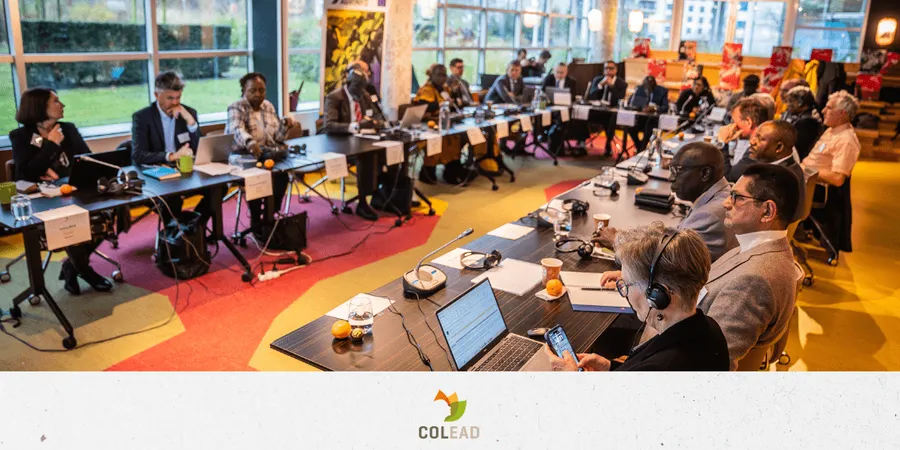
As part of the Fit for Market+ (FFM+) programme, COLEAD continues to pave the way for sustainable advances in the horticultural sector of OACPS member countries. From 25 November to 7 December 2024, COLEAD undertook a mission combining participation in Online Educa Berlin (OEB) and strategic sessions at its Brussels office.This mission, led by Géraud Gnanga, Project Manager in the Training Department, reflects COLEAD's commitment to innovation in the field of eLearning and sustainable agricultural development.Key objectives of the assignment: Enhance the Moodle e-learning platform by engaging with partners such as Edunao and Titus Learning to integrate cutting-edge technologies ;Explore trends in e-learning by participating in workshops on blended learning and digital tools at the EPO, in order to enrich COLEAD's training offer ;Present COLEAD training programmes to a global audience of experts ;Strengthen internal processes by refining strategies for impactful and accessible training, aligned with climate and post-pandemic challenges.Expected impactGreater accessibility to training: strengthening e-learning systems, particularly for partner beneficiaries in OACPS member countries.Global visibility and accessibility of sustainable capacity building through distance learning.Improved collaboration: stronger links with international partners to stimulate innovation.This initiative contributes to achieving the objectives of the FFM+ programme and also supports COLEAD's broader vision of fostering sustainable and inclusive agricultural development.This activity is supported by the Fit For Market Plus (FFM+) programme, implemented by COLEAD within the Framework of Development Cooperation between the Organisation of African, Caribbean and Pacific States (OACPS) and the European Union. This publication receives financial support from the European Union and the OACPS. The content of this publication is the sole responsibility of COLEAD and can in no way be taken to reflect the views of the European Union or the OACPS.
 News
News
Towards 2030: COLEAD and its partners unite to define the strategy of the association that will accelerate impact on the SDGs
On the 4th of December 2024, COLEAD’s board of directors, management and financial partners gathered in a Consultative Committee (CC) meeting to lay the foundations for the definition of COLEAD’s strategy for 2030, the date that will serve as the global reference point for achieving the Sustainable Development Goals (SDGs).Building on its experience and strengths, COLEAD’s ambition is to define a clear trajectory for the next five years, reaffirming its commitment to make a significant contribution to sustainable agri-food systems, which are essential to achieving the SDGs.Defining this ‘COLEAD 2030 strategy’ will mean prioritising and strengthening the actions that have the greatest impact on the sustainability of partner countries, and then broadening their scope and scaling them by looking for useful relays in the interventions of other support organisations. To this end, COLEAD outlined the process for defining the strategy to its partners, emphasizing its participatory, inclusive, transparent, and iterative nature.In the aftermath of COP 29, the CC 2024 was an opportunity to remind why a holistic and systemic approach was needed, taking into account the global and local sustainability challenges facing the agri-food sector in the countries where COLEAD and its partners operate.The main objective of the CC 2024 was therefore to launch a collaborative process to co-construct the COLEAD 2030 strategy, considering the priorities and expectations of all relevant stakeholders. The aim is to confirm by end of 2025 a strategic plan that fully exploits COLEAD’s potential to contribute to the SDGs.
 News
News
COLEAD joins Kampani: a strategic partnership to bolster sustainable development goals
We are pleased to announce that COLEAD has become a shareholder in Kampani, an impact-focused investment fund specializing in long term financing of SMEs and cooperatives in the agri-sector. This strategic alignment supports our mission to amplify the agricultural sector’s contribution to the United Nations Sustainable Development Goals (S DGs). Kampani addresses the investment needs of businesses in the “missing middle”, offering funding between €100,000 and €500,000, with a strong focus on long-term growth, social impact, and sustainable agricultural practices. Current shareholders include among others leading organizations such as Oxfam, Alterfin, Katholieke Universiteit Leuven (KU Leuven), Trias, the King Baudouin Foundation, Solidarité Internationale pour le Développement et l’Investissement (SIDI) and Rikolto (formerly known as Vredeseilanden).This partnership is a natural fit for COLEAD, providing substantial opportunities to increase our visibility and reinforce our role within the technical assistance ecosystem associated with impact funds for small scale farming in Africa, Asia and Latin America. Through Kampani’s expertise and extensive network, COLEAD can further support its investee companies in advancing sustainable practices. Our combined commitment to sustainability, coupled with COLEAD’s technical and market expertise, allows us to deliver value beyond financial capital by providing comprehensive support in technical and governance aspects.Additionally, this partnership may also open the door for future investments from Kampani in companies that COLEAD supports through its development programmes, such as Fit For Market Plus (FFM+), funded by the EU and the OACPS. By aligning investment opportunities with the sustainable practices promoted under COLEAD’s programmes, we can enhance the capacity of small producers and small and medium enterprises (SMEs) to access both technical assistance and growth capital. This combined support can be pivotal in empowering these businesses to scale sustainably and expand their impact on food security, employment, and environmental stewardship.As we advance this collaboration, COLEAD is excited to help Kampani-backed businesses thrive, providing access to our extensive knowledge base in the agri-food sector and sustainable development. Together, we aim to foster more inclusive, resilient, and sustainable food systems.Stay tuned for updates on our joint projects and the tangible impacts this partnership will have on the ground.This activity is supported by the Fit For Market Plus (FFM+) programme, implemented by COLEAD within the Framework of Development Cooperation between the Organisation of African, Caribbean and Pacific States (OACPS) and the European Union. This publication receives financial support from the European Union and the OACPS. The content of this publication is the sole responsibility of COLEAD and can in no way be taken to reflect the views of the European Union or the OACPS.
 News
News
Jane Maina inspires us and you?
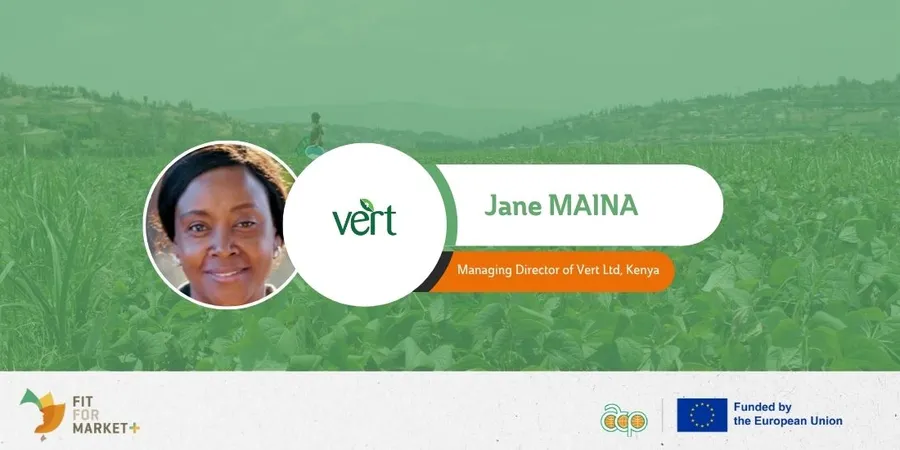
Since 2006, Jane Maina has been the Managing Director of Vert Ltd, a Kenyan company specialising in the production and export of fresh and processed produce (mainly to the EU and the USA). The company sells its vegetables (green beans, snow peas, baby corn, baby carrots, etc.) and dried mangoes on the international market. In 2019, Jane has decided to diversify and expand into the production of mango and passion fruit pulp for the national and regional markets. Vert Ltd sources 100% of its fresh produce from smallholder farmers across Kenya who are grouped in community-based organisations. Vert Ltd is a social enterprise that helps smallholder farmers become more professional producers, reducing their vulnerability. Jane has a particular focus on supporting women smallholder farmers. She also wants Vert to become an international brand, providing fresh horticultural products to a wide and diverse customer base.Vert Ltd is a member of COLEAD and has benefited from several COLEAD support programmes including Fit For Market (FFM), FFM + and NeXT Kenya. These programmes aim to maintain and enhance the capacity of smallholder farmers, farmer groups and horticultural MSMEs to access national, regional and international markets through progressive and sustainable intensification of the horticultural sector, while adapting to changes in their operating environment, particularly due to climate change.Along the way, Vert has managed to raise the funds necessary for its development from organisations such as Grameen Credit Agricole, Kampani and Fefsol/Alterfin.Vert Ltd now employs 85 people and 300 seasonal workers. The company started in 2006 with 10 producers. It now works with more than 5,000 people across the country.Jane regularly shares her experiences as a social entrepreneur in webinars, inspiring the agripreneur community.For more information, please click here.This activity is supported by the Fit For Market Plus (FFM+) programme, implemented by COLEAD within the Framework of Development Cooperation between the Organisation of African, Caribbean and Pacific States (OACPS) and the European Union. This publication receives financial support from the European Union and the OACPS. The content of this publication is the sole responsibility of COLEAD and can in no way be taken to reflect the views of the European Union or the OACPS.
 News
News
Registration of the 1,000th application received under the FFM+ programme
We are thrilled to announce the milestone achievement of receiving the 1000th application for support through the FFM+ programme. This request exemplifies the growing impact of the programme, which continues to play a crucial role in providing technical assistance and fostering inclusive and sustainable growth in the agricultural sector of the member countries of the OACPS, particularly those in sub-Saharan Africa.The 1000th request was made by a small, emerging agricultural company from Senegal. What makes this moment particularly significant is that this company, like many others in similar positions, had never previously benefited from COLEAD's support. This highlights one of the core objectives of the FFM+ programme: to extend the reach to those who are new to COLEAD’s network, thereby ensuring that smaller enterprises, which often face numerous challenges, can access the technical expertise they need to grow and thrive.The company in question, established in 2023, operates a small farm dedicated to horticulture and agroforestry in Senegal. With a team that includes female leadership and a commitment to sustainable practices, this young enterprise embodies the kind of innovative spirit that the FFM+ programme seeks to support. Through this intervention, the company will be supported in upholding international standards, enhancing its capacity through training, and addressing key challenges such as equipment needs and resource management.Reaching this milestone demonstrates not only the trust and reliance that businesses in member countries of the OACPS place in the FFM+ programme but also the programme's ability to connect with those who need it most. COLEAD remains committed to supporting small agricultural enterprises across the member countries of the OACPS, empowering them to overcome barriers and scale their operations sustainably.This activity is supported by the Fit For Market Plus (FFM+) programme, implemented by COLEAD within the Framework of Development Cooperation between the Organisation of African, Caribbean and Pacific States (OACPS) and the European Union. This publication receives financial support from the European Union and the OACPS. The content of this publication is the sole responsibility of COLEAD and can in no way be taken to reflect the views of the European Union or the OACPS.
 News
News
Tackling an epidemic that is wiping out ginger production in Nigeria: an example of a successful progressive and participatory approach
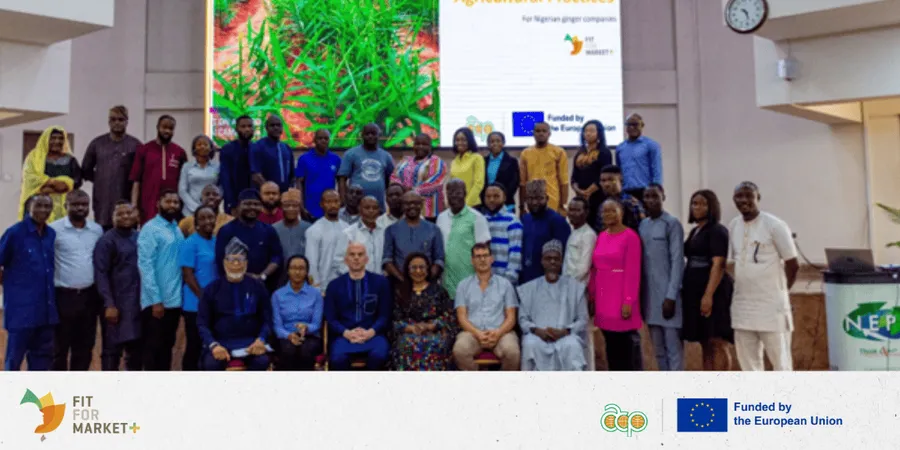
In response to a devastating disease outbreak that has wiped out 85% of ginger production in Kaduna State, Nigeria, COLEAD has worked under FFM+ with local and international partners to develop a phased strategy to mitigate the impact and restore ginger production.Ginger is an important economic crop for Nigeria. Kaduna is the hub of Nigeria's ginger production, known for its distinctive flavour and aroma. However, the 2023 ginger production season was severely affected by a disease outbreak, causing widespread losses to farmers, many of whom had taken out loans to finance their crops. COLEAD, in collaboration with the Nigerian Export Promotion Council (NEPC), the Centre for the Promotion of Imports (CBI), the International Institute of Tropical Agriculture (IITA) and other stakeholders, has developed a four-phase approach under FFM+ to address this crisis.Phase 1: Detection and initial response (mid-2023)During the 2023 ginger growing season, farmers in southern Kaduna noticed that their plants were wilting due to an unknown disease. Despite early signs, there was a delay in identifying the cause, resulting in an 85% crop loss by the end of 2023. The disease affected not only farmers, but also aggregators, transporters and exporters, leaving many unemployed and unable to repay loans.COLEAD was alerted by one of its partner beneficiaries and began communicating with local stakeholders to gather information. Initial samples were sent to CABI for analysis, but security issues hampered the process.Phase 2: Preliminary analysis and stakeholder engagement (late 2023)COLEAD undertook a remote assessment through its national relay, Louise Abayomi, who identified key stakeholders. This phase involved establishing links with Nigerian exporters and key research institutions such as IITA and Nigerian Root Crops Research Institute (NRCRI). Through exchanges at international forums such as the ANUGA trade fair in Cologne, Germany, COLEAD worked with CBI and NEPC to gather inputs from the Nigerian ginger export sector. However, in early 2024, the specific cause of the outbreak remained unidentified and a Ginger Blight Epidemic Control Taskforce was formed at the national level. The taskforce includes stakeholders from NRCRI, IITA, NEPC and the Dutch Embassy, all working to control the epidemic.Phase 3: Field trials and testing of solutions (early 2024)Recognising the need for practical solutions, COLEAD and its partners initiated a series of field trials. The trials, which will run until the end of the 2024 production season, aim to identify sustainable agricultural practices to combat the outbreak and improve ginger yields. Key issues being investigated include :The use of organic and conventional crop protection productsTesting of crop density and field lay-outWaterlogging and other agronomic challenges exacerbated by extreme weather conditionsCOLEAD supported three trials under FFM+, while CBI has committed to funding two additional trials. These trials are critical to understanding the causes of the disease and demonstrating good agricultural practices that can prevent future outbreaks.Phase 4: Ginger good agricultural practice training (September - October 2024) During the analysis of the ginger situation in Nigeria, a common observation among companies was the lack of common records and reporting on fields. In addition, it was observed that many farmers are not fully informed about preventive and curative measures against fungal/bacterial wilt in particular and good agricultural practices in general. It was therefore agreed that the results of the trials should be shared as part of a more general training on GAPs for ginger.This training was prepared and delivered by COLEAD's Training and Technical Assistance Department in Abuja, Nigeria, from 30 September to 3 October. The participants are the technical staff and representatives of ginger producers/exporters that had applied for support under FFM+, CBI's Ginger Nigeria Programme and the Nigerian Export Promotion Council (NEPC).This training was a collaborative effort between all three parties, with NEPC providing the venue, CBI logistics and COLEAD providing the training content, trainers, accommodation and other logistics. A total of 26 participants from 15 companies and the Nigerian Root Crops Research Institute attended the training, with an additional 4 export coaches from NEPC.Phase 5: Long-term support and sustainable practices (ongoing)The final phase of COLEAD's approach focuses on long-term resilience. Beyond the immediate trials, COLEAD is working with stakeholders to implement sustainable agricultural practices that will improve ginger production for years to come. This phase includesOngoing monitoring of the trialsDissemination of results to ginger farmers and exportersThrough partnerships with NEPC, CBI, NRCRI, IITA and other institutions, COLEAD will continue to support the Nigerian ginger sector by promoting good agricultural practices and improving market access.COLEAD's phased and participative approach demonstrates its commitment to long-term sustainability and resilience, in line with its mission to contribute to the achievement of the United Nations Sustainable Development Goals (SDGs) by supporting sustainable agrifood systems.This activity is supported by the Fit For Market Plus (FFM+) programme, implemented by COLEAD within the Framework of Development Cooperation between the Organisation of African, Caribbean and Pacific States (OACPS) and the European Union. This publication receives financial support from the European Union and the OACPS. The content of this publication is the sole responsibility of COLEAD and can in no way be taken to reflect the views of the European Union or the OACPS.
 News
News
Rome, 7-11 October 2024: COLEAD and IPPC (FAO) join forces to strengthen national phytosanitary systems
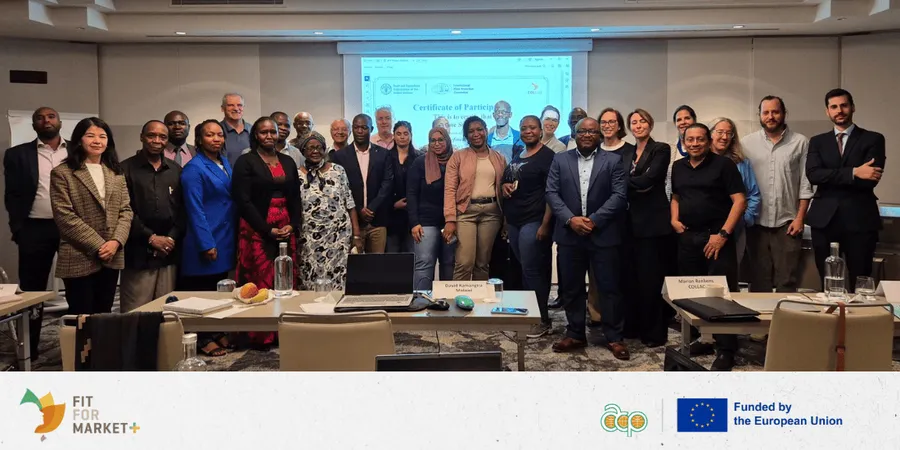
The COLEAD IPPC workshop, held in Rome from 7 to 11 October 2024, brought together 46 participants, including PCE (Phytosanitary Capacity Evaluation) Facilitators, National PCE Coordinators and Heads of National Plant Protection Organizations (NPPOs) (12 online and 34 face-to-face). The focus was on sharing best practices and promoting peer-to-peer learning, while working together on the development of nine projects from Djibouti, Egypt, Eswatini, Malawi, Uganda, Zambia, Zimbabwe and Rwanda. This workshop provided a unique opportunity to build on the key findings of the PCE (Phytosanitary Capacity Evaluation) and apply the R-SAT (Regulatory Systems Assessment Tool) methodology.The five-day workshop began with presentations outlining the objectives of the workshop and the collaboration between IPPC and COLEAD, particularly in the context of strengthening national phytosanitary systems. The workshop activities are detailed below:Day 1 (Monday, 7 October): Drafting of priority action plans for national phytosanitary systems using PCE results and COLEAD's R-SAT methodology.Day 2 : Focus on global stakeholders and their role in phytosanitary capacity developmentDay 3 : Designing logical frameworks for phytosanitary capacity development projects.Day 4 : Development of project proposal drafts, guidelines and recommendations for finalising national and regional phytosanitary projects and exploring funding opportunities.Day 5 (Friday, 11 October): Gender mainstreaming in phytosanitary capacity development, with perspectives and next steps provided by COLEAD and FAO gender teams.Facilitated sessions and supportThe workshop was coordinated by David Sodade (COLEAD) and Riccardo Siligato (FAO/IPPC) with support from Babacar Samb and Dr Chagema Kedera (COLEAD). Through facilitated sessions, participants addressed specific national needs and challenges, drawing on the results of the PCE and R-SAT. Development partners, including representatives from the EU, emphasised their willingness to support these projects and encouraged the submission of strategic presentations to strengthen future collaboration.Participants' insightsParticipants praised the practical relevance of the workshop and the opportunities for peer-to-peer learning. One participant highlighted that the workshop provided NPPO representatives with valuable skills and knowledge to facilitate the writing of project proposals for funding. Another noted the impact of resource persons whose experience in project development provided significant learning and collaboration.Gender mainstreaming and final reflectionsA key focus of the workshop was gender mainstreaming, facilitated by the FAO gender team and COLEAD's gender focal point, Inês Bastos. This interactive session highlighted the importance of integrating gender perspectives into national and regional phytosanitary projects, and the workshop concluded with a commitment to further dialogue between COLEAD and FAO on this critical issue.This workshop is a crucial step towards developing operational phytosanitary projects that are aligned with national objectives and donors’ expectations and contribute to improved food security and phytosanitary governance in the participating countries.This activity is supported by the Fit For Market Plus (FFM+) programme, implemented by COLEAD within the Framework of Development Cooperation between the Organisation of African, Caribbean and Pacific States (OACPS) and the European Union. This publication receives financial support from the European Union and the OACPS. The content of this publication is the sole responsibility of COLEAD and can in no way be taken to reflect the views of the European Union or the OACPS.
 News
News
Unfair Trading Practices (UTPs) in the agricultural and food supply chain : annual survey
Since the adoption of Directive 2019/633 on Unfair Trading Practices (UTP), the Commission has carried out four annual surveys of food chain operators’ experiences regarding UTP. The main findings of these earlier surveys are:75% of respondents to the survey have experienced at least one UTP, with 11% experiencing more than five UTPUTPs were most frequently experienced in the context of sales to wholesalers (40%), followed by those to retailers (38%), and to commodity traders (26%)awareness of the EU UTP Directive was greatest among secondary processers (78% of respondents) and weakest among organic producers (59%)the UTP most frequently experienced was late payments (31% related to non-perishable food, 20% to perishable food); this was followed by the buyer’s refusal to provide written confirmation of a supply agreement (10%); passing on to suppliers costs related to product deterioration at the buyer’s premises (9%); and suppliers being required to bear the costs of discounts on promoted products even where not previously agreed (9%)35% of respondents have never raised UTPs with buyers, and 66% have never addressed these issues with public enforcement authorities27% of respondents do not raise UTP issues beause they fear retaliation by the buyer, and 21% because they are unaware that public bodies can handle the issues.The EC has now launched its 2024 survey. This fifth survey will be open until 17 December 2024 and the results will feed a more detailed evaluation of the UTP Directive in 2025 to assess its effectiveness, and possibly refine its scope and enforcement mechanisms. See the following AGRINFO record for more information.We invite you, as key players in the agricultural and food trade, to review the survey and provide feedback, directly or through your representative trade bodies.This initiative is line with COLEAD’s broader efforts to address economic inequalities in agri-food supply chains, improve market transparency, and promote sustainable agricultural practices that benefit all stakeholders. Through the FFM+ programme. In this context, COLEAD will be officially signing and supporting the latest position paper from the Coalition to Fight Unfair Trading Practices (UTP). The position paper calls for essential revisions to the "UTP" Directive, with a focus on prohibiting unfair practices such as purchasing below the cost of sustainable production and selling at a loss. These issues are particularly important given the rising input costs and global market pressures that agri-food producers are currently facing. The Global Coalition for Fresh Produce (GCFP), of which COLEAD is also member, has been actively highlighting these challenges, emphasizing the need for regulatory measures to protect producers both within and outside the EU.This activity is supported by the Fit For Market Plus (FFM+) programme, implemented by COLEAD within the Framework of Development Cooperation between the Organisation of African, Caribbean and Pacific States (OACPS) and the European Union. This publication receives financial support from the European Union and the OACPS. The content of this publication is the sole responsibility of COLEAD and can in no way be taken to reflect the views of the European Union or the OACPS.
 News
News
OECD-COLEAD cooperation on marketing standards for fresh fruit and vegetables
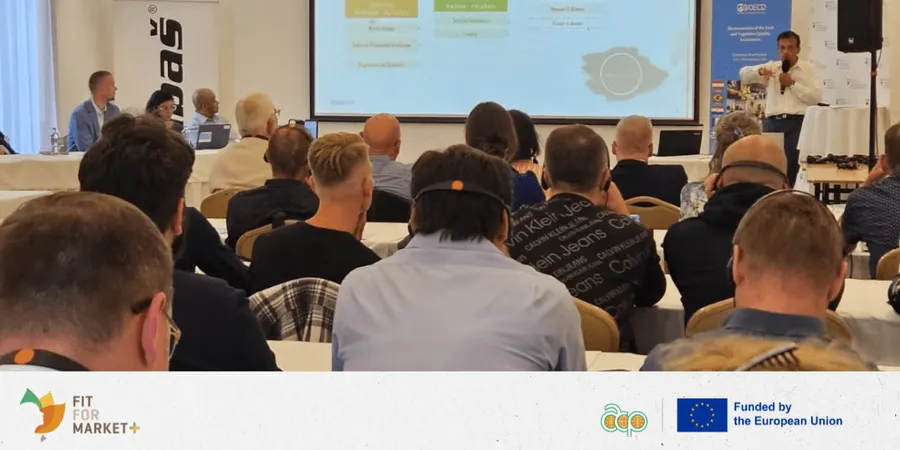
COLEAD continues to strengthen its collaboration with international partners, as demonstrated by its active participation in the recent OECD training session held in Mojmirovce, Slovakia from 17-19 September 2024. This event, organised under the OECD Scheme for the Application of Marketing Standards for Fresh Fruit and Vegetables, focuses on harmonising quality control practices in the sector, a critical aspect of ensuring fair and transparent trade in global markets.The OECD Scheme plays a key role in promoting the standardisation of quality criteria for fresh produce, facilitating smoother international trade and improving the understanding of evolving market standards among industry professionals. The annual training sessions, such as this one in Slovakia, serve as a platform for key stakeholders - including public and private sector inspectors from various Eastern European and international countries - to share knowledge, align practices and keep abreast of the latest regulatory changes.This year, experts from several OECD member countries, including Austria, Brazil, Slovakia and Spain, presented the latest regulatory developments for key crops such as citrus, plums, courgettes and walnuts. The focus was on standards set by the United Nations Economic Commission for Europe (UNECE) and related explanatory materials prepared by both the OECD and UNECE. These meetings are essential to promote a common understanding of international quality standards and to ensure consistent application across borders, which is increasingly important in a globalised market where barriers to trade need to be minimised.COLEAD's presence at this event underlines its growing contribution on global agricultural standards and supporting sustainable agri-food systems, particularly for ACP countries. For the fifth time, COLEAD was been invited to present insights on the role of African, Caribbean and Pacific (ACP) countries in the global fresh produce trade, highlighting their position as key suppliers to European Union markets. Within the context of FFM+, COLEAD's Market Information Department presented its latest sector analysis on fresh citrus, providing a comprehensive overview of the technical and commercial challenges and opportunities for investors. This study is part of a wider citrus sector analysis package, covering both fresh and processed citrus products, as well as co-products such as citrus oil and peel, to be published by early 2025.In addition to the market analysis, COLEAD's training department contributed by providing an online demonstration of a new digital training tool commissioned by the OECD. This tool, developed on the basis of the OECD Guidelines for Conformity Assessment of Fresh Fruit and Vegetables, is expected to be fully operational by the end of 2024. COLEAD previously demonstrated the tool during its development phase in the Netherlands earlier this year. This digital innovation aims to modernise training methods and enhance the capacity of professionals involved in the application of these standards.COLEAD's involvement in these international platforms reflects its broader mission to support sustainable agricultural practices and improve market transparency. Working with the OECD and UNECE not only contributes to the harmonisation of marketing standards, but also ensures that producers, particularly from ACP countries, are well equipped to navigate the complexities of international trade and market requirements. This engagement is a critical component of COLEAD's ongoing efforts among other under FFM+ to strengthen global food systems and create more equitable opportunities for all stakeholders along the value chain.This activity is supported by the Fit For Market Plus (FFM+) programme, implemented by COLEAD within the Framework of Development Cooperation between the Organisation of African, Caribbean and Pacific States (OACPS) and the European Union. This publication receives financial support from the European Union and the OACPS. The content of this publication is the sole responsibility of COLEAD and can in no way be taken to reflect the views of the European Union or the OACPS.
 News
News
Ethiopia: more partnerships for more impact
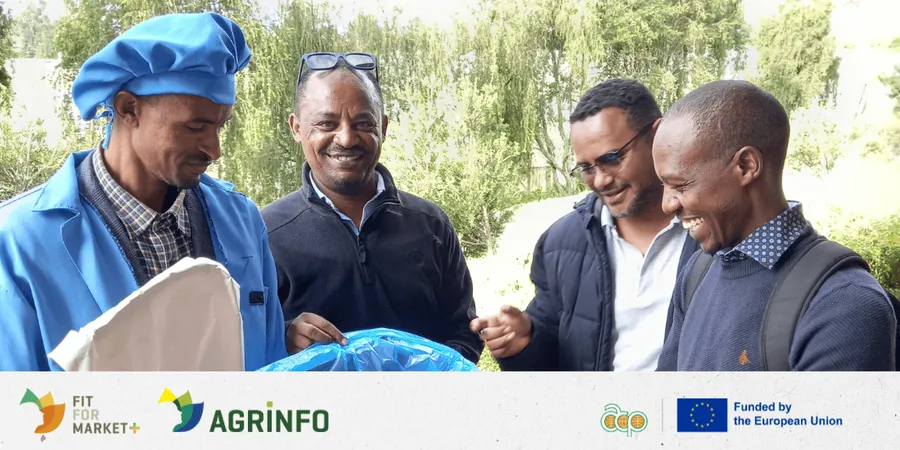
COLEAD's recent mission to Ethiopia under FFM+ made significant progress in addressing key challenges and opportunities in the Ethiopian horticulture sector. With a focus on improving sustainability, business linkages and regulatory compliance, the mission was an important step in preparing the ground for additional support from 2025 onwards.Priority areas identifiedDuring the mission, COLEAD identified several priority areas that will shape its future interventions in Ethiopia. These include :Capacity building for private sector actors, particularly micro, small and medium enterprises (MSMEs) and farmer groups. COLEAD will be continuing to develop and implement training and coaching to help these groups meet both regulatory and market requirements, ensuring sustainability across economic, social and environmental dimensions.Improving business skills and tools. COLEAD aims to equip local businesses with the knowledge and resources they need to optimise their operations, manage change effectively and access finance, thereby increasing their resilience and growth potential.Sanitary and phytosanitary (SPS) issues. This is critical for Ethiopia's fresh produce sector and COLEAD has been actively working with public and private stakeholders to strengthen national SPS systems. The recent application of the Rapid SPS Assessment Tool (R-SAT) in collaboration with the Ethiopian Agricultural Authority (EAA) is an example of this partnership.Fair and sustainable business linkages between smallholder farmers, farmer groups and agri-food MSMEs are key to building a resilient horticultural value chain in Ethiopia. COLEAD is actively facilitating the creation of these linkages to enhance the competitiveness of local products both regionally and internationally.Supporting Business Membership Organisations (BMOs) to effectively represent the sector and provide advocacy, information and services to their members remains a core component of COLEAD's strategy under FFM+. Working with groups such as the Ethiopian Horticulture Producers and Exporters Association (EHPEA) is essential to ensure that the voices of the industry are heard both nationally and internationally.Synergies between programmesThe recent mission also highlighted COLEAD's existing synergies between on-going programmes and stakeholders in Ethiopia's agricultural sector (ex : Trademark Africa, Centre for the Promotion of Imports from Developing Countries (CBI), COMESA-EAC Horticulture Accelerator (CEHA) programme ; Agricultural Transformation Institute (ATI)). These synergies aim to leverage existing efforts and ensure complementarity with COLEAD's programmes, including Fit For Market Plus (FFM+), AGRINFO and other upcoming initiatives.In particular, the AGRINFO programme has been promoted as a key resource for stakeholders requiring up-to-date information on EU policies, regulations and standards affecting agri-food value chains. This programme, funded by the European Union, provides accessible summaries and guidance on how to navigate evolving EU requirements, making it an invaluable tool for Ethiopian businesses looking to expand or maintain access to European markets.Stay tuned for further updates as COLEAD works hand in hand with EU and Ethiopian partners to promote a thriving, sustainable and inclusive horticulture industry.This activity is supported by the Fit For Market Plus (FFM+) programme, implemented by COLEAD within the Framework of Development Cooperation between the Organisation of African, Caribbean and Pacific States (OACPS) and the European Union; and by the AGRINFO programme, implemented by COLEAD and funded by the European Union (EU). This publication receives financial support from the European Union and the OACPS. The content of this publication is the sole responsibility of COLEAD and can in no way be taken to reflect the views of the European Union or the OACPS.