
Cultivating
Sustainable Futures
 News
News
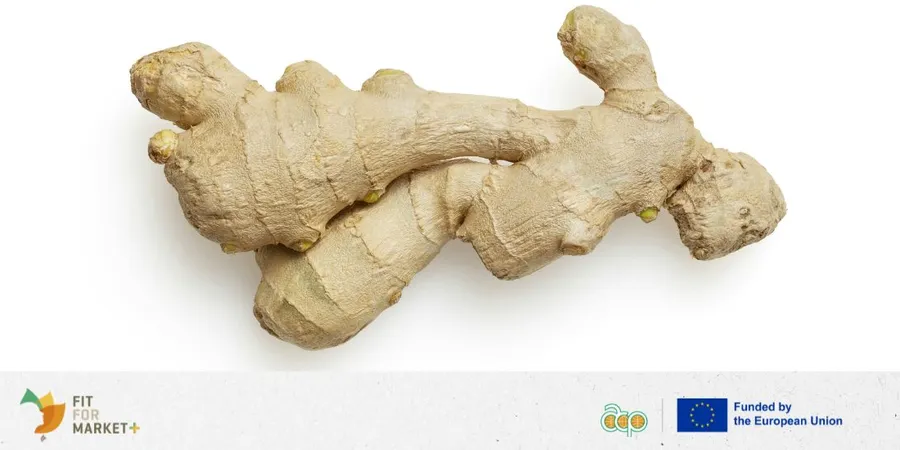
Madagascar focuses on the quality of its ginger for export to Europe
In Madagascar, the companies PHAEL FLOR, JACARANDAS and SAHANALA have just received support from COLEAD as part of the FFM+ programme to improve the quality of the ginger they export by boat from Madagascar to Europe.The aim of this support was to review the processes for transporting and handling ginger from harvesting to shipping, with a view to making recommendations for adapting the harvesting and post-harvesting protocols in place at each company. It also aimed to train technical staff, particularly the quality, production and R&D; teams, in best practice to ensure optimal preparation of products for export.The assistance was provided to each company in three phases. First, a documentary analysis was carried out to study the existing processes. This was followed by half-day on-site training sessions tailored to the specific needs of each company. Finally, detailed recommendations were drawn up for each structure, particularly on post-harvest management and optimising export practices.The results have already been positive. Bringing together Malagasy operators facing similar difficulties has created a collaborative dynamic that is strengthening local entrepreneurship. The main obstacle to maritime exports has been clearly identified and formulated: poor management of post-harvest practices. Thanks to an individualised approach, each company was able to receive tailor-made assistance to solve its specific problems, thereby avoiding potential losses and improving its export readiness.This type of support should enable the three companies to establish themselves in the fresh ginger market soon, whether for processing into juice or for direct consumption.This activity is supported by the Fit For Market Plus (FFM+) programme, implemented by COLEAD within the Framework of Development Cooperation between the Organisation of African, Caribbean and Pacific States (OACPS) and the European Union. This publication receives financial support from the European Union and the OACPS. The content of this publication is the sole responsibility of COLEAD and can in no way be taken to reflect the views of the European Union or the OACPS.
 News
News
Optimising your supply system: the example of cassava processor Malakass
Malakass is a company that has set itself the challenge of making cassava a major source of income in the Atsimo Andrefana region of Madagascar, improving thereby the income and standard of living of the local population. How will this be achieved? By processing cassava into high-quality flour and a range of other by-products, which are sold on both local and international markets.As part of the FFM+ programme, COLEAD recently supported Malakass with a training and coaching mission to strengthen its cassava supply system. The aim of this initiative was to improve the agricultural and commercial practices of producers, while optimising the efficiency of the company's supply chain.The first phase of the mission was to train producers. The aim was to equip them with competencies to better manage a sales department within their group, while at the same time ensuring closer coordination with Malakass. As a result of this training, a new cropping calendar was introduced, allowing cassava production to be staggered throughout the year. This has helped to meet not only the needs of Malakass, but also the demands of the market, while reducing the risk of overproduction.The second phase of the mission involved intensive coaching of Malakass' technicians. In parallel, a review of crop planning was initiated, highlighting the importance of developing solid contracts with customers to effectively manage volumes and market needs.Finally, an awareness-raising meeting was organised to mobilise producers around the creation of a cooperative and the cassava supply process. The ambitious goal is to gradually increase supplies to Malakass in order to reach the desired volume per day by 2025.The results of this mission are encouraging. A positive dynamic has been established between Malakass and the producers; the creation of a cooperative should make it possible to reduce costs while increasing competitiveness. The success of this project will depend on technical monitoring and constant support for the producers, who will have to adapt their practices and optimise the use of local resources.For Malakass, the mission was a real 'eye-opener', prompting the company to review its approach to sourcing and planning plantations and harvests. Malakass is also currently working to raise funds, particularly through initiatives such as the World Bank's Community Investment Project (CIP). From upstream to downstream in its value chain, Malakass will increasingly contribute to the sustainable prosperity of its region through the processing of cassava.This activity is supported by the Fit For Market Plus (FFM+) programme, implemented by COLEAD within the Framework of Development Cooperation between the Organisation of African, Caribbean and Pacific States (OACPS) and the European Union. This publication receives financial support from the European Union and the OACPS. The content of this publication is the sole responsibility of COLEAD and can in no way be taken to reflect the views of the European Union or the OACPS.
 News
News
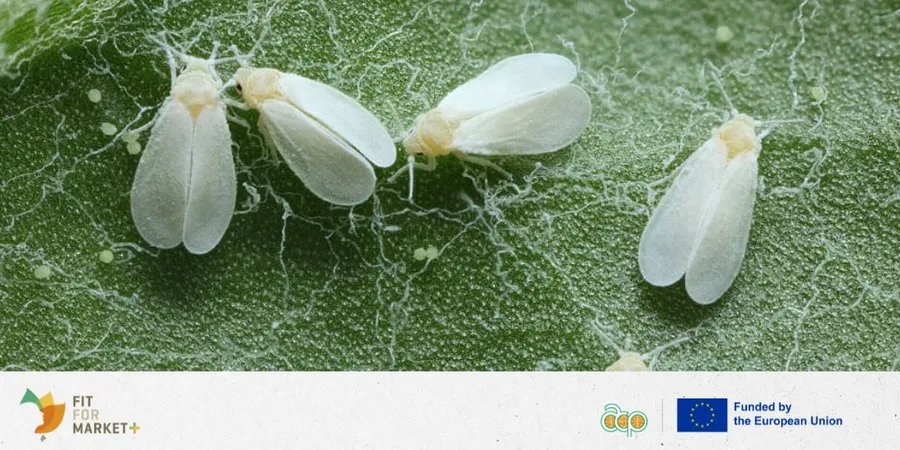
Professionals come together to tackle the whitefly problem
A recent webinar organised by COLEAD as part of the FFM+ programme brought together over 140 participants from professional organisations, companies, competent authorities, support structures, projects and international institutions.The presentation and subsequent discussions covered :EU phytosanitary regulations and specific requirements for importing fruit and vegetables into the EU.The impact of whitefly interceptions on exports and supply chains.The tools and resources available from COLEAD to strengthen whitefly control.The session held in French, was enriched by the testimony of Mr Gilbert Mpati, President of the Association of Processors and Exporters of Togo, who presented a practical case illustrating the successes achieved in his country.The webinar was organised by the Technical Assistance and Research and Innovation Brokerage departments as part of the Fit For Market + programme.Our next technical webinar will focus on false codling moth (Thaumatotibia leucotreta). We will keep you informed of the date and time of this new session.This activity is supported by the Fit For Market Plus (FFM+) programme, implemented by COLEAD within the Framework of Development Cooperation between the Organisation of African, Caribbean and Pacific States (OACPS) and the European Union. This publication receives financial support from the European Union and the OACPS. The content of this publication is the sole responsibility of COLEAD and can in no way be taken to reflect the views of the European Union or the OACPS.
 News
News
Gender mainstreaming in agricultural vocational training: the FAR 2024 leading theme
From 17 to 19 September, COLEAD, through its FFM+ programme, took part in the international seminar "FAR 2024" on gender mainstreaming in agricultural and rural training. It was an opportunity to meet and exchange views with key actors in the agricultural and training sectors, including gender experts, international partners such as the World Bank, members of the FAR network and numerous organisations involved in development in Africa.The aim of the FAR (Formation Agricole et Rurale) network is to contribute to the professional and social integration of young people and producers through training, and it currently has 19 member countries: Algeria, Benin, Burkina Faso, Cameroon, Central African Republic, Chad, Comoros, Côte d'Ivoire, Democratic Republic of Congo, Guinea, Haiti, Madagascar, Mali, Mauritania, Morocco, Niger, Senegal, Togo and Tunisia.The FAR 2024 international seminar was also an opportunity for COLEAD to update its knowledge and continuously improve its practices on gender mainstreaming in training. COLEAD also had the opportunity to contribute to discussions on policies and strategies to reduce gender inequalities in agriculture. It is also a means of supporting advocacy in this area with international decision-makers.According to the FAO, reducing the productivity gap that still too often exists between men and women, among other due to women's lack of access to information and training, would increase agricultural yields and reduce the number of hungry people in the world. This is what gender mainstreaming is all about. COLEAD promotes this approach through its Gender Strategy and Action Plan, which proposes concrete measures and actions to integrate the gender dimension into its programmes and activities.Read our gender equality statement of intentThis activity is supported by the Fit For Market Plus (FFM+) programme, implemented by COLEAD within the Framework of Development Cooperation between the Organisation of African, Caribbean and Pacific States (OACPS) and the European Union. This publication receives financial support from the European Union and the OACPS. The content of this publication is the sole responsibility of COLEAD and can in no way be taken to reflect the views of the European Union or the OACPS.
 News
News
Nnaemeka Ikegwuonu inspires us and you?
Nnaemeka Ikegwuonu, is Founder & Executive Director of ColdHubs Limited, in Nigeria. He’s a member of the Agrinnovators.org platform.ColdHubs Limited is a company that brings disruptive innovations to local communities and smallholder farmers. ColdHubs are solar-powered walk-in coolers for 24/7 cold storage of perishable food, extending the shelf life of fruit and vegetables from two to 21 days. Community users and smallholder farmers can store food in the cold room for a flat daily fee. The company is leading the market for innovative and affordable cold storage solutions in Nigeria and plans to roll out ColdHubs across Africa, starting with South Sudan, Sierra Leone, Liberia, Benin and Kenya.Many African smallholder fresh produce farmers lack access to electricity and the financial means to invest in refrigeration technology. As a result, they suffer higher post-harvest losses. In 2015, Nnaemeka Ikegwuonu set up ColdHubs to help these farmers prevent post-harvest losses. Each ColdHubs unit has a state-of-the-art ColdHubs Advanced Remote Monitoring System (CARMS), which monitors the number of door openings, battery percentage, ambient temperature, cold room temperature and solar radiation. CARMS allows the team to manage and anticipate the performance of each hub. CARMS is now being extended to customers via the Virtual Cold Chain Assistant.Ikegwuonu hopes that technology will continue to redefine agricultural production on the African continent. "Our farmers are predominantly smallholder farmers who rely on oral tradition and knowledge to produce food. Most of these traditional practices are being challenged in our era of rapid climate change, and productivity is declining as environmental performance weakens. This local and traditional knowledge will be more useful if it is enhanced by technology," he said. He believes that technology will play a role in improving production decision-making, helping to manage crop and livestock growth, enhancing yields and quickly connecting farmers to a wider market.ColdHubs is available in 38 locations across 22 states in Nigeria and will soon extend its technology and services to East Africa, Southern Africa and some West and Francophone African countries.
 News
News
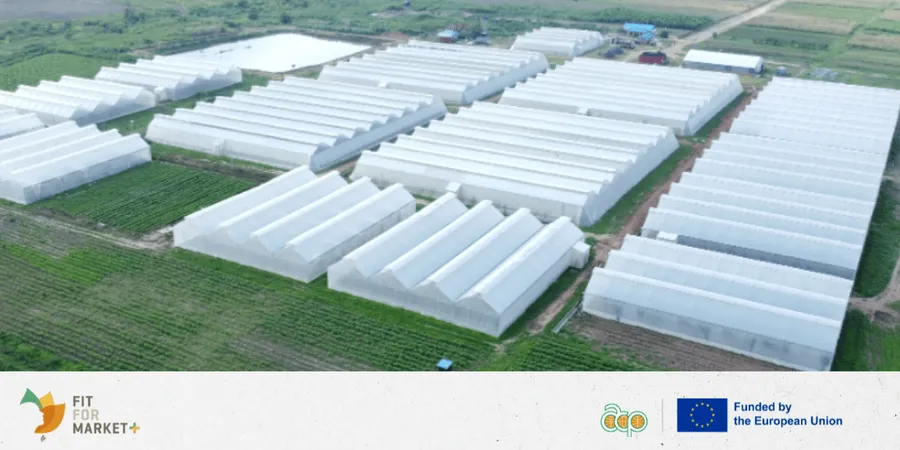
Improving soil management: the case of Dobi Agrico in Nigeria
Dobi Agrico Limited is a Nigerian agricultural company established in 2013 whose main activity is the production of horticultural crops under greenhouses. It produces tomatoes, cucumbers, peppers, habanero and spinach. Dobi Agrico's other crops include rice, soya and corn, sesame, butternut, eggplant and bitter gourd.Dobi Agrico is in Dobi local government area, about 85km from the centre of Abuja. The total area of the farm is about 200 hectares. The greenhouses currently cover an area of 10ha and are supplied by an automated drip irrigation system that delivers water, nutrients and when needed relevant and authorized pesticides to the plants.Dobi Agrico recently approached COLEAD to improve the skills of its staff in all aspects of horticultural best practices. Obtaining the necessary certifications to have a global brand for their products is also a goal they have set for themselves. In fact, they obtained GLOBALG.A.P. certification in 2023. This can only be achieved by harvesting healthy crops and maintaining high average yields throughout the year. Maintaining high yields starts with understanding and managing the soil you're working with. To this end, Dobi Agrico's agronomists and technical support staff took part in a group training course on sustainable soil management organised by COLEAD in November 2023. At the end of the training, the company's staff submitted a request for post-training support to implement what they had learned, with coaching from a COLEAD expert.Based on the knowledge gained during the training implemented through the FFM+ programme and the results of soil analyses (financed by the company), the actual soil management practices were reviewed, and Dobi Agrico's technical staff were coached to co-design a nutrient management plan to address the identified deficiencies.This activity is supported by the Fit For Market Plus (FFM+) programme, implemented by COLEAD within the Framework of Development Cooperation between the Organisation of African, Caribbean and Pacific States (OACPS) and the European Union. This publication receives financial support from the European Union and the OACPS. The content of this publication is the sole responsibility of COLEAD and can in no way be taken to reflect the views of the European Union or the OACPS.
 News
News
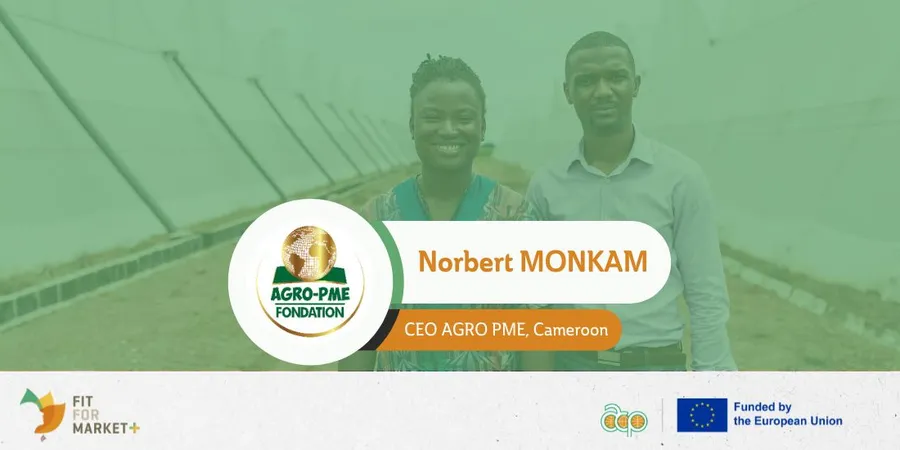
Do you know Norbert MONKAM, CEO of AGRO PME in Cameroon?
Norbert Monkam is an agro-economist. He is the founder of AGRO-PME, a Cameroon-based training institute set up in 2002 that stands out for its commitment to rural development and the green economy. Based in two separate centres (Yaoundé and Djombé), AGRO-PME offers a wide range of programmes designed to train skilled professionals and promote the socio-professional integration of young people.Norbert MONKAM was also behind the creation in 2013 of the ‘Graines De Talent’ association, whose mission is to provide entrepreneurs in the agri-food sector with innovative technical and financial resources to support them in all the steps involved in setting up and developing their businesses.AGRO PME has received support from the Fit For Market programmes funded by the EU and the OACPS. AGRO PME is also a member of COLEAD.For more information on AGRO PME click here and on Graines de talents click hereThe Fit For Market Plus (FFM+) programme, implemented by COLEAD within the Framework of Development Cooperation between the Organisation of African, Caribbean and Pacific States (OACPS) and the European Union. This publication receives financial support from the European Union and the OACPS. The content of this publication is the sole responsibility of COLEAD and can in no way be taken to reflect the views of the European Union or the OACPS.
 News
News
Benin: new fruit wharf and wholesale market on the way
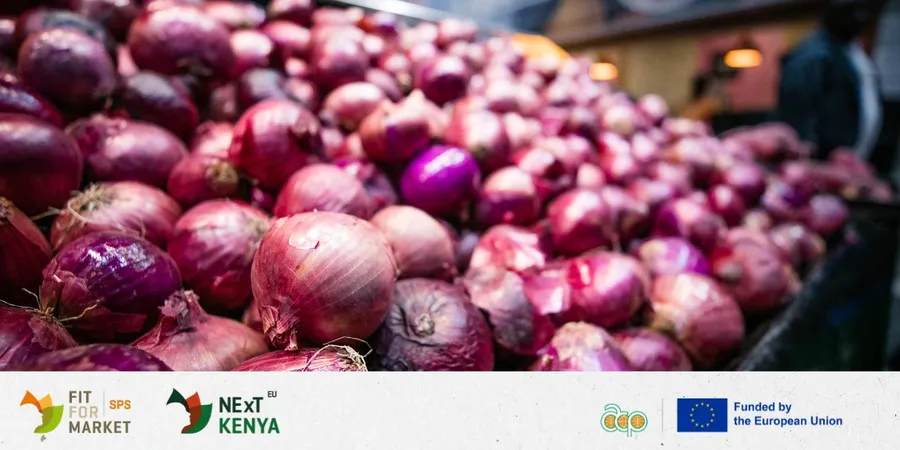
The Government of Benin, with the support of the World Bank, has launched the construction of a new fruit wharf at Cotonou International Airport. The Project to Support the Competitiveness of the Agricultural Sector and the Diversification of Exports (PACOFID) and the Société d'Infrastructures Routières et de l'Aménagement du Territoire (SIRAT) are the developers of this new facility, and the buildings are due to be delivered in September. The new platform is expected to be operational at the beginning of 2025.This new infrastructure will be dedicated to the export of fresh and processed agricultural products such as pineapples, horticultural products and cashew nuts, as well as the import of food products. It will provide the operators of the new Calavi wholesale market, currently under construction, with the best possible conditions for handling their products for export. Located within the international airport, these new facilities will guarantee the continuity of the cold chain and will allow the consolidation of goods, health checks and the security of consignments until they are loaded onto aircraft, thanks to: cold rooms, a palletising area, scanners (for imports and exports) and permanent offices for the control authorities.PACOFIDE and SIRAT carry out technical missions in Europe and Africa to learn about the use of similar facilities, in order to observe and better understand current practices around the world for this type of infrastructure. This enables them to validate the technical choices made for the project and make any necessary improvements. COLEAD's Market Insights department was asked through the FFM+ programme to facilitate contacts with importers and logistics operators during visits to France, Belgium and Africa (Côte d'Ivoire, Kenya). During visits to Rungis and Roissy CDG on 19 and 20 June, the Beninese delegation, made up of Mrs NATA of the Agence de sécurité sanitaire des Aliments (ABSSA) and Messrs. AMI TOURE of Aéroports du Bénin (SAB), HOUEGBAN (PACOFIDE) and LASSISSI (SIRAT), accompanied by representatives of SEMMARIS (manager of the Rungis international market and technical partner in the construction of the Calavi wholesale market), visited the warehouses of two importers (S.I.I.M. and Compagnie Fruitière) and the Air France KLM G1XL cargo terminal at Roissy.In Rungis, the members of the Beninese delegation were able to see the organisation of a perishable goods warehouse in terms of incoming and outgoing flows, storage, the cold chain, handling during repacking for customers, quality control and the handling equipment used. The facilities dedicated to the ripening of bananas were also visited.The visit to Roissy CDG covered all aspects of the management of dry and perishable goods for import and export. In addition, the GX1L freight station is equipped with remote-controlled robots, unique in Europe, which enable goods to be distributed according to their final destination. Special attention is paid to perishable goods, particularly in terms of product preservation, thanks to the continuity of the cold chain, and health checks before they are made available to customers.The Benin delegation is currently continuing its technical missions in Africa. Through FFM+, COLEAD has put PACOFIDE and SIRAT in touch with the Central Organisation of Pineapple and Banana Exporters (OCAB) in Côte d'Ivoire to visit the fruit quay in the port of Abidjan, and with Kenyan operators to visit the Nairobi freight terminal through the NExT Kenya programme.This activity is supported by the Fit For Market Plus (FFM+) programme, implemented by COLEAD within the Framework of Development Cooperation between the Organisation of African, Caribbean and Pacific States (OACPS) and the European Union; and by the NExT Kenya (New Export Trade) programme, established in collaboration with the EU Delegation in Nairobi and Kenyan stakeholders. This publication receives financial support from the European Union and the OACPS. The content of this publication is the sole responsibility of COLEAD and can in no way be taken to reflect the views of the European Union or the OACPS.
 News
News
Integrated pest management for beans and gherkins in Madagascar
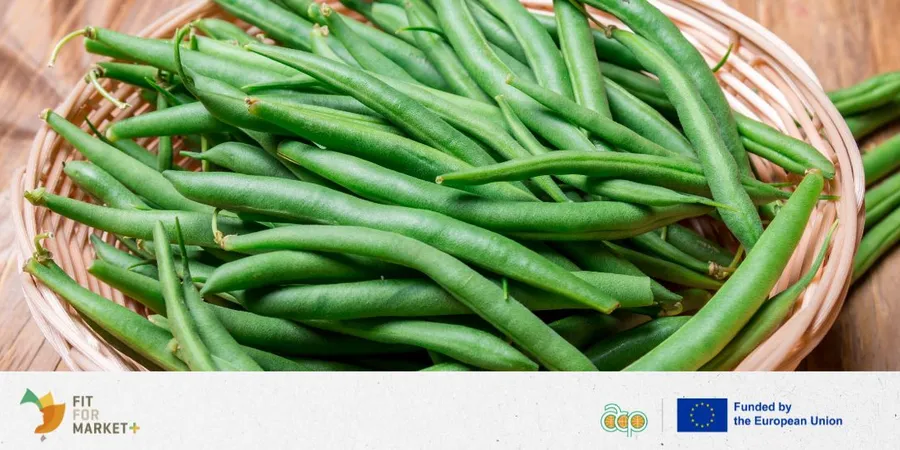
COLEAD is working with an exporting company based in Madagascar that is experiencing a drop in yields of green beans and gherkins due to heavy nematode pressure. This problem is since the same crops have been grown for several consecutive seasons without rotation or fallow periods, leading to a deterioration in soil quality. The company has begun to explore solutions, such as crop rotation with cover crops, which have shown some improvement. However, the technical team did not have the resources to identify the nematode species impacting on yield. In fact, visual observations of the roots are not enough, and more detailed laboratory analyses are needed to validate suitable integrated control techniques.COLEAD offered to assist the company through the FFM+ programme by validating Integrated Pest Management (IPM) strategies. A partnership was established with the Laboratoire des Radioisotopes (LRI) in Antananarivo to supervise the field trials and carry out the laboratory analyses. The COLEAD technical team identified suitable biopesticides and worked with manufacturers to obtain test samples. Field activities started in February 2024 at the company's premises and are expected to continue until October 2024.The aim is to operationalise integrated pest management strategies by validating technical and economic feasibility through field pilots. These pilots will also act as demonstrators, promoting best practice. Collaboration with the LRI ensures scientific validation and robustness of data under real-life conditions. The approach includes assessment of soil nematode populations (species and numbers) before, during and after the trials through laboratory analysis. The nematode control methods tested include biopesticides (azadirachtin, Paecilomyces lilacinus, Trichoderma asperellum and garlic extract) and rotation with a cover crop (marigold - Tagetes sp.).This example illustrates COLEAD's commitment to addressing the production challenges faced by growers, particularly in ACP countries, through in-depth research and practical solutions adapted to local contexts. The results of this trial will be shared to provide further sustainable options for managing this pest.This activity is supported by the Fit For Market Plus (FFM+) programme, implemented by COLEAD within the Framework of Development Cooperation between the Organisation of African, Caribbean and Pacific States (OACPS) and the European Union. This publication receives financial support from the European Union and the OACPS. The content of this publication is the sole responsibility of COLEAD and can in no way be taken to reflect the views of the European Union or the OACPS.
 News
News
Integrated pest management in sweetcorn in Burkina Faso
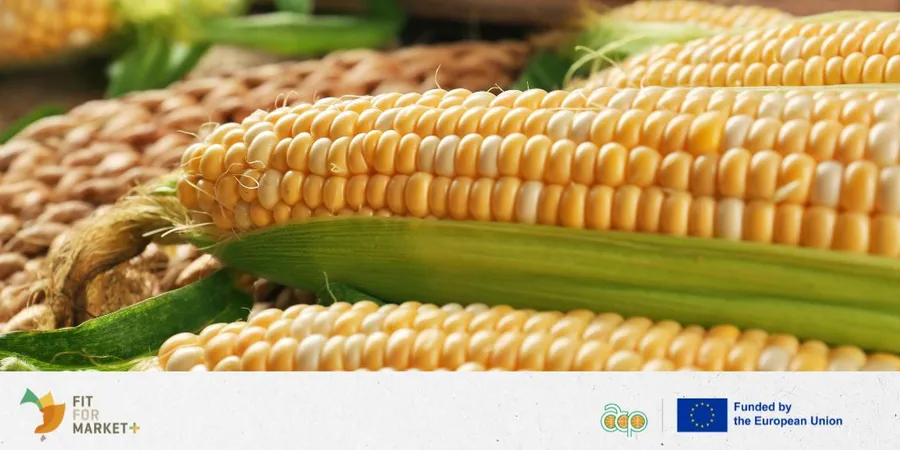
COLEAD, through its FFM+ programme, in collaboration with the Joseph Ki-Zerbo University, is currently conducting a series of trials in Burkina Faso to test integrated pest management strategies against the Fall Armyworm (Spodoptera frugiperda) on sweetcorn during the dry season, which coincides with the export season.The Fall Armyworm (FAW) has been identified by COLEAD as a priority pest, particularly on sweetcorn, following several interceptions of shipments from Africa at EU borders. As a quarantine pest, FAW is subject to a zero tolerance policy for export to the EU.The Integrated Pest Management (IPM) approach, using low-risk pesticides as a last resort, is recommended to maximise control of FAW and reduce the use of plant protection products (PPPs). Efficacy trials were conducted during the rainy season in 2021 to test two biopesticides (azadirachtin and Bacillus thuringiensis). In 2022, an integrated pest management trial combining different methods showed that alternatives to synthetic pesticides did not provide the required level of control. Methods combining varietal tolerance, push-pull and biopesticides produced lower gross margins due to high costs and reduced production.To improve these results, a new dry season trial was recommended to minimise leaching of non-systemic biopesticides, include monitoring of adult FAW populations to better target biopesticide applications at higher doses and frequencies, and use a tolerant variety.Field activities were carried out until harvest, with continuous monitoring of key parameters to assess the technical and financial relevance of the solutions tested. The results, which are currently being analysed by researchers at Joseph Ki-Zerbo University, will be published in a peer-reviewed scientific journal by 2025.COLEAD is committed to addressing production challenges, particularly in ACP regions, by seeking practical solutions adapted to local contexts. The results of this trial could provide additional sustainable options for FAW management.This activity is supported by the Fit For Market Plus (FFM+) programme, implemented by COLEAD within the Framework of Development Cooperation between the Organisation of African, Caribbean and Pacific States (OACPS) and the European Union. This publication receives financial support from the European Union and the OACPS. The content of this publication is the sole responsibility of COLEAD and can in no way be taken to reflect the views of the European Union or the OACPS.
 News
News
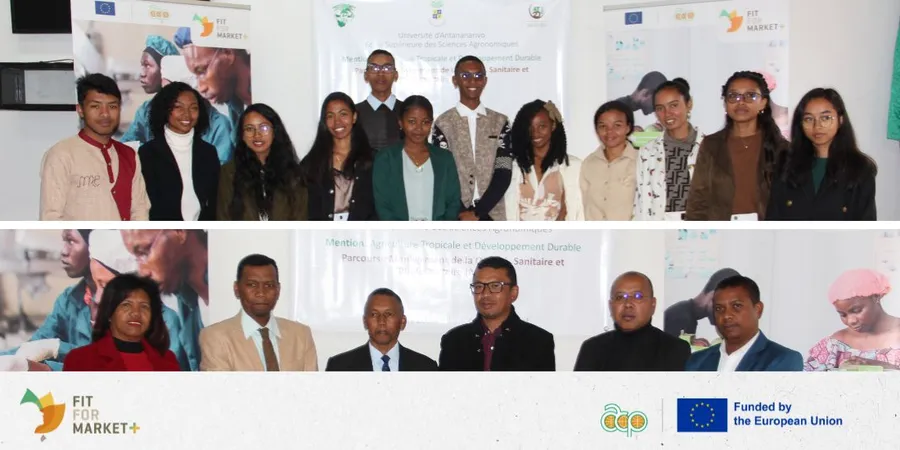
Madagascar: future managers trained in SPS quality management
On 12 July, the École Supérieure des Sciences Agronomiques (ESSA) at the University of Antananarivo officially launched the "Management of Quality, Health and Plant Health" (MQSPS) training course. The event was attended by representatives of the Ministry of Higher Education and Scientific Research, the Director of ESSA, the head of the specialisation and the head of the course, the representative of the Directorate of Plant Protection (DPV), the COLEAD national relay, teachers and students.
 News
News
Ethiopia: EHPEA strengthens its training unit
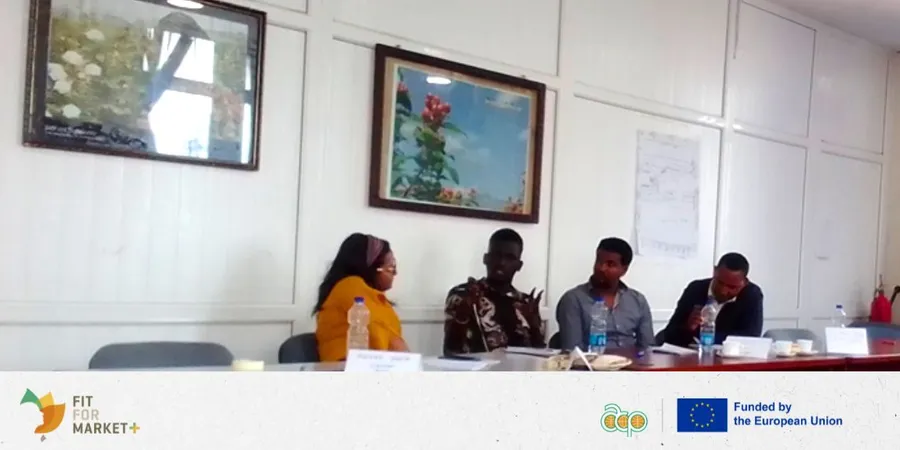
COLEAD recently completed a training session with the Ethiopian Horticulture Producers and Exporters Association (EHPEA) to strengthen the skills and knowledge of its own training unit. This initiative is part of a wider mission to support the sustainability and competitiveness of the horticulture sector. It was launched last May as part of the Fit For Market Plus (FFM+) programme.Established in 2002, EHPEA plays a key role in representing and promoting the interests of horticultural producers and exporters in Ethiopia. The association represents more than 70% of the country's horticultural enterprises.The meeting focused on training needs assessment and follow-up. It brought together EHPEA staff to identify and fill training gaps based on the evolving needs of EHPEA's 126 members. Representatives from the Ministry of Agriculture also participated in the exercise.Specifically, the session enabled the formalisation of members' needs into structured training programmes and the development of an annual training calendar. To achieve this, participants engaged in practical exercises, including applying the training needs assessment to existing scenarios such as avocado production and rose pest control. The workshop concluded with a discussion on the development of a comprehensive training evaluation strategy to measure the long-term impact of training programmes on the horticultural sector.Following the support provided by COLEAD, EHPEA plans to formalise its training strategy, delivery and evaluation system in the coming months.This activity is supported by the Fit For Market Plus (FFM+) programme, implemented by COLEAD within the Framework of Development Cooperation between the Organisation of African, Caribbean and Pacific States (OACPS) and the European Union. This publication receives financial support from the European Union and the OACPS. The content of this publication is the sole responsibility of COLEAD and can in no way be taken to reflect the views of the European Union or the OACPS.