
Cultivating
Sustainable Futures
 News
News
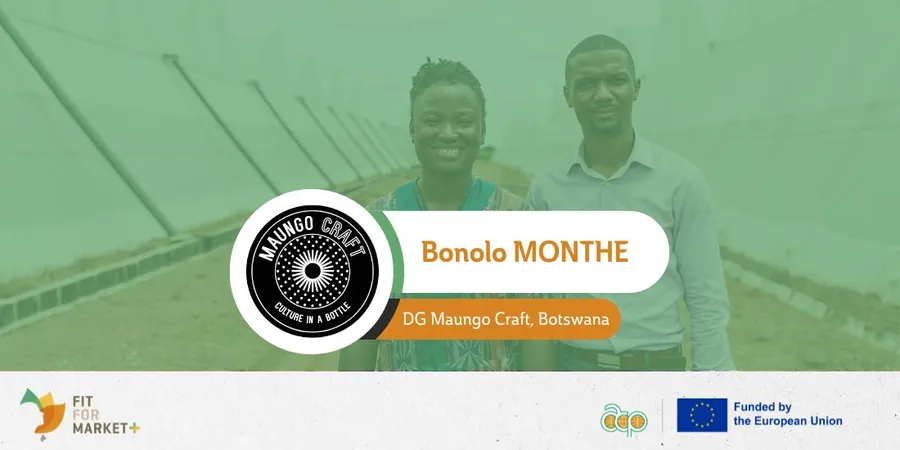
Do you know Bonolo Monthe, CEO of Maungo Craft in Botswana?
Bonolo holds an MBC from the David Eccles School of Business at the University of Utah. She has received many awards for her entrepreneurial career in the agri-food sector: UN Food Systems Champion, Mandela Washington Fellow 2019 and Gogettaz Agripreneur Winner 2019. Maungo Craft processes Morula fruit into award-winning, preservative-free preserves, promoting an indigenous fruit industry for sustainable growth. One of Maungo Craft's aims is to rehabilitate forgotten crops, such as morula, and integrate them into Botswana's eating habits. It is also working to remedy the lack of dietary diversity and the use of ‘orphaned’ (under-studied and under-utilised) indigenous crops in the food system. Maungo Craft maintains close relationships with local small-scale farmers who supply indigenous fruit. The company currently works with two groups of farmers covering 100 hectares, whose members are relatively young (average age 40) and 90% of whom are women.Maungo Craft is a partner beneficiary of COLEAD's Fit For Market Plus programme.For more information on Maungo Craft click hereThe Fit For Market Plus (FFM+) programme, implemented by COLEAD within the Framework of Development Cooperation between the Organisation of African, Caribbean and Pacific States (OACPS) and the European Union. This publication receives financial support from the European Union and the OACPS. The content of this publication is the sole responsibility of COLEAD and can in no way be taken to reflect the views of the European Union or the OACPS.
 News
News
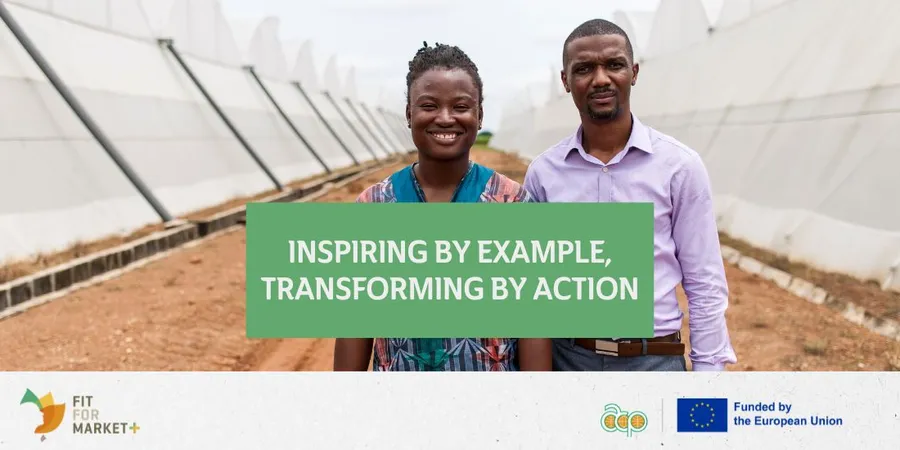
Inspiring by example, transforming by action
COLEAD regularly highlights inspiring people in its activities, in particular to facilitate the exchange of useful experiences on sustainable development and entrepreneurship in the agri-food sector. In the same spirit, and in order to contribute to the dissemination of positive and exemplary information in this field, COLEAD has decided to make these people visible through its various communication channels.That's why you will regularly find in this newsletter, on our social networks and elsewhere... these men and women who inspire us and who we hope will inspire you too. They may be partner beneficiaries of programmes implemented by COLEAD, members of the association, technical partners, collaborators... or simply actors in their fields of action of positive change. They are all committed to achieving the Sustainable Development Goals in the agriculture and food sector.Bonotho Monthe from Botswana and Norbert Monkam from Cameroon are the first two portraits you will discover in this newsletter.Enjoy the discovery and inspiration!The Fit For Market Plus (FFM+) programme, implemented by COLEAD within the Framework of Development Cooperation between the Organisation of African, Caribbean and Pacific States (OACPS) and the European Union. This publication receives financial support from the European Union and the OACPS. The content of this publication is the sole responsibility of COLEAD and can in no way be taken to reflect the views of the European Union or the OACPS.
 News
News
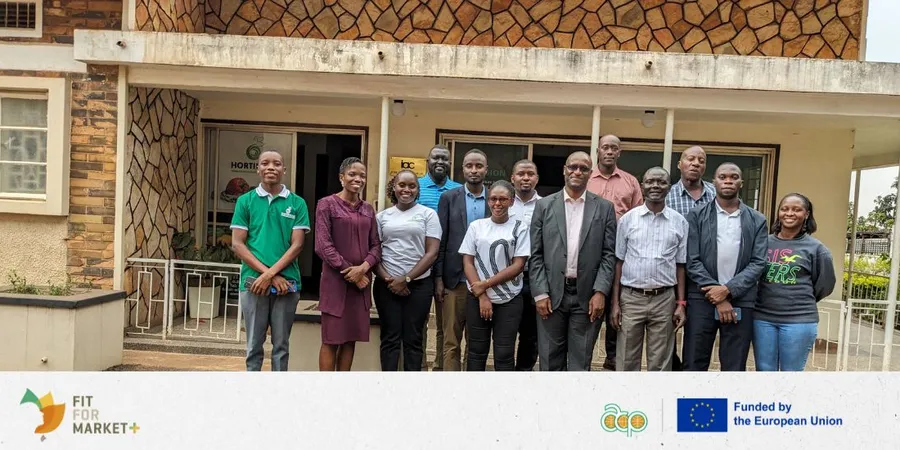
Uganda: Hortifresh association strengthens its training unit
Through its programmes, COLEAD supports professional organisations that are representative of their sector to strengthen their capacity to provide services to their members and with concern for the long-term sustainability of its action. In Uganda, for example, COLEAD recently supported the HortiFresh association through the FFM+ programme as part of its commitment to strengthening local capacity. Hortifresh is the main business membership organisation supporting the horticulture sector in the country. It recently took part in an intensive training course on setting up and managing a training unit, the HortiFresh Skills Centre. The main topics covered were training needs assessment, curriculum development and strategic business planning.The aim of the training was to equip the HortiFresh team with the skills needed to design and deliver training programmes tailored to the specific needs of its members, which include exporters, growers and processors. One of the most significant outcomes of this initiative was the co-creation of an ambitious training programme for 2024-2025. This programme aims not only to improve horticultural practices in the country, but also to increase the competitiveness of Ugandan produce on the international market.Strengthened with this new expertise, HortiFresh is now moving on to the next phase: developing a business plan for the skills centre. This plan is essential to ensure the sustainability of the centre and maximise its long-term impact, ensuring that the Ugandan horticultural sector continues to develop towards greater efficiency and competitiveness. The success of this training course was made possible by the exceptional enthusiasm and motivation of the HortiFresh team and the support of a committed management team. Participants expressed their satisfaction with the relevance of the content, particularly the practical application of the skills acquired. They also praised the expertise of the Kenyan trainer, who was able to share valuable knowledge gained from similar missions in Kenya, providing an enriching and concrete perspective for Uganda.This activity is supported by the Fit For Market Plus (FFM+) programme, implemented by COLEAD within the Framework of Development Cooperation between the Organisation of African, Caribbean and Pacific States (OACPS) and the European Union. This publication receives financial support from the European Union and the OACPS. The content of this publication is the sole responsibility of COLEAD and can in no way be taken to reflect the views of the European Union or the OACPS.
 News
News
EU and GB approval changes (May-August 2024)
EU and GB approval changes COLEAD’s Regulation Monitoring covers both European Union (EU) and Great Britain (GB) approval changes. Note that EU approvals still apply in Northern Ireland. Great Britain is the mainland comprising England, Scotland and Wales. The European Commission (EC) has recently published changes to 14 plant protection product (PPP) approvals within the EU, some of which are important for ACP horticulture. These include: Extension of the approval period for amisulbrom and valifenalate Withdrawal of approval of acibenzolar-S-methyl Renewal of approval of active substance metconazole as candidate for substitution Expiration of the approval for dodemorph and Trichoderma atroviride (formerly harzianum ) strain IMI 206040 In addition, the EC has recently notified the WTO of its intention to withdraw the approval of the active substance metribuzin and the expiration of tritosulfuron. The Health and Safety Executive (HSE) has recently published changes to 36 PPP approvals within GB, of which 12 are of importance for ACP horticulture and whose approvals in GB are being withdrawn. How will ACP producers/exporters be affected? Non-approval, withdrawal of approval or expiration of approval mean that EU/GB maximum residue levels (MRLs) are likely to be maintained or reduced to the limit of determination (LoD) which, in most cases, will mean that they cannot be used on crops for export to the EU/GB. COLEAD now compiles a dashboard of ACP countries impacted by the recent changes of approvals in the EU and GB. Check it out here . What should ACP producers/exporters do now? If you currently use dodemorph, Trichoderma atroviride strain IMI 206040, or acibenzolar-S-methyl on crops destined for the EU market, or one of the withdrawn substances from GB on crops for the GB market, you need to look for alternatives, or ensure that current uses allow you to comply with the new MRLs (most likely at LoD), as soon as the change is communicated. If this is likely to cause you significant problems, and you fear being left without effective and available alternatives, please contact COLEAD at: network@colead.link . We will keep you informed as more information becomes available.
 News
News
EU and GB MRL changes in 2024 (May– August 2024)
Changes to EU and GB pesticide maximum residue levels COLEAD’s monitoring of pesticide regulations covers maximum residue limit (MRL) changes in both the EU and Great Britain (GB). Note that EU MRLs still apply in Northern Ireland (GB covers only England, Scotland, and Wales). During the period May - August 2024, we have been highlighting significant changes to EU MRLs that affect 15 active substances, 7 of which are important for ACP export horticulture. During this same period, no changes to GB MRLs were published. The EU and GB have also recently notified the World Trade Organization (WTO) of additional proposed changes involving a further 8 substances including 5 that are key in ACP horticulture (thiacloprid, penconazole, acetamiprid, dithiocarbamates and methidathion). Note that comments and concerns can be submitted to the WTO via your national contact points . How will ACP producers/exporters be affected? Changes to EU/GB MRLs also apply to products that are exported to the EU/GB. Growers producing for export may need to adapt their practices to meet the new MRL or, if this is not possible, stop using these products and look for an alternative method of pest management. What should ACP producers/exporters do now? For each plant protection products (PPPs) and crop concerned, the Good Agricultural Practices (GAPs) in place will need to be verified and possibly adapted to ensure compliance with the new MRLs. The GAPs include dose rate, number of applications, and pre-harvest interval. In some cases, adaptations to the GAPs will allow the new MRLs to be met (see Crop Protection database ). However, in many cases, especially where the level is reduced to the Limit of Determination (LoD), it may not be possible to meet the new MRL, and growers will have to look for alternative crop protection solutions. This is essential to avoid interception and destruction of exported produce at the EU/GB borders. In case there is no available alternative, manufacturers can consider the option of requesting an import tolerance. The process for approving an import tolerance MRL in the EU can take time and may imply costs. It is recommended to contact the PPP manufacturer to assess the feasibility. If you have any major concerns about these changes, and fear that you will be left without an effective and locally available alternative, please contact COLEAD at: network@colead.link .
 News
News
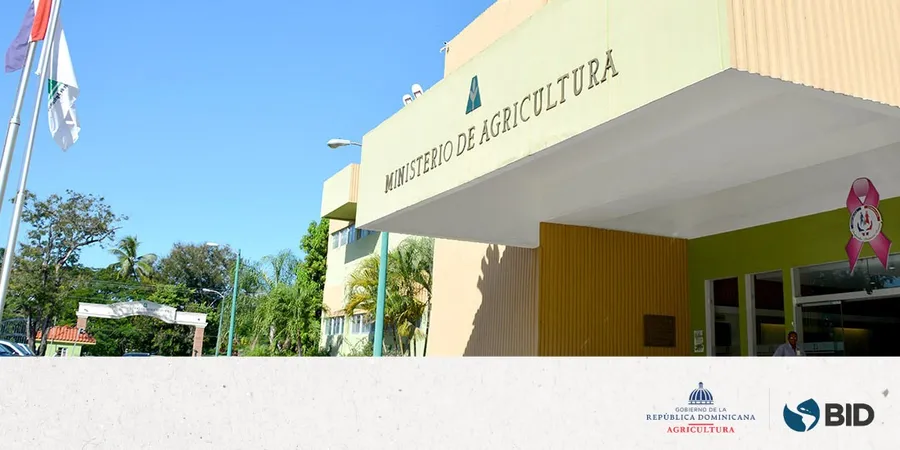
Dominican Republic moves towards one health system
The SIA (Sanidad Innovación Agropecuaria) project of the Dominican Republic's Ministry of Agriculture was launched in April 2024. It is funded by the IDB and implemented by COLEAD. The many meetings and exchanges, that have taken place since our first mission in May, have enabled the first results of the project to be drawn up and presented to the various public stakeholders, including local authorities at the highest level.As a reminder, the main objective of the SIA project is to improve the food security and competitiveness of the Dominican Republic's agricultural sector by increasing productivity, food safety and market access. The overhaul of the organisation and processes of the sanitary and phytosanitary services is at the heart of the project. National food control systems play a vital role in protecting consumer health and ensuring fair practices in food trade.The Food and Agriculture Organization of the United Nations (FAO) recommends at least three types of organisation for national food control systems that can be applied in different countries. The most effective is based on an integrated national approach, known as an integrated or one health system. This is the main objective of this project.A first COLEAD report under the SIA project presented recommendations for the expected overhaul of the existing system. These recommendations are based on international best practice (in particular from the FAO), but also on the specific context of the Dominican Republic, which is characterised by a large number of tourists, a steady increase in food consumption and a series of challenges in terms of consumer health and the sustainable protection of the country's agricultural resources.Aside from this process, the project is also implementing other activities, such as the development of more than 20 manuals related to best practices in agriculture and livestock. An event to present all these manuals will be organised in the first quarter of 2025 in Santo Domingo, gathering representatives of the public authorities and the private sector.The SIA project is expected to enable the Dominican Republic, step by step, to reach the end of a virtuous circle and a national food system that is sustainable in economic, social and environmental terms.This activity is supported by the SIA project (Sanidad e Innovación Agropecuaria), implemented by COLEAD on behalf of the Ministry of Agriculture of the Dominican Republic and financed by the Inter-American Development Bank (IDB) under loan no. BID-4909/OC-DR. This publication has been produced with the financial support of the IDB. The contents are the sole responsibility of COLEAD and in no way reflect the views of the Dominican Ministry of Agriculture or the IDB.
 News
News
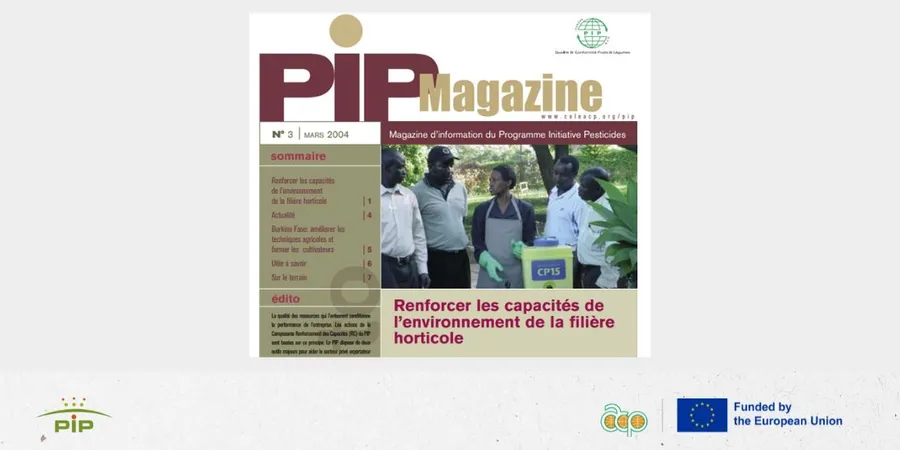
Flashback 2004 : “Building the capacity of the horticulture sector's support structures”
(Source : COLEACP PIP magazine n°3, March 2004)“ACP producing/exporting states are generally endowed with considerable local expertise and knowledge in a variety of areas. However, these countries often lack structures which are adequately informed and trained. While it is important to help companies prove their day-to-day control of the production and export process, it is equally important to improve the quality of the support and services provided to them by local partners.The capacity building activities carried out by PIP with its private and public partners are meant to help sectors find economically viable solutions to their problems at the local level and to improve the capacity of stakeholders in the ACP horticultural sectors to anticipate these problems. Depending on the needs that PIP beneficiaries have identified, support programmes adapted to those needs are set in place to enhance the quality of services provided to ACP production and export companies. Within this perspective and according to the PIP’s intervention principles, the private sector constitutes the programme’s preferred partner. In Kenya, for example, the PIP provides support to two types of consultants, one in the area of instructor training, and the other in improving Integrated Pest Management (IPM) techniques. In Senegal, PIP support has focused on improving the skills of local consultants, who, thanks to this intervention, have become the programme’s main training relays for the entire sub-region. "Some of these partners, whether private or public, look set, depending on needs, to become PIP relays in disseminating information and implementing training programmes. It is important to point out that a structure can only be considered a potential relay if its long-term viability seems guaranteed. In other words, it must be able to operate independently of the programme, so as to be able to relay the actions developed, beyond the lifespan of the PIP", explains Harry Lugros, head of the PIP Capacity Building component.”
 News
News
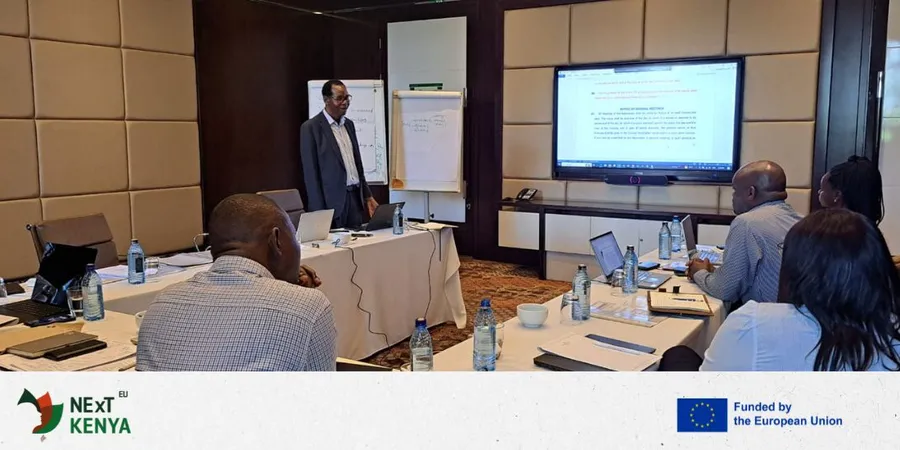
Kenya: FPEAK strengthens its governance
Through its programmes, COLEAD supports professional organisations that are representative of their sector to strengthen their capacity to provide services to their members and with concern for the long-term future of its action. In Kenya, for example, COLEAD recently supported the Fresh Produce Exporters Association of Kenya (FPEAK) through the NExT Kenya programme as part of a governance intervention.The members of FPEAK are involved in the Kenyan fresh produce trade and are therefore a focal point and coordinating body for the Kenyan horticultural export sector. FPEAK supports its exporting producers by providing technical and commercial information and training, and acts as a resource centre for its members. It also undertakes lobbying and advocacy programmes to defend the interests of the sector and promote continuous improvement in its competitiveness.COLEAD's recent intervention with FPEAK consisted of reviewing the association's strategic plan and, in particular, its turnaround strategy to refocus the organisation's activities in its current context, which is characterised in particular by competition within the horticultural sector. More specifically, the following issues were addressed: (i) the development of a risk management framework (ii) the review and updating of the Member Engagement Policy and Board Charter (iii) the development of a Board evaluation tool.Finally, capacity building of the Board was identified as a key activity to be implemented at the beginning of its mandate. With this in mind, a training session was held in May to equip the new Board members with the knowledge and skills needed to effectively lead the organisation towards its strategic goals. The training was designed to promote good governance practices, enhance Board effectiveness and promote responsible and sustainable business.This activity is supported by the NExT Kenya (New Export Trade) programme, established in collaboration with the EU Delegation in Nairobi and Kenyan stakeholders. This publication receives financial support from the European Union. The content of this publication is the sole responsibility of COLEAD and can in no way be taken to reflect the views of the European Union.
 News
News
Understanding EU regulatory changes with AGRINFO
The AGRINFO programme was set up to help the EU's partner countries (listed as low-income, lower-middle income and upper-middle-income economies in the Development Assistance Committee List of ODA Recipients of the Organisation for Economic Co-operation and Development (OECD)), understand and anticipate the impact of changing EU regulations on their agri-food exports to the European market. In practice, AGRINFO provides EU trading partners with clear summaries of the "what, why and when" of recent and forthcoming changes, as well as the actions needed to adapt to new EU regulations.Want to understand in two minutes how AGRINFO can help you? Then click here.The video is now available in English, French and Spanish.Don't hesitate to share this video with business associations or agri-food companies exporting to the EU.The AGRINFO programme is implemented by COLEAD and funded by the European Union (EU). This communication has been produced with the financial support of the EU. Its contents are the sole responsibility of COLEAD and can under no circumstances be regarded as reflecting the position of the EU.
 News
News
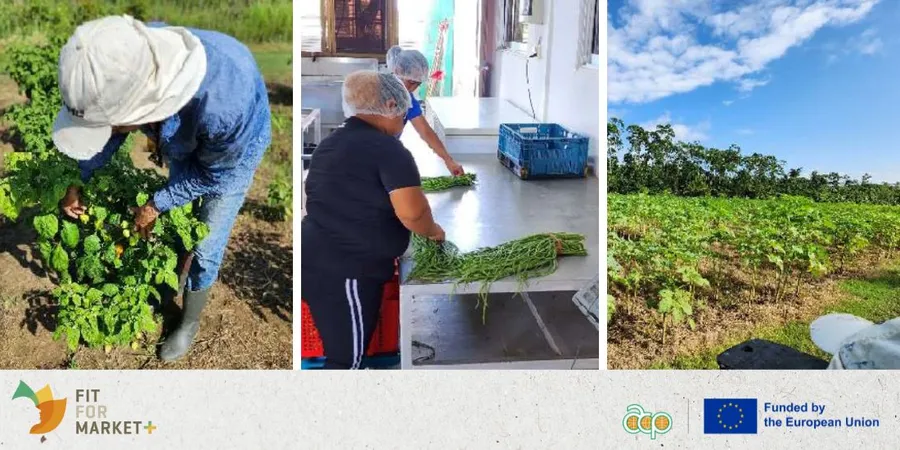
FFM+ supports GOPEX International NV on the path to Suriname’s first GLOBALG.A.P. Certification
GOPEX International NV has successfully completed a critical post-training mission with COLEAD support. GOPEX is a leading agro-industry company in Suriname specialized in the production, processing, and distribution of fresh-cut fruits and vegetables for the local market and export, particularly to the Netherlands. As part of its growth and quality assurance strategy, GOPEX aims to achieve GLOBALG.A.P. certification, a globally recognized standard for good agricultural practices. COLEAD provided technical support through Mr. Rick Ong A Kwie of The Competitiveness Company who conducted a series of on-site visits and reviews from May to July 2024. The support focused on evaluating and enhancing GOPEX's compliance with GLOBALG.A.P. Version 6 requirements. The collaboration has already yielded positive outcomes. According to GOPEX, the guidance received has put them "in the right direction of the GLOBALG.A.P. procedure V6." GOPEX is now finalizing their Global GAP manual and has engaged Control Union for certification quotes.The company is targeting certification by October, 2024, although they recognize the challenges ahead. COLEAD remains committed to supporting GOPEX and similar organizations in their journey toward achieving high standards in agricultural production and food safety, contributing to the sustainable development of the ACP horticultural sector.This activity is supported by the Fit For Market Plus (FFM+) programme, implemented by COLEAD within the Framework of Development Cooperation between the Organisation of African, Caribbean and Pacific States (OACPS) and the European Union. This publication receives financial support from the European Union and the OACPS. The content of this publication is the sole responsibility of COLEAD and can in no way be taken to reflect the views of the European Union or the OACPS.
 News
News
Understanding the impact of trade-related capacity building interventions
This article presents the findings of a pilot study commissioned by COLEAD in the framework of the FFM+ programme to explore the 'spillover effects' of trade-related capacity building interventions over the past two decades aimed at improving the export horticulture value chain in Kenya. Spillovers, understood as unintended impacts of development interventions, have been underexplored in standard project performance matrices. While some work has been done in this area by organizations like the WTO’s Standards and Trade Development Facility (STDF), a systematic understanding and integration of these effects into future programming remains lacking. This pilot study was designed to uncover potential spillovers and lay the groundwork for a more comprehensive study in the future.Since 2001, COLEAD has implemented various programmes to strengthen the agri-food export sector in ACP countries, with a focus on enabling smallholders, farmer groups, and MSMEs to access international and domestic horticultural markets by addressing SPS issues and market requirements sustainably. Despite progress in market access and SPS capabilities, there has been limited understanding of how trade-related SPS capacity building affects domestic practices and institutions, and related development impacts on productivity, health, and livelihoods.The STDF's initiative in 2017-18, which involved Michigan State University, attempted to study indicators of spillovers but faced methodological challenges and a lack of data. Nevertheless, it highlighted the need for practical methods and advice to better integrate spillovers into programme design. COLEAD's participation in the STDF Spillover Working Group led to a recommendation for a detailed country case study, which this report describes, focusing on Kenya due to its extensive activity in the horticulture sector. This study aims to understand the broader impacts of programming, beyond compliance with SPS standards, including impacts on resilience, livelihoods, and power dynamics.The findings are based on fieldwork conducted in Kenya between June and August 2023, including interviews and focus group discussions with stakeholders throughout the horticulture value chain. Over 100 individuals participated in this research.Main conclusions of the spillover studyThe study identified several significant spillover effects with implications for future programming both in Kenya and other regions. A more detailed research process is needed to explore these spillovers further, allowing COLEAD and other agencies to proactively integrate these impacts into future interventions.The overarching goal of international support to Kenya's horticulture sector has been to enable compliance with trade-related standards, thus unlocking export potential. While the primary focus has been on achieving market access, the spillover effects have been substantial. These effects include enhanced professionalism and systematization within companies, improved individual skills leading to new business ventures, and stronger government institutions.One notable positive spillover is the internalization of good practices within companies, moving from mere compliance to an ingrained understanding of the value of these practices. This shift has led to more consistent and professional business operations, reducing rejection rates and improving traceability. Additionally, many individuals trained through COLEAD's programmes have leveraged their skills to establish new businesses or provide services within the supply chain, enhancing overall sector resilience.Government institutions have also benefited, with interventions contributing to policy formation and institutional development, although challenges remain.Negative spillovers were also highlighted, such as the impact of piece rates in packing houses on worker welfare, which were not directly caused by COLEAD's support but highlight the need for greater awareness of potential negative impacts and proactive measures to address them.The creation of an industry capable of adapting and thriving despite challenges, such as static prices and increased competition, demonstrates the broader impact of spillovers. The sector has diversified into other crops and value-added products, applying skills learned from export horticulture to domestic markets as well.Spillover effects extend beyond the horticulture sector, with individuals applying skills such as first aid and food preparation in their personal lives, enhancing self-confidence and improving power dynamics within the supply chain. This has enabled exporters to push back against some unfair practices by customers.The study underscores the need for a more comprehensive examination of spillover effects to develop meaningful metrics and integrate these impacts into future programming. Understanding these spillovers can significantly enhance the planning and effectiveness of future interventions, particularly by demonstrating to younger people that farming can be a viable career option.In conclusion, while spillovers are often unplanned and unmeasured, this study has highlighted their importance in shaping the overall impact of development interventions. A detailed understanding of these effects can help evolve programmes to be more relevant and responsive to changing needs, ensuring that future interventions are both effective and sustainable.For more information, consult the full study here.This activity is supported by the Fit For Market Plus (FFM+) programme, implemented by COLEAD within the Framework of Development Cooperation between the Organisation of African, Caribbean and Pacific States (OACPS) and the European Union. This publication receives financial support from the European Union and the OACPS. The content of this publication is the sole responsibility of COLEAD and can in no way be taken to reflect the views of the European Union or the OACPS.
 News
News
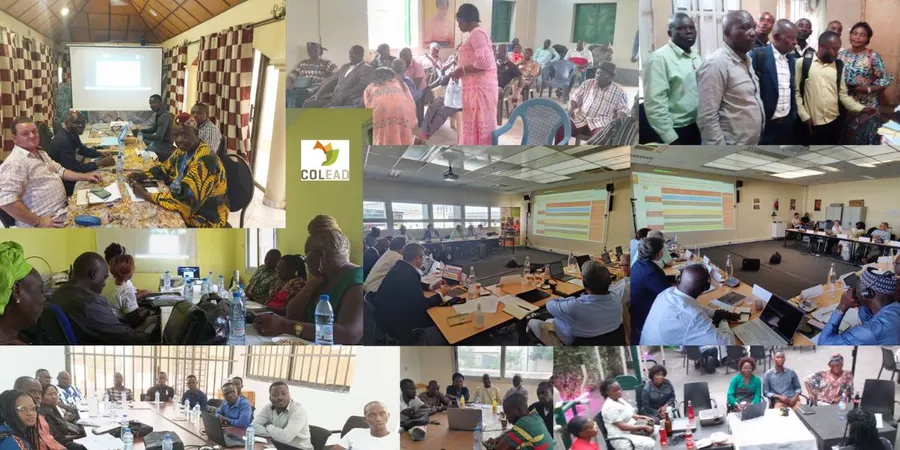
COLEAD 2024 General Meeting
COLEAD's Annual Ordinary General Meeting (OGM) was held on 27 June 2024 in Rungis, with both face-to-face and distance participation, bringing together members from around twenty countries, including Belgium, Benin, Burkina Faso, Burundi, Chad, Cameroon, Ghana, Ethiopia, France, Haiti, Kenya, Madagascar, Mali, Nigeria, the Democratic Republic of Congo, the UK, Rwanda, Senegal, Togo and Zimbabwe. The event was an opportunity to share the latest news from the association over the past year and the strategic directions approved by the Board of Directors. Adaptation and development in the face of global challengesIn a global context characterised by continuing climatic and economic disruption, increasing polarisation of political forces and changing and volatile patterns of behaviour, it was emphasised that COLEAD continues to adapt and evolve. Emphasis was placed on strategic objectives, strengthening the team and membership, expanding partnerships, financial security and effective implementation of programmes in support of sustainable agri-food systems, thereby contributing fully to the achievement of the Sustainable Development Goals (SDGs). COLEAD's projects and programmes now cover more than 180 countries. Africa remains the main geographical focus. Strengthening human resources and technical partnershipsOne of COLEAD's current key strengths is its human resources: a team of 70 staff, 20 in-country relays, an association of 500 members, a board of 14 directors and a network of 1,000 experts. The team continues to be mobilised in COLEAD's three main operational centres in Europe (Brussels-Rungis), East Africa (Kenya) and West Africa (Togo). The ongoing consolidation of technical partnerships, particularly at global level, means that more resources can be mobilised to achieve COLEAD's holistic objectives. Strategic directions for 2024 and beyond Members were reminded that the December 2023 Consultative Committee had highlighted the specific priorities and urgencies that COLEAD needs to respond to. Feedback from members and partners had confirmed COLEAD's mission, while highlighting the need for targeted impact actions. In the future, COLEAD will therefore continue to act as a real-time information tool, a means of dialogue in regulatory decision-making processes, a resource for developing local expertise and large-scale vocational training, and a facilitator of access to funding and partnerships. Working committees and life of the associationSince 2023, four working committees have involved members in the areas of marketing, advocacy, networks and governance. Several committee meetings took place between 2023 and the first half of 2024, with follow-up actions identified and first results achieved. The management of these committees and the country WhatsApp groups, the feedback from the 2024 Members' Round Table, the increasing number of face-to-face national meetings and the accession of 14 new members are all signs that COLEAD is a living association, even if much remains to be done to ensure that its potential is realised, particularly at local level. Time and social networks should be our allies in this. New projects and good newsNew projects and programmes have been confirmed for the first half of 2024, including the Shared Interest Foundation project in Côte d'Ivoire, Rwanda and Uganda, the STDF project in Senegal and the project financed by the Inter-American Development Bank in the Dominican Republic on behalf of the Ministry of Agriculture. A very positive final evaluation of the FFM and FFM SPS programmes was also reported, underlining the quality of COLEAD's skills and services, which remain our best calling card both locally and internationally. In conclusion, COLEAD's OGM was an opportunity to reaffirm the association's commitment to sustainability, innovation and continued support for its members and partners in achieving the SDGs. The next five years look promising, with the confidence of our historic partners, new partners and others in the pipeline, continuity in actions taken and renewed ambition for sustainable and resilient agri-food systems, especially in countries most vulnerable to climate and economic disruption.