
Cultivating
Sustainable Futures
 News
News
Potential MRLs reduction for thiacloprid, a widely used pesticide on fruits and vegetables
Thiacloprid is a neonicotinoid insecticide used on a wide range of horticultural crops to control sucking and chewing insects.The EU’s approval for thiacloprid has not been renewed in 2020 due to concerns about its toxicity and groundwater contamination risks. Consequently, in July 2023, the European Commission proposed setting maximum residue levels (MRLs) for thiacloprid to the limit of determination (LOD) in all products, except where import tolerances or Codex MRLs are considered safe (G/SPS/N/EU/651). However, the European Parliament rejected this proposal and requested all MRLs to be reduced to the LOD, citing concerns about public health and the impact on bees.Subsequently, France took proactive measures by implementing a national regulation prohibiting the placement of fruit and vegetables containing thiacloprid above the LOD of 0.01 mg/kg on the French market. This temporary Regulation remains valid for one year or until a new EU Regulation is adopted.The Commission presented the 8 May a new proposal (G/SPS/N/EU/763) on thiacloprid MRLs in which all MRLs are lowered to the LOD. These new MRLs are expected to enter into application by mid-2025.Until then, current EU MRLs apply except in France, where MRLs for fruit and vegetables are reduced to the LOD from 25 February 2024. The new French MRLs do not apply to fresh fruit and vegetables acquired by the importer or marketer no later than 1 month after the entry into force of the new Regulation. In practice this means that the new MRLs only concern fresh fruit and vegetables acquired after 25 March 2024.Important horticultural products from ACP countries for which new MRLs could have an impact are summarized in table 1. Considering the wide range of applications and the very short grace period, users of thiacloprid on products for the French market are advised to look for alternatives immediately. Should you encounter specific issues regarding this matter, please contact COLEAD at: network@colead.link.Table 1. European Union (EU) proposed maximum residue level (MRL) and France temporary MRLs for thiacloprid on key crops affecting African, Caribbean and Pacific (ACP) horticultureCOLEAD has compiled a dashboard presenting registered products containing thiacloprid and their respective conditions of use in ACP countries. This also outlines the ACP countries where the EU MRL changes for thiacloprid might have repercussions for export. It is based on information extracted from the latest national lists of registered plant protection products made available by 34 ACP countries. COLEAD is making all effort to provide you with relevant and updated information. To confirm if your country is included and the version of the list of registered products considered in this review, please refer to the list here.If your country is not listed, we highly recommend reaching out to your national authorities to check which products might be affected by these changes.What should ACP producers/exporters do now?It is essential that suppliers of fruit and vegetables to the French market are aware of these changes, verify their use of thiacloprid, and take measures to ensure compliance with the new MRLs as soon as possible. In this case, as the level is reduced to the LOD, it might not be possible to meet the new MRLs, and growers will have to look for alternative crop protection solutions. This is essential to avoid interception and destruction of exported produce at the French borders. Producers and exporters should also take measures to ensure compliance with the upcoming EU lowered MRLs.Competent authorities of countries that are members of the WTO can submit comments on the EU’s proposal by emailing the EU SPS Enquiry Point until 7 July 2024.If you have any major concerns about these changes, and fear that you will be left without an effective and locally available alternative, please contact COLEAD at: network@colead.link.For further information on the proposed new rules and their implications, see Maximum residue levels for thiacloprid record developed by AGRINFO programme implemented by COLEAD.ReferencesLewis, K.A., Tzilivakis, J., Warner, D. and Green, A. (2016). An international database for pesticide risk assessments and management. Human and Ecological Risk Assessment: An International Journal, 22(4): 1050-1064. DOI: 10.1080/10807039.2015.1133242République Française (2024). Arrêté du 23 février 2024 portant suspension d'introduction, d'importation et de mise sur le marché à titre gratuit ou onéreux en France de fruits et légumes frais provenant de pays tiers à l'Union européenne ayant fait l'objet d'un traitement avec un produit phytopharmaceutique contenant la substance thiaclopride.European Commission (2023). Draft Commission Regulation [rejected by the European Parliament] as regards maximum residue levels for thiacloprid in or on certain products.European Commission (2024). Draft Commission Regulation as regards maximum residue levels for thiacloprid in or on certain products.This activity is supported by the Fit For Market Plus programme, implemented by COLEAD within the framework of Development cooperation between the Organisation of African, Caribbean and Pacific States (OACPS), and the European Union (EU). This publication has been produced with the financial support of the EU and the OACPS. Its contents are the sole responsibility of COLEAD and can under no circumstances be regarded as reflecting the position of the EU or the OACPS.
 News
News
FOOD SAFETY IN THE DOMINICAN REPUBLIC: LAUNCH OF THE "SIA" PROJECT WITH THE MINISTRY OF AGRICULTURE AND FUNDING FROM THE INTERAMERICAN DEVELOPMENT BANK
In the Dominican Republic, a major player in the agri-food sector in the Caribbean, the Ministry of Agriculture has decided to entrust COLEAD with the new SIA project (SANIDAD E INNOVACION AGROPECUARIA), which aims to make a significant difference to food safety and the competitiveness of the agricultural sector. The SIA project is financed by the Inter-American Development Bank (IDB) over a period of 29 months.Objectives of the SIA projectThe main objective of the SIA project is to strengthen sustainable production capacities, increase food safety and improve access to local and international markets. The specific objectives are as followsImprove agri-food health and safety services by modernising infrastructure and working methods to ensure better compliance with international sanitary and phytosanitary standards.Promoting innovation and technology transfer by introducing advanced technologies and innovative practices to increase productivity and environmental sustainability.Improve the agricultural statistical system by developing a data collection and analysis system for better decision-making and more effective agricultural policies.The project teamThe success of the SIA project is based on an international and multidisciplinary team. Pablo Lopez-Herrerias, a recognised expert with over 20 years of experience in development cooperation, has been appointed by COLEAD as project coordinator. His experience, particularly with COLEAD, in implementing regulatory frameworks and designing projects in the field of SPS will bring considerable added value to this initiative. Pablo will coordinate a team of experts specialised in different fields such as animal health, plant health and sanitary quality. This multidisciplinary team will ensure the holistic and integrated approach needed to address the many facets of the project.Key components of the projectThe SIA project is structured around four main modules, each targeting specific aspects of the Dominican agriculture and livestock sector:Module 1: health reform, including updating regulations and developing a national SPS policy.Module 2: improving SPS systems for better decision making based on scientific and factual data.Module 3: strengthening sanitary and phytosanitary surveillance programmes to maintain the country's phytosanitary status.Module 4: improve health management within the food safety department, focusing on good agricultural practices and certification.Commitment and future impactWith the SIA project, the Dominican Republic is making a firm commitment to agricultural innovation and sustainability. This project is not just a response to current needs, but a proactive vision for a future where food safety, economic competitiveness and environmental sustainability are inextricably linked.
 News
News
AGRIPRENEURS EMPOWERED WITH KEY FINANCIAL KNOWLEDGE
As part of its Fit for Market + programme, COLEAD hosted a high-impact webinar to help break down financial barriers for agripreneurs who are based in francophone sub-Saharan Africa. Held on 17 April, the event, entitled "Démystifier l'accès au financement pour vos projets agricoles et horticoles", focused on clarifying the complexities surrounding financial opportunities for agripreneurs.The 90-minute session attracted over 120 participants from more than 20 countries, demonstrating a strong regional interest in overcoming financial barriers in agriculture. The webinar was divided into a 60-minute presentation and a 30-minute interactive Q&A; session, during which participants engaged with experts on practical and strategic aspects of agricultural finance.Webinar Highlights Clarifying financial concepts: the session began by demystifying what access to finance means for agricultural projects, emphasising realistic expectations. Financing readiness: experts discussed how entrepreneurs can assess their business' readiness for external funding. Sources of finance: the webinar covered common sources of finance, including loans, grants and equity, and their basic eligibility requirements. Application Strategies: provided guidance on navigating the application process for different funding options. Overcoming Challenges: the session addressed typical obstacles agripreneurs face during the funding application process and strategies for overcoming them. Success stories: several case studies were presented, highlighting agribusinesses that have successfully secured growth capital. The high level of registration (300 people registering to access the webinar recording and additional resources), underlines the critical need for knowledge in agribusiness finance. The resources provided include presentation slides, which serve as a valuable tool for those unable to attend the live event. Through the following links, you can access the webinar recording and supporting materials (including the presentation slides – In French)Looking aheadEncouraged by the success and the clear need for further support, COLEAD will organise more webinars and training sessions focused on financial readiness. These sessions aim to equip agripreneurs with the necessary skills to develop bankable proposals and effectively position themselves to secure growth capital. In addition, COLEAD invites participants to register for an upcoming webinar on 18 June, which will explore different platforms that aggregate funding opportunities - a session not to be missed by stakeholders looking to improve their financial navigation skills.While COLEAD does not fund businesses directly, it plays a crucial role in facilitating access to third party investment through its Fit for Market+ programme. This initiative provides tailored advice to horticultural businesses and associations to help them meet specific financial needs and project milestones.Impact on agricultural developmentBy improving access to finance and understanding, COLEAD aims through its programmes to catalyse entrepreneurship and investment in agriculture. These efforts are critical to increasing agricultural productivity, food security and economic opportunities across sub-Saharan Africa, and fostering a sustainable and prosperous agricultural landscape.This activity is supported by the Fit For Market Plus (FFM+) programme, implemented by COLEAD within the Framework of Development Cooperation between the Organisation of African, Caribbean and Pacific States (OACPS) and the European Union. This publication receives financial support from the European Union and the OACPS. The content of this publication is the sole responsibility of COLEAD and can in no way be taken to reflect the views of the European Union or the OACPS.
 News
News
IICA COLEAD NEXT WEBINAR: OPPORTUNITIES IN LOCAL AND REGIONAL MARKETS FOR CARIBBEAN ENTREPRENEURS
IICA COLEAD NEXT WEBINAR : Opportunities in local and regional markets for Caribbean entrepreneursThe Inter-American Institute for Cooperation on Agriculture (IICA) and COLEAD kindly invite you to the 13th Caribbean Agrifood Business session on Opportunities in local and regional markets for Caribbean entrepreneurs .The session will be held online on Thursday 23 May 2024 - 10:00-12:00 AST / 14:00-16:00 UTC. Live interpretation will be available in English, French, Spanish and Portuguese.The agenda will follow soon.To register, simply click on the following button:[maxbutton id="12" url="http://info.colead.link/trk/201931/5216/300265267/5706/6165/c8144797/" text="REGISTER" ]Feel free to forward this invitation to your colleagues and partners who may be interested in attending.This activity is supported by the Fit For Market Plus (FFM+) programme, implemented by COLEAD within the Framework of Development Cooperation between the Organisation of African, Caribbean and Pacific States (OACPS) and the European Union. This publication receives financial support from the European Union and the OACPS. The content of this publication is the sole responsibility of COLEAD and can in no way be taken to reflect the views of the European Union or the OACPS.
 News
News
SHOULD FRESH PRODUCE IMPORTS INTO EUROPE BE BANNED? THE FAIRMILES CONSORTIUM IS BROADENING THE DIALOGUE NEEDED FOR GREATER CLIMATE JUSTICE.
The event, which took place both online and in person in Brussels on Tuesday 30 April, brought together more than 200 representatives from retail, food companies, NGOs and government to explore the following issues:The impact of airfreighted fresh horticultural products from developing countries.Climate justice considerations for companies' net zero strategiesTo ban or not to ban: should we ban airfreighted fresh produce to achieve Net Zero?
 News
News
ZAMBIA : INNOVATIVE COLEAD-GART PARTNERSHIP TO IMPROVE SOIL FERTILITY AND INCREASE THE ECONOMIC VALUE OF CROPS
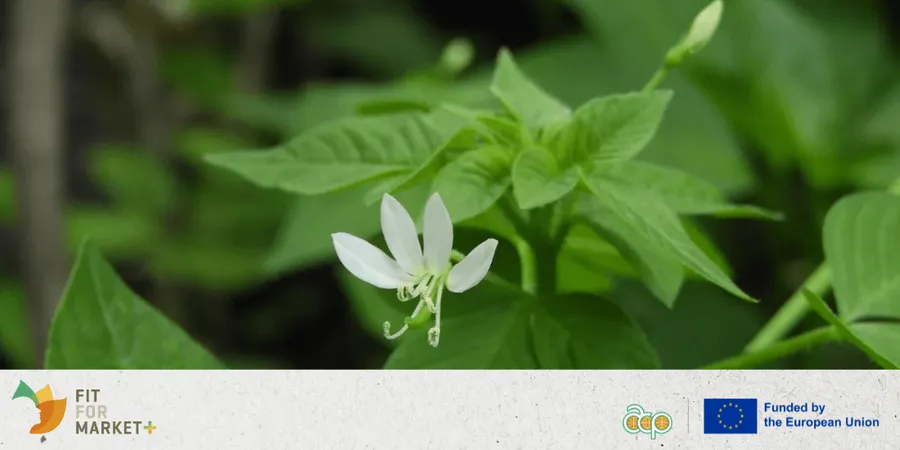
In an exciting new development through the Fit For Market Plus programme, COLEAD has partnered with the Golden Valley Agricultural Research Trust (GART) in Zambia to launch ground-breaking field trials. These trials are designed to evaluate the integration of two underutilised vegetables, Cleome (Cleome gynandra L.) and Amaranthus (Amaranthus spp.), into tomato and cabbage cropping systems. The main objective is to explore sustainable agricultural practices that could potentially reduce pest and disease incidence, improve soil fertility and increase the economic value of crops. Background and rationaleIn Zambia, as across the African continent, indigenous or naturalised vegetables such as amaranthus and cleome are widely consumed but remain under-commercialised. These vegetables, which are often wild or semi-cultivated, have significant nutritional, economic and environmental benefits. By integrating these underutilised vegetables into established horticultural value chains - especially those of high-value crops such as tomatoes and cabbages - there is potential to increase their uptake and overall value to the agricultural sector.Tomatoes and cabbages are among the most widely grown and commercially important crops in Zambia, contributing millions of dollars to the economy. However, these crops face significant challenges from pests and diseases, which can lead to significant production losses. Current practices rely heavily on chemical treatments, which are costly, environmentally damaging and potentially harmful for both farmers and consumers of not applied approprietly. Expected benefitsPreliminary studies suggest that intercropping Cleome and Amaranthus can naturally reduce pest pressure, thereby reducing reliance on chemicals. This approach not only contributes to integrated pest management and increased agrobiodiversity, but also improves soil and fertiliser management. It also provides additional income opportunities and economic diversification for farmers. Moving forwardCOLEAD, through its Research & Innovation Brokerage Department, and GART are setting up these trials in a commercial environment to provide a practical assessment of the benefits of intercropping. The initiative aims to demonstrate the viability of these practices at a local level and encourage their adoption within traditional farming systems, which are often based on continuous monocultures.This partnership exemplifies COLEAD's commitment to sustainable agriculture and economic development in the agrifood sector, and aligns with broader efforts to promote resilience and environmental sustainability in agricultural practices in Zambia and beyond.This activity is supported by the Fit For Market Plus (FFM+) programme, implemented by COLEAD within the Framework of Development Cooperation between the Organisation of African, Caribbean and Pacific States (OACPS) and the European Union. This publication receives financial support from the European Union and the OACPS. The content of this publication is the sole responsibility of COLEAD and can in no way be taken to reflect the views of the European Union or the OACPS.
 News
News
FLASHBACK 2005 : HOW DOES THE PIP (PROGRAMME) TACKLE FOOD SAFETY?
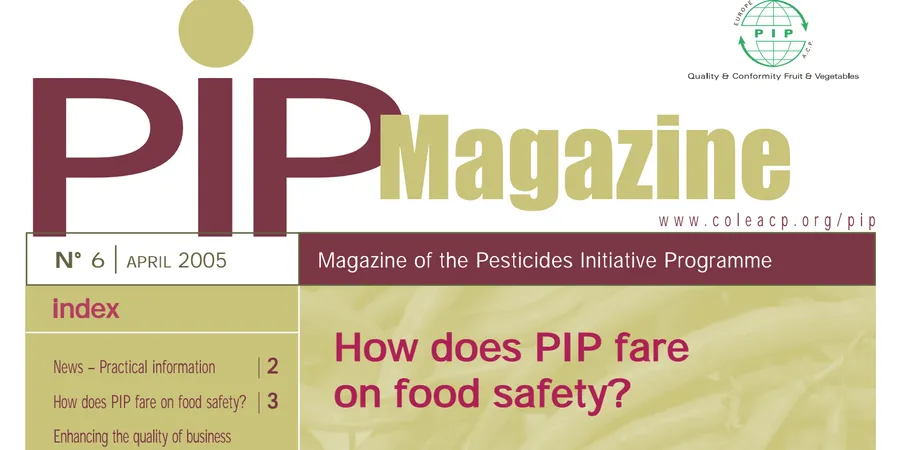
A member of the European Parliament's Agriculture Committee, Robert Sturdy (UK, Conservative) has contributed to the development of rules on the food safety of agricultural products placed on the market in the European Union: "We certainly do not want this legislation to be a barrier to trade," he says. "But I can understand that a farmer in Africa, where regulations and controls are not the same as in Europe, might see it as an insurmountable obstacle. I think farmers be need to be better informed and trained about what we require in in Europe. If farmers know what they have to do, they will do it.This was one of the tasks of the Pesticides Initiative Programme (PIP), launched in 2001 by the European Union at the request of the ACP Group of States. The PIP aims to help stakeholders in the ACP fruit and vegetable production and export sectors in their efforts to meet European requirements for food safety and traceability. By demonstrating that they have mastered the necessary production and export processes, ACP companies will have a chance to access EU markets.PIP's support involves a number of very practical actions: raising awareness and informing ACP producers/exporters of the requirements introduced by European regulations; helping companies to set up effective food safety and traceability systems adapted to specific problems; training different groups, from company executives to small producers and technical managers of intermediary bodies such as Business Membership Organisations (BMOs). The PIP has already signed cooperation agreements with some 105 companies in 21 ACP countries. Behind these export companies are nearly 75,000 small farmers who benefit from the support, advice and training provided by the programme. Step by step, an entire industry is working with the PIP to lay the foundations for fruit and vegetable production that meets the EU's most stringent food safety requirements. It is clear that the effort is not negligible: it requires long-term commitment and considerable investment, both human and material. But this commitment can bear fruit: the success of a number of companies - SEPAM in Senegal or Myner Exports in Kenya illustrate the results that can be achieved, even if not all PIP beneficiaries have yet reached the same level.Strengthening the sector's environmentBeyond individual experiences, the idea is to broaden the scope, says Hélène Fiagan, a market access expert at the General Secretariat of the ACP Group of States: "There needs to be more exchange of information and experience, both between companies in the same country or region and between ACP regions," she explains. To do this, but also to maintain their achievements and move forward, ACP fruit and vegetable companies need quality services and economically viable solutions available at the local level. Depending on the needs identified and expressed by producers, the PIP sets up actions to build the capacity of the local environment in which the sector operates. In other words, the PIP's action aims to improve the quality of the services offered to producers and companies by the various players (BMOs, laboratories, registration bodies, service providers, etc.).The 50 or so agreements already signed in this context include support programmes aimed at improving the skills of local consultants. Thanks to this support, local service providers have become the programme's main relays for training activities in their country or region.Source : PIP Magazine, N° 6 APRIL 2005
 News
News
GUINEA STRENGTHENS PHYTOSANITARY CONTROL TO IMPROVE ACCESS TO AGRI-FOOD MARKETS
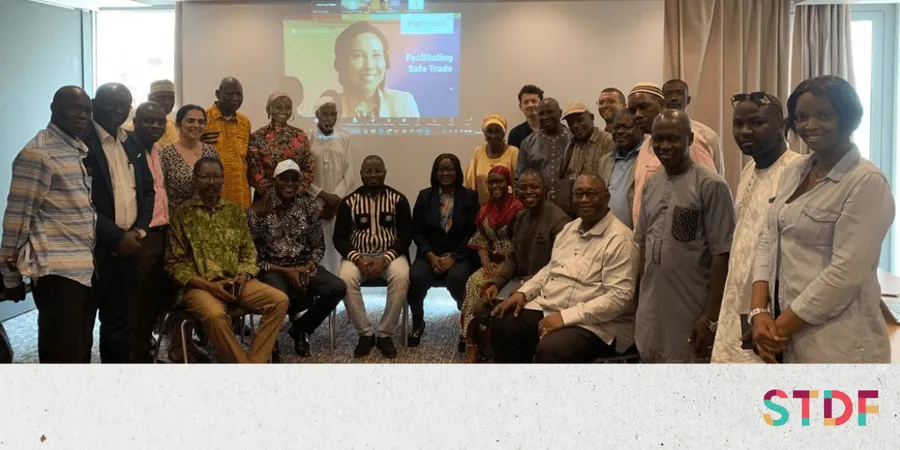
The project "Strengthening the phytosanitary control and certification system in Guinea" launched in 2019 and funded by the Standards and Trade Development Facility (STDF), was the subject of a closing workshop in Conakry on 24 April. It was an opportunity to present and welcome the results and positive impact of the project. In particular, the National Directorate of Plant Protection and Stored Foods (DNPV-DS) has benefited from capacity building in phytosanitary control, which should enable the country to meet the requirements of compliance and competitiveness in international markets.Faced with the growing challenges of climate change and the spread of transboundary pests and diseases, this project came at a crucial time for Guinea, a country with considerable agricultural potential that is prioritising agricultural development in its 2022-2025 Interim Reference Plan. The main objective of the STDF programme was to reduce the risk of Guinean agricultural products being blocked on international markets due to the presence of regulated pests.Main results of the project: Regulatory framework: updating the phytosanitary regulatory framework to bring it into line with international standards. Process improvement: strengthening the technical and operational processes of the DNPV-DS. Capacity building: developing the capacity of public and private actors in the application of phytosanitary controls. Communication and partnerships: improving communication and partnerships between stakeholders, including the private sector and local and international partners. Among its notable achievements, the project has supported phytosanitary surveillance for fruit fly on mangos and mildew on potatoes, developed a guide for good potato production practices, and trained more than 400 stakeholders in the two relevant value chains. These collaborative efforts have made a significant contribution to the effectiveness of Guinea's phytosanitary system, opening up new prospects for the country's agricultural exports to regional and international markets.This project illustrates the continued commitment of Guinea and its international partners to strengthen national phytosanitary capacity in order to promote better access to international and regional markets for Guinean agricultural products.The Standards and Trade Development Facility (STDF) is a global partnership that aims to facilitate safe and secure trade by contributing to sustainable economic growth, poverty reduction and food security. It supports capacity building in food safety, animal health and plant health in developing countries.
 News
News
DISCOVER COLEAD'S NEW SELF-PACED COURSE ON BUSINESS PLANNING IN AGRICULTURE
COLEAD is pleased to introduce through the FFM+ programme a new educational offering: a self-paced course designed to equip agricultural professionals with the skills to produce effective and compelling business plans. This course is specifically tailored to the agricultural sector, with a focus on horticultural businesses, and aims to enhance participants' ability to secure funding, optimise management and stimulate innovation within their organisations.Course outlineThe new course provides a comprehensive introduction to the importance of business plans in the agricultural industry. Participants will learn not only the importance of understanding these plans, but also how to produce a document that is compelling and workable. The course is designed to help learners anticipate risks, ensure organisational harmony and communicate their ambitions both internally and externally.The first courses benefited from online tutoring, which worked very well. There are plans to continue this.Learning ObjectivesAt the end of the course, participants will be able to; Identify the purpose and appropriate timing of a business plan. List the essential elements that make up a sound business plan. Describe the step-by-step process of writing a basic business plan. Explain the unique aspects of business plans tailored to horticultural and agricultural businesses. Course structureThe course is divided into four modules: Business Model - Understanding the framework of your agricultural business. Components and purpose of a business plan - a detailed exploration of the elements that make up a business plan. Writing a Business Plan - Practical guidance on writing your business plan. Optional module for horticultural businesses - specific considerations for applying business planning principles to the horticultural sector. Each module offers the flexibility for learners to progress at their own pace and includes offline access to accommodate different learning environments. Modules are available at any time to suit different schedules and commitments.Assessment and certificationTo reinforce learning, the course includes mini-quizzes at the beginning and end of each module, culminating in a final certification test. A score of 70% or above is required to pass, ensuring that participants have mastered the content to effectively apply their new skills.This course offers a significant opportunity for agricultural professionals to develop essential skills in creating compelling business plans. We encourage all those interested to take this course to maximise their potential for project funding and overall business success.This activity is supported by the Fit For Market Plus (FFM+) programme, implemented by COLEAD within the Framework of Development Cooperation between the Organisation of African, Caribbean and Pacific States (OACPS) and the European Union. This publication receives financial support from the European Union and the OACPS. The content of this publication is the sole responsibility of COLEAD and can in no way be taken to reflect the views of the European Union or the OACPS.
 News
News
SUCCESSFUL ENERGY AUDIT LEADS TO COST SAVINGS AND SUSTAINABILITY FOR GAMBIA HORTICULTURAL ENTERPRISES
Gambia Horticultural Enterprises (GHE), a leading Gambian company specialising in the export of fresh and processed produce to Europe, recently collaborated with COLEAD through the FFM+ programme on a comprehensive energy audit aimed at optimizing energy efficiency and reducing operational costs. As expenses for electricity and fuel for irrigation and processing activities climbed, GHE sought alternative energy solutions and embraced sustainability initiatives.Following the results of the sustainability self-assessment system (SAS, COLEAD facilitated an in-depth energy assessment at GHE's Agro-Food Processing Centre, identifying significant opportunities for efficiency improvements. The audit revealed several Energy Management Opportunities (EMOs), including upgrades to lighting systems, implementation of solar water heating, and the establishment of a corporate energy management policy. Six different EMOs were identified, offering a total annualised savings equivalent to a 36% reduction in energy costs at current prices..The implementation of these recommendations promises not only significant cost savings but also substantial environmental benefits. Expressing satisfaction with the results, a spokesperson from GHE stated, "Thanks for the comprehensive energy audit report. The Kenyan expert met all our expectations, and we are pleased with the support received."This successful audit underscores GHE's commitment to sustainable operations and efficient resource utilisation. With a focus on implementing energy-saving measures, GHE will enhance its competitiveness while reducing its environmental footprint. This is exactly the essence of the first FFM programme launched in 2016 (and now FFM+) : improving the competitiveness by embracing sustainable practices.This activity is supported by the Fit For Market Plus (FFM+) programme, implemented by COLEAD within the Framework of Development Cooperation between the Organisation of African, Caribbean and Pacific States (OACPS) and the European Union. This publication receives financial support from the European Union and the OACPS. The content of this publication is the sole responsibility of COLEAD and can in no way be taken to reflect the views of the European Union or the OACPS.
 News
News
STDF Project: Strengthening Training Capacity in Guinea
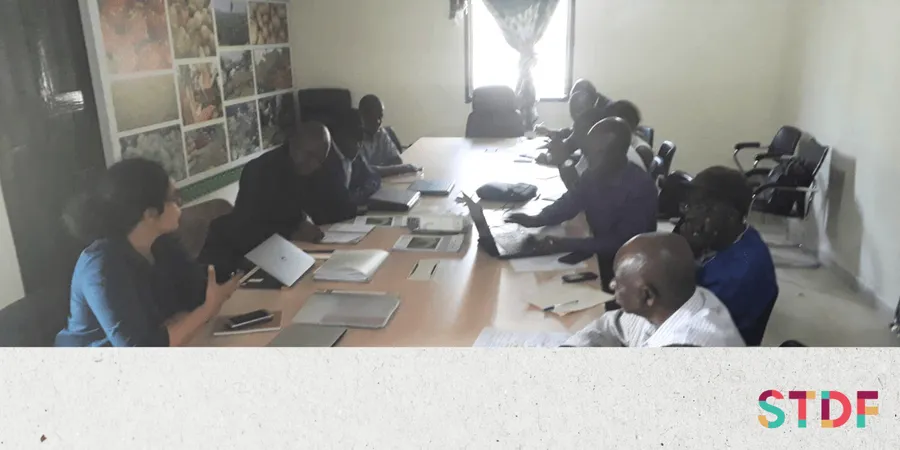
As part of its ongoing commitment to improve phytosanitary safety and competitiveness in the agricultural sector, COLEAD recently led a major initiative in Guinea as part of the STDF project. Last February in Conakry, the COLEAD team facilitated a capacity building programme aimed at equipping the Direction Nationale de la Protection Végétale et du Service de la Sécurité (DNPV-DS) with the necessary tools and strategies for the ongoing training of its staff.As a result of this intervention, an internal training unit (UFI) was created within the NPPO. The programme included intensive coaching of five NPPO managers to prepare them to effectively manage the institution's ongoing training needs. COLEAD's approach stimulated discussion on the importance of continuous learning and helped to formulate job profiles and skills in line with the needs of the organisation.Discussions also focused on the optimal use of resources available through technical platforms such as COLEAD and FAO IPPC, and the identification of key functional roles within the DNPV-DS. A priority training plan was developed, together with model terms of reference for training and recommendations for organisational and operational improvements.Expected results and impact of the training programmeImproved understanding of training needs: a better understanding of the skills and knowledge required has been developed.Internal structuring: with the establishment of the UFI, the DNPV-DS is now better equipped to plan and monitor capacity building initiatives.UFI capacity building: the unit is now equipped to effectively oversee training programmes for staff and stakeholders.This illustrates COLEAD's commitment to strengthening institutional capacity in Guinea and highlights the importance of collaboration and strategic planning for continuous professional development and improved organisational effectiveness within the national phytosanitary system.This action was mainly organised within the framework of the project to strengthen the phytosanitary control and certification system in Guinea, funded by the Standards and Trade Development Facility (STDF) and implemented by COLEAD.
 News
News
New training for trainers on triple concordance skills assessment
As part of the FFM+ programme, the 29th of April marks a significant step forward in training methodology as COLEAD launches a new Training of Trainers programme. This initiative is designed to enhance trainers' skills in assessing learners' actual skill acquisition based on the innovative principles of triple concordance. This approach ensures a robust and comprehensive assessment strategy that is vital for both learners and trainers.