
Cultivating
Sustainable Futures
 News
News
Sustainable mango production in Mali
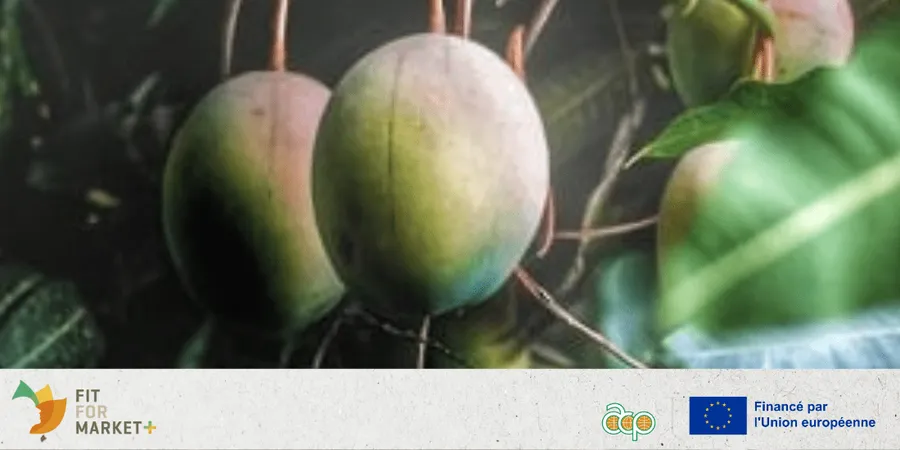
As part of its efforts to increase the competitiveness through the adoption of sustainable practices by Malian companies, COLEAD organised two intensive training sessions on GlobalGAP Integrated Farm Assurance (IFA) version 6 in Bamako, Mali, as part of the Fit For Market Plus programme. These training sessions, organised in response to growing demand from local companies exporting mangoes to the European Union, aimed to bring food safety and sustainable management practices in line with the latest international standards.The introduction of GlobalGAP Integrated Farm Assurance (IFA) version 6 brings significant advances and changes aimed at improving food safety, environmental sustainability and the overall well-being of workers. Specifically, IFA version 6 introduces new sustainability criteria focusing on plastic use, water and waste management, carbon neutrality and deforestation. These criteria reflect a commitment to environmental responsibility and ethical practices. Another significant addition is the requirement for producers to implement a continuous improvement plan. This plan should outline the farm's objectives and targets for reducing chemical use and improving worker health, among other sustainability goals.The first training session took place in January 2024 and was specifically designed for companies that were not yet GLOBAL G.A.P. certified. It brought together 11 companies and focused on the 'modalities and checklists' of version 6 of the standard. Topics covered included GLOBAL G.A.P. Certification Options I and II, the implementation of an Internal Control System (ICS) and a Quality Management System (QMS) for Option II, and the implications in terms of equipment, processes, budget and human resources for individual and QMS audits.The second session, held in February, was aimed at companies already certified to version 5.2 of the GLOBAL G.A.P. standard and wishing to update their quality management system to version 6. This session brought together 7 companies and focused on the specific requirements of version 6, the impact of these new requirements on the existing QMS and the adaptations required to respond to these changes.These training sessions provided participants with the essential tools to successfully implement the GLOBAL G.A.P. version 6 standard within their companies. They also identified the adaptations required to comply with the standards of this latest version, ensuring that participating companies are better able to meet the requirements of their respective markets.Thanks to this training and the introduction of COLEAD's sustainability self-assessment system among companies, Mali is taking an important step towards improving the quality, sustainability and competitiveness of its mango exports and strengthening its position on the international market.This activity is supported by the Fit For Market Plus (FFM+) programme, implemented by COLEAD within the Framework of Development Cooperation between the Organisation of African, Caribbean and Pacific States (OACPS) and the European Union. This publication receives financial support from the European Union and the OACPS. The content of this publication is the sole responsibility of COLEAD and can in no way be taken to reflect the views of the European Union or the OACPS.
 News
News
PFO and COLEAD working together to strengthen the pacific islands agro-processing sector
The Pacific Farmer Organisations (PFO) and COLEAD are pleased to invite you to the second online meeting in the series of roundtables on "Growing Resilience: Strengthening the agro-processing sector in the Pacific Islands" organised by PFO and COLEAD. The Roundtable will be held in English on Wednesday 24 April 2024, 9:00-10:30am Fiji time (UTC+12). We would like to remind participants from outside the Pacific Islands that due to the time difference, the session will be held on Tuesday 23 April, 9:00-10:30pm UTC.More information, including the programme, will follow.Registration.The session will be recorded. The recording of the first session is available online herePlease feel free to forward this invitation to colleagues and partners who may be interested in attending.This activity is supported by the Fit For Market Plus (FFM+) programme, implemented by COLEAD within the Framework of Development Cooperation between the Organisation of African, Caribbean and Pacific States (OACPS) and the European Union. This publication receives financial support from the European Union and the OACPS. The content of this publication is the sole responsibility of COLEAD and can in no way be taken to reflect the views of the European Union or the OACPS.
 News
News
COLEAD national members meetings: Kenya, Ghana and Nigeria lead the way
COLEAD is a network of communities that now covers 180 countries. Its members form the core community of the organisation. There are currently 511 members in 48 countries.The success of the 50th anniversary celebrations at the end of last year, both in the countries where the members are based and in connection with the General Delegation, has been followed up. Members now meet on a country-by-country basis during COLEAD team missions.The first meetings were held in Kenya, Ghana and Nigeria. An opportunity to get to know each other better and to share experiences and concerns. The diversity of the members' profiles, ranging from micro-enterprises to multinationals, enriches the discussions and puts into perspective COLEAD's day-to-day work through programmes such as FFM Plus, NExT Kenya and Agrinfo, as well as its development. The friendly, informal format of these meetings facilitates exchange.These meetings of members by country should also help to strengthen the links that are useful for the professional development of each member and to involve them all, individually and collectively, in the visibility of the association and its relations with stakeholders in the field of action of the association and its programmes.COLEAD is first and foremost an association of members. It is therefore essential that they are fully involved in the construction and direction of their organisation, which is a collective journey in an attempt to make a significant contribution to the vast and complex issues that affect us all. Above all, this is what we propose to them: to get involved through COLEAD in order to contribute to its mission of facilitating and implementing all actions that allow, directly and/or indirectly, to increase the contribution of the agricultural sectors to the achievement of the Sustainable Development Goals (SDGs).
 News
News
Public Consultation Open: Have Your Voice Heard!
COLEAD and the Freshfel Environmental Footprint Initiative invite you to participate in the public consultation for the newly developed shadow Product Environmental Footprint Category Rules (PEFCR) for fruits and vegetables. This initiative aims to standardize a cutting-edge environmental footprint methodology for the fresh produce sector.We're calling on all stakeholders, especially those with expertise in fruits and vegetables, to submit feedback by April 30, 2024. Your insights are crucial to ensuring that the shadow PEFCR truly reflects the needs and challenges of our sector.Consultation documents are available for download on Freshfel's website.Additionally, COLEAD is engaged in the Steering and Technical Committee through its Fit For Market+ programs, advocating for the ACP private sector's interests in developments this methodology that could further be applied to fresh produces imported in Europe.This activity is supported by the Fit For Market Plus (FFM+) programme, implemented by COLEAD within the Framework of Development Cooperation between the Organisation of African, Caribbean and Pacific States (OACPS) and the European Union. This publication receives financial support from the European Union and the OACPS. The content of this publication is the sole responsibility of COLEAD and can in no way be taken to reflect the views of the European Union or the OACPS.
 News
News
2024 International Women’s Day: PAFO and COLEAD celebrate women entrepreneurs
Women are the main drivers of the global food production (UNDP) and about a third of all global established businesses are women owned and managed (GEM). At the same time, women spend around three times more time on unpaid care work than men (ILO) – a work that is estimated to account for more than 40 per cent of GDP in some countries (ILO). Women face many other challenges that prevent them from contributing to the economy or reduce their contribution, such as accessing decent job, capacity building and finance – to name just a few.In spite of these difficulties, women entrepreneurs create and seize opportunities to ensure food security and economic growth, reduce food waste, adapt to climate change, and implement fair, sustainable and innovative business solutions in the agrifood sectors. “Invest in women: Accelerate progress” - this years’ International Women’s Day theme - highlights the financial investments needed to achieve gender equality (USD 360 billion per year) and how such support would boost GDP (20 % per capita) and lead to the creation of about 300 million jobs by 2035.COLEAD and the Pan-African Farmers’ Organization (PAFO) celebrate African women agrifood entrepreneurs and their support to sustainable food systems. The PAFO-COLEAD Innovations Series highlights how diverse, equitable and inclusive women entrepreneurs are across African countries, value chains and markets. During the 17 sessions held, 39 inspiring women business leaders have shared their experiences and best practices, and presented some of their drivers of innovation to a global audience comprised of 1,300 women.Let’s celebrate their achievements and learn from them!
 News
News
Developing colead's training offer for local markets
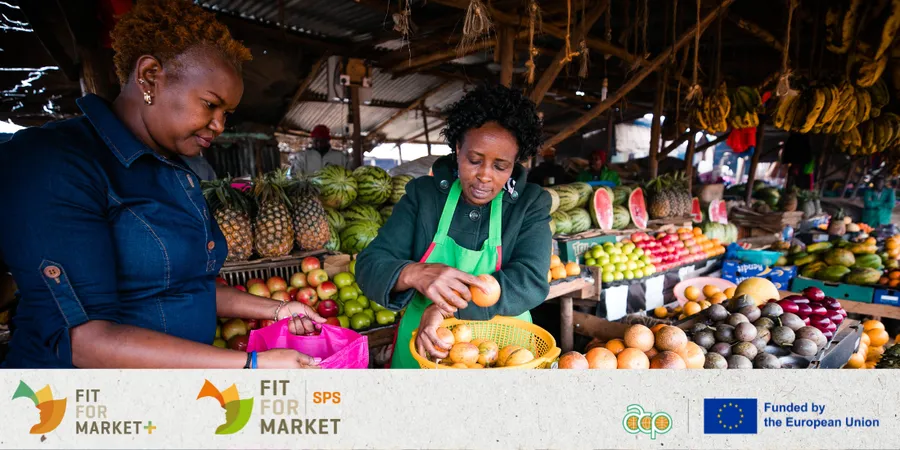
[vc_row][vc_column][/vc_column][vc_column][vc_column_text] In response to an increasing number of requests for support from producers operating mainly in local markets, COLEAD has taken the initiative to adapt its management and market access training. This has involved the development and implementation of a pilot training course based on tools developed by the FAO, in particular the COQUA Level 1 and Level 2 tools. These tools are designed to improve the skills of extension workers and facilitators working with producer groups.The implementation of this first on-site training through the FFM SPS programme, carried out in collaboration with ANCAR THIES for two producer groups, enabled key modules such as "commercial negotiation and the marketing contract" and "monitoring and recording" to be addressed. The session, facilitated by an expert selected by COLEAD and an ANCAR supervisor, received positive feedback, demonstrating the effectiveness of this collaborative approach.Given the importance of supervisors in the learning process, COLEAD has also developed specific training for them. The aim of this initiative is to prepare them to use the COQUA tools for marketing agricultural products, thereby strengthening the marketing department of producer groups. Feedback from the 2022 training sessions for ANCAR (Senegal) and FENACOPAB (Benin) highlighted the need to adapt and integrate the COQUA tools into a structured training context. This led to the development of a training guide for trainers and supervisors to optimise the delivery of training sessions to groups.Following a first version of the guide developed between April and August 2023 through the FFM+ programme, collaboration with a new expert was initiated to refine the content. This approach will lead to the use of the tools during a training of trainers session planned for the beginning of the first half of 2024, focusing on the marketing of agricultural products.This next session will take place in Nairobi from 18 to 23 March 2024 and will aim to prepare and facilitate the training of trainers on the FAO COQUA tool. The focus will be on marketing, with the aim of strengthening trainers' teaching skills so that they can effectively transfer commercial and management skills to smallholder farmers and farmer groups.This activity is supported by the Fit For Market Plus (FFM+) and Fit For Market SPS programmes, implemented by COLEAD within the Framework of Development Cooperation between the Organisation of African, Caribbean and Pacific States (OACPS) and the European Union. This publication receives financial support from the European Union and the OACPS. The content of this publication is the sole responsibility of COLEAD and can in no way be taken to reflect the views of the European Union or the OACPS.[/vc_column_text][/vc_column][/vc_row]
 News
News
Madagascar: a strategic social and environmental plan for companies (rain forest alliance)
In June 2023, several Madagascan companies active in the lychee sector were informed, at their request, about the Rainforest Alliance (RFA) standard. Specifically, the workshop provided an opportunity to introduce the RFA standard, explain its principles, highlight overlaps with other private standards, provide guidance on the certification process, identify available resources and answer participants' questions.Following the workshop, a survey was conducted among the participating companies to (1) confirm their interest in certification, (2) assess their progress in the compliance process, and (3) determine the need for specific assistance. Of the six companies that expressed an interest in support, Gasy Fruits and QualityMad were the first to decide to implement the system with a view to achieving Rainforest Alliance certification. The others plan to continue the process for the 2024 season.Specific support was organised for these first two companies, with the involvement of an expert from Côte d’Ivoire. This initiative also enabled the skills of two Malagasy experts to be strengthened. Each company received individual assistance in developing an action plan to meet the requirements of the standard, including an estimate of the costs of compliance and maintenance of the system in place.The standard requires the implementation of a strategic social and environmental plan based on impact assessments. As the two companies do not yet have such a plan, it is necessary to carry out this study to quantify the impact of their activities and define mitigation measures. This study is about to be launched and should pave the way for possible certification for the next lychee season. Similar support will be offered to other Madagascan companies that have confirmed their interest in the RFA standard in the second half of 2024.At the same time, companies will benefit from the sustainability self-assessment tool developed by COLEAD through its FFM programmes, which will support them prepare for such certification.This example of technical assistance illustrates what COLEAD is doing through a programme like Fit For Market + (FFM+) to support the implementation of sustainable practices.This activity is supported by the Fit For Market Plus (FFM+) programme, implemented by COLEAD within the Framework of Development Cooperation between the Organisation of African, Caribbean and Pacific States (OACPS) and the European Union. This publication receives financial support from the European Union and the OACPS. The content of this publication is the sole responsibility of COLEAD and can in no way be taken to reflect the views of the European Union or the OACPS.
 News
News
Call for experts in Agricultural Research and Innovation Strategy processes
The DeSIRA-LIFT project, “Leveraging the DeSIRA initiative for agri-food systems transformation”, aims to catalyse the European Union’s DeSIRA programme current and future activities supporting the Development of Smart Innovation through Research in Agriculture to enhance its impacts. It was launched in June 2021 with funding from the European Commission (DG INTPA) for a duration of 4 years (June 2021–May 2025).COLEAD is the lead of the second service area (with support from the Natural Resources Institute) working closely with African research organisations and other key stakeholders in research, extension and capacity building, including RUFORUM. RUFORUM – that stands for The Regional Universities Forum for Capacity Building in Agriculture – was established in 2004 with the mission to strengthen the capacities of universities to foster innovations responsive to demands of small-holder farmers through the training of high quality researchers, the output of impact-oriented research and the maintenance of collaborative working relations among researchers, farmers, national agricultural research institutions and governments. In December 2022 membership stands at 163 universities in 40 countries in Africa.The first collaboration of the DeSIRA-LIFT SA2 with RUFORUM will focus on the review of national science, technology, and innovation landscape for translation of university research and innovation into enterprises. DeSIRA-LIFT is looking for an expert in agricultural research and innovation strategies to support RUFORUM with the review that is expected to take place in the period March – June 2024.Call for experts – Expert in Agricultural Research and Innovation Strategy processDetails on the assignment :Download the Terms of ReferenceNumber of days: 60 daysMax fee rate: 700 euro per dayInterested candidates are invited to review the Terms of Reference and submit their application (a cover letter and a CV that highlights relevant experience against the requested profile) to desira.lift@wur.nlDeadline for applications: 10 March 2024
 News
News
Informing, raising awareness and inspiring agripreneurs: a seminar on market access in the Caribbean
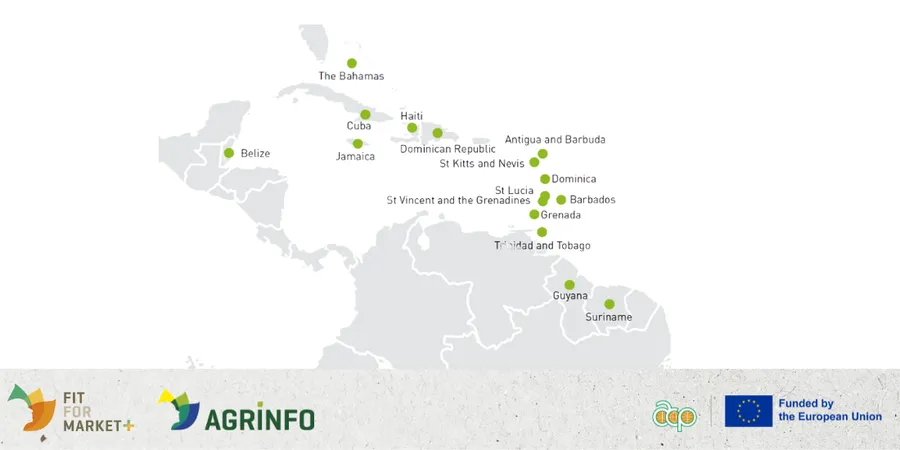
The way in which products are sold and marketed can have a considerable impact on the growth and sustainable development of a business. To penetrate a regional or international market, producers have to compete with producers from all over the world. What's more, when exporting, certain legal and commercial requirements mean higher operating costs. Hence the need to adopt a diversified market strategy based on an understanding and specific positioning on local, regional and international markets.Through its programmes, COLEAD regularly organises information and awareness-raising workshops for small and medium-sized producers and exporters, as well as trade associations, to provide them with (i) practical information on markets and (ii) accessible tools to better grasp trends and opportunities and understand the regulatory, commercial and logistical requirements of these markets.As part of the Fit For Market Plus (FFM+) and AGRINFO programmes, COLEAD and the Georgetown Chamber of Commerce and Industry (Guyana) organised a specific information seminar on market access conditions for exporters of fresh and processed fruit and vegetables on 1 February. Some forty companies and trade associations from the Caribbean region attended the workshop, which looked at international trade in Caribbean agricultural and food products in a global context, and more specifically at the requirements of the EU market. These private sector players are generally active on the local/regional market, but few of them are already exporting to the international market, particularly the EU.
 News
News
COLEAD joins the CABI BioProtection portal as an associate
As part of its mission to promote the development of sustainable agriculture, COLEAD has joined the CABI BioProtection portal. As a not-for-profit organisation, COLEAD works to share knowledge and expertise in the agri-food sector in developing countries, particularly in Africa, the Caribbean and the Pacific regions. This collaboration with CABI underlines a shared commitment to promoting and developing bioprotection on a global scale and to improving sustainable agricultural practices. It is part of a wider collaboration initiated in 2020 between COLEAD and CABI that aims to strengthen food security in African, Caribbean and Pacific (ACP) countries, with a focus on improving sanitary and phytosanitary practices at local, national and regional levels.This partnership with the CABI BioProtection portal aims to increase its visibility among service providers, agricultural advisors and producers forming part of the COLEAD network, encouraging them in particular to explore the biocontrol products and biopesticides available and to access the educational content available in order to encourage the adoption of integrated pest management (IPM) strategies.
 News
News
Shared interest foundation – COLEAD: a new partnership for the benefit of coffee-cocoa cooperatives in Côte d’Ivoire, Uganda, and Rwanda
The Shared Interest Foundation (SIF), a UK-based charity, is partnering with COLEAD in an initiative aimed at enhancing the operational effectiveness and sustainability of cooperatives in Côte d'Ivoire, Uganda, and Rwanda, which are currently receiving finance from their business arm, Shared Interest SocietyThe project will revolve around (i) a baseline diagnostic phase to identify existing gaps and weaknesses in the current governance and financial frameworks of each cooperative, (ii) a training programme on cooperative governance and management, planning, and commercial/financial management (iii) and a general introduction and awareness-raising session on measures to increase resilience to climate change.The partner cooperatives benefiting from this initiative are primarily active in the cocoa and coffee sectors, with some involved in shea and cashew industries.The overall goal of the project is to support the development of cooperatives generating sustainable incomes to improve livelihoods and contribute to poverty reduction, focusing on empowering women and youth. SIF and COLEAD believe that strong, well-managed businesses in the agri-food sector play a decisive role in achieving sustainable development goals, particularly by creating employment opportunities and increasing the incomes of producers and workers, leading to improved livelihoods.The specific aim of the project is to ultimately enhance the resilience and sustainability of 8 cooperatives located in Cote d’Ivoire (3), Uganda (2) and Rwanda (3) by strengthening capacities in commercial and agricultural skills, thus improving the quality and quantity of their products and increasing their resilience to climate change.This initiative marks an important milestone for COLEAD, as it confirms the association's role as an implementing agency for technical assistance, contributing for MSMEs and cooperatives from the agricultural sector to access appropriate financing, complementary to the technical assistance historically provided by COLEAD in terms of market access.Shared Interest was established in 1990 and brings together a community of more than 12,000 people in the UK with the common goal of investing in a fairer world. They work hand in hand with communities where income opportunities may be limited and where businesses face increasing challenges. Shared Interest acts cooperatively, funding fair trade businesses in 45 countries. Most of these organisations support small-scale farmers who produce about a third of the world's food but often struggle to feed their families.
 News
News
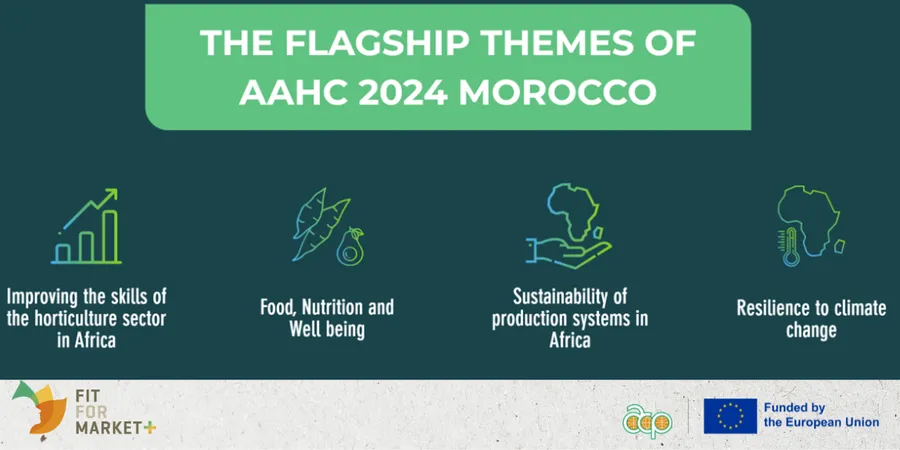
COLEAD is participating to the fifth all Africa horticultural congress 2024
During the week of February 25th to March 1st, the COLEAD Research & Innovation Brokerage department attends the All Africa Horticultural Congress 2024 (AAHC) in Marrakesh in the framework of the FFM + programme. This congress, organised every four years under the International Society for Horticultural Science (ISHS), is a significant scientific event in African horticulture. By participating, COLEAD aims to foster collaboration, knowledge exchange, and innovation to support the resilience and growth of Africa's horticultural sector.During the session on 'Integrated Pest Management for safe horticultural production' COLEAD will present the results of trials on the efficacy of Beauveria Bassiana in controlling fruit flies and False Codling Moth on mango orchards.The COLEAD booth at the exhibition, provides an opportunity to showcase COLEAD's role in promoting research, innovation, and capacity-building initiatives to enhance food security, economic growth, and climate change resilience in the horticultural sector.The All-Africa Horticultural Congress (AAHC) is the most important scientific event organized every four years in the fields of Horticulture in Africa under the auspices of ISHS. Morocco was assigned the organization of the fifth edition of this Congress, and this will be the first time such event will be held in North Africa. The previous four AAHC took place in Kenya in 2009, South Africa in 2012, Nigeria in 2016 and Senegal in 2020, corresponding to East Africa, Southern Africa, Central Africa and West Africa, respectively.This activity is supported by the Fit For Market Plus (FFM+) programme, implemented by COLEAD within the Framework of Development Cooperation between the Organisation of African, Caribbean and Pacific States (OACPS) and the European Union. This publication receives financial support from the European Union and the OACPS. The content of this publication is the sole responsibility of COLEAD and can in no way be taken to reflect the views of the European Union or the OACPS.