
Cultivating
Sustainable Futures
 News
News
Conversion to organic farming through training and coaching
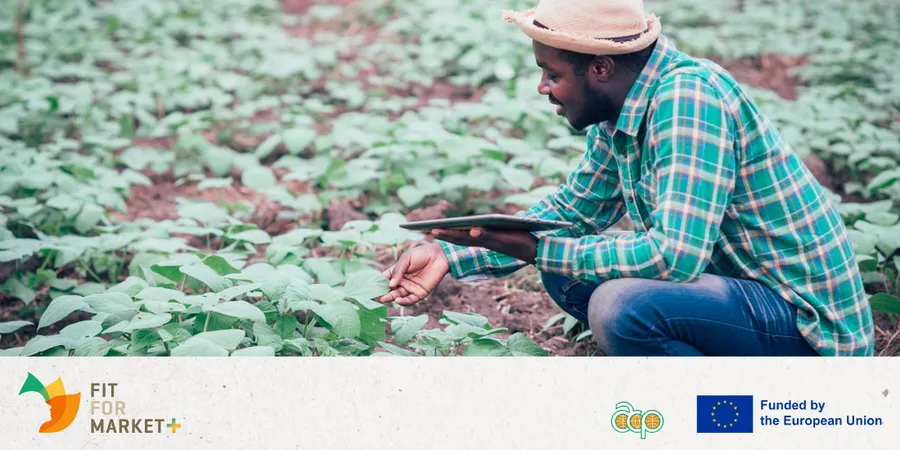
Case studies from Ghana and Zimbabwe Launched in 2022, the Fit For Market Plus (FFM+) programme is committed to assisting the agriculture sectors of African, Caribbean, and Pacific countries in transitioning to more sustainable agricultural and food systems. This aligns with the action priorities outlined in the EU Green Deal's Farm to Fork strategy. To date, we have responded to 870 applications for support under the FFM+ programme and implemented of the first development projects is well underway, through a combination of collective training and individual coaching sessions. The post-training support is crucial as it allows partner beneficiaries to tailor what they've learned to their unique professional contexts. In the second half of 2023, COLEAD conducted 70 collective training courses, with an additional 100 foreseen during the first semester of 2024. These courses (see training catalogue here) cover eight key themes in sustainable agriculture.Post-training support was organised for MSMEs in Ghana and Zimbabwe following their participation in the collective distance learning course on "organic farming". A COLEAD expert was brought in to evaluate how their shift to organic farming intertwined with the revision of their respective action plans.In Zimbabwe, the tailor-made support was specifically directed at the sweet potato value chain, examining how to certify products from farmer groups across various regions. The expert analised the complex supply model and identified additional challenges in adhering to the new EU organic farming regulation. This analysis offered the company a more pragmatic timeline and aided in making more informed decisions regarding the time and investment required to enter the European market with organic sweet potatoes.In Ghana, support was made available to companies involved in producing and processing citrus fruits and fresh vegetables. For a business already certified organic but looking to establish group organic certification, the focus is on advisory support in developing an internal control system and managing certification from the production stage to the final processed product. For a company seeking to certify its own operations, the post-training support centers on clarifying the significant operational and financial implications of transitioning to organic production, as well as identifying further capacity-building needs. This comprehensive post-training support facilitates a more informed decision-making process regarding the feasibility and profitability of entering the organic export market.This activity is supported by the Fit For Market Plus (FFM+) programme, implemented by COLEAD within the Framework of Development Cooperation between the Organisation of African, Caribbean and Pacific States (OACPS) and the European Union. This publication receives financial support from the European Union and the OACPS. The content of this publication is the sole responsibility of COLEAD and can in no way be taken to reflect the views of the European Union or the OACPS.
 News
News
Launch of the Europe-Africa consortium on research and innovation for the transformation of food systems (CEA FIRST)
A multi-stakeholder platform in Africa and Europe, aiming to innovate, inform, and improve practices, supporting the transition to more sustainable and resilient food systems.CEA-FIRST began on 1 December 2023 and will run for 3 years. The project brings together 22 partners from Europe and Africa covering a wide range of expertise and stakeholders (research, NGOs, donors, extension workers, etc.) involved in the field of food and nutritional security and sustainable agriculture. CEA-FIRST will be launched in Accra (Ghana) from 12 to 15 February, bringing together partners from the European Union and the African Union. As a part of the broader International Research Consortium (IRC) initiative, CEA-FIRST represents a true bi-continental Africa-Europe platform. It aims to eventually bring together private and public institutions (such as financial partners, research centers, and companies) and civil society members who contribute to research in food security and sustainable agriculture. In the context of an essential transition in agri-food systems, compounded by the challenges of climate change and demographic shifts, the IRC is positioning itself as a vital tool for fostering an equitable and sustainable research and innovation partnership between Africa and Europe. This partnership focuses on bolstering agriculture as a key driver of economic development. CEA FIRST is funded by the European Union as part of the Green Deal's "From Farm to Fork" strategy (Horizon Europe budget envelope). Its main objectives are as follows: Providing public access to an extensive platform of knowledge in food and nutrition security and sustainable agriculture. Developing a robust methodology for analyzing Research and Innovation (R&I) activities and priorities. Supporting the update of the AU-EU R&I partnership roadmap. Establishing operational and thematic research working groups. Facilitating connections between the IRC and the AU-EU high-level political dialogue. COLEAD leads the CEA-FIRST working group which focuses on fostering linkages and multi-stakeholder engagement in programmes and initiatives related to food and nutrition security and sustainable agriculture. Concurrently, COLEAD will co-lead efforts to strengthen the link between research, innovation, and their practical application. Additional planned activities for the association include contributing to dissemination and communication strategies, managing and coordinating the project, and participating in working groups that involve funders of the overall AU-EU roadmap. COLEAD's comprehensive involvement in this significant project underscores its dedication to contributing to the success of such initiatives. These form a crucial part of the EU's "Global Gateway" strategic vision, which aims to establish sustainable and reliable connections serving citizens and the planet. This vision addresses pressing global challenges, from combating climate change to enhancing the competitiveness and security of global supply chains, particularly in Africa.
 News
News
The DESIRA initiative
Brindging research and policy for agri-food systems The DeSIRA initiative aims to bring the world of research closer to the formulation of policies in favour of resilient, sustainable and equitable agri-food systems in southern countries. DeSIRA-LIFT provides services to DeSIRA partners and projects in three areas: Agricultural innovation systems and development evaluation approaches. Support for African organisations involved in agricultural development research (CORAF, ASARECA, CCARDESA and FARA), extension (AFAAS), higher education (RUFORUM) and capitalising on experience in innovation (TAP and GFAR). Knowledge and evidence to inform policy dialogue and action planning on agri-food systems in developing countries. Within this initiative, COLEAD has been mandated to lead the second area (in collaboration with the NRI - Natural Resources Institute). It is also expected to work closely with African research organisations, the Global Forum on Agricultural Research and Innovation (GFAR) and the Tropical Agriculture Platform (TAP). TAP was launched in 2012 as a G20 initiative, to promote agricultural innovation in tropical regions Supported by the European Union and led by the FAO, TAP acts as a multilateral mechanism to facilitate greater coherence and impact of capacity development interventions in agricultural innovation systems. Since its inception, TAP has formed a coalition of over 40 partners, including national agricultural research, education and extension institutions, as well as civil society actors, farmers' organisations and key regional and international forums, networks and agencies. DeSIRA-LIFT's first collaboration with TAP took place during the 10th Annual Meeting of TAP Partners on 21-23 November 2023 in Addis Ababa, Ethiopia). The three days were devoted to exchanging knowledge and learning about the role of TAP in addressing the challenges of agrifood systems in low- and middle-income countries. DeSIRA-LIFT's contribution focused on two areas of interest: (i) approaches to agricultural research and innovation across continents, and (ii) women-led innovations in the seed sector in West Africa. A specific session brought together (remotely) regional research, extension and education organisations (RREEOs) from different regions of the world - IICA/ FORAGRO, APAARI and FARA - to discuss the balance needed between capacity building at organisational and individual levels, and improving the adaptability and influence of regional organisations in policy processes. (Summary of presentations available here). Another hybrid session focused on gender-sensitive mechanisms or incentives for local private sector engagement in capacity building of seed systems in Africa. Panellists representing RREEOs (CORAF/WECARD, FARA) and private sector operators in the seed industry (FASO KABA based in Mali and AMBALOSSO based in Burkina Faso) discussed in particular the need to strengthen a women-led seed industry network at regional and national level. All the subjects covered here are priorities because they are linked to the needed transformation of food systems. Such alliances and exchanges, to which COLEAD is committed along with all its partners and TAP in particular, can only contribute to the ongoing sharing of experience and lessons learned in the field of agricultural innovation. This sharing is vital to strengthen the global, physical and digital connections needed to develop and implement collective responses to global challenges. DeSIRA-LIFT (June 2021 - May 2025) is the result of close collaboration between Agrinatura (European Alliance on Agricultural Knowledge for Development), the European Forum on Agricultural Research for Development (EFARD) and the European Commission's Directorate-General for International Partnerships (DG INTPA).
 News
News
Beyond 2025: COLEAD's long-standing partners support the organisation in its mission to contribute to SDGs
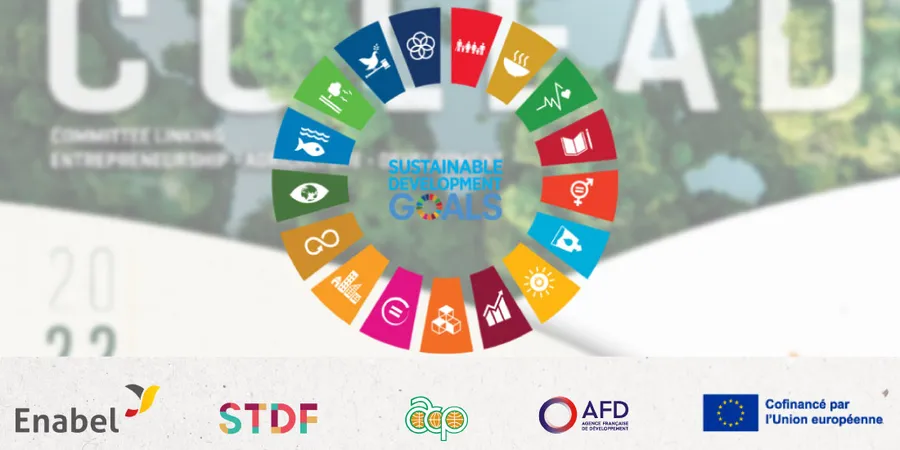
In line with the EU "Global Gateway" and "Farm to Fork" strategiesIn a world characterised by growing political and economic challenges, exacerbated by climate crises and international conflicts, COLEAD's 2023 Consultative Committee provided an important platform to address pressing issues related to the agendas of different stakeholders and the development of agriculture, a sector that is crucial to achieving the Sustainable Development Goals (SDGs). The importance of the agri-food sector The agri-food sector plays a central role in developing countries. It drives economic growth, reduces poverty, strengthens food security, and provides employment, especially for women and young people. Recognising its importance, COLEAD and its partners are committed to continuing to support the sector to improve the social, economic, and environmental sustainability of EU partner countries. COLEAD strengthened in its mission and encouraged to evolve. The Committee's discussions highlighted common concerns and possible solutions to current challenges. Participants stressed the need to overcome obstacles and seize market opportunities, particularly at local and regional level. COLEAD was encouraged to continue its mission with a multi-faceted approach, including training, technical assistance, advocacy, facilitating communication with relevant authorities, accessing appropriate funding, and contributing to the creation of opportunities for young people. Partners also stressed the importance of communicating successes, strengthening links with other development programmes, making small entrepreneurs' projects more bankable, and integrating priority issues such as climate, biodiversity, and gender.The discussions revealed a consensus on the need for COLEAD to evolve both geographically and technically, adapting to the changing needs of its partners. Prioritisation of actions, taking into account the policy environment and value chains with high socio-economic and environmental impacts, was considered essential. A vision for the future The discussions of the 2023 Consultative Committee resulted in a clear vision for the future: a dynamic and responsive COLEAD, able to adapt to changing challenges and play a crucial role in transforming food systems towards greater sustainability. By networking and inspiring through success stories, COLEAD is encouraged to intensify its role in implementing reliable links and connections between public and private actors committed to improving the sustainability of global agricultural supply chains, especially in regions where populations are most vulnerable. This vision is fully in line with the European Union's Global Gateway and its Farm to Fork strategy, which aims to make food systems fair, healthy, and environmentally sound.
 News
News
Fairmiles.org: partnerships for climate justice
Responding to COP28's call for a "just transition", the Fairmiles consortium explores an equitable approach to achieving "Net Zero". Climate change is real and requires an urgent, radical response if we are to adapt to the significant threat it poses to our planet. However, as pressure mounts on companies to act, there is a growing risk that corporate 'net zero' strategies - which aim to reduce emissions by cutting imports or airfreight of food - may negatively impact less economically developed countries. This is particularly true in Africa, to the detriment of the livelihoods of rural communities.Millions of families in Africa see their livelihoods threatened by calls for a ban on flying fresh produce to UK and European supermarkets. In addition, air cargo enables communities to thrive in global supply chains, encouraging inward investment and inclusive economic development with very high economic multipliers.Historically, African imports, particularly by air from the EU, have far exceeded exports. Fresh produce is partly transported by planes carrying European travellers. In addition, Africa represents 18% of the world's population but only 3% of global emissions.COP28 is committed to a 'just transition'. The Fairmiles coalition wants to explore how we can achieve a fair approach to 'net zero' without denying vital market access to producers in developing countries.The coalition's goal is to develop a fair and equitable strategy, consistent with climate justice principles, to decarbonise the air transport of fresh produce. This approach will enable the industry to make progress towards the 'net zero' goal, while mitigating unforeseen impacts such as the potential loss of livelihoods in developing communities. Overall, 'climate justice' embodies the principle that efforts to address the climate emergency must simultaneously address its social and economic impacts, particularly in terms of equity, equality and human rights.Fairmiles works with key stakeholders in retail, government and civil society. This collaboration aims to highlight the importance of maintaining vital trade links with developing countries and to recommend ways to reduce emissions without marginalising vulnerable communities.The expected outcomes of this new international initiative include:Conduct research on the impact of products transported by air.Raise awareness of the issue among key stakeholders and the general public.Agree guidelines for Fairmiles Net Zero best practice for the industry.Translate our shared ambition into an action plan with quantifiable targets.Fairmiles was launched in partnership with Beanstalk.Global, Blue Skies, COLEAD, the University of Exeter, the University of Northampton and the Overseas Development Institute (ODI). The initiative is supported by a consortium of over 15 organisations representing African fresh produce companies, academia and the development sector (source: fairmiles.org).COLEAD's new commitment to a multi-stakeholder partnership underlines the need for, and value of, strong and lasting relationships. These connections, based on human, geographical and economic ties - especially between Europe and Africa - are essential to working towards a fairer world in line with the Sustainable Development Goals.Mrs. Morag Webb, COLEAD Head of Science and Policy and Mrs. Leena Malde, WEALMOOR Ltd. General Manager and COLEAD vice President, participated in a roundtable organised by the Fairmiles consortium last December, hosted by the University of Exeter, to discuss how we can take a fair approach to Net Zero that allows us to decarbonise fresh produce without stopping vital market access for developing world producers. Morag presented some reflections from across the industry, reminding specifically African farmers, despite being the least responsible for climate change, disproportionately bear the brunt of its consequences.Please click here to view the recording of the session. This activity is supported by the Fit For Market Plus (FFM+) programme, implemented by COLEAD within the Framework of Development Cooperation between the Organisation of African, Caribbean and Pacific States (OACPS) and the European Union. This publication receives financial support from the European Union and the OACPS. The content of this publication is the sole responsibility of COLEAD and can in no way be taken to reflect the views of the European Union or the OACPS.
 News
News
Access to the European market: see you at FRUIT LOGISTICA and BIOFACH 2024!
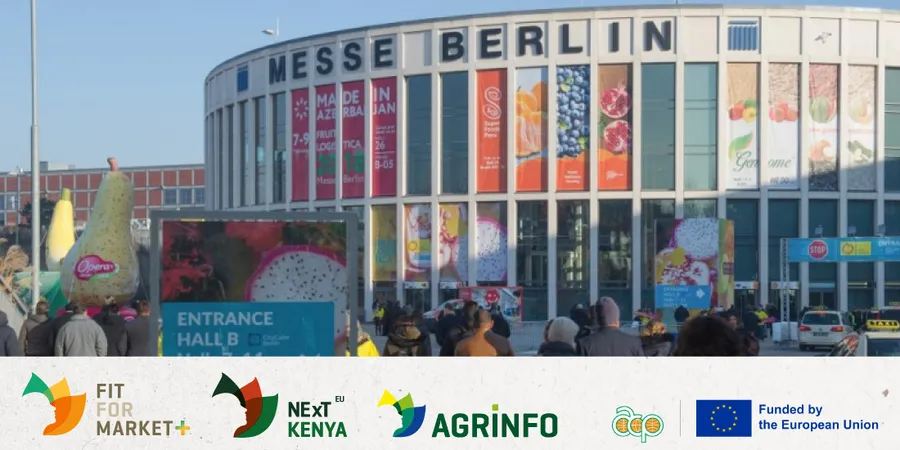
Building and consolidating reliable and lasting links with the market. COLEAD will be exhibiting at the forthcoming Fruit Logistica trade fair in Berlin from 7 to 9 February, with three programme stands:Fit for Market+ (FFM+): Hall 26 C-92NExT Kenya: Hall 26 C-90AGRINFO: Hall 25 A-03Existing and potential beneficiary partners of each programme are particularly welcome to meet the COLEAD team. This will also be an opportunity to share the latest news from the association and its partners, as well as facilitating exchanges about the European market and contacts with buyers attending the show.Are you a visitor or exhibitor at Fruit Logistica 2024 and would like to make an appointment now? Please send your request for an appointment with COLEAD by clicking here.One week later, COLEAD will also be exhibiting at BIOFACH 2024, the world's leading organic food trade fair, which will be held in Nuremberg from 13 to 16 February. The COLEAD stand and its partners will be in the Africa pavilion, Hall 3A-320.Are you a visitor or exhibitor at Biofach 2024 and would you like to make an appointment with COLEAD? Please send your request for an appointment with COLEAD by clicking here.Please note that COLEAD is co-organising two conferences at Biofach:Organic production in the South from 2025 - the impact of the new EU regulation (co-organised with FiBL)Date and time: Thursday 15 February 2024, 12:00 - 13:00Venue: CCN Ost | Level 2 | St. Petersburg RoomSpeakers: Morag Webb, Head of Policy and Science at COLEAD and Florentine Mainshausen (FiBL)The new EU trade regime for organic products - impact on EU businesses (co-organised with FiBL & OPTA Europe)Date and time: Thursday 15 February 2024, 1.30pm - 2.30pmVenue: NCC Ost | Level 2 | St. Petersburg RoomSpeakers: Manuel Hutten (EOSTA), Toralf Richter (FiBL)These activities are supported by the Fit For Market Plus (FFM+), NExT Kenya (New Export Trade) and AGRINFO programmes. The Fit For Market+ programme is implemented by COLEAD as part of the development cooperation between the Organisation of African, Caribbean and Pacific States (OACPS) and the European Union. The NExT Kenya programme is implemented by COLEAD, funded by the European Union and established in collaboration with the EU Delegation in Nairobi and Kenyan stakeholders. The AGRINFO programme is implemented by COLEAD and funded by the European Union (EU). This communication has been produced with the financial support of the EU and OACPS. The contents are the sole responsibility of COLEAD and can in no way be taken to reflect the views of the EU.
 News
News
Quality Control Training of Seed Potatoes as part of the STDF Guinea Project
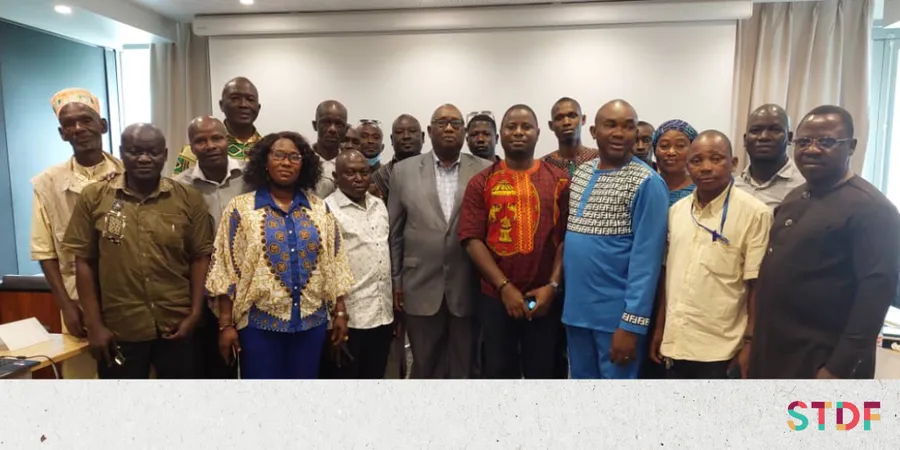
The STDF Guinea project recently held a two-day collective training in Conakry, from 6 to 7 December 2023, focused on "quality control of imported seeds, with a focus on potato seeds."The training aimed to enhance the skills and capacities of phytosanitary inspectors responsible for executing controls at various border posts in Guinea, as well as control post leaders and officials from the Directorate of Plant Protection and Stored Products (DNPV-DS). In total, 20 agents from the DNPVS were trained.The programme covered the inspection of potato seeds imported into Guinea, addressing the understanding of the issues, requirements, and implications of phytosanitary regulations and official control in the Republic of Guinea. Practical aspects of conducting controls, based on the risk profile of potato seeds and seed importers, as well as the identification of non-quarantine regulated organisms (ORNQ) of potato seeds, were also covered.Inspectors engaged in collaborative activities and hands-on exercises to gain practical skills, encompassing tasks like detailing some ORNQ of potato seeds, simulating inspections, and completing documents such as inspection reports, certificates of conformity, destruction, and seizure, along with maintaining notification registers.The skills gained during the training will contribute to strengthening the control of the quality of imported seeds, ensuring the quality of plant material, and enhancing the fight against late blight and other important potato diseases.This action was organized as part of the project to strengthen the phytosanitary control and certification system in Guinea, financed by the Standards and Trade Development Facility (STDF) and implemented by COLEAD.
 News
News
FROM COP 28 TO ON-THE-GROUND REALITY: COLEAD WILL CONTINUE TO BUILD BRIDGES FOR MORE SUSTAINABILITY AND CLIMATE JUSTICE
Acknowledging the profound effects of climate change on agriculture and food systems, particularly on the most vulnerable communities, and recognizing the pivotal role it plays both as a significant contributor to climate change and as a potential solution, COP28 has, for the first time, designated a specific day to focus on the issues of food and agriculture. Please click here to read the COP28 UAE Declaration on sustainable agriculture, resilient food systems, and climate action. Today’s food systems account for nearly one-third of global GHG emissions. And three-quarters of these emissions are generated either within the farm gate or in pre- and post-production activities, such as manufacturing, transport, processing and waste disposal. The remainder is generated through land-use change at the conversion boundaries of natural ecosystems to agricultural land1. At the same time, we all acknowledge that the agri-food sector is crucial for many developing countries and a source of local and international opportunities. It supports economic growth, reduces poverty, contributes to strengthening food security, and provides jobs and income, particularly for women and young people. That's why COLEAD and its partners support the agricultural sector, and horticulture in particular, towards overall improved sustainability on the social, economic and environmental fronts. Specific support to climate change adaptation and mitigation is embedded within COLEAD’s overall vision and approach on ‘Sustainable Agriculture’. In summary, COLEAD stresses that what is recognised to be sustainable in one context, may not be sustainable in another, where agroecological and socio-economic factors are very different. A one size fits all solution does not exist. In practice, this means COLEAD supports the transition to more sustainable agrifood systems by facilitating and promoting good practices that are recognised elements of agroecological systems, but which are tailored to the local context, orientated by the continual evaluation of performance metrics, and positioned within global market trends and requirements. Concrete examples of support: timing and proportionality are crucial Technical support provided as part of programmes such as FFM+ (funded by EU and OACPS) or NeXT Kenya (funded by EU) implemented by COLEAD contributes to climate change mitigation and/or adaptation through concrete actions in the field with agrifood MSMEs and farmers: enhancing water management to reduce methane emissions, improving straw and residue management to maintain soil fertility and carbon storage, optimizing fertilizer placement to minimize emissions, adopting new pest management practices, using drought-tolerant crop varieties, implementing low- or no-tillage farming, intercropping for soil health, promoting crop rotations and cover cropping, utilizing soil testing for targeted fertilizer application, spatially differentiating nitrogen supply, incorporating soil amendments, transitioning to climate-suited crops, adopting rainwater harvesting and efficient irrigation, scaling solar-powered irrigation, electrifying on-farm machinery and equipment, promoting agroforestry, improving loss management of produce, introducing mechanization to reduce food loss, and utilizing renewable materials and energy sources to minimize emissions associated with various agricultural practices. The list of activities is long, and reflects the potential for more widespread adoption of sustainable agricultural practices. While we all recognise that we must do more, faster and on a larger scale, ensuring the appropriate timing and proportionality of measures undertaken in the fields to bring tangible socio-economic benefits to farmers and entrepreneurs is crucial, especially in the context of developing countries. Successful practices and innovations also need to be more systematically identified and communicated to inspire and embrace a path for continuous improvement towards sustainability. Partnerships with PAFO, IICA and the OECD contribute directly to reach this goal by showcasing success stories led by MSMEs and to disseminate key innovations and successful practices. Vulnerable populations including farmers, are the most severely affected by extreme weather events induced by climate change Signatory countries to the COP28 UAE declaration on sustainable agriculture, resilient food systems, and climate action, reaffirmed their respective commitments, collective and individual, to the 2030 Agenda for Sustainable Development, the UN Framework Convention on Climate Change and the Paris Agreement, the UN Convention on Biological Diversity and the Kunming-Montreal Global Biodiversity Framework, the UN Convention to Combat Desertification, and the Sharm El Sheikh Joint Work on implementation of climate action in agriculture and food security; as well as noting the UN Food Systems Summit. In line with these commitments, COLEAD advocates for more policy coherence for development. As a recent example, Mrs. Morag Webb, COLEAD Head of Science and Policy, participated in a roundtable organised by the Fairmiles consortium, hosted by the University of Exeter, to discuss how we can take a fair approach to Net Zero that allows us to decarbonise fresh produce without stopping vital market access for developing world producers. Please click here to view the recording of the session. 1 Tubiello, F. N. et al. Greenhouse gas emissions from food systems: building the evidence base. Environmental Research Letters 16, 065007 (2021).
 News
News
MRLs reduced for two pesticides widely used on fruits and vegetables (oxamyl and indoxacarb)
There are upcoming reductions to maximum residue levels (MRLs) for two pesticides widely used on fruit and vegetables. Although the official regulations outlining these MRL changes have not yet been published, their final drafts have already received approval through a positive vote during the Standing Committee of 18 - 19 September 2023. Consequently, the publication of these revised regulations is expected to follow in the near future. Oxamyl Oxamyl is an insecticide used mainly on vegetables. Following the non-renewal of the approval of oxamyl in the European Union (EU) due to concerns on risks for the consumers, the EU is reducing its MRLs on all products to levels of determination (LOD) of between 0.001 and 0.005 mg/kg. These values are lower than the standard default LOD of 0.01 mg/kg to provide the increased levels of consumer protection considered necessary by the European Food Safety Authority (EFSA).Links to the draft regulation and annexes concerning indoxacarb MRLs changes for oxamyl can be found on the standing committee page on oxamyl.The new MRLs will apply from approximately March 2024 – the precise date will be known once the Regulation is published.These changes may particularly affect exports of aubergine, melon and watermelon which currently have MRLs above the LOD. Other important horticultural products from ACP countries for which new MRLs could have an impact are summarized in . Considering the wide range of applications and the very short grace period, users of oxamyl are advised to start looking for alternatives as soon as possible. Should you encountered specific issues regarding this matter, please contact COLEAD at: network@colead.link.The lower MRLs will also have implications for laboratories conducting pesticide residue analyses. Non-EU authorities can seek advice from EU Reference Laboratories on how to achieve these lower levels in residue analysis (for more information see AGRINFO: Maximum residue levels for oxamyl).Table 1. European Union (EU) maximum residue level (MRL) changes for OXAMYL on key crops affecting African, Caribbean and Pacific (ACP) horticulture planned for early 2024
 News
News
COLEAD Consultative Committee 2023: The Association stands at a crossroads
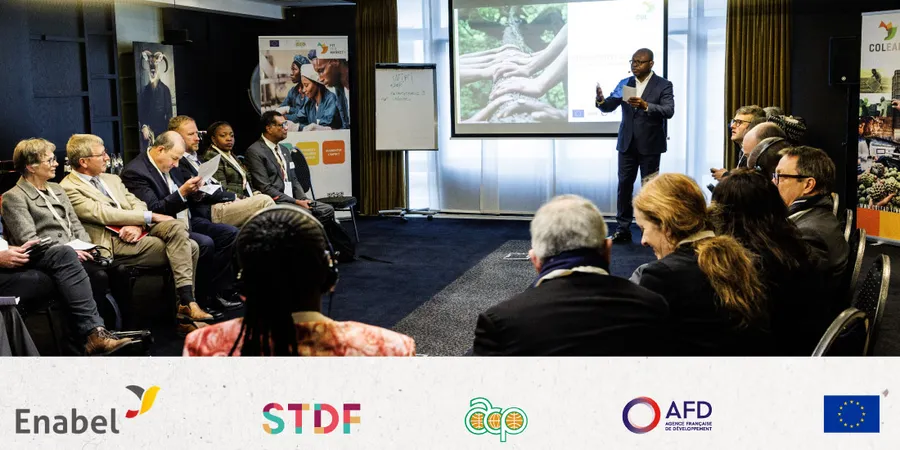
On December 1st, a year after the 2022 Consultative Committee (AC), COLEAD, represented by its management and Board of Directors, convened with key partners to assess progress and strategise on leveraging COLEAD's toolbox and network for contributing to Sustainable Development Goals (SDGs). The primary objective is to align COLEAD's future actions based on shared technical and policy priorities, confirming the organisation's course for the coming years, starting in 2024.The General Delegation of the association presented a comprehensive review of the year and upcoming challenges for COLEAD. The voices of African and European entrepreneurs, Directors of COLEAD, and representatives from INTPA of the European Commission, the Organization of African, Caribbean, and Pacific States (OACPS), the French Development Agency (AFD), ENABEL, and the Standards and Trade Development Facility (STDF) of the World Trade Organization were then heard.Together, we acknowledged the complexities of an increasingly challenging world, grappling with climate emergencies, post-COVID consequences, and conflicts in Ukraine and the Middle East. This prolonged crisis affects agricultural and food systems, as illustrated by an importer of "fair trade" products who struggled to meet customer demands this year for the first time. Despite these challenges, the agrifood sector remains pivotal for many developing countries, providing local and international opportunities while supporting economic growth, poverty reduction, food security, and generating employment and income, especially for women and youth.Participants highlighted their priorities, thoughts, and constraints—be they entrepreneurial, economic, or political—while expressing a collective commitment to transforming food systems. The OACPS emphasized the post-Cotonou agreement's priority to advance the implementation of sustainable development goals. AFD and ENABEL underscored climate and biodiversity challenges, advocating for agroecology. The STDF stressed the importance of food safety in international trade.Several entrepreneurs in Africa shared impactful initiatives, such as environmental preservation in Togo through tree distribution, significant reductions in pesticide use in Ivorian banana production, and the development of the pepper industry in Cameroon through partnerships involving AFD, STDF, and COLEAD.Access to funding for small structures, EU regulatory requirements, and effective solutions to control pests and diseases emerged as top priorities for COLEAD to address alongside its historical role in technical capacity building. While all participants recognized the importance of the SDGs, their practical application, especially those related to the European Green Deal, requires time and adaptation to local contexts, particularly for the most vulnerable countries."We must be ambitious and innovative," emphasised Junior Lodge, Assistant Secretary-General of the OACPS. For COLEAD, this implies inspiring others through best practices. "COLEAD is a family; we speak from the heart," said Leonard Mizzi, Head of Unit at INTPA. He invited COLEAD to integrate in its strategic plan feedback from the field and the need to prioritise actions to increase the impact of collective efforts in contributing to SDGs.
 News
News
COLEAD takes strides towards Gender Equality with comprehensive action plan
COLEAD recently finalised its Gender Strategy and Action Plan, emphasizing the integration of gender perspectives across all facets of its operations and programme activities. To develop its plan, COLEAD commissioned an external evaluation in 2023 to assess the existing gender responsiveness of its programmes and operations. As part of this exercise, the organisation :facilitated extensive consultations across COLEAD to gather perspectives and ideas for improvement, including with team members, national relays, experts/consultants, board members, donors and partner-beneficiaries;collectively discussed how best to integrate the recommendations and documented lessons identified in the assessment, as well as those from a previous internal gender mainstreaming strategy.The purpose of COLEAD’s Gender Strategy and Action Plan is to provide a framework for the operationalisation of COLEAD’s vision on gender equality, providing concrete steps and actions to mainstream gender in its programmes and operations.
 News
News
COLEAD recommended for ISO 21001 Certification by Tuv Nord certification body
COLEAD has recently been recommended for ISO 21001 certification by Tuv Nord. ISO 21001 is a Management System standard specifically designed for educational organizations, aiming to support competence development through teaching, learning, or research, irrespective of their size, type, or method of delivery.This significant milestone aligns with COLEAD's overarching vision of "Growing People" and marks over two decades of dedicated efforts in the development and implementation of training programmes in the agrifood sector. The last three years have seen rigorous work to consolidate the Training Management System (TMS), culminating in external recognition of its relevance.COLEAD's training system is currently based around three strategic areas:Guarantee a coherent, structured, high-quality training offer that meets the needs and expectations of learners and enables their organisations, and the agricultural sector in general to sustain, adapt and develop in the long term.Strengthen the expertise and skills, both technical and educational, of human resources so that they can provide day-to- day support to the agricultural sectorIncrease the number of people benefiting from skills enhancement through smart partnerships and by encouraging the systematic and cascading transfer of knowledge and skills.Every operator of the value chain, from managers to workers, from middle managers to small producers, has a role to play in ensuring the sustainability of agriculture and food systems. Training means continually capitalising on and disseminating knowledge, know-how and specialised expertise to contribute to the profound transformation of agriculture and food systems and ensure that it can play its full role in contributing to reaching Sustainable Development Goals (SDGs).While obtaining ISO 21001 is an accomplishment, COLEAD views it as the initial stride in a broader journey. The real work begins now – making the TMS operational at every level of the organization. This involves implementing audit recommendations, both internal and external, and ensuring the system becomes an integral part of a continuous improvement approach."We are proud to have attained ISO 21001 certification, which validates the robustness of our Training Management System. However, this is just the beginning," remarked Emmanuelle Prunier, Quality Assurance Manager at COLEAD. "Our commitment is not only to achieve standards but to consistently enhance our educational processes and methodologies."As part of COLEAD’s commitment to following an open-(re)source policy, the association has made available their comprehensive Job Description catalogue and Training catalogue. Looking ahead, COLEAD anticipates more exciting developments in 2024. "Stay tuned for additional news and advancements as we continue to evolve and refine our educational systems," noted Laura Wauters, Manager of COLEAD’s training department. COLEAD's attainment of ISO 21001 certification stands as a testament to their commitment to educational continuous improvement and sets the stage for further innovation and growth in the years to come, to increase the overall impact of the organisation to contribute to reaching SDGs.