
Cultivating
Sustainable Futures
 News
News
“Access to finance for agripreneurs”: a COLEAD department enabling partner-beneficiaries to reach the maturity required to fund their projects
Access to finance for micro, small, and medium-sized enterprises (MSMEs) is a significant obstacle to the development of inclusive and sustainable agricultural and food sectors, especially in vulnerable and high-potential countries such as Sub-Saharan African countries.For over 20 years, COLEAD has been actively involved in this area, despite it not being originally part of the priority intervention themes of the programmes, which were more focused on strengthening the technical capacities of operators in agricultural practices and market access. These requests have led to two outcomes:COLEAD, through the implementation of programmes for over 20 years, has been regularly involved in this area, even though it was not originally part of the priority intervention themes of the programmes, which were more focused on strengthening the technical capacities of operators in agricultural practices and market access. These requests have led to two results:On demand, the theme of access to finance has been integrated from the design phase of programmes such as FFM, NExT Kenya, and FFM Plus;Simultaneously, we have been required to identify and mobilize financial institutions that are willing to study business plans of MSMEs active in the agri-food sector, particularly in horticultural value chains.Empirically, based on experience and lessons learned from the implementation of technical support through managed programmes, there is a certain mismatch between the technical and financial attractiveness of the supported agripreneurs' projects and the financial instruments available to them through local banks, investment funds—including those with a social and impact focus—and other operators involved in direct project financing in the agri-food sector. This often results in prohibitive and/or unsuitable financing conditions for the scale of projects undertaken by agripreneurs.In response to increasing investment needs among existing and potential partner-beneficiaries of programmes managed and implemented by COLEAD, we decided two years ago to structure our expertise from the Technical Assistance department into a specific "Access to Finance" department.What COLEAD offers today is primarily technical assistance and training to enable project owners to strengthen their business management capacities, including the development of business plans on both technical and financial aspects. At the same time, COLEAD strives to build a network of potential financing sources, targeting efforts towards actors particularly committed to sustainable impact with MSMEs in the agri-food sector in low- and middle-income countries.Under the FFM Plus programme, COLEAD's approach to access to financing revolves around four key steps:Confirming the relevance of the business model and the envisioned project.Supporting the creation/review of appropriate documentation for the investment project.Assisting the project owner in evaluating (and comparing) the attractiveness of the envisaged investment.Facilitating the connection between agripreneur candidates for financing and financing options.We thus accompany partner-beneficiaries of our programmes towards achieving a level of maturity conducive to attracting funding for their growth projects. This is done in practice:Through capacity building (training, guidance, access to technical resources).Through a collective or individualised learning journey, adapted to their maturity and needs.With the aim of empowering them to develop their financing request and communicate successfully with relevant funding sources.The "Access to Finance" department of COLEAD continuously enriches its approach through its relationships with specialised sector actors and feedback from the network of partner-beneficiaries facing these challenges in the field.This activity is supported by the Fit For Market Plus (FFM+) programme, implemented by COLEAD within the Framework of Development Cooperation between the Organisation of African, Caribbean and Pacific States (OACPS) and the European Union. This publication receives financial support from the European Union and the OACPS. The content of this publication is the sole responsibility of COLEAD and can in no way be taken to reflect the views of the European Union or the OACPS.
 News
News
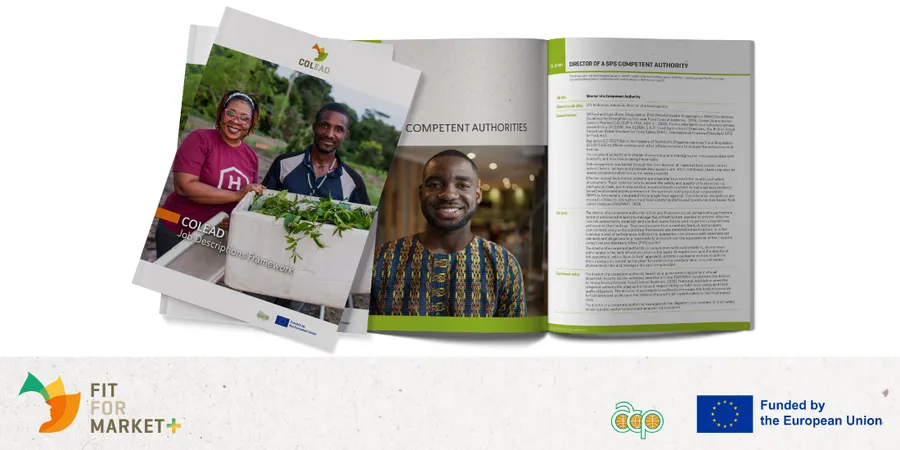
63 job descriptions listed in a new tool of the COLEAD training system
Every operator, from the manager to the worker, including the middle manager or small producer, has a role to play in ensuring the sustainability of agriculture and food.’ That is why’ it is essential that our learning methods and tools are designed to correspond to the qualification levels and needs of each link in the value chain.To achieve this, the COLEAD training system integrates two frameworks:A learning objectives framework: the training catalogue.A skills framework: the catalogue of job profiles that has just been published and that you can discover here. the catalogue of recently published job profiles?Such a skills framework is essential to the training system as it:allows the identification and clear definition of the skills required for each occupation. This gives training managers a precise understanding of the abilities and knowledge needed to excel in a specific profession.ensures alignment with the needs of the labor market: By using job profiles, the skills framework can be adjusted based on the ongoing changes in the needs of businesses and their environment. It ensures that training programs meet the current and future requirements of the agriculture and agri-food sector.guides the development of relevant training programs. Job profiles help structure courses and modules to cover the key skills required, ensuring that learners acquire the necessary knowledge to succeed in their field.permits comparison of the skills requirements for a job/function with the qualifications acquired by personnel in companies or other organizations (Professional Organizations, public services, various service providers). It, therefore, allows objective measurement of potential gaps and identifies each person’s capacity-building needs.The list of occupations presented in the COLEAD catalog is adapted to the target audience of COLEAD's professional training. There are other jobs related to the horticultural or agricultural sector that are not included here, such as computer scientists or mechanics. The list presented is primarily based on the analysis of processes related to Sanitary and Phytosanitary (SPS) standards, Agricultural Production and Processing, Sustainable Environmental Management, Business Management, Corporate Social Responsibility, Ethics, and Training.The 63 job profiles in the COLEAD catalogue have been validated by professionals from many countries in which COLEAD is active. It is therefore a crucial tool for designing, implementing, and evaluating effective professional training programs tailored to the specific needs of the agricultural sector and the countries in our field of action. It ensures a match between the skills taught and those sought by employers, thereby promoting the employability of learners.This activity is supported by the Fit For Market Plus (FFM+) programme, implemented by COLEAD within the Framework of Development Cooperation between the Organisation of African, Caribbean and Pacific States (OACPS) and the European Union. This publication receives financial support from the European Union and the OACPS. The content of this publication is the sole responsibility of COLEAD and can in no way be taken to reflect the views of the European Union or the OACPS.
 News
News
Have you seen AGRINFO UPDATE – the information service that keeps agribusinesses and public authorities up to date on new EU requirements?
AGRINFO UPDATE is a regular email newsletter on new EU policies, regulations, and standards with potential implications for low- and middle-income countries exporting agri-food and fish to the EU market.As a taster, see the latest issue of AGRINFO UPDATE here.Links in the newsletter take you to our website. There you will find more details about recent and upcoming changes – and the actions companies or authorities need to take to meet new rules, or to give feedback on proposed changes to the EU and World Trade Organization.The newsletter and database are open-access and free for anyone to use.Not registered yet? You can subscribe here to keep up-to-date with new requirements that could affect market access.If you have questions or concerns about new policies or requirements, you can contact the COLEAD Team via Ask AGRINFO; this service is available to public authorities, sector associations, and farmer organisations in AGRINFO target countries.The AGRINFO programme is implemented by COLEAD and funded by the European Union (EU). This communication has been produced with the financial support of the EU. Its contents are the sole responsibility of COLEAD and can under no circumstances be regarded as reflecting the position of the EU.
 News
News
Agrinnovators.org: for and by innovative entrepreneurs in Africa
We are delighted to announce the launch of Agrinnovators, a platform for African entrepreneurs passionate about innovation and sustainability in the agri-food sector. This initiative is a collaboration between COLEAD and PAFO.The Agrinnovators blog will feature stories, insights, and tips from successful agripreneurs who are transforming the food system in Africa through their creativity, resilience, and vision. It will also showcase the latest trends, technologies, and opportunities in the agri-food sector, such as urban agriculture, vertical farming, circular economy, and social innovation. The Agrinnovators blog aims to inspire, inform, and connect African entrepreneurs striving to make a positive impact on the environment, society, and economy through their agri-food ventures. If you are interested in learning more about the Agrinnovators blog, visit the website. You can also join the Agrinnovators community.
 News
News
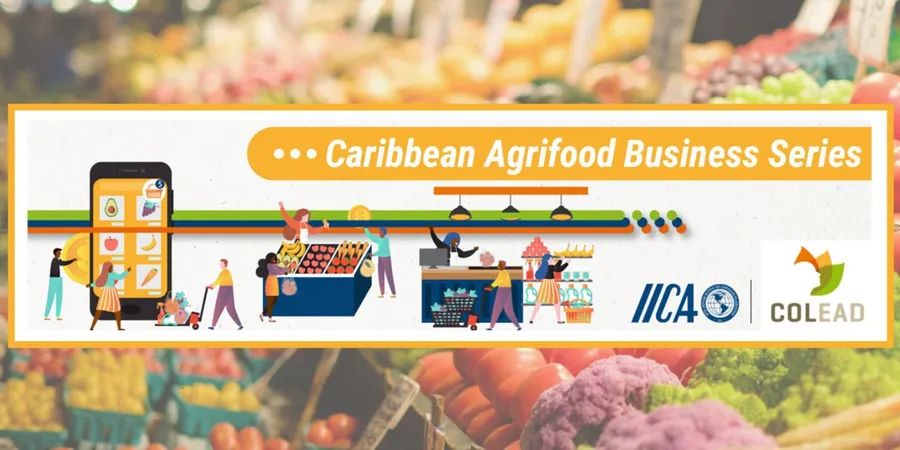
The role of Caribbean agrifood entrepreneurs and SMEs in promoting circular economy
During the IICA-COLEAD Caribbean Agrifood Business Session n°11, on Thursday 16 November 2023 – 14:00-16:00 UTC / 10:00-12:00 AST – inspiring Caribbean agrifood entrepreneurs and small and medium-sized enterprises (SMEs) will present how their business models promote circular economy. Register here to join the session: https://shorturl.at/eqFMRThe session will be held online (Zoom) and have live interpretation in English, French, Spanish and Portuguese. The programme is available is all these languages by clicking on the links below: EnglishFrenchSpanishPortuguese As a system that aims to reduce waste and environmental impact by reusing, recycling, and regenerating resources and products, a circular economy can offer many benefits for the agri-food sector. It encourages minimizing waste and optimizing the use of resources, including water, soil, and energy; using the full potential of products and by-products which in turn translates into value addition and diversification of offerings; and recovering and recycling waste and by-products to create new products or energy.Entrepreneurs and SMEs can play a key role in promoting a circular economy in the agri-food sector by developing innovative solutions that address the specific needs and problems of the industry. For example, some entrepreneurs and SMEs have successfully created circular business models that valorize food waste and by-products into new products or services, such as animal feed, bioenergy, bioplastics, or fertilizers. Others have developed circular technologies that improve the quality and shelf life of food products, such as smart packaging, sensors, or blockchain. Moreover, some entrepreneurs and SMEs have fostered circular practices that reduce the environmental impact of food production and consumption, such as organic farming, local sourcing, or plant-based diets.However, entrepreneurs and SMEs face several challenges when transitioning toward circular economy. Among the obstacles are the lack of knowledge and access to finance, regulatory and compliance issues, as well as consumer behavior. On Thursday 16 November 2023, innovative and resilient entrepreneurs and agrifood stakeholders will present how they have seized the potential of circular economy to create jobs, add value and support economic growth, while reducing waste, improving resource efficiency, and mitigating environmental impacts of the agrifood system. Be part of this experience sharing by registering here.This activity is supported by the Fit For Market Plus (FFM+) programme, implemented by COLEAD within the Framework of Development Cooperation between the Organisation of African, Caribbean and Pacific States (OACPS) and the European Union. This publication receives financial support from the European Union and the OACPS. The content of this publication is the sole responsibility of COLEAD and can in no way be taken to reflect the views of the European Union or the OACPS.
 News
News
United Arab Emirates: a promising market for Kenyan products
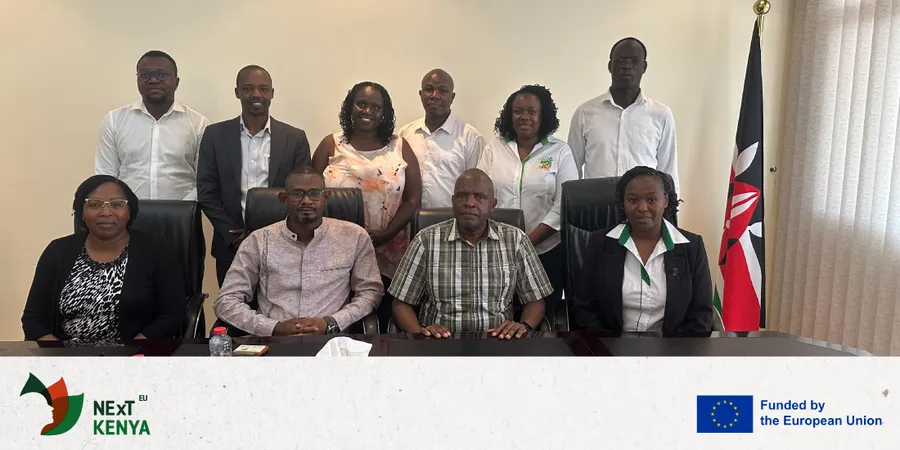
As part of the NExT Kenya programme, the Kenyan National Horticultural Taskforce, in collaboration with HCD (Horticultural Crops Directorate), a directorate established under the Agriculture and Food Authority and COLEAD, visited the United Arab Emirates (UAE) last October. The aim was to gain a better understanding of the Middle East market, its specific requirements and to deepen existing relationships to capitalize on emerging opportunities. The trade mission was also attended by representatives of Kenya Plant Health Inspectorate Service (KEPHIS), Fresh Produce Exporters Association of Kenya (FPEAK) (, Fresh Produce Consortium of Kenya (FPCK), Avocado Exporters Association of Kenya (AEAK) ) and Kenya Flower Council (KFC) (.The mission enabled a study of the fruit and vegetable market to be carried out. Several fruit and vegetable stores including Carrefour, Waitrose, Al Maya were visited and analysed on the basis of the range of horticultural products on offer, the quantities traded, seasonality and the logistics required to do business with these outlets. In addition, the survey covered the products sold, packaging, price, presentation, promotion strategy, certification displayed on the products and competing places of origin. The Kenyan delegation also took part in the AgraME exhibition in Dubai on 9 and 10 October 2023. The event brings together solution providers in the crop, livestock and horticulture sectors, providing a unique platform to showcase cutting-edge innovations and explore sustainable solutions for the agricultural sector.
 News
News
Celebrating 50 years of COLEAD
On the 1st of December 2023, COLEAD celebrated its 50th anniversary in Brussels with 120 partners, directors, former DGs of the association, team members and friends of COLEAD in attendance. Also in attendance virtually, were more than 200 members of the association from 25 different countries, from Africa, the Caribbean and the Pacific. "A perfect illustration of the COLEAD network", said Jeremy KNOPS, COLEAD's DG, in his speech. COLEAMA was founded 50 years ago at the 46th Brussels International Fair, bringing together those involved in the horticultural trade from African countries, Madagascar and the 6 countries of the European Economic Community (EEC). In 1976, COLEAMA became the Comité de Liaison Europe Afrique Caraïbes Pacifique (COLEACP) under the visionary leadership of its first Director General, Mr Libert Bou. Mr Bou, a senior civil servant, had been appointed by General de Gaulle to move “Les Halles de Paris” from the centre of Paris to Rungis.On the 1st of December 2023, we celebrated COLEAD's 50th anniversary in Brussels, along with over 200 members in 25 ACP countries. It was a wonderful opportunity to pay tribute to those who have shaped the history of the organisation: our long-term partners - the European Union and the OACPS, represented on this occasion by Leonard Mizzi and Junior Lodge respectively - Albert Delhomme, a founding member of COLEAMA, Catherine Guichard and Guy Stinglhamber, former delegates general of the association. We thank them again for their warm words.Stephen Mintah, current President of COLEAD, and Virginie Touré, member of the Board, accompanied by Jeremy Knops, current General Delegate, each took their turn to pay tribute to the work accomplished. Thanks, in particular to the commitment of the members and the international team of women and men who make up COLEAD and thanks to its key partners, including most recently AFD, ENABEL and the WTO via the STDF programme.The 50th anniversary of our organisation was not just a celebration of the association's past (COLEAMA, COLEACP); we also recognised the future we are building together, from a legacy across Europe, Africa, the Caribbean, the Pacific and beyond, with over 140 partner countries today.After all, COLEACP is 50 years old, but COLEAD is only a year old. So, as all the guests on this highly symbolic anniversary day proclaimed: happy 50th birthday and long live COLEAD!
 News
News
COLEAD at ABIM 2023: innovations in biocontrol and compliance with EU organic agriculture regulations
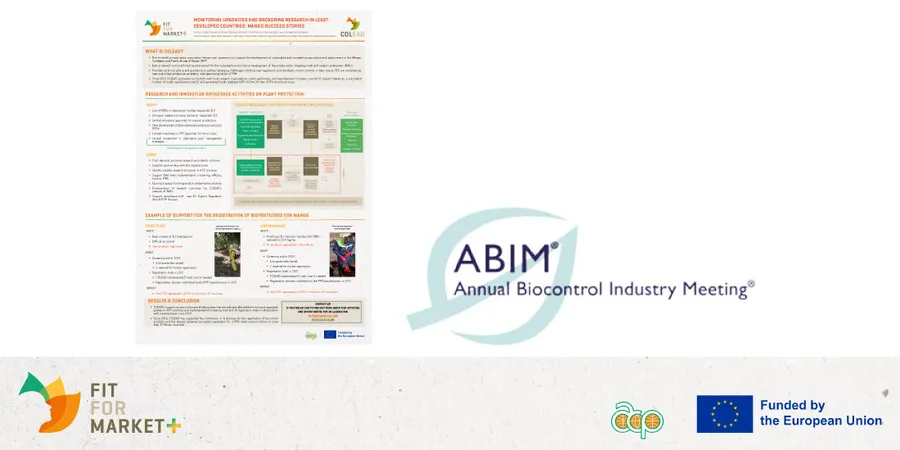
We are pleased to share some highlights from COLEAD's participation in the 18th Annual Biocontrol Industry Meeting (ABIM) held in Basel from October 23 to 25, 2023. ABIM, a global event for the biocontrol industry, serves as a platform to showcase research and innovation in crop protection, stay up to date with the latest developments in biocontrol (including legislation), and foster connections with Plant Protection Product (PPP) companies to facilitate access to safer alternatives.
 News
News
Caribbean: Focus on Suriname and Trinidad & Tobago
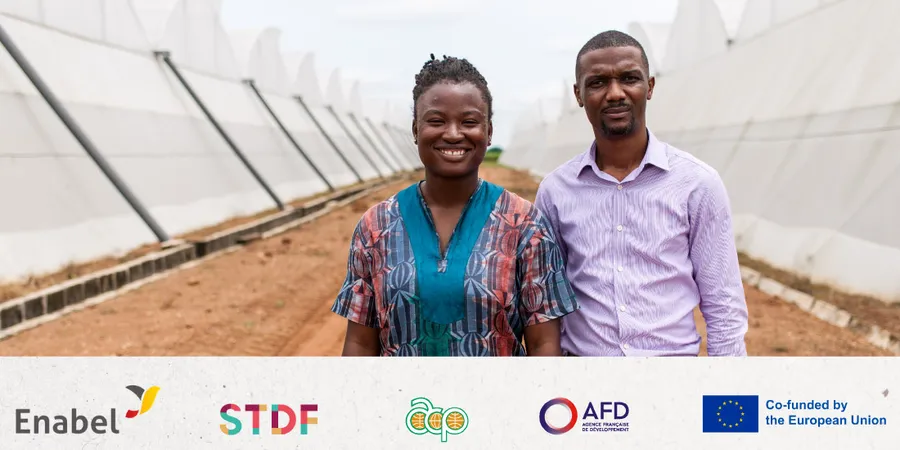
The Fit for Market Plus (FFM+) programme was launched in the Caribbean Region in May 2022 (webinar) and in November 2022 through local workshops. As a result, 41 requests for support have been received to date, with 10 coming from Suriname and 17 from Trinidad and Tobago. This marks the initiation of numerous upcoming development projects.Overall, the actions planned by COLEAD through FFM+ and implemented partnerships in the region are complementary and integrated into projects aimed at facilitating better market access for Caribbean fruits and vegetables, and the goal of implementing sustainable practices. COLEAD continues to highlight changes in market access conditions affecting fresh product exports to the EU, identifying areas where both public and private actors need to take action, notably through its AGRINFO programme.
 News
News
Satisfaction survey conducted among COLEAD’s programmes partner beneficiaries: encouraging results from 29 countries
Continuous improvement is one of COLEAD's five values. The feedback from our partner beneficiaries (BPs) plays a crucial role in guiding our activities, development, and the evolution of our practices. In this context, we launched a satisfaction survey during the summer, which will be repeated annually. The questionnaire is concise, designed to gather thoughts and observations to assess our performance and identify areas for improvement. A survey based on 14 questions was sent to all organizations with a development project signed at the time of the survey launch, regardless of the program managed by COLEAD. That is, 879 organizations in 2023. We received 202 responses from 29 countries. 66.3% of respondents chose to remain anonymous.Here are the key findings:The main support received includes training (84%), technical assistance (35%), and market information (34%).Access to financing is considered the primary challenge faced by organisations.The most significant impact of COLEAD support through its programmes on the Sustainable Development Goals (SDGs) relates to SDG 12, "responsible production and consumption."The main impacts of support on partner beneficiary organizations are related to skill enhancement, improvement in product/service quality, and access to information.Partners would strongly recommend COLEAD to a professional colleague mainly due to the enhanced skills they gained through COLEAD's support.
 News
News
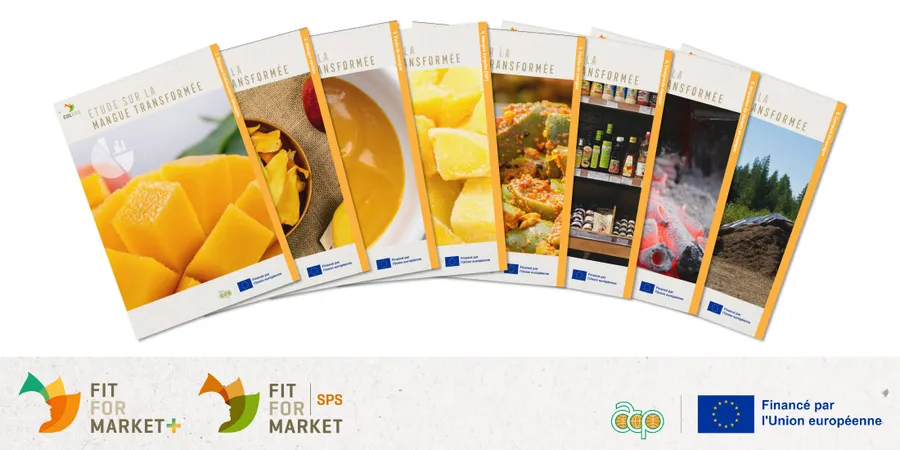
New technical-marketing publications: mangoes, roots and tubers, cocoa
One of the activities of COLEAD's Market Insights department, is to translate qualitative and quantitative marketing data into market information that will help our beneficiary partners understand trends in the agri-food sector, as well as in specific market segments.Here you can find three recently published technical and marketing publications available in our COLEAD e-library. Please click on the corresponding image to access the reports:Mango-based food products: dried, fresh-cut, frozen, puree, vinegar and pickles and waste recovery products: compost, butter and briquettes.The document covers the technical and economic aspects of the processed mango sector, trends in supply and demand, market opportunities, success factors, existing technologies and the investments involved.
 News
News
PAFO-COLEAD Innovations Session n°15: Technological innovations supporting agrifood value chains in Africa
Discover technological innovations in the agrifood sector that African farmers and entrepreneurs have developed and/or adopted to support the development of value chains in the next PAFO-COLEAD Innovations Session. The online session will be held on Thursday 9 November 2023 – 12:00-14:00 UTC / 13:00-15:00 CET, and will have live interpretation in English-French-Portuguese. RegisterProgrammeTechnological innovations can equip smallholders and small and medium-sized enterprises (SMEs) with the necessary tools to support climate resilience, improve productivity, manage natural resources sustainably and be a catalyst of agrifood systems transformation. However, SMEs and entrepreneurs in the agrifood sector face challenges in their adoption in terms of initial investment, technological skills, and data privacy. These challenges can hinder their ability to compete effectively and realize the full benefits of modern technology. Addressing these challenges requires a multi-faceted approach that involves government policies, financial institutions, capacity-building programmes, and industry stakeholders. Initiatives to provide affordable financing, improve digital literacy, develop technology infrastructure, and streamline regulatory processes can help smallholders and SMEs overcome these obstacles and fully harness the benefits of technological innovation in their operations. Additionally, fostering a culture of innovation and promoting the value of technology adoption among these businesses is crucial for their long-term success and competitiveness in the modern business landscape. In the next Innovations Session, value chain actors will present how their technological innovations support unlocking the full potential of the African agrifood sector. Innovations range from food processing technologies, cooling systems, packaging technology and precision agriculture methods to mobile money and E-commerce platforms. Their versatility reflects the importance of adapting technologies and innovations to local needs, opportunities, and constraints, to ensure they are accessible to all who want to adopt them. Join the discussion on Thursday 9 November 2023!This activity is supported by the Fit For Market Plus (FFM+) programme implemented by COLEAD as part of the development cooperation between the Organisation of African, Caribbean, and Pacific States (OACPS) and the European Union.This publication has received financial support from the EU and the OACPS. The contents are the sole responsibility of COLEAD and can in no way be taken to reflect the views of the EU or the OACPS.