
Cultivating
Sustainable Futures
 News
News
Gabon, Maurice, Tanzania : FFM+ and AGRINFO presentations
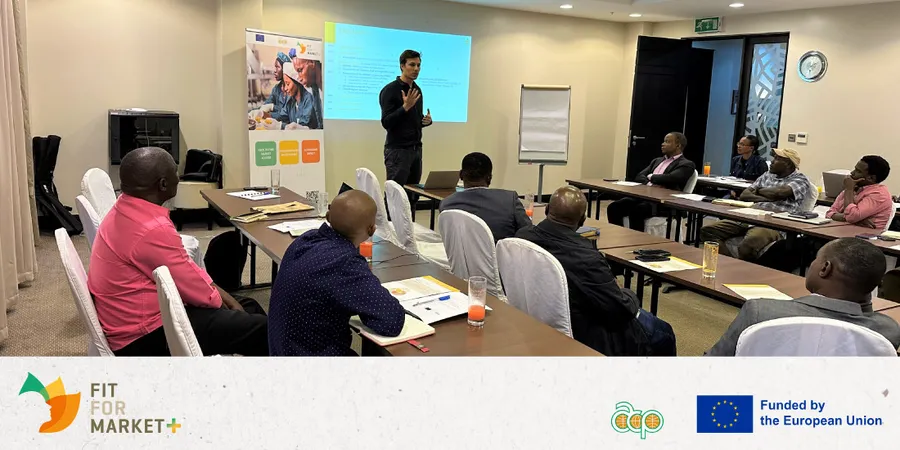
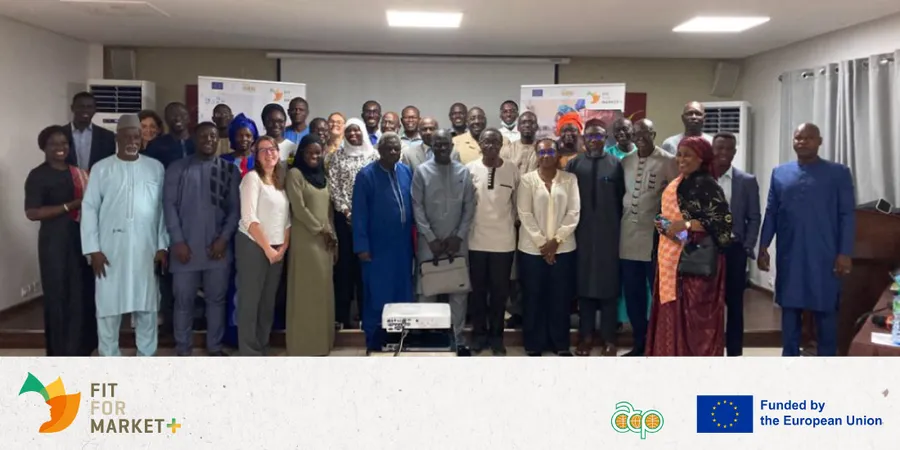
TanzaniaIn March/April 2023, as part of the Fit For Market Plus (FFM+) program, members of COLEAD's Technical Assistance department visited Tanzania to strengthen dialogue with partner beneficiaries and present the FFM+ programme. The local launch of the FFM+ programme and the informative event sparked in-depth discussions on the partners' needs, resulting in a growing interest that translates into increased applications for support received.GabonIn April 2023, in collaboration with the Embassy of Gabon in Belgium, the COLEAD team organised a webinar aimed at introducing the FFM+ and AGRINFO programmes to stakeholders active in the Gabonese horticultural sector. During this virtual meeting, representatives from the public and private sectors, as well as H.E. Mr. Serge Thierry MICKOTO, Ambassador of the Gabonese Republic in Belgium, were informed about EU regulatory developments and regional and international market trends for fruit and vegetables. The FFM+ programme was presented as a resource to support the horticultural sector by identifying new opportunities and improving practices in a sustainable manner. Additionally, a live demonstration of the AGRINFO information platform was performed.MauritiusIn May 2023, COLEAD organised an information session for stakeholders active in the horticultural sector in Mauritius, with active support from the Chamber of Agriculture of Mauritius. The event provided an overview of COLEAD, the FFM+ and AGRINFO programmes, and the technical resources available for partner beneficiaries. The session also addressed the importance of transitioning to more sustainable and resilient agricultural models through projects of the Chamber of Agriculture, such as Smart Agriculture and Karo Natirel, which aim to reduce the use of pesticides and promote the value of agroecology products in Mauritius, respectively.These activities are supported by the Fit For Market Plus (FFM+) programme implemented by COLEAD as part of the development cooperation between the Organisation of African, Caribbean, and Pacific States (OACPS) and the European Union, and AGRINFO, a programme funded by the European Union and implemented by COLEAD.This publication receives financial support from the European Union and the OACPS. The content of this publication is the sole responsibility of COLEAD and can in no way be taken to reflect the views of the European Union or the OACPS.
 News
News
2022 COLEAD Annual Report: “Agricultural production and trade play a crucial role in achieving the Sustainable Development Goals”
2022 has been a year of transformation for our association: new name, new statutory purpose, and the launch of new programmes which expanded the sectoral and geographical scope of the association’s activities. The process of changing our organisation's name was initiated two years ago in a context of continuous evolution of COLEAD's scope of action and that of its partners. The choice of COLEAD - Committee Linking Entrepreneurship-Agriculture-Development is the result of a participatory and iterative approach carried out with the Board of Directors, the team, the association’s members, and its key partners. COLEAD is COLEACP with more expertise and networks.In a disruptive environment marked by political, climate and economic crises, full of challenges but also opportunities, we will continue to design, manage and implement development programmes by providing online and on-the-ground technical assistance, professional training, and support services covering research and innovation brokerage, regulatory monitoring, market insights, networks and alliances, and access to finance.We believe more than ever that the challenges faced, especially by the most vulnerable communities, need to be approached from an economic, social, and environmental perspective to ensure that appropriate support measures are in place to contribute to the Sustainable Development Goals through the construction of more resilient and sustainable food systems for all. This is the essence of the new AGRINFO and Fit For Market Plus (FFM+) programmes, launched in 2022 and funded by our longstanding partners, the Organisation of African, Caribbean and Pacific States (OACPS) and the European Union, who we thank once again for their trust.The 2022 annual report of COLEAD, presented and approved during the Ordinary General Meeting held on June 29th 2023 in Paris-Rungis, is available here.
 News
News
Supporting EU partner countries meet the Green Deal’s ambitions
From 12th to 14th June, the European Commission (EC) organized a seminar on the theme "Trade, Private Sector, Development & Engagement." The event took place online and in Brussels and was intended by representatives from European Union delegations. On this occasion, DG INTPA form the EC invited COLEAD to produce a short video that was broadcasted on the third and final day of the seminar. The objective of the video was to illustrate the session "How to make the Green Deal a positive agenda for EU partner countries?" While the video was produced for this event, we are sharing it here as we believe it is a good way to explain, in 4 minutes, the essence of programmes such as FFM Plus and AGRINFO.
 News
News
World Youth Skills Day: the Caribbean ecosystem supporting youth entrepreneurship
World Youth Skills Day focuses on the strategic importance of equipping youth with skills for employment, decent work, and entrepreneurship. Youth play a central role in the agricultural value chain, however youth-specific support systems must be in place to enable their success. This calls on an entrepreneurial ecosystem that attracts young entrepreneurs and understands their needs. To continue this discussion, the IICA-COLEAD Caribbean Agrifood Business series held its ninth session focusing on Successes from innovative youth-led businesses/SMEs in the agrifood sector.Programme BiodataThe first panel of this session featured four youth-led enterprises working across different value chains who strengthen local and regional economies by creating employment and supporting sustainable agriculture, as well as contributing to healthier diets by offering healthy, local alternatives to imported products.María Elsy Abreu (Dominican Republic), highlighted how her family-led company Cacao Mae represents true Dominican cacao via the sale of high value, organic and fair trade certified products made from 100% pure cacao with no fillers, sugars or additives.Lidia Díaz (Dominican Republic) presented on how Plant Powered SRL is producing high quality, vegan, gluten-free and locally sourced products. Branded by eye-catching, quality packaging, this company offers meat and dairy substitutes and ready-made frozen meals from Latin American, Caribbean, and Afro-Hispanic gastronomy. Delphino Gilbert Cassar (Bahamas) presented Eeden Acres, the island’s first hydroponic container farming system, currently growing leafy greens, lettuce varieties, herbs, edible flowers, and micro greens. Products are delivered to the end-consumers through short, local supply chains that enable fresh produce and reduce food miles, food waste and the country’s import bill.Kashar Daniel (Saint Lucia) explained how Fresh Harvest incorporates cost-effective and simple technologies to ensure a safe, sustainable supply of fresh fruit and vegetables. The company strives to inspire a new generation of farmers, which is critical to address the challenges associated with the aging population of the agricultural industry.Within their presentations, the entrepreneurs shared how support received from various entities helped them developing their product (range), market(s) and entrepreneurship skills. The second panel featured three entities that support youth entrepreneurs in the Caribbean at various levels of the entrepreneurial stage and in various sectors.One Guyana Agriculture Inc, presented by Teesha Mangra-Singh, is currently fostering the Agriculture and Innovation Entrepreneurship Programme (AIEP) to train youth and provide them with skills and resources to become successful agribusiness owners and contribute to the increase of domestic production of high value crops.Shedron Collins leads Youth Business Trinidad and Tobago (YBTT), which aims to support the incubator and accelerator levels of socially, environmentally and economically sustainable youth-led businesses. Shedron recommends entrepreneurs to interact with as many institutions as possible to gain the necessary technical tools and skill sets for running a business.Gregory Fergusson presented the work of Barbados Youth Business Trust (BYBT) in improving the social and economic conditions of youth by assisting skills development through training, financial support and mentoring. BYBT operates via a holistic approach and offers programmes and services catered to different types of entrepreneurs and the various stages of their journeys.About the IICA-COLEAD Agrifood Business SeriesLaunched through a collaboration between IICA and COLEAD, the Caribbean Agrifood Business Series aims at showcasing successful agri-food Caribbean-led businesses and SMEs that contribute to the development of a more sustainable and resilient agriculture sector in the Caribbean region – including those led by women and youth. Nine sessions have been held gathering more than 2,100 participants from more than 70 countries on different continents. Find out more about the 35 featured entrepreneurs and farmers groups in this article.This activity is supported by the Fit For Market Plus (FFM+) programme, implemented by COLEAD in the framework of the development cooperation between the Organisation of African, Caribbean and Pacific States (OACPS) and the European Union.This publication is supported with the financial support of the EU and the OACPS. Its contents are the sole responsibility of COLEAD and can under no circumstances be regarded as reflecting the position of the EU or the OACPS.
 News
News
Nigeria: GLOBAL.G.A.P. & GRASP Certification, Solar Plant, Dobi Agrico leads by example
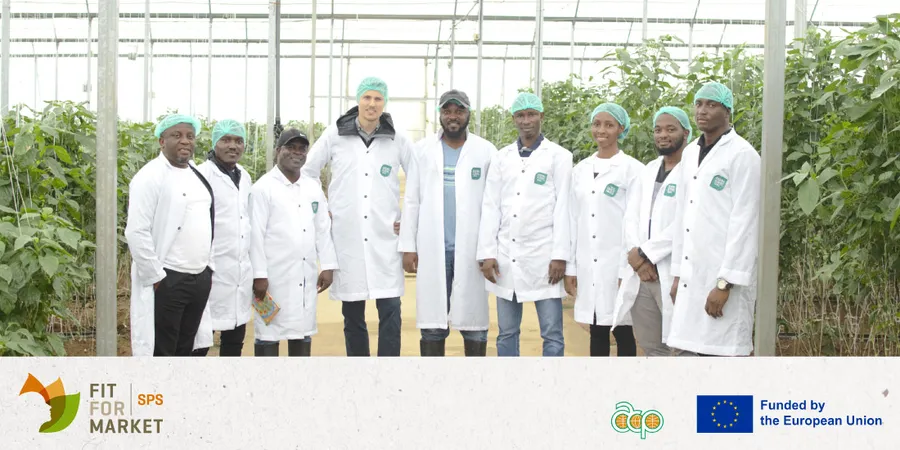
DOBI AGRICO LIMITED, based in Abuja, is a Nigerian agro business that specializes in growing and processing vegetables, herbs, and spices. Their range of crops includes capsicum (bell pepper/bird eye chilies), tomatoes, cucumber, baby corn, butternut squash, common bean, spring onions, and more. The company is dedicated to exporting its products while maintaining high standards of agricultural practices for both domestic and international markets. To support their endeavors, Dobi Agrico joined the Fit for Market SPS (FFM SPS) programme in 2021.With the support of COLEAD, Dobi Agrico embarked on a journey to implement good agricultural practices, resulting in its certification against the globally recognized GLOBALG.A.P. standard in October 2022. As one of Nigeria's pioneering vegetable producers, Dobi Agrico has achieved this prestigious certification!The certification serves as evidence of Dobi Agrico's commitment to implementing good agricultural practices on its farm in Gwagwalada, near Nigeria's capital city, Abuja. COLEAD’ support involved capacity building for Dobi Agrico's technical team, focusing on the standard's requirements, crop protection trainings, assistance in adapting the company's quality management system, and a mock audit. Dobi Agrico has made significant infrastructure changes and investments to align with best practices, while also dedicating resources to record-keeping, sampling, training, and more.In addition to the GLOBALG.A.P. certification, Dobi Agrico underwent a successful assessment of its social practices against the GRASP (GLOBALG.A.P. Risk Assessment on Social Practice) standard in August 2022. The company demonstrated full compliance with all 10 control points relevant to its operations. This accomplishment positions Dobi Agrico as one of the pioneering companies in Nigeria to pass a GRASP assessment.Dobi AgriCo Ltd has recently inaugurated its new 95 kW solar plant, a renewable energy project that represents a significant milestone in the farm's commitment to sustainability, sustainable operations, and the generation of clean energy. With the installation of 170 solar panels, the farm will reduce CO2 emissions by an estimated 24 metric tons annually, while also saving approximately 64,000 liters of diesel consumption per year. This momentous step in commissioning the solar power plant not only allows the farm to decrease its carbon footprint but also positions it as a leading example of sustainable agricultural operations in Nigeria.This activity is supported by the Fit For Market SPS programme, implemented by COLEAD within the Framework of Development Cooperation between the Organisation of African, Caribbean and Pacific States (OACPS) and the European Union.This publication receives financial support from the European Union and the OACPS. The content of this publication is the sole responsibility of COLEAD and can in no way be taken to reflect the views of the European Union or the OACPS.
 News
News
AGRINFO: a valuable tool for the Philippines agri-food and fish export sectors
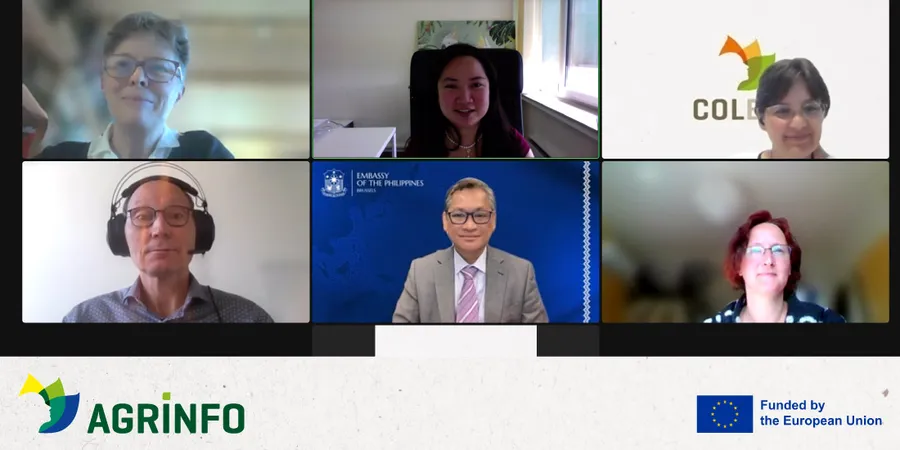
This lively webinar, titled "AGRINFO: A Valuable Tool for the Philippines Agri-food and Fish Export Sectors", was organised by COLEAD in collaboration with the Philippine Embassy in Brussels, on Tuesday 30 May. AGRINFO is funded by the European Union and implemented by COLEAD.The AGRINFO programme regularly summarises and disseminates crucial knowledge about rapidly evolving EU regulatory measures that impact agri-food and fish exports from low- and middle-income countries.We are grateful to the Philippine Embassy in Brussels for their valuable cooperation which contributed to the event’s success. Participants’ insightful discussions and interactions underscored the importance of understanding the intricacies of EU policies and regulations, and the impacts on agri-food and fish exports.COLEAD is committed to expanding the reach of the AGRINFO programme. We encourage low- or middle-income countries interested in understanding and navigating the complexities of EU trade policies to request a customised AGRINFO webinar tailored to their specific context and needs.For more information or to schedule a webinar please do not hesitate to contact us via www.agrinfo.eu or email agrinfo@colead.link. Together, we can work towards building more sustainable and compliant trade relations within the agri-food and fishery sectors.AGRINFO is a programme funded by the European Union and implemented by COLEAD. This publication receives financial support from the European Union and the OACPS. The content of this publication is the sole responsibility of COLEAD and can in no way be taken to reflect the views of the European Union or the OACPS.
 News
News
Guinea: Strengthening the phytosanitary system
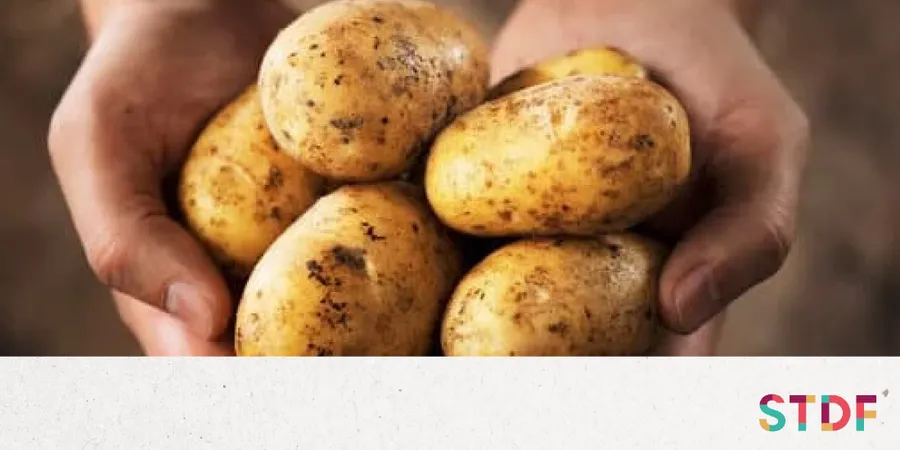
The action to strengthen the phytosanitary and certification system in Guinea aims to strengthen the capacity of the various national actors in the field of phytosanitary protection in Guinea. It aims to promote better application of sanitary and phytosanitary measures (SPS) and better access to international and regional markets for agricultural products from Guinea.This activity started in October 2019, funded by the Standardization and Trade Development Facility (STDF), the Fit For Market SPS programme and the Government of Guinea. Two main commodity chains are targeted: mango and potato. The goal is for these value chains to facilitate the creation of a phytosanitary monitoring, control, inspection, and certification system that complies with international phytosanitary standards and the requirements of the WTO SPS agreement.The main activities carried out are focused on four strategic objectives:Result 1: Improved governance of the phytosanitary systemDraft legislation and regulations consistent with the IPPC and the WTO SPS Agreement have been prepared and submitted to the relevant authorities for validation.Result 2: Improvement of the operational activities of the phytosanitary systemA risk analysis was conducted using the rapid Pest Risk Analysis (PRA) tool and an official list of pests subject to plant quarantine in the Republic of Guinea was posted on the IPPC website. This required raising awareness among NPPO representatives and training Guinean experts in the methods used to prepare and update lists of regulated pests. In the potato sector, a warning system was developed and tested in three zones. In the mango sector, Guinea's NPPO was assisted in developing a mango dossier with a view to complying with the new European regulations around pest management. The fruit fly monitoring system was taken over until the end of February 2022, before being continued by SyRIMAO. As part of this outcome, other actions were carried out, such as the implementation of an internal audit system within the NPPO.Outcome 3: Strengthening the skills of the stakeholders in the phytosanitary systemA sustained capacity building programme has been deployed to enable the various actors (mainly NPPO staff but also experts and producers) to meet the demands related to the evolution of SPS regulations and the new challenges on the markets.Outcome 4: Strengthened communication dynamics and relationships between the different stakeholders of the SPS systemAs part of this outcome, the priorities of the stakeholders in the potato and mango sectors were defined and workshops were held to make concerted decisions with the various stakeholders.This action was mainly organised within the framework of the project to strengthen the phytosanitary control and certification system in Guinea, funded by the Standards and Trade Development Facility (STDF) and implemented by COLEAD.
 News
News
Ghana: HPW Fresh & Dry receives support to adapt to the new EU Organic Regulation 2018/848
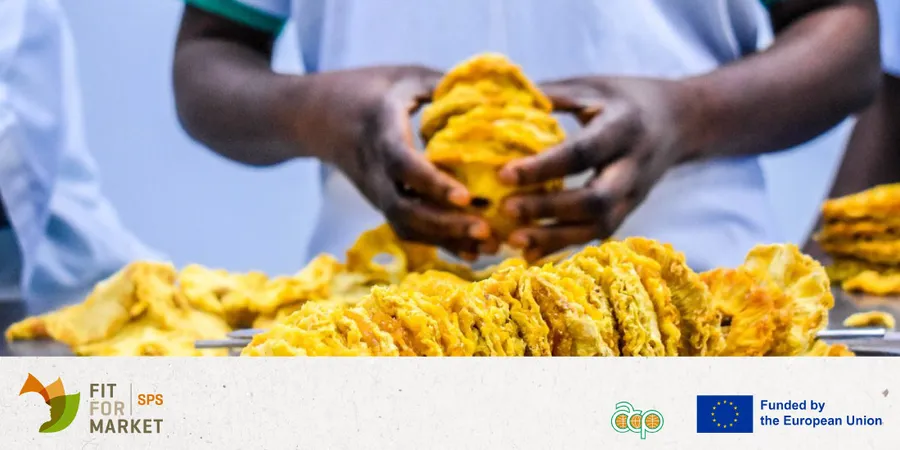
HPW Fresh & Dry Ltd. is a Ghanaian horticultural company created in January 2010, producing and marketing processed fruits (dried fruits, fruit bars, etc.), mainly for the European market. The company employs over 1,000 workers to run the organically certified farm and factory and sources tropical fruits from over 1,400 outgrowers, often organised in cooperatives, of which 5 are organically certified.The new EU Organic Regulation (Regulation (EU) 2018/848) includes new requirements for group certification. The company requested support from COLEAD to understand the implications for their operations and to to adapt to the new requirements by the end of 2023.In February 2023, the FFM-SPS programme provided HPW Fresh&Dry; with technical assistance to help the company to comply with the new regulation. Objectives included:Having a clear overview of the key changes that will impact the operations of HPW Fresh & Dry Ltd. and raising awareness among the management on these changes.Assessing the impact of the key changes on the company in terms of the fixed and recurring financial cost, additional potential risks that are foreseeable with the key changes and additional capacity building needs.Developing an action plan, co-created with an organic expert, detailing the various steps towards compliance with the new EU Organic Regulation by end of 2023.This activity is supported by the Fit For Market SPS programme, implemented by COLEAD within the Framework of Development Cooperation between the Organisation of African, Caribbean and Pacific States (OACPS) and the European Union.This publication receives financial support from the European Union and the OACPS. The content of this publication is the sole responsibility of COLEAD and can in no way be taken to reflect the views of the European Union or the OACPS.
 News
News
FFM+ Programme: over 700 requests for support received in one year - 58% from MSMEs
Fit For Market+ (FFM+) provides support to the horticultural sector in member countries of the Organisation of African, Caribbean and Pacific States (OACPS). Its aim is to maintain and enhance the capacity of smallholders, farmer groups, and horticultural MSMEs to access national, regional, and international markets through the progressive and sustainable intensification of the horticultural sector, while adapting to changes in their operational environment due to COVID-19 and climate change.As of early July, one year since its operational launch, FFM+ had received over 700 applications for support (AFS). The largest proportion (37%) of AFS come from West Africa, followed by East Africa (23%) and Southern Africa (20%).The majority (58%) of AFS originate from horticultural companies, while service providers (15%) and smallholder support structures (13%) also submitted a significant number of AFS.[caption id="attachment_17046" align="aligncenter" width="457"] Distribution of AFS through FFM+ by type of partner beneficiaries[/caption][caption id="attachment_17048" align="aligncenter" width="449"] Geographical distribution of AFS through FFM+[/caption]This activity is supported by the Fit For Market Plus (FFM+) programme implemented by COLEAD as part of the development cooperation between the Organisation of African, Caribbean, and Pacific States (OACPS) and the European UnionIts content is the sole responsibility of COLEAD and can in no way be taken to reflect the views of the European Union or the OACPS.
 News
News
COLEAD "Market Insights" webinar series, let's get started!
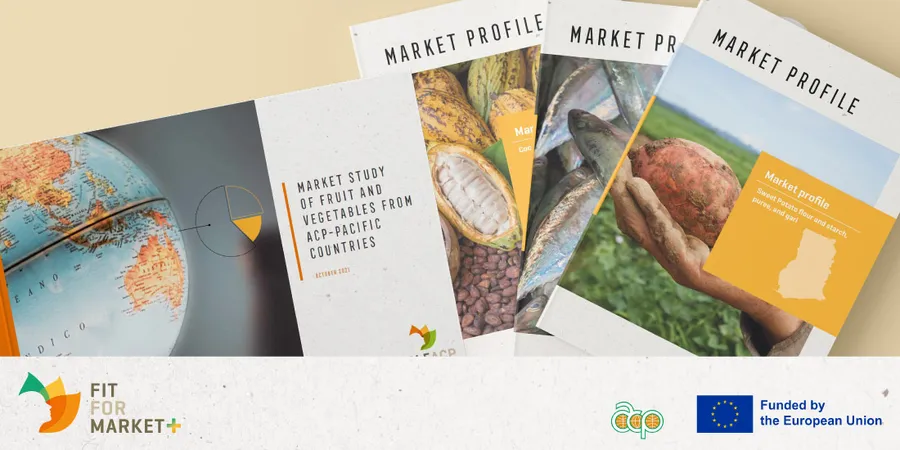
COLEAD’s "Market Insights" department launched a series of specific webinars on June 27th 2023, aimed at informing partner beneficiaries about market trends. The first workshop (in English) focused on the organic fruit and vegetables market in the EU.Below you can find links to the recording and slides:RecordingSlidesFull studySave the date for the next (English speaking) webinars !Wed, October 18th, 2023, 15:00 CEST: "Key factors for launching a successful mango processing business" (English)- Register hereTue, November 28th, 2023, 15:00 CET: "Insights from International Trade Fairs in 2023" (English) - Register hereSee you soonThe COLEAD teamThis activity is supported by the Fit For Market Plus (FFM+) programme implemented by COLEAD as part of the development cooperation between the Organisation of African, Caribbean, and Pacific States (OACPS) and the European Union.This publication receives financial support from the European Union and the OACPS. The content of this publication is the sole responsibility of COLEAD and can in no way be taken to reflect the views of the European Union or the OACPS.
 News
News
COLEAD digital training: 21 000 users, all ACP countries are involved
The use of COLEAD's e-learning platform continues to accelerate. On June 17th 2023, the number of registered users surpassed 21,000. This remarkable and illustrative growth demonstrates the potential for capacity building within the agricultural and food systems. Through the analysis of the geographical distribution of learners, we have observed that all member countries of the Organisation of African, Caribbean and Pacific States are represented! Kenya, Côte d'Ivoire, and Madagascar are the top three user countries with over 1,200 learners, followed by Cameroon and Senegal (with nearly 1,000 users).training.colead.link[caption id="attachment_17016" align="aligncenter" width="533"] Growth in the number of learners on COLEAD's e-learning platform[/caption]
 News
News
Nigeria: Truvis Agro supported for GLOBALG.A.P. Assessment
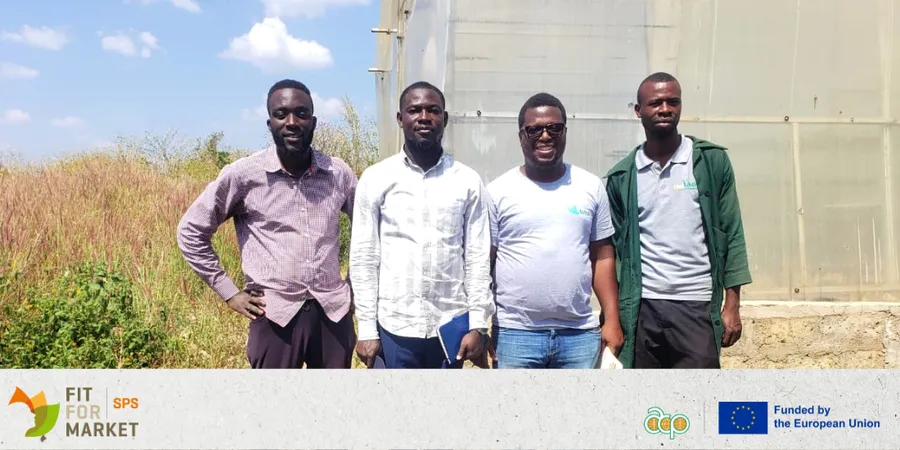
TRUVIS AGRO SERVICES LIMITED is a Nigerian agro-business engaged in the cultivation and processing of vegetables, herbs, and spices. The company has production activities in Epe (Lagos state), Ayetoro (Ogun state), Ilemeso (Ekiti State), and Ilemona (Kwara state), along with a processing facility in Lagos. Their focus is on implementing good agricultural practices to meet the requirements of the domestic and export markets. In 2021, TRUVIS AGRO SERVICES LIMITED joined COLEAD's Fit for Market SPS programme, aiming to enhance their agricultural practices and meet international market standards.As part of the collaboration,, the Fit For Market SPS programme supported Truvis Agro in conducting an assessment of their pepper growing operations in Ilemeso, evaluating their compliance with the globally recognized GLOBALG.A.P. standard. The assessment, which took place in December 2021, showcased Truvis Agro's cultivation of over 25 hectares of pepper farms.The outcome of this work has provided Truvis Agro with valuable insights into the corrective actions required to achieve full compliance with the GLOBALG.A.P. standard. COLEAD will be able to provide capacity building assistance to bridge some of the identified gap through its programmes in Nigeria.The activity was supported by the Fit For Market SPS programme, implemented by COLEAD within the framework of the development cooperation between the Organization of African, Caribbean and Pacific States (OACPS) and the European Union (EU).This publication is supported with the financial support of the EU and the OACPS. Its contents are the sole responsibility of COLEAD and can under no circumstances be regarded as reflecting the position of the EU or the OACPS.