
Cultivating
Sustainable Futures
 News
News
World MSME Day 2023: linking agribusiness and research to meet the SDGs
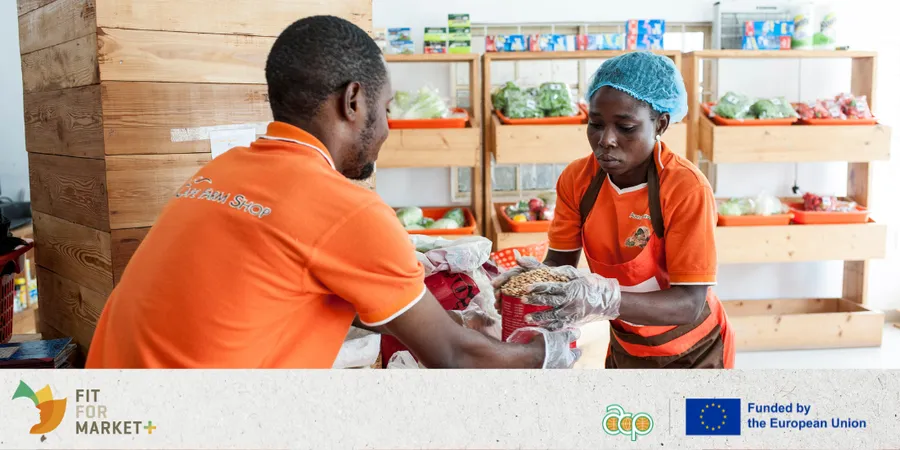
The World MSME Day on 27 June is a celebration of Micro, Small, and Medium-sized Enterprises (MSMEs) and their crucial role in achieving the United Nations Sustainable Development Goals (SDGs). According to the United Nations, MSMEs are the backbone of most economies, accounting for over 70% of all businesses worldwide and more than 50% of jobs. These enterprises play a vital role in working with millions of family farms, contributing to food safety and security, and providing nutrition to local communities. Additionally, they drive innovation and creativity towards building sustainable food systems.At COLEAD, we are dedicated to supporting the development and growth of agricultural MSMEs. Through PAFO-COLEAD Innovations Series and the IICA-COLEAD Caribbean Agrifood Business Series, we highlight MSME leaders from Africa and the Caribbean, many of whom are women and youth. They share their best practices, innovations, and keys to success. To (re) discover more about these inspiring entrepreneurs, click on the links below!Innovations Series Caribbean Agrifood Business SeriesRecognizing the critical importance of linking MSMEs with research, it enables entrepreneurs and all actors in the value chain to continuously enhance their skills, acquire necessary equipment, establish business networks, and access appropriate financing. The collaboration between the private sector and research institutions is essential to drive product development, technology uptake, and innovation adoption, fostering green and sustainable growth while meeting consumer expectations. In line with this perspective, FARA (Forum for Agricultural Research in Africa) facilitated the integration of agribusiness and the private sector into the scientific discourse during the 8th African Agribusiness and Science Week (AASW) held in Durban, South Africa, from 5 to 7 June 2023. This year's edition represented a shift in the approach to agricultural science by including agribusiness into the discussions. The event was co-organised by FARA, in collaboration with the CAADP XP4 partners (CCARDESA, ASARECA, CORAF, AFAAS), the Government of the Republic of South Africa, and several partners, including COLEAD.The 8th African Agribusiness and Science Week (AASW) has facilitated discussions and generated outcomes focused on enhancing productivity and competitiveness in the agro-industry across the continent. During the event, agricultural MSMEs from COLEAD's network had the opportunity to share their insights, establish connections with stakeholders along the value chain, and provide recommendations for creating a supportive environment that enables the creation and growth of MSMEs.Under the Fit For Market Plus (FFM+) programme, COLEAD has partnered with FARA, IFAD, YPARD, and GFAR to co-organize three events at the 8th AASW. These sessions have focused on important topics related to opportunities for transforming the agrifood sector into a resilient, inclusive, and sustainable agrifood sector. The discussions initiated during these events have laid the foundation for ongoing cooperation between the private sector and research institutions. It is crucial to foster long-term partnerships and collaboration to drive innovation and development in the agricultural sector. COLEAD is looking forward to further collaboration in the fields of agriculture science, technology, and innovation with the apex continental organisation responsible for coordinating and advocating for agricultural research for development (AR4D).To watch the recordings of the events and learn more about the featured entrepreneurs, click on the links below!Unlocking business opportunities for young entrepreneursBoosting Intra-Africa trade: the agricultural midstream in the value chainKnowledge management, digitalisation and youth entrepreneurshipCOLEAD’s contribution is supported by its Fit For Market Plus programme, implemented within the framework of Development cooperation between the Organisation of African, Caribbean and Pacific States (OACPS), and the European Union (EU).This publication is supported with the financial support of the EU and the OACPS. Its contents are the sole responsibility of COLEAD and can under no circumstances be regarded as reflecting the position of the EU or the OACPS.
 News
News
Nigeria: Reelfruit receives support for optimizing packhouse design
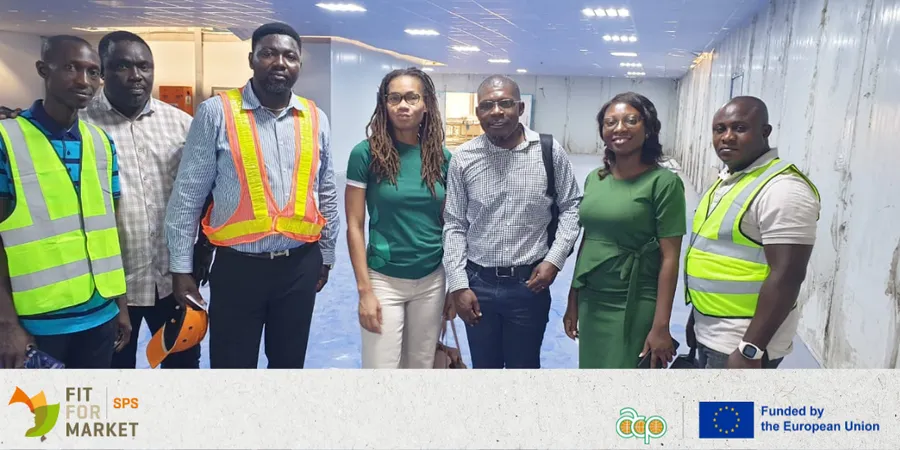
Nature’s Bounty Health Products Ltd, trading as Reelfruit, is a Nigerian company led by women that specializes in the processing, marketing, and distribution of dried fruits. Their product range includes dried mango, dried pineapple, fruit and nut mix, cashews, mango rolls, coconut flakes, and coconut chips.Coinciding with the company milestone, Reelfruit achieved a significant accomplishment by inaugurating a new state-of-the-art processing and packing facility in Abeokuta, Ogun state in Nigeria. This modern facility was established to meet the increasing demand for Reelfruit's snacks in both domestic and international markets. With a processing capacity of 400 Metric Tons per annum, the facility is poised to support the company's expansion plans. Furthermore, this expansion is expected to generate over 1500 direct and indirect jobs within the next five years, contributing to local employment and fostering economic growth.COLEAD supported Reelfruit throughout 2022 to review the packhouse layout in preparation for the final commissioning of their new building. This support was crucial in ensuring that the investments made in the new facility align with international food safety standards and optimize the flow of goods and personnel. COLEAD's expertise assessed the facility's capacity to handle current volumes and its flexibility to accommodate future volume increases. Additionally, the factory process flow was reviewed based on HACCP principles, with a focus on optimizing space, product flow, and ensuring food safety and hygiene compliance.Based on the assessment, several infrastructural changes were suggested, which are expected to result in significant cost savings for the company due to the anticipated efficiencies incorporated into the factory's design. Reelfruit's technical team and management received valuable insights and practical recommendations for implementing best practices, enabling them to achieve their objectives and meet the highest standards in their operations.This activity is supported by the Fit For Market SPS programme, implemented by COLEAD within the Framework of Development Cooperation between the Organisation of African, Caribbean and Pacific States (OACPS) and the European Union.This publication is supported with the financial support of the EU and the OACPS. Its contents are the sole responsibility of COLEAD and can under no circumstances be regarded as reflecting the position of the EU or the OACPS.
 News
News
Informative session for Mauritian stakeholders
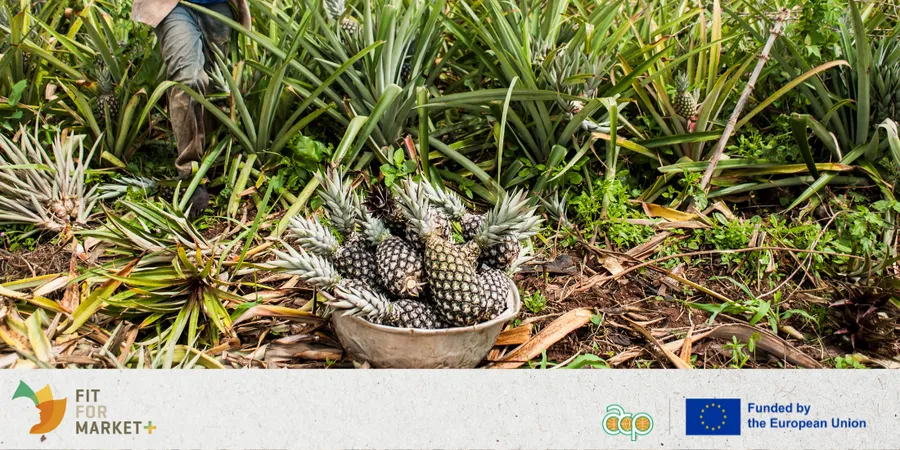
COLEAD organised an informative session for Mauritian stakeholders to present its Fit For Market Plus (FFM+) and AGRINFO programmes on 17 May, with the active support of the Mauritius Chamber of Agriculture.The session began with a presentation by the European Union delegations to Mauritius and Seychelles on the importance of transitioning the Mauritian agricultural sector to a more sustainable and resilient model, which is currently underway in Mauritius. There is an urgent need to accelerate this transition through investment in research and incentives to encourage more sustainable practices.The two-hour session provides a comprehensive overview of COLEAD, its FFM+ programme and details on how to access it, plus an introduction to the AGRINFO programme and the various resources available to COLEAD partner beneficiaries.Finally, the Chamber of Agriculture presented two projects: Smart Agriculture, which aims to reduce the use of pesticides by promoting biodiversity, and Karo Natirel, which aims to increase the value of Mauritian agro-ecological products. , producers and traders.This activity is supported by the Fit For Market Plus (FFM+) programme, implemented by COLEAD within the Framework of Development Cooperation between the Organisation of African, Caribbean and Pacific States (OACPS) and the European Union.This publication is supported with the financial support of the EU and the OACPS. Its contents are the sole responsibility of COLEAD and can under no circumstances be regarded as reflecting the position of the EU or the OACPS.
 News
News
COLEAD’s NExT Kenya programme is bearing fruit
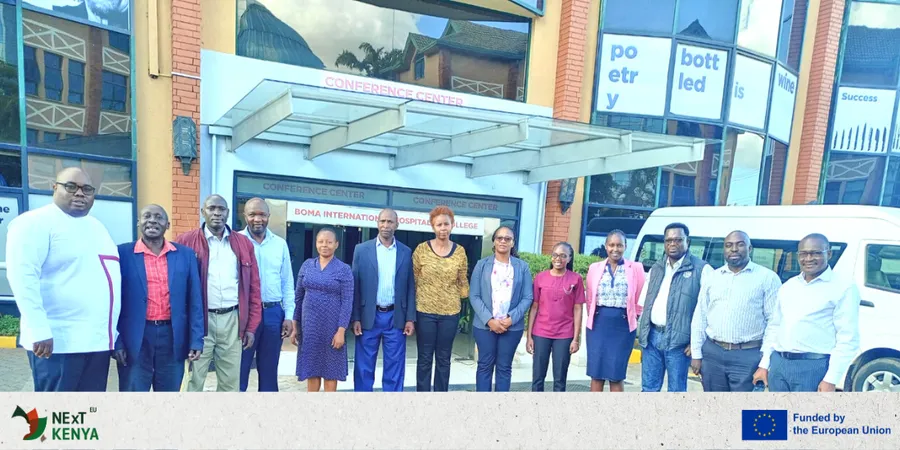
In a series of recent activities and events, COLEAD’s NExT Kenya programme has focused on enhancing Kenya’s bean and pea sector, resolving commercial disputes, providing training on industry standards, conducting energy assessments, and improving communication between stakeholders. These initiatives are expected to foster sustainable growth and enable Kenya to regain its position as a leading exporter in the sector.Recent activities include:Steering committee meeting on the good practice guide for beans and peas. Meeting participants discussed the development of a comprehensive good practice guide for beans and peas. The guide, once implemented, will assist Kenyan bean farmers in adhering to industry best practices. Clement Tulezi, CEO of the Kenya Flower Council and chair of the National Horticultural Taskforce, emphasised the significance of following the guide, stating that it would help the Kenyan bean industry regain its former glory.Training for beans and peas companies to raise awareness and build capacity on how to reduce interceptions. To tackle the issue of interceptions faced by bean and pea exports, particularly in the European Union and the United Kingdom, the National Horticulture Task Force, with support from the NExT Kenya programme, organized training sessions for companies involved in bean and pea production and export. The training aimed to raise awareness and build capacity on how to mitigate interceptions.Validation of good practice guidelines for beans and peas. The NExT Kenya programme is currently overseeing the validation process of good practice guidelines for beans and peas in Nairobi. This collaborative effort between the government and the horticulture private sector aims to provide a roadmap of sustainable practices for growers, ensuring long-term viability for the sector.Guides on commercial disputes. The NExT Kenya programme partnered with the Horticultural Crops Directorate to develop two comprehensive guides that aim to facilitate smoother trade relations between producers, exporters and importers, by offering practical solutions to address disputes.Training on key GLOBALG.A. P changes, the NExT Kenya programme organized training for horticulture companies on the ‘Key changes on GLOBALG.A.P. IFA v6’. The training aimed to update participants’ technical skills to ensure compliance with the latest version of GLOBALG.A.P. The training received positive feedback, with participants acknowledging its timeliness and collaborative atmosphere, providing a platform for shared experiences and knowledge exchange.Energy assessments and audit for WAMU Investments Ltd. In an effort to reduce energy costs and environmental impact, the NExT Kenya programme facilitated an energy assessment for WAMU Investments Ltd. The assessment aimed to identify and document the company’s energy usage and explore alternative energy sources, such as solar energy, to optimise operations at their packhouse.Improving KEPHIS communication and relationship dynamics with various stakeholders. Recognising the challenges faced by the Kenya Plant Health Inspectorate Service (KEPHIS) in communicating official information and international requirements, the NExT Kenya programme conducted a needs assessment exercise. This assessment aimed to understand KEPHIS’ communication dynamics and identify areas for improvement. Recommendations included capacity building for management, effective packaging of approaches for destination markets and proactive engagement with the media. Training of Trainers sessions were subsequently organised to empower mid-level managers to foster healthy working relationships and improve information flow within the organisation.These activities are implemented by COLEAD and supported by the NExT Kenya (New Export Trade) programme, established in collaboration with the EU Delegation in Nairobi and Kenyan stakeholders.This publication has been produced with the financial support of the EU. Its contents are the sole responsibility of COLEAD and can under no circumstances be regarded as reflecting the position of the EU.
 News
News
Market news: Organic trade study, tubers, and sweet potato
The COLEAD Market Insights department translates qualitative and quantitative data into a deeper understanding of markets and concrete initiatives for our partner beneficiaries that facilitate their B2B matchmaking and decision-making process, driving their sustainable development. They recently published a study on organic trade of fruit and vegetables, with a focus on Africa-Caribbean-Pacific (ACP) origins, available in COLEAD’s library.The organic study focuses on the fruit and vegetable sector and products from ACP producers. Along with a detailed analysis of production in those regions, and global and regional demand and trade, it further details 11 key products: avocado, banana, cashew nut, coconut, mango, pineapple, ginger, onion, pulses, tomato, and sweet potato. For each product, the study provides detailed data on exports to the EU and the US, analysing growth rate, share of organic imports on total imports, volumes, and more.The study concludes with a strengths, weaknesses, opportunities, and threats (SWOT) analysis for ACP producers, a summary of the opportunities in the EU and US markets, and some general recommendations. For example, organic ginger shows significant growth in import to the EU between 2018 and 2021, a higher imported volume than other fruits and vegetables (except bananas), and a very high share of organic imports compared to total imports (33% of total imports of ginger were organic in 2021).The study is currently available in English. The French version is in progress and will be available in June 2023. The executive summary is available in French here.Previous publications from the Market Insights department include (click on the image to access the reports) :
 News
News
COLEAD engaged in trade fairs to facilitate market access & networking
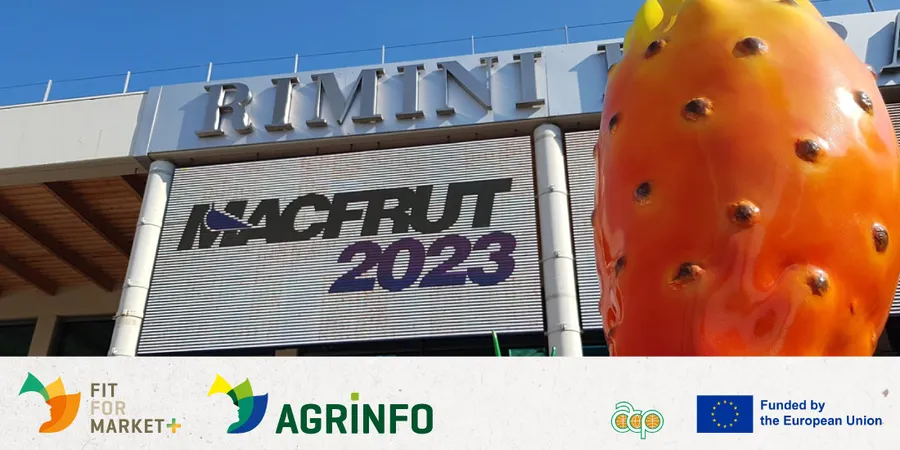
COLEAD actively engaged in two international trade fairs this semester, with the valuable support of the FFM+ and AGRINFO programmes. These events provide an opportunity for professionals in the seafood, fruit and vegetable, and food and beverage sectors to establish connections, foster collaborations and explore new business prospects.Seafood Expo Global/Seafood Processing Global, the largest global seafood event, took place from 25 to 27 April in Barcelona, Spain. More than 34,000 seafood professionals attended this year’s edition – the largest ever held, in size and attendance, in the Expo’s history. Buyers and suppliers from around the globe took part in the three-day event for face-to-face networking and business opportunities. Fish and seafood are the most significant animal protein exported across international borders. Typically traded from developing to developed countries, they compensate for insufficient local production and fulfil demand for species not produced locally. COLEAD was present to meet with exhibitors and gain a deeper understanding of the constraints and challenges that exporters may face in getting their fish and seafood products onto the EU market. They also grew COLEAD’s network of contacts along the fish and seafood value chain and raised awareness of the AGRINFO programme as a valuable resource to understand and anticipate potential impacts of regulatory changes on the fish and seafood sector.The 40th edition of MACFRUT, the international trade fair for the fruit and vegetable industry, took place from 3 to 5 May in Rimini, Italy. The COLEAD team attended the event, engaging with exhibitors to gain first-hand insights into market trends. They also introduced the FFM+ programme and explored avenues for advancing the sector. The three-day exhibition at the Rimini Expo Center proved to be a tremendous success, attracting 49,700 visitors. This figure represents a 30% increase compared to MACFRUT 2022, with a 25% expansion in exhibition space and a notable 50% rise in international exhibitors.AgroAlimentaria, is the leading trade platform for food and beverages in the Dominican Republic and the Caribbean region. Colmar Serra, COLEAD's representative in the Dominican Republic, recently attended the event held in Santo Domingo from 31st May to 3rd June 2023. During this event, he had the opportunity to engage in meaningful conversations with leading figures from the public and private sectors in the Dominican Republic and the Caribbean. These interactions fostered collaboration and the exchange of ideas for the sustainable growth of the agri-food sector in the region. These events boast a wide range of exhibitors, captivating activities and enlightening seminars, making them highly informative and engaging for all attendees. Whether you are a producer, supplier, or buyer in the sector, we invite you to visit the respective event websites.This activity is supported by the Fit for Market+ programme, implemented by COLEAD in the framework of the development cooperation between the Organisation of African, Caribbean and Pacific States (OACPS) and the European Union; and AGRINFO, a programme funded by the European Union and implemented by COLEAD.This publication is supported with the financial support of the EU and the OACPS. Its contents are the sole responsibility of COLEAD and can under no circumstances be regarded as reflecting the position of the EU or the OACPS.
 News
News
FFM+ in Tanzania: Engaging Stakeholders through presentation
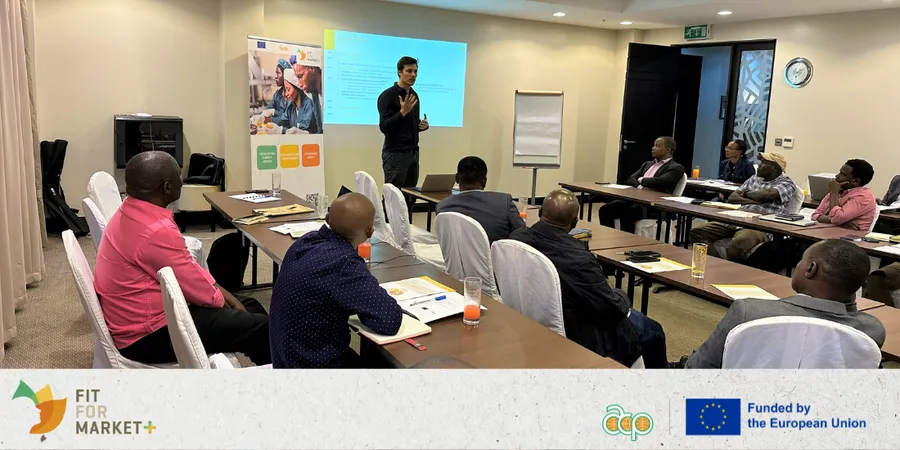
As part of the Fit For Market Plus (FFM+) programme, a mission to Tanzania was conducted in March/April 2023, with the presence of COLEAD team members from the Technical Assistance department. The mission aimed to engage with FFM+ applicants, showcasing the benefits of COLEAD and its programmes support including FFM+. Since the official launch of FFM+ in July 2022, Tanzania has received a total of 33 applications for support as of late March 2023.The mission to Tanzania marked a significant increase in applications compared to previous programmes in the country. As part of the mission, a local FFM+ launch and informative event were organized, attracting 25 participants from various organisations that had applied to the FFM+ programme. Additionally, representatives from key stakeholders in the fruits and vegetables sector in Tanzania were also present. The FFM+ event was held at Mount Meru Hotel in Arusha and concluded with a networking dinner, fostering valuable connections among the participants.These gatherings provided an opportunity for in-depth discussions regarding the applications for support from the partners. FFM+ has been implemented as a continuation of the previous Fit for Market programmes and builds upon the outcomes of COLEAD COVID-19 action plan, which was implemented starting from March 2020. This 5-year programme is funded by the European Union and the OACPS. Fit for Market Plus (FFM+) is designed to support the transition of ACP (African, Caribbean, and Pacific) agriculture to a more sustainable food and agricultural system. It aligns with the priority areas of action identified in the Farm to Fork strategy of the European Union's Green Deal. By focusing on these priority areas, FFM+ aims to promote sustainable practices, improve market access, enhance value chains, and contribute to the overall development of a sustainable and resilient agricultural sector in ACP countries.This activity is supported by the Fit For Market Plus (FFM+) programme, implemented by COLEAD within the Framework of Development Cooperation between the Organisation of African, Caribbean and Pacific States (OACPS) and the European Union. This publication is supported with the financial support of the EU and the OACPS. Its contents are the sole responsibility of COLEAD and can under no circumstances be regarded as reflecting the position of the EU or the OACPS.
 News
News
Collective training on sustainable production systems in Benin
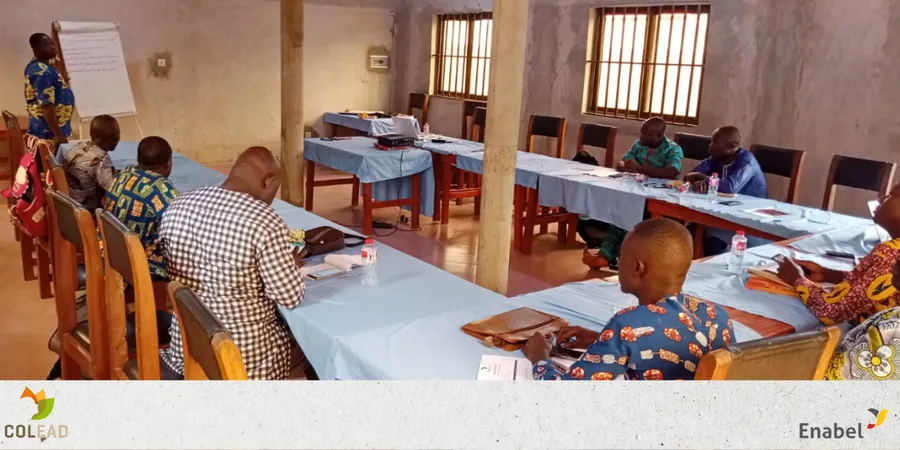
A collective training focused on "Sustainable Production Systems" took place from May 15 to 17 2023 in Allada, Benin, benefiting DEFIA's partner clusters. Eleven participants from 11 organisations participated in this training. The main objective of the training was to present participants with a variety of "systems" that allow for an optimal balance between sufficient production, economic profitability, social acceptability, and equity, while preserving the environment. The topics covered included soil fertility restoration, biodiversity preservation, and increasing the resilience of farms to the challenges of climate change.The training aimed to introduce participants to a range of "systems" that enable an optimal balance between adequate production, economic profitability, social acceptability, and equity, all while ensuring environmental preservation. The training covered various topics, including the restoration of soil fertility, preservation of biodiversity, and enhancing farm resilience in the face of climate change challenges.Participants were equipped with knowledge of the legal and regulatory framework for sustainable environmental management. They also gained a clear understanding of the impacts and limitations of industrial agriculture, which relies on intensive use of chemical inputs and soil cultivation techniques. Furthermore, the characteristics of various production methods were explored, including conventional production, organic production, agroforestry, permaculture, and agroecology. This in-depth knowledge enabled participants to identify agricultural practices that do not comply with the requirements of private standards for environmental preservation and sustainability.This training was organised within the framework of the project to support the agro-ecological transition of the pineapple sector in Benin, financed by ENABEL through its Programme for the Development of Entrepreneurship in Agricultural Sectors (DEFIA) and implemented by COLEAD.
 News
News
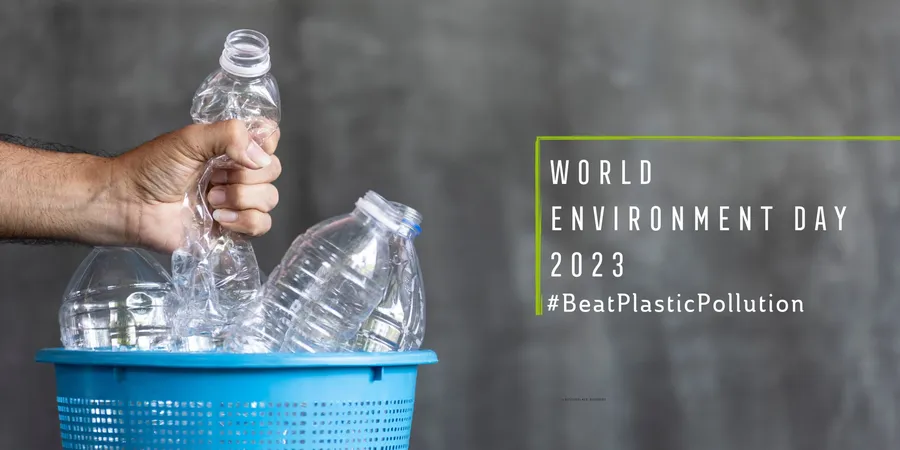
World Environment Day 2023: Climate-Resilient Practices and Innovations in the Fruit & Vegetable Industry
Each year, World Environment Day focuses global attention on pressing environmental challenges and celebrates actions that create a more sustainable world. The impacts of climate change have emerged as one of the most devastating factors contributing to environmental degradation, while the leading causes of climate change, such as fossil fuel extraction and deforestation, directly harm the environment. Increasing intensity and frequency of extreme weather events, temperature anomalies, and natural resource depletion are causing vulnerable communities and ecosystems to face challenges such as desertification, loss of biodiversity, poor air and water quality, and the loss of viable landscapes.One significant contributor to climate change is industrialized food production. However, the sector itself is also threatened by climate change, with volatile and unpredictable seasons, loss of fertile agricultural lands, and increased susceptibility of crops to pests and diseases, leading to lower yields. This has critical implications for food production, food safety, and food security. The fourth session of the COLEAD-OECD Fruit and Vegetable (F&V;) Industry Series provided an opportunity to address the challenges, solutions, and innovations regarding the impact of climate change on the production and quality of fruits and vegetables. Panellists shared insights into policies that foster climate change adaptation and resilience, along with country-specific case studies on mitigating measures. Private sector operators presented their successful implementation of innovations and farming approaches designed to cope with the effects of climate change. These approaches range from resilient practices that build soil organic matter and increase soil coverage to diversifying crops and varieties, ensuring they are suitable for appropriate agroecological zones. Practices to safeguard facilities and increase freshwater reservoirs are also implemented to protect infrastructure against extreme weather. The operators also recognized the importance of a sustainable business model that supports those working in the value chain. This includes guaranteeing a fair living wage and offering services that build the capacity of actors to grow and process food in an environmentally friendly manner.COLEAD’s mission is to facilitate and implement all actions that directly and/or indirectly increase the contribution of the agricultural sector, particularly horticulture, to the achievement of the Sustainable Development Goals (SDGs). COLEAD drives and supports sustainable production through technical assistance and guides on various aspects of production, such as sustainable production guides, pest management good practice guides, and plant health measures. Training courses, including the e-Learning platform, are supplemented by tailored coaching and onsite support to address partner-beneficiaries with specific challenges and maximize the impact of the training packages. The Sustainability Self-Assessment System (SAS) developed by COLEAD provides users with an overview of their performance in key areas of sustainability and focuses on promoting good practices for commercial, social, and environmental benefits at the production level. COLEAD also organizes online webinars in collaboration with partner organizations, creating a space for sharing good agricultural practices.
 News
News
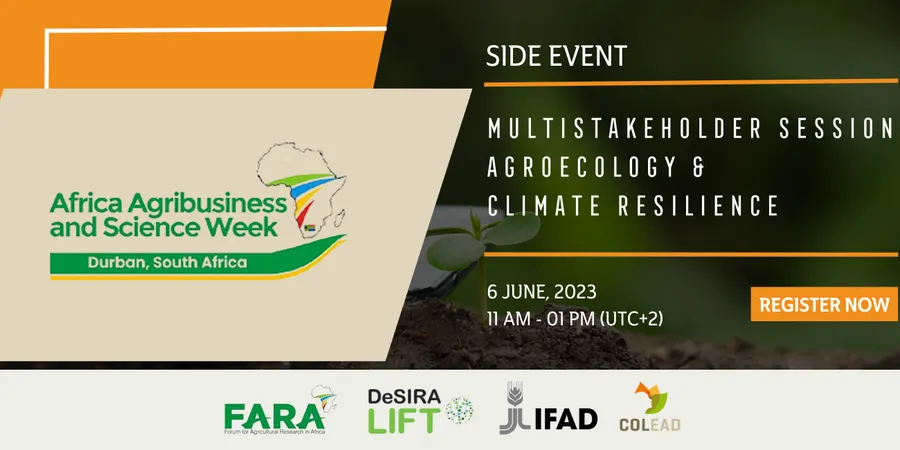
Agroecology & Climate Resilience: Multistakeholder Session at 8th AASW
On Tuesday 6 June (11:00-13:00 UTC+2) FARA, DeSIRA LIFT and IFAD are convening a parallel session on agroecology at the 8th African Agribusiness and Science Week (AASW).Remote participants are invited to register hereOn site participants must register to the 8th AASWThe session will bring together various actors to explore how agroecological practices may contribute to climate resilience and sustainability of farming and food systems. Based on their experiences and evidence, practitioners, researchers and development partners will discuss how adopting agroecological practices can contribute to transitioning to more climate resilient and sustainable farming and food systems in Africa, as well as their implications.
 News
News
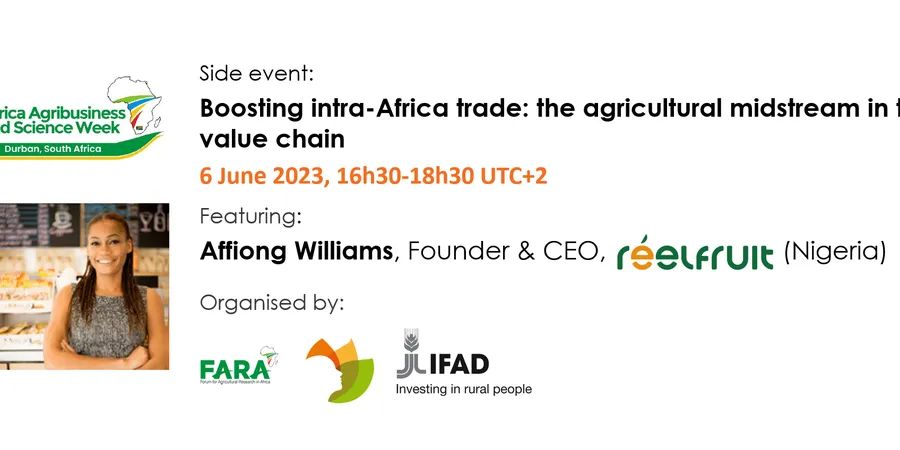
Boosting intra-African trade with Reelfruit: FFM+ in action at AASW8 side events
On Tuesday 6 June, 4:30-6:30 PM UTC+2, Affiong Williams will present her business during a side event on Boosting intra-Africa trade: the agricultural midstream in the value chain organised by FARA, IFAD and the COLEAD at the 8th African Agribusiness and Science Week (AASW8).The session will be held online and on-site in Durban, South Africa. Online participants have to register using this link.Find the concept note here and biodata here.Live interpretation in English and French will be available.About Affiong Williams & Reelfruit:Affiong is the founder and CEO of Nigeria’s largest processing and marketing fruit company, Reelfruit that was created in 2013. Reelfruit adds value to local products and sells its products such as dried mango and pineapple snacks throughout Nigeria and on international markets. The company has expanded its distribution channels that include formal retail, airlines, schools, hotels and informal mass markets. A successful company with great social impact, Reelfruit works with female farmers to support them in receiving Global G.A.P. training on mango farming. Additionally, the company supplies farmers with seedlings, inputs, training and technical support to improve mango production, while also guaranteeing them market access.Affiong is a multi-award winning entrepreneur – of her recent accomplishments including being the winner of the first-ever Veuve Clicquot Bold Woman Award in Nigeria, in 2022. As a panellist during the PAFO-COLEAD Innovations Session °2 on “Grow local: Conquering local markets”, she discussed continued efforts to build Reelfruit’s infrastructure capacities and strengthen linkages through vital distribution networks. Reelfruit has been a beneficiary of several of COLEAD’s support programmes, most recently of Fit For Market Plus (FFM+) programme. FFM+ aims to maintain and improve the capacity of smallholders, farmer groups and horticultural MSMEs to access domestic, regional and international markets through the progressive sustainable intensification of the horticultural sector, while adapting to changes in their operating environment due to Covid-19 and climate change.To learn more about this innovative business, click to read the Business Profile of ReelfruitReelfruit Business ProfileThis activity is supported by the Fit For Market Plus programme, implemented by COLEAD within the framework of Development cooperation between the Organisation of African, Caribbean and Pacific States (OACPS), and the European Union (EU).This activity will be supported with the financial support of the EU and the OACPS. Its contents are the sole responsibility of COLEAD and can under no circumstances be regarded as reflecting the position of the EU or the OACPS.
 News
News
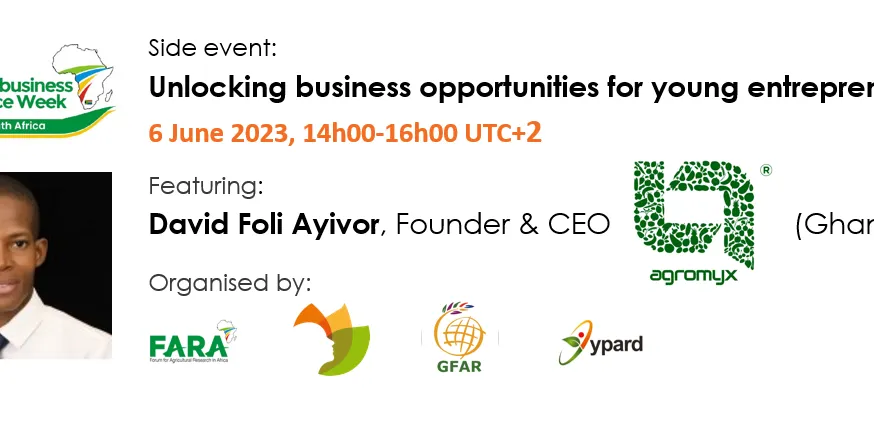
Unlocking business opportunities with David Foli Ayivor: FFM+ in action at AASW8 side events
On Tuesday 6 June, 14h00-16h00 UTC+2, David Foli Ayivor will present his business during a side event on Unlocking business opportunities for young entrepreneurs organised by FARA, the COLEAD, YPARD and GFAR at the 8th African Agribusiness and Science Week (AASW8).The session will be held online and on-site in Durban, South Africa. Online participants have to register using this link.Live interpretation in English and French will be available.About David Foli Ayivor and Agromyx:David is the founder and CEO of Agromyx – a successful, Ghanian agrifood processing company which addresses food waste by working directly with smallholder farmers to purchase their excess produce. Agromyx processes traditional crops which are highly nutritional and suited to the sub-Saharan climate, however often “forgotten” by the market. By valorising crops such as fonio, millet and sorghum, the company ensures that farmers have access to a reliable market to sell their produce. Agromyx is contributing to food security, nutrition, the circular economy and environmental protection through sustainable agriculture practices. The company encourages local farmers to transition away from the use of pesticides and towards organic agricultural practices and agroforestry. A business with great impact and ambition, Agromyx would ultimately like to form partnerships with one-third of the smallholder farmers in Ghana to address food security issues at a national level.David was a panellist during the PAFO-COLEAD Innovations Session°5 on “Food and Nutrition Security: the contribution of SMEs and businesses". He spoke of the intention of Agromyx to upscale through further exportation of products from Ghana to other countries across sub-Saharan Africa, for which they are working to achieve necessary certifications. Agromyx is also looking to invest in food processing facilities in low-income communities in these regions to provide jobs and use local natural resources to produce nutritious food. Agromyx will be receiving support from COLEAD’s Fit For Market Plus (FFM+) programme, which aims to maintain and improve the capacity of smallholders, farmer groups and horticultural MSMEs to access domestic, regional and international markets through the progressive sustainable intensification of the horticultural sector, while adapting to changes in their operating environment due to Covid-19 and climate change.To learn more about this innovative business, read the Business Profile below: