
Cultivating
Sustainable Futures
 News
News
Collecting and structuring data to meet sustainability reporting requirements: the example of LECOFRUIT in Madagascar
As part of the Fit for Market Plus programme, post-training support was provided to the Malagasy company LECOFRUIT, following the collective training “optimising data collection and management to strengthen organisational performance”.This support aimed to help translate training outcomes into practice by strengthening the company’s data collection, management and analysis systems. The objective was to better structure internal information, particularly to meet growing sustainability and reporting requirements (GRI, EcoVadis).A structured and collaborative approachThe mission followed a progressive approach combining a review of the initial diagnostic, discussions with internal teams, and field visits to better understand existing practices.A cross-analysis was then carried out between international standards (GRI, EcoVadis) and data from COLEAD’s self-assessment system. This process made it possible to identify 11 key themes (water, energy, biodiversity, health and safety, supply chain, etc.) to structure data collection.Tangible resultsThe support made it possible to:Conduct a detailed assessment of existing practicesIdentify available data and gaps to be addressedHighlight discrepancies with international standardsPropose a prioritised action plan to improve data quality and reliabilityTowards more strategic reportingThis support represents an important step for LECOFRUIT in structuring its information system. It lays the foundation for more coherent reporting aligned with international standards, and strengthens the company’s ability to manage its performance and meet partners’ expectations.In the longer term, this approach will contribute to improving transparency, competitiveness and the sustainability of the company’s activities.This activity is supported by the Fit For Market Plus (FFM+) programme, implemented by COLEAD within the Framework of Development Cooperation between the Organisation of African, Caribbean and Pacific States (OACPS) and the European Union. This publication receives financial support from the European Union and the OACPS. The content of this publication is the sole responsibility of COLEAD and can in no way be taken to reflect the views of the European Union or the OACPS.
 News
News
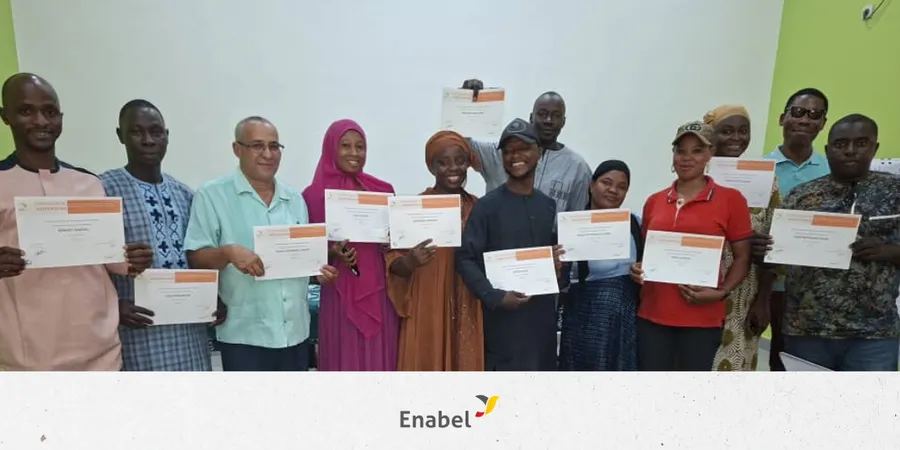
Guinea: an example of training to strengthen skills in local production processing
As part of the Agriéco project (ENABEL), COLEAD recently organised a face-to-face group training session on pineapple processing and good hygiene practices for stakeholders from pineapple clusters in Guinea. This initiative forms part of COLEAD’s support to the implementation of action plans developed following the diagnostic and design phases of the clusters.The training took place in Kindia from 21 to 24 April 2026 and brought together 11 participants holding key roles within processing units, including managers, production managers, hygiene officers, and processing assistants.The objective was to strengthen participants’ technical capacities across several key areas:mastering the basic principles of pineapple processing (drying, juice, jams, etc.)identifying internal and external factors affecting the operation of processing units and managing their impactsapplying good hygiene and quality practices throughout the value chain, from transport to processing and packagingunderstanding the principles of the HACCP method and its key conceptsThe training combined theoretical inputs with practical exercises, including demonstrations carried out directly in local processing units. Participants were able to handle equipment, follow the different stages of processing, and become familiar with hygiene, quality, and traceability requirements.This capacity-building effort is expected to improve the quality of processed products, thereby facilitating access to new markets and enhancing the value of the local pineapple sector.Through this initiative, COLEAD illustrates its commitment to supporting horticultural value chains in adopting proven and sustainable practices, strengthening the competitiveness and resilience of agri-food value chains in Guinea.The Agriéco project, implemented in Guinea with financial support from the Belgian Development Agency (ENABEL). This publication was produced with financial support from ENABEL. Its contents are the sole responsibility of COLEAD and cannot in any way be considered to reflect the official position of ENABEL.
 News
News
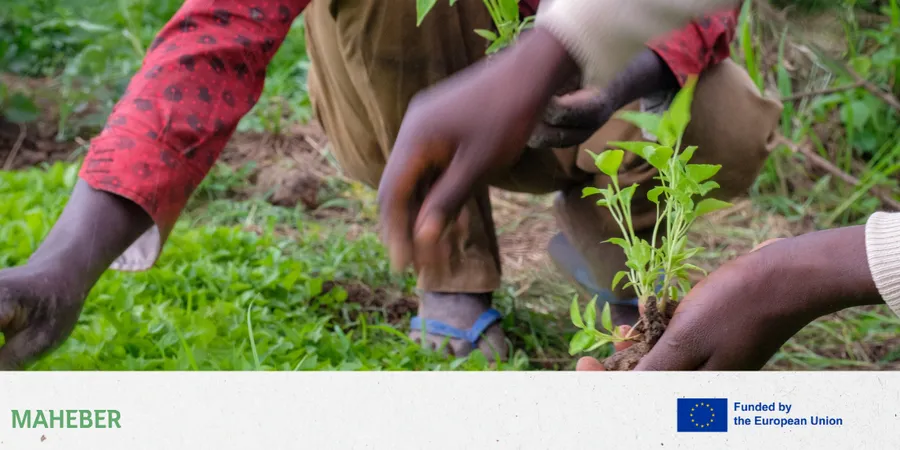
Professionalising commercial strategy: the example of TADESSE in Ethiopia’s avocado market
In Sodo, Ethiopia, Tadesse Agricultural Products Wholesale is taking a new step in structuring its business model by supporting more than 1,300 farmers towards a more commercial and profitable approach.Under the EU-funded MAHEBER programme, seven of the company’s agronomists and supervisors recently completed in-depth training on COQUA tools. This approach aims to bridge the gap between agricultural production and commercial performance by providing practical tools to manage costs, pricing and volumes.Based on real data from avocado orchards in Sodo, the training highlighted a key issue: while farmers have strong production skills, economic management remains a challenge. In particular, detailed cost analysis is essential to ensure profitability.From opportunistic selling to a structured offerOne of the main challenges identified is “side-selling”, where farmers prioritise quick sales to intermediaries. The support therefore focused on developing a reliable and attractive commercial service to build farmer loyalty.Several key levers were activated:Improved production planning, enabling coordination of 220 cooperatives to ensure a steady supply to the Addis Ababa marketPricing structured around real production costsStrengthened internal capacities, with teams now able to train farmers themselvesTowards a more sustainable modelThe training resulted in a concrete action plan, including the translation of tools into Amharic, the introduction of simple digital tracking systems, and the strengthening of contractual frameworks with farmers.Beyond the tools, a new way of doing business is emerging. By structuring relationships with producers and integrating the economic realities of production, Tadesse is better positioned to secure its supply and improve value chain profitability. This is a key step towards strengthening the position of Ethiopian avocados in competitive markets.This activity is implemented by COLEAD and supported by the MAHEBER Program (Mobilizing Actors in Horticulture for Entrepreneurship and Boosting Ethiopian Resilience), funded by the European Union through the EU Delegation in Ethiopia. This communication has been produced with the financial support of the EU. Its contents are the sole responsibility of COLEAD and can in no way be taken to reflect the views of the EU.
 News
News
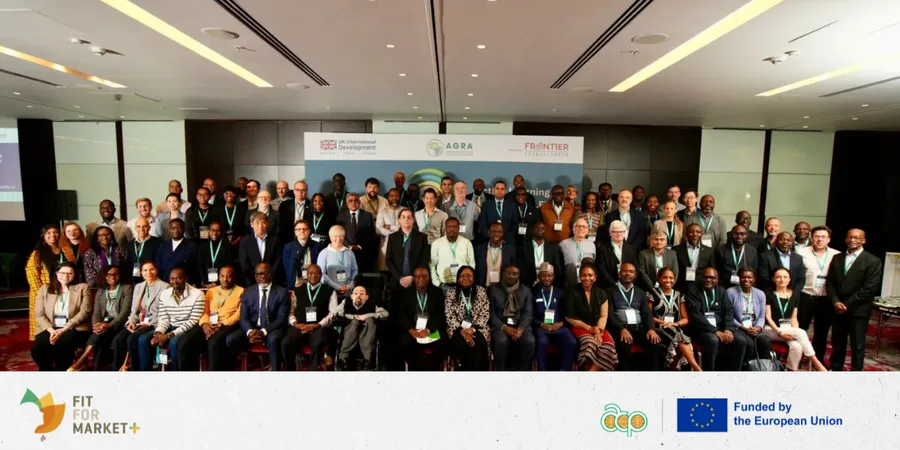
Action Learning Exchange (ALE) 2026: strengthening alliances to accelerate Africa’s transition towards competitive, integrated and sustainable agri-food systems
On 10–11 March 2026 in London, COLEAD participated in the Action Learning Exchange (ALE) 2026, a workshop organised by FCDO, AGRA and Frontier Intelligences. The event brought together public and private stakeholders around a shared objective: accelerating Africa’s transition towards competitive, integrated and sustainable agri-food systems.Four key priorities emerged from the discussions: developing local value addition to move beyond raw commodity exports, advancing trade integration through the effective implementation of the AfCFTA, strengthening sustainable partnerships between African producers and international markets, and adopting innovative solutions such as artificial intelligence, drones and climate-resilient seeds.
 News
News
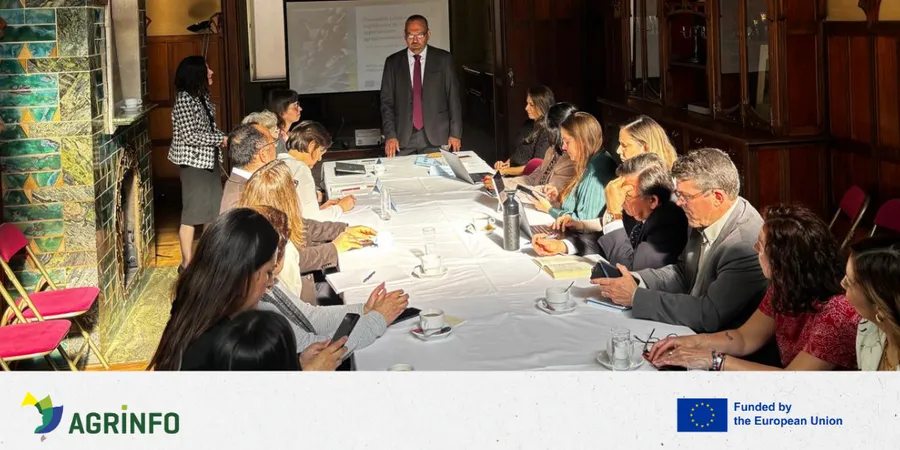
Enhanced dialogue with Latin American embassies on EU regulations : highlighting upcoming challenges for agri-food exports
On March 18th AGRINFO had a meeting with the Embassies of the Latin American Countries in Brussels. The meeting took place at the Argentinean official residence, with welcome words delivered by the Ambassador Fernando Iglesias. Representatives from 13 embassies, Argentina, Bolivia, Brazil, Chile, Colombia, Costa Rica, Cuba, Dominican Republic, El Salvador, Panama, Paraguay, Peru and Uruguay attended the event.This was a valuable opportunity to exchange in person on EU regulatory developments that will be implemented in the near future and that could have an impact on exports from these countries to the European Union. Among the topics covered were EU pesticide MRLs , mineral oil hydrocarbons, packaging, and antimicrobials in food-producing animals.This meeting fully aligns with AGRINFO’s mission: to support European Union partners in low- and middle-income countries in anticipating regulatory changes that may affect their agri-food exports. By facilitating this type of direct exchange between European institutions and international partners, AGRINFO helps strengthen mutual understanding of regulatory challenges and prepares stakeholders for the necessary adaptations.This activity is supported by the AGRINFO programme, implemented by COLEAD and funded by the European Union (EU). This publication receives financial support from the European Union. The content of this publication is the sole responsibility of COLEAD and can in no way be taken to reflect the views of the European Union.
 News
News
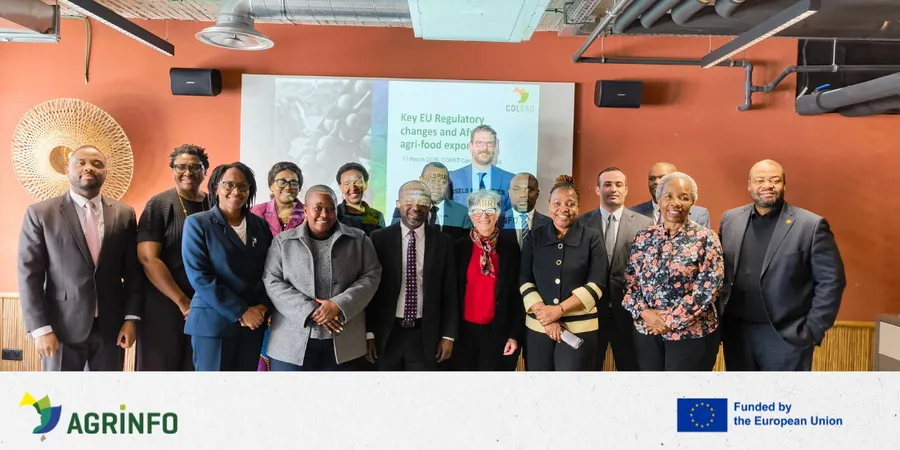
Strengthening dialogue with African embassies on EU regulations: highlighting upcoming challenges for agri-food exports
As part of the AGRINFO programme, COLEAD organised a dynamic exchange with African embassies in Brussels on 17 March 2026 on key regulatory issues affecting the agri-food trade “Update on Key EU Regulations for African Agri-food Exports”.AGRINFO aims to support low- and middle-income countries, in anticipating and preparing for all changes to EU rules.The event, bringing together 12 African embassies, gave in-depth insights into policy areas such as pesticide residues, mineral oil hydrocarbons, the Corporate Sustainability Due Diligence Directive, the EU Deforestation Regulation, packaging, and antimicrobials used in food-producing animals.The participation, engagement, and positive feedback from attendees contributed to the success of the event and highlighted the relevance of this work for diplomatic stakeholders in Brussels.In her opening remarks, the Ambassador of South Africa emphasised that engagement with COLEAD–AGRINFO experts was valuable in strengthening understanding of evolving EU trade and regulatory dynamics and their implications for African countries.A similar event for French-speaking African countries is foreseen in April 2026 (date to be confirmed).This activity is supported by the AGRINFO programme, implemented by COLEAD and funded by the European Union (EU). This publication receives financial support from the European Union. The content of this publication is the sole responsibility of COLEAD and can in no way be taken to reflect the views of the European Union.
 News
News
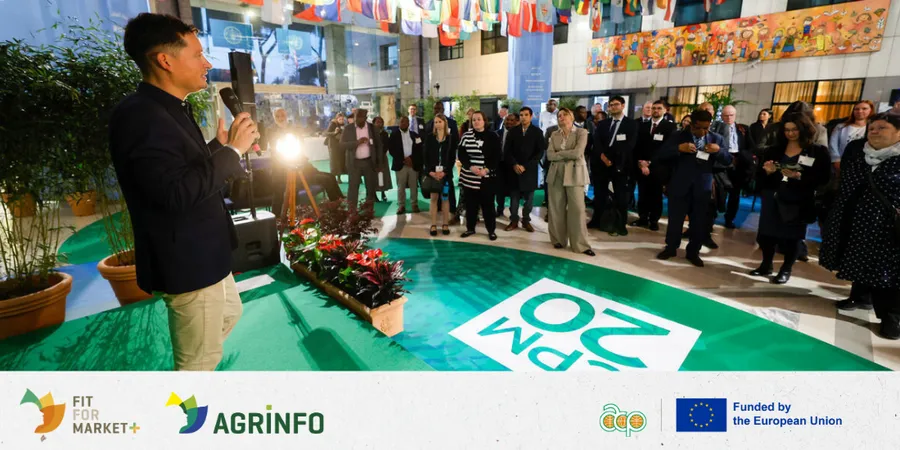
CPM-20 in Rome: contributing to global phytosanitary discussions
From 9 to 13 March 2026, COLEAD participated in the 20th Session of the Commission on Phytosanitary Measures (CPM), held at FAO headquarters in Rome. The event brought together the global phytosanitary community to discuss plant health, international standards, innovation, and safe trade.On 10 March, during the poster session, Thomas Lopes presented research carried out by COLEAD’s Research & Innovation Brokerage team on hot water phytosanitary treatment for controlling fruit flies in West African mango exports. This contribution is part of the FFM Plus programme, which support the development of sustainable agri-food systems and access to international markets.While hot water treatment is effective for fruit fly control, current protocols are not suitable for commercial sea-freight export of West African mangoes, particularly Kent and Keitt, due to heat damage that compromises fruit quality during transport and shelf life. Further research and validation under commercial conditions are needed before it can be recommended as a reliable phytosanitary solution.COLEAD also organised a side event bringing together ACP countries, the European Union, STDF representatives, IPPC experts and partners. This event provided an opportunity for informal exchanges and networking among key stakeholders in the sector.Discussions focused on the role of public-private dialogue in addressing phytosanitary challenges, as well as on presenting COLEAD’s ongoing initiatives, also implemented under the FFM Plus and AGRINFO programmes. They offered a space for exchanging perspectives among stakeholders.Through these contributions, COLEAD actively supported dialogue, innovation and collaboration for stronger phytosanitary systems and safer international trade.This activity is supported by the Fit For Market Plus (FFM+) programme, implemented by COLEAD within the Framework of Development Cooperation between the Organisation of African, Caribbean and Pacific States (OACPS) and the European Union; and by the AGRINFO programme, implemented by COLEAD and funded by the European Union (EU). This publication receives financial support from the European Union and the OACPS. The content of this publication is the sole responsibility of COLEAD and can in no way be taken to reflect the views of the European Union or the OACPS.
 News
News
Launch of a new MOOC dedicated to helping agri-entrepreneurs adapt to climate change
In March, the COLEAD Training Department launched a new Massive Open Online Course (MOOC) entitled “agri-entrepreneurs facing climate change: innovating, adapting, financing solutions.” This initiative reflects COLEAD’s commitment to strengthening the capacities of agri-food stakeholders in response to the growing challenges posed by climate change.Developed under the FFM+ programme, this course offers a practical perspective on how climate change affects agricultural businesses, with a focus on solutions that enable innovation, adaptation, and enhanced resilience of agri-food systems. It is designed for a broad international audience, including entrepreneurs, producers, consultants, agricultural support organisations, and young professionals interested in climate-smart agriculture.Building on the success of last year’s MOOC on packaging and labelling, this new course further demonstrates COLEAD’s commitment to expanding accessible digital learning tools and promoting knowledge sharing at a global level.By the end of the course, participants will be able to better understand the impacts of climate change on the horticultural sector in ACP countries, identify innovative solutions to strengthen farm resilience, and explore tools and financing mechanisms that support climate-smart projects. The MOOC will also highlight COLEAD’s digital platforms, including the e-learning platform and the Agrinnovators community, as spaces for collaboration and innovation.With this new training offer, COLEAD continues to support the transition towards a more resilient, innovative, and sustainable agri-food sector.This activity is supported by the Fit For Market Plus (FFM+) programme, implemented by COLEAD within the Framework of Development Cooperation between the Organisation of African, Caribbean and Pacific States (OACPS) and the European Union. This publication receives financial support from the European Union and the OACPS. The content of this publication is the sole responsibility of COLEAD and can in no way be taken to reflect the views of the European Union or the OACPS.
 News
News
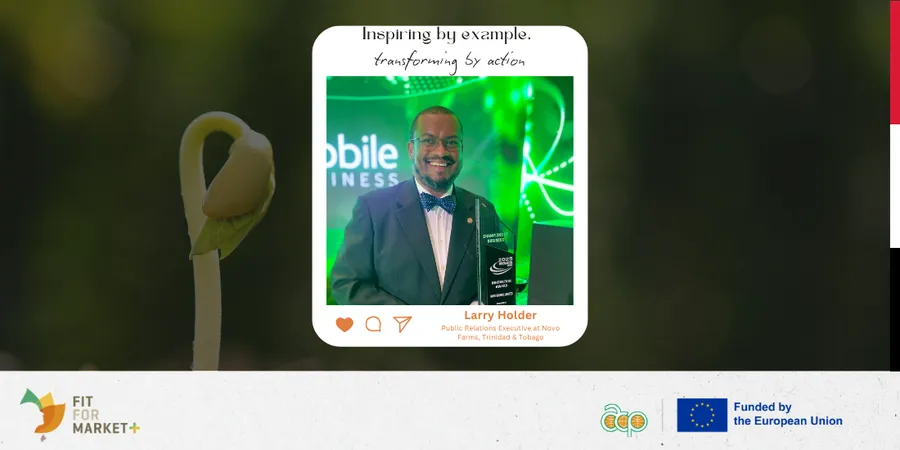
Larry Holder, Novo Farms (Trinidad & Tobago) : from caribbean kitchens to global shelves: scaling local food innovation with novo farms
Standing at the intersection of Caribbean food culture and modern food innovation is Larry Holder, Public Relations Executive at Novo Farms, a fast-growing Trinidad and Tobago manufacturer reshaping how regional ingredients reach the world. With over 15 years’ experience in business development and a professional foundation in marketing and public relations, Larry is among a new generation of entrepreneurs and industry leaders positioning the Caribbean’s food identity on supermarket shelves across the globe.Novo Farms is the company behind LIFE, a consumer food brand that transforms traditional Caribbean dishes into ready-to-cook and ready-to-eat products, from callaloo, dhal and corn soup to sweet potato fries, chokas, and the beloved Trini “oil down.” Alongside frozen and instant meals, the company has introduced a beverage line that creatively repurposes leftover product material, reinforcing their commitment to sustainability.The company’s mission is to make Caribbean flavours more accessible to Caribbean nationals at home and abroad, while also inviting international consumers to taste and appreciate local food culture.Novo Farms operates to FDA and ISO standards, earning recognition for its innovation and environmental efforts. The company has taken part in trade missions across the Caribbean, the U.S. , Canada and England, strengthening its presence among diaspora markets, and is now working toward entry into Europe to reach even more Caribbean communities abroad.Larry Holder’s leadership style reflects a philosophy deeply rooted in empowerment. He advocates building strong internal teams by “training people well enough so they can leave, but treating them well enough so they choose to stay.” Staff development is not merely operational; it’s part of Novo’s growth model.This outlook extends beyond internal culture. Novo is developing partnerships with micro-entrepreneurs and small food companies across the region, offering technical support, product development guidance, business planning, and retail access. Larry sees this not just as an opportunity for collaboration, but as a pathway to regional food security, shared prosperity, and strengthening Caribbean-owned supply chains.While Larry’s work centres on strategy, branding, and advocacy for Novo Farms, he also maintains a strong personal connection to nature as an avid scuba diver. As the public voice of a company transforming traditional Caribbean dishes into convenient products and repurposing local ingredients, his role reflects a wider movement to bring regional flavours to international markets and expand the reach of Caribbean food culture.Larry Holder presented Novo Farms during the Caribbean Agrifood Business Session n°19, organised by IICA and COLEAD, and aimed at showcasing the innovations and successes of Caribbean farmer-led businesses and small and medium enterprises.If you are interested in this topic, join the Agrinnovators Forum.This activity is supported by the Fit For Market Plus (FFM+) programme, implemented by COLEAD within the Framework of Development Cooperation between the Organisation of African, Caribbean and Pacific States (OACPS) and the European Union. This publication receives financial support from the European Union and the OACPS. The content of this publication is the sole responsibility of COLEAD and can in no way be taken to reflect the views of the European Union or the OACPS.
 News
News
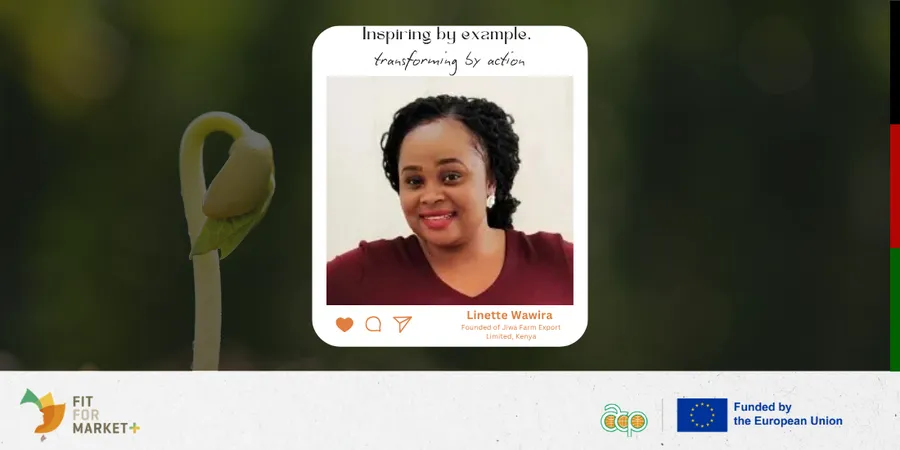
Linette Wawira (Kenya), “By focusing on quality and consistency, we were able to build trust and repeat business.”
Linette Wawira founded Jiwa Farm Export Limited in Kenya during the COVID-19 lockdown, the objective was straightforward: supply fresh, reliable produce to local households. What began as a small grocery initiative has since grown into a GLOBAL G.A.P.-certified agribusiness serving both local retailers and international markets.Jiwa Farm is now specialised in the production, processing, and export of fresh fruits, vegetables, and herbs, including Asian vegetables, French beans, sugar snaps, butter nuts, and onions. From the outset, the company prioritised quality, consistency, and food safety, building trust with buyers and creating a strong foundation for growth.
 News
News
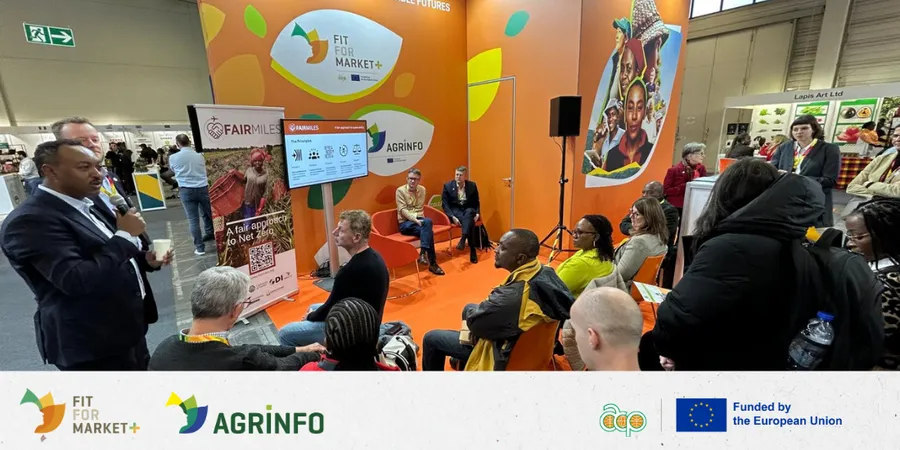
Looking back at fruit logistica 2026: key trends in sustainability, innovation and market opportunities
The COLEAD took part last February in the international trade fair Fruit Logistica as part of its FFM+ and AGRINFO programmes.At Fruit Logistica 2026, several structuring trends emerged, confirming the ongoing transformation of the fruit and vegetable sector. Sustainability, logistics, technological innovation and market dynamics are shaping current priorities.Sustainability remains central but is shifting towards concrete implementation. Stakeholders highlighted the complexity of existing frameworks and the need for clearer standards capable of demonstrating tangible results, particularly in terms of quality, loss reduction and resource efficiency. Regenerative agriculture is also gaining attention, although it remains a marginal approach.Logistics is becoming a strategic lever for competitiveness. Decarbonisation of transport, the development of rail solutions and cold chain management are key concerns. Real-time monitoring of transport conditions is increasingly essential to ensure quality and reduce losses.Plastic-free packaging solutions are expanding, driven by innovation and European regulatory requirements (PPWR). However, their large-scale adoption will depend on cost, technical performance and market acceptance.Artificial intelligence is emerging as an operational tool across the entire value chain: crop analysis, automated sorting, defect detection, flow management and risk anticipation. It helps improve quality, decision-making and operational reliability.From a market perspective, avocados continue to grow, but with increasing demands for consistent quality, supported by advanced control technologies. Meanwhile, blueberries are emerging as a major opportunity, particularly for some African countries, provided that quality, varieties, export timing and environmental requirements are well managed.Overall, Fruit Logistica 2026 highlights a sector in transition, where economic performance, technological innovation and operational sustainability are now closely interconnected.This activity is supported by the Fit For Market Plus (FFM+) programme, implemented by COLEAD within the Framework of Development Cooperation between the Organisation of African, Caribbean and Pacific States (OACPS) and the European Union; and by the AGRINFO programme, implemented by COLEAD and funded by the European Union (EU). This publication receives financial support from the European Union and the OACPS. The content of this publication is the sole responsibility of COLEAD and can in no way be taken to reflect the views of the European Union or the OACPS.
 News
News
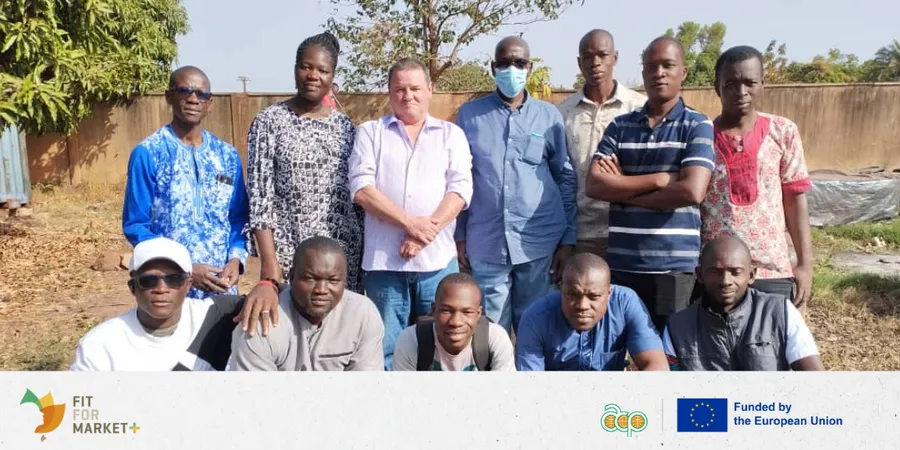
Sustainable management of organic waste: from training to action, an example from Burkina faso
Last December, COLEAD organised a training session in Bobo Dioulasso (Burkina Faso) focused on the sustainable management and valorisation of organic waste, as part of the Fit For Market Plus (FFM+) programme.The session aimed to enable participating partners to design and implement waste management plans tailored to their activities, while promoting environmentally friendly practices. Participants came from companies with diverse profiles (production, processing, quality, and agricultural advisory services).Combining theoretical input, group work, and a field visit to a composting site, the training provided practical skills to identify, analyse, and valorise organic waste, particularly through composting.Following the training, participants are now better equipped to structure waste management within their companies, contributing to reduced environmental impacts and the adoption of more sustainable practices.Participant feedback highlights the relevance and quality of the training, particularly praising the clarity of the content, the value of exchanges, and the expertise of the trainers.As a follow-up to this initiative, post-training support will be deployed to assist with the practical implementation of acquired knowledge, strengthen capacities, and promote the sustainable adoption of good practices.This activity is supported by the Fit For Market Plus (FFM+) programme, implemented by COLEAD within the Framework of Development Cooperation between the Organisation of African, Caribbean and Pacific States (OACPS) and the European Union. This publication receives financial support from the European Union and the OACPS. The content of this publication is the sole responsibility of COLEAD and can in no way be taken to reflect the views of the European Union or the OACPS.