
Cultivating
Sustainable Futures
 News
News
Lessons from the first trade fairs in 2023
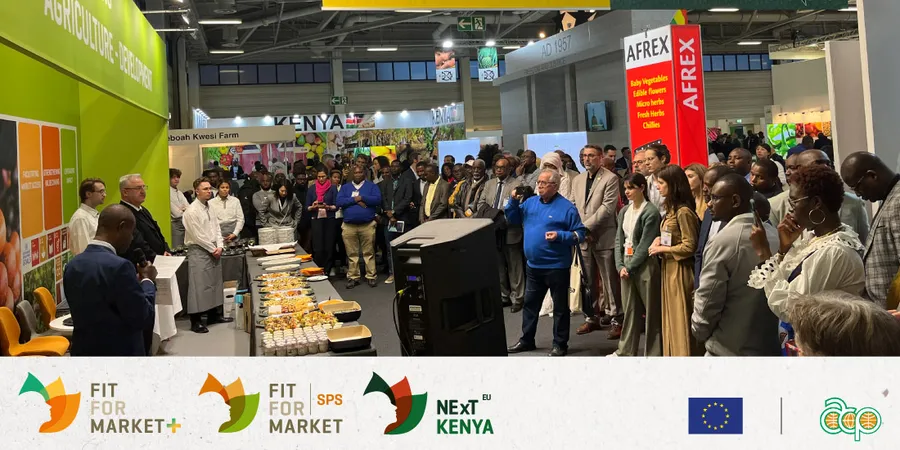
In February 2023, COLEAD successfully participated in Fruit Logistica and BIOFACH in Germany, under the FFM+, FFM SPS and NExT Kenya programmes. Through a series of meetings, conferences and networking events, we established and nurtured relationships with almost 400 contacts from 57 countries. Despite ongoing challenges posed by the COVID-19 pandemic, both fairs made strides towards post-pandemic recovery. However, the number of visitors remained lower compared to the pre-pandemic period.We observed that the demand in the sector remains dynamic despite the industry facing various challenges, such as inflation and the energy crisis. Moreover, we anticipate that the transition from air freight to other logistics options by certain retailers (e.g. Albert Heijn in the Netherlands) may present obstacles for some EU market suppliers.The newly implemented EU organic regulations regarding group certification are of significant concern to producers/exporters working with small farmers. Nonetheless, the organic sector remains attractive, and consumers in Europe are still willing to purchase organic products. Counter-season and tropical fruit and vegetables are also expected to suffer less from the increased competition from local organic production in the EU. For the US market, new and stricter organic regulations are expected to bring changes to the sector.Additionally, COLEAD observed a growing market for organic vegetarian and vegan products, along with an emerging trend of producing/exporting companies stepping into processing to add value to their produce locally. MSMEs in Sub-Saharan Africa have also shown a strong interest in local processing options, such as dried, individual quick frozen, oils and frozen purees.In the coming months, COLEAD will attend the following international trade fairs : Macfrut, 3–5 May in Italy SARA (Salon International de l’Agriculture et des Ressources Animales d’Abidjan) 29 September – 8 October in Côte d'Ivoire Fruit Attraction, 3–5 October in Spain. These activities are supported by the Fit For Market SPS, Fit For Market+ and the NExT Kenya (New Export Trade) programmes. The Fit For Market SPS and Fit For Market+ programmes are implemented by COLEAD within the Framework of Development Cooperation between the Organisation of African, Caribbean and Pacific States and the European Union. The New Export Trade Kenya (NExT Kenya) programme is implemented by COLEAD, funded by the EU and established in collaboration with the EU Delegation in Nairobi and Kenyan stakeholders (NExT Kenya).
 News
News
850 new learners per month registered on the COLEAD e-learning platform
Since the start of the year, around 850 new learners register monthly on the COLEAD e-learning platform (mainly via FFM+ programme). This vocational training platform (training.colead.link) is one of the online resources developed by COLEAD. To date, close to 20,000 users are registered on the platform, out of which 72.6% are based in member countries of the OACPS. Additionally, 75 of the 78 ACP countries are represented. Madagascar is the top user country with 1563 learners, due in part to the integration of the e-learning platform’s learning journeys into the Malagasy agronomy university curriculum. Kenya, Côte d'Ivoire and Cameroon follow closely behind. Recent evolution of the number of learners on the e-learning platform The other digital platforms of the COLEAD resource centre are : the online library, analytics on agricultural and food markets, and the agrinfo.eu information system on the evolution of EU regulations.This activity is supported by the Fit For Market+ programme, implemented by COLEACP within the Framework of Development Cooperation between the Organisation of African, Caribbean and Pacific States (OACPS) and the European Union.
 News
News
Keeping AGRINFO subscribers up-to-date
AGRINFO is a new information programme on evolving EU policies, regulations and standards with potential impacts on agricultural value chains in low- and middle-income countries. This global programme, funded by the EU and implemented by COLEAD, covers food and commodity crops, livestock and fisheries.A key aspect of the new programme is disseminating clear and accessible information to all interested stakeholders.AGRINFO UPDATE is a regular email alert every 2 weeks. It lists the most recent EU regulatory and policy developments, with links to the AGRINFO website. There users can view clear summaries about the “what, why and when” of recent and upcoming changes, and actions that companies or authorities need to take to meet the new rules. There is a focus on changes recently notified to the World Trade Organization, and how to send feedback via National SPS/TBT notification authorities within the 60-day time limit. AGRINFO UPDATE also highlights new regulations and policies that are under development, and those coming into force, with application dates (including changes to pesticide maximum residue limits).All those interested can sign up for regular AGRINFO UPDATES here.Subscribers working for public authorities, sector associations or farmer organisations in AGRINFO target countries also have two additional ways of obtaining information: subscribe to occasional AGRINFO TOPICAL BRIEFING emails, with more detailed information relevant to specific sectors and localities contact us via the CONSULT AGRINFO service to share experiences and raise questions. AGRINFO is at the start of its journey and will be evolving over the coming months and years. COLEAD is keen to receive feedback on all aspects of the website and the programme.AGRINFO is a programme funded by the European Union and implemented by COLEAD
 News
News
CAMEROON: Small producers trained on business accounting
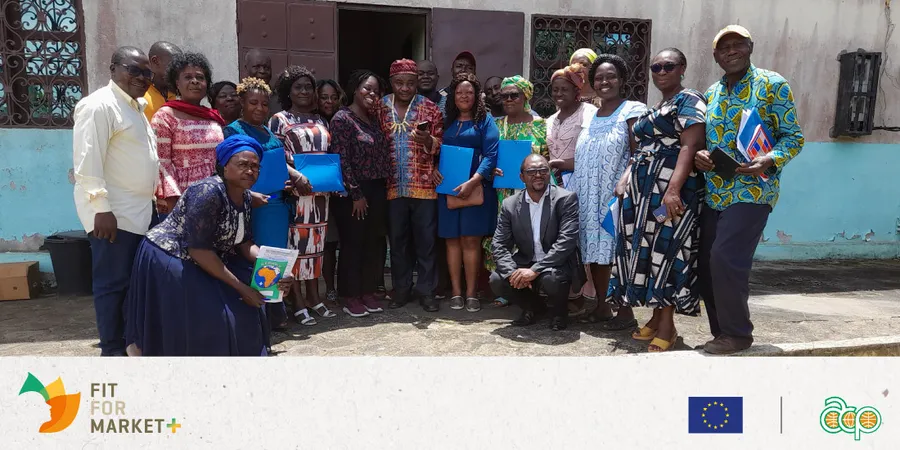
COLEAD collaborates with stakeholders in agricultural value chains in countries with high potential for economic and social development to support their growth. One of COLEAD’s main activities is to strengthen the capacities of local actors through vocational training.Recently, as part of the FFM SPS programme, COLEAD organised a training session in Cameroon for the supervisory team of small producers and a few ‘pilot’ producer-dryers from the TERRESPOIR GIC. The objective of the training was to teach the producers how to set up, analyse and maintain an operating income statement. The training was led by Mr Simplice Metienou, a COLEAD expert, and was conducted in two phases.The first phase, which took place in October 2022, consisted in an in-situ training for 25 participants, including small producers, producer-dryers and supervisory staff of the TERRESPOIR GIC. At the end of this first phase, the participants were able to: Identify production-related expenses (by type and nature of expense) and revenue from their activity ; Develop a dashboard highlighting the key performance indicators of their enterprise ; Identify and record cash flows from their activity ; Determine the profitability of their activity ; The second phase of the training took place in January 2023 and consisted in on-site coaching to implement the knowledge gained from the training. This support meant co-developing operating income statements by crops for producers (for a total of nine crops). In addition to developing operating income statements, several other activities were carried out to enable producers to take full ownership of the process of developing their operating income statements. This work was done for each producer or group of producers. Specifically, these activities included: assessing the loss rate during production operations (harvesting/drying) ; determining the final net weight of the packaged product ; Setting up methodologies, structuring and allocating costs (how to account for costs of packaging, consumables, fuel, etc.) Establishing an internal organisation of the production process and work (allocation and accounting of personnel for efficient work) Setting up methodologies, structuring and allocating costs related to the use of paid services such as water, electricity, transportation and communication, etc., for routine operations. These trainings and on-site coaching have enabled small producers and producer-dryers of the TERRESPOIR GIC to better understand their activity, identify costs associated with production and determine their profitability.This activity is supported by the Fit For Market SPS programme, implemented by COLEAD within the Framework of Development Cooperation between the Organisation of African, Caribbean and Pacific States (OACPS) and the European Union.
 News
News
ALFA: French private sector partners to contribute to sustainable development of agriculture and livestock in Africa
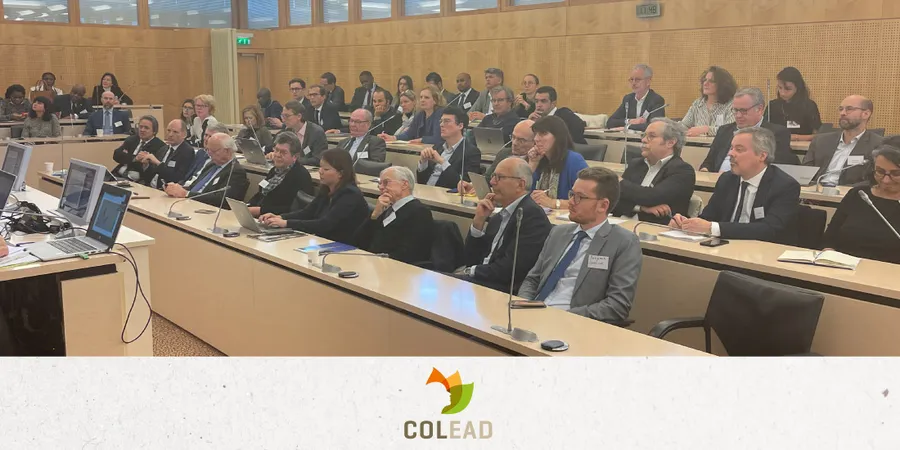
On 24 March 2023, the ALFA initiative (Agriculture Livestock Fisheries Africa) was officially established as a non-profit association. The event took place in Paris at the Economic, Social and Environmental Council with 50 founding members present, including COLEAD.Aware that Africa represents an exceptional lever for sustainable growth, the ALFA association aims to prospect and develop value chains in the agriculture and livestock sector, primarily relying on private entrepreneurship.The goal is to address the economic and food autonomy challenges of the African continent, particularly by promoting all practices for preserving natural resources and climate and ensuring respect for human rights. The association aims to work closely with local actors, promoting reciprocal transfers of technologies and the appropriation of all the know-how needed for a sustainable implementation of agricultural and livestock production sectors.ALFA was born from the collective will of around 100 French companies, professional organisations, and research and training institutions with activities in Africa to commit together and in dialogue with African, French and European public authorities to the sustainable development of agriculture on the continent.The ALFA group’s work and missions of the past 18 months should allow the association to quickly become operational on priority topics such as access to finance for MSMEs, transfer of expertise or vocational training identified by ALFA as high-potential levers to act and address the challenges and opportunities that the association, its members, and partners in Africa face.ALFA is chaired by Karim Ait Talb. The Secretary-General in charge of the operational management of the association will be officially announced soon.
 News
News
SENEGAL: Residue-free sweetcorn
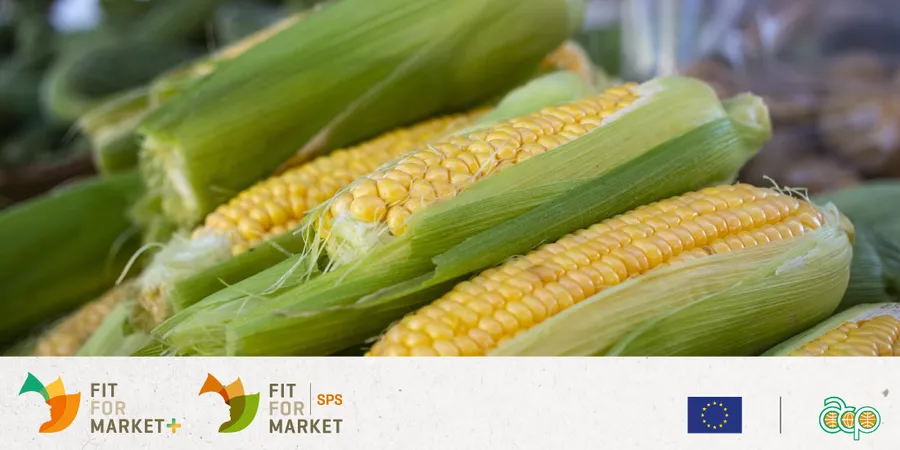
The COLEAD Research and Innovation Brokerage Department is currently working on updating Technical Itineraries or Good Phytosanitary Practices Guides through the FFM SPS and FFM+ programmes, which include information on good agricultural practices (GAPs). These GAPs ensure compliance with European and Codex MRLs, as well as residue-free production. Information on GAPs is integrated into the COLEAD E-GAP database, developed to ensure that producers have access to the necessary information to use PPPs safely and comply with market requirements (EU MRLs and CODEX).Although sweetcorn is an important export crop to Europe, data on GAPs is often incomplete or non-existent for the agro-climatic conditions of member countries of the OACPS. It is in this context that COLEAD has been implementing a trial in Senegal since late 2022 to define pre-harvest intervals that enable compliance with EU MRLs (European market) and CODEX (ACP markets), or a residue level below the limit of quantification (residue-free production perspective) for approved/used products on sweetcorn. This activity is supported by the Fit For Market+ programme, implemented by COLEAD within the Framework of Development Cooperation between the Organisation of African, Caribbean and Pacific States (OACPS) and the European Union.
 News
News
Health For All: the key role of agrifood MSMES and businesses
The 75th anniversary of the International Health Day acknowledges the achievements made towards improving public health and calls for further efforts in ensuring Health for All. According to the World Health Organization, nutrition and food safety are fundamental to a healthy diet, which is essential for good overall health, well-being, optimal growth and development, and a protection against all forms of malnutrition.Within this context, the agricultural and agrifood sectors are key to promoting healthy diets and contributing to the achievement of the health related Sustainable Development Goals (SDGs). Throughout the food system value chain, many actors are involved in producing, processing, packaging, distributing, and marketing food to ensure that a healthy diet is affordable, accessible, and available to all.Discover or rediscover African and Caribbean entrepreneurs who are making significant contributions towards promoting healthy diets for all.To meet the needs of the world’s growing population, it is necessary to make more food available for consumption – not only by increasing production, but also by reducing food loss and waste. Food losses occur between harvest and the point of sale, mainly due to the lack of refrigeration facilities especially for perishables, unreliable and inadequate storage facilities, and insufficient agro-processing skills among smallholder farming communities. Food waste also occurs at a later stage when retailers, food service providers and consumers discard food for reasons of aesthetics, inadequate storage etc.Unfortunately, the number of people suffering from hunger and malnutrition due to unhealthy or inadequate food consumption, are increasing around the globe. Undernourishment (including being underweight, stunted, and emaciated), being overweight and obesity and micronutrient deficiencies - known as the “triple burden” of malnutrition - are particularly prevalent in developing countries. To meet this challenge, communities will need access to healthy and nutritious diets. However, nutritional foods such as fruits, vegetables and animal protein are more expensive and less accessible than staples such as cereals and starchy roots, as well as processed foods containing excessive amounts of salt, sugar, and preservatives.As a result, local micro, small and medium-sized enterprises (MSMEs) and businesses have a key role to play in making nutritious and safe foods available, accessible, and affordable, for better nutrition. The African and Caribbean entrepreneurs showcased in the PAFO-COLEAD Innovations Series and in the IICA-COLEAD Caribbean Agrifood Business Series* have presented how they contribute to healthy diets. The companies have developed storage, transportation and processing solutions that reduce post-harvest nutrient loss and increase the shelf-life and suitability of food. The showcased MSMEs and businesses work closely with local farmers to supply locally grown produce and ensure food safety and quality. They also employ members of local communities and generate other indirect job opportunities, thereby supporting local economic growth and providing financial means to purchase healthy food and improve living standards.As a non-profit association that manages and implements development programmes in the agricultural sector, COLEAD – together with its partners – supports agrifood models that address social, environmental, and economic challenges impacting health at national, regional, and global levels. The Innovations Series and the Caribbean Agrifood Business Series showcases entrepreneurs who are dedicated to using their businesses as a platform to promote nutritious diets and make them accessible through healthy, innovative, local, and nutritionally rich products.The series aims to share the key success factors of these businesses, and to inspire others to seize the opportunities available in the agrifood sector. They also provide a platform to raise the visibility of agrifood MSMEs and connect them with support organisations that help to create an entrepreneurial environment. Further support to agrifood MSMEs through technical support, skills development and access to finance is essential to strengthen food value chains and increase the supply of nutritious food, thus making healthy diets more accessible.* The PAFO-COLEAD Innovations Sessions and the IICA-COLEAD Caribbean Agrifood Business Sessions, focus on innovations and successes of African and Caribbean farmer-led businesses and SMEs. These activities are supported by the Fit For Market Plus programme, implemented by COLEAD within the Framework of Development Cooperation between the Organisation of African, Caribbean and Pacific States (OACPS) and the European Union.
 News
News
Fit For Market Plus (FFM+) launch in Malawi
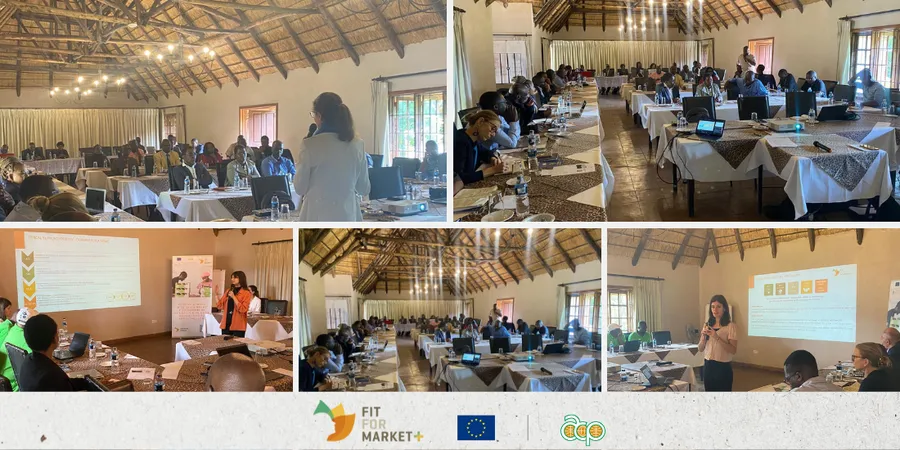
In the framework of the Fit for Market Plus (FFM+) programme, a mission is taking place in Malawi with the participation of four COLEAD team members from the Technical Assistance and Training Units. The mission is an opportunity to meet the FFM+ applicants and share the COLEAD/FFM+ offer and global benefits.Since the launch of FFM+ (in July 2022) a total of 65 applications for support have been received from Malawi as of early March 2023. This is substantially more than were received by previous programmes.FFM+ applications were received from: 47 horticultural companies (producers, processors), 12 smallholder support structures, 5 service providers and 1 professional association.This positive change in the number of applications is likely due to the increasing visibility of COLEAD in the Southern Africa region. Applications could also have been encouraged by the involvement of the Embassy of Malawi in Brussels, which shared information about FFM+. The embassy communicated with key stakeholders in the country, particularly the Malawi Investment & Trade Centre, which played an important role in disseminating the information at a national level.The mission included the organization of a local FFM+ launch/informative event, which welcomed over 50 organisations that had applied to the FFM+ programme, along with representatives of the public sector and key stakeholders operating in the fruits and vegetables sector in Malawi.The FFM+ event took place at Kumbali Country Lodge Hotel in Lilongwe and was followed by a networking lunch and an afternoon of one-on-one meetings. These gatherings allowed further discussion of the applications for support and contributed to the drafting of development projects.FFM+ has been designed and will be implemented as a continuation of the FFM programmes (FFM/FFM-SPS) and the results of the COLEACP/COLEAD COVID-19 Action Plan implemented from March 2020. This 5-year, €25 million programme is funded by the European Union and the OACPS. FFM+ support is designed to contribute to the transition of ACP agriculture to a more sustainable food and agricultural system, integrating the priority areas of action identified by the Farm to Fork strategy of the EU Green Deal.This activity is supported by the Fit For Market Plus (FFM+) programme, implemented by COLEAD within the Framework of Development Cooperation between the Organisation of African, Caribbean and Pacific States (OACPS) and the European Union.
 News
News
PAFO-COLEAD Innovation Series Session n°12
Four inspiring African entrepreneurs presented the range of skills that they have developed to build successful and sustainable agribusinesses in Africa during the 12th Innovations Session, organised by the Pan-African Farmers’ Organization (PAFO) and COLEAD on 15 February 2023. The online session was attended by over 215 participants from Africa, the Caribbean region and Europe.The recordings of the session are available in English, French and Portuguese on COLEAD’s YouTube channel. Link to programme : English; French; Portuguese.Link to Biodata : English; French.Developing a business, financing risks and undertaking innovations require a wide range of entrepreneurial skills that include adaptability and resilience, business acumen, continuous learning, financial management, creativity, leadership, marketing and networking, as well as technical and technological knowledge. The four featured entrepreneurs described the skills they have developed to start and expand their businesses:Marlene José, CEO of the Angola-based company FoodCare, highlighted the necessity of processing in compliance with hygiene and food safety standards, in addition to preserving the originality of indigenous products. FoodCare’s factory is HACCP and FDA certified, enabling the company to export to the European and American continents and to increase its product range.Etienne Christian Dioma is the Director of the Burkinabe cooperative society UPROMABIO/HBS, which produces, processes and markets organic and fair trade dried mango and dried hibiscus flowers for international markets. Throughout his career, Etienne Christian has continuously attended training courses in Belgium, France and Switzerland, as well as training modules offered by COLEAD to continue improving his knowledge and skills in food processing, quality control and export requirements.Marian Thompson, Managing Director of the Ghanian company Bio-Tropical Products Company Ltd, explained how she has gained the knowledge required to lead the company’s corporate governance and nurture growth strategies of social impact. Attending trade fairs in export markets and building partnerships with support organisations and buyers has been key to establish this profitable business for both the international and regional markets.Fannie Gondwe, Executive Director of Perisha Agro and Packaging Enterprise, a company based in Malawi, explained how she has developed an eco-inclusive agribusiness aiming at improving the nutritional status of women and children. Taking part in business and investor pitch competitions has been essential to support and finance expanding the company, including its product range of biofortified foods that comprises orange fleshed sweet potato, orange maize, Nua Beans and cassava products.It is vital to support micro, small and medium-sized enterprises (MSMEs) in developing their business activities as they play a crucial role in the agriculture sector for sustainable economic growth and development in Africa. The Innovations Session n°12 featured two experts who are contributing to building an enabling environment for entrepreneurs:Kingsly Kongnyuh Kwalar, Founder and CEO of Optimiz, created a platform that supports international traders and their insurers to remotely inspect cargo and help their operationalisation, including through reducing inspection costs and increasing process efficiency. By digitising internal processes, Optimiz enables entrepreneurs to track and quickly identify problematic activities leading to cargo damage along the supply chain and automates the claims process.Prof. Anthony Egeru is Manager of RUFORUM’s unit for Training and Community Development, which aims to strengthen the effectiveness of university contribution to development through skills development, particularly entrepreneurship of talented, motivated and disadvantaged youth in Africa. RUFORUM provides a platform for training quality graduates to support development processes in Africa through networking, resource mobilisation and advocacy.Considering that the skills needed by entrepreneurs are constantly evolving, it is of crucial importance to promote and nurture an entrepreneurial spirit and support capacity development. Many organisations, such as PAFO and COLEAD, support farmers’ organisations, cooperatives and entrepreneurs in capacity development, skills enhancement and business relations, in areas related to market research, marketing and packaging, meeting quality standards and labelling requirement, dealing with new administrative procedures and regulatory requirements and having access to opportunities to diversify customers, such as trade fairs and B2Bs.The PAFO-COLEAD Innovations Sessions focuses on innovations and successes of African farmer-led businesses and SMEs. This activity is supported by the Fit For Market Plus programme, implemented by the COLEAD within the Framework of Development Cooperation between the Organisation of African, Caribbean and Pacific States (OACPS) and the European Union.
 News
News
Farming as a Business 2 : Training Boosts Entrepreneurial Skills in Sierra Leone and Liberia
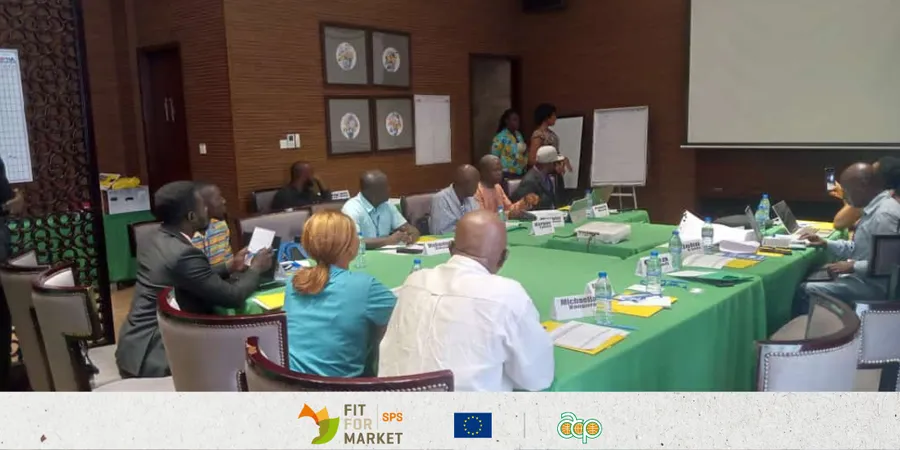
In November 2022, COLEAD organised a collective training on "Farming as a Business 2 (FAB2)" for a group of companies based in Sierra Leone and Liberia. This training complements the first FAB1 training session, which took place in June 2022 and was followed by an individual and tailor-made coaching in December 2022. Each participating company received tailor-made support based on the priority needs identified by each manager.The objective of this second session was to strengthen management and leadership skills, improve human resource management and develop cost/benefit analysis skills, as well as marketing and decision making to strengthen start-ups and expand existing enterprises. For instance, at the end of the training, participants were able to understand the key elements of recruitment, selection and staff retention, human resource management and the characteristics of a productive team; they were also able to set appropriate prices for their products or services and list available markets and how to access them, and they could describe the principles of effective negotiation and decision-making.This activity is supported by the Fit for Market SPS programme, implemented by COLEAD as part of the development cooperation between the Organization of African, Caribbean and Pacific States (OACPS) and the European Union (EU).
 News
News
IICA-COLEAD Caribbean Agrifood Business Session n°8
Four inspiring Caribbean women entrepreneurs presented on their successes as businesses operating in the agrifood sector of the Caribbean in the Caribbean during the 8th session of the Caribbean Agrifood Business Series organised by the Inter-American Institute for Cooperation on Agriculture (IICA) and the COLEAD on 23 February 2023. The online session was attended by around 200 participants from the Caribbean region, Africa and Europe. The recordings of the session will be available in English, French, Spanish and Portuguese on the COLEAD’s YouTube channel.Link to programme in : English; French; Portuguese ; Spanish.Find the Biodata in : English; French; Spanish.Women make significant contributions to agriculture and the agrifood sector, and more broadly to the rural economy in all world regions. They are substantial entrepreneurial force at all stages of the value chain, from farm to fork, and in all markets, from local to international. Women create jobs, contribute to the economic growth of their countries and region and support food and nutrition security.Jeanette Marcelle is the Founder and CEO of agri-food processing company Handmade by Jeanette Co. (HBJ), based in Trinidad and Tobago, that produces healthy granola, sauces and spices mixes using locally grown products. The company operates according to business practices that are beneficial to the environment, including those that reduce waste in the agriculture sector, and supports small farmers in the community who supply raw material.Anastasha Elliot is the Co-Founder and CEO of the agri-food social enterprise Sugar Town Organics., based in St. Kitts and Nevis. The company creates authentic and healthy Caribbean products that are sold under four different product lines: Marapa – a premium line of botanical skin care products; Yaphene – a line of botanical care products; Baba’s Lullaby – a nutrient rich and Caribbean-infused baby care line; and Flauriel – a vegan food line of healthy condiments, sauces, snacks and wines. Sugar Town Organics sources raw materials from its own mini-farm, in addition to working with local farmers. Its products are sold locally and exported throughout the Caribbean, United States, European Union, United Kingdom and Taiwan.Shondel Abby Alexander, is the Founder and Owner of Abby’s Exotic Blends that produces various flavours of high quality vegetable chips and (non-)alcoholic beverages. The award-winning St. Lucian agro-processing company meets all industry quality standards and aims to incorporate environmentally friendly practices in its production cycle to limit wastage and preserve energy consumption, all while ensuring the best tasting products. Its products are sold throughout Saint Lucia and are exported to neighbouring islands.Noella Ruiz is the Founder and CEO of Empresas Noelia Ruiz Srl that adds value to all products of beehives. The company based in the Dominican Republic is dedicated to the conservation of the environment and is driven by the aim of developing beekeeping as a prosperous and essential economic activity. The business supports beekeeping producers in three provinces, where it provides them training and workshops and supports the social and economic inclusion of women beekeepers.It is key to support women-led micro, small and medium-sized enterprises (MSMEs) in developing their (business) activities as they play a crucial role in the agriculture sector for sustainable economic growth and development in the Caribbean. . Many organisations, such as IICA and the COLEAD, provide support to women-led and women-empowering companies including through targeted technical assistance, capacity building and networking. The 8th session of the Caribbean Agrifood Business Series has featured three experts who are contributing to building an enabling environment for women entrepreneurs:Tonni Brodber, Representative of the UN Women Multi-Country Office in the Caribbean, presented the work being conducted and the resources created to support economic empowerment for gender equality in the Caribbean region. These efforts target the low rate of women self-employment in the Caribbean, and the lower likelihood that women own a business in comparison to men. The projects, tools, knowledge resources and groups created were discussed within the framework of the empowerment cycle, which comprises six key factors: skill set, agency and decision making, access to resources, dignity, social protection and access to justice.Carmen Nurse is President of the Caribbean Network of Rural Women Producers (CANROP), a network that represented rural women agricultural producers and processors throughout the Caribbean. Its mission is to promote and support the efforts of the national chapters of the network through training and informing them on how to achieve sustainable SME development and rural prosperity. CANROP envisions its role as a rural woman transparent institution that contributes to the development of the Caribbean agricultural sector, and in doing so, generates income to support food and nutritional security, reduction of poverty and the improvement of rural livelihoods.Priscila Zúñiga Villalobos, Gender Equity and Youth Programme Manager at IICA, discussed the intersectionality of rural women and how their varied roles in the Caribbean and Latin America contribute to agri-food systems. She details the barriers and challenges to rural women, including those that were wrought in particular during the COVID-19 pandemic. To address these challenges, IICA has enacted a Gender Equality and Youth Programme, and promotes rural women’s participation in business to ensure equal opportunities in the economy.The IICA-COLEAD Caribbean Agrifood Business Series focuses on innovations and successes of Caribbean farmer-led businesses and SMEs. This activity is supported by the Fit For Market Plus programme, implemented by the COLEAD within the Framework of Development Cooperation between the Organisation of African, Caribbean and Pacific States (OACPS) and the European Union.
 News
News
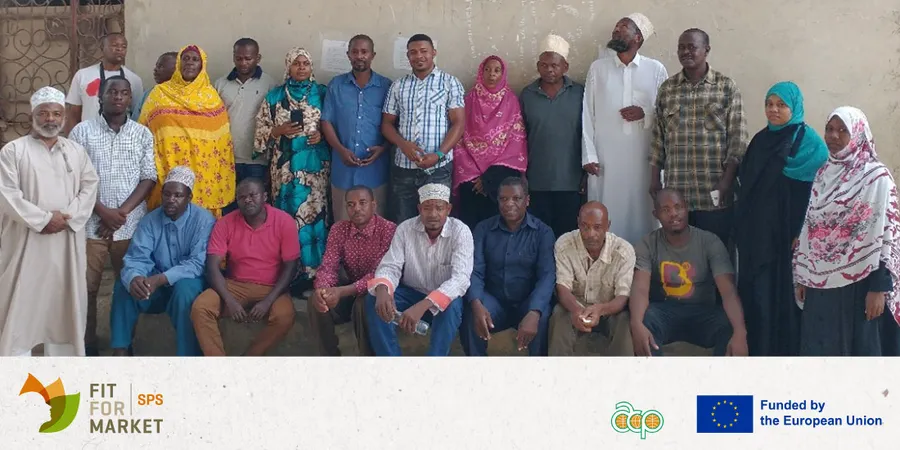
Tanzania: Zanzibar's producers get trained in accounting
As part of COLEAD’s Fit For Market SPS programme, a training on “Bookkeeping and Cost-Benefit Calculations” was organised for Zanzibar Fruit and Vegetable Growers Association (UWAMWIMA) in October 2022, at their premises on Zanzibar Island. UWAMWIMA is an association of smallholder producers from the horticultural sector in Zanzibar. The association was established in 2004 and counts over 2,000 smallholder producers as members. The smallholder producers are involved in the production of watermelon, tomatoes, pineapple, okra, papaya, cucumber, eggplant, green pepper, passion fruit, banana and sweet potatoes for the local and export markets. Most of the production is carried out in an ecologically sustainable way, by implementing the principles of organic agriculture.The training aimed to build capacity of UWAMWIMA’s extension staff for bookkeeping, cost/benefit and cashflow-related calculations for the production of vegetables at producer level, and aimed to show how farmers can be assisted to budget for the various activities in the vegetable production cycle. To increase farmers’ level of professionalism, a budgeting and planning exercise was set up using simple tools that are understandable and relevant to their daily activities.At the end of the training, the participants are able to:identify production-related expenditures (by type and nature) and revenues of vegetable crops for an average smallholder producer;recognise the largest expenditure items for the average producer and identify at which point in the production cycle these large expenditures occur;ascertain associated cash flows and be able to distinguish cash flows from profitability;monitor production expenses, revenues and income (expenses/income booklet) for an average smallholder producer;calculate key business performance indicators such as yield, turnover, gross margin, net margin, net profit or loss, rejection rates, total unit cost, variable unit cost, fixed unit cost, costs covered by the smallholder producer and costs covered by the company, to create simplified cash flow statements; andbecome familiar with the methodology to be used in delivering training sessions to a group of producers, including for the production of training resources.This activity is supported by the Fit For Market SPS programme, implemented by COLEAD within the Framework of Development Cooperation between the Organisation of African, Caribbean and Pacific States (OACPS) and the European Union.