
Cultivating
Sustainable Futures
 News
News
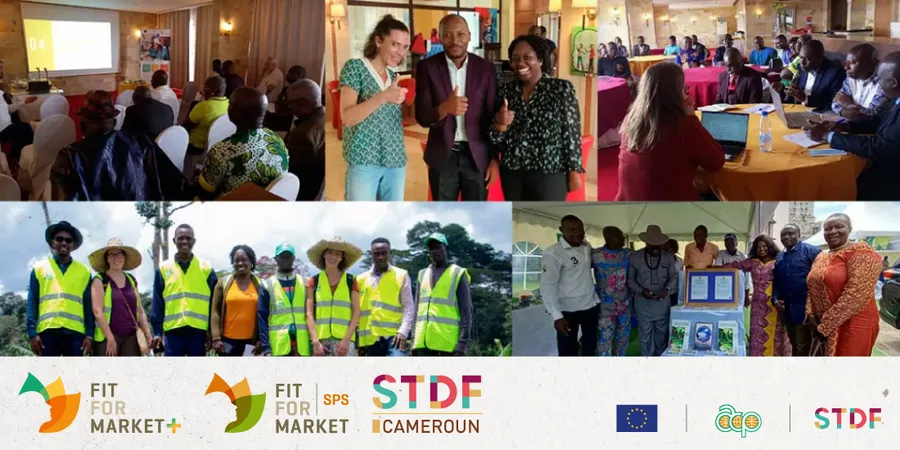
October 2022, review of the COLEACP mission to Cameroon
A team from COLEACP – Margaux Muyle (Senior Project Officer), Dorothée Vandeleene (Project Officer - Training Department) and Gisèle Mizero (Project Officer - Technical Assistance) – visited Cameroon from 5 to 14 October 2022 for the closure of the "Project to improve the sanitary and phytosanitary quality of Penja pepper to promote its access to international markets" (STDF/PG/593).The COLEACP team took this opportunity to review the actions carried out with the existing partner-beneficiaries of the STDF SPS programme, to assess their impacts and to organise the remaining actions. In this context, they met with the Directorate of Regulation and Quality Control (Direction de la Règlementation et du Contrôle Qualité-DRQ) to discuss the conclusions of the evaluation of the national SPS system (via the R-SAT tool) and the needs of both the mango and pineapple sectors. Several roundtables were held with public and private stakeholders to discuss the challenges and opportunities of horticultural sectors of economic importance to Cameroon, namely Penja pepper, mango, and pineapple. These roundtables were organised in conjunction with the Penja Pepper Geographical Indication Group (GR-IGPP) and the Network of Horticultural Industry Operators in Cameroon (RHORTICAM).
 News
News
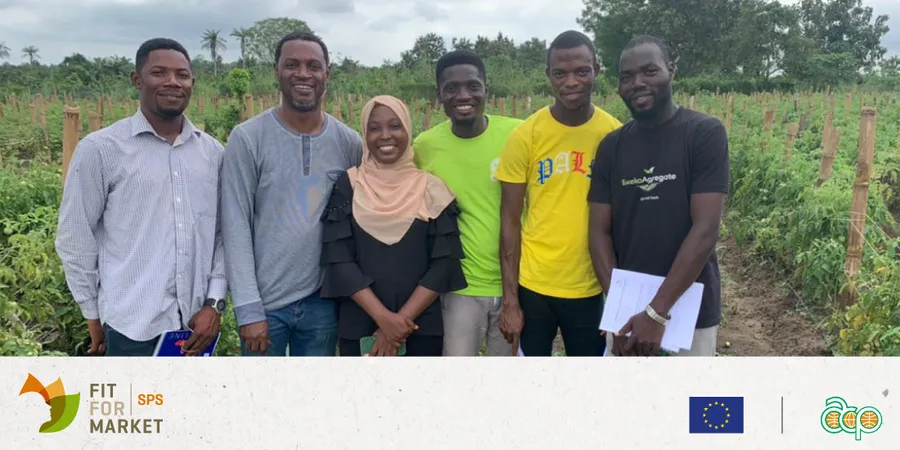
The Fit For Market SPS programme training in Ibadan on crop protection strategies
From 3 to 6 October 2022, the Fit For Market SPS programme organised training in Ibadan, Nigeria, on "Crop Protection Strategy" for technical managers, extension staff, agronomists, production managers and staff involved in making crop protection decisions at primary production level. The training combined theory with practice and gathered together 20 participants from 14 Nigerian companies.At the end of the training, the participants were able to list and identify major crop pests, describe crop protection methods, choose the most appropriate control method according to the targeted pests and apply the method without endangering consumers, know the risks associated with the use of crop protection products, adopt best practices for pesticide application to reduce risks to the applicator, adopt good application technique, and update and disseminate their company's current good agricultural practices.This training directly follows the COLEAD mission to Nigeria in September and is a direct and concrete response to the difficulties faced by COLEAD programmes' partners-beneficiaries in the country.This activity is supported by the Fit For Market SPS programme, implemented by COLEACP within the Framework of Development Cooperation between the Organisation of African, Caribbean and Pacific States (OACPS) and the European Union.
 News
News
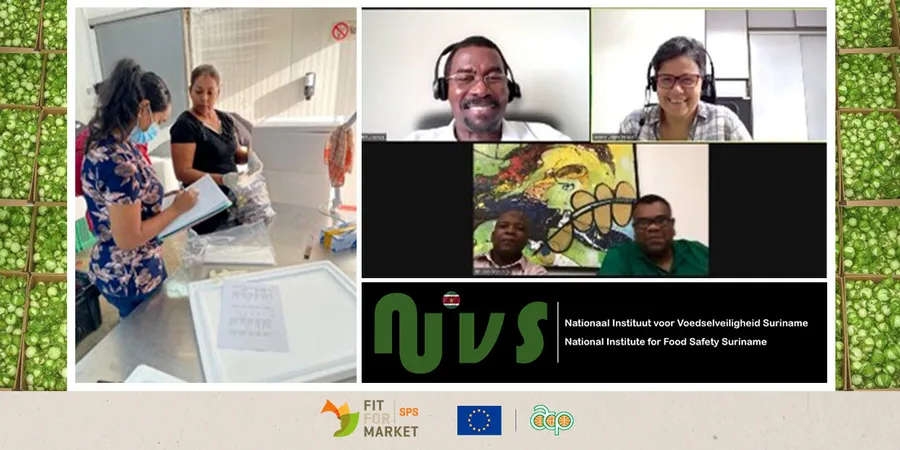
The Fit For Market SPS programme support to strengthen the national SPS systems of Suriname
On 24 May 2022, the Ministry of Agriculture, Animal Husbandry and Fisheries (Ministerie van Landbouw, Veeteelt en Visserij - LVV) of the Republic of Suriname, in collaboration with COLEACP and CAHFSA, organised a 1-day workshop in the capital Paramaribo entitled “Eggplant R-SAT Validation”. The workshop was attended by key representatives from the public and private horticulture sector. During the workshop, experts presented the results of the application of the R-SAT tool to the SPS control system and identified priority activities. Two main interventions have been initiated to strengthen the national SPS system of Suriname namely:Review and update the legislation of Suriname for consistency with the IPPC and provisions for establishing a parastatal NPPO.Draft a new food law for Suriname.For the first intervention, an expert reviewed the current plant health law of Suriname comparing this to IPPC legislation to determine the level of consistency and identify necessary modifications to the technical content. The legal description and management structure of the NPPO will be reviewed with the intent to propose modifications for establishing the NPPO as a parastatal body in terms of organisational and management structure as well as the financing options required for operation. To achieve this, several meetings are being held with the main stakeholders for consensus building. When feedback is received from all stakeholders, the revised plant health law will be finalised.The objective of the second intervention is drafting a new food law for Suriname because the current food law – dating back to 1911 – is outdated. COLEACP experts, amongst others, will review the relevant national legislation, act in an advisory capacity to the National Institute for Food Safety (NIVS) on all aspects of the food law and its governance structure, and study the policy documents underpinning the reform of the food law to draft the new food law. Upon incorporation of feedback received during the stakeholder consultations, the final draft of the food law will be tabled in Parliament.This activity is supported by the Fit For Market SPS programme, implemented by COLEACP within the Framework of Development Cooperation between the Organisation of African, Caribbean and Pacific States (OACPS) and the European Union.
 News
News
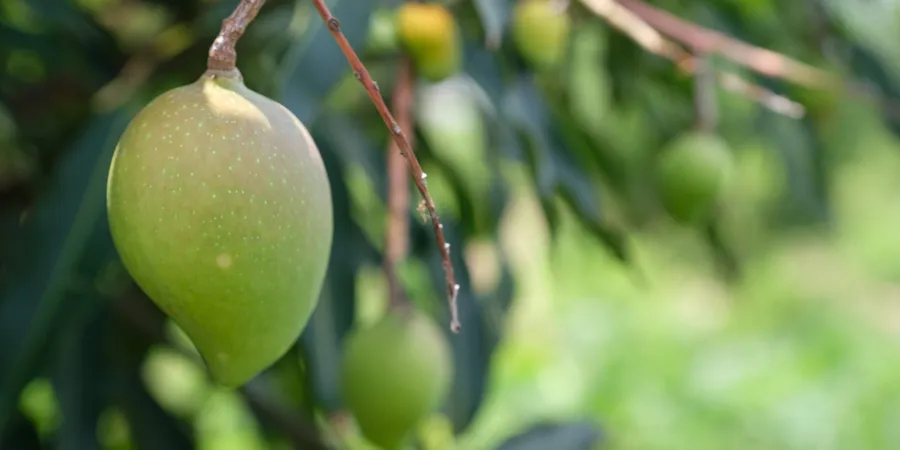
Three new plant protection products are now available for mango in West Africa
Three new plant protection products (PPPs) have been granted a Provisional Authorization of Sale (APV) with the support of COLEACP's Fit For Market SPS programme at the 6th Extraordinary Session of the Sahelian Committee for Pesticides (SPC) in October 2022. This means that they will be available to producers for the 2023 season in the nine West African countries covered by the SPC: Burkina Faso, Cape Verde, Chad, Guinea-Bissau, Mali, Mauritania, Niger, Senegal and Gambia. The products are for use against anthracnose and fruit flies in mango.Anthracnose is still hampering West African mango exports to the European Union (EU). Following the lowering of the EU Maximum Residue Level (MRL) of prochloraz to the Limit of Detection (LOD) in 2020, producers have been left without options to control the disease on crops for export to the EU. To address this problem, COLEACP implemented field trials in 2019/2020 to test and accelerate the registration of two alternative solutions: SCHOLAR (fludioxonil), a post-harvest dip treatment; and SERENADE (Bacillus amyloliquefaciens QST 713), a post-harvest dip treatment compatible with organic production. In the interim, the results of COLEACP trials have been used to support requests for SCHOLAR to be used in the 2020 and 2021 seasons in Senegal, Mali and Guinea.Fruit flies are still a major challenge for West African mango exports to the EU. In fact, fruits containing larva cannot enter the EU, and infested consignments are rejected by the European phytosanitary services. The problem facing producers is compounded by the limited range of products authorised by the SPC for use on mango to control them. To support the implementation of integrated fruit fly management in West Africa, and to increase the range of solutions available to producers, COLEACP has supported the registration of Bb-Protec (Beauveria bassiana), a pre-harvest treatment for use in orchards, compatible with organic production.Before using either of the products mentioned here as compatible with organic production, farmers are recommended to check which substances are allowed in organic farming in the market of destination.This activity is supported by the Fit For Market SPS programme, implemented by COLEACP within the Framework of Development Cooperation between the Organisation of African, Caribbean and Pacific States (OACPS) and the European Union.
 News
News
Meetings with Malagasy universities and research centres
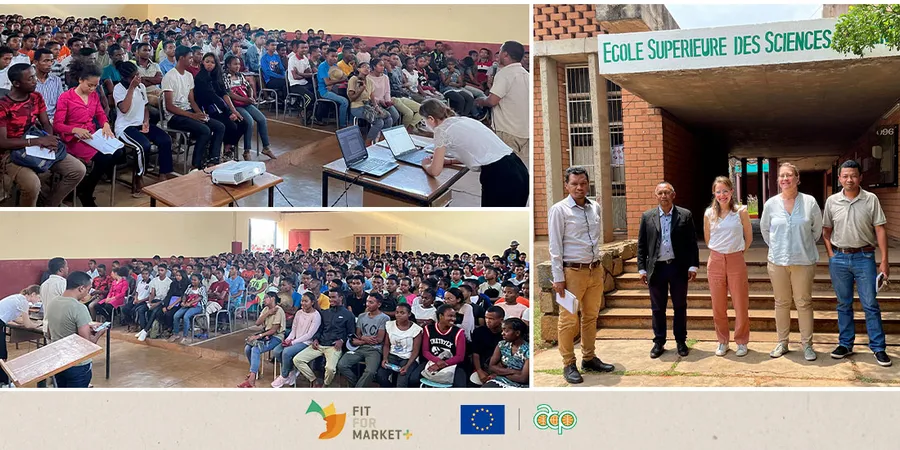
During a mission organised to launch the Fit For Market+ programme in Madagascar, a COLEACP team met with professors from the entomology and chemistry departments of the Faculty of Sciences of the University of Tananarive, the Ecole Supérieure des Sciences Agronomiques (Agriculture and Sustainable Development Department) and the Ecole Supérieure Professionnelle Agricole de Bevalala, in order to discuss collaboration opportunities.Claire Perez, a project manager in COLEACP's Training Department, presented COLEACP's e-learning training platform and the e-Library to undergraduate and graduate students from the University of Tananarive and the Ecole Supérieure Professionnelle Agricole de Bevalala.
 News
News
Training of trainers in Papua New Guinea
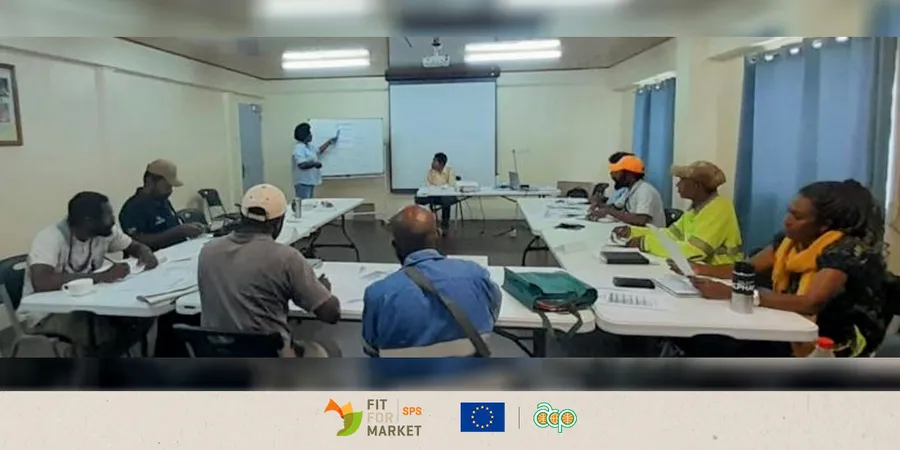
The Fit For Market SPS programme has organized a training of trainers for Hargy Oil Palms Ltd (HOPL). The objective of the training was to build on the technical and pedagogical skills of HOPL’s trainers to improve the training provided to the growers. Within the framework of its social responsibility policy, HOPL works on improving the livelihoods of smallholders by helping them increase their income and improve nutrition by growing fruit and vegetables.A group of ten extensionists was first trained in the principles of training of trainers and more specifically on the Field Training Workshop (FTW) methodology developed by COLEACP. The FTWs present an activity designed around a given subject to explain it to a target audience, in a simple and visually appealing way.The participants had the opportunity to practice the FTW methodology between themselves before testing their new skills with the growers. At the end of the training, HOPL’s trainers were able to conduct complete training sessions on their own, including organization of a training course; establishment of the programme and timetable; details of content and key messages; preparation of training tools; facilitation of the course; and evaluation of participants.This activity is supported by the Fit For Market SPS programme, implemented by COLEACP within the Framework of Development Cooperation between the Organisation of African, Caribbean and Pacific States (OACPS) and the European Union.
 News
News
COP 27: our future is in the hands of the agricultural and food industry
Over the past decades, agriculture has continuously expanded and enhanced its productivity to ensure food security and food safety to the growing global population in an unsustainable way. This has led to the loss of natural ecosystems, declining biodiversity and increasing greenhouse gas emissions1. The global agrifood system, which includes food production, processing, packaging and transport, is responsible for one of the largest shares of greenhouse gas emissions2 and thus is an important contributor to climate change. However, promoting more sustainable agriculture and food systems which support environmental health, economic profitability and social equity is part of the solution to the climate change problem.Agriculture is concurrently one of the sectors most at risk from climate change. Africa3 and Caribbean4 and Pacific5 Small Island Developing States (SIDS) are disproportionately impacted despite their limited share in global greenhouse gas emissions. In the most vulnerable communities, the impacts of climate change pose a direct threat to people’s very survival. Increases in temperature, sea level rise and extreme weather events such as drought, flooding and violent storms all have an impact on cultivated land as well as on crop yield, soil fertility and the availability of water—the associated increases in pest pressures are also detrimental to crop production. Fisheries and aquaculture, which provide the main source of animal protein for over a billion people worldwide, are at risk due to higher sea temperatures. Storms and hurricanes can cause sea level rise and coastal erosion threatening infrastructure, settlements and facilities that support the livelihoods of island communities. However, African, Caribbean and Pacific (ACP) countries face limited institutional, economic and financial resources to address the impact of such adverse climate change on agriculture.Political efforts to compel the agriculture sector to comply with global commitments to reduce greenhouse gas emissions – e.g. the Paris Climate Change Agreement – have therefore been limited. In 1992, the United Nations decided to coordinate their actions to prevent [rising] greenhouse gas levels in the atmosphere due to human activity from affecting the climate system by signing the United Nations Framework Convention on Climate Change (UNFCCC). Since 1995, the signatories of the UNFCCC meet annually at the so-called Conferences of the Parties to the UNFCCC (COPs) to assess the ongoing process and negotiate the taking of further actions. The Koronivia Joint Work on Agriculture (KJWA), established in 2017 at COP23, is the only programme under the UNFCCC that focuses specifically on agriculture and food security. If globally agriculture is responsible for a third of all greenhouse gas emissions6, it is also part of the solution to the climate change debate.COP27 hosted by Egypt in Sharm El-Sheikh from the 6 to 18 November 2022 will discuss the importance of agriculture and food systems in light of “Climate Justice” and mitigating the effects of climate change and adapting to them, especially on 12 November which has been declared Adaptation & Agriculture Day. Food systems must be addressed in a comprehensive way, supporting agriculture to feed a growing population but also supporting social and environmental aspects. Our future lies in the hands of the farmers.Agriculture remains a vital sector for most developing countries in terms of economic development, employment and trade. Private sector operators, MSMEs and smallholders all have a key role to play in promoting sustainable production, using climate-resilient crops and supporting both green growth and the circular economy. These actors need market incentives, strong institutions and supportive policies to start, grow and upscale their operations. To meet the climate change and environmental challenge, priorities for ACP countries include: enhancing environmental services, making more efficient use of scarce natural resources such as land and water, promoting renewable sources of energy, upscaling innovations and leveraging a green agenda for new jobs and sources of income for the poor.COLEACP supports producers, entrepreneurs, consultants, technicians and all stakeholders in the agricultural and food systems to enhance food security and nutrition, efficiently use natural resources and mitigate climate change by providing continuous capacity building, training and technical assistance. COLEACP also focuses on promoting the contribution of smallholders, SMEs, and farmer groups and organisations to a sustainable agrifood sector, by sharing best practices during online sessions. For example, innovative and resilient African and Caribbean entrepreneurs spoke about how they have adapted their business models in light of the constraints and challenges arising from climate change in Innovations Sessions and Caribbean Agrifood Business Sessions co-organised with the Pan-African Farmers’ Organization (PAFO) and the Inter-American Institute for Cooperation on Agriculture (IICA), respectively.Agribusiness practitioners and scientific research are the nexus between health, nutrition and climate change. The transformation of agricultural and food systems through the adoption of agroecological practices is key to tackle and cope with the challenges linked to climate change. Scientific research and the cooperation of the private sector are essential to the development of Climate-Smart Agriculture (CSA). COLEACP, as the lead of the second service area of the European Union (EU)-funded Development of Smart Innovation through Research in Agriculture (DeSIRA) programme, works closely with African research organisations towards the development of sustainable agriculture and food systems. DeSIRA-LIFT’s Service Area 2 supports FARA, AFAAS, ASARECA, CCARDESA and CORAF – collectively known as the CAADP-XP4 organisations – playing a key role in Africa’s Agricultural Knowledge and Innovation Systems (AKIS). At COP27, the African Union Commission is organising a high-level ministerial roundtable on the African Union Green Recovery Action Plan (GRAP) 2021–2027 that was adopted by the AU Assembly in February 2022, to discuss its operation and funding. DeSIRA-LIFT is supporting this effort.Sustainable intensification is at the heart of COLEACP programmes such as FFM+, financed by the EU and the Organisation of African, Caribbean and Pacific States (OACPS). FFM+ is framed around a sustainability charter, a sustainability self-assessment system, and associated capacity building. The aim is to improve production and contribute positively to climate, ecosystems and the productive environment, while minimising any negative impacts by addressing the three pillars of sustainability towards achieving the Sustainable Development Goals (SDGs). 1 IPCC, 2019. Climate Change and Land: Summary for Policymakers. 2 In 2019, global agri-food system emissions corresponded to 31% of total anthropogenic emissions. Tubiello, F.N., Karl, K., Flammini, A. et al., 2022. Pre- and post-production processes increasingly dominate greenhouse gas emissions from agri-food systems. 3 Climate Change in Africa, African Development Bank Group, accessed on 08.11.2022. 4 Building Resilience to Climate Change in Small Island Developing States, Inter-American Development Bank, accessed on 08.11.2022. 5 The Pacific Islands: The front line in the battle against climate change, National Science Foundation, accessed on 10.11.2022. 6 Crippa, M., Solazzo, E., Guizzardi, D., et al., 2021. Food systems are responsible for a third of global anthropogenic GHG emissions. Nature Food 2, 198–209.
 News
News
COLEACP attending the 6th African Diaspora Agrofood Forum in Brussels
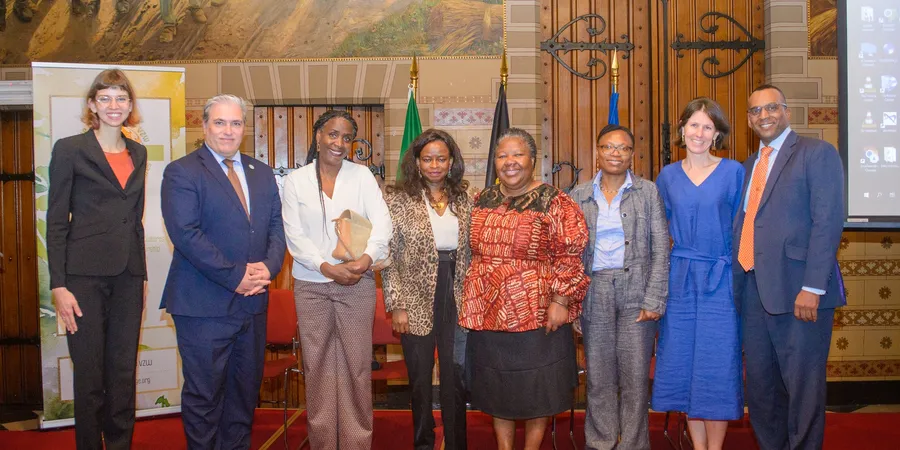
On Friday, 21 October 2022, COLEACP took part in the 6th African Diaspora Agrofood Forum (ADAF), organised by The Food Bridge vsw and hosted by the Brussels city hall. This annual forum brings African Diaspora entrepreneurs, policymakers and expert in the African agrifood sector together to highlight the latest trends and potentials for growth in the agrifood sector. COLEACP contributed to the organisation of the event through the FFM SPS and FFM+ programmes funded by the European Union within the framework of its Development cooperation with the Organisation of the African, Caribbean and Pacific States (OACPS).Ms Maureen Duru, founder and CEO of The Food Bridge, launched the forum with opening remarks highlighting the potential of African Diaspora Agrofood entrepreneurs and the aim of this initiative to provide a platform for beneficial exchanges and discussions that can help expand their role in the sector. The issues addressed by the speakers (onsite and online) focused on the role of policymaking in building a dynamic African diaspora entrepreneurship ecosystems (panel one); mobilizing African Diaspora entrepreneurs as development actors beyond remittance (panel two); and building a sustainable African Diaspora business paradigm in the agrofood sector (panel three).COLEACP participated in the first of the three panels moderated by Ms Diana Dimbueni (member, The Food Bridge) and Mr. Anthony Brand (CEO, Coverpoint RCM BV). Ms Maud Delacollette, Regional Programme Manager in the Technical Assistance department, introduced the new FFM+ programme, including the evolution of the conditions to access market in the European Union and the activities performed by COLEACP throughout the programme. Ms Axelle Rupert, Project Manager in the Networks and Alliances department, presented the compendium on African Diaspora Agrofood Entrepreneurs recently published by COLEACP and The Food Bridge. The compendium presents nine African Diaspora companies and aims to enhance the visibility of entrepreneurs from the African Diaspora and their contribution to the economic and social wellbeing of their country of origin, as well as to the development of their country of residence.During the second panel of the forum, four entrepreneurs from the African Diaspora presented their activities and how they developed it:Mr. Cyril Sanjoh created his farming company Sanjoh Farms based in Cameroon while being in Belgium with the support of an on-site team. Sanjoh Farms consists of three farms dedicated to mixed organic crop cultivation and livestock production, and sustainable transformation. Its organic products are sold to hotels, restaurants, local customers and international markets at a fair price. The farm works towards improving the soil, air and water quality, as well as to create a sustainable integrated organic farm, and to process and direct market all crops and livestock products.Ms Hélène Ndaya Kadima presented her company Les Racines de Ndaya created in 2020 producing sustainably skin beauty product using 100% natural, certified organic ingredients purchased from Congolese cooperatives or family-run structures that work in an environmentally friendly manner. The products are available for sale on the online shop of the company. Ndaya plans to sell them in herbal and organic shops first in Belgium, then in Congo and more largely in Africa.Ms Lucie Adou created in 2019 the company Ladou that processes dehydrated attiéké, a local specialty of the Côte d’Ivoire, using artisanal production techniques. The product is 100% natural, without added flavorings nor preservatives and has a 24-months shelf life. Ladou is being USDA organic certified for entering premium markets in the Middle East. The Ladou attiéké is currently available for sale online and will be soon available in beauty and organic shops in Belgium.Ms Suzanne Badiane owned a restaurant in Brussels from 1990 to 2013 and later created La Cuisine de Suzanne, a company based in Belgium and Senegal. Suzanne has developed a range of products (seasoning, jams, spices mixes) and recipes with Senegalese indigenous and nutritive products (e.g. baobab, gombo, hibiscus). She shares her knowledge both in Belgium and Senegal by travelling with her own caravan to reach local population (especially rural women) and teach them how to cook local crops to benefit from their nutritional value.COLEACP supports entrepreneurs, producers and other stakeholders in the agricultural and food system, by providing continuous capacity building, training and technical assistance. Diaspora companies can become beneficiaries of the programmes implemented by COLEACP (e.g. FFM+) if their producing/packing/processing/selling company (including farmer groups/cooperatives) is based in one of the member countries of the Organisation of African, Caribbean and Pacific (ACP) States (OACPS). One of the featured entrepreneurs in the compendium who also presented his business at the ADAF 2022, Mr. Cyril Sanjoh, will be supported by COLEACP under FFM+ in addition to contributing to the activities of the COLEACP association as a member.
 News
News
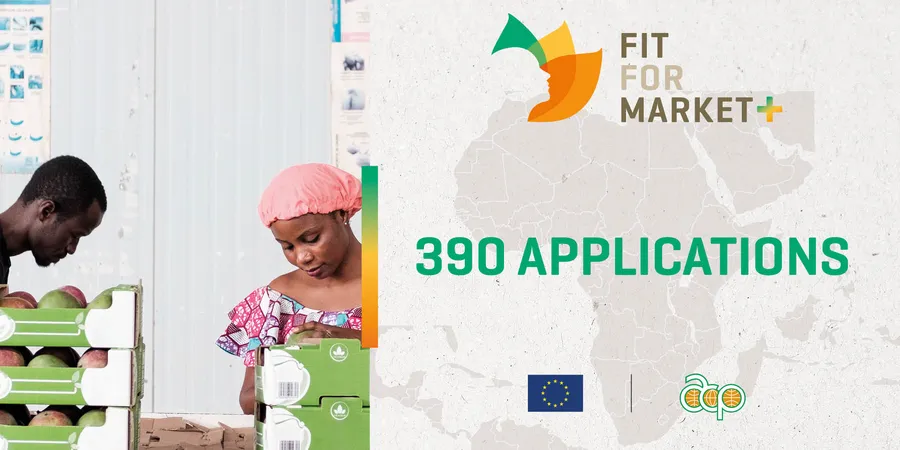
FFM+, already nearly 400 requests for support
To date, 390 applications for Fit For Market Plus (FFM+) support have been filed by various organisations from African, Caribbean and Pacific countries.In order to further promote this new programme and meet potential partner-beneficiaries, a series of launch events and activities have already been organised in Cameroon, Cote d'Ivoire, Ghana, Nigeria, Rwanda, Sierra Leone, Togo and Uganda. More launch events will also be organised in the coming weeks and months.In Uganda, the launch of the FFM+ programme took place in Kampala on 12 October 2022 and was attended by almost 100 representatives of the country's public and private horticulture sectors. Nadia Cannata, Head of Section, Rural Development, European Union Delegation in Rwanda, opened the event and Ines Bastos, Regional Programme Manager COLEACP and Maria Renkens, Senior Project Manager COLEACP, introduced FFM+ to delegates.This launch event will help to mobilise stakeholders in the development of the Ugandan horticultural sector around priority areas of action previously highlighted by the R-SAT system as part of the FFM SPS programme.Fit For Market+ (FFM+) provides support to the horticultural sector in member countries of the Organisation of African, Caribbean and Pacific States (OACPS). It aims to maintain and improve the capacity of smallholders, farmer groups and horticultural MSMEs to access domestic, regional and international markets through the progressive sustainable intensification of the horticultural sector, while adapting to changes in their operating environment due to Covid-19 and climate change. This activity is supported by the Fit For Market+ programme, implemented by COLEACP within the Framework of Development Cooperation between the Organisation of African, Caribbean and Pacific States (OACPS) and the European Union.
 News
News
COLEACP-PAFO session on Business opportunities for African young entrepreneurs in African and European markets
On Wednesday 26 October 2022, COLEACP and the PanAfrican Farmers Organization (PAFO) co-organised a hybrid session on Business opportunities for African young entrepreneurs in African and European markets as part of the 2022 International Young Farmers Summit organised by the PAFO. The main objective of the Summit is to promote, strengthen and spread the voice of young farmers in the international arena. The joint session featured three African young entrepreneurs (see biodata) who are part of COLEACP’s wide network of agri-food businesses operating in African, Caribbean and Pacific (ACP) countries. Mwangi Muturi presented his business Lusoi Greens Limited in the PAFO and COLEACP Innovations Session n°8, while Moussa Faye’s and Sandrine Vasselin Kabonga’s respective companies Moussa’s Bissap and MISAO KIVU were recently featured in the African Diaspora Agrofood Entrepreneurs Compendium published and developed by The Food Bridge and COLEACP. They shared their experiences from Africa and Europe in business development and intercontinental trade (specifically between Africa and Europe).Moussa’s Bissap is a company that produces a variety of Senegalese traditional fruit infusions named “bissap” made from the hibiscus plant. Moussa, born in Senegal and currently residing in Belgium, founded the company in 2014 and has developed a range of high quality drinks bottled in premium glass packaging marketed in Europe (mainly in Belgium). The company works directly in partnership with local farmers and experts in Senegal to produce hibiscus. Since its creation, the production increased from 7 to 30 tons of hibiscus, part of which used for manufacturing the drinks, while the rest of the hibiscus is sold to companies in Germany and the United Kingdom (UK). Moussa’s Bissap supports environmental sustainability and generates positive social and economic impacts in Senegal, including by investing part of the earnings from the sales into the hibiscus growing sites. Moussa’s key advice: Building trust through the quality of products is essential, as these will represent the country that they are exported from and will pave the way for others.MISAO KIVU operates in Belgium and the Democratic Republic of Congo (DRC) to grow, supply and trade rare peppers and rare spices, vanilla, coffee and cocoa from the Kivu region in DRC and from the broader Central African region. Sandrine created the company in 2015 when she noticed that the spice sector did not exist in DRC though the climate and land is ideal for the cultivation of spices. MISAO KIVU established a whole new sub sector of a spice and dried goods in the DRC economy leading to the creation of job and skills development, especially for rural communities. The company promotes a fair and sustainable production approach with agroforestry systems that contribute to preserving biodiversity, which extends to protecting good seeds and finding rare species that would otherwise disappear in mainstream cultivation plots. Sandrine’s key advice: Niche markets are the future of the agricultural market in Africa, and the uniqueness of a product will help to ensure it stands out on global markets. Quality and food safety standards and certifications are key for accessing these (export) markets.Lusoi Greens Limited is a Kenyan company growing, producing and exporting culinary herbs (e.g. basil, mint, chives, dill etc.), and more recently, vegetables. The company was created in 2018 by Mwangi and exports its products to Europe and the UK but is exploring the sale to other African markets, including Kenya. Lusoi Greens Limited is Global G.A.P. and GRASP certified, as well as member of Sedex. Its efforts on certification and continuous improvement, e.g. having its packhouse BRC (British Retail Consortium) -certified, is supported by the NeXT Kenya programme1 implemented by COLEACP. Lusoi Greens Limited works closely with local communities, particularly women, invests into its staff by paying above the recommended minimum wage, and provides free water to the local community as it is operating in a semi-arid environment. It uses solar power for pumping water, eliminating the use of polluting energy sources. Mwangi’s key advice: Investing in labelling and branding is key as it supports the produce to be associated with high quality, consistency and sustainability. Branding is especially of importance when entering new markets to create recognition.The joint session was facilitated by COLEACP through the implementation of the Fit For Market SPS programme funded by the European Union within the Framework of Development Cooperation with the Organisation of African, Caribbean and Pacific States (OACPS). COLEACP supports agrifood entrepreneurship development and business growth in ACP regions, and demonstrates a specific focus towards youth-led small and medium enterprises (SMEs) and SMEs which have a positive impact on youth lives. SMEs can request the assistance of COLEACP to improve their capacities in accessing domestic, regional and international market and contributing to a social and fair food system under the new Fit For Market Plus programme.Young entrepreneurs wanting to present their business or attend the PAFO-COLEACP regular Innovations Sessions, can contact us at: entrepreneursacp@coleacp.org.1 This programme works to increase the contribution of Kenya’s horticultural sector to household incomes, and to improve food security, food safety and nutrition by increasing the resilience, inclusiveness and sustainability of the country’s horticultural value chains.
 News
News
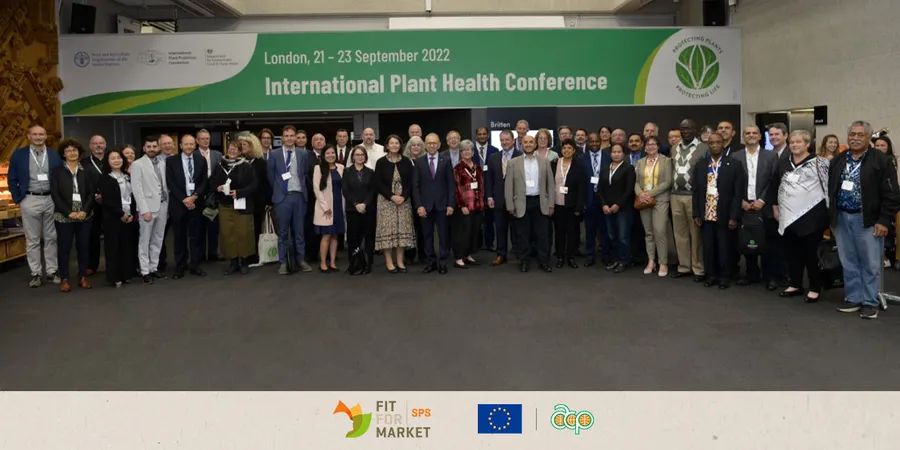
New and emerging plant health challenges at IPPC event in London
Plant health is a key factor in any strategy to achieve food security, protect the environment and biodiversity, and facilitate safe trade. The First International Plant Health Conference, held from 21–23 September 2022 in London, aimed to address new and emerging plant health challenges, including climate change impacts, the risks associated with significant increase in international trade, the rapid loss of biological diversity and new pest pathways, such as e-commerce, by exploring more efficient national, regional and global policies, structures and mechanisms. The Conference was co-organised by the Department for Environment, Food & Rural Affairs (DEFRA) of the UK and the Secretariat of the International Plant Protection Convention (IPPC).COLEACP works increasingly closely with the IPPC on plant health, particularly through the FFM SPS programme. The specific objective of FFM SPS is to enable smallholders, farmer groups and organisations, and MSMEs to access international and domestic horticultural markets by complying with SPS issues and market requirements, in a sustainable framework. The Conference was an opportunity for COLEACP to liaise with the IPPC Secretariat and to meet experts from African, Caribbean and Pacific countries.This activity is supported by the Fit For Market SPS programme, implemented by COLEACP within the Framework of Development Cooperation between the Organisation of African, Caribbean and Pacific States (OACPS) and the European Union.
 News
News
NExT Kenya: Training on ‘Key changes on BRCGS Food Safety’
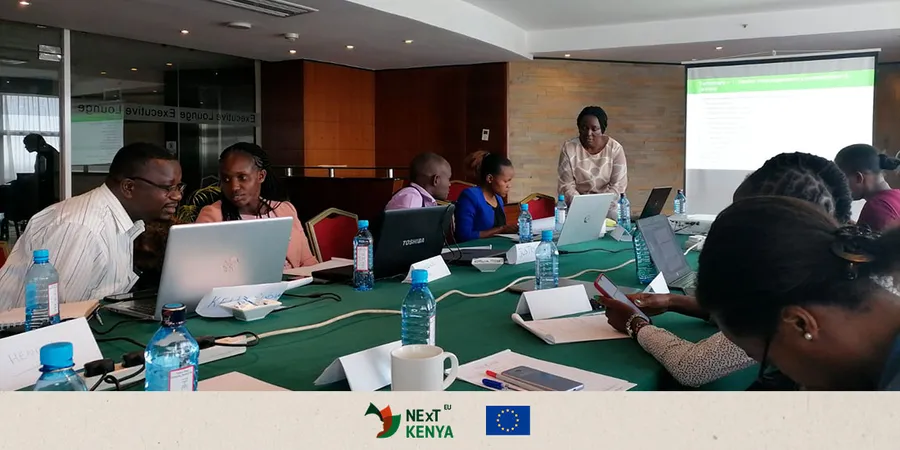
British Retail Consortium Global Standards (BRCGS) Food Safety Issue 9 was launched on 1 August 2022. To help COLEACP partner-beneficiary companies comply with the new issue, the NExT Kenya programme held a 1-day training on 'Key changes on BRCGS Food Safety Issue 9' at the Boma Hotel in Nairobi, Kenya, in October 2022. The training aimed to update middle managers’ technical skills on the new issue of the BRCGS Food Safety standard in order to allow them to make the necessary changes within their company to guarantee compliance with Issue 9.First published in 1998, the BRCGS Food Safety standard helps food manufacturers to focus on a wide range of areas, including HACCP, traceability, food fraud prevention, management commitment and food safety culture. The standard has grown to become the largest global food safety programme, impacting over US$800 billion of product sales. This activity is implemented by COLEACP and supported by the NExT Kenya (New Export Trade) programme, established in collaboration with the EU Delegation in Nairobi and Kenyan stakeholders.