
Cultivating
Sustainable Futures
 News
News
Suriname : market access support to SURIVIT for their processed products
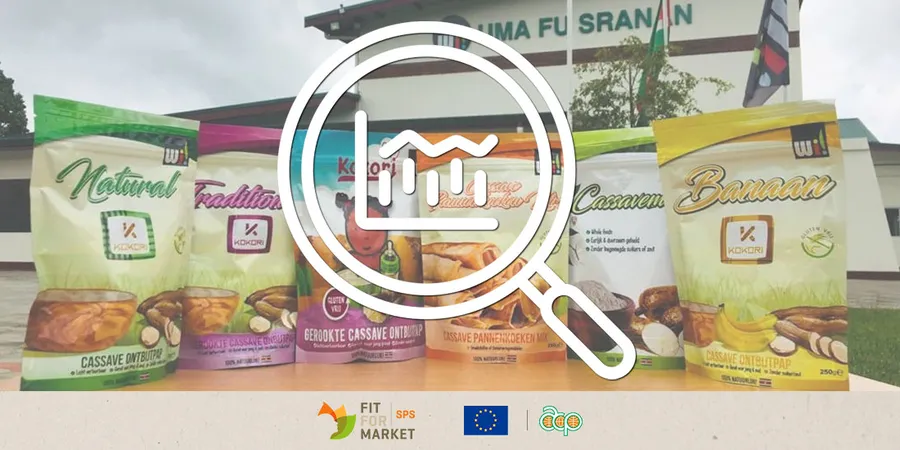
Surivit, a Surinamese company specialising in fruit and cassava processing, produces cassava flour, baby porridge, cassava pancake mixes and cassava flakes both for local use in Suriname and for export markets. SURIVIT works with a total of 38 local outgrowers located all over the country, including the women’s cooperative Wi! Uma fu Sranan (WUFS – “We the women of Suriname”), an organisation that aims to improve the living standards of female producers.Since 2021, Surivit has worked to develop a social enterprise business model, with a particular focus on economic sustainability. Effective organisation of supply and market expansion to maintain sufficient cash flow will be essential. To support Surivit in reaching this goal, COLEACP's Market Insights Service is conducting an Export Marketing Plan, as a pilot project. The project will focus on pancake mix (natural cassava flour and banana/pumpkin flavoured) and will seek to identify market opportunities in the EU and the US.The Export Marketing Plan will contribute to the overall objective of the FFM SPS programme: to reduce poverty, improve food security and safety, and ensure sustainable and inclusive growth by strengthening the agri-food export sector in ACP countries. Based on the outcome of this project, additional support in terms of technical assistance and capacity building may be provided.Surivit’s missionSurivit N.V. believes that robust economic development in the interior of Suriname should come from the establishment of private businesses that deliver sustainable and profitable high value end products, whilst directly and tangibly improving the health, living and income standards of the population.Surivit N.V. is the processing facility which is turning dreams into reality. The company is meaningfully employing women while educating and empowering them to learn all aspects of producing, value adding, food safety, marketing and distribution of their healthy products to the masses. Source: https://wi-suriname.org This activity is supported by the Fit For Market SPS programme, implemented by COLEACP within the Framework of Development Cooperation between the Organisation of African, Caribbean and Pacific States (OACPS) and the European Union.
 News
News
COLEACP response to ‘Pesticides - sustainable use’ (updated EU rules)
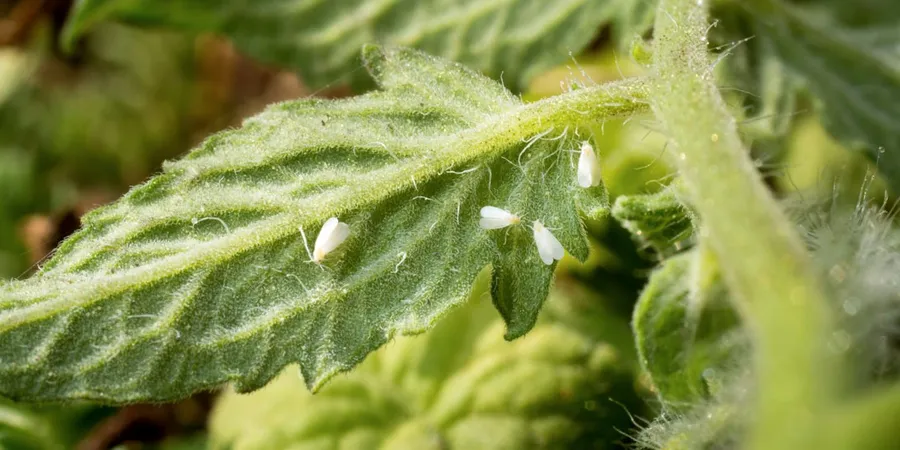
In September 2022, COLEACP responded to the public consultation on the Regulation of the European Parliament and of The Council on the sustainable use of plant protection products and amending Regulation (EU) 2021/2115.In line with COLEACP programmes’ overall goal – to reduce poverty, improve food security and food safety, and ensure sustainable and inclusive growth by strengthening the agri-food export sector – the response focused on the adoption of the Regulation in the context of its potential impact on developing countries, in particular for the horticultural sector in Africa-Caribbean-Pacific (ACP) countries.COLEACP’s response emphasised that reduced reliance on pesticides and the development of integrated pest management are crucial and integral elements to long-term sustainability strategies in ACP countries; however, these countries’ short-term capacity to adopt new agricultural practices must be taken into consideration.
 News
News
News Digest: Agri-food Markets, Production and Trade
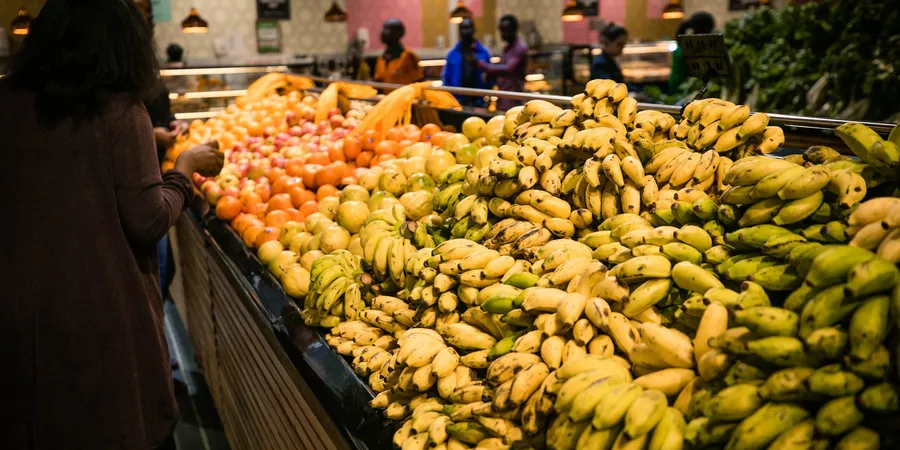
Following the departure of the UK from the EU, Fresh Produce Exporters Association of Kenya’s (FPEAK) monitoring of pesticide regulations now covers maximum residue level (MRL) changes in both the EU and Great Britain (GB), enabling FPEAK to keep members and partner-beneficiaries up to date. During the period April-June 2022, notifications of MRL changes were issued for flutianil (EU), sulfoxaflor (GB), cyantraniliprole (GB) and cinmethylin (GB). The EU and GB have also recently notified the World Trade Organization of additional proposed changes involving a further 20 substances including 12 that are key in ACP horticulture (chlorothalonil, cyfluthrin, ethoprophos, fenamidone, propiconazole, pymetrozine, benalaxyl, epoxiconazole, fenamiphos, clothianidin, thiamethoxam and abamectin).Source: Fresh Produce Exporters Association of Kenya, 26 July 2022
 News
News
News digest: Agri-food Systems and Sustainability
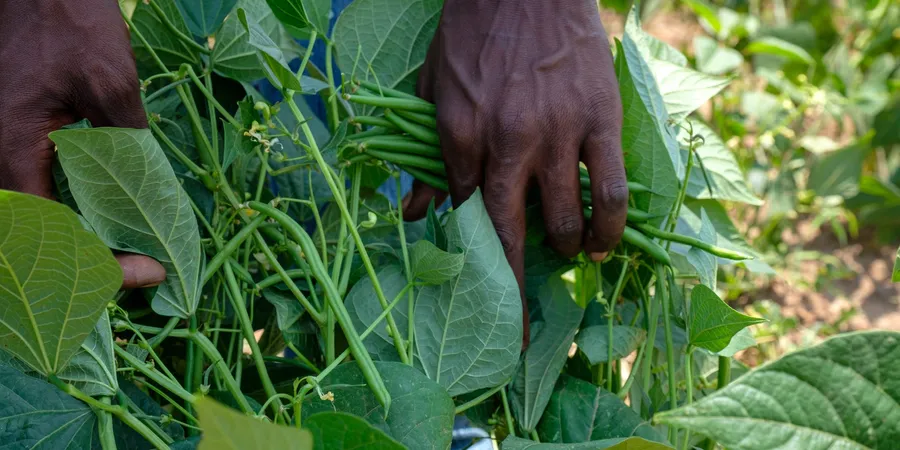
Family farming is highly vulnerable to climate change-related extreme weather events, a vulnerability that is exacerbated by a lack of funding, the deterioration of soil health and high production costs. However, in Latin America and the Caribbean, this sector is making important contributions to resilience, adaptation and mitigation, which often go unnoticed. These are the conclusions of the document entitled “Paris Agreement and agriculture: A look at the implementation of NDCs in Latin America”, prepared by the Inter-American Institute for Cooperation on Agriculture (IICA) and funded by the International Fund for Agricultural Development (IFAD). The report presents the implementation status in agriculture of the Nationally Determined Contributions in a number of countries including the Dominican Republic, which were set to implement the Paris Agreement under the United Nations Framework Convention on Climate Change.Source: Inter-American Institute for Cooperation on Agriculture , 5 September 2022
 News
News
IICA-COLEACP Caribbean Agrifood Business Session n°6
This series of events focuses on innovations and successes of Caribbean farmer-led businesses and SMEs. The events are organised by the Inter-American Institute for Cooperation on Agriculture (IICA) and COLEACP. Sustainable agriculture, good practices, bioeconomy, trade, food safety and quality, resilience, and the link between agriculture and tourism are some of the key focus areas for collaborative efforts.The sixth session, held on 25 August 2022, focused on the "High-end market opportunities for Caribbean agrifood products". To compete globally, it is necessary for local SMEs to develop high value-added, quality and speciality niche products that are in demand in high-end markets.Caribbean MSMEs and entrepreneurs shared their experience regarding high-end market opportunities for Caribbean agrifood products. Speakers included Elizabeth Montano, Director of Montano Chocolates, Trinidad, and Tobago; Umeeda Switlo, Co-founder and CEO, Naledo, Belize; and Theresa Marryshow, Founder, Grenada Network of Rural Women Producers (GRENROP), Grenada, as well as Ainsworth Riley (Agri-business Specialist, IICA) and Jeremy Knops (General Delegate, COLEACP).You can view a recording of the session here: https://youtu.be/zx9hHUEjb7w These activities are supported by the Fit For Market SPS programme, implemented by COLEACP within the Framework of Development Cooperation between the Organisation of African, Caribbean and Pacific States (OACPS) and the European Union.
 News
News
Successful collaboration with CABI
In 2020, COLEACP and CABI signed a Memorandum of Understanding to work together on key areas of interest concerning SPS measures around the world. The collaboration, which ultimately aims to benefit food security among countries within the African Caribbean and Pacific (ACP) states, includes work on regulations and standards; technical assistance in the implementation of SPS measures; capacity assessment, training and e-learning; research and innovation on ways to manage SPS risks; and information sharing and communication materials for different stakeholders.This successful collaboration is ongoing. In 2022, COLEACP and CABI are proposing the joint development of a comprehensive Pest Risk Analysis (PRA) digital learning package designed primarily for National Plant Protection Organization (NPPO) staff in developing countries. This will bring together their combined experience in the delivery of PRA training and digital learning and incorporate elements of the CABI PRA Tool. The objective is to equip NPPOs with the knowledge and skills they need to manage and implement pest risk assessment according to ISPM 11 and to receive any necessary follow-up support to enable them to successfully develop national or regional quarantine pest lists.Some of CABI’s recent work is showcased in the 2021 Annual Report, which features the CABI BioProtection Portal. This unique resource provides growers and plant health advisors with valuable information about biocontrol and biopesticide products. This activity is supported by the Fit For Market SPS programme, implemented by COLEACP within the Framework of Development Cooperation between the Organisation of African, Caribbean and Pacific States (OACPS) and the European Union.
 News
News
STDF Cameroon project on Penja pepper concludes
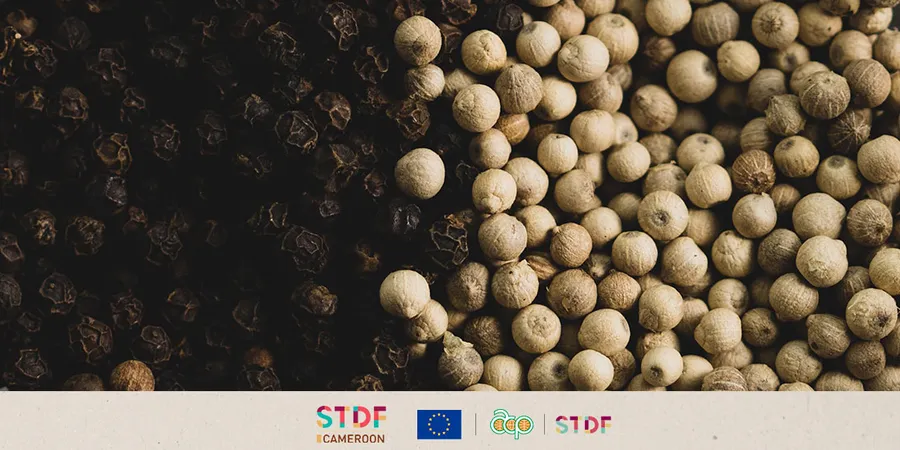
Penja pepper has been grown in the volcanic soil of the Penja valley in the Njombé-Penja region, Cameroon, for about 50 years. It is considered one of the best peppers in the world, thanks to the unique taste created by the local volcanic soil. Cultivation of the crop is a major source of rural employment; almost all Penja pepper is produced by smallholders with less than 3 hectares of land. However, production of the pepper has faced sanitary and phytosanitary challenges that have limited its commercial development.Penja pepper is the first protected geographical indication from sub-Saharan Africa. Since 2019, COLEACP has been the implementing partner for the project ‘Improving SPS capacity in the Penja pepper value chain (STDF/PG/593)’, which concluded on 14 October 2022. The project was supported by a grant from the Standards and Trade Development Fund (STDF).
 News
News
African Diaspora Agrofood Entrepreneurs Compendium
COLEACP and The FoodBridge vzw, a non-profit organisation, have produced a Compendium showcasing the innovative businesses of nine African Diaspora agrofood entrepreneurs. These entrepreneurs have seized the opportunities to apply their education and professional skills gained in Europe to support sustainable development in their country of origin, alongside achieving entrepreneurial success in their country of residence. Through their businesses, they contribute to the development of the African continent and address the social, economic and environmental challenges in their place of origin. Entrepreneurs from the African Diaspora also foster new collaborations and relationships between continents.COLEACP - through the FFM and FFM SPS programmes - and The FoodBridge vzw have worked together to enhance the visibility of entrepreneurs from the African Diaspora and their contribution to the economic and social wellbeing of Africans. The African Diaspora Agrofood Forums, jointly co-organised in 2020 and 2021, have reunited stakeholders to discuss the role of the African Diaspora and global agribusiness in supporting development both on the African continent and in diaspora communities.On 21 October 2022, The Food Bridge vzw and its partners are organising the 6th edition of the African Diaspora Agrofood Forum focusing on Investment, Trade and Transformative Development, during which the Compendium will be presented. The conference day will be followed by an agrofood exhibition on 22 October 2022 in Brussels. More information and registration are available here.The African Diaspora Agrofood Entrepreneurs Compendium has been supported by the Fit For Market and Fit For Market SPS programmes, implemented by COLEACP within the Framework of Development Cooperation between the Organisation of African, Caribbean and Pacific States (OACPS) and the European Union.
 News
News
DeSIRA-LIFT programme: COLEACP involved in Africa Climate-Smart Agriculture
The Forum for Agricultural Research in Africa (FARA) and DeSIRA-LIFT jointly organised two events at the 2nd Biennial Conference on Africa Climate-Smart Agriculture, which took place on 14–16 September 2022 in Accra, Ghana, and online. The Conference provided opportunities to discuss Climate-Smart Agriculture (CSA) accountability, resource use and impact in Africa amongst a wide audience.The first event, Thematic Paper Presentation on compatibility assessment of agroecology and CSA practice, focused on agroecological transformation in support of climate change and the contribution of agroecology to climate-smart agriculture. The second event, a side event on The contribution of agroecology to climate change adaptation and mitigation, provided different perspectives, from policy to practice, on the potential role of agroecology in climate change adaptation and mitigation.COLEACP is the lead of the second service area of the European Union’s DeSIRA-LIFT programme working closely with African research organisations towards the Development of Smart Innovation through Research in Agriculture contributing to sustainable agriculture and food systems. More specifically, DeSIRA-LIFT’s Service Area 2 works to support FARA, AFAAS, ASARECA, CCARDESA and CORAF (collectively known as CAADP-XP4 organizations) playing a key role in Africa’s agricultural knowledge and innovation systems. COLEACP works closely with GFAR, EFARD, IFAD, FAO and other partners and with Agrinatura in the implementation of DeSIRA LIFT.
 News
News
FFM+ in Nigeria
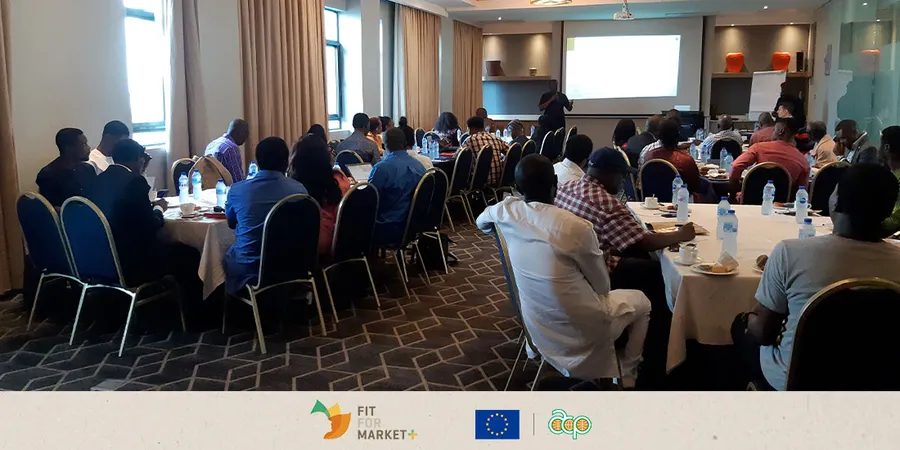
The launch of FFM+ in Nigeria, on 23 September 2002, provided an opportunity for COLEACP’s partners in the country and Nigerian horticultural system stakeholders to learn more about the new programme.FFM+ aims to bring together private and public stakeholders and disseminate robust and up-to-date information, research and training content to the industry. In Nigeria, actions under FFM+ will be targeted towards providing support to implement quality management systems for food safety and high-quality produce; training on crop protection strategies; support to facilitate public-private sector dialogue and partnerships; and dissemination of key information and training to regulators and private operators to facilitate the export of horticultural products. These actions will strengthen the capacity of smallholders, farmer groups and horticultural MSMEs to access domestic, regional and international markets.
 News
News
Kenya: Crop protection strategy training
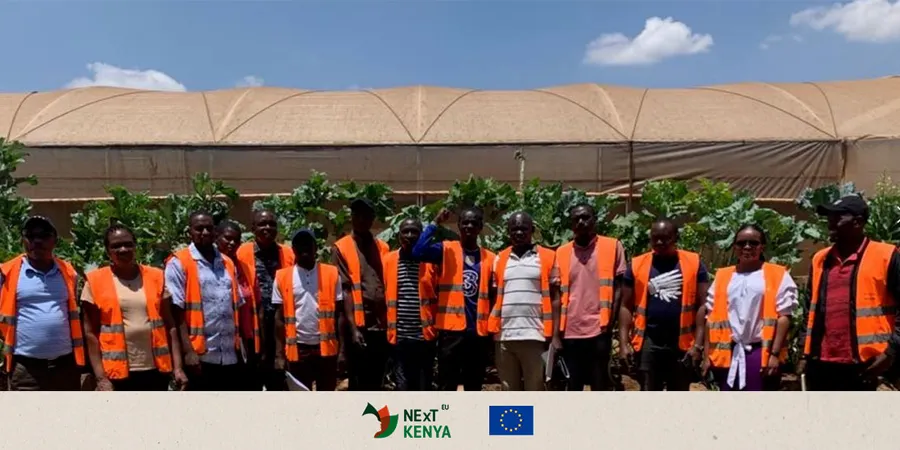
The NExT Kenya programme organised a crop protection strategy training on 4–7 October 2022. The target audience for this 4-day training programme was technical managers, quality managers, extension staff, agronomists (production managers) and crop protection managers from horticultural production companies. Aimed at developing the participant’s knowledge of the principles of crop protection strategies, the training was attended by 12 participants from various Kenyan horticulture #MSMEs. A practical field study on #scouting, #identification and #management of pests at Real IPM in Thika was also included. The training sought to address the twin problems of exceeding #MRLs and the application of non-approved active compounds to vegetable crops. Training on how to carry out crop protection will follow on 25–28 October 2022.This activity is implemented by COLEACP and supported by the NExT Kenya (New Export Trade) programme, established in collaboration with the EU Delegation in Nairobi and Kenyan stakeholders.
 News
News
Kenya: Packhouse optimisation training
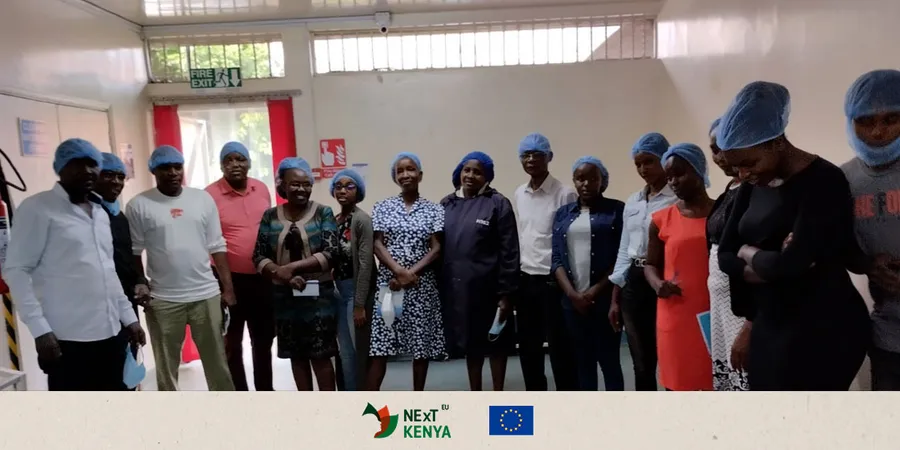
The NExT Kenya programme is helding a Packhouse optimisation training for managers responsible for packhouse management, and other company personnel involved in the packing of fresh fruit and vegetable. Fourteen participants from ten different horticulture companies are participating in 4 days of classroom training which also features a practical visit to a packhouse. The training will be followed by on-site coaching for each company to improve their packhouse processes. Experts will provide advice on how to implement points for any improvements, jointly identified with the participants, within their packhouses.This activity is implemented by COLEACP and supported by the NExT Kenya (New Export Trade) programme, established in collaboration with the EU Delegation in Nairobi and Kenyan stakeholders.