
Cultivating
Sustainable Futures
 News
News
#WorldFoodDay: Agrifood SMEs and businesses contribution to leaving no one behind
The World Food Day 2022 highlights the increasing interlinkages of economies, cultures, and populations with its theme “leave no one behind”. Global health, planet and political challenges call for global solutions that include guaranteeing the access and availability of nutritious food, as well as reducing food losses and waste. These solutions should specifically be designed and adapted to rural populations as they are the most vulnerable to food and climate crises, with 80 % of the extreme poor living in rural areas.1The agrifood sector is of outmost importance for rural areas in terms of employment, food and nutrition security, not only for end-consumers but throughout the entire value chain (eg at supply, harvesting, processing, conditioning, transporting and marketing levels). Local Micro, Small and Medium Enterprises (MSMEs) are essential contributors to making nutritious and safe foods available, accessible and affordable and work hand in hand with smallholders. MSMEs also contribute to improving the quality and availability of local food, and ensuring high safety and quality standards. Thus, agrifood MSMEs play a key role in tackling the ‘triple burden’ of malnutrition: (i) undernutrition (underweight, stunting and wasting), (ii) micronutrient deficiencies, and (iii) overweight and obesity, creating employments for all and contributing to food security for the most vulnerable. At the same time, MSMES are the backbone of most economies enabling access to capacity building, finance, innovation and technologies.COLEACP, through the implementation of programmes such as Fit For Market SPS, Fit For Market Plus and NExT Kenya, is committed towards strengthening the ACP agri-food sector to reduce poverty, improve food security and food safety. To leverage impact, COLEACP and key partners have jointly developed series of activities aiming at showcasing innovations and successes of farmer-led businesses and MSMEs. In November 2020, the Innovations Series was launched by the Pan-African Farmers’ Organization (PAFO) and COLEACP to share best practices from African entrepreneurs, farmers, agripreneurs and SMEs to support others to embrace the unprecedented opportunities offered by local, regional and export markets. In June 2021, the Inter-American Institute for Cooperation on Agriculture (IICA) and COLEACP launched the Caribbean Agrifood Business Series aiming at presenting innovative and successful Caribbean farmer-led businesses and SMEs contributing towards a more sustainable and resilient agriculture sector in the Caribbean region. Both series focus on innovations across value chains in production methods, access to markets and product development, with a focus on value addition, technologies including digital solutions, nutrition and circular economy.While food production must keep the pace with increasing demand, equitable food access and adequate food utilization must be ensured as there are significant inequalities in nutrition outcomes within countries and populations.2 Healthy diets are out of reach for around 3 billion people, especially the poor, in every region of the world in 2019.3 The contribution of fruit and vegetables to nutrition is one of the topic of the Fruit and Vegetables Industry Series launched in September 2021 by COLEACP and the OECD Fruit and Vegetables Scheme4 of the Trade and Agriculture Directorate. The series highlights the significance of the fruit and vegetable sector and shares knowledge of markets and operators working in local and export markets, including by presenting successes and innovations of private sector operators across the EU and Southern countries and lessons learned.In addition to joint activities developed with partner organisations, COLEACP supports producers, entrepreneurs, consultants, technicians and all stakeholders in the agricultural and food system by providing continuous capacity building, training and technical assistance to promote more equitable and inclusive value chains and ensure that no one is left behind.1 Castañeda, Andrés & Doan, Dung & Newhouse, David & Nguyen, Minh Cong & Uematsu, Hiroki & Azevedo, João Pedro, 2018. "A New Profile of the Global Poor," World Development, Elsevier, vol. 101(C), pages 250-267. 2 IFPRI. 2020 Global Nutrition Report. 3 FAO. The State of Food Security and Nutrition in the World, 2021. 4 OECD Fruit and Vegetables Scheme promotes international trade through the harmonisation of implementation and interpretation of marketing standards. https://www.oecd.org/agriculture/fruit-vegetables/This communication is supported by Fit For Market SPS and Fit For Market Plus programmes, implemented by COLEACP within the Framework of Development Cooperation between the Organisation of African, Caribbean and Pacific States (OACPS) and the European Union.
 News
News
COLEACP celebrates businesses and SMEs empowering rural women
The International Day of Rural Women, celebrated the day before the International World Food Day (on 16 October), acknowledges women’s significant contributions to agriculture food and food safety, as well as the rural economy in all regions of the world. Women represent, on average, 43 percent of the agricultural labour force in developing countries from 20 percent in Latin America to 50 percent in Eastern Asia and sub-Saharan Africa.1 They are a significant entrepreneurial force as owners of farms, input supply stores, service delivery businesses, and export firms whose contributions to local, national, and global economies are far reaching.However, women face many obstacles, suffer from inequalities and experience inequitable access to agricultural inputs, including family labour, high-yield crops, pesticides and fertilizer. Worldwide, women do 75 percent of the unpaid work such as care and domestic tasks. They are responsible for 90 percent of preparing and buying food,2 and women in rural areas spend around 14 hours a day on care work.3 Thus, rural women often find themselves in particularly vulnerable employment situations, given limited access to resources, infrastructure and markets, as well as diversified sources of income. 4There is a mismatch between women’s skills and labour-market demands which accounts in part for their low economic participation. Women often lack knowledge on trade standards needed to expand their business which implicates specialised knowledge and technical skills in fields such as food safety, food conservation, packaging and product certification which limit their involvement in more remunerative value chains. Women entrepreneurs also face multiple difficulties in securing funding mainly due to lack of collateral in the form of land and other tangible assets and a high-risk perception and lack of appropriate products, information, understanding of their needs and collateral. 5The 2030 Agenda for Sustainable Development promotes a transformative agenda for gender equality and the empowerment of women in agriculture and value chains, food and nutrition security, and in the management of natural resources in the context of climate change. Gender equality and food security are indeed interlinked: the more gender inequality there is in a country, the hungrier people are.6In addition to being major contributors towards achieving food security, women support the economies of their family, communities and countries both as wage earners and entrepreneurs. Women entrepreneurs running small and medium-sized enterprises (SMEs) play a significant role in contributing to economic development by creating jobs, boosting economic growth, and harnessing the productive capacity of women. It is estimated that globally there are roughly 9.34 formal million women-owned SME in over 140 assessed countries, which is approximately one third of all formal SMEs.7Achieving gender equality and empowering women in agriculture is crucial for agricultural development and food security and can contribute to lessen gender gap, boost per capita income growth, and generally reduce poverty. COLEACP contributes to strengthen women entrepreneurs’ business management, marketing and technical skills through the implementation of support programmes such as FFM SPS and FFM+. It supports SMEs in the agrifood sector adopting increasingly sustainable practices and improving their management and competitiveness with a specific focus on gender. (Re-)discover below inspiring women and men-led African and Caribbean companies that promote economic, social and environmental equality for all men and women in the value chain: Afri Foods, Rwanda AGRO BIBI, DRC Agromyx, Ghana Algas Organics, St Lucia Amaati Group, Ghana Banelino, Dominican Republic BAONANE, Senegal Bdelo, Kenya ChocoTogo, Togo ColdHubs Limited, Nigeria Eden Tree Limited, Ghana Fruitales, Senegal Grenada Network of Rural Women Producers (Grenrop), Grenada Les Céréales de TATAM SARL, Mali Les Fruits Tillou SARL & Les Jus Tillou SA, Benin LYCHEELAND, Madagascar Mango So, Burkina Faso Maungo Craft, Bostwana Melach Coconut Processing Farm, Ghana Reelfruit, Nigeria Sanavita, Tanzania SHEKINA Enterprise, Rwanda Soreetul, Senegal Stawi Foods and Fruits Ltd., Kenya SURIVIT N.V., Suriname Zima Enterprise, Rwanda 1 FAO 2010-11 edition of The State of Food and Agriculture report. 2CARE. (2020). How conflict and COVID-19 are pushing millions of people to the brink. 3CARE. (2020). Gender Equality and Women’s Empowerment in the context of Food Security and Nutrition. A Scoping Paper. 4Gayatri Koolwal. Improving the Measurement of Rural Women’s Employment. Global Momentum and Survey Research Priorities. Policy Research Working Paper. World Bank Group 2019. 5The credit gap for formal women-owned SMEs across all regions is roughly $2,872 billion, which is 30 percent of the total credit gap for SMEs looked at in isolation from the other barriers which heavily impact women-owned enterprises. IFC. Women-owned SMEs: A business opportunity for financial institutions. 2021. 6 CARE. (2022). Food Security and Gender Equality: A synergistic understudied symphony. 7IFC. Women-owned SMEs: A business opportunity for financial institutions. 2021. Women-Owned SMEs: a business opportunity for financial institutions. 2014.This communication is supported by Fit For Market SPS and Fit For Market Plus programmes, implemented by COLEACP within the Framework of Development Cooperation between the Organisation of African, Caribbean and Pacific States (OACPS) and the European Union.
 News
News
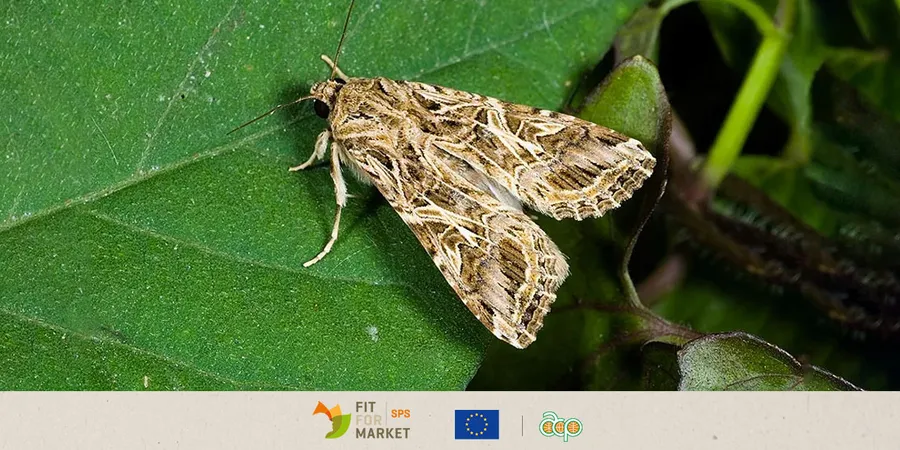
EU and GB MRL changes in 2022 - July – September 2022
Changes to EU and GB pesticide maximum residue levelsFollowing the departure of the United Kingdom from the European Union (EU), COLEACP’s monitoring of pesticide regulations now covers MRL changes in both the EU and Great Britan (GB), enabling us to keep COLEACP members and partner-beneficiaries up-to-date.Note that EU MRLs still apply in Northern Ireland (GB covers only England, Scotland and Wales).During the period July-September 2022, we have been highlighting significant changes to EU MRLs that affect 50 active substances, 19 of which are important for ACP export horticulture. During this same period, changes of MRLs in GB affect 6 active substances, of which 3 are considered key substances for ACP horticulture (metalaxyl-M, flonicamid and chlorothalonil).The EU and GB have also recently notified the World Trade Organization (WTO) of additional proposed changes involving a further 18 substances including 8 that are key in ACP horticulture (flutriafol, profenofos, thiabendazole, triadimenol, cyromazine, triflumizole, novaluron and tetraconazole). Note that comments and concerns can be submitted to the WTO via the national contact points.This news also presents the latest updates regarding the lowering of EU MRLs of mancozeb.How will ACP producers/exporters be affected?Changes to EU/GB Maximum Residue Limits (MRLs) also apply to products that are exported to the EU/GB. Growers producing for export may need to adapt their practices to meet the new MRL or, if this is not possible, stop using these products and look for an alternative method of pest management.What should ACP producers/exporters do now?For each use of the plant protection products (PPPs) involved, the Good Agricultural Practices (GAPs) in place will need to be checked to ensure compliance with the new MRLs. This is essential to avoid interception and destruction of exported produce at the EU/GB borders.If you use these PPPs, it is important to liaise with your producer /exporter associations and national authorities to check whether the GAPs you currently apply are still appropriate, and enable you to meet the new MRLs. In most cases, where the MRL is lowered, adaptations to the GAP will be needed (dose rate, number of applications, application method or pre-harvest interval).If you have any major concerns about these changes, and fear that you will be left without an effective and locally available alternative, please contact COLEACP at: network@coleacp.org. In this news, ‘key active substances’ refers to those used/registered in one or more ACP country on horticultural crops that are frequently exported regionally or internationally. While COLEACP makes every effort to provide comprehensive information about relevant regulatory changes, it is possible that some PPPs or crops relevant to you are not included in our list of key substances/crops. We recommend therefore that you check the final section of this news, which details all the changes in 2022, to make sure that you are aware of any other changes that could affect you.
 News
News
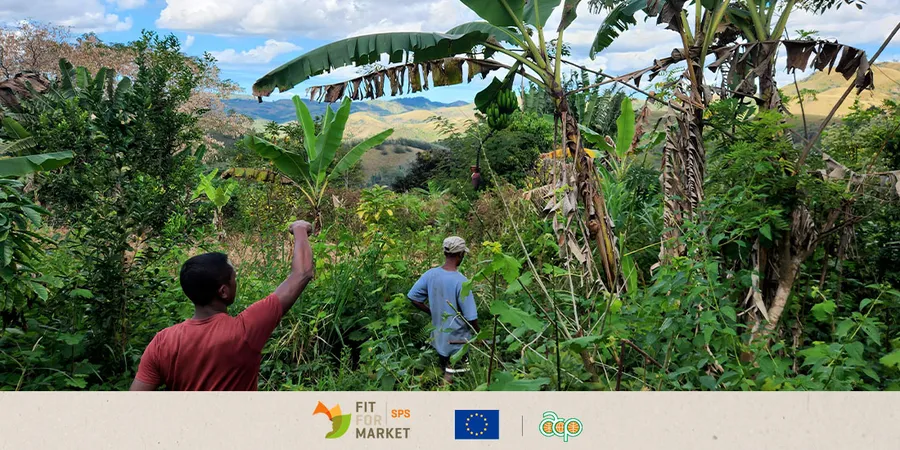
Madagascar: Support for the implementation of technical workflows for organic banana and passion fruit production
HavaMad, a Madagascan fruit processing company producing certified organic fruit juices and purees, has recently received technical support from the Fit For Market SPS programme, in the form of input from experts from both Reunion and the Tamatave Horticultural Technical Centre, Madagascar. The company wished to revise its workflow to produce passion fruit and also diversify into banana production. HavaMad also wished to continue the support initiated in February 2020 concerning the production of the passion fruit variety Galea.For both passion fruit and banana, most of the mission was carried out in the field in order to validate and test the knowledge of the production managers. Regarding post-harvest and ripening, procedures were developed with the team, resulting in a series of recommendations to be considered at business level.Once the banana production workflow has been technically mastered, HavaMad plans to expand its own production area while also supporting producers in the vicinity of its farm.This activity is supported by the Fit For Market SPS programme, implemented by COLEACP in the framework of development cooperation between OACPS and the EU.
 News
News
EU and GB approval changes - July-September 2022
EU and GB approval changesFollowing the UK departure from the EU, COLEACP’s Regulation Monitoring now covers both EU and GB approval changes, enabling us to keep COLEACP members and partner-beneficiaries up-to-date on both regulatory frameworks.The European Commission (EC) has recently published changes to plant protection product (PPP) approvals within the European Union (EU). These include: - Non-approval as a basic substance of black soap E470a and calcium propionateGreat Britain (GB) recently pubished a note concerning their decision to withdraw the approval of the substance indoxacarb.How will ACP producers/exporters be affected?Non-approval, withdrawal of approval or expiration of approval mean that EU/GB maximum residue levels (MRLs) are likely to be maintained or reduced to the limit of determination (LoD) which, in most cases, will mean that they can not be used on crops for export to the EU/GB.What should ACP producers/exporters do now?If you currently use indoxacarb on crops destined for the GB market, you need to ensure that current uses allow you to comply with new GB maximum residue limits or start looking for alternatives. If this is likely to cause you significant problems, and you fear being left without effective and available alternatives, please contact COLEACP at: network@coleacp.org. We will keep you informed as more information becomes available. Following the UK departure from the EU, the PPP approvals for Great Britain (GB) have been following a different review process since January 2021. Note that EU approvals still apply in Northern Ireland. Great Britain is the mainland comprising England, Scotland and Wales.COLEACP’s regulation monitoring now covers both EU and GB approval changes, enabling us to keep COLEACP members and partner-beneficiaries up-to-date.In this news, ‘key active substances’ refers to those used/registered in one or more ACP countries on horticultural crops that are frequently exported regionally or internationally. While COLEACP makes every effort to provide comprehensive information about EU and GB PPP regulatory changes, it is possible that some PPPs or crops relevant to you are not included in our list of key substances/crops. We recommend that you review the following section, which gives details on all changes in 2022, to check for any others that could affect you. If you see any PPP that you use on crops for export to the EU or GB in the lists below, we recommend that you check the regulation itself using the link provided.
 News
News
COLEACP supports entrepreneurs committed to reducing food loss and waste through innovative solutions
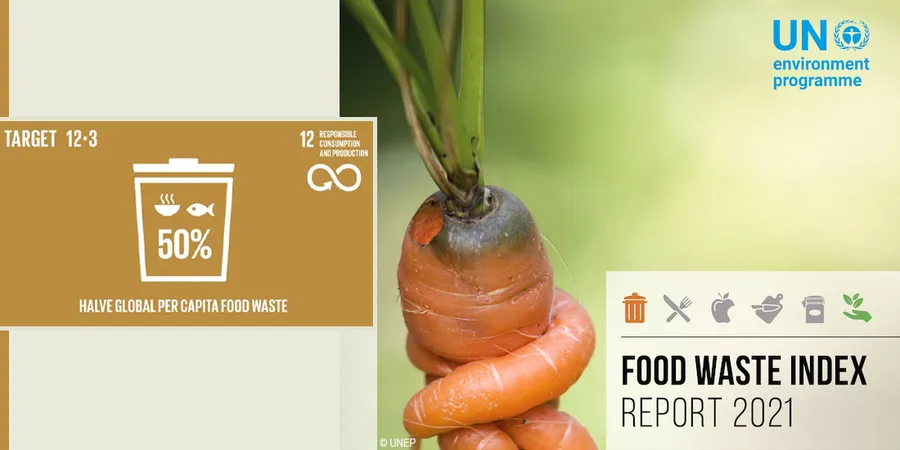
The 2022 International Day of Awareness of Food Loss and Waste (#IDAFLW) is a call for all to pursue the efforts in meeting the target 12.3 of the Sustainable Development Goals (SDGs) for halving per-capita global food waste at the retail and consumer levels and reducing food losses along production and supply chains by 2030.17% of the total food produced is wasted at the retail, food service and consumption levels.1 In addition, 14% the world's food production for human consumption is lost (discarded, incinerated or otherwise disposed) along the food supply chain.2 Across Africa, most of the food loss happens between harvest and the point of sale, including due to a lack of cold chain facilities especially for perishables, unreliable and inadequate storage facilities and insufficient agro-processing skills among smallholder farming communities.3Some solutions to address food losses and waste, include appropriate storage and transportation (e.g., cold chains) ; and food processing (e.g., through milling, cooking, freezing, fermentation, or fortification) keeping the nutrient content.4Circular economy offers new economic opportunities to address losses and waste and creating new essential derived products, i.e. composting to produce organic matter used as fertilisers and energy which are a good alternative to fossil fuels and animal feed, water reuse. Agriculture and agribusiness have to offer a solution for the sustainability of our planet, and particularly of ACP countries. Reducing food loss and waste is a triple win as it means producing more, using the same amount of resources, while costs related to disposal decrease. It is of outmost importance to ensure more food is available while the world’s growing population is more and more affected by hunger and malnutrition, especially in Africa.5 Consuming more of the produced food also alleviates the negative outputs of agriculture such as degradation of land, water, and ecosystems, high greenhouse gas (GHG) emissions and biodiversity losses. The estimated 2.5 billion tonnes of uneaten food accounts for 10% of the global GHG emissions.6COLEACP supports smallholders, farmer groups and organisations, and small and medium size enterprises (SMEs) to enhance the efficient use of natural resources, mitigate climate change, and support food security and nutrition by reducing food loss and waste at all stages of the value chain and promoting circular economy. (Re-) Discover below some of the featured African and Caribbean entrepreneurs that presented how they contribute to reduce food loss and waste during the Innovations Sessions and the Caribbean Agrifood Business Sessions: AbdulLateef Olaosebikan, Co-founder, Nafarm Foods, Nigeria Nafarm Foods is a company which processes and preserves fruit and vegetables, such as tomatoes, pepper and onion, by converting them into paste and puree. With processing facilities ensuring high quality and food safety, the company manufactures products that keep their nutritional value. The company also offers different services to the farmers and partners such as packaging, branding, as well as marketing and training. The objective of the company is to tackle the issue of post-harvest losses, faced by many producers and leading to critical economic situation for them. Euphrasie Dassoundo, Founder and General Director, AgroExpress, Benin Agro Express is a company processing fruit, vegetables and spices into purees and concentrates. Tomato puree is its most popular product but the company also produces onion and garlic puree, ground ginger, peanut paste, spice mixes and marinades. By processing fresh food in jars, extending its shelf life, Agro Express tackles the issue of post-harvest losses of Beninese fruit and vegetables producers, as well as the food safety issue. Agro Express is committed to support the social development of local communities by creating jobs for young people and women. Hasina Ralay, Manager, LYCHEELAND, Madagascar Lycheeland is a Malagasy company specialising in the drying and processing of exotic products and superfoods from Madagascar. Lycheeland supplies the largest variety of naturally dehydrated tropical products in the Indian Ocean. Since its creation, Lycheeland has continuously developed its range of nutritious and healthy products, while combating food loss and waste. The company also supports farmers by ensuring them fair prices, using an environmentally friendly processing method and creating jobs, especially for women whose income it seeks to improve. Kerwin Craigwell, Co-Founder & Operation Manager, Bwana Business Incorporated, Trinidad & Tobago Bwana Business Incorporated is an innovative and value-driven company which manufactures and distributes local, frozen food products without additives, flavouring nor preservative. The products are prepared from quality locally grown root crops, packaged in convenient Ziploc Pouch and reduce meal preparation time and waste (e.g. from peelings). To cope with COVID-19 related challenges, Bwana Business Incorporated strengthened its online and social media presence with the launch of brand awareness campaigns and customer’ preferences surveys. The company also increased its network of suppliers and invested in improved and value-added products to ensure steady and consistent production. By allocating financial resources strategically, negotiating raw material, packaging prices and flexible payment terms, the company managed to grow. Nnaemeka Ikegwuonu, Founder & Executive Director, ColdHubs Limited, Nigeria ColdHubs Limited is a company providing breakthrough innovation to the local community and smallholder farmers. ColdHubs are solar-powered walk-in cold storage rooms for 24/7 cold storage of perishable foods, extending the shelf life of fruit and vegetables from two to 21 days. Users from the local community and smallholder farmers can store food in the cold room by paying a daily flat fee. The company is leading the market for innovative and affordable cold-storage solutions in Nigeria and plans to deploy ColdHubs all across Africa, starting with South Sudan, Sierra Leone, Liberia, Benin and Kenya. Olayemi Aganga, Co-founder, Maungo Craft, Bostwana Maungo Craft is a solution-oriented company which upcycles indigenous fruits (orphan crops), that would otherwise be wasted, to produce jams, sauces and syrups. Maungo Craft creates new value chains between farmers, cosmetic processors and communities, to develop a climate change adaptive circular economy. The company works with local farmers to supply vegetable and with natural cosmetic oil processors to process morula, thus promoting the growth of two industries at the same time. The company started in 2017 and already won 13 local, regional and international. Pierre Damien Mbatezimana, Founder & Managing Director, SHEKINA Enterprise, Rwanda SHEKINA Enterprise is a food processing company which produces dried cassava leaves with a shelf life of two years and instant mixtures used to cook cassava leaves with fish or beef flavour. It also produces flour from cassava and other crops, such as maize, millet, peanut, roasted soybeans, etc. Most of the products are exported internationally (USA, Canada, Belgium, Sweden and the UK), the rest being sold on the domestic and regional (Uganda, Congo, Burundi, Kenya, Tanzania) markets. The company developed and uses an innovative drying technology to secure the nutritive value of cassava leaves while avoiding their wastage due to their high perishability (as leaves have a high water content). This value-addition eases the commercialisation and transport of the products. Rachel Renie, Co-Founder & Managing Director, D’Market Movers, Trinidad & Tobago D’Market Movers is an online distribution company established in 2009 specialised in the delivery of fresh produce throughout Trinidad & Tobago. D’Market Movers works closely with a network of about 250 farmers/artisans who supply various types of fresh produce and tries to create new opportunities for its local agripreneurs. Through its online sale platform, D’Market Movers can identify trends in consumption and demand to advice its suppliers about the fruit and vegetable which are highly demanded and the customers’ expectations, enabling farmers to grow produce which meet the market demand and requirements. During the COVID-19 pandemic, the online shop has enabled customers to be supplied with fresh food while ensuring their security as they could stay at home. D’Market Movers recently launched a click and collect store to meet the customers’ demand to go in store and be able to interact with staff, adapting the experience to the current health measures in place. 1 United Nations Environment Programme (2021). Food Waste Index Report 2021. Nairobi. 2 FAO. 2019. The State of Food and Agriculture 2019. Moving forward on food loss and waste reduction. Rome. 3 FAO. International Day of Awareness of Food Loss and Waste. 2020. 4 FAO, ECA and AUC. 2021. Africa regional overview of food security and nutrition, 2020: Transforming food systems for affordable healthy diets. Accra, FAO. 5 FSIN and Global Network Against Food Crises. 2022. 6 WWF-UK (2021) Driven to waste: The Global Impact of Food Loss and Waste on Farms. Woking.Source cover images : Food Waste Index Report 2021, UNEP. 2021.
 News
News
STDF Togo project: Application of R-SAT for monitoring activities
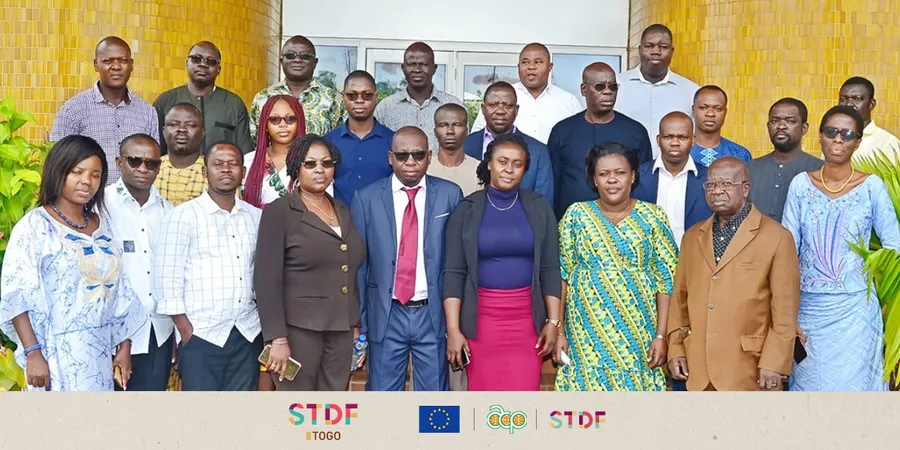
To facilitate the monitoring of the support activities organised in Togo through the STDF/PG/375 project, and to assess its impact and to establish a roadmap for the remaining efforts after the closure of the project, an inventory of the current SPS system in Togo is being carried out using the Rapid SPS Assessment Tool (R-SAT) developed by COLEACP.R-SAT provides practical support for the assessment of a national SPS system to strengthen it in accordance with international standards and regulations. The objective being to facilitate the development or revision of a national action plan to strengthen the SPS system based on a common strategic vision agreed by all stakeholders.A workshop to evaluate Togo's SPS system, bringing together members of the multidisciplinary technical working group set up as part of the deployment of R-SAT, was held from 8 to 12 August 2022 in Lomé. It brought together 32 participants, including COLEACP facilitators, resource persons, representatives of public and parapublic services, universities, private structures, and civil society.During the workshop, Togo's current SPS system was examined in the four different areas of governance, operational processes, skills management, and communication dynamics. This led to the development of a draft priority action plan for strengthening Togo's SPS system, which will be submitted to the various stakeholders for validation in the coming weeks.This activity was organised within the framework of the Project for the Strengthening of the National Phytosanitary Control and Certification System for Fruits and Vegetables in Togo, funded by the Standards and Trade Development Facility (STDF) and implemented by COLEACP.
 News
News
Sierra Leone: Crop production, pest identification and management
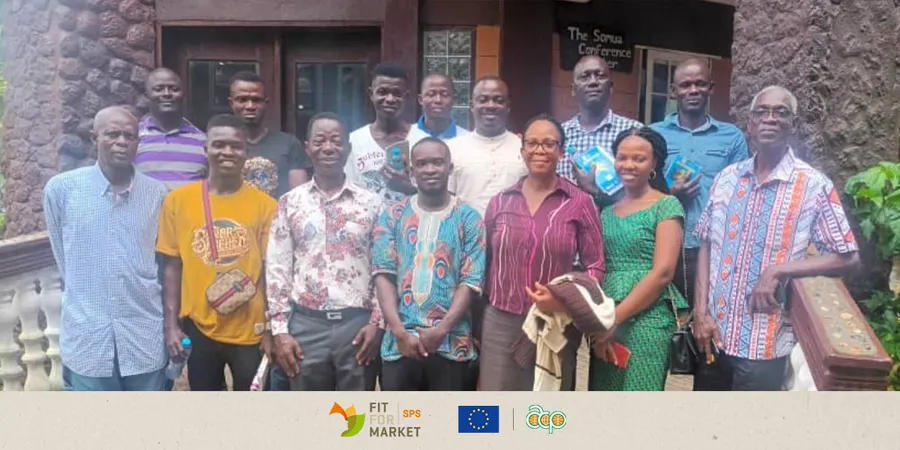
The Fit For Market SPS programme is currently organising collective training on "Crop production, pest identification and management" for a group of production managers working for seven companies in Sierra Leone. This very practical on-site training will be followed by farm visits, and also by individual coaching for the attendees to address their specific concerns. These training and coaching sessions are also an opportunity to propose a capacity building programme to local experts to develop their theoretical and practical skills. Local experts will then be also available to support other enterprises in crop production and pest identification and management.At the end of the training, the participants will have acquired knowledge of soil management, fertilisation and irrigation, and also pest identification, scouting and ways to manage pest infestation. Two days specifically focusing on improving practices in greenhouses and net-houses will be included. This training follows on from the COLEACP mission to Sierra Leone in July and is a direct and concrete response to the difficulties faced by COLEACP partners in Sierra Leone.This activity is supported by the SPS Fit For Market programme, implemented by COLEACP within the framework of the development cooperation between the Organization of African, Caribbean and Pacific States (OACPS) and the European Union (EU).
 News
News
Cameroon: R-SAT report validation workshop
On 24 August 2022, the Fit For Market SPS programme, in collaboration with Directorate of Regulation and Quality Control in Cameroon, organised a validation workshop of the Rapid SPS Assessment Tool (R-SAT) report on the mango sector in Yaoundé, bringing together key representatives from the public and private horticulture sectors.Prior to this workshop, a team of COLEACP experts facilitated dialogue and engagement between key stakeholders, both public and private, in their assessment of Cameroon's SPS system using R-SAT. R-SAT provides a practical, step-by-step guide to assist ACP countries in their assessment of national SPS systems to strengthen them in accordance with international standards and regulations. The objective of this exercise was to facilitate the development of a national priority action plan for strengthening SPS systems, based on a common strategic vision agreed by all stakeholders.During the workshop, the team presented the results of the application of R-SAT to the country's SPS control system and identified priority activities. The workshop concluded with a presentation of the updated national priority action plan, which was endorsed by key stakeholders, to strengthen national SPS systems, and to ensure their alignment with international standards and regulations.This activity is supported by the Fit For Market SPS programme, implemented by COLEACP in the framework of development cooperation between the Organisation of African, Caribbean and Pacific States (OACPS) and the European Union.
 News
News
Kenya: avocado tour organised by the Avocado Association Uganda (AAU) and the Fit for Market SPS programme
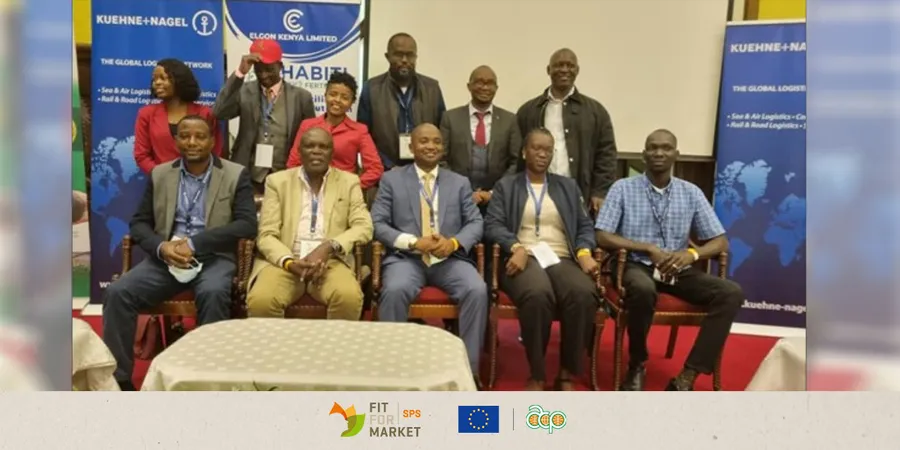
Twelve members of the Avocado Association of Uganda (AAU), with support from the Fit For Market SPS programme, travelled to Kenya for their avocado tour at end of June. This tour consisted of field visits, as well as attending the second International Africa Avocado Congress organised by the Avocado Society of Kenya, this year themed “Avocado Africa: A convergence of technology and business for increased competitiveness and trade” from 27–30 June in Nairobi.The participants consisted of small- and large-scale farmers, farm managers, aspiring farmers and consultants. The objectives of the avocado tour were to give AAU members hands-on experience of the whole avocado value chain, to benchmark farm practices especially set up for smallholder programmes, and to study and appreciate the added value products from avocado.The tour was a positive experience for the AAU members. They were able to network, which in some cases led to the recruitment of managers to manage farms. The field visit was an opportunity to benchmark the business model of Kakuzi Plc, a Kenyan agricultural company, for its smallholder programme. Two AAU directors met with Kakuzi Plc management to benchmark the workings of the outgrower programme. They also visited the nursery and observed nursery management operations as well as new technologies for orchard practices.This activity is supported by the Fit For Market SPS programme, implemented by COLEACP within the Framework of Development Cooperation between the Organisation of African, Caribbean and Pacific States (OACPS) and the European Union.
 News
News
BIOFACH 2022: How the training on “Preparing and attending a trade fair” has helped companies to get ready for the fair
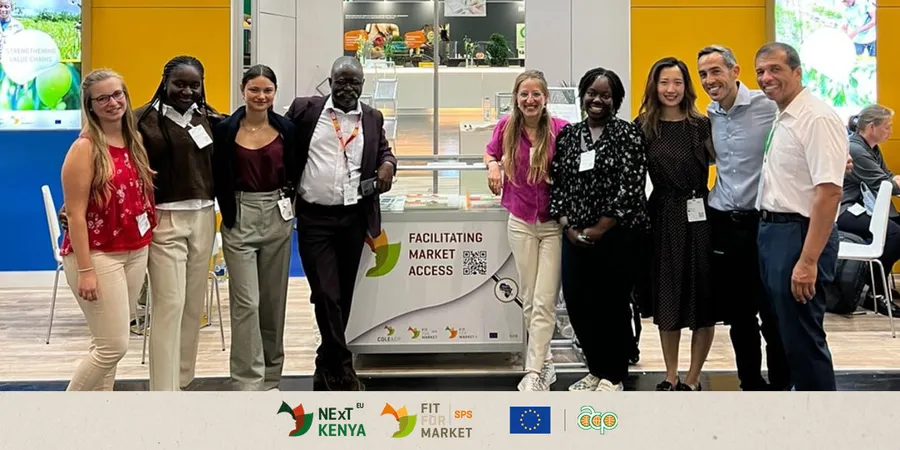
BIOFACH has been very fruitful for ACP horticultural companies. Directors and commercial managers were provided with a 2-week-long training programme to be ready to attend the fair. They were very satisfied with the knowledge gained during the training as it greatly helped with their preparation. Participant testimonials:
 News
News
Dominican Republic: Training in organic farming in La Vega
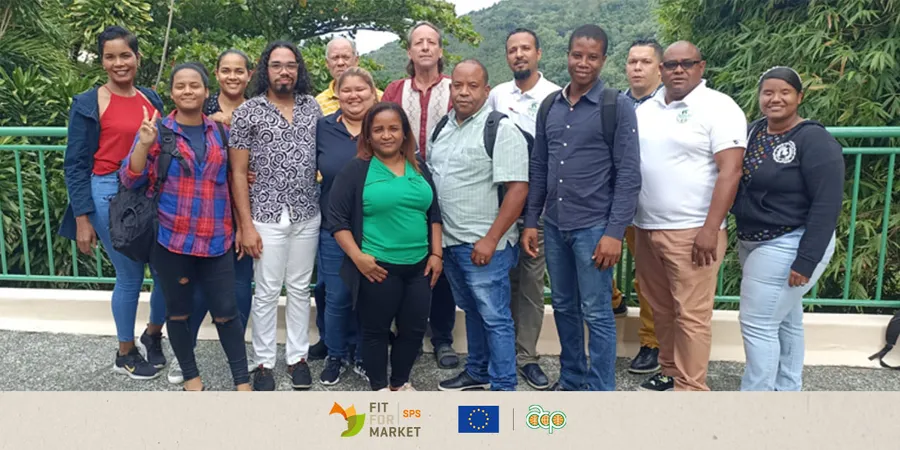
In an environment surrounded by nature, ideal for disconnecting from the hustle and bustle of cities and professional obligations, training in organic agriculture was held from 20–24 June 2022 at the La Vega Cooperative Club House with 12 participants from a variety of backgrounds. These included participants from a company in San Francisco de Macoris (2), associations of banana producers (3) and other organic crops (1), representatives of the Departments of Organic Agriculture (2), Extension (1) and Plant Health (1) of the Ministry of Agriculture, as well as the Autonomous University of Santo Domingo (2).The training was conducted in an interactive way. The trainers were Eng. Juan Arthur, with a long experience in the sector, and Dr. Colmar Serra, a specialist in biological and integrated management and agro-ecological production. The main objective was to reinforce the participants’ knowledge of organic agriculture and production.The programme covered topics on the origins and definitions of different types of organic agriculture and production, and the impacts of conventional practices on agro-ecosystems, soils and their management, biological and integrated pest and disease management, management of “associated flora”, production of organic planting material, organic conversion and organic standards and certification.During practical work, visits were made to two farms: Finca Tierra Negra, with a focus on cocoa cultivation associated with fruit trees and other plants in a syntrophic agroforestry system; and Finca Sancocho, a raspberry plantation in transition to organic production. The tours were a very interactive and interesting experience for everyone.This activity is supported by the Fit For Market SPS programme, implemented by COLEACP within the Framework of Development Cooperation between the Organisation of African, Caribbean and Pacific States (OACPS) and the European Union.