
Cultivating
Sustainable Futures
 News
News
New EU rules on bisphenol A and per- and polyfluorinated alkyl substances in food packaging: AGRINFO webinars
The AGRINFO programme recently organised a series of webinars to raise awareness of changes to European Union (EU) rules on Bisphenol A (BPA), other bisphenols and bisphenol derivatives, as well as per- and polyfluorinated alkyl substances (PFAS) in food packaging. The webinars focused on the practical implications of these new rules for businesses and institutions in AGRINFO partner countries whose packaged products – when exported to the EU – need to comply with the EU legislation, including on food contact material.The EU has adopted Regulation (EU) 2024/3190, introducing stricter rules on the use of BPA and related substances in food contact materials and articles. These requirements will apply from July 2026, with a later deadline of January 2028 for packaging intended to preserve fruit, vegetables and fishery products. In parallel, the new Packaging and Packaging Waste Regulation (EU) 2025/40 sets limits on PFAS in food contact packaging, applicable from August 2026. Compliance with both regulations must be demonstrated through a written Declaration of Conformity.To explain these changes, AGRINFO held three 90-minute online sessions on 25 November, 3 December and 4 December 2025, allowing participation across different time zones. Each webinar covered the same content and included simultaneous interpretation into French, Spanish and Portuguese for selected sessions. The programme combined an introduction to AGRINFO and EU food contact material legislation with a detailed presentation by an external expert.The initiative attracted strong interest, with 927 registrations and 518 participants, representing an attendance rate of 56%. Presentation slides and video recordings are available online in multiple languages, and a consolidated FAQ document based on participants’ questions is currently being prepared and will be shared shortly.This activity is supported by the AGRINFO programme, implemented by COLEAD and funded by the European Union (EU). This publication receives financial support from the European Union. The content of this publication is the sole responsibility of COLEAD and can in no way be taken to reflect the views of the European Union.
 News
News
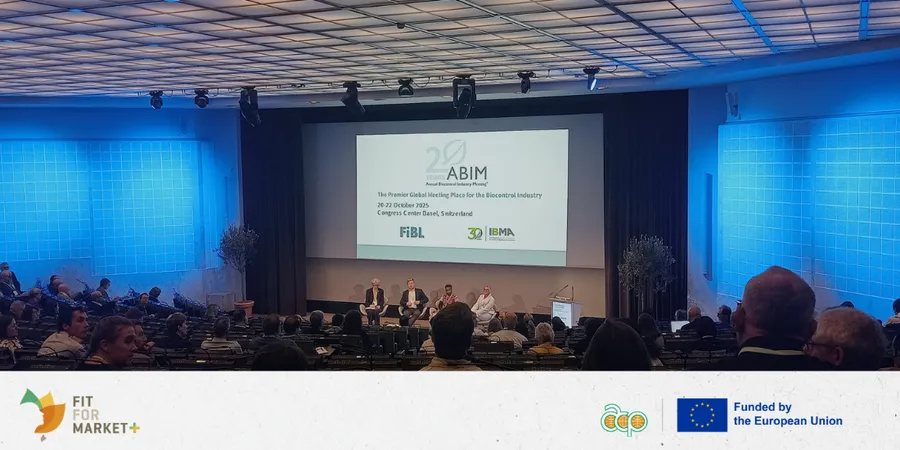
ABIM 2025: direct access to emerging biocontrol technologies and meetings with manufacturers and partners
COLEAD participated in the Annual Biocontrol Industry Meeting (ABIM), held from 20 to 22 October in Basel, Switzerland. Organised by the Research Institute of Organic Agriculture (FiBL) and the International Biocontrol Manufacturers Association (IBMA), ABIM is widely recognised as the leading global event for the biocontrol sector. The 2025 edition brought together 170 exhibitors and more than 2,000 participants from 65 countries, providing a unique platform to exchange on innovation, market trends and regulatory developments in sustainable agriculture.For COLEAD, participation in ABIM is strategically important. The event offers direct access to emerging biocontrol technologies and enables engagement with manufacturers whose solutions can address pest management challenges in EU partner countries. ABIM also provides an opportunity to build and strengthen partnerships supporting efficacy trials, residue studies, integrated pest management (IPM) approaches, regulatory processes and the registration of plant protection products (PPP) adapted to local contexts, ensuring farmers’ access to safe, effective and sustainable alternatives.A key objective of COLEAD’s participation, through the FFM+ programme, was to enhance its visibility and innovation brokerage role within the biocontrol community. This was achieved through the presentation of a poster entitled “Challenges for biopesticide registration on minor crops in ACP countries and COLEAD interventions”. The poster highlighted COLEAD’s research and innovation brokerage activities, regulatory challenges affecting minor crops, successful experiences such as the Minor Crop Technical Working Group (MCTWG) in Kenya, and COLEAD’s growing footprint on biopesticide registration in Africa since 2019.COLEAD representatives also attended a wide range of conferences and technical sessions addressing the latest trends in biocontrol and sustainable agriculture. Topics included AI-based soil and disease diagnostics, micropeptide discovery for crop protection, digital integration of biological control solutions, large-scale release technologies, as well as national strategies to accelerate biocontrol adoption. These sessions helped identify promising innovations and reinforced COLEAD’s understanding of emerging sectoral trends.In parallel, numerous one-to-one meetings were held with biocontrol companies and partners such as Andermatt, Koppert, Russell IPM, Elephant Vert, Seipasa, Fyteko, Savana, M2i, and international organisations including Rainforest Alliance, CABI and Bio Protection Global. These exchanges opened concrete opportunities for efficacy trials, PPP registration initiatives, biostimulant testing and digital solutions, with several follow-up actions agreed upon.Overall, ABIM 2025 confirmed COLEAD’s role as a key facilitator of innovation and partnerships in sustainable crop protection. Through continued collaboration, knowledge integration and regulatory support, COLEAD aims to accelerate access to effective biocontrol solutions and contribute to more resilient and sustainable agricultural systems.This activity is supported by the Fit For Market Plus (FFM+) programme, implemented by COLEAD within the Framework of Development Cooperation between the Organisation of African, Caribbean and Pacific States (OACPS) and the European Union. This publication receives financial support from the European Union and the OACPS. The content of this publication is the sole responsibility of COLEAD and can in no way be taken to reflect the views of the European Union or the OACPS.
 News
News
Market dynamics in the fruit and vegetable sector: understanding the influence of supermarkets and large retailers
Last November, COLEAD, in partnership with the OECD, organised the 11th session of the OECD–COLEAD series on the fruit and vegetable sector, focusing on market dynamics and the growing influence of supermarkets and large retailers on consumption trends and price formation. The session brought together public decision-makers, international experts and economic actors from across the sector.Launched jointly by COLEAD and the OECD, this series of sessions aims to create a structured and informed space for dialogue on the major transformations shaping fruit and vegetable value chains worldwide. It seeks to place economic and policy analysis in perspective with on-the-ground operational realities, particularly in EU partner countries, in order to inform public and private decision-making and promote more inclusive and sustainable market models.This 11th session highlighted the central role of supermarket chains as key actors in market structuring. Discussions underlined their dual function: as market makers, through purchasing concentration, price management and the development of private labels, and as gatekeepers to market access, through increasingly stringent requirements on quality, traceability and sustainability. While these developments contribute to the modernisation of supply chains, they also create major challenges for producers and SMEs, notably in terms of compliance costs, bargaining power and income volatility.By combining OECD analysis, European perspectives and testimonies from operators in the Global South, the session reaffirmed the importance of coherent policies, balanced partnerships and targeted technical assistance to ensure fair participation for all actors. Held within the framework of the Fit For Market+ programme, this initiative illustrates COLEAD’s commitment to supporting transformations in the fruit and vegetable sector, ensuring they strengthen competitiveness, resilience and inclusion across value chains.This activity is supported by the Fit For Market Plus (FFM+) programme, implemented by COLEAD within the Framework of Development Cooperation between the Organisation of African, Caribbean and Pacific States (OACPS) and the European Union. This publication receives financial support from the European Union and the OACPS. The content of this publication is the sole responsibility of COLEAD and can in no way be taken to reflect the views of the European Union or the OACPS.
 News
News
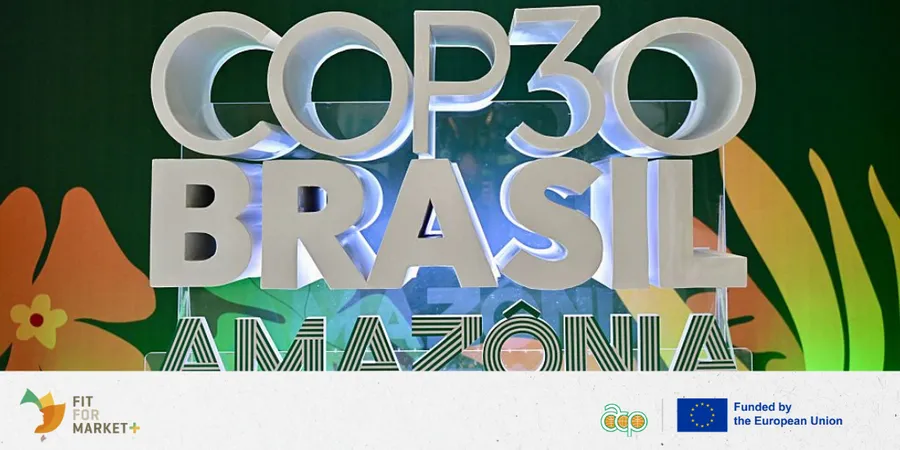
Looking back at COP30 in Belém: there will be no effective climate action without transforming food systems
COP30, held in Belém in the Brazilian Amazon, marked a turning point by clearly placing food systems at the heart of climate negotiations. At a time of intensifying climate shocks, and with agriculture employing the majority of Africa’s workforce, African countries spoke with a strong and unified voice to highlight the urgent need to transform agricultural systems towards greater resilience, equity and sustainability.A major signal was the announcement of new financial commitments in support of smallholder farmers, who remain largely excluded from global climate finance (less than 1% to date). The Gates Foundation announced a USD 1.4 billion investment over four years to support climate adaptation for smallholder farms in sub-Saharan Africa and South Asia. This funding will notably support the deployment of digital decision-support tools, localized climate data, resilient agricultural practices, and innovations in soil health and climate-adapted crops.Discussions also highlighted adaptation and land restoration as strategic priorities for Africa, through programmes such as the Africa Adaptation Acceleration Program, which directly embed climate adaptation into agricultural investments. Food system governance was another key theme, with UN agencies, including FAO, calling for stronger alignment between agricultural and nutrition policies and national climate commitments.During the summit, Nigeria’s Vice President Kashim Shettima urged leaders to move “from promises to action,” stressing that effective climate action will depend on fairer financing mechanisms that reflect the realities of developing countries.Ultimately, COP30 confirmed a growing awareness: there will be no effective climate action without transforming food systems. A central question now remains: will these commitments translate swiftly into concrete and lasting action for farmers and the most vulnerable communities?In this context, the COLEAD commits to actively contributing to the transformation of food systems by supporting agricultural stakeholders in adopting more resilient, inclusive and sustainable practices, and by helping ensure that international climate commitments are translated into tangible impacts for producers and territories.
 News
News
Looking back at the 48th Codex Alimentarius Commission: working together to strengthen agri-food standards
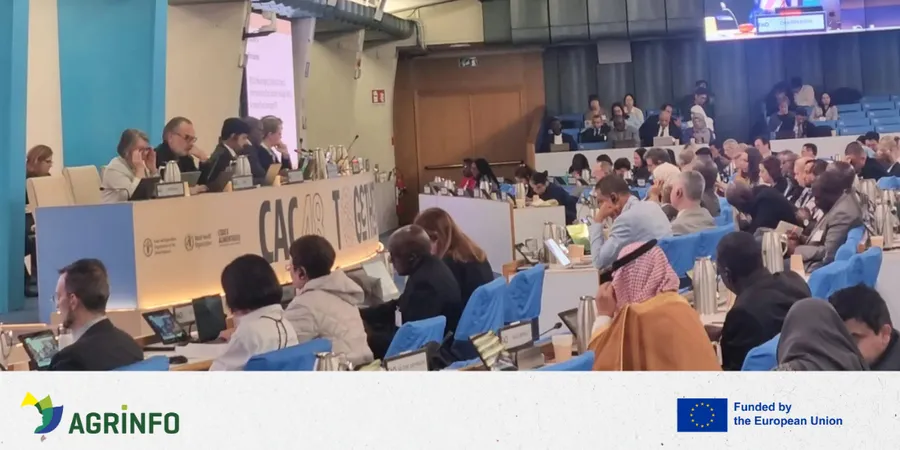
As part of the AGRINFO programme, COLEAD took part in the 48th Codex Alimentarius Commission (CAC48), held at FAO headquarters. This major international forum for the development and adoption of food safety standards was organised this year under the theme “Together”, highlighting the importance of broad and inclusive global participation in standard-setting processes.The event provided COLEAD with a valuable opportunity to present its programmes and expertise to delegates from more than 100 countries, while also strengthening exchanges and identifying potential areas of collaboration with other observer organisations, including the International Dairy Federation (IDF), ISO/TC 34, the International Union of Food Science and Technology (IUFoST) and Croplife.The Commission adopted several new standards and key texts, notably the standard for fresh dates, guidelines on monitoring the stability and purity of pesticide reference materials, and new maximum levels for lead in spices, dried bark and culinary herbs. It also endorsed the revised Code of Practice for the prevention and reduction of aflatoxin contamination in peanuts, as well as a regional standard for lulo (naranjilla) in Latin America and the Caribbean.Several new work proposals were also approved, including the development of a regional African standard for dried fish (salted or unsalted), the conversion of a regional Asian standard for laver products into an international standard, and new standards for galip nut and breadfruit flour.CAC48 further approved a proposal from the United Arab Emirates to develop a standard for pasteurised liquid camel milk, leading to the reactivation of the Codex Committee on Milk and Milk Products. Finally, the Commission discussed the monitoring framework for the Codex Strategic Plan 2026–2031 and confirmed that the Republic of Korea will take over as host of the Codex Committee on Processed Fruits and Vegetables.COLEAD’s participation in CAC48 fully reflects its commitment to promoting science-based, inclusive SPS standards that are aligned with the realities of agri-food value chains, in support of food safety and sustainable access to international markets.This activity is supported by the AGRINFO programme, implemented by COLEAD and funded by the European Union (EU). This publication receives financial support from the European Union. The content of this publication is the sole responsibility of COLEAD and can in no way be taken to reflect the views of the European Union.
 News
News
Supporting the avocado value chain – the example of Ethiopia
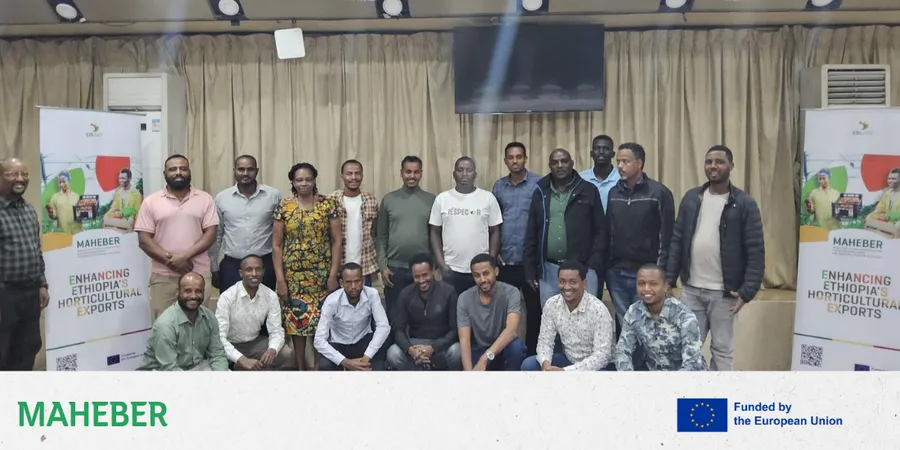
As part of the MAHEBER programme, COLEAD continues to support the sustainable strengthening of the horticultural sector in Ethiopia through complementary actions that combine improved production practices with the structuring of sustainability approaches within companies.In Addis Ababa, a collective face-to-face training was recently organised on Integrated Pest Management (IPM) in the avocado value chain, with a particular focus on an emerging pest: the Persea mite (Oligonychus perseae).In the context of rapid expansion of avocado production for both domestic and export markets, this initiative aimed to strengthen the capacities of producers and field teams in early detection, monitoring and sustainable management of major avocado pests and diseases. Participants worked in particular on orchard scouting, the analysis of existing practices, the use of economic thresholds for decision-making, and the design of IPM strategies adapted to local conditions.In parallel, COLEAD is supporting Ethiopian service providers in the use of its Sustainability Self-Assessment Tool (SAS). This tool enables horticultural companies to assess and improve their practices in areas such as labour conditions, environmental management, crop production, operational management and financial systems. Aligned with international labour standards, the SAS also represents a key preparatory step for social and sustainability audits.Within the MAHEBER programme, the SAS therefore serves as a basis for the development of tailored support plans, enabling companies – both small and large – to monitor their progress, identify areas for continuous improvement and better respond to the growing requirements of markets, buyers and certification schemes.By combining strengthened technical capacities at field level with structured sustainability approaches, these actions contribute to more resilient, more responsible and more competitive avocado production systems, in line with COLEAD’s ambition to support sustainable and inclusive horticultural value chains.This activity is implemented by COLEAD and supported by the MAHEBER Program (Mobilizing Actors in Horticulture for Entrepreneurship and Boosting Ethiopian Resilience), funded by the European Union through the EU Delegation in Ethiopia. This communication has been produced with the financial support of the EU. Its contents are the sole responsibility of COLEAD and can in no way be taken to reflect the views of the EU.
 News
News
The new SPRING programme: a new momentum for a sustainable and inclusive horticultural sector in The Gambia
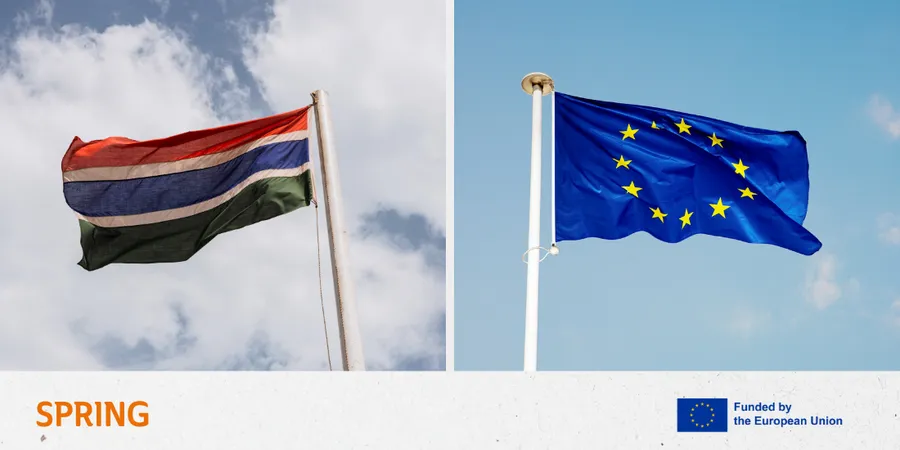
COLEAD is pleased to announce the official signing, in The Gambia, of the new SPRING – Sustainable Production for Resilient and Inclusive New Generations programme, funded by the European Union. This key milestone marks the successful conclusion of an extensive stakeholder consultation process carried out in late 2024 and early 2025, whose contributions were instrumental in shaping the programme’s ambition, priorities and overall structure.SPRING aims to strengthen the contribution of The Gambian horticultural sector to economic growth, food security and nutrition, and the creation of decent jobs, with a strong focus on women, young people and the most vulnerable groups. The programme will support a resilient, inclusive and market-driven agro-ecological transition, fully aligned with the EU Multiannual Indicative Programme (MIP) for The Gambia and the Global Gateway priorities.Through integrated interventions, SPRING will support selected horticultural value chains – notably mango, capsicum, groundnuts, tomato, onion and nutrition-oriented biofortified crops – while reinforcing the institutional, technical and financial enabling environment of the sector. It will address key bottlenecks such as private investment mobilisation, improvement of SPS practices and quality management, access to finance, local value addition, climate resilience and better working conditions across value chains.Programme activities are expected to officially start in 2026. In the meantime, COLEAD and its partners will continue to work closely with public and private stakeholders across The Gambian horticultural ecosystem to ensure a strong, inclusive and well-prepared operational launch.Stay tuned: further information on the launch event and next steps will be shared shortly.
 News
News
STDF Penja Pepper Project (Cameroon): sustainability confirmed three years on
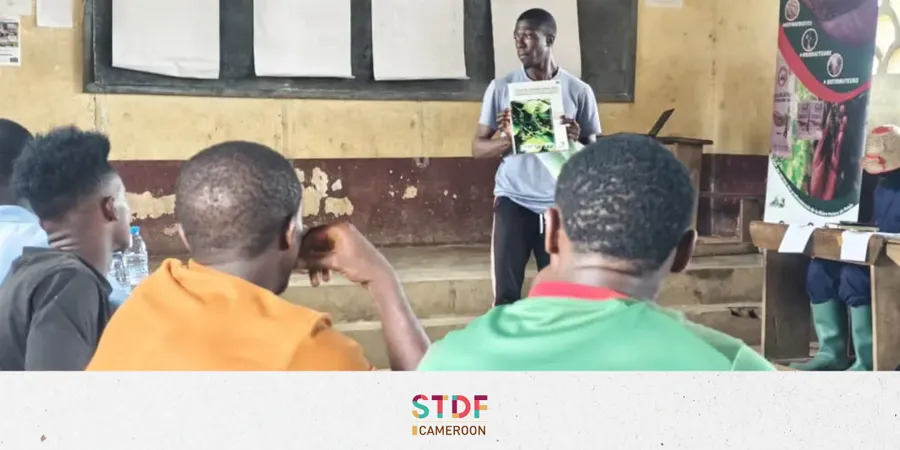
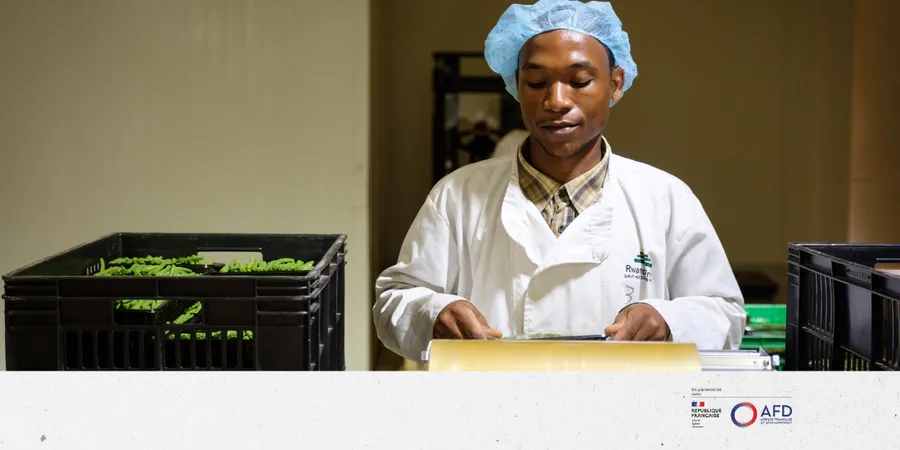
Implemented under project STDF/PG/593, support to the Penja pepper value chain in Cameroon aimed to sustainably strengthen the application of sanitary and phytosanitary (SPS) best practices. At the heart of this approach was the co-development of practical tools tailored to the needs of field actors. Guides to SPS best practices, educational brochures, practical fact sheets and structured training modules were developed and rolled out throughout the project.Three years after the project’s official closure, the results speak for themselves. Training activities are continuing, and all the tools developed are still being used in every session. This long-term ownership reflects both the quality of the materials produced and their strong alignment with the realities of the value chain.Beyond the project deliverables, this continuity illustrates the real sustainability of the actions undertaken, built on strengthened local capacities and the lasting adoption of SPS best practices. The STDF Penja Pepper project therefore continues to bear fruit, contributing to quality, food safety and the international recognition of this emblematic value chain.Congratulations and thanks to all partners and stakeholders involved for their contribution to this lasting success.This activity is organised within the framework of the project ‘Improving SPS Capacity in the Penja Pepper Value Chain’, supported by the Standards and Trade Development Facility (STDF) and implemented by COLEAD.
 News
News
Multi-country Programme for Strengthening Trade Capacities (PRCC): support to MSMEs and professional organisations, and launch of bottleneck studies
In March 2025, COLEAD signed a new contract with the French Development Agency (AFD) under the Trade Capacity Building Programme (PRCC). The programme aims to contribute to poverty reduction and to the improvement of food security and nutrition in Sub-Saharan Africa by supporting the development of a fairer, safer and more sustainable agricultural sector.The specific objective of the PRCC is to support smallholders, farmer organisations and micro, small and medium-sized enterprises (MSMEs) in maintaining and improving their access to national, regional and international horticultural markets, by strengthening their skills and practices and promoting the adoption of safe and sustainable technologies.The programme is implemented over a period of 33 months, from 20 March 2025 to 31 December 2027, in seven countries: Madagascar, Senegal, Tanzania, Malawi, Togo, Benin and Guinea.
 News
News
Flashback 2015 : Training: sharing to ensure sustainability- an example from Ethiopia
Source : HORIZONS Magazine n°4“With the development of value chains, many professional associations and organisations are building up experience and diversifying the services they offer to their members, in particular training and the popularisation of improved agronomic practices. COLEACP needs to take this development into account. Firstly, to make sure it does not find itself in the position of competing, despite its best intentions, by offering support that these organisations already provide to companies. Secondly, because, unlike aid programmes such as the PIP (Pesticides Initiative Programme) and EDES, these farming organisations were created for posterity and could be precious allies in ensuring the sustainability of future support for supply chains.Ethiopia: delegation of basic training With this in mind, COLEACP is working with the Ethiopian Horticulture Producer Exporters Association (EHPEA). This association groups together 85 horticultural businesses representing 70% of fresh produce production in that country. It was created in 2002 to support flower exports, which were then booming. On its creation, the EHPEA drew up a code of conduct establishing minimum standards of good practices for agriculture and environmental protection, and for working conditions, to satisfy the demands of international buyers and even to anticipate those demands.To help farmers to apply this code, the EHPEA set up a training department, with Dutch cooperation. The 11 trainers in this department provide support to member and non-member companies to ensure they know about safe pesticide use, quality control, first aid and environmental protection, among other issues. Those courses were originally tailored to flower growing. With the global economic crisis, there was a drop in demand for flowers.Ethiopian horticultural companies diversified into market gardening, primarily fresh herbs such as chives, dill, basil and tarragon. The EHPEA therefore expanded its range of training courses to provide support to the ‘vegetable, herbs and fruits’ subsector, and also to develop corporate social responsibility. With a view to this expansion, the EHPEA asked for support from the PIP programme. After meticulous examination of the needs of the department and the sector, COLEACP drew up an ambitious action plan in September 2013, to share with the EHPEA some of the know-how and teaching tools developed by PIP over the past 13 years. (…)”The Pesticides Initiative Programme (PIP) was financed by the European Development Fund. The ACP Group of States and the European Commission entrusted responsibility for its implementation to COLEACP (today COLEAD).
 News
News
Market access for fresh citrus, juice, essential oils and peel valorisation – new sector study now available
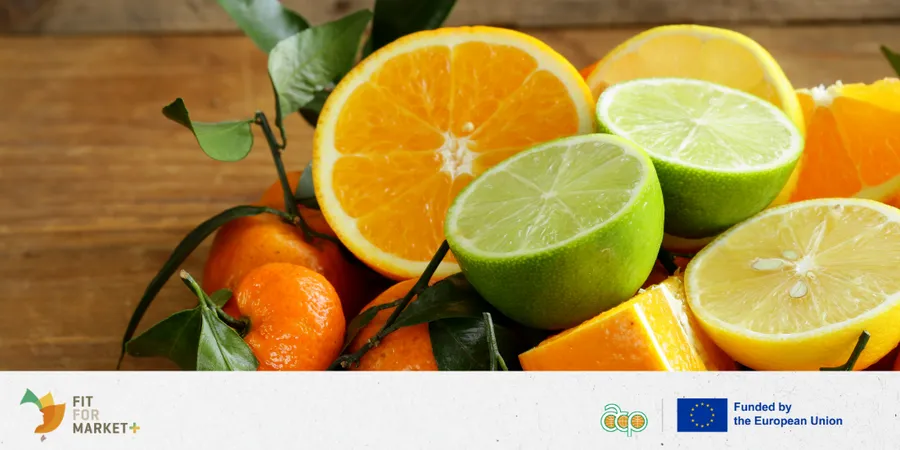
This sector analysis, achieved through the FFM+ programme, combines technical and economic approaches to provide a comprehensive overview of opportunities and requirements on the European market. This type of sector study is designed to be directly operational for COLEAD partner-beneficiaries: producers, packhouses, processors and ingredient suppliers.It enables quick answers to very practical questions such as:what do European buyers expect for fresh citrus?which formats and specifications are required by juice bottlers?how can by-products (peel, essential oils) be valorised in niche markets?Each chapter offers clear, practical and immediately shareable information for the companies supported.What you will find in the study :Fresh citrus: overview of demand and expectations of leading buyers; requirements on traceability, phytosanitary controls and cold treatment; packaging and labelling standards.Citrus juice: formats (not from concentrate – NFC – vs concentrate; aseptic vs frozen); buyer specifications (Brix, BAR, shelf life); seasonality and overview of processing operations.Essential oils and by-product valorisation: transformation of peel into value-added products (pieces, powders, oils); applications in food and beverage, home care and personal care sectors; buyer requirements (purity, GC-MS analysis); European regulatory compliance (REACH, allergens).Other recent sector studies available: avocado; roses and summer flowers; mango.COLEAD warmly welcomes your feedback and comments on this new sector study, in order to continuously enrich and improve these tools in support of agricultural value chain stakeholders.This activity is supported by the Fit For Market Plus (FFM+) programme, implemented by COLEAD within the Framework of Development Cooperation between the Organisation of African, Caribbean and Pacific States (OACPS) and the European Union. This publication receives financial support from the European Union and the OACPS. The content of this publication is the sole responsibility of COLEAD and can in no way be taken to reflect the views of the European Union or the OACPS.
 News
News
Strengthening the resilience of the ginger value chain in Nigeria: the strength of a structured partnership between public and private actors
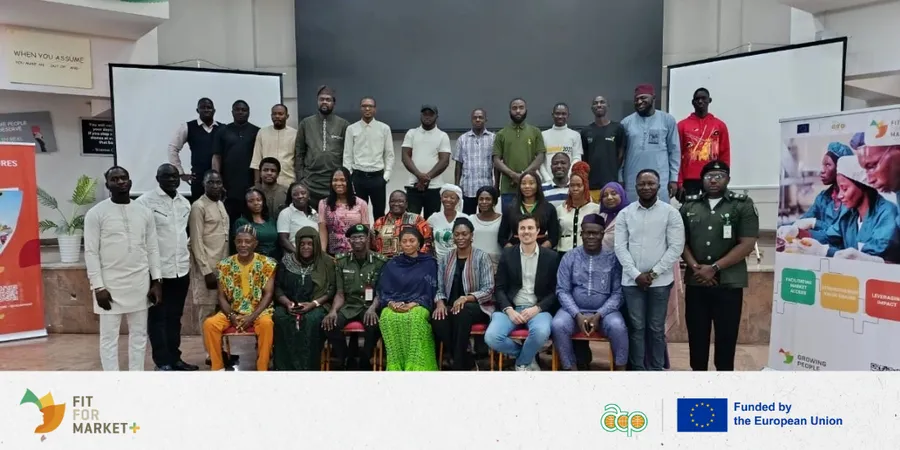
Following the major crisis triggered in 2023 by a ginger wilt outbreak that caused production losses of up to 80% in some key producing areas of Nigeria, particularly in Kaduna State, COLEAD, through the FFM+ programme, continued and strengthened its support to the sector in 2025. This new phase builds on the initial actions implemented in 2024 and aims to restore farmers’ confidence, improve the sustainability of production systems, and enhance the competitiveness of the sector.In partnership with CBI’s Ginger Nigeria programme, COLEAD coordinated a new series of multi-site agronomic trials involving six Nigerian companies operating in the sector. These trials made it possible to test and refine a coherent set of good agricultural practices, including reduced planting densities, the establishment of raised beds, improved management of soil organic matter, and the combination of conventional and biological approaches to disease control. The expected results, from harvests scheduled between November and January, will provide an essential technical and economic basis for the sustainable intensification of ginger production.In parallel, COLEAD played a central role in identifying the pathogen responsible for the disease, in close coordination with IITA, NAQS and NRCRI. Analyses point to the involvement of Fusarium spp., notably Fusarium oxysporum and Fusarium verticillioides, thereby strengthening the scientific evidence needed to define appropriate control strategies.To respond to the sanitary emergency, COLEAD also carried out a comprehensive mapping of conventional and biological crop protection options, paving the way for future trials, validation of good agricultural practices, and strengthened dialogue with competent authorities and manufacturers.These advances were shared during a training session held in November 2025 in Abuja, organised in collaboration with CBI and the Nigerian Export Promotion Council, bringing together producers, exporters, research institutions, regulatory authorities and international market actors.This training built on the 2024 session and presented findings from the 2025 field trials to 16 MSMEs engaged in ginger production, aggregation, and export.Key institutional contributions included:NRCRI – research insights and pathogen-related findingsNAQS – additional pathogen-related findings and phytosanitary considerationsNAFDAC – pathways for plant protection product registration in NigeriaGIZ (VACE TARED programme) – opportunities for potential future support to Nigerian gingerVerstegen Spices & Sauces – market insights and supply chain perspectivesThis dynamic was further reinforced through an international buyer mission, organized by CBI, fostering technical and commercial exchanges.Through these coordinated interventions – applied research, capacity building, diagnostics, technical documentation and market engagement – COLEAD is contributing to the development of a more resilient, sustainable Nigerian ginger value chain, better equipped to face future sanitary and commercial challenges.This activity is supported by the Fit For Market Plus (FFM+) programme, implemented by COLEAD within the Framework of Development Cooperation between the Organisation of African, Caribbean and Pacific States (OACPS) and the European Union. This publication receives financial support from the European Union and the OACPS. The content of this publication is the sole responsibility of COLEAD and can in no way be taken to reflect the views of the European Union or the OACPS.