
Cultivating
Sustainable Futures
 News
News
Launch of the French version of the COLEACP Rapid SPS Assessment Tool in Africa
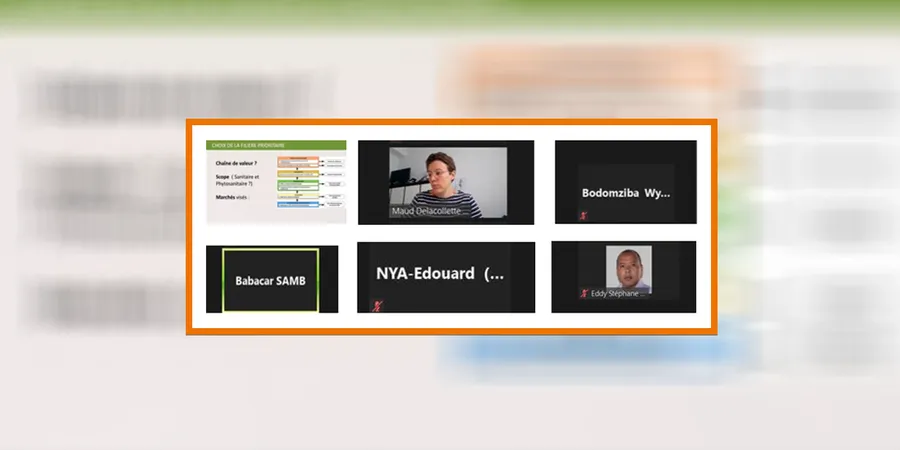
COLEACP has developed a Rapid SPS Assessment Tool (R-SAT) specifically tailored to the context, activities and responsibilities of national Competent Authorities. This tool is designed to assist Competent Authorities to assess the current status and functioning of their sanitary and phytosanitary (SPS) systems, in consultation with key stakeholders from both public and private sectors. The main objective is to develop a prioritised action plan to strengthen national SPS systems, and to ensure their alignment with international standards and regulations.This new diagnostic tool is currently being tested in three English-speaking countries (Suriname, Uganda, Zimbabwe) and three French-speaking countries (Cameroon, Côte d'Ivoire, Senegal) by trios of consultants trained by COLEACP.Kick-off meetings with the relevant SPS authorities were organised in the three French-speaking countries in the first two weeks of June to discuss the preliminary steps, including: choice of the value chain(s) in which R-SAT could be applied as a priority stages and provisional schedule for implementation establishment of working groups. R-SAT does not replace existing dedicated food safety and plant health assessment tools, but is complementary to them. It enables a rapid preliminary assessment and generates information that can subsequently be fed into more in-depth evaluations, or shared with other partners.This activity is supported by the Fit For Market SPS programme, implemented by COLEACP within the Framework of Development Cooperation between the Organisation of African, Caribbean and Pacific States (OACPS) and the European Union.
 News
News
Understanding the new EU Organic Regulation
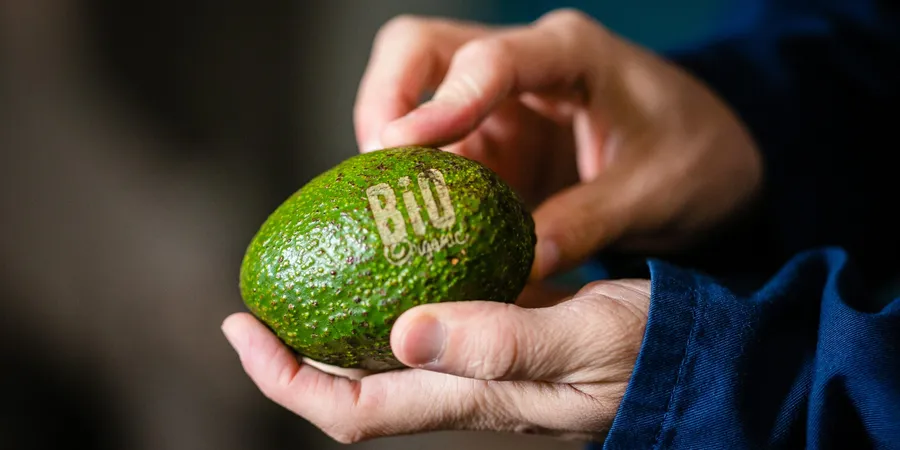
COLEACP organised an online workshop on 15 June to present the changes and potential impacts of the new European Union (EU) Organic Regulation 2018/848, which will enter into force in January 2022.The workshop brought together 80 participants, COLEACP partners involved in the production and export of organic fruit and vegetables. They were given a presentation by Michel Reynaud, Board Member of IFOAM Organics Europe and Vice President of Ecocert, who reviewed the main changes of the new regulation that will affect them, as well as the measures they must now take to comply with the new rules.Label d'Or, Ranch du Koba and Green Stone Foods, three COLEACP partner companies, then spoke about the challenges they face and shared their initiatives to prepare for the implementation of the new rules.Finally, Xavier Bepmale of Ecocert presented the organisation’s transition plan for compliance as a certification body.These presentations were followed by a question-and-answer session which provided the audience with a wealth of useful information. The very positive feedback from this session suggests that further workshops will be organised in the future.As a reminder and support, COLEACP has also prepared an "Update on the new EU Organic Regulation and associated implementing and delegated acts" (May 2021). This activity is supported by the Fit For Market programme, implemented by COLEACP in the framework of development cooperation between the Organisation of African, Caribbean and Pacific States (OECP) and the European Union, and co-financed by the French Development Agency (AFD).
 News
News
INTERNATIONAL MSMEs DAY 2021
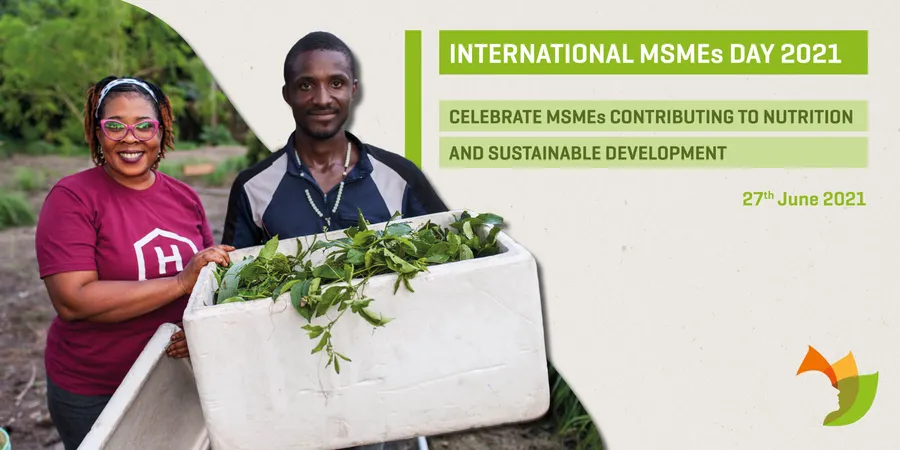
Globally, Micro, Small and Medium Size Enterprises (MSMEs) which work themselves with millions of family farms, are of notable importance in securing food safety and nutrition of local consumers and communities, creating employment, enhancing skills, as well as promoting innovation and creativity towards sustainable food systems.MSMEs respectively have less than 10, 50 and 250 employees but nonetheless provide great opportunities for job creation, especially for women and young. MSMEs are the backbone of most economies and play a key role in developing and low-income countries. They account for over 90% of all firms, for 70% of total employment and for 50% of the GDP worldwide.Therefore, supporting MSMEs through their own formalization, formalization of their relationships with other actors of the value chain, participation and growth in domestic, regional and/or international markets, with access to skills, finances, technologies and innovation, is an important leverage to boost sustainable development.As a non-profit association of private sector operators in the agrifood sector active in the European Union (EU), Africa, the Caribbean and the Pacific (ACP) regions, COLEACP supports entrepreneurship development and business growth in these regions, based on the economic, environmental and social pillars of sustainability. It offers technical assistance, capacity building, business contacts, and trade analysis among other support services to value chain actors, including to MSMEs, from different value chains with a special focus on fruit and vegetables as to promote agriculture, agribusiness and sustainability.Meet and celebrate with us successful African and Caribbean MSMES which contribute to nutrition and sustainable development from fark to fork! The inspiring MSMEs stories, many of them members of COLEACP, have been featured in our Innovations Sessions co-organised by COLEACP and the Pan-African Farmers’ Organization (PAFO) and in our Caribbean Agrifood Business Series, launched by the COLEACP and the Inter-American Institute for Cooperation on Agriculture (IICA).
 News
News
COLEACP's participation in the 4th AU–EU agriculture ministerial conference
The fourth African Union (AU) – European Union (EU) agriculture ministerial conference will take place on 22 June 2021, co-hosted by the African Union Commission and the European Union. The event will include four high-level thematic sessions, to be held in parallel, from 10:00 to 11:30 (CET). Jeremy Knops, COLEACP's General Delegate, is taking part in one of these sessions, on “Use of digital solutions in agriculture to combat diseases and to strengthen rural communities”. His contribution focuses on “Adjusting to the EU market requirements to unlock the agri-food potential in Africa”. In both Africa and Europe, there is an increasing need for adequate, safe, nutritious and affordable agri-food products. Food systems can stimulate green innovation and create jobs and growth in both European and African countries. The use of digital technologies in agriculture offers strong potential for driving economic growth, raising incomes and improving rural livelihoods. It can also address pressing global challenges such as impacts of climate change, loss of biodiversity, increase of plant and zoonotic diseases, and inefficient supply chains. In addition, it can contribute greatly to recovery from the Covid-19 crisis. COLEACP is pursuing digital innovations that include online market platforms; solutions for transparency in value chains such as blockchain; and online real-time information resources for specific ACP countries. And developing appropriate skills along the value chains has become even more a priority, as these new digital technologies need to be accompanied by human and financial investments. COLEACP is extending its use of online and hybrid learning for capacity building tailored for actors in ACP agri-food sectors, both private and public.Don’t miss the session – register here by 18 June.
 News
News
Africa Fairtrade Convention 2021 in Africa (Nairobi)
The 7th Africa Fairtrade Convention (AFC) will be held virtually in Nairobi from 22–25 June 2021, focusing on "Producers leading the future of trade". The event is organised by Fairtrade Africa. AFC is a gathering of producers, traders, partner organisations, Fairtrade movements, governments and policy makers – among other stakeholders – to discuss improvement of value chains, trade relations, and conditions that translate to improved livelihoods for farmers and workers in Africa.While the General Assembly is a closed meeting, the workshops are open for external participants, who can register on the Africa Fairtrade Convention website.COLEACP is taking part in a panel at the event on the new EU organic regulation - Morag Webb, the Association’s Head of Science and Policy, will discuss "Impact of new rules for the certification of organic grower groups in developing countries supplying the growing EU organic market" on Thursday 24 June 2021 from 14:00 to 15:30 (EAT) / 13:00 to 14:30 (CET). The session will be moderated by Jorge Conesa, Project Coordinator at the FairTrade Advocacy Office.Meet the high-level panel: Elena Panichi, DG AGRI: Presentation of the new regulation Morag Webb, COLEACP: Aspects of the legislation that are likely to have more impact Escipión Joaquín Oliveira Gómez: Position of ACP countries Michel Reynaud, IFOAM: How can African farmers prepare for the changes? The 7th AFC will be an opportunity for businesses to explore new opportunities and create brand exposure across the 99 countries that will be represented.To join the event, register here.More information about Fairtrade Africa.
 News
News
Promoting dialogue between Togo’s DPV and horticultural exporters
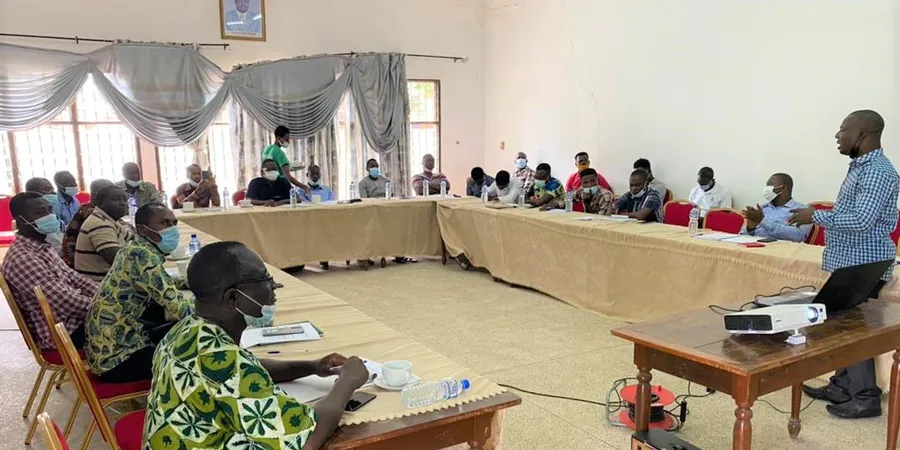
COLEACP supported the organisation of a meeting between the Plant Protection Directorate (DPV) of Togo and fruit & vegetable exporting companies in Lomé from 1 to 2 June 2021. The meeting aimed to promote public-private dialogue and to improve communication dynamics and relations between the DPV and operators. Discussions focused on the interception of leafy vegetables exported from Togo to the EU and the urgent measures taken to solve the problem; the ongoing development of a Good Practice Guide for leafy vegetables in Togo; the operationalisation of the mango, chilli and aubergine dossiers; and the Guide developed by COLEACP to prevent the spread of Covid-19 in businesses. The meeting also provided an opportunity to learn about the current concerns and expectations of exporters, which will be taken into account in the organisation of future activities. This activity was organised within the framework of the Project to Strengthen the National Phytosanitary Control and Certification System for Fruit and Vegetables in Togo, supported by the Standards and Trade Development Facility (STDF) project and implemented by COLEACP.
 News
News
Business Survival Bootcamp in Pacific
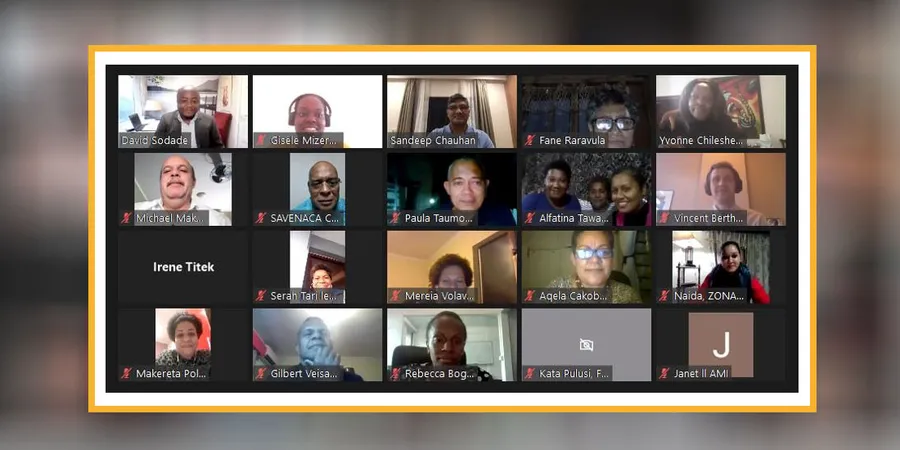
COLEACP and the African Management Institute (#AMI) collaborated in May to organise a Business Survival Bootcamp in the Pacific region. The Bootcamp saw the participation of over 20 people from companies, chambers of commerce, consultants, as well as M. Escipión OLIVEIRA GÓMEZ, Assistant Secretary-General, Department of Structural Economic Transformation and Trade, OACPS, and COLEACP’s Technical Assistance team. This very interactive session received very positive feedback from the participants. Following the Bootcamp, the entrepreneurs and experts are invited to the #AMI online platform, where they have the opportunity to download business tools and actively participate in forum discussions for two months. Afterwards the tools will be accessible on COLEACP’s online platform. Companies will also have the opportunity to apply for personalised business coaching provided by COLEACP. This activity is supported by the Fit For Market programme, implemented by COLEACP within the Framework of Development Cooperation between the Organisation of African, Caribbean and Pacific States (OACPS) and the European Union, and co-funded by the French Development Agency (AFD).
 News
News
Analysis of pesticide management in CPAC member countries (Central Africa)
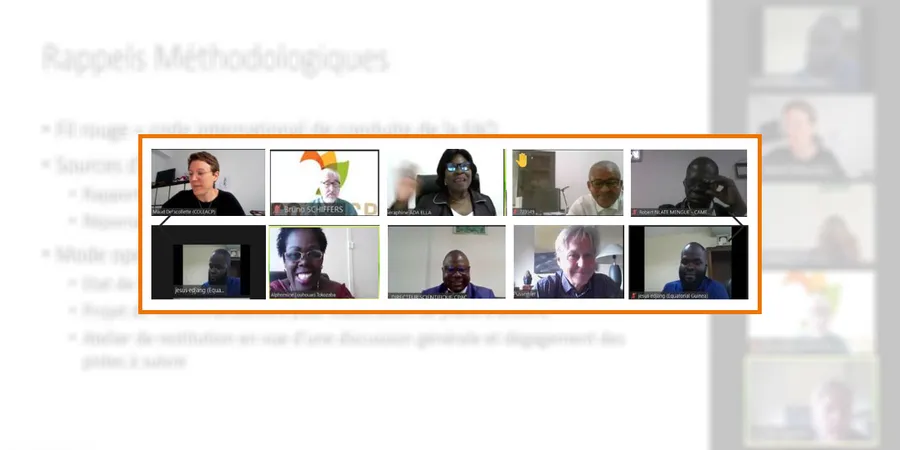
As part of the mission "Analysis of pesticide management in the member countries of CPAC (Comité inter-états des pesticides de l’Afrique centrale, Inter-State Pesticides Committee of Central Africa), a virtual feedback workshop was organised on Thursday 3 June in the presence of representatives of the six member countries (Cameroon, Central African Republic, Chad, Equatorial Guinea, Gabon, and Republic of the Congo).This mission, which began in February 2021, is part of a support programme by CPAC to assist member countries to implement harmonised and updated phytosanitary measures. This will enable them to protect themselves against risks linked to poor pesticide management. A list of 40 recommendations was drawn up for seven areas of activity: implementation of a phytosanitary policy in a context of sustainable development establishment of a community registration system in which the sub-regional pesticide registration commission have a crucial role to play updating of regulations and adoption of codes of good conduct for the pesticide trade effective management of official controls and inspections by the Competent Authorities creation of laboratories respect of good practices in the field efficient management of the problem of stocks of obsolete products and other hazardous waste. Given the divergence of shortcomings related to pesticide management in the six countries of the Central African Economic and Monetary Community (CEMAC), it was proposed that each country should draw up its own action plan in consultation with CPAC, identifying the relevant recommendations adapted to the country from the list of 40 recommendations made.Intensifying sustainability is at the heart of COLEACP's programmes. It increases productivity while making a positive contribution to climate, ecosystems and the environment. In particular, we promote integrated pest management (IPM) and help producers control pests while minimising negative impacts on humans and the environment. Where plant protection products (PPPs) are an important part of an IPM system, COLEACP ensures that growers have access to appropriate, least harmful products and that they can use them safely.CPAC is a Specialised Institution (SI) of the Economic Union of Central Africa (UEAC) with its headquarters in Yaoundé (Cameroon). Its mission is to coordinate the concerted management of pesticides in the CEMAC area by promoting the improvement and harmonisation of legislative, regulatory and infrastructural frameworks in order to increase the sustainability and competitiveness of agricultural production.This activity is supported by the Fit For Market SPS programme, implemented by COLEACP within the Framework of Development Cooperation between the Organisation of African, Caribbean and Pacific States (OACPS) and the European Union.
 News
News
Embassy's Doing Business In Ghana Webinar Series
On 26 May The Embassy of Ghana to Belgium launched a new webinar series – "Doing Business In Ghana" – to promote business opportunities. COLEACP is taking part in the first webinar on 16 June at 11 am (CET) – Morag Webb, the Association’s Head of Science and Policy, will discuss "EU Regulations: Sanitary and Phytosanitary Measures". H.E Mrs. Sena Siaw-Boateng emphasised that doing business in the EU cannot be "business as usual", and added that business decisions in current times should be policy-centred, environmentally sensitive and innovative. These webinars will be organised in collaboration with the Economic, Trade and Investment Bureau of the Ministry of Foreign Affairs and Regional Integration; European Business Summit; Ghana-Luxembourg Chamber of Commerce; Belgium Ghana Business Council; Ghana Council and Ghana Investment Promotion Centre.
 News
News
International Food Safety Day 2021 : promotion of companies from the Innovations sessions
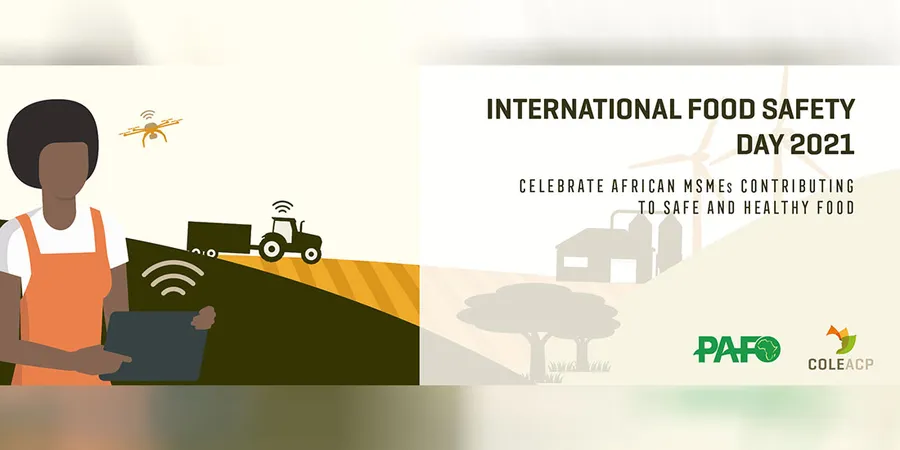
Micro, Small and Medium Size Enterprises (MSMEs) are responsible for producing a large share of the food consumed in Africa. They provide employment, offer opportunities for job creation and very importantly, contribute to food and nutrition security of local consumers and communities. Therefore, ensuring safe and quality food is essential. Despite many technical and financial challenges, many MSMEs have succeeded, through perseverance and hard work, to get the conformity to market requirements, providing safe certified food across various value chains to local, regional and international markets. The World Food Safety Day on 7 June stresses the importance of food safety for good health and sustainable development. The 2021 theme is “Safe food now for a healthy tomorrow”, highlighting the immediate and long-term benefits that producing and consuming safe food have for people, the planet and the economy. You will find some examples of successful African businesses, featured in our PAFO-COLEACP Innovations Sessions, which contribute to deliver safe food locally and internationally.Nb 1: The Hazard Analysis Critical Control Point (HACCP) system is a preventive device to facilitate the identification and assessment of risks for the proper control of hazards (physical, biological and chemical) related to the safety and hygiene of industrially produced foods. The HACCP method also determines the systemic means of prevention to be implemented. Nb 2: GlobalG.A.P. aims to increase consumers' confidence in food safety by developing good agricultural practices for producers focusing on traceability, worker safety, health and welfare, and conservation of the environment. The GlobalG.A.P. certificate covers the process of the certified product from before the seed is planted until it leaves the farm. The family business Les Céréales de Tatam SARL, Mali, provides added value to traditionally grown grains in Mali (fonio, mil, rice, sorghum and maize) and enhances their nutritional value by processing them. Its product range includes, among others, fortified mil flour named “fortimil”, precooked fonio, various types of flour and mil couscous. The products are mainly sold on the Malian and sub-regional markets but also exported to West Africa, Gabon and Congo, and internationally (USA, France). Les Céréales de Tatam SARL has achieved a leading position by offering high-quality products and received the Malian quality award in 2008, 2010, 2014 and 2017. Beside its HACCP-certification, the company has initiated the process to become ISO-22000 certified. SHEKINA Enterprise, Rwanda, is a food processing company securing the nutritive value of cassava while avoiding its wastage due to its high perishability (as leaves have a high water content). SHEKINA Enterprise developed and uses a drying technology to produce dried cassava leaves with a shelf life of two years, as well as an instant mixture of all ingredients used to cook cassava leaves with fish or beef flavour. It also produces flour from cassava and other crops, such as maize, millet, peanut, roasted soybeans, etc. Most of the products are exported internationally (USA, Canada, Belgium, Sweden and the UK), the rest being sold on the domestic and regional (Uganda, Congo, Burundi, Kenya, Tanzania) markets. SHEKINA Enterprise is HACCP-certified and on the final stage of being certified by the International Organisation for Standardisation (ISO). Jakana Foods Ltd, Uganda, is an all-natural food processor and packaging technology specialist producing organic certified and natural non-organic dried fruit, natural fruit juice, pulp and concentrate, as well as condiments. The processed fruit are Uganda grown pineapple, mango, papaya, jackfruit, banana etc. The dried fruit, fruit juices and pulps are sold on export markets (mainly USA and EU), as well as a small portion on the domestic market. Jakana Foods Ltd is managing to a HACCP plan and is working on implementing HACCP certification for its processing and packing facility. Moreover, as a member of COLEACP, Jakana Foods Ltd received various support, notably in form of group and specific training including on risk assessment with a focus on HACCP principles, good hygiene practices and traceability principles. Goshen Farm Exporters Limited, Kenya, is family-owned company which processes, packages and exports fresh and processed Kenyan tropical horticultural produce. Its processed products are fruit crisps made from dried mangoes, dried pineapples and dried African leafy vegetables (cowpeas, amaranth, etc.) which are prepared without additives or added sugar. Goshen Farm Exporters Limited directly exports fresh produce to Europe and the Middle East, sells its dried fruit snacks on the domestic market in 50 g packs and plans to export them to the EU and the USA in the future. Goshen Farm Exporters Limited is GlobalG.A.P certified. As a member of COLEACP, the company received various support, among others, for the implementation of HACCP principles. Mango-So SARL, Burkina Faso, is a processing company which mainly processes mango and coconut. It produces dried coconut chips, as well as dried mango, mango jam and mango syrup. Almost all its processed fruit production is exported to international markets, mostly to Europe. Mango-So SARL also processes, on a smaller scale, vegetables, the dried tomatoes being mostly sold on the domestic market. Mango-So SARL is HACCP certified since 2017 and received, as a member of the association, support from COLEACP for qualifying training for GlobalG.A.P. LES FRUITS TILLOU SARL and LES JUS TILLOU SA, Benin, are family businesses which produce and process pineapple. LES FRUITS TILLOU SARL produces organic and conventional fresh pineapples and exports them to the international market (mainly to Europe and the Middle East). It also produces dried pineapples for international markets; as well as industrial organic pineapple juice produced by LES JUS TILLOU SA. Artisanal pineapple juice is also produced and sold on the local market and in the sub-region. LES FRUITS TILLOU SARL and LES JUS TILLOU SA are organic, HACCP and GlobalG.A.P. certified; and are working on obtaining the ISO 22000 certification. As members of COLEACP, they received, among others, support for the HACCP certification and the improvement of the used drying technique.
 News
News
1st group training session on good packaging and storage practices for Penja pepper
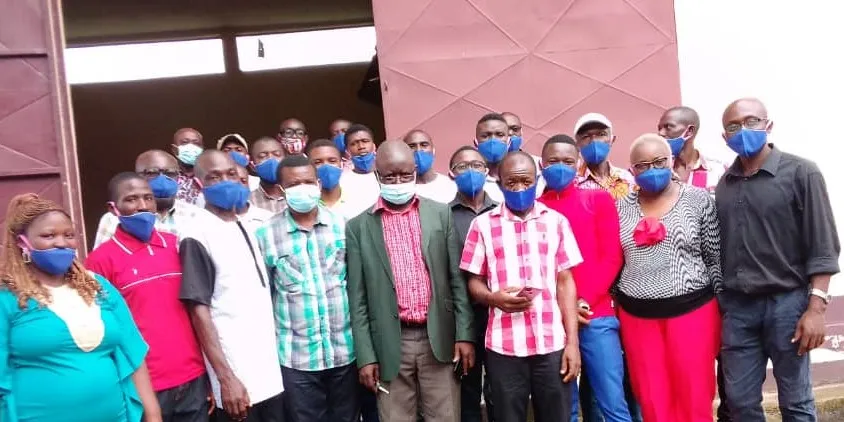
On 2 June in Penja, the first COLEACP group training session for packaging managers covered "Good Packaging and Storage Practices for Penja pepper". This training is part of the Standards and Trade Development Facility (STDF) project "Strengthening the phytosanitary monitoring and certification system for Cameroon’s fruit and vegetable sector” (STDF/PG/593).After this training, participants should be able to: Master the operations of sorting, grading, weighing and bagging pepper; the different ways of packaging pepper; recommended risk control measures for packaging; good hygiene practices related to packaging (for staff, equipment, premises); batch sampling; indications on the labels Apply the general principles of hygiene Apply a cleaning and maintenance plan for equipment Control pests Record the operations that are carried out Manage documentation Manage non-conformities Master the various checklists related to packaging. We congratulate the participants in this session and we thank the trainers for their work! Thanks also to Mr SOP for his encouragement and for his visit during this first training session. Other sessions will be organised in the coming weeks on this topic.This activity is supported by the Standards and Trade Development Facility (STDF) programme in Cameroon, implemented by COLEACP.
 News
News
News digest: Agri-food markets and production
GlobalG.A.P. has unveiled its new consumer label for fruit and vegetables, GGN Certified Agriculture, to help foster trust between sustainable brands and consumers. GLOBALG.A.P. introduced the GGN label 5 years ago, firstly for aquaculture products, followed by floriculture products in 2017. Now fruit and vegetables are also included. All products with the GGN label come from a farm whose production process has been independently certified according to international GLOBALG.A.P. standards or one of the standards recognised by GLOBALG.A.P. as equivalent. These standards are holistic in nature and cover food safety, sustainability, environmental protection, animal welfare, workers’ health and safety, and supply chain transparency. The label provides transparency through unique 13-digit identification numbers that are linked to supply chain actors with GLOBALG.A.P. certification. These GLOBALG.A.P. Numbers (GGNs) correspond with profiles on the GGN label portal (www.ggn.org), allowing consumers to find the roots of their product. 576 farm profiles are already online. The label can be used by fruit and vegetable producers with an Integrated Farm Assurance certificate, a fully compliant Grasp assessment, a certificate for the whole chain and proof of participation in GlobalG.A.P.’s residue monitoring system. View the New GGN Label Launch Event, held on 27 April, in English and Spanish.Source: GlobalG.A.P.; Eurofruit, 27 April