
Cultivating
Sustainable Futures
 News
News
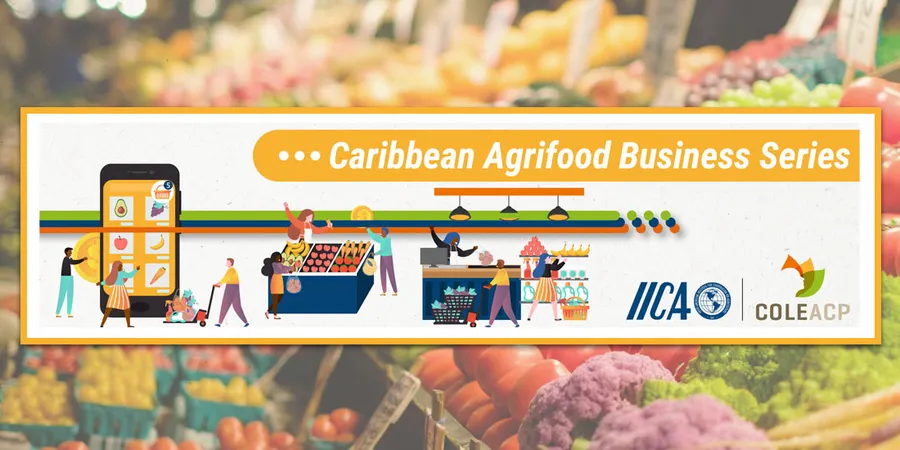
Launch of the Caribbean Agrifood Business Series
The Inter-American Institute for Cooperation on Agriculture (IICA) and COLEACP join forces to support a more resilient and greener agricultural and agrifood business sector in the Caribbean in the post-COVID-19 recovery process. A two-hour session focusing on entrepreneurship development will be organized every two months, in collaboration with other international and Caribbean partners. The sessions will feature successful businesses and MSMEs across the region, across various value chains and markets. They will also bring views from experts in finance, policy and research on key topics such as improved production, trade and competitiveness, food safety and quality, rebuilding tourism with increased linkages to agriculture, bioeconomy and circular economy, regional logistics and efficiency in trade.The Caribbean Agrifood Business Series will be launched online Wednesday 9 June, 10:00-12:00am (EST) with a 1st Session focusing on Post-COVID-19: Resilience building and new opportunities for Caribbean businesses.You can find the programme of this Session here and are invited to register to it here.The Caribbean Agrifood Business Series is organised within the framework of the technical cooperation agreement signed by IICA and COLEACP in April 2021 to contribute to a more sustainable and resilient agriculture sector in the Caribbean region.We are looking forward to e-seeing you on the 9 June!This business support is provided through the Fit For Market programmes, implemented by COLEACP within the Framework of Development Cooperation between the Organisation of African, Caribbean and Pacific States (OACPS) and the European Union, and co-funded by the French Development Agency (AFD).
 News
News
Catch up on the PAFO-COLEACP Innovation Session n°4
The Innovations Series, co-organised by the Pan-African Farmers’ Organization (PAFO) and COLEACP, showcases innovations and successes of African farmer-led businesses and small and medium enterprises (SMEs). The fourth Session focused on “Sustainable food systems: the key role of SMEs and businesses” and was followed live by more than 450 participants on Thursday 20 May.Four inspiring entrepreneurs presented how their successful businesses contribute to creating sustainable food systems: Nnaemeka Ikegwuonu is the founder and CEO of ColdHubs Limited, a social business that designs, installs and commissions 100% solar powered walk-in cold rooms in farms and marketplaces, to store and preserve fresh fruits, vegetables and other perishable food 24/7. Pierre Damien Mbatezimana is the Founder and Managing Director of Shekina Enterprise, a Rwandan pioneer company in the cassava industry which manufactures dried and instant cassava leaf products for both local and export markets. Gaëtan Etancelin is, among others, the President of the Malagasy Union of Organic Agriculture (SYMABIO) and contributed to the adoption of the Malagasy regulation on organic agriculture in 2020. Lovin Kobusingye is the co-founder and CEO of Kati Farms Ltd, an agro fish-processing social enterprise that produces innovative product like fish sausages for the local consumers.Experts Roel Messie, Estherine Fotabong, Elizabeth Nsimadala and Ishmael Sunga discussed how African SMEs and farmers organisations can adopt sustainable practices and access to new markets and finance, as well as what support is required for SMEs to flourish.The recording of the fourth session is available:
 News
News
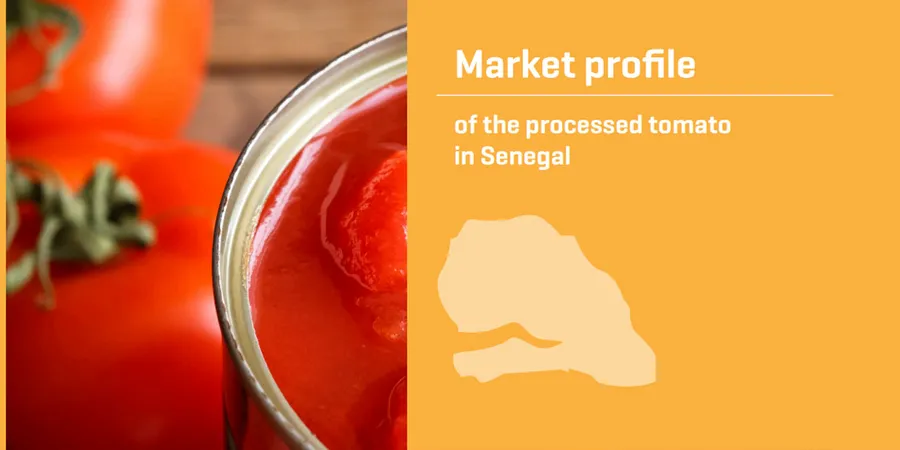
Market profile on processed tomatoes in Senegal
The COLEACP Market Intelligence service has published a "Market profile on processed tomatoes in Senegal". The service carries out market studies at the request of stakeholders and partners in the Fit For Market programme. This market profile outlines the processed tomato sector in Senegal in terms of its commercial opportunities on local West African and European markets. This is an example of what COLEACP's Market Intelligence service can produce for members and partners of COLEACP and its programmes. Other profiles are currently being produced. For example, market profiles will soon be available on the recovery of sorting residues in Mauritius; frozen fruit purees in Madagascar; and processed mangoes in Côte d'Ivoire. This service also conducts market studies, the next of which, a study on the European market for fresh and processed fruit and vegetables of ACP origin, will be published in early July.This activity is supported by the Fit For Market programme, implemented by COLEACP within the Framework of Development Cooperation between the Organisation of African, Caribbean and Pacific States (OACPS) and the European Union, and co-funded by the French Development Agency (AFD).
 News
News
News digest: Agri-food policy
Fairtrade’s Covid Relief and Resilience Fund is a joint effort developed by Fairtrade International, its member organisations, and government and commercial partners, aimed at delivering direct financial help to small-scale producers hard-hit by the Covid-19 pandemic. More than 500,000 farmers and agricultural workers in nearly 60 countries across Asia, Africa, Latin America and the Caribbean benefit from the Fund. Launched in 2020. the €15 million fund runs until 2022, providing personal protection equipment, Covid-19 prevention awareness campaigns, and support for livelihood diversification.Source: Fresh Plaza, 6 May
 News
News
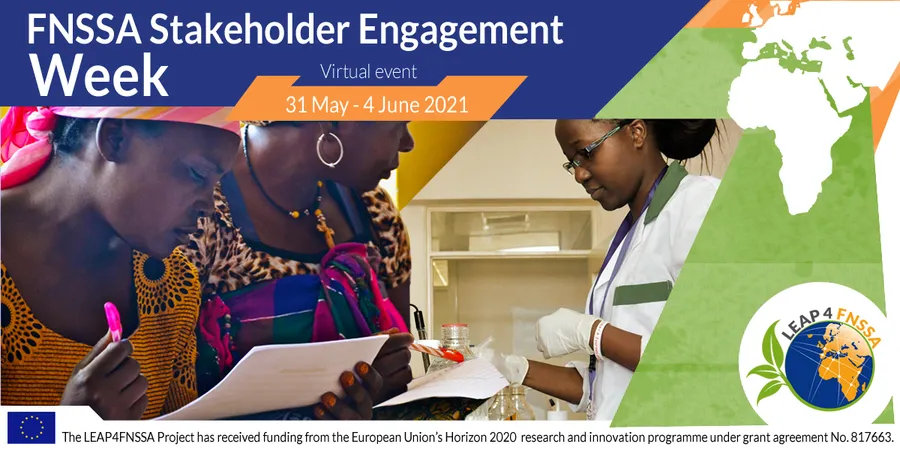
COLEACP session at Europe Africa Stakeholder Engagement Week
The LEAP4FNSSA Europe Africa Stakeholder Engagement Week will take place virtually from 31 May to 4 June.
 News
News
Nairobi: International Avocado Congress
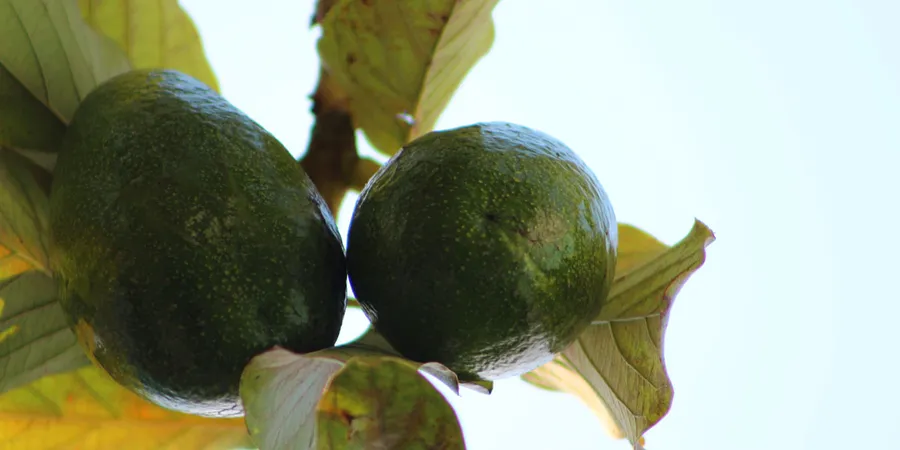
The International Africa Avocado Congress – Avocado Africa 2021 – will be held in Nairobi on 23–25 June. The Avocado Society of Kenya (ASOK) organises the congress in collaboration with other regional and international organisations in the avocado value chain in Africa and beyond.The event, with the theme “Avocado Africa: A convergence of technology and business for increased competitiveness and trade”, is a platform specifically aimed at stimulating trade, technology, knowledge transfer and sharing, and will draw avocado sector stakeholders from all over the world. The congress has six thematic areas: Quality & safety; Production & productivity; Phytosanitary; Supply chain, marketing & industrialisation; Genetic resources; Health, nutrition & gastronomy.For more information on the congress see www.avocadoafrica.comASOK recently signed an MoU with COLEACP under the NExT Kenya programme, aiming to enhance production and quality of avocadoes in order to open up markets and improve livelihoods. Mr Muthomi Ernest, CEO, ASOKThis activity is implemented by COLEACP and supported by the NExT Kenya (New Export Trade) programme, established in collaboration with the EU Delegation in Nairobi and Kenyan stakeholders.
 News
News
Setting up an internal audit system
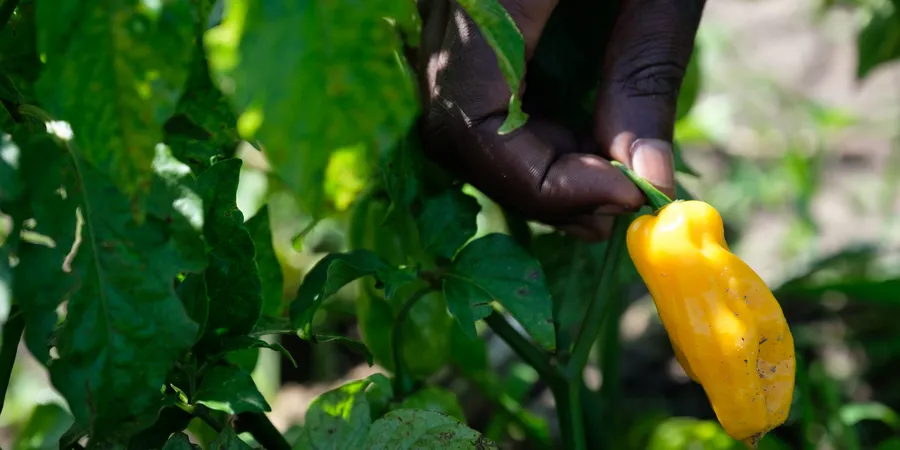
This new training series, “Setting up an internal audit system at the level of National Plant Protection Organisations”, has just been launched in French with participation of the NPPOs of six countries: Burkina Faso, Côte d’Ivoire, Guinea, Madagascar, Mali and Senegal. This online training is taking place over seven weeks in May and June, and a repeat session will be offered in August. The course materials are currently being translated, and a training series for NPPOs in English-speaking countries will take place in September. The aim is to strengthen the skills of NPPOs to improve their inspection and certification systems through the implementation of an internal audit system, in order to comply with national and international requirements. The course enables participants to assess the effectiveness of management measures at different stages of the value chain; to ensure that the system achieves its objectives; and to stimulate and promote continuous improvement in collaboration with all stakeholders (public and private) of the country’s export sector. You can access more information on the training here. The need for an internal audit system The revised EU Plant Health Regulation 2016/2031 brought in more stringent rules aiming to prevent the introduction and spread of plant pests and diseases in the EU. As a result, exports of some horticultural products can only take place if they comply with one of the options stated in the Commission Implementing Regulation (EU) 2019/2072. For example, some products such as Capsicum should come from a country, an area, or a place of production recognised as being free from the pest or disease in question (options 1–3); or products must be subject to an effective systemic approach or post-harvest treatment (option 4). Countries taking option (4) must submit a dossier to the EU’s DG SANTÉ for approval; once validated, it is the responsibility of the NPPO to follow up and report on the effectiveness of the measures taken, hence the importance of putting an internal audit system in place.This activity is supported by the Fit For Market SPS programme, implemented by COLEACP within the Framework of Development Cooperation between the Organisation of African, Caribbean and Pacific States (OACPS) and the European Union.
 News
News
Disseminating R-SAT – COLEACP’s Rapid SPS Assessment Tool
On 22 and 29 April, COLEACP’s new Rapid SPS Assessment Tool (R-SAT) was presented in English and French to competent authorities of the six priority countries where it will soon be applied: Suriname, Uganda and Zimbabwe; Cameroon, Côte d’Ivoire and Senegal. A presentation of the tool was followed by discussions. The planning for its implementation in the six pilot countries will be discussed with each country individually, including selection of the value chain that will be the focus of each assessment; the appointment of a national contact point for the project; and the composition of a public–private Technical Working Group.
 News
News
Import controls in Europe – the example of Belgium
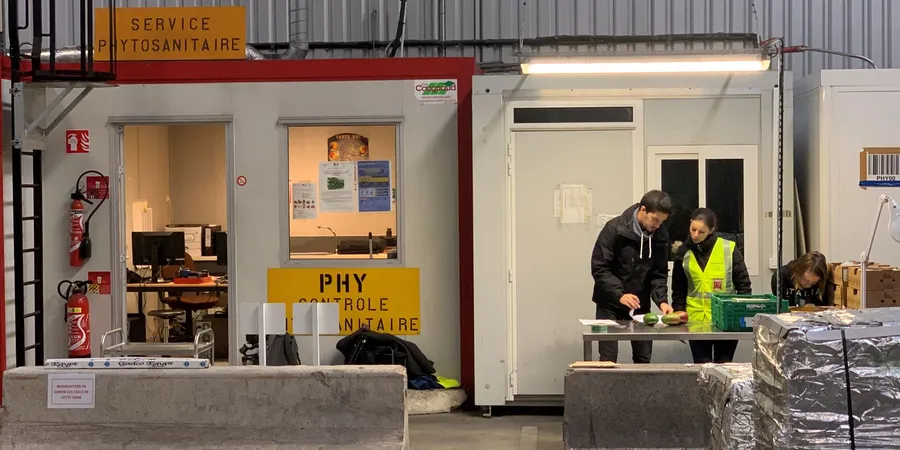
On 4 May, COLEACP held a meeting with National Plant Protection Organisations (NPPOs) and stakeholders in the fruit and vegetable sector of ACP countries on “How import controls of fresh fruit and vegetables are carried out in Europe – the example of Belgium”. The meeting was well attended, gathering around 60 participants representing NPPOs from all ACP regions along with COLEACP experts. Following presentations on the experiences of Senegalese and Kenyan exporters, Lazlo Avonts described the activities of the Border Control Post at Brussels Airport, including the different plant inspection types (Plant health checks; Marketing standards checks; Food/feed safety checks) and a detailed step-by-step account of the control process. If you were unable to join us live, you can access the full session recording here. The presentations were: Senegal experiences related to fresh fruit and vegetables export to Europe: Abdoulaye NDIAYE, Chef de Division Législation phytosanitaire et Quarantaine des plantes, DPV Dakar (see PowerPoint) Kenyan experiences related to fresh fruit and vegetables export to Europe: Peter KAMUTI, Ag. Head, KEPHIS Analytical Chemistry Laboratory How import controls of fresh fruit and vegetables are carried out in Europe – example of Belgium: Lazlo AVONTS, FASFC Border Control Post, Brussels Airport (see PowerPoint) This activity is supported by the Fit For Market SPS programme, implemented by COLEACP within the Framework of Development Cooperation between the Organisation of African, Caribbean and Pacific States (OACPS) and the European Union.
 News
News
Project to Develop Good Practice Guide for Capsicum Launched in Uganda
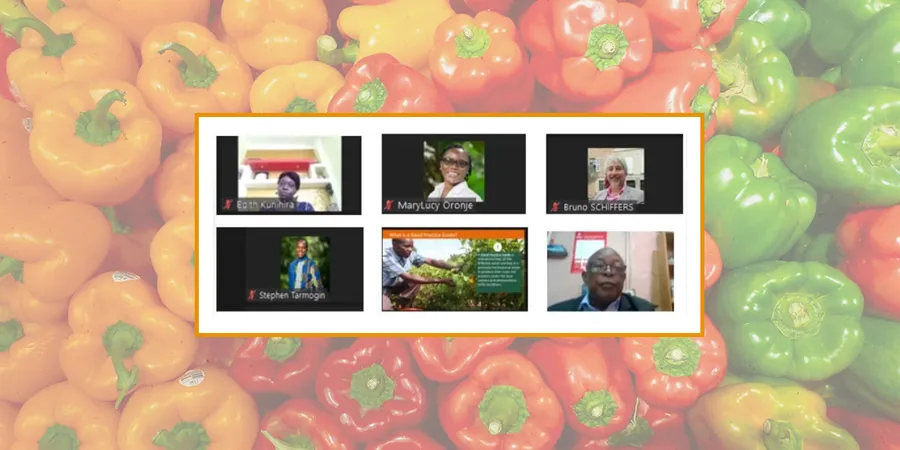
Private sector operators and public sector officials gathered virtually on 17 May for the launch of a project to develop a Good Practice Guide for Capsicum in Uganda – a tool that will be necessary for the sector to adopt if it is to regain its competitiveness in the European marketplace. The launch was officiated by the Permanent Secretary, Ministry of Agriculture Animal Industries and Fisheries (MAAIF). Also in attendance was the Permanent Secretary, Ministry of Trade Industry and Cooperatives, as well as Commissioner Paul Mwambu of MAAIF. In his remarks, read for him by Commissioner Mwambu, the PS lauded actors in the sector for joining hands to undertake this initiative to develop a Good Practice Guide for Capsicum. He cited the urgent need for this work to take off, given the current challenges being experienced by Ugandan exporters into Europe. COLEACP National Relay and the experts on this project also used the event to remind the operators present that this Good Practice Guide initiative should be owned, conducted and implemented by the private sector. The project is expected to last 4–5 months, after which a Good Practice Guide for Capsicum should be ready for the sector to implement. This activity is supported by the Fit For Market SPS programme, implemented by COLEACP within the Framework of Development Cooperation between the Organisation of African, Caribbean and Pacific States (OACPS) and the European Union.
 News
News
Sustainable soil management for mango production - SANLE SÉCHAGE EXPORT (Burkina Faso)
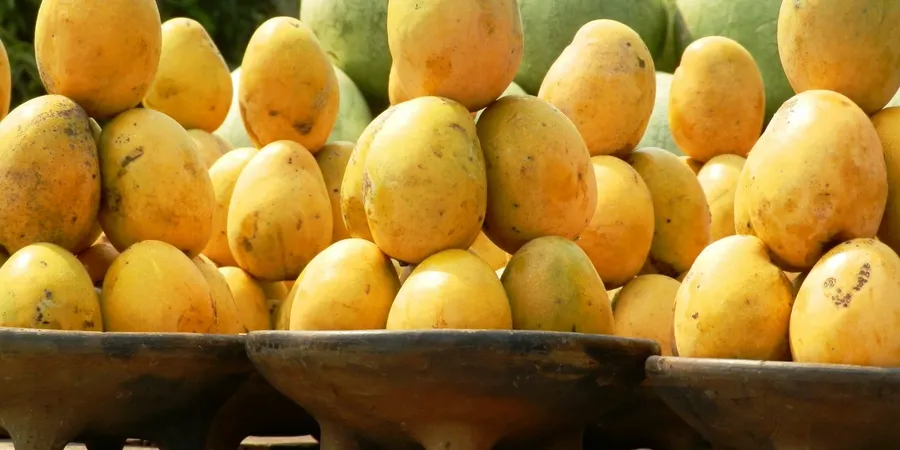
SANLE SÉCHAGE EXPORT, a producer and exporter of fresh and dried mango, and a member of COLEACP, recently benefited from support in carrying out a diagnosis of the current sustainable soil management practices of its mango producer-suppliers. The company is aiming to improve the quality of its exported mangoes, which is directly impacted by soil management. Interviews were conducted with the company's producer-suppliers, and physico-chemical analyses were carried out in the orchards of each producer visited. These analyses enabled the expert, Mr Drissa ZERBO, a consultant for ALTITUDE AC, to develop a sustainable management plan detailing the measures needed to conserve and restore the orchard soils. This management plan will enable SANLE SÉCHAGE EXPORT to implement a series of activities to improve soil fertility within the orchards, and thus the quality of exported mangoes.This activity is supported by the Fit For Market programme, implemented by COLEACP within the Framework of Development Cooperation between the Organisation of African, Caribbean and Pacific States (OACPS) and the European Union, and co-funded by the French Development Agency (AFD).
 News
News
Addressing the phytosanitary problem in Guinea
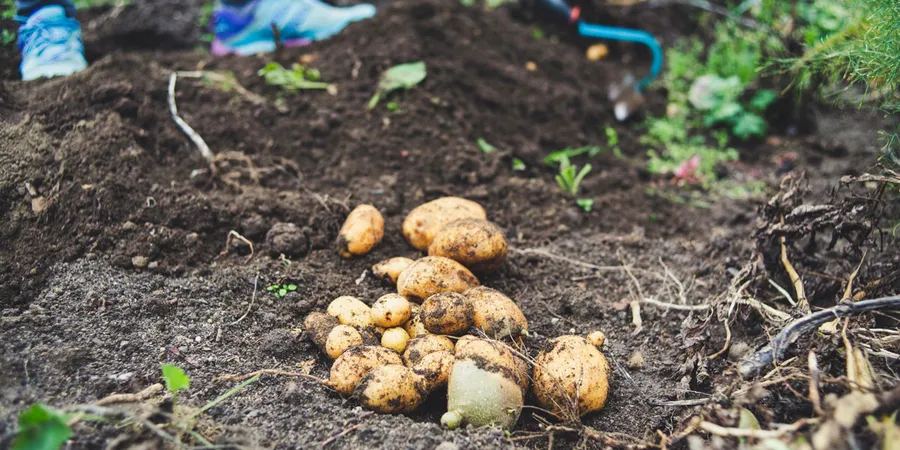
Guinea's very promising agricultural production is at risk.Guinea is rich in agricultural potential, which is why the agricultural sector has an important place in the government's National Economic and Social Development Plan (Plan National de Développement Economique et Social, PNDES ). As in many West African countries, there is renewed interest in phytosanitary control due to the proliferation of transboundary pests and diseases.The consequences can be severe, including: risk to crops and stored produce interceptions of exported produce due to the presence of regulated and/or quarantine pests when exporting to international markets. When implementing sanitary and phytosanitary (SPS) measures, Guinea’s weak phytosanitary capacity jeopardises its ambition for better access to export markets, and thus the contribution its agricultural products can make to food and nutritional security.COLEACP implements a project in Guinea, funded by the Standards and Trade Development Facility (STDF), that aims to build phytosanitary capacity in the country. The project focuses on the potato and mango value chains.Potato, one of the most structured sectors, is also suffering...The potato sector sees more than 60,000 tonnes of production per year, of which 35,000 tonnes are produced by the Fédération des Paysans du Fouta Djallon. This dynamic sector benefits from many advantages, such as access to input credit. But it still suffers from major problems that hamper its development, including input supply (particularly certified or improved seeds), storage and processing – and pressing phytosanitary problems. These include late blight (Phytophthora infestans), a disease caused by a pathogenic fungus which affects many plant species and can reach epidemic proportions in certain crops (vines, tomatoes, lettuce, squash and potatoes). It occurs almost everywhere in the world where potatoes are grown and is very often cited by farmers as the most important constraint to potato production.In Guinea, this problem is already being felt, with 70% of producers without substantial financial resources being affected by this scourge. This is concerning, and risks causing famine among producers and a drop in the number of products on the market, leading to higher costs for consumers.After initial identification of the stakeholders in the sector and its major phytosanitary issues, a workshop organised through the STDF project validated the need to set up a late blight warning system. In order to develop a system adapted to the Guinean context, a preliminary evaluation of the requirements is needed. This assessment will take place during a wider survey aimed at observing and collecting data and information useful for drafting a Good Practice Guide.What is a Good Practice Guide?This Guide will support the different actors in the potato sector to produce crops under better SPS conditions, as well as achieving optimal commercial quality. This involves the harmonisation of current specifications with international SPS standards, commercial quality criteria adopted by markets, the adoption of Good Agricultural Practices (GAP), Good Phytosanitary Practices (GPP) and Good Hygiene Practices (GHP) based on the HACCP approach.This Guide aims to facilitate: compliance of practices and products to enable professionals to master and meet the SPS regulatory and commercial quality requirements of destination markets (national, regional or export). In the case of potatoes in Guinea, the target markets are mainly local and regional. recognition of compliance with standards and regulatory requirements by the local Competent Authorities and those of the destination markets to facilitate certification of products. an open and permanent dialogue between private and public sector stakeholders in the sector. The Good Practice Guide will be developed by and for professionals in the sector, who must maintain a dialogue to agree on the control methods and internal controls that will need to be put in place within companies. implementation of the Guide by the sector. The Guide is primarily aimed at informed and qualified readers (particularly those who participated in its drafting). Educational tools should be developed to enhance understanding by all actors in the sector of the Guide’s objectives, content and methods (e.g. HACCP; the systems approach to pest management), and the instructions for use should explain how to implement the recommendations step by step. Value of a late blight warning systemMost of the current control methods for late blight are preventive fungicides. It is therefore imperative to know the optimal application date in order to guarantee effective control of the disease and to limit their use to the strict minimum in order to reduce economic and environmental costs. The late blight warning system will make it possible to predict the risks of infection, apply the preventive fungicide at the right time, and thus improve protection of the crop.The implementation of a warning system would reinforce: early detection capabilities for late blight coordination of interventions and thus their effectiveness adoption of more effective and sustainable adapted pest control measures. In the long term, this warning system could be used for other crops such as aubergine or tomato.Watch members of the Fédération des Paysans du Fouta Djallon's testimony.