
Cultivating
Sustainable Futures
 News
News
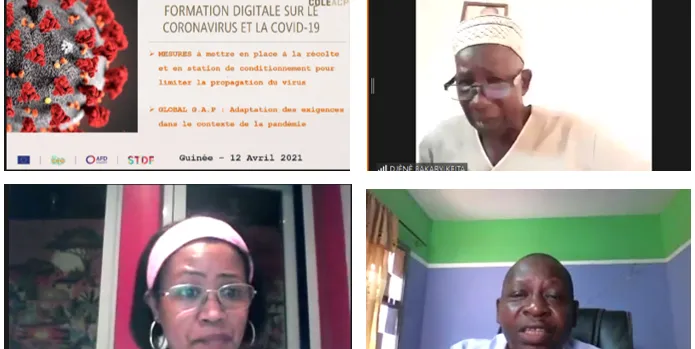
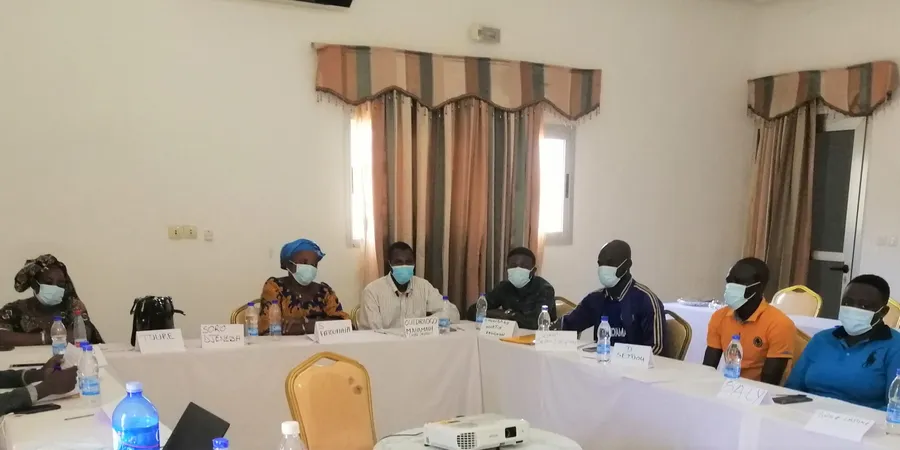
Meeting on the 2021 mango campaign in Guinea
In anticipation of the start of the mango export season in Guinea, COLEACP organised a workshop for discussion and exchange on the 2021 mango season in partnership with the National Directorate for Plant Protection, Stored Foods and Technical Control (DNPVDS-CT).This workshop took place on Monday 12 April. It provided an opportunity to review the integrated management measures, the phytosanitary inspection and certification system and the precautionary measures detailed in the mango dossier submitted to the European Union, in the context of the new phytosanitary rules that will come into force in December 2019 (EU2016/2031).In a second stage, the meeting considered the impact of Covid-19 on the Guinean horticultural sector; the measures to be put in place from orchard to export to ensure the safety of operators; and the requirements of GLOBALG.A.P. certification in relation to the pandemic.This activity is supported by the Fit For Market SPS programme, implemented by COLEACP in the framework of development cooperation between the Organisation of African, Caribbean and Pacific States (OACPS) and the European Union.
 News
News
Preparatory meeting for the mango Export season in The Gambia
The Gambian Plant Protection Services (Department of Agriculture) is organising a preparatory meeting for the mango export season on 16 April. The meeting is aimed at various stakeholders of the country’s mango sector.Systems approach for fruit fly control This exchange is being held in preparation for the mango export season, as it is essential to ensure that both public and private sectors take all the necessary steps to implement the integrated measures defined in the systems approach to ensure that fruit fly control measures are fully implemented. Some of the main objectives are to: acquire information and agree relevant measures to facilitate the implementation of activities in the mango dossier ensure adequate integrated management practices to control fruit flies. boost the export of mangoes to the EU while ensuring a reduction of interception notifications due to fruit flies provide a reminder of the main hygiene measures to prevent the spread of Covid-19 along the export mango value chain. The meeting will include: overview of the previous mango export season operationalisation of activities in the mango dossier internal audit system hygiene measures to prevent the spread of Covid-19 along the export mango chain challenges and the way forward. This meeting was organised by The Gambia’s Plant Protection Services. COLEACP supported the preparation of content and the session on Covid-19 as part of the Fit For Market SPS programme, implemented by COLEACP within the Framework of Development Cooperation between the Organisation of African, Caribbean and Pacific States (OACPS) and the European Union
 News
News
Calls For Expression Of Interest
COLEACP is launching four new calls for tenders concerning the provision of “Support to the COLEACP team for the implementation and monitoring of COLEACP programme activities” in Rwanda (ref. 211196); Dominican Republic (ref. 211195); Zimbabwe (ref. 211194) and Nigeria (ref. 211193).You will find below all information related to this service procurement notice, including the terms of reference (point 8. Objective, description and resources required).Please note that only successful candidates in this first phase will be invited for the tender which will follow (point 6). It is therefore imperative to respond to this call for expressions of interest by sending your application (point 14) if you wish to have the opportunity to appear on the shortlist.The deadline to receive the applications for this tender is Friday May 14th, 2021.See all the calls for tenders here.
 News
News
Dominican Republic: JAD-COLEACP webinar series
COLEACP is collaborating with the Dominican Agroenterprise Board (Junta Agroempresarial Dominicana, JAD) to present a webinar series on market access for processed products in the pineapple, mango and avocado sectors. The webinars are part of the CALIFRUP project, “Quality enhancement for the development of MSMEs in the processed fruit value chain”. In February–March 2021, three webinars offered key ideas and tools to help Dominican entrepreneurs build their export projects. Each one was attended by an average of 30 active participants.The first event, on “The international market for processed products”, was held on 3 February. It covered trends (frozen products, pulp, dry products, kernel butters, cosmetics, etc.); the expectations of international consumers and importers; and innovative technologies.The second webinar, on 17 February, focused on regulatory and private requirements, and the action plan that companies will need to implement before being able to export mango, pineapple and avocado to Europe. Issues covered included health regulatory requirements, packaging and labelling requirements, traceability, certifications required by importers, criteria for the industrialisation of fruit production, and safety and good manufacturing practices for pre-packaged products. Participants learned how to draw up an action plan for their company with the measures needed to comply with regulatory and private requirements, before being able to export to Europe.The third session, on 10 March, emphasised the importance for exporters and processor of figuring out from the start the type of market they want to conquer. This strategy will help companies to find the right allies within the supply chain – if a company wants to be seen by buyers as serious and reliable, it’s very important that all partners in the supply chain are up to standard, and understand the importance of cooperation and continuous dialogue, responsiveness and resilience, and quality and traceability. Companies also need to identify the right buyers, and a narrative that is adapted to their needs. For example, if I want to get into the Fairtrade or organic market, I can’t give vague answers about the working conditions under which my product is processed.Following on from these webinars, training organised in March focused on commercial negotiation, and in April group training began on “Market access: How to make an informed business decision regarding the market to target in the Caribbean”.This activity is supported by the Fit For Market programme, implemented by COLEACP within the Framework of Development Cooperation between the Organisation of African, Caribbean and Pacific States (OACPS) and the European Union, and co-funded by the French Development Agency (AFD).
 News
News
Catch up on the PAFO-COLEACP Innovation Series
The Innovations Series, co-organised by the Pan-African Farmers’ Organization (PAFO) and COLEACP, showcases innovations and successes of African farmer-led businesses and SMEs.The next online session – the fourth in the series – will focus on “Sustainable food systems: The key role of SMEs and businesses”. Join us on Thursday 20 May, 12:00-14:00 (GMT) – register here.A recording of the third session, “The African Continental Free Trade Area (AfCFTA): Opportunities for SMEs and businesses in the agri-food sector”, is available to view:
 News
News
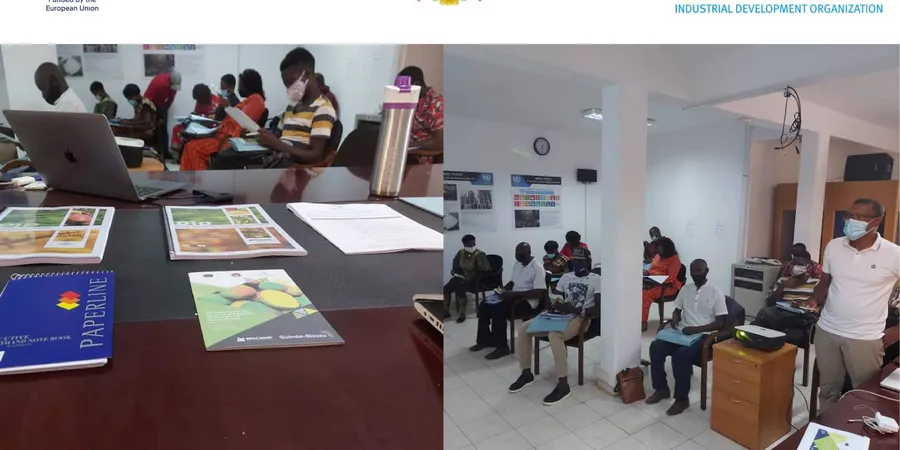
Field training on technical itineraries for mango production in Guinea-Bissau
On April 13, 2021, under the WACOMP - Guinea-Bissau, funded by União Europeia na Guiné-Bissau and implemented by UNIDO-United Nations Industrial Development Organization, training on Technical Itinerarios was started for the production of mango. Training is directed at #manga technicians in Guinea-Bissau, in particular: cooperatives, agricultural companies, community leaders, agricultural technicians, mango producers and model farmers. 15 technicians from different national partner organizations of the #WACOMP-GB project participate in this training. In the course of training, trainees will pay a mango orchard field visit for practical courses. Training will last four (4) days and is provided by COLEACP.Source: Amélioration de la compétitivité de la filière mangue de la Guinée-Bissau (WACOMP-GB)
 News
News
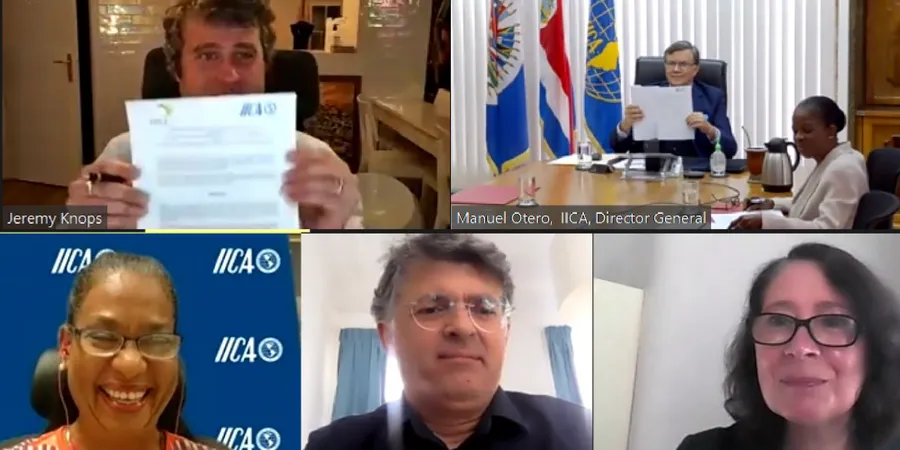
IICA and COLEACP promoting entrepreneurship in the Caribbean
On 8 April the Inter-American Institute for Cooperation on Agriculture (IICA) and COLEACP signed a technical cooperation agreement to work to develop a more sustainable and resilient agriculture sector in the Caribbean region. The agreement was signed during a virtual ceremony by Manuel Otero, Director General of IICA, and Jeremy Knops, General Delegate of COLEACP. Sustainable agriculture, good practices, bioeconomy, trade, food safety and quality, resilience, and the link between agriculture and tourism will be some of the key focus areas for collaborative efforts. IICA Director General Manuel Otero said that “We must not concentrate solely on a response to the pandemic, but must also focus on building agricultural resilience and sustainability in our countries. IICA stands ready to play a more proactive role and to work tirelessly, ever mindful of our farmers.” He went on to state that the global south "needs to build a new future, by interconnecting regions, actors and ideas, and by progressing and implementing concepts such as Caribbean regionalism, agrotourism, the bioeconomy, international trade, youth inclusion and technology transfer.” IICA is the specialised agency for agriculture in the Inter-American system, with a mission to encourage, promote and support its 34 Member States in their efforts to achieve agricultural development and rural wellbeing through international technical cooperation of excellence. See the full IICA press release here.
 News
News
Group training on Integrated Management for fruit fly control in Côte d’ivoire's mango sector
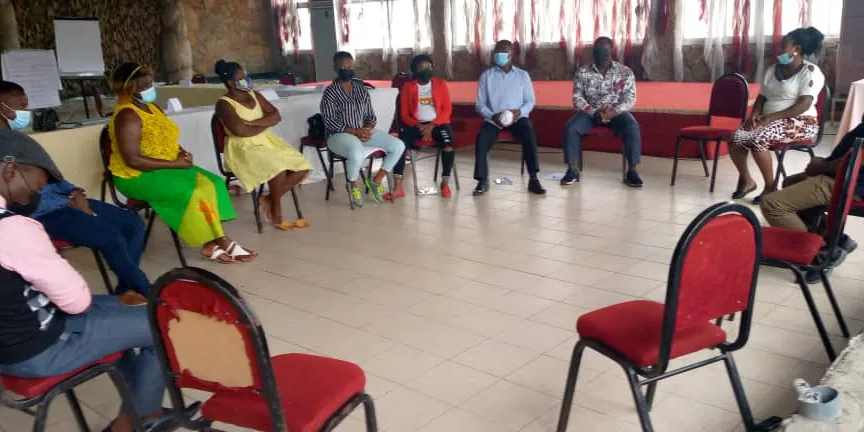
The group training aimed to build the capacities of technical managers of fresh mango exporting companies on integrated management measures for fruit fly control. The participants were companies registered with Direction de la Protection des Végétaux, du Contrôle et de la Qualité (DPVCQ) and active in the country’s mango sector, specifically production managers and packing station managers.The training course aimed to enable participants to implement integrated fruit fly management measures for production and export companies; recognise damaged fruit and manage discarded fruit; have a sufficient understanding of phytosanitary inspection and certification procedures; and also to themselves train and coach operators in recognising fruit and discarding the damaged fruit. The training was based on COLEACP’s interactive training approach. This action was held as part of COLEACP’s Fit For Market programme.The Fit For Market programme is implemented by COLEACP within the Framework of Development Cooperation between the Organisation of African, Caribbean and Pacific States (OACPS) and the European Union.
 News
News
Group training on integrated management for fruit fly control in Cameroon’s mango sector
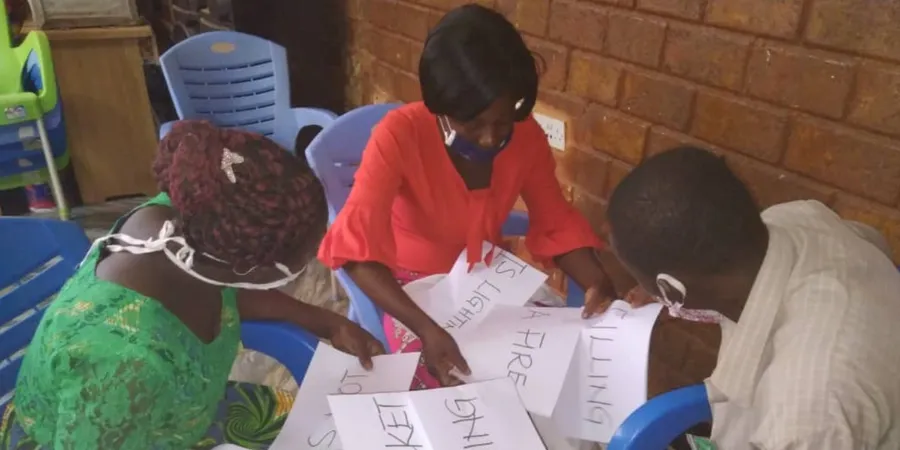
The group training aimed to build the capacities of technical managers of fresh mango exporting companies on integrated management measures for fruit fly control. The participants were companies registered with Cameroon’s Ministry of Agriculture and Rural Development (MINADER) and active in the country’s mango sector, specifically production managers and packing station managers. The training course aimed to enable participants to implement integrated fruit fly management measures for production and export companies; recognise damaged fruit and manage discarded fruit; have a sufficient understanding of phytosanitary inspection and certification procedures; and also to themselves train and coach operators in recognising fruit and discarding the damaged fruit. The training was based on COLEACP’s interactive training approach. This action was held as part of COLEACP’s Fit For Market programme. The Fit For Market programme is implemented by COLEACP within the Framework of Development Cooperation between the Organisation of African, Caribbean and Pacific States (OACPS) and the European Union.
 News
News
Global Shea Alliance (Ghana) - Field Training Workshop on facilitation methods and tools
A Field Training Workshop for the Global Shea Alliance (GSA) aimed to develop participants’ capacity to transmit good practices in hygiene, traceability, crop protection and the safe use of pesticides to workers and/or small producers, as part of COLEACP’s Fit For Market programme. Held from 8 to 12 March, the workshop was designed for producers and extension staff (NGO Cord of GSA who had previously taken part in training on “Crop protection”, “Good hygiene practices and traceability principles”, and “Food safety management”.GSA is a non-profit industry association with 500 members from 35 countries, including women’s groups, brands and retailers, suppliers and NGOs, that promotes industry sustainability, quality practices and standards, and demand for shea in food and cosmetics. The training was under the GSA pilot project to enable members to have another source of income outside the shea season. The training was for the women of the Tupoare cooperative who have taken up fruit and vegetable growing.
News
Early mango campaign workshop in Côte d'Ivoire
COLEACP, in partnership with Direction de la Protection des Végétaux, du Contrôle et de la Qualité (DPVCQ), is organising a discussion and exchange workshop on the 2021 mango campaign in Côte d'Ivoire on 30 March. The meeting is aimed at company managers and technical managers of DPVCQ, and covered the following points:Part 1: Mango dossier Review of the 2020 campaign and the points for improvement identified during the internal audit carried out by the DPVCQ in relation to the mango dossier. Review of some technical issues (certificates, lots, etc.) Review of the roles and responsibilities of each type of actor. The part will be led by Mrs Mamissi Coulibaly of DPVCQ and Mr Edit Kabré.Part 2: COVID-19 Measures to be put in place at the harvesting and packaging station to limit the spread of the virus GLOBALG.A.P: adapting requirements in the context of the health crisis This second part is led by Mrs Holisoa RATSIROFONIRINA.We wish a good workshop to all our partners present.
News
Early mango campaign workshop in Burkina Faso
COLEACP, in partnership with DPVC and APROMA-B, is organising a discussion and exchange workshop on the 2021 mango campaign in Burkina Faso on 24 March. The meeting is aimed at company managers and technical managers of these companies, and covered the following points:Part 1: Mango dossier Review of the 2020 campaign and the points for improvement identified during the internal audit carried out by the DPVC in relation to the mango dossier. Review of some technical issues (certificates, lots, etc.) Review of the roles and responsibilities of each type of actor Presentation of the training courses offered by COLEACP to the private sector for the season This part is facilitated by Mr. Dominique OUEDRAOGO, from the DPVC, and Mr. Edit KABRE, COLEACP national relay in Burkina Faso.Part 2: COVID-19 Measures to be put in place at the harvesting and packaging station to limit the spread of the virus GLOBALG.A.P: adapting requirements in the context of the health crisis This second part is led by Mrs Holisoa RATSIROFONIRINA.We wish a good workshop to all our partners present.