
Cultivating
Sustainable Futures
 News
News
Training-of-Trainers in Ethical Production and Corporate Social Responsibility
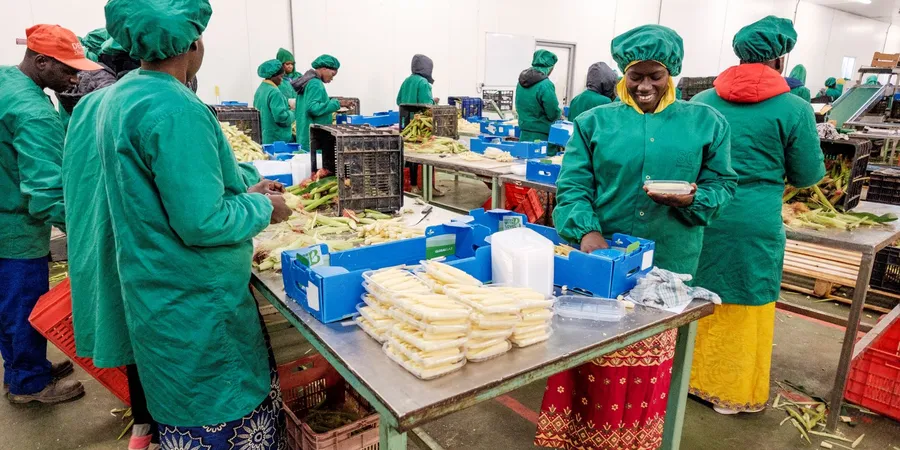
COLEACP's training-of-trainers in Ethical Production and Corporate Social Responsibility is taking place in two stages.Over 3 weeks in September 2020, online training was provided for French-speaking experts. Of 19 experts selected, 14 took part and successfully completed the training, which included practical exercises and group presentations. Participants attended from Benin, Burundi, Cameroon, Côte d'Ivoire, Madagascar, Senegal and Togo.Next, in January–February 2021, the course will be provided in English – over 4 weeks, as the first experience was quite intensive for the participants. Participants currently number 18, from Ghana, Kenya, Nigeria, Uganda and Zimbabwe, and with some more remaining to be confirmed.Topics covered include: The corporate social responsibility (CSR) approach Working with stakeholders Human rights Labour relations and working conditions Environment The emergence of ethical standards and their significance for business Private voluntary standards relating to production methods Evaluation of sustainable or ethical performance The 21st century challenge on environment and climate change The marketing of ethical and sustainable products Some feedback on the first sessions: Today, as a trainer, I can and I fully intend to use these achievements for the benefit of horticultural companies in my country. For example, in Togo, we have decided to support and assist companies that so desire in the implementation of a CSR approach through the identification of stakeholders, the development of sustainability charters and materiality up to communication of the company's values and commitment. Finally, I would like to thank the entire COLEACP team for the opportunity given to me to participate in this training, and to congratulate the trainers for the expertise, the good atmosphere, the group harmony, the teamwork and the conviviality they have established during the 3 weeks of training. It was an amazing experience. "The notion of human rights has been something very important for me because people always talk about it but I have never made the link with the agricultural sector or business. In the agricultural sector, specifically in DR Congo, Burundi and Rwanda, teaching the rights of these workers is essential because the wages of day labourers are imposed because of the absence of trade unionism. I believe that talking about it could change the situation of these people who are reduced to modern slavery." "This training should not only be aimed at companies or farmers' organisations but should be given to other COLEACP partners, particularly the State through ministries or local authorities, as they are concerned with the sustainable development of these companies and the well-being of workers and consumers."
 News
News
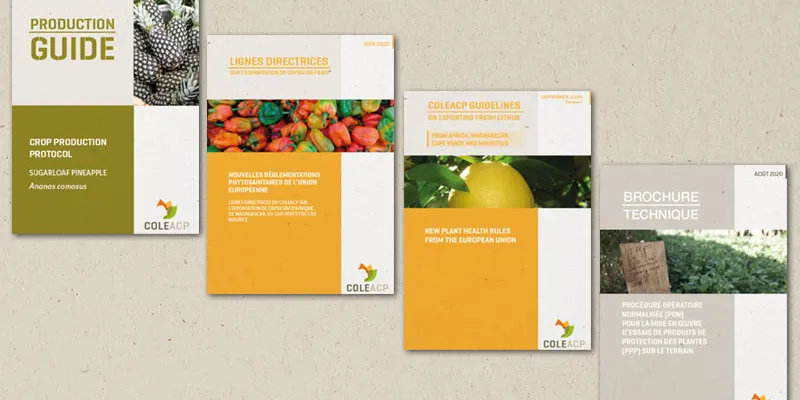
COLEACP technical publications in 2020
In 2020 COLEACP began to publish a series of guidelines in response to the new Plant Health Regulation (EU) 2016/2031 that came into operation in December 2019. Under the new regime, special measures have been introduced for crops that are a known pathway into the EU of serious pests that could damage agriculture or the environment in Europe. These include capsicum, mango, Solanum (eggplant and tomato), and citrus. The rules for each of these crops vary as they are affected by different regulated pests.COLEACP's guidelines for ACP national authorities and export sectors aim to help orient the development of national action plans (and, where relevant, dossiers) to meet the new rules. They provide a framework to guide the process, and outline the various elements that can be incorporated into a national approach to manage the pests concerned. They also identify the possible information to be provided, and actions to be taken, at all stages from production to export, by both public and private sectors.The guidelines series will continue to be expanded in 2021. Those published in 2020 and currently available on COLEACP's e-library are:
 News
News
Calendar: Trade fairs January–June 2021
Here are some key events scheduled for the first part of 2021. In light of the Covid-19 situation, Biofach eSpecial in February is being held completely online, and most events plan to review the situation as the year progresses.
 News
News
News digest: policy
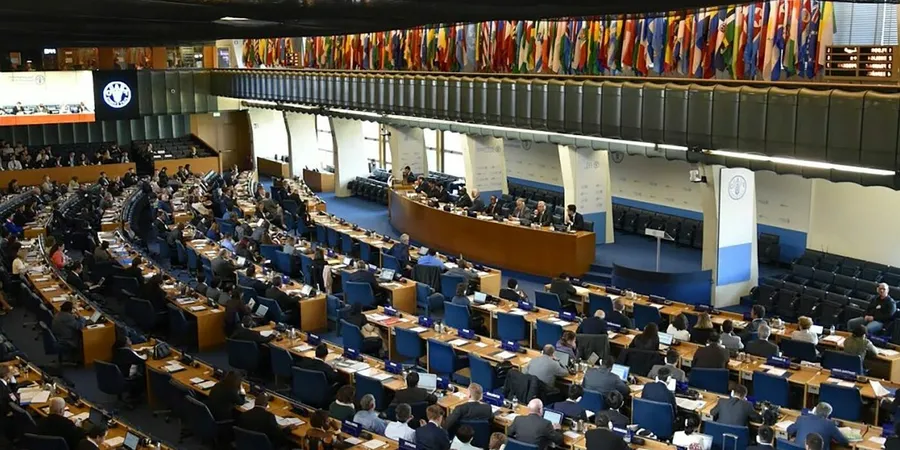
The 13th Global Forum for Food and Agriculture will be the first to be totally digital. The GFFA, 18–22 January, has the theme "How to feed the world in times of pandemics and climate change?". The annual Berlin-based meeting, hosted by the German Federal Ministry of Food and Agriculture (BMEL), is held under the umbrella of International Green Week. Around 2,000 international participants from politics, industry, science and civil society will meet to discuss agri-food policy issues. Proceedings can be viewed via live stream with no registration necessary.
 News
News
News digest: Agri-food markets & production
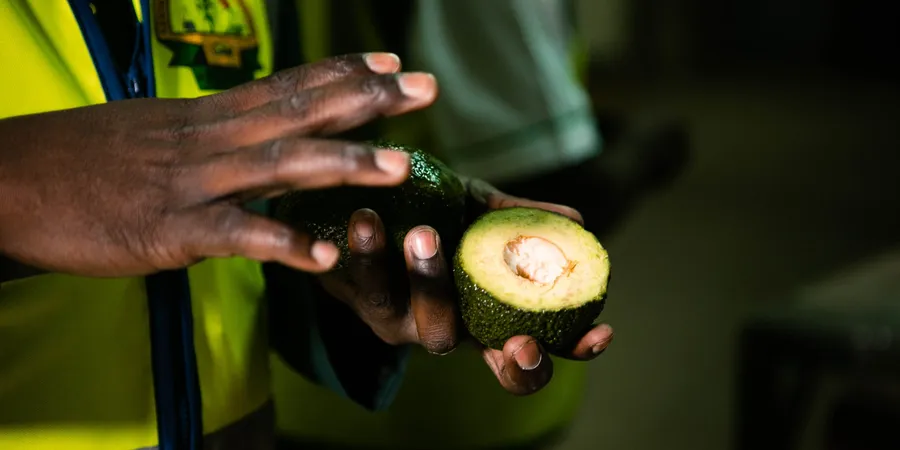
The price for avocados on the global market has been rising in recent weeks due to a smaller supply and a shortage of large sizes (Fresh Plaza, 8 January). At the moment, Mexico and Chile dominate the market, but their volumes are declining. In the Netherlands, avocado sales were good during the holidays with stable, high prices. In Germany, due to the pandemic, the volume purchased in the wholesale trade has been reduced, and there is still a shortage of air freight capacity. On the French market, the supply from Mexico, Chile and Columbia is currently coming to an end and the first avocados are arriving from Israel, Spain and other Mediterranean countries. In Spain, after the worst Christmas campaign of the past 10 years, sales are now starting to recover. In South Africa there is a shortage of avocados on the domestic market. The earliest avocados will be picked next month in the most northern regions. The weather conditions are good at the moment, but the CEO of the South African Subtropical growers association said that fruit set is not as good as expected. More countries received permission to export avocados to China last year and the range of avocado varieties is also becoming increasingly diverse. Chile and Mexico currently dominate the market, and the Dominican Republic and Colombia have also exported to China. Some Chinese avocado companies are starting to grow domestic fruit in Yunnan province and investing in local avocado ripening centres.
 News
News
Online training for Caribbean NPPOs
COLEACP is providing training in the Caribbean on Implementation of official controls for inspectors, controllers and technical staff involved in phytosanitary control, inspection and certification activities.This online training for NPPOs will be provided between 25 January and 19 February. Spread over 4 weeks, it requires a daily time commitment of 3–4 hours. It is provided via COLEACP’s online training platform, and will be delivered through web conferencing, quizzes, educational videos and other digital tools. COLEACP’s expert trainers are always available to answer any questions about the training or the use of the platform. The training is provided by COLEACP Relais National Jenna Wijgaarde of Capricorn Project in Suriname, and organised in collaboration with the Caribbean Agricultural Health and Food Safety Agency (CAHFSA). By the end of the training, participants should be familiar with: the importance of International Standards for Phytosanitary Measures (ISPMs) and their application in relation to the requirements of the International Plant Protection Convention (IPPC) for contracting parties the regulatory context and the evolution of EU plant health legislation, in particular in relation to EU Regulation 2016/2031 and its implications the general principles of phytosanitary inspection and certification in relation to the main relevant ISPMs phytosanitary control, inspection and certification activities in accordance with procedures and instructions appropriate sampling plans additional declarations on phytosanitary certificates documentation, traceability and reporting of official control activities and results.During 2021 and 2022, this first training course for NPPO managers and officers will be supplemented by five more courses for the Caribbean: Organisation of official controls, for those in charge of regulatory monitoring, design, development and updating of phytosanitary control and certification procedures Surveillance of organisms harmful to plants within the framework of an integrated pest risk management system, for officers in charge of official controls and surveillance procedures Internal audit of a system of official controls Strategy, business plan and financing of a system of official controls Establishment and maintenance of pest free countryMeanwhile, self-study courses are available free of charge for COLEACP members and partners on our e-learning platform.
 News
News
Use of TRACES NT in ACP countries
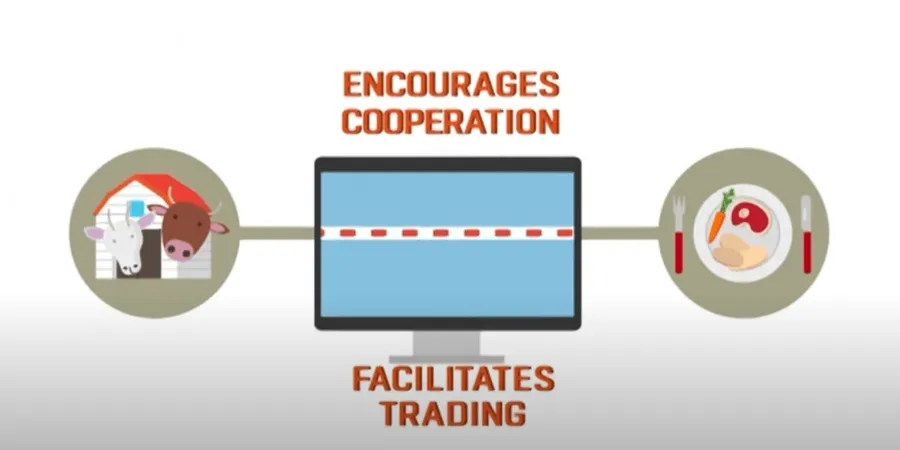
(Source of the illustration)TRACES allows the centralisation in a database of administrative documents related to the import of goods. It also enables EU Member States to track goods, facilitate control, combat fraud, and protect public, animal and plant health. The new version of the tool – TRACES NT – also allows the centralisation of inspection certificates for organic products, phytosanitary certificates and Common Health Entry Documents for Plants and Plant Products (CHED-PP).COLEACP supports NPPOs to strengthen their sanitary and phytosanitary (SPS) control systems through its EU-funded Fit For Market SPS programme. This series of e-meetings aims to update and discuss key plant health issues affecting NPPOs and the fruit and vegetable sector of ACP countries. The meetings are being held in collaboration with the Secretariat of the Common Market for Eastern and Southern Africa (COMESA), the Directorate of Agriculture and Rural Development of the Economic Community of West African States (ECOWAS) Commission, the East African Community (EAC), and the Caribbean Agricultural Health and Food Safety Agency (CAHFSA).As part of the COLEACP series of e-meetings for National Plant Protection Organisations (NPPOs), a meeting on 19 January offered an overview of TRACES. In this interactive session, participants had the opportunity to hear from a representative of the Directorate-General for Health and Food Safety (DG SANTE), and to discuss any issues that NPPOs are experiencing in using the tool when exporting fruit and vegetables to the European Union.
 News
News
IYFV 2021 – Fruits and vegetables, your dietary essentials
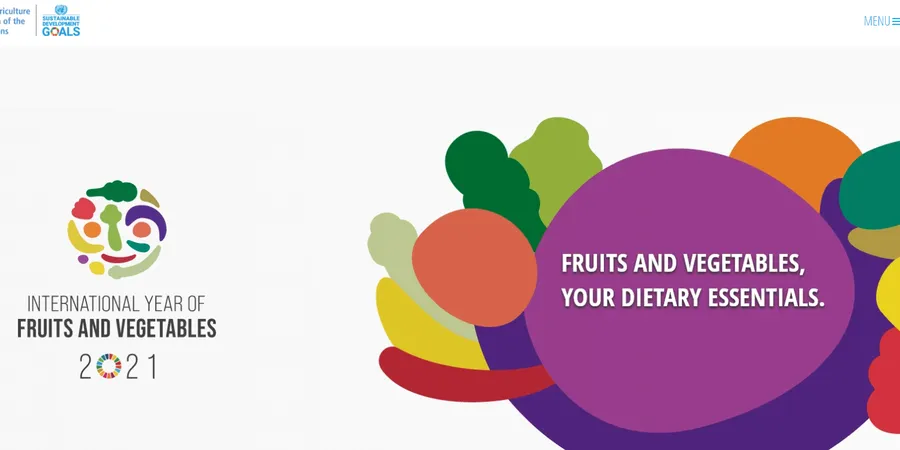
At its 74th session, the United Nations General Assembly proclaimed 2021 the International Year of Fruits and Vegetables (IYFV). The IYFV is a unique opportunity to raise awareness on the important role of fruit and vegetables in human nutrition, food security and health, and in achieving the United Nations Sustainable Development Goals.
 News
News
Innovation series - Session N°2 - Grow local: Conquering local markets
English–French interpretation available The second session of the Pan African Farmers Organization (PAFO)-COLEACP Innovation Series will focus on 'Grow local: Conquering local markets'. Key points for discussion: In serving local markets in value-added products, what are the main challenges encountered by business and SMEs and how can innovation help them to grow? Are we seeing changes by consumers towards buying local products? What should public and private sector investment in local processing facilities and growth look like from a business perspective? What are the main business development skills and capacity barriers for entrepreneurs to serve local markets, and how can they be overcome? What are the key drivers to capture more added-value in local markets for local businesses? To overcome the immediate pressures created by Covid-19, what short-term emergency financing and targeted technical assistance are needed?We have a great panel featuring successful businesses and SMEs across various value chains in added-value products serving local markets in Africa. We will also have the perspective from research, policy and finance experts. Contributors include: Escipión Oliveira Gómez, Assistant Secretary-General, Dept Sustainable Economic Transformation and Trade, Organisation of African, Caribbean and Pacific States (OACPS) Jeremy Knops, General Delegate, COLEACP Affiong Williams, CEO, Reelfruit, Nigeria Catherine Krobo Edusei, Managing Director, Eden Tree Limited, Ghana Komi Agbokou, President and Founder, Choco Togo Bertille Guèdègbé Marcos, CEO, Les Jus Tillou, Benin Debisi Araba, Managing Director, AGRF, Kenya Dimitry Van Raemdonck, AgriFI Fund Manager, Belgium Programme: https://bit.ly/3sdto8q Registration: https://forms.gle/DWNuV4AJABsCZiZW8
 News
News
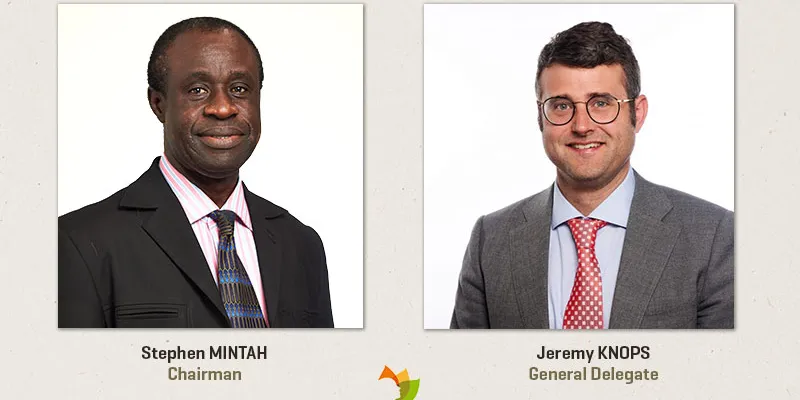
Our vision for 2021 – A message from COLEACP's Chairman and General Delegate
Sending good wishes in this New Year is strange considering the difficulties that most people are facing. Caught between the pre-pandemic world and the unknown of tomorrow's society, we must focus on the opportunities for positive change that this situation offers us in order to view life with optimism. Overall, 2020 has taught us that: The Covid-19 pandemic has revealed and even accelerated the evolution of our society and its manifestations. The pandemic has increased inequalities all over the world; the most vulnerable populations are once again the hardest hit, and not only in emerging countries. Climate change – and more generally the environmental challenge linked to the expansion of the human species through the large-scale destruction of terrestrial ecosystems – is, if not the cause, then at least a factor that has contributed to the current pandemic (and future pandemics). The fourth (digital) industrial revolution is accelerating, bringing constraints but also tremendous opportunities. The place of the human being within these evolving systems is crucial, as are mechanisms for continuous learning in order to keep pace with developments. We have now entered into a multipolar geopolitical dynamic. Within this framework, a united Europe (although unfortunately recently reduced by one) seems to be the most credible way to carry forward a multilateral model centred on sustainable lifestyles, particularly with its historical partners such as the African, Caribbean and Pacific (ACP) countries. Flooding the world with contradictory information has never been easier. Therefore our ability to process information, to cope with change, to constantly reinvent ourselves, to take action and to maintain a balanced life both personally and professionally, is increasingly essential. In 2021 and beyond, the COLEACP family has the opportunity, and also the responsibility, to be a front-line player in our major societal challenges. The issues to which we strive to make a positive contribution matter: reducing poverty and inequality, enhancing food security and nutrition through a transition to sustainable agri-food systems, and protecting biodiversity in a context of climate change.Addressing these issues in a holistic and pragmatic way requires concerted efforts with our partners, and also technical and scientific rigour that can stand up to today's complex political and media context.2021 has been designated by the United Nations General Assembly as the International Year of Fruit and Vegetables. As this sector has historically been COLEACP's main area of activity, we welcome this initiative very positively. In this context, we will endeavour to highlight the women, men and especially young people in ACP countries who are committed to the sustainable and inclusive development of their horticulture. This will be a good way to contribute to the defence of virtuous agricultural value chains, the interests of thousands of MSMEs and millions of producers, and a model of ACP-EU partnership based on the sustainability of our agricultural and food ecosystem. COLEACP's areas of development, determined at the end of 2019 before the emergence of the pandemic, must be pursued and accelerated, particularly the digital and local anchoring of the association and its programmes. Our vision, mission and values provide us with a stable framework, and our modus operandi continues to evolve so that we remain operational and adapted to current challenges. This implies versatility and complementarities in terms of tasks, roles and responsibilities within the network, and the digitisation and decentralisation of our activities. Let's work together, at our level, to protect and build a better and fairer world, in line with the cyclical and systemic changes we will face in the coming years. This is what we hope to achieve in 2021 by involving the entire network of the association in this process. Hoping that we will be able to meet again soon, we wish you all the best for 2021. Stephen Mintah, ChairmanJeremy Knops, General Delegate
 News
News
7th National Mango 2020 Campaign Review Workshop
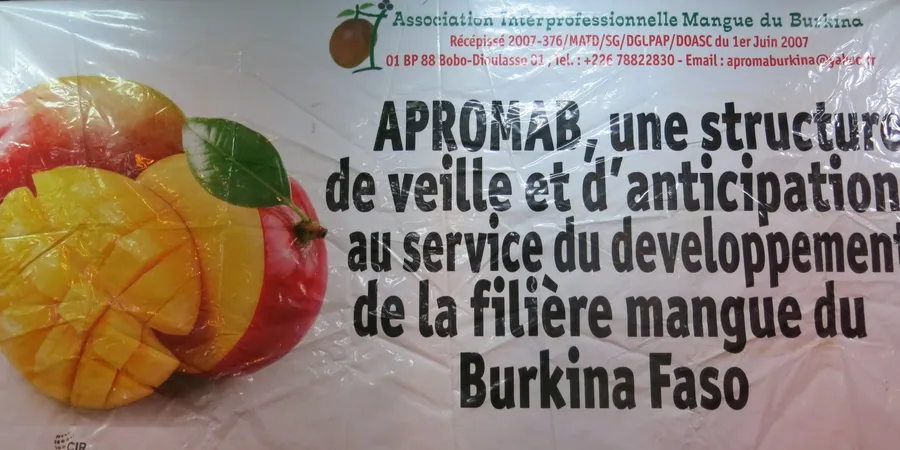
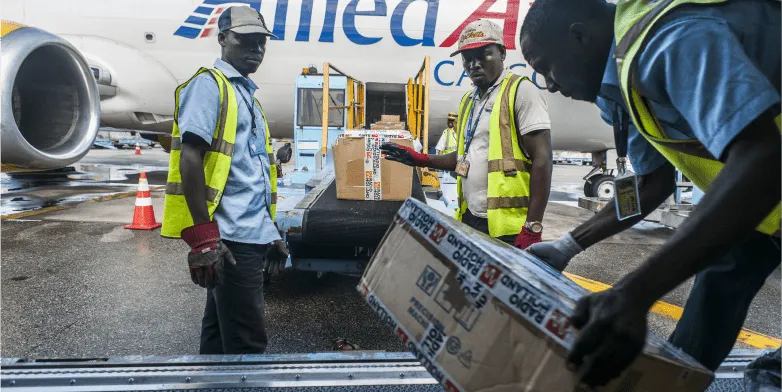
On 22 December 2020, the national workshop assessment of the mango campaign 2020 was held in Burkina Faso. This event brought together the various stakeholders of the Burkina Faso's mango sector to learn the satisfactory results of the sector despite the health crisis related to COVID-19 ; and exchange on future actions. Particular attention was paid to the impact of Covid-19 on the campaign, which has caused a decrease in the volumes exported to the international market.
 News
News
Phytosanitary certificates – Brexit and Covid derogations
As a Covid-19 emergency measure, the European Union is accepting electronic transmissions of phytosanitary certificates (PCs) for imports into the EU (followed by transmission of the paper documents) until 1 February 2021. The UK position was previously unclear, but it is now confirmed that the UK will replicate this measure from 1 January 2021. A Covid-19 easement is in place as part of the Office Control Regulations; the exporter/importer can send a scanned copy of the PC, which the UK's Animal and Plant Health Agency (APHA) will use for documentary checks. This scanned copy is uploaded onto PEACH (Procedure for Electronic Application for Certificates) with the pre-notification application. As in the EU, the original paper copy must be sent via mail to APHA (Animal and Plant Health Agency, Foss House, 1st Floor Kings Pool, 1–2 Peasholme Green, York YO1 7PX, UK) within 3 days or as soon as possible (the UK authorities will be pragmatic and accept that delays may prevent the original document from arriving within the 3 days). The original paper PC is used to undertake audits against the scanned copy (as in the EU). Many third countries use embossing for authentication purposes on their phytosanitary certificates, and this cannot be verified on the scanned copy. The UK Covid-19 easement is due to end in February, as in the EU, but may be extended – COLEACP will provide further information when available.