
Cultivating
Sustainable Futures
 News
News
New collaboration agreement between MINADER-CAMEROON and COLEACP
The Ministry of Agriculture and Rural Development (MINADER) of Cameroon and COLEACP signed a Memorandum of Understanding on 15 December 2020, in the presence of His Excellency Gabriel Mbairobe, Minister of Agriculture and Rural Development of Cameroon, Jeremy Knops, General Delegate of COLEACP, and Jean-Marie Sop, COLEACP Secretary-General. This agreement is part of the Fit For Market SPS programme funded by the European Union. It aims to strengthen the national sanitary and phytosanitary system, and especially the implementation of a systemic approach to address the problems of the mango sector in the face of the requirements of the new EU plant health regulations.His Excellency Gabriel Mbairobe, Minister of Agriculture and Rural Development of Cameroon - Jeremy Knops, General Delegate of COLEACP, and Jean-Marie Sop, COLEACP Secretary-General.
 News
News
News digest: policy
The European Investment Bank (10 December)has joined a group of 11 multilateral development banks (MDBs) and the International Monetary Fund to launch the first-ever joint report on Financing the Sustainable Development Goals. The report is released at the end of a critical year, in which the Covid-19 pandemic threatens to reverse progress on the SDGs. In response, the MDBs have collectively mobilised a global response package of US$230 billion between 2020 and 2021 to reduce the impact of the pandemic, of which US$75 billion will be directed to the world’s poorest countries before the end of 2020.
 News
News
UFVEPA presents its new five-year strategic plan
The Uganda Fruits and Vegetables Exporters and Producers Association (UFVEPA) is the largest association in Uganda’s horticultural sector, representing 50+ export companies and producer group members. For UFVEPA, this strategic planning exercise, supported by COLEACP, came just at the right time, at the end of the former strategic plan (2015-2020) and when exporters and producers are grappling with the effects of the COVID-19 virus. With the uncertainties posed by the pandemic, a clear strategic roadmap over the next five years is vital to help steer the association through this difficult period and support the revival of the horticultural sector. Through the strategic planning process, management gets a lens on both the internal and external environments that are likely to affect the association.
 News
News
News digest: Agri-food markets & production
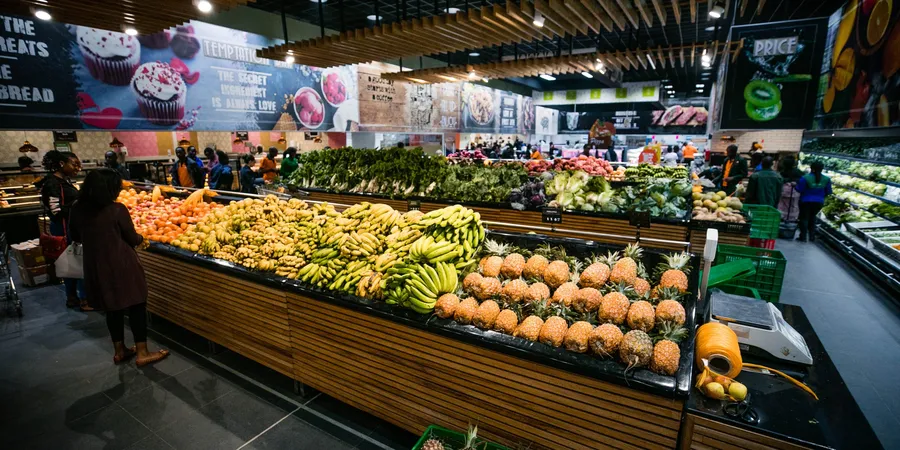
Kenya and the United Kingdom have formally signed a trade agreement ending an era of doing business through protocols of the European Union, from which London will exit at the end of December (FPC Fresh Talk Daily, 9 December). The agreement provides for Kenya’s duty-free, quota-free access to the UK market on specified products, which currently include coffee, tea, fresh vegetables and cut flowers. The deal has also simplified the Rules of Origin, making it easier for Kenya to export to UK processed items whose raw materials have been sourced from other developing countries, as long as there is proof the items were produced in Kenya.
 News
News
Group training in Democratic Republic of the Congo (DRC): 2,000 producers reached
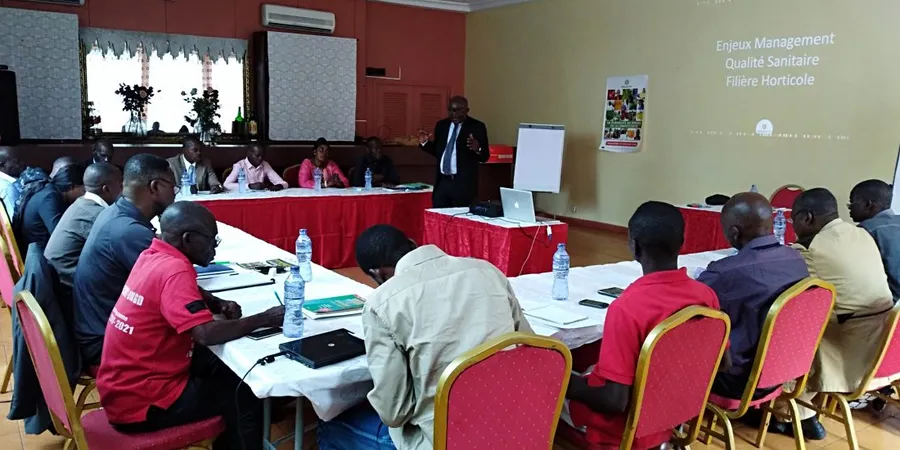
Since 2018, COLEACP has organised several group training courses in the DRC on food safety management, traceability, integrated crop protection and the safe use of pesticides. In order to measure the impact of this capacity building and to identify additional needs, a survey was conducted between July and October 2020 among Congolese organisations that participated in the various training courses. 18 organisations that benefited from this training each went on to organise between 2 and 13 training sessions, reaching a total of around 2,000 producers. See the full survey results here..!!! This picture was taken before the pandemic #COVID19
 News
News
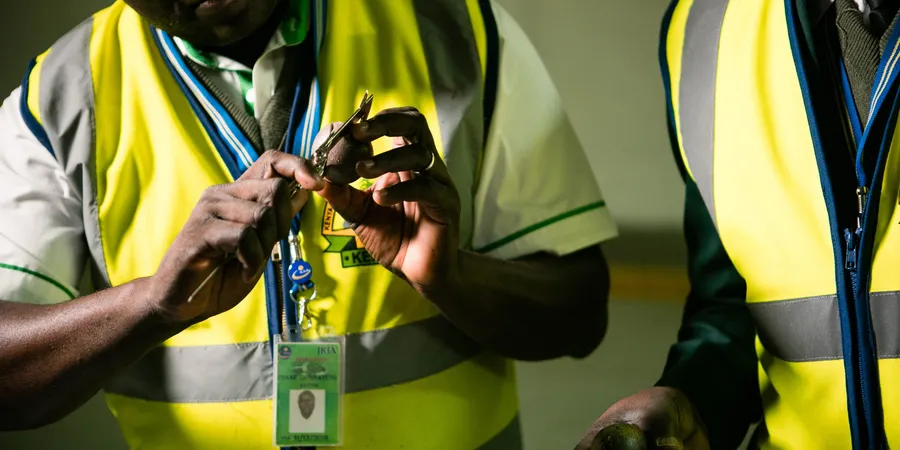
Group training on "Coconut cultivation in Côte d'Ivoire".
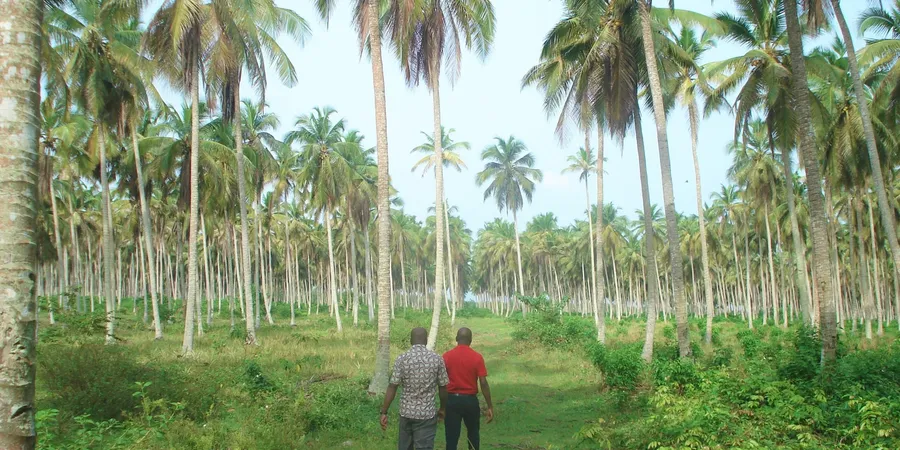
As part of COLEACP's Fit For Market programme, a group training session began Tuesday in Abidjan for coconut producing and exporting companies on the theme of "CULTIVATION OF COCOT FARMERS ON CÔTE D'IVOIRE". This training aims to strengthen the knowledge and skills of production managers on good production and post-harvest practices of coconut cultivation. We wish an excellent training to our participants and thank our experts again.
 News
News
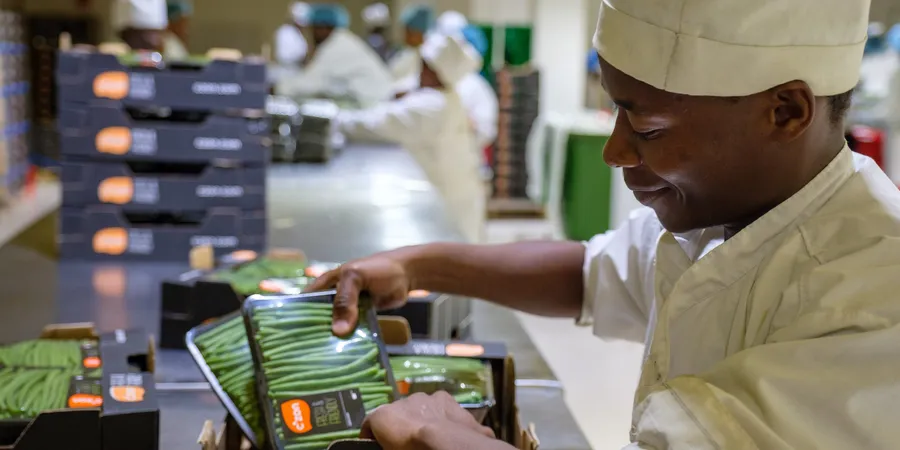
Regional e-meetings on EU phytosanitary legislation, Brexit and more
During December, COLEACP began a series of regional e-meetings for National Plant Protection Organisations (NPPOs). The first was held in collaboration with the Common Market for Eastern and Southern Africa (COMESA) on 4 December. It was followed by an e-meeting on 15 December for Economic Community of West African States (ECOWAS) countries. The third session, for Pacific NPPOs, will be on 17 December (in English). The series will continue in 2021, with key topics including (among others) lists of regulated pests; awareness-raising on TR4 (banana fusarium wilt, Fusarium oxysporum f.sp. cubense tropical race 4); ePhyto certificates; Brexit; and the TRACES platform. COLEACP’s Fit For Market SPS programme supports NPPOs from ACP countries to strengthen their sanitary and phytosanitary (SPS) control systems. This series of regional webinars, usually held in collaboration with key regional organisations, aims to update and discuss key plant health issues affecting NPPOs and the fruit and vegetable sector. The meetings consist of short presentations and discussions giving an overview of the main changes in the EU plant health regulations, and enabling discussion of any issues that NPPOs are experiencing as a result of the new rules. Topics covered include completion of phytosanitary certificates; prior information requirements for priority quarantine pests on some fruit and vegetables; and information on Brexit-related issues affecting ACP horticultural exporters. These interactive sessions aim to promote the exchange of information and experiences between the participants and the COLEACP team. Key issues identified by participants in the first two meetings include the complexities NPPOs face in keeping up-to-date with the evolving EU legislation and adapting their electronic systems. Systems approaches need to be correctly implemented in order not to lose the trust of EU importing countries. New management approaches will be needed for both the private sector and NPPOs to enable collective efforts to address the new requirements. The private and public sectors need to work hand-in-hand to ensure conformity of products for export.
 News
News
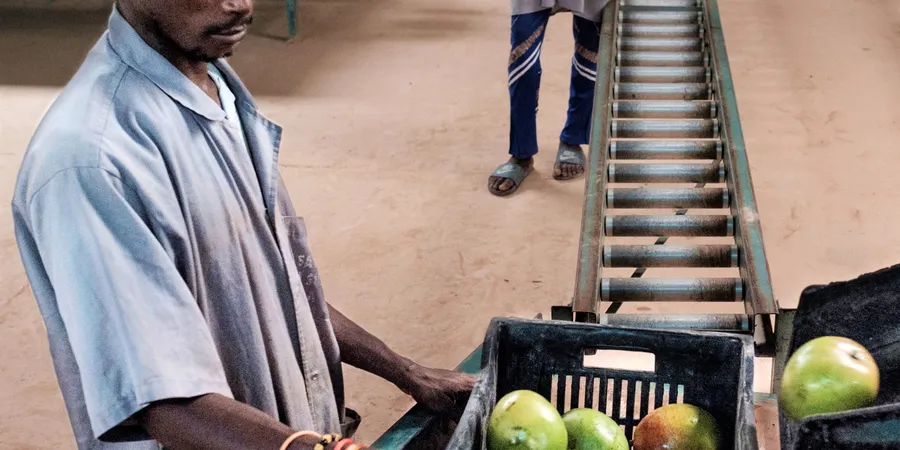
COLEACP signs MoU with East African Community
COLEACP has signed a Memorandum of Understanding with the East African Community (EAC) to support a competitive and sustainable horticultural sector in the East African Region. The agreement identifies synergies in four key areas of SPS systems: strengthening governance; improving operational processes; managing skills and competencies; and strengthening communication dynamics between relevant stakeholders, particularly to ensure communication between National Plant Protection Organisations (NPPOs) and professional organisations, especially focusing on active involvement of the private sector in the process of strengthening SPS systems. The MoU also aims to strengthen the EAC Fruit and Vegetable Platform (EAFVP) by improving conditions for investment and access to appropriate financial solutions for MSMEs through targeted collaborations with financial intermediaries and investors in EAC Member States. This includes the specific objectives, among others, to empower MSMEs to embrace opportunities on domestic and regional markets, with a focus on value addition, while improving market access to the European Union through regulatory and commercial compliance; and to embed sustainable agricultural and management practices through business development strategies to improve the competitiveness of MSMEs.
 News
News
COLEACP–ECOWAS Cooperation Agreement
On 8 December, COLEACP signed a Cooperation Agreement with the Economic Community of West African States (ECOWAS). Mr Alain Sy Traoré, Director of Agriculture and Rural Development of the ECOWAS Commission, said “Within the framework of this Cooperation Agreement, we encourage the continuation of the exchanges initiated between COLEACP and ECOWAS through the Fit For Market SPS and SyRIMAO programmes, which have already made it possible to identify points of synergy between the two projects for the next mango campaign in the region.” The SyRIMAO programme (Système Régional Innovant de contrôle des Mouches des Fruits en Afrique de l’Ouest) aims to strengthen the prevention and control of fruit flies in West African horticulture, in order to improve the incomes of West African fruit and vegetable producers, particularly small producers, and thus contribute to food security, poverty reduction and job creation in the sub-region. The programme is implemented by the ECOWAS Regional Agency for Agriculture and Food (Agence Régionale pour l’Agriculture et l’Alimentation, ARAA), based in Lomé, Togo. The agreement covers four areas of intervention: strengthening the governance of SPS systems; improvement of operational processes; management of skills; and strengthening of communication dynamics and relations between the different stakeholders, in particular with the private sector. It notes that communication between National Plant Protection Organisations (NPPOs), particularly with professional organisations, is essential to ensure private sector involvement in the process of strengthening SPS systems.
 News
News
Farm Fare Feeds’ action plan to reach GLOBALG.A.P. compliance
Assisted by a COLEACP expert, Farm Fare Feeds has developed a detailed action plan to achieve GLOBALG.A.P. certification. As a first step, the technical team of Farm Fare Feeds followed intensive training on how to implement and successfully manage a quality management system that meets GLOBALG.A.P. requirements.
 News
News
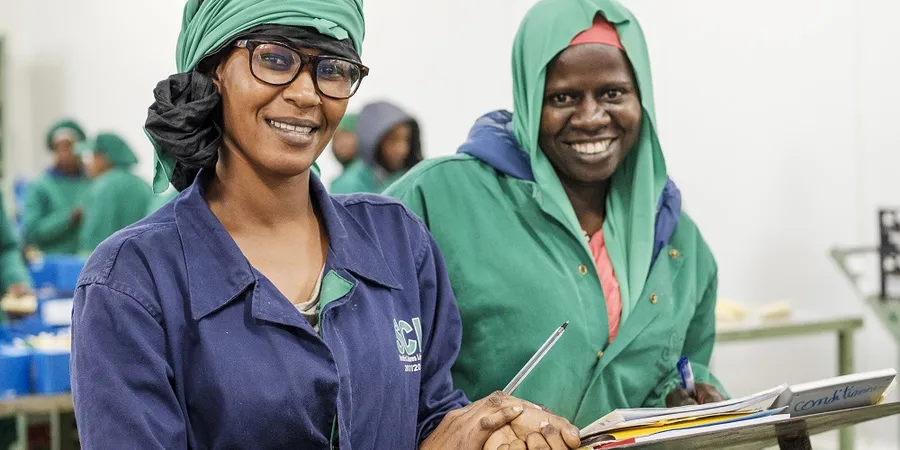
Zimbabwean horticultural companies reinforcing skills on internal auditing
COLEACP organised group training on internal auditing in Harare from 8-10 December 2020. Food safety, quality and traceability managers of Zimbabwean horticultural companies worked on their internal auditing techniques and practices. Conducting regular and professional internal audits greatly contributes to the maintenance and continuous improvement of any quality management system. After the group training, all participants will return to their respective companies to carry out a practical exercise on internal auditing, adapted to the quality management system implemented in their organisation. To get the most out of this capacity building exercise within their company, participants will be offered the professional guidance of a COLEACP coach.
 News
News
COLEACP-CABI AGREEMENT TO SUPPORT GLOBAL FOOD SECURITY
COLEACP and CABI have signed a Memorandum of Understanding to work together on key areas of interest concerning sanitary and phytosanitary (SPS) measures around the world. The agreement, which ultimately aims to benefit food security among countries within the African Caribbean and Pacific (ACP) states, will enable a strategic focus on improving SPS measures – including regulations and standards – at a local, national and regional levels. The understanding will build on CABI’s main objective of improving people’s lives worldwide by providing information and applying scientific expertise to solve problems in agriculture and the environment, and COLEACP’s mission to develop inclusive, sustainable trade in fruit and vegetables and food products with a focus on ACP countries’ trade with one another and with the European Union. Areas of collaboration between CABI and COLEACP include work on regulations and standards; technical assistance in the implementation of SPS measures; capacity assessment, training and e-learning; research and innovation on ways to manage SPS risks; and information sharing and communication materials for different stakeholders. Dr Daniel Elger, CABI CEO, said, “CABI has a long history of working in partnership to help countries around the world increase their capacity to enhance their sanitary and phytosanitary measures which not only impinge upon the livelihoods of smallholder farmers but also national economies and global food security. This includes a recent project in Burundi, Kenya, Rwanda, Tanzania and Uganda. “I’m pleased that this new agreement with COLEACP means we can further spread our shared expertise and work together to promote sustainable value chains and improved market access for smallholders and small enterprises.” One of the first initiatives CABI and COLEACP are collaborating on is a package of digital training for Pest Risk Analysis (PRA) practitioners which will enable them to develop the practical skills necessary for successful PRA implementation. The training involves the use of a variety of techniques and tools (videos, podcasts, tests, examples, interviews, exercises) as well as interaction with tutors from both organisations. Mr Jeremy Knops, COLEACP General Delegate, said, “COLEACP has a long history of networking and liaising with various stakeholders at national, regional and international levels. Thinking and acting in partnership manifests COLEACP’s holistic approach, which is integrated at different stages of horticultural value chains, with different private and public target audiences, and in all markets. “The objectives of COLEACP’s partnerships have a technical dimension: key alliances should provide the technical capacity to enable an overarching ambition for a sustainable ACP–EU horticultural sector. COLEACP is glad of this opportunity to work more closely with CABI to further this endeavour.”