
Cultivating
Sustainable Futures
 News
News
Stakeholder workshop for the “Guide to good SPS practices for the Penja pepper value chain”
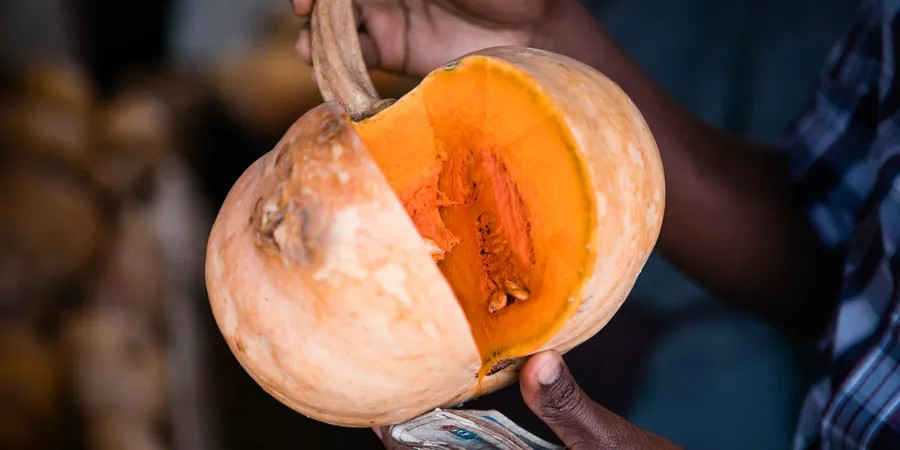
We held a stakeholder workshop on 11 November in Penja, Cameroon to present the draft “Guide to good SPS practices for the Penja pepper value chain” to representatives of both public and private sectors, to collect feedback on the document. The aim is to achieve validation of the guide by the entire value chain. COLEACP warmly thanks all the stakeholders in the sector for their participation in this workshop, which represents a crucial step for the Penja pepper sector, and for the development of the Standards and Trade Development Facility (STDF) project implemented by COLEACP in Cameroon.The STDF CAMEROON project (STDF/PG/593) aims to improve the sanitary and phytosanitary quality of Penja pepper to promote its access to international markets.
 News
News
IPPC Capacity Development guides now available in French
In the field of plant health, the International Plant Protection Convention (IPPC) is the world’s reference organisation. It offers many high-quality publications, including Capacity Development guides that support the activities of National Plant Protection Organisations (NPPOs).COLEACP has been collaborating with the IPPC to co-publish French versions of eight of these guides, which were originally published in English, particularly with the intention of making them available to the francophone countries in West Africa. The guides draw extensively on requirements specified in several International Standards for Phytosanitary Measures (ISPMs) of the IPPC. They will be useful to NPPOs, and to other COLEACP members and partners, in the context of Fit For Market SPS programme activities responding to the new EU plant health rules.To accompany each of these eight guides, COLEACP is producing training notebooks highlighting the key messages. These will also soon be available for COLEACP’s expert trainers, and for members and partners.The eight IPPC Capacity Development guides that are now available in French via COLEACP’s e-library are: Establishing a National Plant Protection Organization (view) Operation of a National Plant Protection Organization (view) Managing Relationships with Stakeholders (view) Import Verification (view) Export Certification (view) Plant Pest Surveillance (view) Guide to Delivering Phytosanitary Diagnostic Services (view) IPPC Guide to Pest Risk Communication (view)
 News
News
Brexit workshop, 30 October 2020
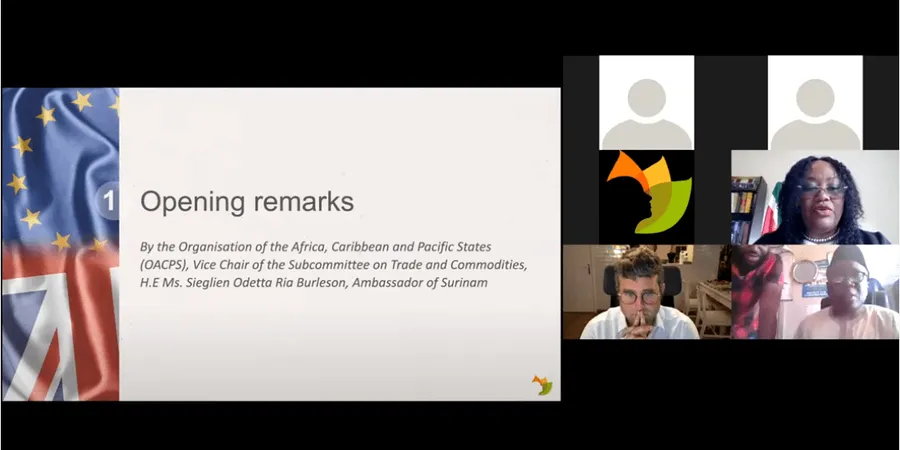
In collaboration with the Organisation of African, Caribbean and Pacific States (OACPS), COLEACP organised a workshop on 30 October to present a set of practical recommendations (and remaining points of uncertainty) for ACP horticultural businesses trading directly or indirectly (via the EU) with the United Kingdom. Representatives from the Fresh Produce Consortium and Freshfel Europe also shared their analyses and priority areas for action. Context The UK officially left the European Union on 31 January 2020, and is now entering the final stages of the 11-month transition period. Given the current state of discussions between EU and UK officials, it is unfortunately still premature to predict the outcome of the negotiations between the two trading blocs. Issues The ACP horticultural industry will inevitably be facing several new challenges, with a no-deal outcome generating more acute problems in some areas. The Brexit workshop addressed (among others) issues around trade documentation, border control, logistical challenges and potential future market developments. Prior to the workshop, COLEACP issued a background document. Feedback A short post-meeting survey found that all of the participants felt the workshop met their overall expectations, with 70% “very satisfied” and 20% “completely satisfied”. 90% were happy with the background document, with 60% “completely satisfied”. Only 15% experienced any technical problems during the virtual meeting.One respondent summed up the generally positive comments: “Time well spent.”
 News
News
Technical team of Zimbabwe Farmers Union reinforcing training capacity on Crop Protection and Safe Use of Pesticides
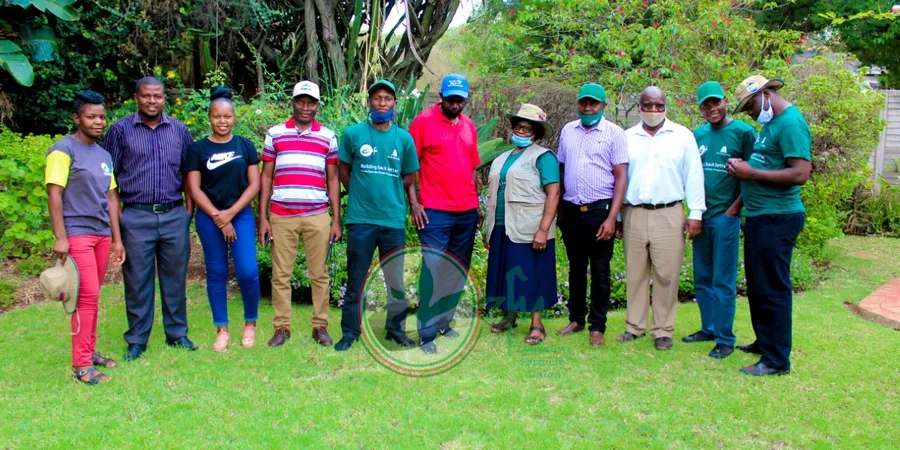
ZFU is the largest farmers’ organization in Zimbabwe in terms of number of members, representing over a million farming households. The technical team of ZFU, including capacity building managers and provincial managers, is following a training series to strengthen their technical and teaching skills to keep their member farmers up to date with the latest knowhow to enhance quality and productivity. This first training handled Crop Protection and Safe Use of Pesticides, which improved their background knowledge about identification of pests and diseases, application of crop protection methods, and how to control the risks introduced by the use of phytosanitary products.
 News
News
Probest scales up its quality management system to meet GLOBALG.A.P. standard
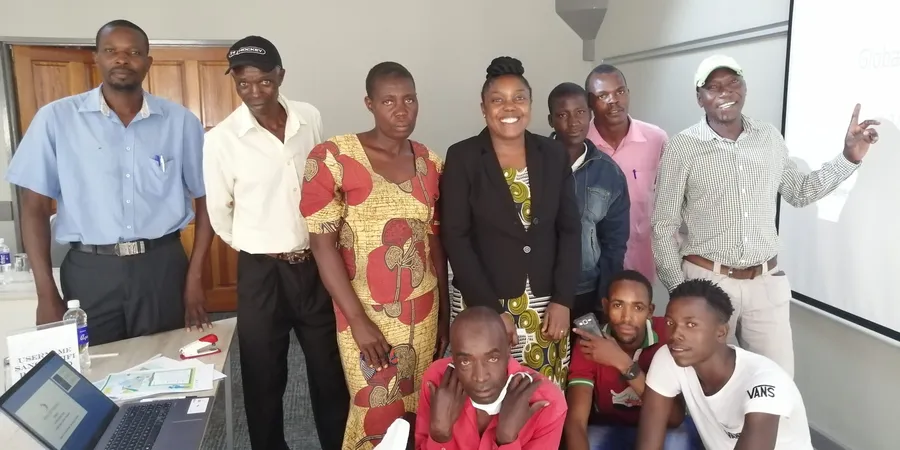
With support from COLEACP as part of its Fit for Market programme, the technical team of Probest followed intensive training on how to scale up their Quality Management System to meet GLOBALG.A.P. requirements for two additional production sites. Probest is a Zimbabwean company specialising in production of fresh snow peas (mange-tout and sugar snaps) as well as fine beans for the export market, and a variety of fresh vegetables for local markets. Congratulations with this successful capacity building!
 News
News
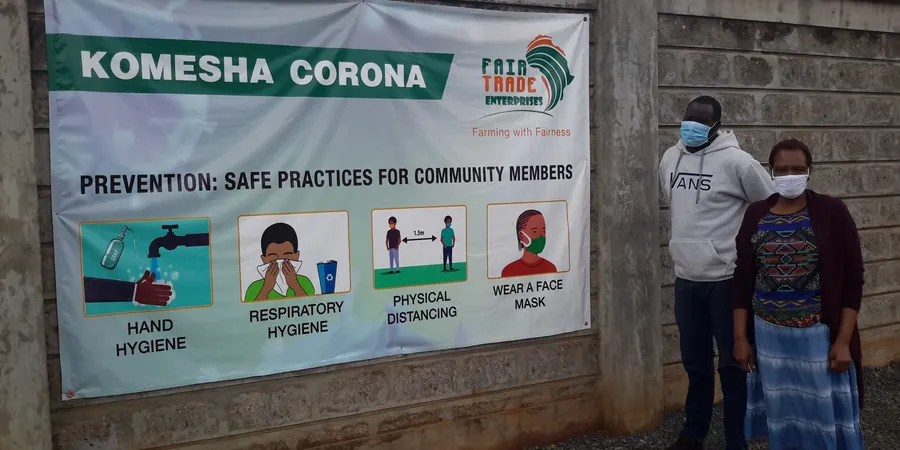
IPM training at Fair Trade Enterprises (Kenya)
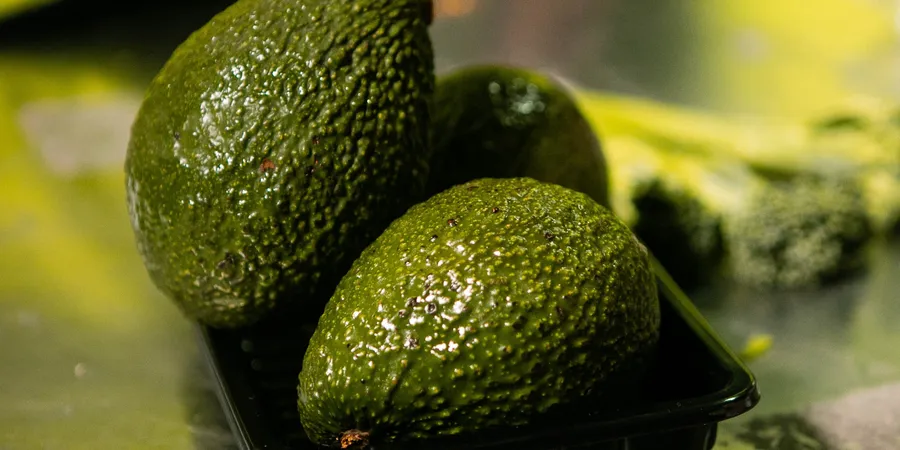
Technical staff from FTE Kenya and Kenyan IPM COLEACP expert conducted field visits to avocado orchards in Meru, as part of Integrated Pest Management training delivered through the Fit For Market programme.
 News
News
The key to Kenya’s successful avocado season
The Fresh Produce Exporters Association of Kenya (FPEAK) and Fresh Produce Consortium Kenya (FPC Kenya) issued a press statement on the avocado market on 11 November. According to FPEAK and FPC Kenya, up to the end of October 2020 Kenya exported 68,000 tons of avocados, valued at Ksh14 billion (about US$128 million), a record-high for the Kenyan subsector. The Avocado Society of Kenya reports that demand for avocados has risen both locally and internationally, with demand for fruits and fresh vegetables rising during the pandemic, following an initial slight slump in demand due to lockdowns (Fresh Plaza, 9 November).The statement points out that Kenya has huge potential in this value chain, which includes both small-scale and large-scale farmers. Avocado is Kenya’s leading fresh fruit export, accounting for nearly one-fifth of its total horticultural exports. Grown naturally in ideal conditions year-round, right on the equator, Kenyan avocados need little crop protection or large-scale irrigation. Shipping is mainly done via sea freight from Mombasa port to various international markets in the European Union, Russia, the Middle East and the Far East.The main season for Kenya’s avocados is February to October: the Fuerte variety is available from February, and Hass from March. This year’s avocado season closed on 11 November until February 2021.The key to the sector’s success is in use of the latest technologies, availability of technical training, and easier access to markets. Industry associations and other players such as COLEACP have trained and supported producers and exporters on fruit quality management, and requirements for international accreditations on food safety and traceability. Value-added activities are developing in the country, with examples of processing into avocado oil and frozen avocado.FPEAK and FPC Kenya stress the importance of compliance with sustainability requirements, including pesticide use, carbon miles, water-use efficiency, and workers’ rights. These are also topics on which COLEACP is providing capacity building activities for Kenyan producers and exporters under its Fit For Market and NExT Kenya programmes.
 News
News
USTAKO achieves HACCP certificate
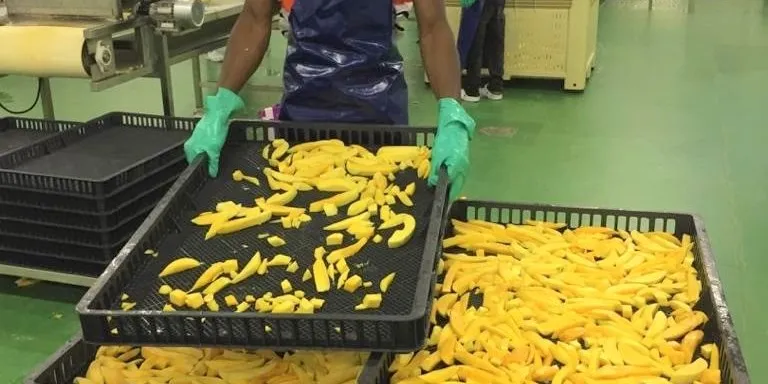
Last April, the Unité de Transformation de Fruits et Légumes Tako Sylla (USTAKO), a Malian company exporting dried mangoes, received support from COLEACP’s Fit For Market programme for a review of its food safety management system and capacity building of its technical staff on HACCP principles. This support enabled the company to prepare for the renewal of its HACCP certification, which it obtained in September following the certification audit. Congratulations to USTAKO for obtaining its new certificate.
 News
News
Field activities resume in Côte d'Ivoire
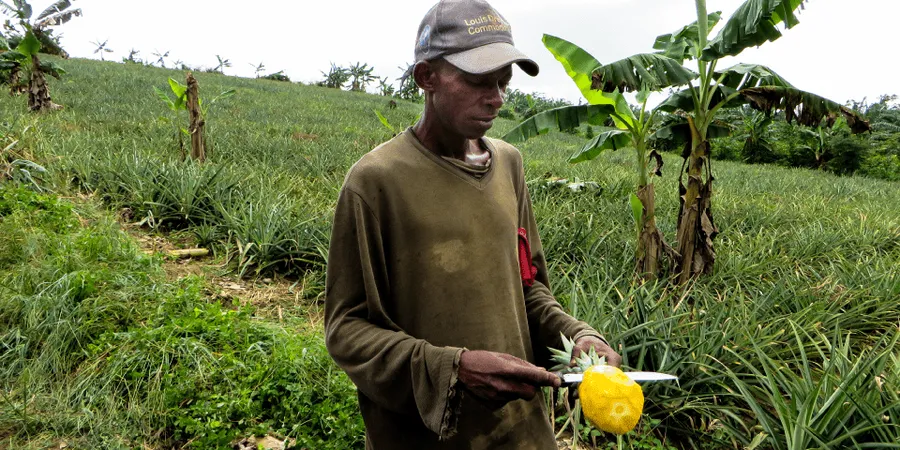
After a period when all COLEACP's activities were organised remotely due to restrictions related to the COVID-19 pandemic, field activities in Côte d'Ivoire are now resuming.COLEACP is working with a pineapple cooperative towards their compliance with the Fair For Life standard. The COLEACP expert and the company's managers have committed to complying with World Health Organization recommended health and safety measures during their meetings.
 News
News
Memorandum signed with Sankuru province in DRC
COLEACP has signed a Memorandum of Understanding and action plan with the Province of Sankuru in the Democratic Republic of the Congo, as part of its Fit For Market Programmes.The aim is to contribute to capacity building of stakeholders in the province’s horticultural sector to improve the quality and quantity of production, and strengthen access to local, regional and international markets.Priority areas of work, defined in phases, are: Identify actors and horticultural activities at the provincial level: improve understanding of the sector’s potential, and identify targets and themes to be addressed Strengthen the capacity of individuals: develop a capacity building programme, with priority given to training structures (universities and technical centres) Promote the origin and access to target markets: make the products produced in the province more widely known and promote them during national, regional and international events. The first phase has already begun. Similar collaborative approaches will be proposed to other provinces in DRC in the coming months.
 News
News
Business management e-coaching for Lucy Agricultural Development
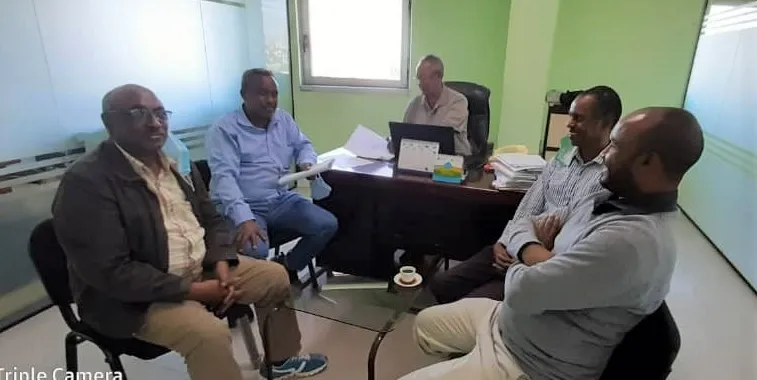
Management staff at Lucy Agricultural Development Plc in Addis Ababa have just received remote training on good business management practices, and coaching on how to monitor and update an existing business plan. The training, given by a COLEACP expert from Kenya, was provided through the EU/AFD-funded Fit For Market programme.
 News
News
Webinar: Linking with Agriculture for a more Sustainable Tourism Sector in Guyana beyond Covid
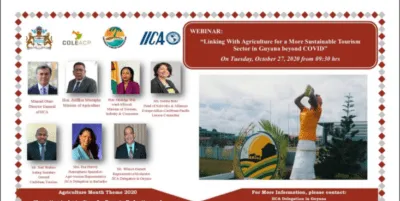
“Linking With Agriculture for a More Sustainable Tourism Sector in Guyana beyond Covid” | 27 October 2020 - 09:30-11:30hrs (GYT)Join Caribbean Tourism Organization (CTO), Ministry of Agriculture, and Ministry of Industry, Commerce & Tourism with COLEACP at the Virtual Tourism Forum on the theme: “Linking With Agriculture for a More Sustainable Tourism Sector in Guyana beyond Covid”. This event will discuss how the tourism and agriculture sectors, working together, can create an enabling environment that spurs investment by stakeholders in their bid to create a sustainable agritourism sector.Now available here.