
Cultivating
Sustainable Futures
 News
News
COLEACP launches new Digital Distance Training
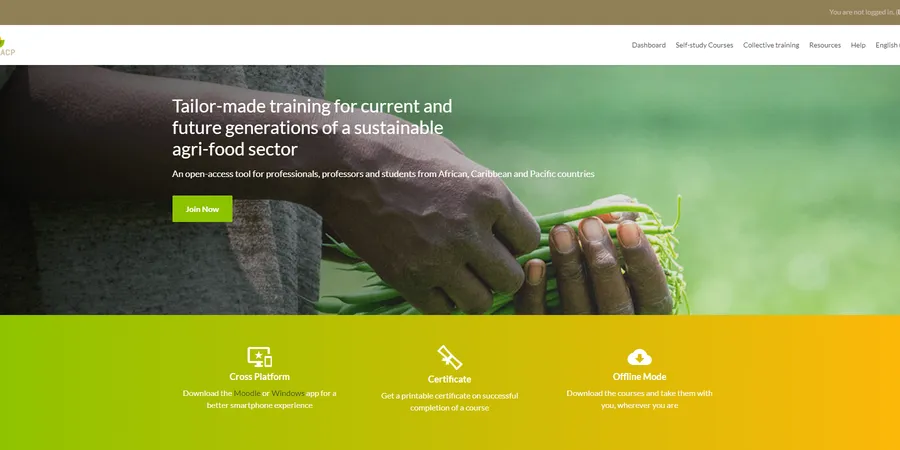
To comply with precautionary measures related to COVID-19, for the time being COLEACP has cancelled the organization of group training sessions. As an alternative, digital distance training is the best solution. Digital distance learning cannot entirely replace face-to-face training. However, methods and technologies are now available to achieve a highly satisfactory quality of training.COLEACP has already moved ahead with the launch of Digital Distance Training as a core activity. Our e-learning platform has been enhanced and we are providing new digital tools to trainers to assist in creating their digital courses (creating videos, etc.). COLEACP staff are working hand-in-hand with ACP trainers, moving from face-to-face training to digital. Some ACP trainers have already received online training on how to use those digital tools effectively. TRAINING ON COVID-19 PREVENTIVE MEASURES COLEACP is currently working on launching digital distance training on COVID-19 preventive measures, which will address the following topics: understanding the virus and the disease raising awareness on protective measures against the spread of the virus reducing the risks within companies integrating COVID-19 measures in food safety management systems introducing the new requirements of private standards with regard to the virus (e.g. British Retail Consortium (BRC) and GLOBALG.A.P.). This training will be available via COLEACP’s e-learning platform, and is addressed to local experts and key players from ACP countries (such as NGOs, national producers’ federations, public services, horticultural companies, women’s associations and medical staff). Their role is to quickly spread key messages and good practices among the horticultural sector and its communities, using the awareness-raising and information tools (leaflets and brochures, podcasts, etc.) currently being developed by COLEACP.Given the emergency, this COVID-19 training will be launched soon in most ACP countries. OTHER TRAINING TOPICS GO DIGITAL In addition to COVID-19 training, COLEACP has recently introduced its first digital training in Ghana aiming at building capacity on integrated management measures for fruit fly control for fresh export technical managers. It has been a success for both trainers and trainees, who enjoyed the outcome of this digital training. Thanks to the trainers M. SARPONG Mark and M. ADDY Kenneth for their contributions.Last but not least, COLEACP is currently working on conducting other digital training, both for ACP horticultural export companies (‘Recovery of waste from the mango sector’; and ‘Commercial negotiation’), and for experts to deliver training-of-trainers. As an example, in the coming months COLEACP will organize training-of-trainers on ‘Environmental management’ to strengthen the technical and teaching skills of experts, which will allow them to subsequently play the role of trainers and coaches for the technical managers of companies, particularly in the context of training sessions organised by COLEACP.For more information, please visit our e-learning platform: https://training.coleacp.org/?lang=en A photo of you in your job On 19 April, in collaboration with Mr. Seun, a young farmer from Nigeria, COLEACP launched a challenge:“To all professionals in the Agriculture Industry, join the challenge to post a photo of you in your job. Just a picture, no description. The goal is to flood social media with our profession as we continue feeding the nations #COVID19 #lockdown”So far 296 farmers from all over Africa have participated, reaching 773 people. See the growing set of photos of African farmers at work here – and if you are an agricultural professional, join the challenge.
 News
News
Business support for SMEs
Inter-American Development Bank This hub, coordinated by the IADB, lists initiatives and solutions to support SMEs in Latin America and the Caribbean through the crisis. It includes an interactive map of ideas and innovations in Latin America and the Caribbean, with ideas from entrepreneurs for possible innovative solutions applicable to the COVID-19 crisis. OECD - SME Policy Responses This guide from the Organisation for Economic Co-operation and Development highlights how SMEs are being affected by the current COVID-19 pandemic, reports on early evidence and estimates about the impact, and provides a preliminary inventory of country responses to foster SME resilience. It will be updated periodically. Centre for Development and Enterprise A report, COVID-19: The Impact on Small Businesses and Gaps in Current Solutions, provides a South African perspective on supporting small business through the crisis. Griffith Centre for Sustainable Enterprise This guide aims to assist small businesses to navigate the disruptions caused by COVID-19. Startup Genome Startup Genome has launched ‘The Impact of COVID-19 on Global Start-up Ecosystems’, a series of reports on policy initiatives around the world set up by governments to support start-ups and entrepreneurs.
 News
News
Important information regarding non-renewal of plant protection product approvals
This news info provides an on regulatory changes concerning plant protection productsThe European Commission (EC) has recently issued notifications of the non-renewal of approval under EU regulations of 4 key plant protection products: thiacloprid, beta-cyfluthrin, fenamiphos and mancozeb. MRL CHANGES FOLLOWING NON-RENEWAL OF THESE ACTIVE SUBSTANCES Following non-renewal of EU authorizations, the maximum residue levels (MRLs) are generally lowered to the limit of determination (LOD): 0.01 mg/kg. In most cases this will mean that these substances can no longer be used on crops for export to the EU.Decisions on the new MRLs will be taken at forthcoming meetings of the European Commission Standing Committee on Plants, Animals, Food and Feed.Considering the extensive use of these four substances in ACP horticulture, growers are advised to start looking for alternatives as soon as possible. It you have any major concern about these changes, and fear that you will be left without an effective and available alternative, please contact COLEACP at: network@coleacp.org (link sends e-mail). NON-RENEWAL OF THIACLOPRID Thiacloprid is an insecticide used to control sucking and chewing insects including: aphids, codling moth, wireworm, and fruit fly.It is used on a wide range of horticultural crops in ACP countries including, but not limited to: chili pepper, eggplant, karella, mango, tomato, some citrus crops, cabbage, cauliflower, carrot, peas, and potato.On January 14 2020, the European Commission published a Regulation (see here) withdrawing the authorization of thiacloprid for use in the EU by August 3 2020. The MRL will likely be reduced to the LoD, but the date of entry into force of the new MRLs is not yet known. COLEACP will keep you informed as soon as more information becomes available. NON-RENEWAL OF BETA-CYFLUTHRIN Beta-cyfluthrin is an insecticide effective against a range of common pests including migratory locusts, grasshoppers, loopers, cutworms, spittlebugs, leaf hoppers, caterpillars, armyworms, weevils, and stinkbugs.It is used on a wide range of crops in ACP countries including: baby & sweet corn, beans, macadamia, tomato, corn, cotton, peanuts, sorghum, sugarcane, sugar beet, wheat, brassicas, sweetcorn, potatoes, tomatoes, and root vegetables.On February 20 2020, the European Commission has notified the World Trade Organisation of its decision not to renew the approval of beta-cyfluthrin. The draft regulation can be accessed here.The date of entry into force is not yet known. COLEACP will keep you informed as soon as more information is available. NON-RENEWAL OF FENAMIPHOS Fenamiphos is an insecticide and nematicide used to control nematodes and aphids.It is used on a wide range of horticultural crops in ACP countries including: fruit bananas, citrus, pineapples, tomatoes, peppers, aubergine, cucumber, and zucchini.On February 27 2020, The European Commission has notified the World Trade Organisation of its decision not to renew the approval of fenamiphos. The draft regulation can be accessed here.The exact date of entry into force is not yet known. COLEACP will keep you informed as soon as more information is available. NON-RENEWAL OF MANCOZEB Mancozeb is a fungicide for the control of a wide range of pathogens.It is used on many key horticultural crops including: amaranth, apples, avocado, baby & sweet corn, banana, beans, broccoli, carrot, cauliflower, celery, citrus, coconut, cruciferae, cucumber, cucurbits, guava, head cabbage, kale, lettuce, mango, melon, onion, papaya, pea, pepper, potato, squash, sweet potato, tomato, tuber crops, and watermelon.On April 17 2020, The European Commission has notified the World Trade Organisation of its decision not to renew the approval of the active substance mancozeb. The draft regulation can be accessed here.The exact date of entry into force is not yet known. COLEACP will keep you informed as soon as more information is available. MORE INFORMATION ON EU AND CODEX MRLS The COLEACP online database (E-GAP) is accessible to all its members and beneficiaries. To date, it is one of the few sources of this information specifically dedicated to the horticultural sector in ACP countries.This tool provides information on the maximum residue limits currently in force. It also provides the Good Agricultural Practices (dose rate, interval between treatments, pre-harvest intervals,etc.) that ensure compliance with these MRLs. Additional information such as the type of pesticide, the registration status of the active substance in the EU and in ACP countries, the classification recommended by the World Health Organisation (WHO) and the resistance group is also provided.The COLEACP database, E-GAP, is accessible with your login and password in the e-service section of our website: here.If you wish to obtain further information or if you encounter any problems in using the database, please contact COLEACP at the following address: network@coleacp.org (link sends e-mail).
 News
News
Desert Locust situation
As we all focus on COVID-19, it’s important not to lose sight of other critical issues facing the sector. Of particular concern is the locust crisis in Africa; the forecast is worrying and FAO warns that the impact on food security in the next few months could be devastating.According to the FAO Locust Watch update, the situation in the Horn of Africa remains extremely serious. In Kenya, a new generation of locusts is developing. More eggs will hatch and form hopper bands during May, with new swarms in late June and July at the start of harvest. Swarms are also forming and maturing in southern Ethiopia and along the Somali-Ethiopian border.Because it coincides with the beginning of the long rains and the planting season, this is an unprecedented threat to food security and livelihoods in East Africa, and a serious concern for the horticultural export sector. During 2019 the locust swarms in Kenya and Uganda remained in the drier Northern regions, but there is a risk that they will now move into the main production areas.FAO is working with governments and NGOs to conduct large scale aerial spraying campaigns throughout the region. The aim is to control the locusts during the early part of the year until June and July, when southerly winds and the dry season should push them north again. Covid-19, however, is creating additional challenges; spraying is restricted by cross-border movements, as well as holding up the delivery of pesticide shipments.As well as the potential for crop loss, horticultural export companies face the possibility of drift from aerial spraying. Many of the substances recommended by FAO for the control of locusts are not permitted in the EU, or are expected to lose authorisations soon (including deltamethrin, fenitrothion, malathion, teflubenzuron, and chlorpyrifos).COLEACP will be liaising with our partners in the countries affected to ensure there is a local/regional capacity to conduct residue analysis for the substances being used; it is very important that crops for export can be tested in the event that there is any risk they could have become contaminated.
 News
News
Enhancing kenyan horticultural exports: COLEACP's new EU programme
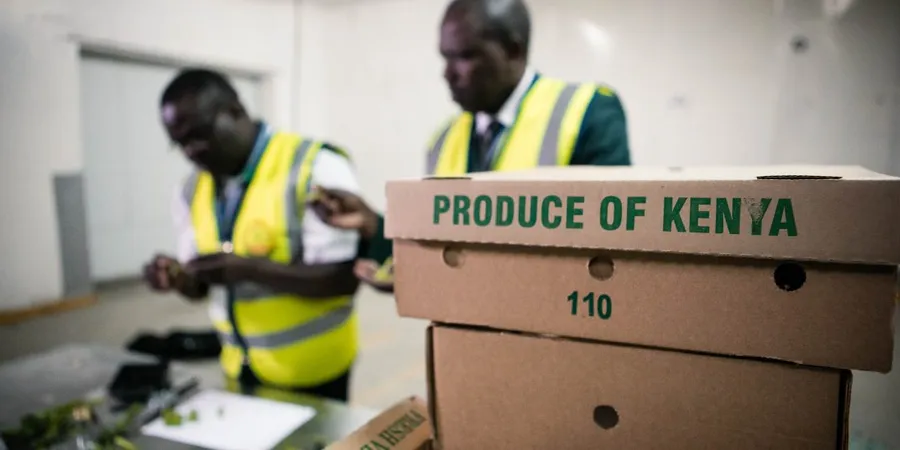
COLEACP’s new Nairobi-based programme, signed on 30 April, aims to increase the resilience, inclusiveness and sustainability of Kenyan horticultural value chains. The four-year, €5 million programme financed by the European Union through the EU delegation in Kenya, will aim to secure a lasting improvement in the capacity of all stakeholders in the Kenyan horticultural sector to adapt to evolving sanitary and phytosanitary (SPS), commercial, social and environmental requirements on local, regional and international markets. Implemented by a programme management unit based in Nairobi, activities are supported by a growing network of local experts in East Africa, and are based on COLEACP’s proven system and tools for training, technical support and institutional capacity-building.Priorities have been informed by a detailed consultation process with key stakeholders in Kenyan horticulture from both private and public sectors. The main priorities are to strengthen the private and public sectors, more precisely to build the capacities and skills of :micro, small and medium enterprises (MSMEs),business membership organisations (BMOs) in the areas of SPS and market requirements,competent authorities supporting Kenya’s horticultural sector.The programme will provide individual, demand-led support to MSMEs in the fruit and vegetable sectors; all horticultural sectors, including cut flowers, will benefit through support to their BMOs.This new venture continues COLEACP’s trademark promotion of engagement between the public and private sectors, and builds on the association’s 20-year history in Kenya through its past programmes and the two ongoing intra-ACP Fit For Market programmes.The programme is launching in the fast-changing context of COVID-19. The need to strengthen food production and distribution systems, and to increase the resilience of agri-food MSMEs to protect the health and livelihoods of employees, producers and communities, has never been greater. COLEACP’s programme activities aim to be agile and responsive to the ongoing urgent need to shift the focus and delivery methods for capacity-building activities over the coming months. The programme, contracted by the Delegation of the European Union to Kenya, forms part of the Regional Indicative Programme for Eastern Africa, Southern Africa and the Indian Ocean 2014–2020, with funding from the 11th European Development Fund.
 News
News
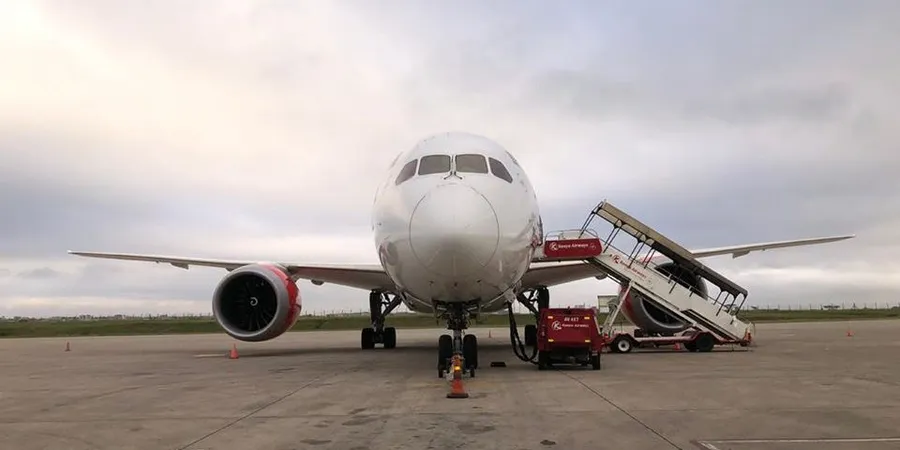
a Dreamliner upfield tons of flowers and vegetables from Nairobi to London.
As part of an initiatives to support Kenya's renowned horticultural industry, KQ Cargo supported by Fresh Produce Exporters Association of Kenya (FPEAK); Kenya Flower Council (KFC); the Embassy of the Netherlands in Kenya; the European Union in Kenya and the Government of Kenya, uplifted 40 tons of flowers and vegetables to Amsterdam. More flights are planned in the future.
 News
News
West African Mango Campaign 2020 has begun
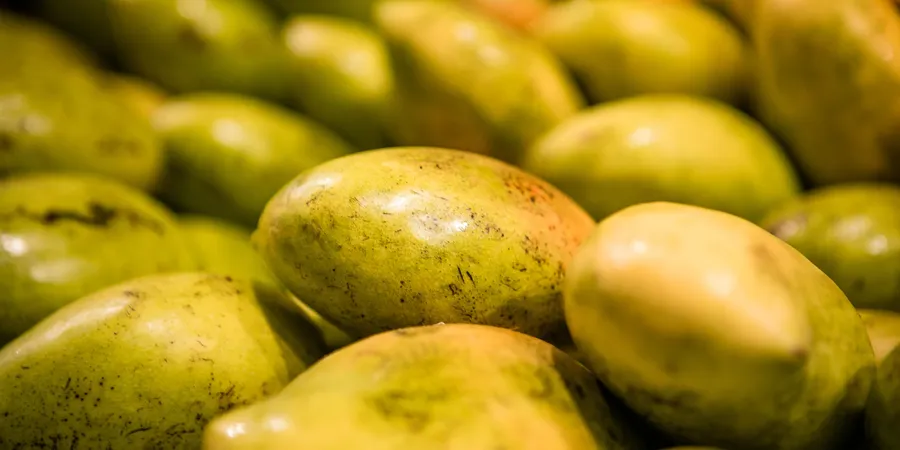
SIIM, a key West African mango producer and exporter, has announced the start of the 2020 campaign. The first mangoes, packaged under the Dibra brand from its stations in Burkina Faso, Côte d’Ivoire, Mali and Senegal, should arrive by the end of this week. In view of the coronavirus crisis, strict sanitary measures have been taken by the states of these countries not only to protect the population, but also to avoid the spread of the virus. Schools have been closed, travel has been strictly limited and curfews have been introduced.A business continuity plan, specifically developed to manage this crisis within the Omer-Decugis Group, has been rolled out in all its facilities, particularly in all its packing stations in Africa, to protect workers’ health as a priority but also to ensure the safe continuation of operations and the running of the 2020 mango export campaign.In these unusual times, the 2020 campaign was officially launched on 2 April with the first harvests of the Kent variety, with the first containers arriving in Europe in weeks 17 and 18. For the moment, despite the uncertainty created by the health crisis, the start of the campaign is going exactly as planned. No labour or transport difficulties have been observed. Throughout the campaign, which will last until mid-August, West Africa will become the leading supplier of mangoes to European countries.The weather conditions during the flowering phase, in particular the water deficit in February and fruit falls following windy spells, suggest a slightly lower production volume than in the previous marketing year. On the other hand, the taste quality of the fruit looks very satisfactory with high sugar levels. All SIIM’s mango (and coconut) production in West Africa is certified by Global G.A.P. and Rainforest Alliance, and audited by the Business Social Compliance Initiative (BSCI).For the first time, SIIM will be waxing part of its production in order to optimize the preservation of the fruit during transport – a pioneering initiative and an important technical innovation for West Africa.
 News
News
COLEACP information on supply and demand for ACP horticultural products
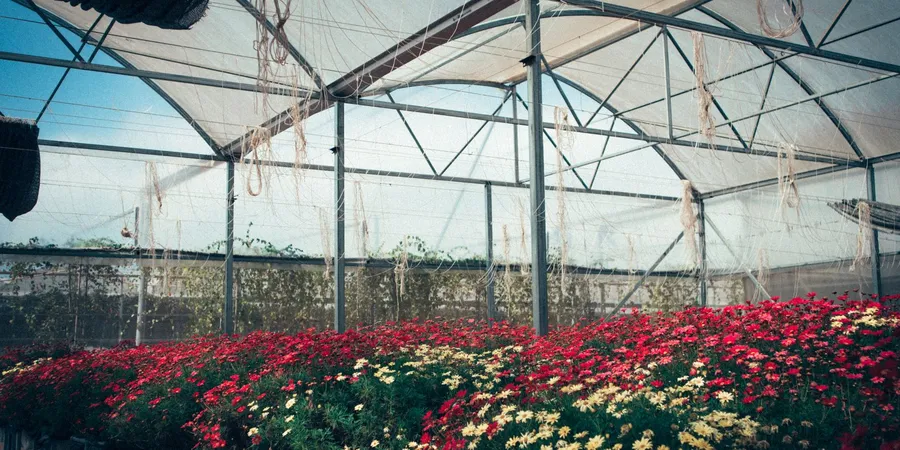
Building on its intra-ACP Fit For Market programmes, COLEACP’s proposed activities in the short term to mitigate the impact of the COVID-19 pandemic will focus on logistics and access to markets. Activities will include: Monitoring and informing the ACP and EU agri-food industry on logistics, trade and market dynamics. Supporting innovative national and international logistics and trade solutions to help ensure the trade in agricultural and food products – matching supply to demand for available logistical routes; diversifying from export to local/regional markets and from fresh to processed. The main goal is to mitigate the negative impacts of COVID-19 and national lockdowns on food security and nutrition in ACP countries.COLEACP’s specific objectives are to: Provide ACP producers/exporters and their professional organisations with constantly updated information on developments in logistics and national, regional, international and European fruit and vegetable markets. Facilitate the marketing of ACP fruit and vegetable production at local, regional and international levels in the COVID-19 context where access is disrupted. This weekly newsletter is a first initiative in terms of operational information for ACP-EU sectors in the context of COVID-19.From next week, other actions will follow. Stay tuned!
 News
News
Global flower industry
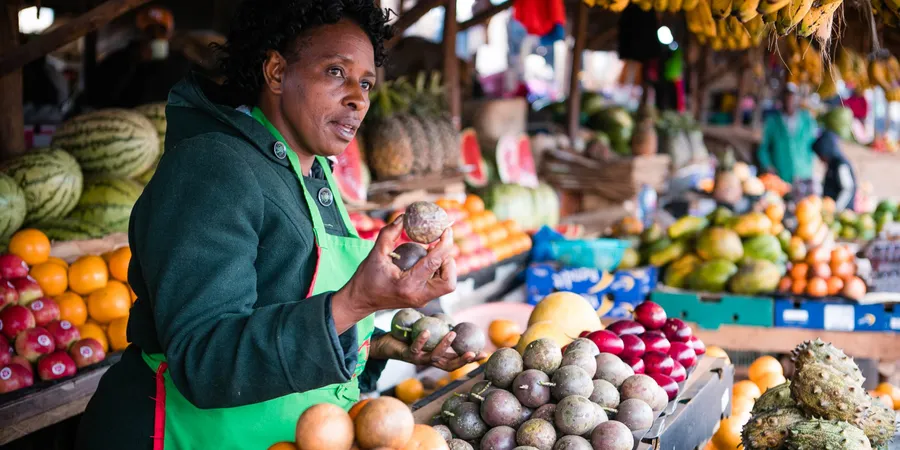
The gradual relaxation of lockdown measures in some European countries (Spain, Denmark, Germany) and the effective or planned re-opening of garden centres and/or flower shops (Belgium, Italy, Austria) offer some breathing space for demand of flowers and plants on the European market, which is starting to grow slightly, though nowhere close to the usual volumes known in the peak spring season across Europe. Easter has been generating some very welcome sales in some European countries such as Germany, with most of the benefit going to locally produced plants. Consumers in Northern European countries in particular, where specialised shops are mostly open, have responded enthusiastically to the promotion campaigns and bought flowers and plants to help the industry. Market prospects for spring flower-related celebrations are still uncertain, though, and operators around the world have now set their sights on Mother’s Day celebrations in Europe and the USA over May–June, hoping that the market and logistics connections will have sufficiently restored by then to help save a disastrous start of the spring season to some extent.On 15 April, Dutch Minister for Agriculture Carola Schouten wrote an official letter to the Dutch House of Representatives to announce that an additional 600 million EUR emergency financial compensation fund would be offered to the Dutch ornamental sector, also extended to edible horticulture. The objective is to help compensate lost operating profits in the period March–May 2020. The basic principle is that the first 30% of the profit loss would be borne by entrepreneurial risk, and that the Dutch State will compensate a large share of the remaining 70%. This long-awaited announcement is very welcome to the Dutch ornamental sector. Details and practicalities of this emergency package still need to be supplied.Meanwhile, the domino effect continues to unfold across the worldwide industry, with full effect having reached major flower-producing areas in Africa and South America in weeks 14 and 15. These countries are faced with very specific challenges both in managing the pandemic and in sustaining floriculture operations under extremely complex circumstances. Globally, almost all international scheduled airlines have ceased to operate, and the traditional airbridges to key destination markets have limited availability and at price levels that are largely unstainable for flower suppliers from the Southern hemisphere. Linkage to consumption markets where sales channels are operating, including supermarkets and online flower retailers, is therefore still under great pressure. Flower industry bodies such as the Kenya Flower Council are actively engaged with airlines, freighters and other stakeholders in the supply chain to find a sustainable way forward and secure additional freight capacity as soon as possible.Union Fleurs – International Flower Trade Association – has been actively engaged since the start of the crisis in advocacy efforts at all levels to support its members in Europe and in the Southern Hemisphere. A statement on the specific challenges faced by the global flower industry and supply chain was issued by the organisation on 15 April and has been widely distributed across its large network of industry partners and institutional relations to support advocacy efforts and promote the value and strength of the international flower industry, which is highly interdependent and integrated throughout the value chain.Targeted advocacy efforts to secure extraordinary and urgent financial support by the European Commission towards the European ornamental sector have also been heavily deployed in past weeks. In an unprecedented move, nine major representatives of the ornamental sector, representing altogether all segments and sub-sectors of flowers and live plants across the EU, sent a joint letter to the European Commissioner for Agriculture on 10 April. The letter urges the EU to implement urgent and extraordinary tailor-made support measures for producers and all operators of the ornamental sector across Europe. Coordinated by Union Fleurs, this initiative and the call for urgent help have been well echoed and supported by key Members of the European Parliament and have received great visibility across the media. The nine signatory organisations are specifically calling for: Urgent and temporary extraordinary EU tailor-made support measures to help producers and all operators from the sector across the EU simply survive the crisis until activity can re-start. A strong and concrete signal from the European Commission that flowers and live plants do matter, and are a major contributor to the well-being and quality of life of European citizens, and to climate change mitigation efforts and biodiversity protection. And a clear recognition at EU level that investing now in this sector to help it stay afloat will avoid further long-lasting and irremediable effects on the economic and employment activity, remarkably created and sustained by the wide range of operators in this sector for decades without any intervention or support from the EU. “Extraordinary circumstances do require extraordinary measures. This sector is a remarkably healthy and high-performing economic sector that brings joy, colour, hope, nature and well-being to all citizens across the EU and beyond. Failing to support it now as it faces a dramatic collapse across the EU would be a major and irremediable failure from the EU. We call on the European Commission to do its utmost to act swiftly and pragmatically and help this sector survive until the adequate conditions are there again for it to re-start its essential activities.”The signatories to the letter are: UNION FLEURS (International Flower Trade Association), ENA (European Nurserystock Association), ARELFH (Assembly of European Horticultural Regions), VBN (Association of Dutch Flower auctions), VAL’HOR – French inter-branch organisation for ornamental horticulture (growers, nurseries, seeds companies, garden centres, wholesalers, florists, agro-shops, landscape contractors and landscape architects), ANTHOS (Royal Trade Association for Flower Bulbs), CIOPORA (International Association of Breeders of Asexually Reproduced Horticultural Varieties), FLEUROSELECT (International Association of breeders, producers and distributors of propagation material of ornamental plants) and ELCA (European Landscape Contractors Association).
 News
News
GLOBALG.A.P. – What You Need to Know
GLOBALG.A.P. has published a set of FAQs relating to COVID-19 for producers with GLOBALG.A.P. Certificates and Certification Bodies. It explains procedures for re-registrations and extensions, and which control points and compliance criteria are directly affected by the GLOBALG.A.P. emergency procedure due to the coronavirus.GLOBALG.A.P. is working on the option of remote inspections and audits for certification bodies and producers: IFA Remote. An initial draft of the IFA Remote solution will soon be published, along with an invitation to join a public consultation on the topic.
 News
News
FAO’s information bank
FAO is has a growing range of information resources on COVID-19, available through its dedicated website. Selected information of particular relevance to COLEACP’s members and beneficiaries includes: POLICY BRIEF on COVID-19 and smallholder producers’ access to markets. Immediate impacts tend to be more severe for high-value commodities (perishable products), which are often produced by smallholder farmers. Several countries are putting in place a variety of measures to mitigate the impact of the pandemic on smallholder producers. This brief builds on lessons learned in Guinea, Liberia and Sierra Leone during the 2014 Ebola virus disease epidemic and during the 2007–2008 global food prices volatility crisis. BIG DATA TOOL providing real-time information on value chains and food security to help countries mitigate the impacts of COVID-19 on food and agriculture. This open-access tool gathers, organises and analyses daily information on the impact of the pandemic on food and agriculture, value chains, food prices, food security and measures undertaken. CROP CALENDAR providing FAO recommendations on planting and harvesting during the COVID-19 pandemic, by commodity and country. It focuses on cereals and staples, but does include some horticultural crops: bananas, beans, chillies and peppers, potatoes, pumpkins and squashes, sweet potatoes, tomatoes, yams. OPINION PIECE by FAO Director-General Qu Dongyu urging countries to keep trade routes open and supply chains alive, published by World Economic Forum.
 News
News
Institutional responses
Inter-American Development Bank The IADB has a dedicated website for Latin American and Caribbean businesses in the context of COVID-19. It includes blogs and connection platforms on topics such as ‘Tips to prepare your company for the impact of COVID-19’, and ‘How can the COVID -19 crisis change the private sector for the better?’coronawestafrica.info The Regional Working Group for Risk Communication and Community Engagement in West and Central Africa has launched an online portal, COVID-19 West and Central Africa. It will make available information tools (articles, audio, video, graphics and social feeds) on many aspects of the coronavirus, from preventive measures to debunking fake news, that are designed to be culturally adapted and context specific.RPCA with ECOWAS, UEMOA, CILSS The Food Crisis Prevention Network (Réseau de Prévention des Crises alimentaires, RPCA) is hosting a COVID-19 information hub in support of the Regional Task Force led by the Economic Community of West African States (ECOWAS) together with the West African Monetary and Economic Union (UEMOA) and the Permanent Interstate Committee for Drought Control in the Sahel (CILSS). EU DEVCO Academy DEVCO Academy, the online learning platform of the European Commission’s Directorate-General for International Cooperation and Development, has launched a digital gateway for learning resources to help users learn, protect, cooperate and work effectively during the pandemic. The site compiles facts, general advice, latest news, useful links and learning resources on the topic of coronavirus. It includes, among other resources, COVID-19: Guidance for employers and business to enhance migrant worker protection during the current health crisis, guidance designed to help employers respond more effectively to the impact of COVID-19 and to enhance protections for migrant workers – including agricultural, transport and retail workers – in their operations and supply chains.UNECE – Impacts on global supply chains UNECE’s new Food Outlook page provides information from government and industry sources to observe and help analyse the pandemic’s impact on global supply chains. UNECE (United Nations Economic Commission for Europe) predicts that following the COVID-19 outbreak in more than 200 territories and countries around the globe, and its impact on the world economy, countries will continue to see a growing shortage of workforce, as well as increasing transaction costs and distortions in the food supply chains globally. UNECE is requesting inputs to this collaborative project. GLOBAL INSTITUTIONS Fair Trade and coronavirus The World Fair Trade Organization and Fairtrade International, supported by the Fair Trade Advocacy Office (FTAO), have issued a joint statement in relation to the upcoming G20 Action Plan in response to Covid-19. The statement highlights immediate food security and nutrition concerns, which are expected to be heavily impacted by the health crisis and the necessary responses, including limitations on travel and transportation and closure of public markets. Territorial markets, through which most food is bought in the developing world, will be affected and small-scale farmers are already losing the channels to sell the food they produce. The impact is being particularly heavily felt by Fair Trade Enterprises and Fairtrade supply chains, which have been precisely set up by and for the most marginalised and disadvantaged producers in the Global South.The statement also stresses that this crisis presents an opportunity “to radically rethink the unsustainable and unequal global growth model and replace it with an emphasis on well-being, sustainability and equity”.The Fair Trade movement is calling on G20 leaders to: Put people first – through furlough schemes to support workers and farmers in low-income countries; ensuring farmers and workers have adequate food and essentials, including adequate PPE and training on social distancing Provide urgently a stimulus package to support a green and fair transition Support Fair Trade Enterprises and Fairtrade supply chains. “This is the biggest challenge the Fair Trade movement has ever faced. If we are to retain the progress we have made to achieve sustainable development, immediate support from governments to Fair Trade Enterprises and supply chains is urgently needed,” said Roopa Mehta, President of the World Fair Trade Organization.Webinar – Rethinking Value Chains Network The Fair Trade Advocacy Office (FTAO) has hosted a webinar for the Rethinking Value Chains Network: ‘Coronavirus crisis: Impact on small famers and workers across the textiles, agriculture and electronics global value chains’. The webinar can be viewed here, and a summary is available here.Of particular relevance to horticultural sectors are Wilbert Flinterman’s (Fairtrade International) report on the huge impact of the crisis on the flower supply chain; and Alison Tate’s (International Union Confederation) view of the huge negative impact on the livelihoods of people around the world. More than a health crisis, it is now a income, employment, economic and financial crisis. Given their advanced average age, small farmers are being disproportionately impacted by illness and death from Covid-19. However, the crisis is also an opportunity, as it has increased citizens’ consciousness of vulnerable supply chains, the roles of workers and small farmers, and the need to rethink how we produce and consume.The FTAO is a joint initiative of Fairtrade International, the World Fair Trade Organization and the World Fair Trade Organization-Europe. It speaks out on behalf of the Fair Trade Movement for Fair Trade and Trade Justice with the aim of improving the livelihoods of marginalised producers and workers in the South.