
Cultivating
Sustainable Futures
 News
News
EAC-COLEACP meeting in Brussels
In Brussels, a delegation from the East African Community (EAC), headed by Hon. Christophe BAZIVAMO, Deputy Secretary General, met COLEACP’s team headed by Delegate General Jeremy KNOPS to set up a roadmap for EAC-COLEACP collaboration.The EAC, a regional intergovernmental organisation based in Tanzania, has six partner states: Burundi, Kenya, Rwanda, South Sudan, Tanzania and Uganda. COLEACP is currently supporting all except South Sudan.
 News
News
Fit For Market programme: support EXCELLA PRODUCE Lts
Rwandan company EXCELLA PRODUCE Lts produces fruit and vegetables - avocados, French beans, chillies, baby corn, carrots, tomatoes, ginger, passion fruit and broccoli - and wants to expand to EU markets. As part of its Fit for Market programme, Coleacp is supporting the company to establish a strong quality and food safety management system validated through GLOBALG.A.P. certification.
 News
News
Fruit Logistica 2020 in Berlin
Professional meetings were held in Berlin at Fruit Logistica 2020.Exchanges and discussions with representatives of COLEACP member companies: Fresh Produce Exporters Association of Kenya (FPEAK) and Fresh Produce Consortium of Kenya (FPC KENYA), links in the value chains of the Kenyan horticultural sector.
 News
News
Collective coaching on dry matter testing
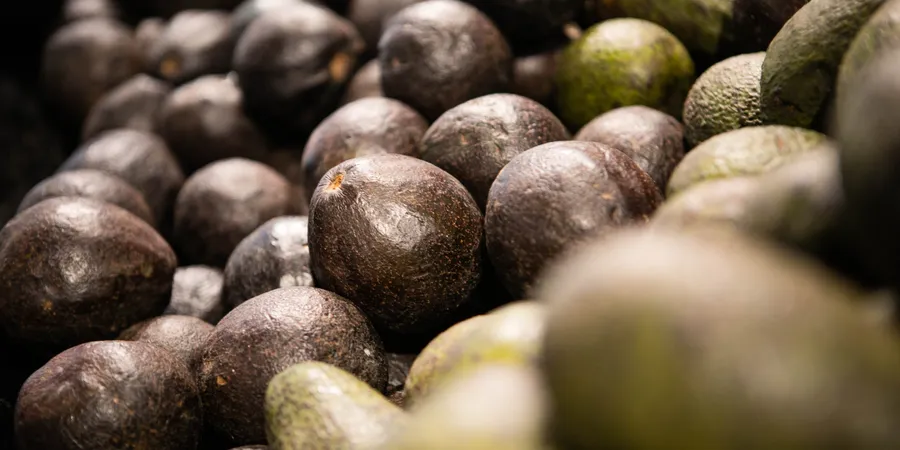
Following the collective training organised in October 2019 in order to reinforce the good practices for harvest and post-harvest handling for avocado export, the companies have been offered the opportunity to benefit from a coaching on dry matter testing.An experienced trainer visited the companies to train the technical staff to perform the test themselves.
 News
News
Fresh Produce Exporters Association of Kenya at Fruit Logistica 2020 in Berlin
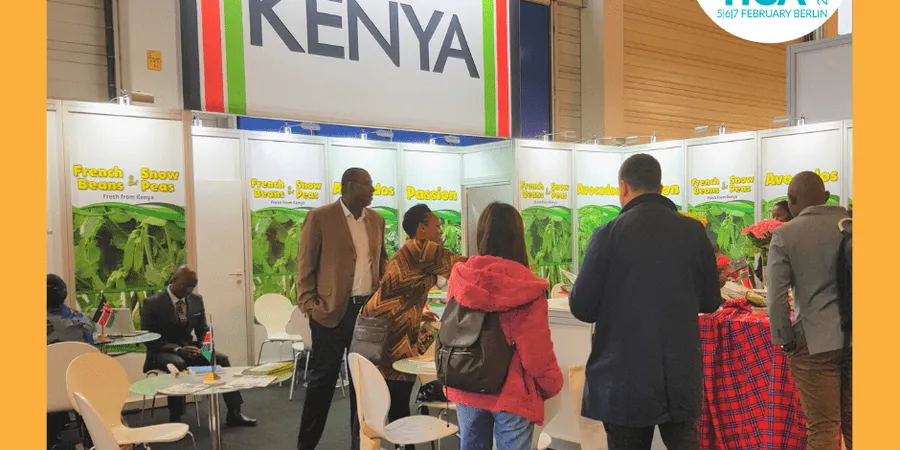
Fruit Logistica 2020 - Berlin.Fresh Produce Exporters Association of Kenya (FPEAK), represented by its Chairman M. Apollo Owuor met with the Tanzanian Horticultural Association (TAHA), to discuss collaboration and regional strategies.
 News
News
COLEACP visits of beneficiaries from public and private sector
COLEACP mission under FFM and FFM SPS programmes to Nigeria: visits of beneficiaries from public and private sector to analyze their application for support, develop and validate a list of priority actions.
 News
News
COLEACP field training workshop in Accra
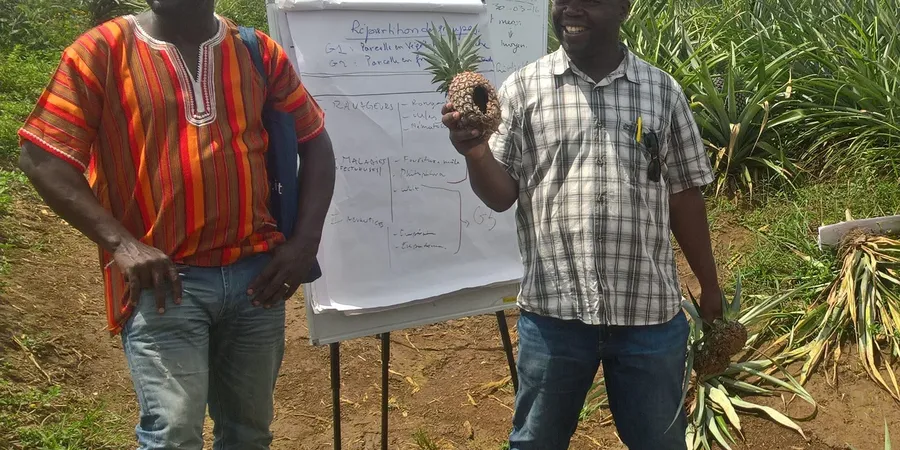
Field training Workshop in Accra, Technical managers in exporting companies reinforced their skills in transmitting learning to small-scale producers and workers. Participants learned to conduct short training courses on the topics covered in their previous courses, using animations.
 News
News
Positive amendments regarding Commission Implementing Regulation (EU) 2020/25
Last week COLEACP issued an urgent information bulletin to alert stakeholders in the organic sector to Commission Implementing Regulation (EU) 2020/25, amending and correcting detailed rules for Council regulation (EC) No. 834/2007, published on 14th January. The Regulation requires that the Certificate of Organic Inspection (COI) for organic goods must be issued prior to the shipping of the goods from the country of origin. This rule will enter into force on 3rd February 2020.During the past week COLEACP has engaged with Freshfel and others to request some amendments to the rule that would minimise negative consequences. After considering all the information received, on 24th January the European Commission sent a message to organic certification bodies and third country authorities notifying that: Commission Implementing Regulation (EU) 2020/25 will still enter into force on 3rd February The COI still needs to be issued and signed before the consignment leaves the third country. However, Boxes 13, 16 and 17 may be filled with the provisional information available The Commission is updating TRACES so that Boxes 13, 16 and 17 can be filled in after the signature in Box 18 The Commission is proposing an amendment to specify that information concerning means of transport and the transport documents (Boxes 13, 16 and 17) shall be included in the COI within 10 days from the issuance of the COI, and in any case before endorsement of the COI from Member State authorities. This is a very positive step. However, along with Freshfel and other associations, we kindly ask you to please check the proposed changes carefully, assess their feasibility, and to get back to us as soon as possible with your views. In effect we need to know if this is a compromise that you can live with, or if you foresee any other important challenges.Freshfel is seeking some further clarification on the timing of implementation of these amendments, and we will send any important updates as they arise.The unedited text from the Commission is provided below.“The Commission Implementing Regulation (EU) 2020/25 amending and correcting Regulation (EC) No 1235/2008, published in the Official Journal of 14 January 2020, will enter into force on 3 February 2020.This Regulation clarifies that the Certificate of Organic Inspection (COI) must be issued at the moment the consignment leaves the third country of export or origin to ensure compliance with second subparagraph of Article 33(1) of Regulation (EC) No 834/2007 and the traceability of the imported products during distribution, including transport from third countries.According to some feedback received, it appears that it takes few days for the Control bodies to receive complete transport documents, which hinders the possibility to include such information in the certificate of inspection before the consignment leaves the third country of origin or export as required by Article 13(4) of Regulation (EC) No 1235/2008.In order to find a workable solution control bodies and control authorities are requested to issue and sign the COI before the consignment leaves the third country of export or origin as required by Article 13(2) of Regulation (EC) No 1235/2008. Control bodies and control authorities are to carry out the necessary documentary checks before signing box 18. However, Box 13, Box 16 and Box 17 of the COI may be filled in with the provisional information available at the time of issuing the COI.In order to ensure a proper functioning of the system, we are taking the necessary action in TRACES to ensure that control bodies and control authorities will be able to update the information in Boxes 13, 16 and 17 and upload the final transport documents in TRACES after the signature of Box 18 and before the COI is endorsed by the Member State (in Box 20).Moreover, we plan to propose an amendment of Article 13(4) of Regulation (EC) No 1235/2008 to specify that the information concerning transport means and the transport documents (Box 13, Box 16 and Box 17) shall be included in the COI within 10 days from the issuance of the COI and, in any case, before endorsement of the COI from Member State’s authorities. The adoption of these amendments is subject to the procedure laid down in Article 38 of Regulation (EC) No 1235/2008.”
News
Post-harvest treatments of mangoes against Anthracnosis
Change in maximum residue limits for prochloraz - Updates following our communication from December 19, 2019 -As the mango sector is already aware, the number of plant protection products that can be used on mango for export to the European Union is decreasing, which has an important impact on pest and disease control. In this context, the management of anthracnose is particularly problematic Ideally, a disease control pathway for mangoes (especially for anthracnose) should include at least applications of PPPs during the flowering/fruit set period, followed by a postharvest treatment. Many plant protection products (PPPs) that were traditionally used for post-harvest control of anthracnose can no longer be used on crops for export.At present, two substances are particularly used for post-harvest control of anthracnose: prochloraz and fludioxonil. However, we would like to draw your attention to the following information. PROCHLORAZ As a reminder, the European Commission had taken the decision in October 2019 to reduce the Maximum Residue Limits (MRLs) for prochloraz.The new EU Regulation was published on 12 February 2020 in the Journal of the European Union and can be consulted here. It will apply from 4 September 2020.As soon as it enters into force, the MRL for mango will be set at the limit of determination (LOD): 0.03 mg/kg. This means that from September 2020 the use of prochloraz in post-harvest treatment of anthracnose will no longer be possible. REGISTRATIONS AND ALTERNATIVES West Africa Prochloraz and fludioxonil are currently registered for use in Côte d’Ivoire as well as in Guinea. Unfortunately, they are not yet approved for use in countries covered by the Sahelian Pesticides Committee (SPC).A registration application is currently pending with the Sahelian Pesticide Committee (CSP) for the plant protection product SCHOLAR1 (fludioxonil). The dossier will be evaluated at the next ordinary session of the CSP in May 2020. In the meantime, any use will have to be subject to a prior request for derogation from the competent national authority. For more information, contact COLEACP.In order to ensure that these products will be available to mango growers next season, at least one application must be submitted to the national authorities in each country wishing to obtain a derogation. This application may be made by a representative of the mango export industry, such as an export company, cooperative or association of exporters.More details on the control methods and alternatives are presented in this brochure.Important note: Post-harvest treatment with SCHOLAR requires application by soaking in water previously heated to 50°C prior to solution (i.e. soaking equipment and heating required).East Africa To date, prochloraz and fludioxonil are not registered for use in post-harvest treatment of mangoes against anthracnose. Any use must be the subject to a prior application for a derogation and validation by the competent national authority. For more information, contact COLEACP.
News
Follow-up of COLEACP beneficiaries in Rwanda and workshop to build an action plan with the Rwandese NPPO
Follow-up of COLEACP beneficiaries in Rwanda and workshop to build an action plan with the Rwandese NPPO
 News
News
BREXIT: Impact of December 2019 UK parliamentary election result on ACP horticultural exports to the UK
After a period of uncertainty, there is now greater clarity regarding the completion of the UK’s withdrawal from the European Union (EU). With an 80-seat majority in the House of Commons, Prime Minister Johnson now has an unassailable majority for the passage of the revised EU27/UK Withdrawal Agreement through the UK Parliament, with this process now well under way.So the UK is now firmly on track to leave the EU on 31st January 2020. Nevertheless, the provisions of the revised Withdrawal Agreement mean that the UK will remain part of the EU customs union and single market until at least 1st January 2021. During this time, existing EU trade agreements and arrangements will continue to govern ACP exports of fruit, vegetables and cut flowers into the UK, both those directly exported to the UK and those using triangular supply chains. This means there will be no changes in the terms and conditions of access for ACP exports to the UK until 1st January 2021. POTENTIAL UNCERTAINTIES FOR EXPORTERS IN CAMEROON, CÔTE D’IVOIRE, GHANA AND KENYA However, for exporters in a number of ACP countries, notably Cameroon, Côte d’Ivoire, Ghana and Kenya, significant uncertainties remain over the terms and conditions of access to the UK market after 1st January 2021. This relates to the interpretation of the start date for the Transitional Protection Mechanism (TPM) that the UK proposed (in October 2019) to set up for these countries, and which, once implemented, is to last for 18 months with no possibility of extension.Will the start date of this 18-month transition period be deemed to have commenced from the date of notification to these ACP governments of the planned TPM (i.e. from October 2019), or will the 18-month period be deemed to start as from the date the UK officially leaves the EU customs union and single market (currently scheduled for 1st January 2021)?Depending on the interpretation placed on the start date of the TPM, this could have implications for supply contract negotiations in the second half of 2020 for delivery of products in 2021. Securing a long-term bilateral trade agreement with the UK will be essential to securing long-term duty-free/quota-free access to the UK market for exporters from Cameroon, Côte d’Ivoire, Ghana and Kenya. This needs to be given appropriate priority by the governments of these countries. WHAT WILL HAPPEN AFTER 1ST JANUARY 2021? What happens after 1st January 2021 is still uncertain. While the EU is willing to allow an extension of the transition period specified in the Withdrawal Agreement for a further 2 years (i.e. until 1st January 2023), the UK Government is firmly committed to negotiating a comprehensive free trade area with the EU effective as from 1st January 2021, thereby allowing the UK to leave the EU customs union and single market without any trade disruption.But there is considerable scepticism in the EU over the prospect of concluding such comprehensive trade negotiations within the short period of time to meet this deadline. While the UK will leave the EU on the 31st January 2020, the European Commission (EC) will only table a mandate for the conduct of negotiations on 1st February 2020, with the EU Council expected to agree the mandate – at best – by 28th February 2020.Trade negotiations with the UK will then begin – at best – in early March 2020. Against this background, the EC believes that over this limited period it will only be possible to negotiate a ‘light’ free trade area agreement between the EU and the UK, with the extent of the agreement depending heavily on the UK’s willingness to remain aligned with EU standards and regulations.Whether this ‘light’ EU27/UK free trade area agreement will cover the policy choices, trade administration and logistical arrangements required to keep ACP triangular supply chains functioning smoothly is by no means clear. Hopefully, the negotiation mandate will include an explicit commitment in the EC proposed negotiating mandate to address the policy, administrative and logistical issues likely to arise along triangular supply chains (i.e. primarily affecting short shelf-life fruit, vegetables and cut flowers). If such an explicit commitment is not included in the EC negotiating mandate, there is a risk that negotiators may lose sight of these specific ACP concerns in the wider, more urgent concerns the EC needs to address in the interests of EU producers and traders.Note that the EC has established a deadline of 1st July 2020 for any formal UK notification of a desire to extend the transition period for a further 2 years while trade negotiations are competed. The UK’s new Conservative Government is, however, seeking to legislate to prevent any further extension of the transition period. FUTURE UK MOST FAVOURED NATION TARIFFS AND THE VALUE OF ACP HORTICULTURAL SECTOR TARIFF PREFERENCES A critical issue for ACP fruit, vegetable and cut flower exports to the UK market, whether exported directly or via EU27 countries (i.e. triangular supply chains), will be the future Most Favoured Nation (MFN) tariffs to be applied by the UK once it has officially left the EU customs union and single market and can apply its own autonomous MFN tariff schedule.While the UK will not be able to apply its own autonomous MFN tariff schedule until 1st January 2021 at the earliest, there have already been extensive discussions on what the post-Brexit UK MFN tariff schedule should be, with strong pressures being exerted for the UK to pursue a ‘zero domestic production–zero MFN tariff approach”.In March 2019, the UK published the first edition of its proposed temporary post-Brexit MFN tariff schedule, followed by a revision in October 2019. In the fruit and vegetable sectors, with the exception of bananas and fresh beans, this October 2019 temporary UK tariff schedule included: setting at zero all UK MFN tariffs on cut flowers, fruit and vegetable products; abandoning all EU minimum import price requirements and associated supplementary levies imposed on EU fruit and vegetable imports. This raises a vitally important question for all ACP horticultural exporters serving the UK market – what will be the impact on the competitive position of ACP fruit, vegetable and cut flower export products resulting from the removal of current EU MFN tariffs and minimum import price requirements on imports from all third countries?This is an issue which each individual ACP horticultural exporter will need to address, based on the current UK market components served and the functioning of their specific supply chains.This is solely an overview of the temporary proposed autonomous UK MFN tariff schedule. The UK Government’s review of its long-term MFN tariff schedule in the first half of 2020 will involve: a public consultation on the structure of the UK’s future long-term MFN tariff schedule in the early months of 2020; a process of Parliamentary consultations on the UK Government’s proposed MFN tariff schedule; completion of the MFN tariff review by mid-2020 so that the UK’s trade partners can acknowledge the MFN tariffs to be applied once the UK leaves the EU customs union. There is uncertainty around this review process regarding the starting point for this review. Will it be based on the proposed schedule dated October 2019? Or will the basis be the applied MFN tariffs set out in the EU’s MFN tariff schedule?Again, this is a critically important issue for ACP horticultural exporters. If current EU MFN tariffs are the starting point, then there is potentially scope for ACP governments and exporters to engage the UK Government around the tariffs and minimum import price regime. However, if the starting point for the review is the UK’s proposal dated October 2019, then the room for engagement might be restricted to bananas and fresh beans, since in all other areas UK MFN tariffs will already have been set at zero
 News
News
COLEACP's RWANDA NATIONAL WORKSHOP
As part of its Fit For Market SPS programme, COLEACP's Rwanda national workshop is bringing together key actors in public and private horticulture to prioritize activities and build an action plan for the next 3 years to enable compliance with EU sanitary and phytosanitary regulations.