
Cultivating
Sustainable Futures
 News
News
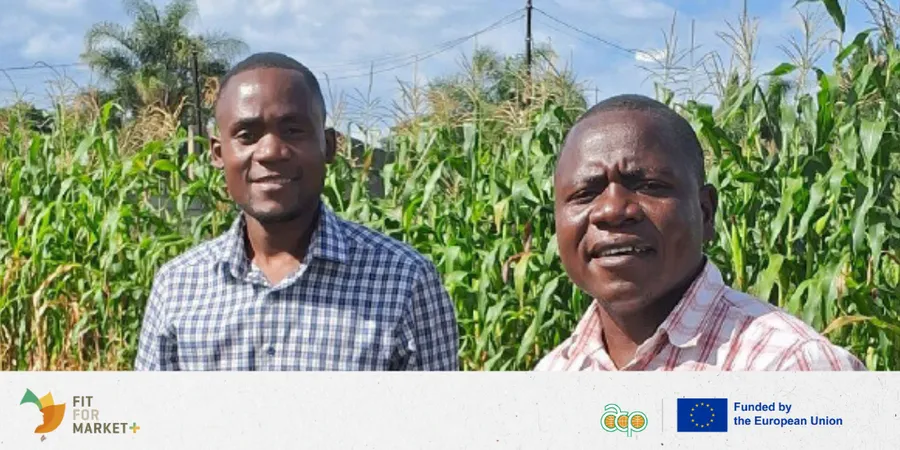
Coldiron in Zimbabwe: strengthening the bankability and strategic use of a business plan
As part of the Fit For Market Plus (FFM+) programme, COLEAD supported Coldiron, a horticultural company based in Zimbabwe, through post-training support aimed at strengthening the quality, credibility and operational relevance of its business plan. This support followed the company’s participation in the training course “Create a business plan for your agribusiness.”The main objective of this support was to assist Coldiron in reviewing and finalising its business plan, ensuring that it accurately reflects the company’s current operations and meets the expectations of financial institutions. More specifically, the support helped to further clarify concepts covered during the training, provide tailored feedback on the existing document, support its practical implementation, and identify next steps for its use in financing applications and strategic business development.The support was delivered through a combination of in-person and remote exchanges. It began with a scoping phase at Coldiron’s production sites in Marondera and Harare, followed by an in-depth review of the draft business plan. A feedback session then allowed for the alignment of financial projections, clarification of financing needs, and the definition of a shared roadmap.Field-level exchanges also helped identify opportunities for operational improvements, including the digitalisation of monitoring systems, the formalisation of quality control procedures, and the strengthening of financial and commercial data collection.Following this support, Coldiron now has a significantly improved business plan that is more structured, clearer and better oriented towards access to finance. The management team expressed strong commitment to using the business plan as a strategic tool to support growth and market access. The completion of several key components — including detailed budgets, multi-year cash flow projections and complementary market data — will be the next step to ensure the plan’s full bankability and to support the company’s development ambitions, particularly in regional and international markets.This activity is supported by the Fit For Market Plus (FFM+) programme, implemented by COLEAD within the Framework of Development Cooperation between the Organisation of African, Caribbean and Pacific States (OACPS) and the European Union. This publication receives financial support from the European Union and the OACPS. The content of this publication is the sole responsibility of COLEAD and can in no way be taken to reflect the views of the European Union or the OACPS.
 News
News
Chlorpyrifos addition to the Stockholm Convention: a decisive step toward global phase-out of a highly hazardous pesticide
At the twelfth meeting of the Conference of the Parties to the Stockholm Convention (SC COP-12), countries agreed to add the pesticide chlorpyrifos to Annex A of the Convention. This decision paves the way for the global elimination of chlorpyrifos, a pesticide recognized for its severe impacts on human health and the environment.What is the Stockholm convention?The Stockholm Convention is a global treaty designed to protect human health and the environment from highly hazardous chemicals called Persistent Organic Pollutants (POPs). POPs are organic chemical substances that possess a particular combination of physical and chemical properties such that, once released into the environment: they remain intact in the environment for long periods, travel long distances across borders, accumulate in the living organisms including humans, are found at higher concentrations at higher levels in the food chain, and have serious harmful effects on health and ecosystems.Because POPs can be transported over long ranges through air and water currents, addressing this challenge requires coordinated global action.In response to this global problem, the Stockholm Convention, which was adopted in 2001 and entered into force in 2004, requires its parties to take measures to eliminate or reduce the release of POPs into the environment.The Stockholm Convention has three annexes: Annex A, Annex B, and Annex C, which list different groups of persistent organic pollutants (POPs) subject to specific control measures:Annex A: Lists chemicals for which production and use must be eliminated.Annex B: Lists chemicals for which production and use must be restricted.Annex C: Lists chemicals for which unintentional release must be minimized and eventually eliminated.The Stockholm Convention initially covered 12 POPs. Since the adoption of the Convention, the Conference of the Parties has adopted a series of decisions to amend Annexes A, B and C, adding 22 additional POPs to the original dirty dozen. Further information on all the chemicals listed in the Annexes to the Stockholm Convention is available here.Chlorpyrifos Chlorpyrifos is a broad-spectrum chlorinated organophosphate insecticide widely used in agriculture and as a biocide for non-agricultural pests. Chlorpyrifos has historically been one of the most widely used organophosphate insecticides worldwide — registered for use in nearly 100 countries. There are also public health uses, including treatments for mosquitoes, and the control of fire ants and certain species of ticks that may transmit diseases.Chlorpyrifos is characterized by properties such as persistence in some environments, bioaccumulation and capacity to be long-range transported. Major health issues such as neurodevelopmental toxicity and neurotoxicity have been linked to chlorpyrifos exposure in humans. Chlorpyrifos is highly toxic to aquatic species, early life stages of fish and aquatic invertebrates, bees, birds and mammals.What is new? The twelfth meeting of the Conference of the Parties to the Stockholm Convention (SC COP-12), held in Geneva from 28 April to 9 May 2025, resulted in the addition of the pesticide chlorpyrifos to Annex A of the Convention.By listing chlorpyrifos in Annex A, the Parties formally agreed to the global elimination of its production and use, recognising its classification as a highly hazardous pesticide with proven risks to human health and the environment. In practice, this means that countries that are Parties to the Convention are now required to phase out chlorpyrifos and ensure that it is no longer manufactured, imported, exported or used.The amendment will enter into force on 9 October 2026, one year after its formal communication to the Parties.The ban is, however, accompanied by specific exemptions, applicable for five years after its entry into force. While the POPs Review Committee initially recommended seven exemptions, the Parties ultimately approved 22 exemptions:Control of leaf-cutting ants (Attaspp. and Acromyrmex spp.) for agricultural use only.Control of locusts for agricultural use only.Control of ticks in cattle.Wood preservation against borers and termites in building foundations18 Crop-pest complexes, which are detailed in Table 1.Table 1: Specific crop-pest exemptions for which chlorpyrifos may be available for agricultural use only
 News
News
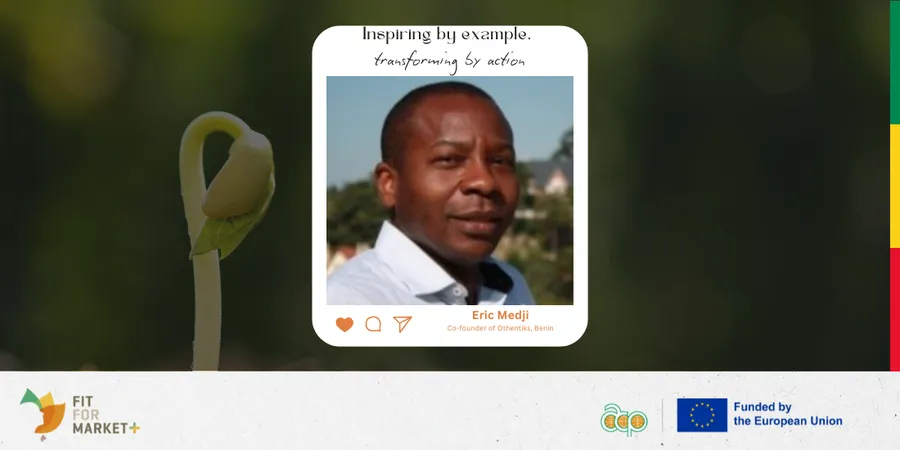
Eric Medji, co-founder of Othentiks, local fruit juice producer
After several years working in IT and CRM consulting, Eric Medji decided to embark on a new career path in 2013. Convinced of the economic and cultural potential of African raw materials, he decided to devote himself to the agri-food industry. With the support of his family – Ghislaine and Christian Medji – he founded Othentiks, a Beninese company dedicated to producing natural fruit juices from African soil.His goal is clear: to demonstrate that Africa can not only transform its agricultural wealth, but also bring it to regional and international markets with high quality standards.An entrepreneurial commitment with a strong social impactUnder Eric Medji's leadership, Othentiks does more than just produce beverages. The company embodies a sustainable and inclusive approach to development. It now employs 11 people, the majority of whom are women, and is actively involved in social initiatives such as financing schools, installing water points and supporting education.For Eric, the company is a lever for transformation: every job created and every community project funded is a direct contribution to local development.Innovation and sustainability as drivers of growthSince 2017, Othentiks has stood out with its range of artisanal juices with no added sugar, preservatives or artificial flavours, featuring original recipes that showcase the continent's iconic fruits, such as baobab, soursop, mango-passion fruit and ginger.Eric Medji has supported this move upmarket with a rigorous professionalisation process. The company is HACCP certified, is preparing for FSSC 22000 certification and is working on the launch of an organic range.Environmental sustainability is also central to its strategy. Othentiks plans to recycle 99% of its waste by producing biogas for its energy independence and transforming residues into natural fertilisers. In the longer term, Eric wants to explore the production of plant fibres from waste to contribute to the emergence of eco-friendly leather.An entrepreneur focused on learning and cooperationEric Medji's participation in the PAFO-COLEAD Innovation Series gave him a better understanding of the structural challenges facing the agri-food sector in Africa, particularly the difficulty of scaling up and accessing finance. These exchanges also opened up opportunities for sharing experiences, particularly on waste management and recovery.The training courses offered by COLEAD through the FFM+ programme, strengthened his commitment to systematically integrating environmentally friendly practices and reducing waste, thereby consolidating the competitiveness and sustainability of his business model.A clear ambition for the futureToday, Eric Medji continues to pursue an ambitious vision for Othentiks: to consolidate its presence in West Africa, expand its markets in North and South America, and develop a local range of unpasteurised fresh juices.Beyond the prospects for growth, his journey illustrates the conviction that an African entrepreneur can create a competitive, innovative and responsible business while contributing to the development of his community and the promotion of the continent’s resources.Eric Medji presented his company during Innovation Session N°7, organised by PAFO and COLEAD, which aimed to showcase the innovations and successes of African agricultural companies and small and medium-sized enterprises. Othentiks’ business profile is available online.This activity is supported by the Fit For Market Plus (FFM+) programme, implemented by COLEAD within the Framework of Development Cooperation between the Organisation of African, Caribbean and Pacific States (OACPS) and the European Union. This publication receives financial support from the European Union and the OACPS. The content of this publication is the sole responsibility of COLEAD and can in no way be taken to reflect the views of the European Union or the OACPS.
 News
News
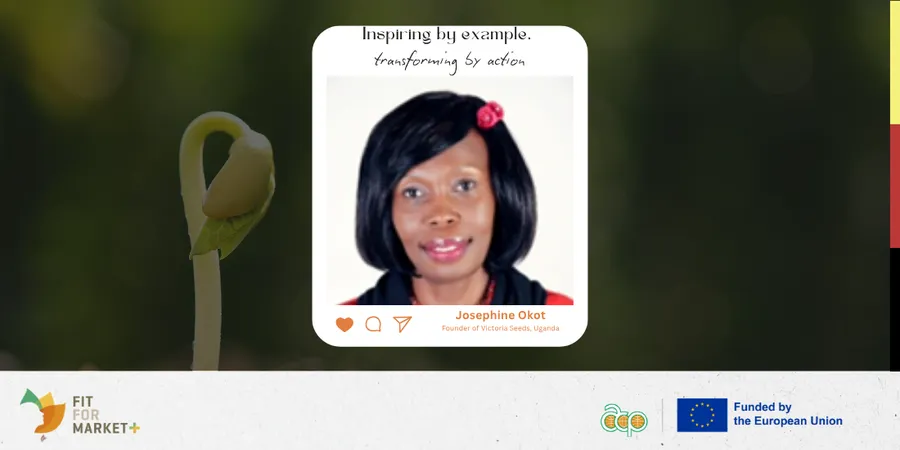
Josephine Okot: founder of Victoria Seeds, producer and distributor of high-quality seeds
Born in northern Uganda, Josephine Okot grew up witnessing the heavy burden women carried in agriculture and the barriers they faced : limited access to education, credit, and markets. These experiences inspired her to dedicate her life to transforming the country’s agricultural sector.In 2004, she founded Victoria Seeds Limited with the ambition to provide smallholder farmers with quality seeds. After being denied loans by commercial banks, she secured financing through a USAID-backed loan guarantee. What began with five employees has since become one of Uganda’s leading seed companies, operating three processing plants and a network of over 400 agro-dealers nationwide.Under her leadership, Victoria Seeds has developed nearly 100 seed varieties and introduced innovations such as smaller, affordable packages, transparent labelling, and mobile seed shops reaching rural areas. The company also supplies crop protection products to improve yields and strengthen farmers’ confidence.Beyond business success, Josephine Okot has empowered countless rural women, enabling them to increase their income and achieve food security through access to improved seeds and reliable markets. Her model demonstrates that agriculture can be both profitable and socially impactful.Her achievements have earned widespread recognition: the Africa Food Prize (2007), Oslo Business for Peace Award (2009), African Woman of the Year (2011), and Uganda Responsible Investment Award (2013).A visionary entrepreneur, Josephine Okot exemplifies the power of women’s leadership in Africa — proving that quality, innovation, and empowerment can drive lasting change.She participated in South-South Session No.4, co-organised by UN Women and COLEAD through the FFM+ programme, aimed at strengthening women-led businesses through collaboration, skills development, and market access.Josephine Okot was a panellist at the South-South Series: Empowering and Growing Women-led Business n°4, organised by UN Women and COLEAD, and aimed at strengthening women-led businesses by fostering collaboration, knowledge-sharing, skills development, market access, and networking opportunities.Join the Women Empowerment conversation on the Agrinnovators Forum.This activity is supported by the Fit For Market Plus (FFM+) programme, implemented by COLEAD within the Framework of Development Cooperation between the Organisation of African, Caribbean and Pacific States (OACPS) and the European Union. This publication receives financial support from the European Union and the OACPS. The content of this publication is the sole responsibility of COLEAD and can in no way be taken to reflect the views of the European Union or the OACPS.
 News
News
Insights from the EDFI and CSAF conferences: uniting finance and technical assistance to tackle global challenges
In a world marked by geopolitical upheavals, persistent economic instability, and growing pressure to finance sustainable solutions, the question of access to finance for agricultural enterprises has taken on renewed importance.The discussions held on the 2 October during the EDFI (European Development Finance Institutions) Management Company Corporate Day 2025 and on the 1-2 October at the Council on Smallholder Agricultural Finance (CSAF) Convening highlighted a shared conviction: development finance can only be effective when built upon a solid foundation of technical assistance.A turning point for development financeUnder the theme “At the Crossroads,” the EDFI conference brought together in Brussels leading stakeholders in development finance — European institutions, multilateral banks, impact investors, and portfolio companies — to reflect on the future direction of impact investment.All emphasized the need to rethink the development finance value chain, integrating stronger dimensions of resilience, partnership, and environmental and social responsibility.The exchanges particularly underscored the central role of the European Union, which aims to position itself as a global gateway for sustainable development finance. Within this framework, blended finance mechanisms and technical assistance (TA) programmes emerge as two complementary levers for mobilising private capital, mitigating perceived risks, and strengthening local capacities.Technical assistance: a key driver of trustIt is recognized among financial institutions and investors that TA is no longer a peripheral support tool, but a strategic de-risking instrument.By supporting agricultural enterprises in structuring operations, training staff, and complying with standards, TA directly enhances the sustainability of projects.This perspective was reinforced during the CSAF Convening, which gathered leading agricultural finance organisations.Members of the network highlighted that most TA programmes are now integrated post-investment, to ensure the success and durability of financing, while also stressing the need to develop pre-investment approaches that better reflect on-the-ground realities. Priority needs identified include financial management, strategic planning, digitalisation, impact monitoring and evaluation, and market access.COLEAD’s positioning: building bridges between finance and impactThrough its participation in these events, COLEAD reaffirmed its role as a bridge-builder between the financial sector and operational implementation.With its strong roots in agricultural value chains and deep understanding of entrepreneurial ecosystems — particularly in sub-Saharan Africa — COLEAD helps translate financial ambitions into tangible field-level impact.Its technical assistance interventions — whether supporting inclusive value chain development, improving agri-business governance, or strengthening sustainability practices — help create the conditions for viable and transformative investment.COLEAD thus positions itself as a catalyst of trust between investors, public institutions, and private actors in the Global South.A shared vision towards 2030Across both the EDFI and CSAF discussions, one conclusion emerged clearly: access to finance can no longer be separated from access to know-how.The success of agricultural projects will depend on the collective ability to combine patient capital, financial innovation, and tailored technical assistance.In this perspective, COLEAD continues to advance its mission of making technical assistance a driver of sustainable investment, serving a more resilient, inclusive, and job-creating agriculture.
 News
News
Unfair trading practices in agri-food supply chains: update and outlook for non-EU suppliers
Over the past months, COLEAD, through its programmes FFM+ and AGRINFO, has been actively contributing to ensuring fairness in global supply chains, including those in ACP countries, by addressing Unfair Trading Practices (UTPs). This news provides an update on the legislative state of play and on COLEAD’s activities related to this important issue.What are UTPs?The stark imbalances between small and large operators in the agricultural and food supply chain can lead to UTPs in business-to-business relationships where farmers and small operators do not have sufficient bargaining power to defend themselves. These practices “grossly deviate from good commercial conduct, that are contrary to good faith and fair dealing and that are unilaterally imposed by one trading partner on another.” (EU definition in Art. 1 (1) Directive 2019/633).EU rules against UTPsAgainst this background, the European Union (EU) aims to strengthen the position of farmers and small and medium sized businesses in agri-food supply chains.Since 2022, the UTP Directive (2019/633) bans 16 unfair trading practices that are classified between: black and grey practices:black UTPs: are never allowedgrey UTPs: are allowed if the supplier and the buyer agree on them beforehand.These bans apply to suppliers located outside the EU if the buyers are located within the EU.
 News
News
Boosting agrifood research and innovation cooperation for impact at scale - Conference report
Please find the report of the conference "Boosting agrifood research and innovation cooperation for impact at scale" which took place in Brussels (11-13 March 2025) financed by the European Commission under the DeSIRA initiative.To effectively contribute to desirable agrifood systems transformation in this time of poly-crisis, investments in R&I; are more than ever required and need to be done in partnership. The R&I; orientation for food systems transformation was discussed with a focus on innovative approaches such as agroecology, nature-based solutions, and nutrition-sensitive agriculture.To achieve sustainable impact at scale, agrifood research and innovation (R&I;) cooperation can be boosted through the following mechanisms:Co-ownership of design and implementation of R&I; projects by multiple stakeholders (researchers, farmers, enterprises, and policy makers) with multi-actor approaches and through place-based innovation tools such as living labs.Institutional ownership to align economic, environmental, and social outcomes of R&I; projects with local, national, and regional priorities.Viable and inclusive financial strategies to support experimentation, risk-taking, scaling of innovation and long-term commitments.Strengthening the capacities of the people and institutions that drive innovation processes.Investments in systems thinking, knowledge integration and long-term support to connect science, policy, and practice. Such investments will realize the potential of transformative approaches such as agroecology that address production, climate, biodiversity, and equity challenges in agrifood systems.Reflections and recommendations for current and future R&I; cooperation include:Strengthen the international dialogue on R&I; cooperation;Provide coherent support to future R&I; programming and interventions;Strengthen the coordination and governance of AU-EU R&I; initiatives.Build innovative funding mechanisms to support innovation at scale.DeSIRA-LIFT (June 2021 – May 2025) is the result of close collaboration between Agrinatura (European Alliance on Agricultural Knowledge for Development), the European Forum on Agricultural Research for Development (EFARD) and the European Commission’s Directorate-General for International Partnerships (DG INTPA). © DeSIRA LIFT
 News
News
Integrating gender for inclusive growth – COLEAD strengthens its commitment to equality and empowerment
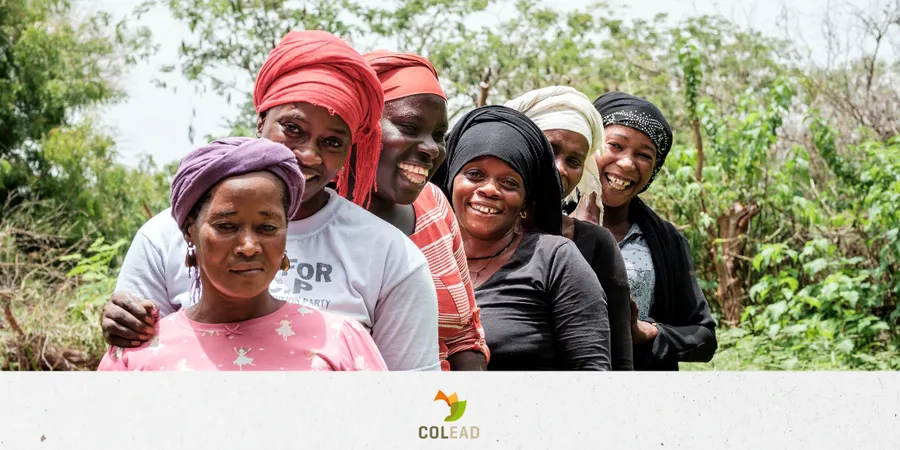
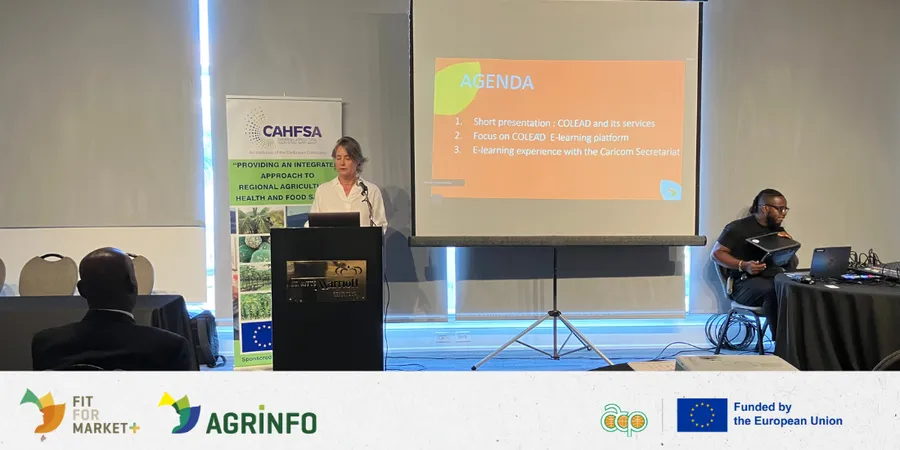
More than 150 participants joined COLEAD’s webinar “Integrating Gender for Inclusive Growth” last month, an interactive session focused on the central role of gender equality in building sustainable and resilient agri-food systems.The event, opened by COLEAD chairman Stephen Mintah and General Delegate Jeremy Knops, explored practical approaches to mainstream gender at all levels: individual, organisational, and systemic.International expert Kerry Kyd (South Africa) delivered a dynamic presentation on gender-related risks and opportunities in operations, encouraging participants to reflect on their daily practices and their impact on inclusion.The session also featured an interactive quiz and the official launch of COLEAD’s first gender training module, presented by Dorothée Vandeleene, along with an update on COLEAD’s gender action plan by Inês Bastos.Turning commitment into actionFinalised in 2024 following an extensive consultation process with teams, partners, and donors, the COLEAD gender strategy and action plan embodies a clear vision:“Growing people: addressing women’s vulnerabilities in the agri-food sector and promoting their empowerment.”This plan is built around four key outcomes:strengthening the capacity of COLEAD teams and stakeholders to integrate gender considerations into their practices and processesensuring inclusive planning processes that take women’s needs and perspectives into account in project designimproving women’s access to training, information, and sustainable innovationsenhancing women’s economic empowerment along agri-food value chainsThe new gender training package announced during the webinar marks a major milestone in implementing this strategy. It includes tutored modules– as well as post-training support to consolidate learning outcomes in the field.The first in-person sessions will take place in Tanzania and Senegal in November 2025, followed by blended and self-paced learning opportunities in 2026.Gender equality at the heart of COLEAD’s strategic visionGender equality and the empowerment of women and girls, as enshrined in Sustainable Development Goal 5, lie at the core of COLEAD’s 2030 strategic plan.By mainstreaming gender across all its programmes – including Fit For Market Plus (FFM+), AGRINFO, and national initiatives – COLEAD positions inclusion as a key driver of sustainable growth, innovation, and resilience in agri-food systems.This approach is fully aligned with COLEAD’s sustainability strategy, built on the three pillars of people, planet, and prosperity. It aims to ensure that women and men enjoy equal opportunities to contribute to and benefit from agricultural development.
 News
News
Focus Caribbean – strengthening agricultural value chains and regional synergies
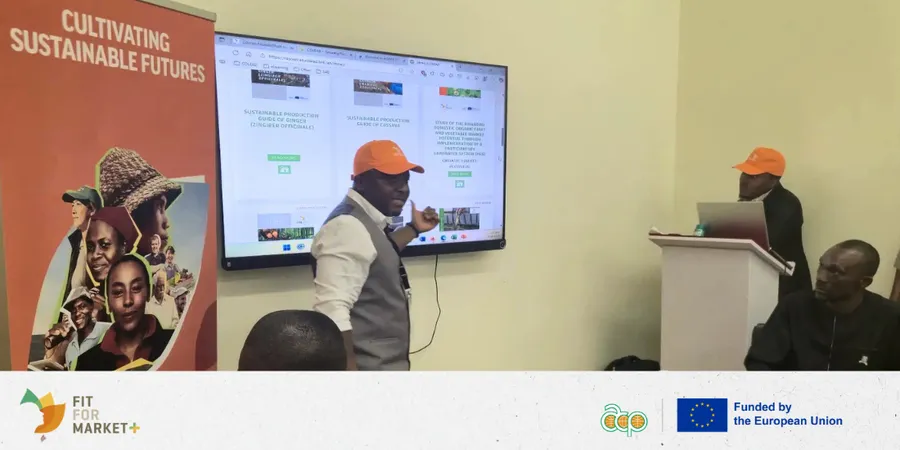
From 23 September to 8 October 2025, a dedicated mission took COLEAD to Saint Kitts and Nevis, Barbados, and Guyana under the Fit for Market Plus (FFM+) and AGRINFO programmes. The objective: to support the empowerment of Caribbean agricultural stakeholders while strengthening coordination with regional institutions and development partners.This field mission also marked COLEAD’s first physical presence at the Caribbean Week of Agriculture (CWA), following several virtual participations since 2021.Caribbean week of agriculture 2025: a strategic participationOrganised in Saint Kitts and Nevis by CARICOM, IICA, FAO, CARDI and other partners, CWA 2025 brought together governments, businesses, financial institutions, researchers and NGOs around a common vision: “25% by 2025 + 5” — reducing regional food import bills by 25%.For COLEAD, the event provided a strategic platform for visibility and cooperation. The team contributed to several technical sessions, notably on the digitalisation of agriculture and innovation in post-harvest protection of root and tuber crops, in collaboration with IICA and CARDI respectively.Beyond high-level discussions, the on-site presence helped to strengthen existing partnerships and establish new ones — including with the Anton de Kom University of Suriname, the World Food Programme, the Bahamas Centre for Food and Nutrition Security, Global Affairs Canada, and the FIAP (EU-Caribbean Fund for Nutrition).Strengthening regional collaboration and strategic alliancesBilateral meetings confirmed the strong momentum of partnership between COLEAD and regional actors, notably with:IICA, on renewing the technical partnership, developing training for extension and advisory services (Training of Trainers), and the Caribbean Agrifood Business Series;CARICOM Secretariat, for self-learning sessions on crop protection;CARDI and CAHFSA, on applied research, SPS standards, and technical training for support services;SMEs and agrifood processors in Barbados, Saint Kitts, and Guyana, as well as the Georgetown Chamber of Commerce and Industry, to refine needs assessments, structure development plans, and promote market access.The Caribbean: a laboratory for resiliencePartners share a clear diagnosis: the region remains highly vulnerable to climate change, facing high logistics costs, limited agricultural labour, and low food self-sufficiency — particularly in fruits and vegetables. Yet these challenges are driving innovation: development of organic farms, controlled-environment and vertical farming, local processing of fruits, vegetables and tubers into juices, flours, sauces, or condiments; green entrepreneurship programmes; and urban agriculture initiatives in Guyana.The European Union, through its delegations in Barbados and Guyana, reaffirmed its commitment to supporting this agricultural transition within the framework of the Global Gateway strategy.A momentum sustained by the 5th Caribbean virtual agrifood trade missionBuilding on field exchanges, COLEAD is joining IICA, SIECA and CARICOM to co-organise the 5th Caribbean Virtual Agrifood Trade Mission, from 28 to 30 October 2025.This online event, accessible via the REDCA platform, will offer Caribbean agrifood enterprises an opportunity to meet buyers, promote their products, and expand their regional and extra-regional exports. The initiative aims to connect digital transformation with trade opportunities, leveraging e-commerce tools and international market standards.2026: continuing the momentumNext steps include consolidating the regional partner network and continuing the SIA project in the Dominican Republic as a lever for regional integration, with new targeted support actions and capacity-building activities (Training of Trainers in Guyana), as well as participation in the Caribbean Week of Agriculture 2026 in Jamaica.COLEAD will thus continue to act as a facilitator between public policies, agripreneurs and investors, ensuring that Caribbean agricultural value chains continue to grow within a more inclusive, sustainable and connected framework.This activity is supported by the Fit For Market Plus (FFM+) programme, implemented by COLEAD within the Framework of Development Cooperation between the Organisation of African, Caribbean and Pacific States (OACPS) and the European Union; and by the AGRINFO programme, implemented by COLEAD and funded by the European Union (EU). This publication receives financial support from the European Union and the OACPS. The content of this publication is the sole responsibility of COLEAD and can in no way be taken to reflect the views of the European Union or the OACPS.
 News
News
Digital technology serving agricultural training: COLEAD’s participation in MoodleMoot Nigeria
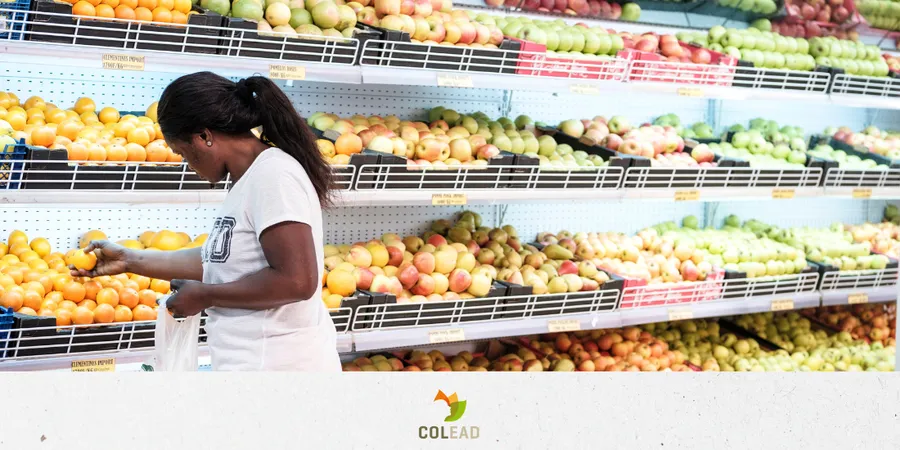
Held in Abuja, MoodleMoot Nigeria brought together the African Moodle community — educators, researchers, developers, EdTech actors, and institutions — to share best practices and strengthen the quality of online education and training across the continent.The conference focused on how digital technologies and innovation in the Fourth Industrial Revolution (4IR) can transform learning, foster inclusion, and build more resilient education systems.Moodlemoot Nigeria serves as a platform for collaboration and knowledge exchange, aiming to:promote inclusive access to quality education,develop future-ready digital skills and pedagogies,and strengthen Africa’s capacity to create innovative and secure digital ecosystems.COLEAD showcases its e-learning model for agricultural capacity buildingAs part of this event, COLEAD shared its experience in digital learning and technical trainingfor the agricultural sector. COLEAD representatives David Sodade and Géraud Gnanga hosted a pre-conference workshop for practitioners/professionals, university lecturers, training institutions and the students across the agricultural sector , as part of the FFM+ programme. The duo presented a session on “Transforming the landscape of TVET (Agricultural education) Beyond the 4 Walls”, highlighting how Moodle can be used to design engaging and flexible online training for agricultural value chain actors. A second presentation was also presented on “Upskilling For Industry-Ready Learners: A practitioner's window to the COLEAD state-of-the-art e-learning platform powered by Moodle “The COLEAD e-learning platform, built on Moodle, provides free, self-paced courses that can be accessed anytime and anywhere, even offline. Learners can download resources, test their knowledge through interactive quizzes, and build practical skills tailored to the needs of micro, small, and medium-sized horticultural enterprises. This model demonstrates how digital tools can make training more accessible, relevant, and impactful for agricultural professionals.Driving the digital transformation of agricultural educationCOLEAD’s participation in the MoodleMoot Nigeria illustrates its commitment to supporting the modernisation of agricultural training, particularly in Africa, through digital tools. By sharing its experience, COLEAD aims to contribute to the collective reflection on the future of Technical and Vocational Education and Training (TVET) in the agricultural sector: a form of learning that is grounded in real-world needs, open, collaborative, and sustainable. Through this initiative, COLEAD reaffirms its role in online training for agriculture, serving investment, employment, and the resilience of stakeholders across the continent.This activity is supported by the Fit For Market Plus (FFM+) programme, implemented by COLEAD within the Framework of Development Cooperation between the Organisation of African, Caribbean and Pacific States (OACPS) and the European Union. This publication receives financial support from the European Union and the OACPS. The content of this publication is the sole responsibility of COLEAD and can in no way be taken to reflect the views of the European Union or the OACPS.
 News
News
New EAT–Lancet Commission: healthy, sustainable and just food systems for the post-2030 era
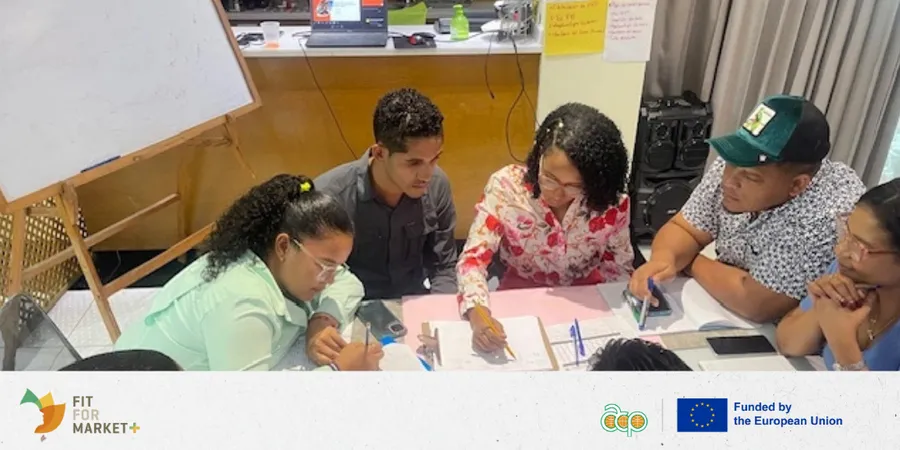
Six years after its first publication, the EAT–Lancet Commission on Healthy, Sustainable and Just Food Systems returns with a renewed vision in a world that has been profoundly transformed: geopolitical instability, soaring food prices, and the lasting impacts of the COVID-19 pandemic. These challenges highlight once again that food systems lie at the heart of global balance — food security, human health, environmental sustainability, social justice, and resilience.While current systems have managed to feed the world’s population in caloric terms, they remain the main driver of planetary boundary transgression. More than half of the global population still lacks access to a healthy diet, with alarming consequences for public health, inequality, and the environment: setbacks in the fight against hunger, a continued rise in obesity, and worsening climate impacts.Yet, the Commission underlines that food systems offer an unprecedented opportunity to strengthen environmental, economic and social resilience while improving human wellbeing and the stability of ecosystems.New Directions for eating within planetary boundariesThis new edition provides updated scientific evidence and concrete tools for action, including:an updated version of the Planetary Health Diet;new methods to measure the impact of food systems on planetary boundaries;an in-depth exploration of food justice issues;new modelling and scenario analyses to guide the transformation of public policies and individual practices.These recommendations lay the foundations for systemic transformation at all levels — global, regional, national, and local — combining human and planetary health within a framework of social justice.Towards a central role for food systems in the post-SDG eraThe Commission presents a roadmap for the post-2030 era, integrating the priorities of the European Green Deal, the Paris Agreement, and the Kunming–Montreal Global Biodiversity Framework.It calls for a rethinking of food production, consumption, and governance as key levers of transformation to ensure a just social foundation while maintaining the stability of the Earth system.Voices of the CommissionLed by Johan Rockström, Shakuntala Haraksingh Thilsted, Walter C. Willett, Line J. Gordon, Mario Herrero, Christina C. Hicks, and other renowned experts, the Commission also publishes a series of related analyses:A Global and Just Future for Food – by Tamara Lucas and Richard HortonLine Gordon: Developing the Future of Food Systems – by Aarathi PrasadFabrice DeClerck: Serving Sustainability for Planet, Plate, and People – by Niall BoyceA vision shared by COLEADThe conclusions of this new Commission strongly resonate with COLEAD’s vision and actions, which aim to make agri-food systems more sustainable, equitable, and resilient.Through programmes such as Fit For Market Plus (FFM+), AGRINFO, and a range of national partnerships, COLEAD translates scientific recommendations into practical change on the ground: supporting agrifood MSMEs in adopting resource-efficient practices, improving the nutritional quality of products, strengthening food security, and ensuring the inclusion of small producers in sustainable markets.By acting at the intersection of economic, environmental, and social dimensions, COLEAD directly contributes to the ambition championed by the EAT–Lancet Commission: building healthy, sustainable, and just food systems for all.For more information : The EAT–Lancet Commission on healthy, sustainable, and just food systems
 News
News
Learning integrated pest management: the example of the Dominican Republic
This training session, held in Baní (Dominican Republic), focused on “Developing a crop protection strategy centred on the mango and banana sectors.” Organised with the support of the Fit For Market Plus (FFM+) programme, the initiative aimed to strengthen local capacities in integrated pest management (IPM) and promote sustainable, competitive agricultural practices.A participatory and inclusive trainingThe session brought together a wide range of stakeholders from the agricultural sector, including production managers, technical supervisors, exporters, agronomists, plant health and phytosanitary surveillance technicians, administrators, and producers. The session was opened by Rafael Leger, President of PROMANGO, highlighting the strong commitment of the Dominican private sector to protecting export-oriented value chains.Concrete results in the fieldParticipants commended the relevance and usefulness of the training, which effectively combined theory and practice. They were able to: strengthen their knowledge of integrated pest management (IPM), particularly in relation to climate and plant health challenges; apply these skills directly in the field through pest and disease identification, incidence assessment, and the development of an integrated management plan and share experiences between the mango and banana sectors, fostering a highly collaborative and participatory learning environment.Perspectives for continued supportParticipants expressed their wish to extend the duration of the training, strike a better balance between theory and practice, and deepen their understanding of insect management.They also emphasised the need for more tailored support within their organisations to put the training outcomes into practice.A key step towards agricultural sustainabilityThis initiative directly contributes to strengthening the capacities of local actors to: produce sustainably while remaining competitive in export markets; ensure product quality and safety for international trade; and consolidate COLEAD’s role as a key partner for agricultural innovation and sustainability in the Caribbean region.This activity is supported by the Fit For Market Plus (FFM+) programme, implemented by COLEAD within the Framework of Development Cooperation between the Organisation of African, Caribbean and Pacific States (OACPS) and the European Union. This publication receives financial support from the European Union and the OACPS. The content of this publication is the sole responsibility of COLEAD and can in no way be taken to reflect the views of the European Union or the OACPS.