
Cultivating
Sustainable Futures
 News
News
Validation workshop on phytosanitary legislation in Guinea
A workshop in Coyah brought together several of Guinea’s ministries (Justice, Health, Agriculture, and Trade) to validate new legislation governing official control, inspection and phytosanitary certification, in line with the international phytosanitary standards signed and ratified by Guinea. The workshop was supported by the #STDF Guinea programme, implemented by COLEACP, which is working to strengthen the country’s SPS control and certification system.
 News
News
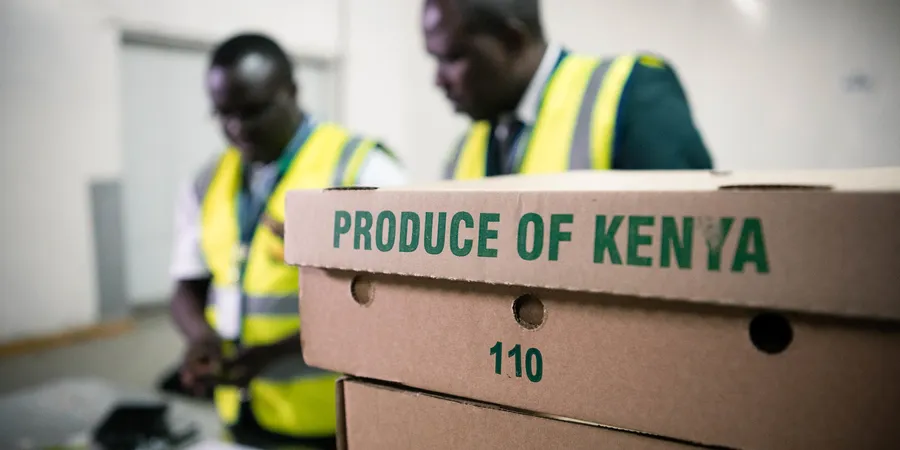
Kenya Airways launches direct cargo flights from Mombasa
On 26 November Kenya Airways launched direct cargo flights from Mombasa to various destinations around the world (Business Today, 26 November). The maiden flight, from Moi International Airport in Mombasa to Sharjah International Airport in the United Arab Emirates (UAE), marked the first direct cargo flight from outside Kenya Airways’ cargo hub at Jomo Kenyatta International Airport. KQ Cargo will initially run one weekly flight from Mombasa, ferrying mostly fish and seafood to UAE, and will gradually increase frequencies and destinations as demand grows (Capital Business, 26 November). Mombasa County Governor Ali Hassan Joho commended KQ for the bold decision to initiate direct cargo flights from Mombasa, as it will help spur not only the fishing industry but also other local businesses: “Air cargo continues to be more important than ever, and more so where businesses have been devasted by the Covid-19 pandemic. KQ’s decision to operate cargo flights direct from Mombasa is vital for economic recovery.” Fresh horticultural produce is one sector that is clearly set to benefit, especially in light of the recent cargo capacity challenges faced by exporters of fruit, vegetables and cut flowers in the early months of coronavirus restrictions. Over the past 6 months, the KQ Cargo fleet has operated around 700 cargo-only flights, carrying over 10,000 tonnes of fresh fruit and vegetables, demonstrating the importance of air travel in moving food worldwide. Okisegere Ojepat, CEO of Fresh Produce Consortium of Kenya (FPC), is featured in Kenya Airways’ promotional video for the Mombasa launch, stating: “We will make sure this works. We will move cargo from all over the region into this airport. We challenged KQ to give us a cold room. And we now have a cold room in this airport that was not there since 1978.” The Kenya Airports Authority also announced the construction of a new cargo handling facility at Moi International Airport: KAA Commercial Manager Jack Bwana announced “we have already earmarked a location where the second Ultra-Modern Cargo Handling Facility will be built, and the ground breaking will shortly be done.”
 News
News
Support to ESSA Working Group on the development of new training courses on SPS issues
As part of its Fit For Market Programme, COLEACP is supporting Ecole Supérieure des Sciences Agronomiques (ESSA) in the development of new modules or training courses on SPS themes. The aim of this support is to assist the working group set up at ESSA in its deliberations on the integration of specific modules on "sanitary and phytosanitary (SPS)" issues into the training of students, either by adapting existing courses or by developing a new training offer.ESSA is the only public training institution for agricultural engineers in Madagascar. Attached to the University of Antananarivo-Ambohitsaina, it trains professionals, researchers and decision-makers in the fields of agronomy and natural resource management.
 News
News
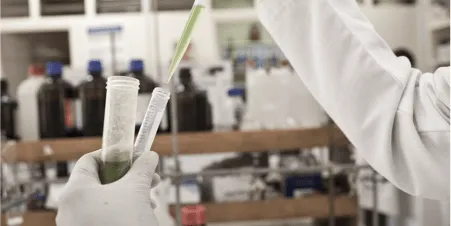
The Dual Vocational Training Business Summit – COLEACP’s contribution on digitalisation
The Delegation of German Industry and Commerce in Nigeria (AHK Nigeria), in collaboration with GIZ and Don Bosco, held its second Dual Vocational Training Business Summit and Skills Conference in early December. The first summit in 2019 hosted around 150 business and political representatives.The objective of the 2020 Skills Summit was to continue and deepen the discussion through a focus on the agriculture and health sectors. In the context of the challenges faced during the coronavirus crisis, it also addressed how vocational training can become more resilient through digitalisation.According to the organisers of the summit, skills acquisition is the ability to be trained on a particular task or function and become expert in it. Skills acquisition programmes can be seen as a tool for economic growth and development, sparking an increase in conversations and awareness around the topic. As global development is working towards self-sufficiency and sustainability, one of the major ways this can be achieved is by having a qualified, skilled workforce.COLEACP project manager Wester Schepers contributed to the panel discussion on 1 December that addressed the topic “Digitalisation within the Nigerian agricultural sector”. After introducing COLEACP’s activities, insights were shared on how Covid-19 has accelerated the digitalisation of training activities. Under COLEACP programmes, this is done through technical online training for partner horticultural companies, and also through specific digital training on aspects of Covid-19, and training-of-trainers on digital learning. Digital training opportunities are enhanced when the training design is specifically adapted to the intended target group, taking into account access to digital tools, internet, information, etc. Overall, the increased investment in digital training has become an asset for COLEACP and its constituency. More about the event
 News
News
EU approval will not be renewed for six key PPPs
Key points EU approval will not be renewed for six PPPs that are important to ACP horticulture : - thiophanate methyl - mancozeb - imidacloprid - zeta-cypermethrin - haloxyfop-p - pencycuron How will ACP producers/exporters be affected? Non-renewal means that these PPPs can no longer be legally used within EU countries. But it also has an impact on ACP growers – the EU maximum residue levels (MRLs) will be reduced to the limit of determination (LoD), which in most cases means that they can no longer be used on crops for export to the EU. What should ACP producers/exporters do now? If you use these PPPs, start looking for alternatives as soon as possible. If you have any major concern about these changes, and fear that you will be left without an effective and available alternative, please contact COLEACP at: network@coleacp.org . COLEACP will keep you informed as soon as more information becomes available.
 News
News
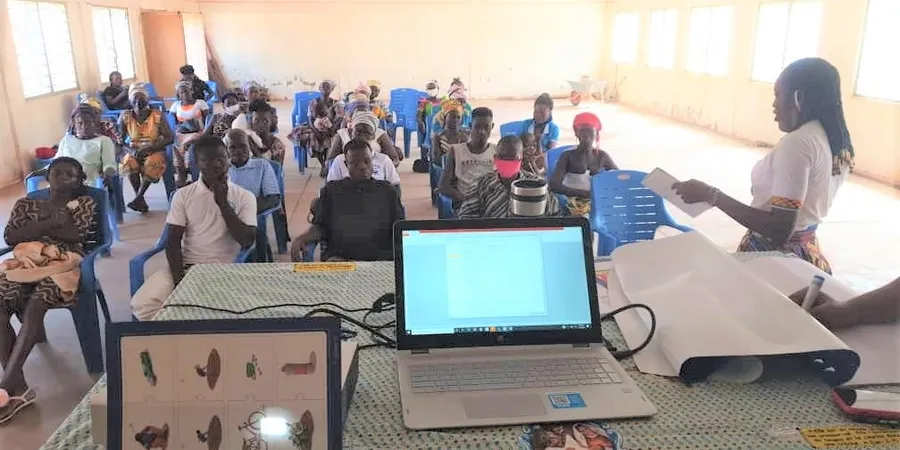
Training in vegetable production (including post-harvest) for a women’s cooperative of Global Shea Alliance
As part of COLEACP's Fit For Market programme, training in vegetable production was organised for the Global Shea Alliance (GSA). The objective was to strengthen the participants' technical skills on crop seasonality - what can be produced between October and April (shea off-season), good agricultural practices, crop protection, integrated pest management (IPM), safe use of pesticides, and post-harvest practices. Participants showed great interest and the training was highly appreciated. The next step, which is training on hygiene and food safety, is currently ongoing.GSA is a non-profit industry association with 500 members from 35 countries, including women's groups, brands and retailers, suppliers and NGOs, that promotes industry sustainability, quality practices and standards, and demand for shea in food and cosmetics.
 News
News
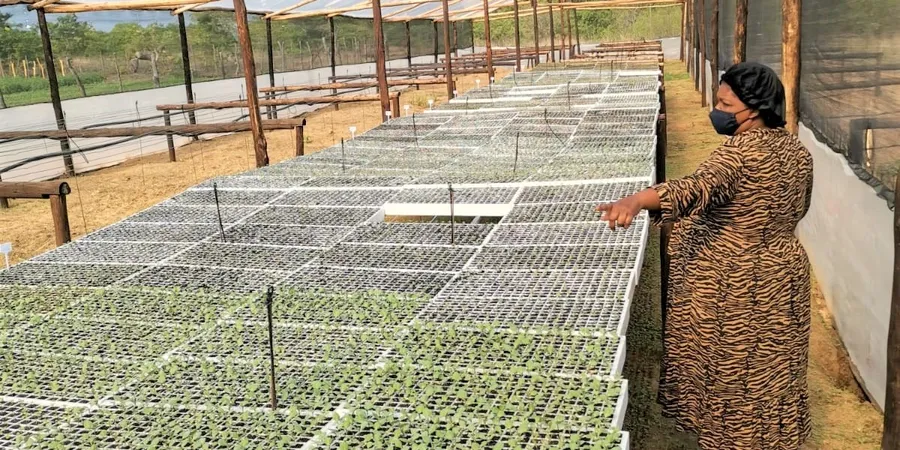
Aspire Cooperative re-evaluates its business plan in response to Covid-19 challenges
After participating in the Business Survival Bootcamp organised by COLEACP in cooperation with the African Management Institute, Aspire Cooperative in Zimbabwe received individual e-coaching from a COLEACP business expert on strategic planning and cost management, to assist in planning and coping with the challenges resulting from the microeconomic consequences of the pandemic. Aspire Cooperative produces vegetable seedlings, rape, cabbages, watermelons, tomatoes and sweet potatoes, and is now venturing into passion fruit production.
 News
News
News Digest: Agri-food policy
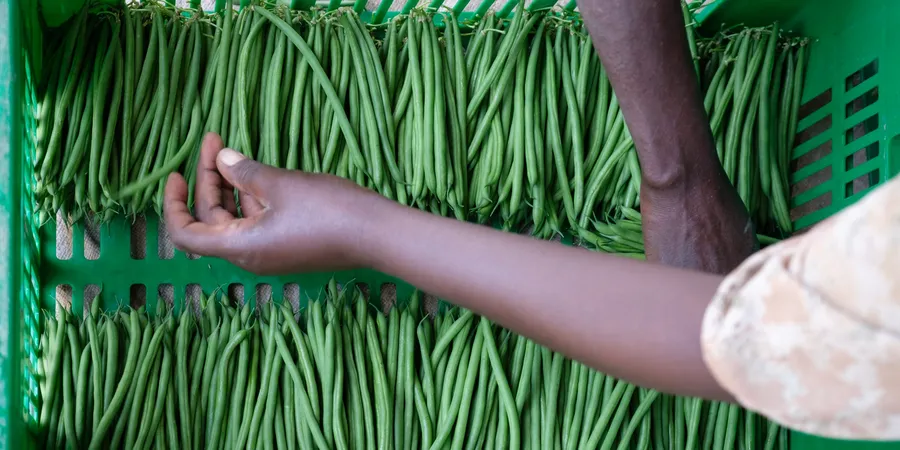
Intra-regional trade is being weakened by a lack of product diversity, as most states within the Common Market for Eastern and Southern Africa (COMESA) and the whole of Africa are producing and exporting similar goods (Chronicle, 11 November). COMESA recently expressed concern over the low intra-regional trade among its 21 members, which is estimated at 7%. Details are in a research paper titled “Estimating Comesa’s trade potential in Africa: optimising export opportunities in the AfCFTA.
 News
News
News Digest: Agri-food markets
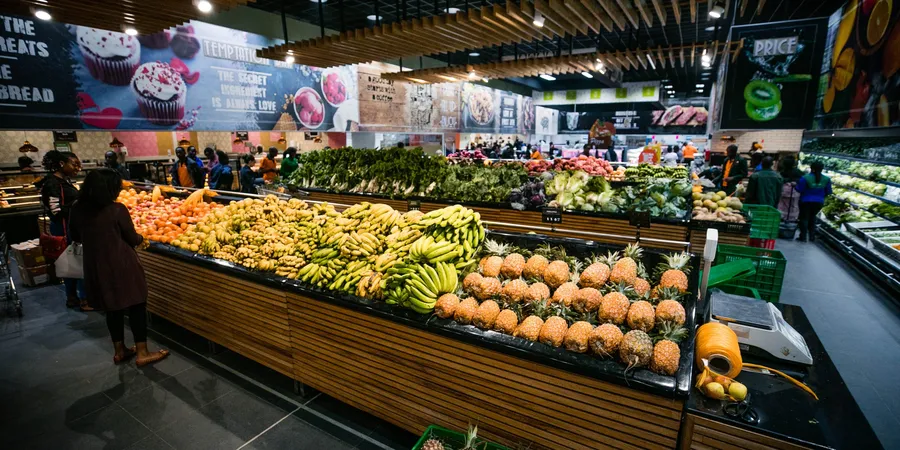
On the occasion of the first "October, month of local consumption" in its eight member states, the West African Economic and Monetary Union (UEMOA) aims to counter the growing disinterest of West African consumers in local products (Commodafrica, 8 October). In a UEMOA market of 120 million consumers, African companies are faced with a growth in imports of food products. Encouraging the consumption of local products must also involve supporting national agriculture and protecting local products from competition from imports.
 News
News
News Digest: Agri-food production
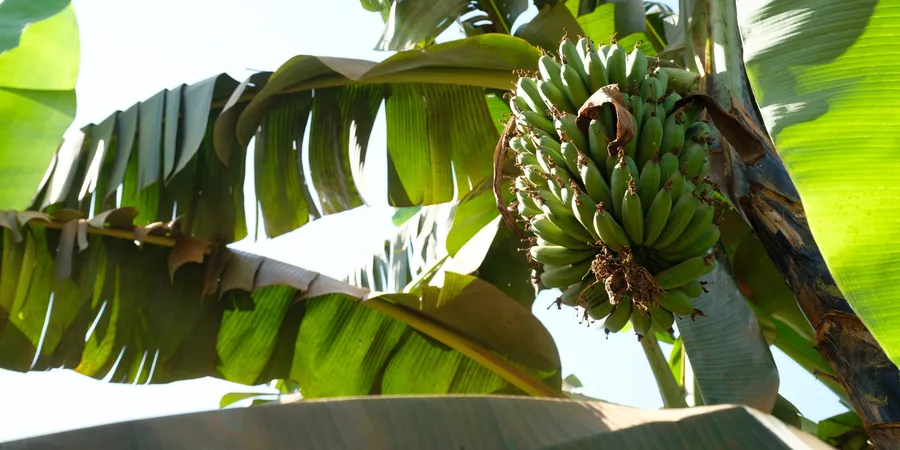
A recent report from the World Meteorological Organization states that climate change is having significant impacts in Africa (Commodafrica, 28 October). These impacts are likely to worsen in the future, particularly for food supplies, economies and health. The main risks for agriculture are reduced crop productivity (heat and drought); increased pest and disease damage; and the effects of floods on food system infrastructure.
News
EU MRL changes
This news provides updates on recent changes to EU maximum residue limits (MRLs) for plant protection products (PPPs). Where an MRL has been lowered, it is important for growers using the PPP to make any necessary adjustments in good time to ensure continued compliance with EU regulations. This may mean adapting production practices (good agricultural practices, GAP) or using alternative control methods. This news also includes a complete list of the MRL changes introduced so far in 2020. If you require additional information, or face particular problems as a result of these changes, please contact COLEACP at: Lowering of MRLs for chlorpyrifos and chlorpyrifos-methyl As announced in a FlashInfo on 11 August 2020, the new MRLs for chlorpyrifos and chlorpyrifos-methyl will come into force on 13 November 2020 (Regulation (EC) 2020/1085 and Corrigendum); this means, in effect, that they can no longer be used after this date. Operators in ACP countries that use these PPPs must take note of the change, and ensure that they find alternative control methods in good time. If you require further information, please contact COLEACP at: network@coleacp.org. New MRL changes On 28 October 2020, the EC published two new regulations setting new MRLs: Commission Regulation (EU) 2020/1565 as regards maximum residue levels for 1,4‐diaminobutane, 1-methylcyclopropene, ammonium acetate, bifenazate, chlorantraniliprole, chlormequat, cyprodinil, limestone, mandipropamid, pepper, pyridaben, repellants: blood meal, seaweed extracts and trimethylamine hydrochloride in or on certain products (entry into force on May 17, 2021) Commission Regulation (EU) 2020/1566 as regards maximum residue levels for bupirimate, carfentrazone-ethyl, ethirimol, and pyriofenone in or on certain products (entry into force on November 18, 2020) MRL changes affecting key horticultural export crops in ACP countries are presented in Table 1. To see details on all changes, please consult the full text of the regulations using the links provided above. Table 1 EU MRL changes affecting key export crops in ACP countries
 News
News
Stakeholder workshop for the “Guide to good SPS practices for the Penja pepper value chain”
We held a stakeholder workshop on 11 November in Penja, Cameroon to present the draft “Guide to good SPS practices for the Penja pepper value chain” to representatives of both public and private sectors, to collect feedback on the document. The aim is to achieve validation of the guide by the entire value chain. COLEACP warmly thanks all the stakeholders in the sector for their participation in this workshop, which represents a crucial step for the Penja pepper sector, and for the development of the Standards and Trade Development Facility (STDF) project implemented by COLEACP in Cameroon.The STDF CAMEROON project (STDF/PG/593) aims to improve the sanitary and phytosanitary quality of Penja pepper to promote its access to international markets.