
Cultivating
Sustainable Futures
 News
News
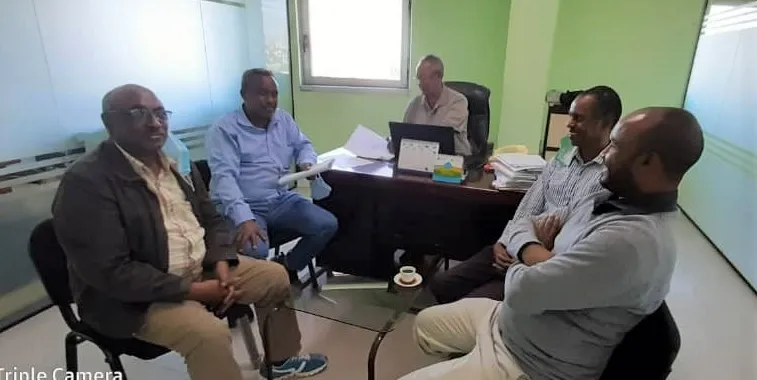
Business management e-coaching for Lucy Agricultural Development
Management staff at Lucy Agricultural Development Plc in Addis Ababa have just received remote training on good business management practices, and coaching on how to monitor and update an existing business plan. The training, given by a COLEACP expert from Kenya, was provided through the EU/AFD-funded Fit For Market programme.
 News
News
Webinar: Linking with Agriculture for a more Sustainable Tourism Sector in Guyana beyond Covid
“Linking With Agriculture for a More Sustainable Tourism Sector in Guyana beyond Covid” | 27 October 2020 - 09:30-11:30hrs (GYT)Join Caribbean Tourism Organization (CTO), Ministry of Agriculture, and Ministry of Industry, Commerce & Tourism with COLEACP at the Virtual Tourism Forum on the theme: “Linking With Agriculture for a More Sustainable Tourism Sector in Guyana beyond Covid”. This event will discuss how the tourism and agriculture sectors, working together, can create an enabling environment that spurs investment by stakeholders in their bid to create a sustainable agritourism sector.Now available here.
 News
News
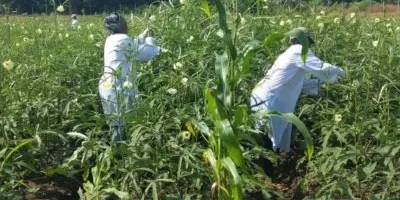
FRESH SALONE, RESUMPTION OF EXPORTS TO BRUSSELS
Fresh Salone - a Sierra Leonean fruit and vegetable production and export company, and COLEACP partner - has made its first shipment of habaneros and other ethnic vegetables (African eggplant, okra, leafy vegetables) to Brussels since the new European Directives came into force and flights were resumed post-COVID-19. This success follows several COLEACP Fit For Market programme activities in recent months, including digital training for the private sector on identification and management of false codling moth (FCM) and whitefly; and training and support to the NPPO on the new regulations, FCM identification, inspection and reporting.
 News
News
AGRICADO FARMS WORKING TOWARDS GLOBALG.A.P. COMPLIANCE
As part of its Fit For Market programme, COLEACP supported Agricado Farms to improve their quality management system in order to reach compliance with the GLOBALG.A.P. quality standard. A local expert first assessed the current practices in place, and then provided training to their quality management team. Agricado Farms is on its way to reach compliance with the GLOBALG.A.P. quality standard. Agricado Farms, a new fresh fruits and vegetable company located in Kampala, targets the European and Middle Eastern markets for supplying avocado, macadamia, hot pepper, chillies, eggplants, sweet potato and other fresh fruit and vegetables.
 News
News
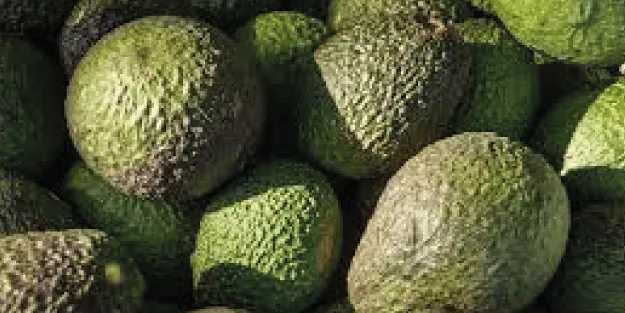
Avocado trial opens door for Ethiopian produce exports
European importers have taken delivery of the first trial shipments of Hass avocados from Ethiopia (EUROFRUIT, 26 October). Durabilis, the international impact investment firm behind the venture, described the news as “a game-changing milestone that demonstrates the huge potential for Ethiopian produce”. The fruit was grown in the Koga region, south of Bahir Dar, and shipped via the new Ethiopia-Djibouti-Europe cool logistics corridor, being transported first by train to the Port of Djibouti, then shipped to Italy and transported to the UK by truck. Durabilis works with smallholder growers in conjunction with its local subsidiary, Koga Veg Agricultural Development, a COLEACP partner.
 News
News
New NExT Kenya Programme Coordinator
COLEACP is delighted to announce the appointment of Dr Chagema Kedera as Programme Coordinator for the new EU-funded NExT Kenya (New Export Trade) programme.Dr Kedera, formerly the founding Managing Director of the Kenya Plant Health Inspectorate Service (KEPHIS), currently facilitates the Kenya National Horticultural Task Force.COLEACP has worked with Dr Kedera for many years: in the past he was Regional Coordinator with the EU-funded COLEACP-EDES Food Safety Programme, and more recently he has been a consultant expert working on activities under the Fit For Market SPS programme, focusing on strengthening the SPS systems of the ACP horticultural sector. He also worked with Emerge Centre for Innovations-Africa (ECI-Africa) as a seed expert and served as SPS Advisor for the USAID-funded East Africa Trade and Investment Hub.A Kenyan national, Dr Kedera holds a PhD in plant pathology (minor in plant breeding), and has over three decades of experience in agriculture/trade/policy, especially in national and international standards, covering plant protection, food safety, biotechnology, plant variety protection and seed certification.Dr Kedera will work in close collaboration with the COLEACP team in Brussels and a NExT Kenya programme office in Nairobi.Contact Dr Kedera via chagema.kedera@nextkenya.keMore information on the NExT Kenya programme.
 News
News
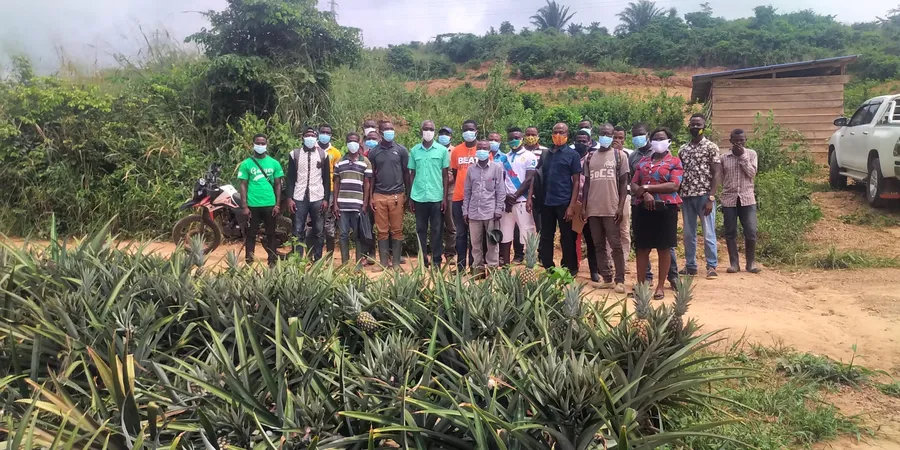
COLEACP and SPEG: awareness sessions on use of ethephon for pineapples exported to the EU
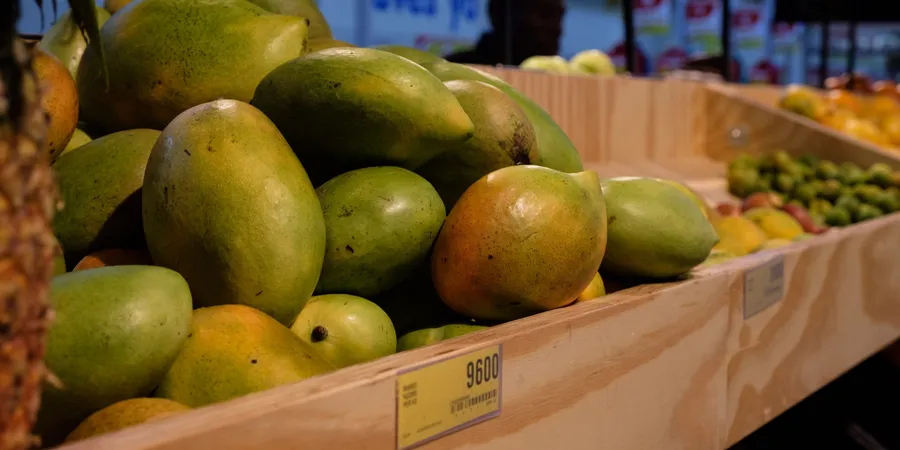
COLEACP and SPEG (Sea-Freight Pineapple Exporters of Ghana) are collaborating to organise awareness sessions on the appropriate use of ethephon for the export of pineapples to the EU. The first of two sessions took place on the 30th October in Pokrom region, with around 30 producers. Participants included conventional pineapples producers/cooperatives supplying third-party companies exporting to the EU, or exporting themselves to the EU. The session included field and packhouse observation of samples of sprayed fruits reserved from previous exports, along with theoretical information on the EU legislation on the use of ethephon (MRL notifications), crop management practices, and responsible use of plant health products.
 News
News
Support to National Plant Protection Organisations
A virtual meeting, facilitated by Mr Babacar Samb, brought together participants from several NPPOs (Benin, Burkina Faso, Côte d'Ivoire, Guinea, Madagascar, Mali, Senegal, Togo). The aim was to set up an audit system within the NPPOs. This first meeting made it possible to introduce a guide developed by COLEACP: "Basic elements for implementing an internal audit system” in connection with implementing the systemic approach for the control of fruit flies in the mango export value chain. The NPPOs will then be supported individually and remotely to implement their own internal audit system.
 News
News
New: PAFO-COLEACP Innovation Series
PAFO-COLEACP Innovation Series - First online meeting: took place the 19th November 2020. To improve production, processing and trade, it is critical to assess, showcase and upscale existing innovations created or adopted by farmers' organisations and SMEs. This first session of the Innovation Series has presented successful African cooperatives, SMEs and enterprises on value-added and branded products that can increase opportunities in more lucrative markets. They discussed successful chain models and value chains with operators and experts. Speakers: in addition to SMEs and businesses in various value chains, we had experts from research, policy and finance. You can find the video of the session below:
 News
News
STDF Cameroon: Support to Penja Pepper GI staff
A mission is under way in Penja to support staff of the Penja Pepper Geographical Indication (GI) to create a database of all the main actors in the pepper production and distribution chain in the five production basins of the GI, as well as a census of these stakeholders in the field. This mission is part of the STDF/PG/593 project, which aims to contribute to improving the sanitary and phytosanitary quality of Penja pepper to facilitate its access to markets, and is carried out in collaboration with the PAMPIG2 project, coordinated by the African Intellectual Property Organization (OAPI) and financed by the French Development Agency.
 News
News
Madagascar CSR and Sustainable Development Initiatives Event
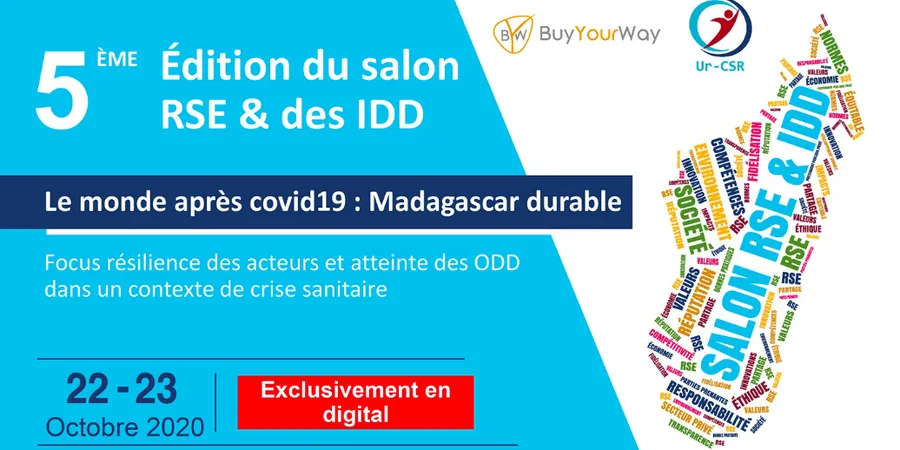
COLEACP is a partner in Madagascar's 5th Corporate Social Responsibility and Sustainable Development Initiatives Fair, from 22-23 October 2020, which will be on the theme "The world after #COVID: Sustainable Madagascar".Co-organised by Ur-CSR and BuyYourWay, under the patronage of the Minister of Environment and Sustainable Development and the Groupement des Entreprises de Madagascar, this year the fair will be exclusively #digital. The event is in the French language.For more information on this annual meeting of actors committed and active in addressing environmental and societal issues in Madagascar, visit www.salonrseidd-madagascar.com
 News
News
The deadline to receive the applications for this tender is Monday October 12th, 2020.
The deadline to receive the applications for this tender is Monday October 12th, 2020.