
Cultivating
Sustainable Futures
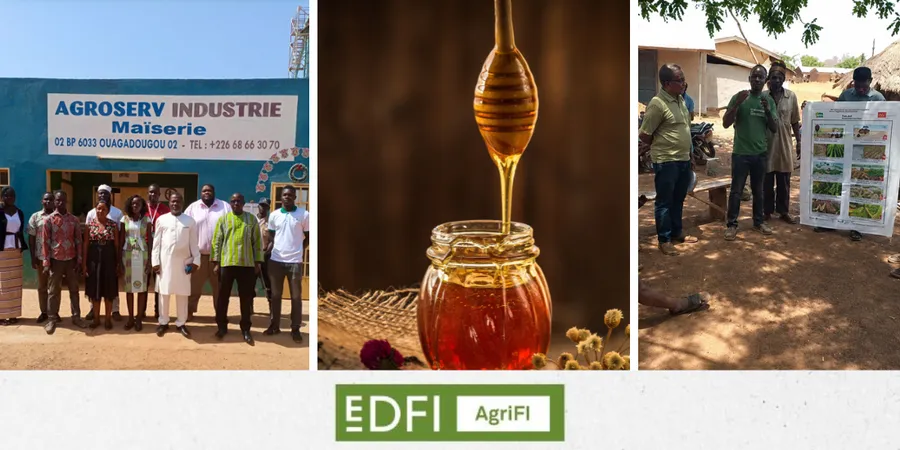
AgriFI: technical assistance gathers pace - Three assignments completed, three new ones confirmed with African agrifood SMEs
Under the AgriFI programme, funded by the European Union and managed by EDFI Management Company (EDFI MC), COLEAD provides advisory and technical assistance services to the companies supported by the programme. Two years into this collaboration, a first cycle of assignments has been completed and a new wave of projects is confirmed.AgriFI, a financial lever for agricultureEDFI MC is an impact-driven financial service provider, born from the collaboration between the European Development Finance Institutions (EDFIs) and the European Commission. The AgriFI programme, with a budget of €4 million over four years (since 2024), responds to the lack of financing mechanisms adapted to smallholders, vulnerable groups, women, youth, farmers and entrepreneurs. It targets SMEs, financial institutions and impact funds, with investments ranging from €0.5 to €5 million in countries on the OECD DAC list. The technical assistance provided by COLEAD supports these companies in strengthening their capacities and securing investments.Three assignments successfully completedBetween late 2024 and early 2026, three assignments were signed and carried through to completion: in Ghana, a diagnosis of Complete Farmer's outgrowers scheme and training system; in Togo, support to Cajou Espoir SA on honey production and market access; and in Burkina Faso, an assignment with Agroserv on food safety and the corn supply chain.A new wave of confirmed projectsThree new projects are starting in 2026: in Uganda, support to INUA Capital (impact investment fund) on environmental and social (E&S) reporting and capacity building; in Tanzania, assistance to a company in the food distribution and logistics sector towards QMS ISO 9001:2015 certification; and in Kenya, a technical and operational assessment of an Agritech company serving smallholder farmers. These assignments confirm COLEAD's role as AgriFI's technical assistance partner, serving growing agrifood businesses across the African continent.About EDFI Management Company: EDFI Management Company (EDFI MC) is a multilaterally owned impact asset manager that delivers innovative development finance solutions. The company enables European DFIs, development banks, and private sector investors to increase the scale and impact of their work, focusing on business models, technologies, and geographies where other investors have not been able to operate at the desired scale.About Cajou Espoir: Cajou Espoir is Togo’s leading processor of raw cashew nuts, playing a crucial role in the country’s cashew value chain. With a focus on sustainable practices, the company is organic / fairtrade certified and is committed to supporting local communities and enhancing livelihoods.About COLEAD: COLEAD is a leading provider of technical assistance in sustainable agriculture, working with organizations worldwide to implement innovative and effective solutions for improved agricultural practices and rural development.
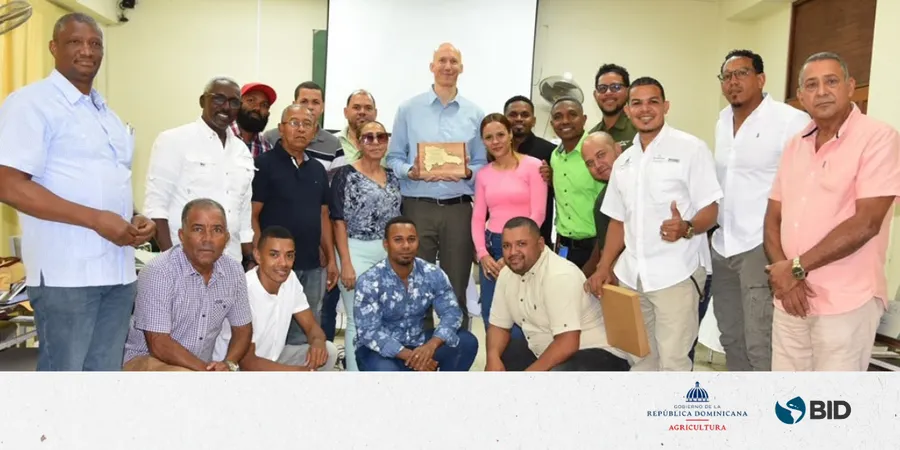
Training of trainers in Dominican Republic: strengthening capacities in training and communication techniques
As part of the Sanidad e Innovación Agropecuaria (SIA) project, implemented by COLEAD in the Dominican Republic with funding from the Inter-American Development Bank (IDB), our teams are rganizing three training-of-trainers sessions from 6 to 24 July for technicians from the Ministry of Agriculture and the General Directorate of Livestock.The aim of the training is to strengthen the technical and methodological capacities of agricultural trainers to incorporate the gender approach into training, technical assistance and rural productive development processes, thereby contributing to a more inclusive, sustainable and competitive agriculture in the Dominican Republic.The 60 technicians selected to be trained by the COLEAD team will in turn train other extension technicians in the country's regional offices, who will then apply the knowledge acquired with producers throughout the country in ten specific value chains: avocado, pitahaya, cocoa, bitter melon (cundeamor), chilli peppers, aubergines, cattle, pigs, poultry and beekeeping.This work is carried out using the good practice manuals developed by the COLEAD team, which has been working on this project since May 2024. Of the 22 manuals produced, the ten value chains mentioned above were selected as the key ones for this training phase.About the SIA projectEntrusted to COLEAD by the Dominican Ministry of Agriculture and financed by the IDB over a period of 29 months (April 2024 – October 2026), the SIA project aims to strengthen sustainable production capacities, increase food safety and improve access to local and international markets. It responds to the many challenges facing the Dominican agricultural sector, particularly in terms of sanitary and phytosanitary (SPS) standards, while promoting sustainable growth. Its specific objectives cover improving agri-food health and safety services, promoting innovation and technology transfer, and strengthening the agricultural statistical system.Find out more here.This activity is supported by the SIA project (Sanidad e Innovación Agropecuaria), implemented by COLEAD on behalf of the Ministry of Agriculture of the Dominican Republic and financed by the Inter-American Development Bank (IDB) under loan no. BID-4909/OC-DR. This publication has been produced with the financial support of the IDB. The contents are the sole responsibility of COLEAD and in no way reflect the views of the Dominican Ministry of Agriculture or the IDB.

EU and GB approval changes
January-May 2026
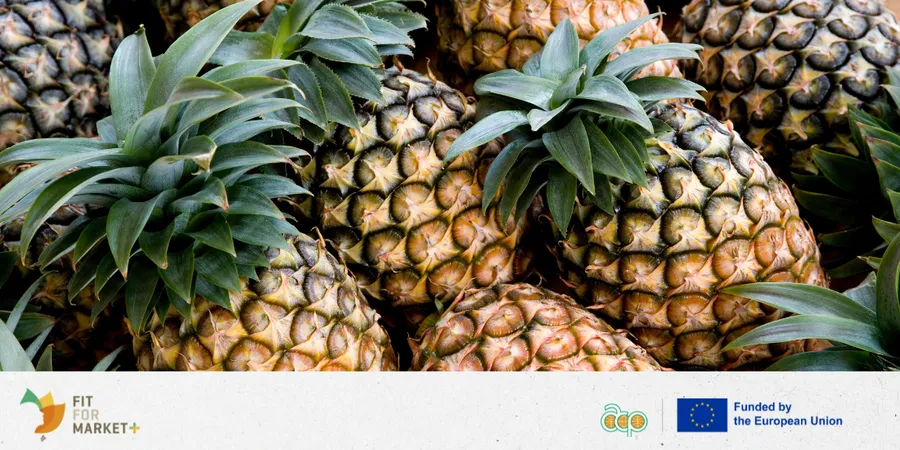
Agroecological practices in Uganda: the Kangulumira Horticulture and Vanilla Cooperative Society strengthens the sustainability of its production
In Uganda, the Kangulumira Horticulture and Vanilla Cooperative Society (KHVCS) has benefited from technical support to strengthen the sustainability of its production systems. As part of the Fit For Market Plus (FFM+) programme, the mission focused on composting, integrated pest management and agroecological practices, resulting in concrete recommendations — including the introduction of biochar to valorise organic waste.COLEAD, under the Fit For Market Plus (FFM+) programme, carried out a technical support mission with the Kangulumira Horticulture and Vanilla Cooperative Society (KHVCS) in Uganda, aimed at strengthening the sustainability and resilience of its production systems. The mission focused on improving composting systems, integrated pest management (IPM) and agroecological practices.From knowledge to practice, in the fieldBuilding on the knowledge already gained through COLEAD training, the mission combined technical assessment with hands-on coaching to help the cooperative translate good agricultural practices into day-to-day actions. Through field visits, consultations, demonstrations and technical guidance, the expert worked alongside KHVCS management, technical staff and producers to identify ways to improve organic waste management, soil fertility and sustainable production.A solid foundation, with room for progressThe mission confirmed that KHVCS has a strong foundation for organic production: a network of experienced producers and well-established certification systems. It also identified concrete levers for improvement: strengthening composting, making better use of pineapple residues, consolidating integrated pest management and disseminating agroecological practices more widely. Among the innovative recommendations is the introduction of biochar — via a Top-Lid UpDraft (TLUD) unit — to transform organic waste into a valuable soil amendment, improving resource efficiency while reducing environmental impact.Lasting local ownershipBeyond the technical recommendations, the mission significantly strengthened the capacities of staff and producers through field-based coaching, enabling them to confidently implement improved composting techniques, sustainable soil fertility management and integrated pest management practices across the cooperative. The collaborative approach adopted throughout the mission consolidated local ownership of the actions and puts KHVCS in a strong position to sustain this progress well beyond the intervention.This activity is supported by the Fit For Market Plus (FFM+) programme, implemented by COLEAD within the Framework of Development Cooperation between the Organisation of African, Caribbean and Pacific States (OACPS) and the European Union. This publication receives financial support from the European Union and the OACPS. The content of this publication is the sole responsibility of COLEAD and can in no way be taken to reflect the views of the European Union or the OACPS.
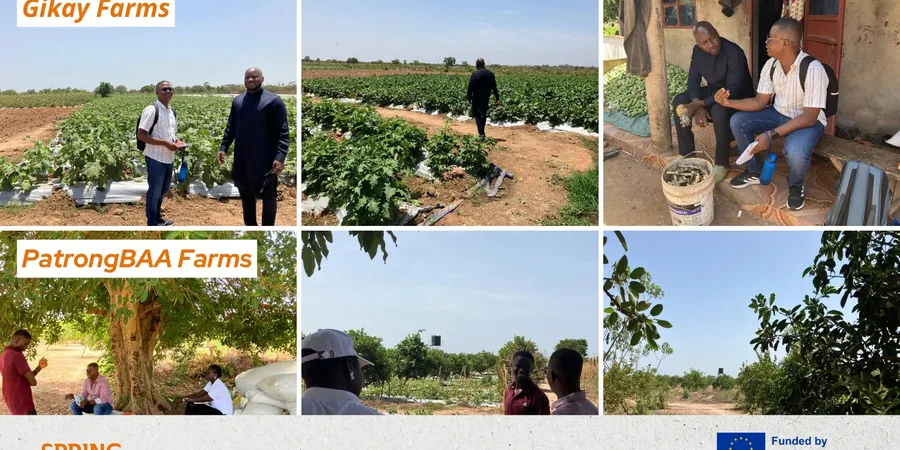
The Gambia – SPRING Programme: first achievements and new approaches to support Gambian horticulture
Officially launched on 14 April 2026, the SPRING programme (Sustainable Production for Resilient and Inclusive New Generations) is now entering its operational phase in The Gambia. Funded by the European Union with a budget of of €18.9 million and implemented by COLEAD over the 2025-2030 period, SPRING aims to strengthen the contribution of the Gambian horticultural sector to economic growth, food security, food safety and nutrition, by accelerating a resilient, market-driven and people-centred agroecological transition — particularly for women and young people.Investment, food safety and nutrition: the three pillars of the programmeThe programme pursues three complementary objectives: (i) increase investments, productivity, income and employment opportunities, especially for women, young people and marginalised groups, within the targeted horticultural value chains; (ii) improve plant health, food safety, quality management and sustainable agroecological practices among horticultural producers and processors; and (iii) strengthen diversified, nutrition-sensitive horticultural value chains.SPRING targets priority value chains at three levels: export (mango, capsicum, groundnut), the local market (tomato, onion) and nutrition through biofortified crops (orange-fleshed sweet potato, iron-rich beans, cassava).Youth training, nutrition, infrastructure, finance: new levers for actionBeyond COLEAD's long-standing areas of intervention — plant health, food safety, sustainable practices, capacity building for MSMEs and producer organisations, access to markets and finance — the SPRING programme enriches the support offer with several complementary levers for action:A "Next-Gen" traineeship programme linking young professionals with businesses and institutions in the horticultural sector;The integration of nutrition into COLEAD's support, through nutrition-sensitive value chains and dietary behaviour change;An infrastructure component, aimed at boosting productivity, processing and quality in the targeted value chains, including laboratories;A Matching Grant Facility to finance or co-finance investments by horticultural SMEs in infrastructure, equipment and sustainability-driven innovation;The promotion of horticultural investment, by facilitating matchmaking between actors in the targeted value chains and potential investors, both local and international.Baseline studies, public-private dialogue, support to beneficiaries: early progress on the groundOn the ground, work to establish the baseline is under way: a bottleneck study, an R-SAT assessment for the competent authorities and a survey on access to farming inputs. A draft nutrition strategy has also been developed, while public-private dialogue has intensified through the revitalisation of the National SPS Committee during World Food Safety Day events organised in collaboration with the World Bank-funded GIRAV programme. Following stakeholder meetings organised by COLEAD for private sector representatives, the industry also proposed revitalising the private sector association, GAMHORT.Direct support to the programme's beneficiary partners is generating strong interest, with nearly one hundred expressions of interest already received. The priority needs identified include access to adequate financing, improved water and irrigation management, skilled human resources and technical expertise, reduced post-harvest losses, better access to markets, and the adoption of climate-resilient practices.Next step: the evaluation of the national SPS control system using the R-SAT toolIn early August 2026, The Gambia will host a workshop to evaluate its national sanitary and phytosanitary (SPS) control system as applied to value chains destined for the local market — onion, tomato, sweet potato, cassava and cowpea. Led and facilitated with the "Domestic Value Chains" Technical Working Group, established as part of the revitalisation of the National SPS Committee, this exercise will draw on the R-SAT tool and will see the first roll-out of the new "RSAT" application developed by COLEAD.The workshop will be accompanied by discussions with the competent authorities on their needs and the support the programme could provide, with partners beneficiaries who have already expressed interest — in order to identify priority actions to be implemented — as well as with the Delegation of the European Union and other technical and financial partners, with a view to potential collaborations.This activity is supported by the "Sustainable Production for Resilient and Inclusive New Generations" (SPRING) programme, funded by the European Union and implemented by COLEAD. This communication has been produced with the financial support of the EU. Its content is the sole responsibility of COLEAD and can in no way be taken to reflect the views of the EU.
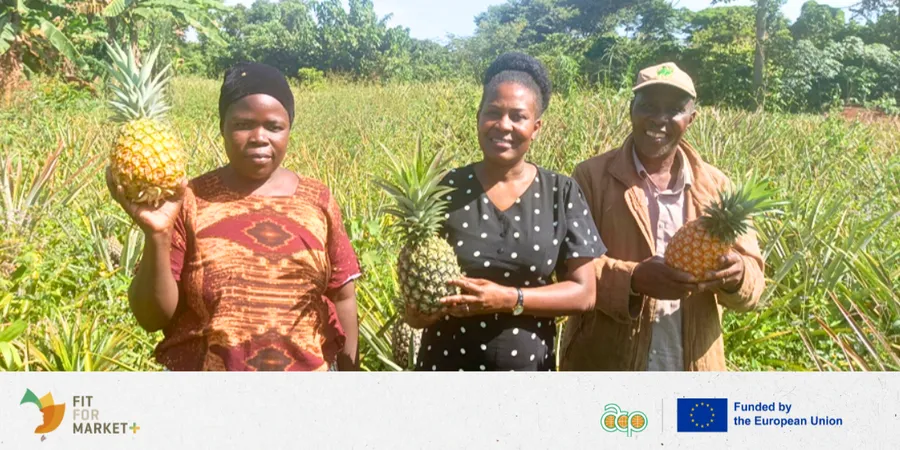
Supporting BioUganda's organic transition for sustainable market access
In Uganda, BioUganda Ltd. has benefited from technical support from COLEAD, under the Fit For Market Plus (FFM+) programme, to prepare its compliance with the new EU Organic Regulation (EU) 2018/848 resulting in a clear roadmap towards the Group of Operators (GoO) certification.This post-training technical assistance mission built on the knowledge gained through COLEAD's Organic Agriculture training. It provided tailored technical coaching to assess BioUganda's current level of compliance, validate its initial diagnosis, and consolidate its roadmap towards the new organic certification requirements. Working closely with the company's management and farmer representatives, the expert reviewed existing management systems, strengthened the Internal Control System (ICS), and refined the company's action plan to ensure a structured and practical transition to the new Group of Operators certification model.The mission provided BioUganda with a clear and realistic roadmap towards certification by identifying priority actions, strengthening governance arrangements, and reinforcing the company's capacity to support its network of organic producers. Through constructive dialogue, field verification, and technical guidance, the mission also fostered stronger collaboration between BioUganda and its farmer groups, laying a solid foundation for sustainable compliance and long-term growth.This intervention reflects COLEAD's continued commitment to translating knowledge into action by helping horticultural enterprises implement practical improvements that enhance competitiveness, strengthen quality management systems, and improve access to high-value international markets. By supporting companies such as BioUganda in adapting to evolving regulatory requirements, COLEAD continues to contribute to more resilient, sustainable, and inclusive horticultural value chains across Africa.This activity is supported by the Fit For Market Plus (FFM+) programme, implemented by COLEAD within the Framework of Development Cooperation between the Organisation of African, Caribbean and Pacific States (OACPS) and the European Union. This publication receives financial support from the European Union and the OACPS. The content of this publication is the sole responsibility of COLEAD and can in no way be taken to reflect the views of the European Union or the OACPS.
Strengthening youth agricultural entrepreneurship through business plan development support for SUGECO in Tanzania
In Tanzania, the youth-led cooperative SUGECO received post-training support from COLEAD, under the Fit For Market Plus (FFM+) programme, to transform an initial draft business plan into a robust, investment-ready document. The outcome: a five-year plan, a detailed market study and financial tools to launch a spice business creating employment opportunities for young people.Beyond its training pathways, the FFM+ programme offers tailored post-training support, enabling beneficiaries to apply the knowledge acquired to concrete challenges. It is within this framework that SUGECO was supported, following its participation in the COLEAD training course "Developing a business plan for your agrifood business".SUGECO: a youth-led cooperative born of Sokoine's agricultural universityEstablished in 2011 by graduates and faculty members of the Sokoine University of Agriculture (SUA), the Sokoine University Graduates Entrepreneurs Cooperative (SUGECO) promotes youth employment and entrepreneurship through agriculture, by facilitating access to land, finance, technology and markets. It now has more than 2,300 members.Its flagship project, the Kizimba Business Model (KBM) Farm in the Morogoro region, serves as an incubation and demonstration hub where young entrepreneurs gain access to irrigated land, mechanisation, training and market linkages. It was in this context that SUGECO identified the opportunity to establish a commercially viable spice business, focused on ginger, habanero chilli and paprika.From an initial draft to a bankable projectFollowing the training, SUGECO had developed a first business plan, but further support was needed to consolidate the business model, refine the market analysis, improve the financial projections and strengthen the investment's bankability. Through technical coaching sessions, document reviews and working meetings, the consultant supported the management team in strengthening the strategic and financial components of the project, ensuring that the model was built on realistic production assumptions, underpinned by market data.Concrete resultsThe intervention resulted in a comprehensive five-year business plan setting out the strategic direction, operating model, investment requirements, financial projections and risk management of the spice business. It is underpinned by a detailed market study report covering the ginger, habanero chilli and paprika value chains — analysing demand, trends, customer segments and opportunities at national, regional and international levels — as well as detailed financial projections (operating budgets, investment plans, cash flow forecasts and profitability analyses) demonstrating the commercial viability of the project. Beyond these deliverables, the process strengthened SUGECO's internal capacities in strategic planning and financial analysis, equipping the team with a practical tool to steer implementation and engage with prospective funders.What's next? Mobilising capital and scaling upThe business plan provides SUGECO with a roadmap for developing the KBM Farm spice business and a tool for resource mobilisation. The next phase will focus on mobilising investment capital, developing commercial spice production, strengthening linkages with buyers and creating new opportunities for young people. Through this initiative, SUGECO is well positioned to strengthen its contribution to youth employment and to the growth of the spice sector in Tanzania.This activity is supported by the Fit For Market Plus (FFM+) programme, implemented by COLEAD within the Framework of Development Cooperation between the Organisation of African, Caribbean and Pacific States (OACPS) and the European Union. This publication receives financial support from the European Union and the OACPS. The content of this publication is the sole responsibility of COLEAD and can in no way be taken to reflect the views of the European Union or the OACPS.
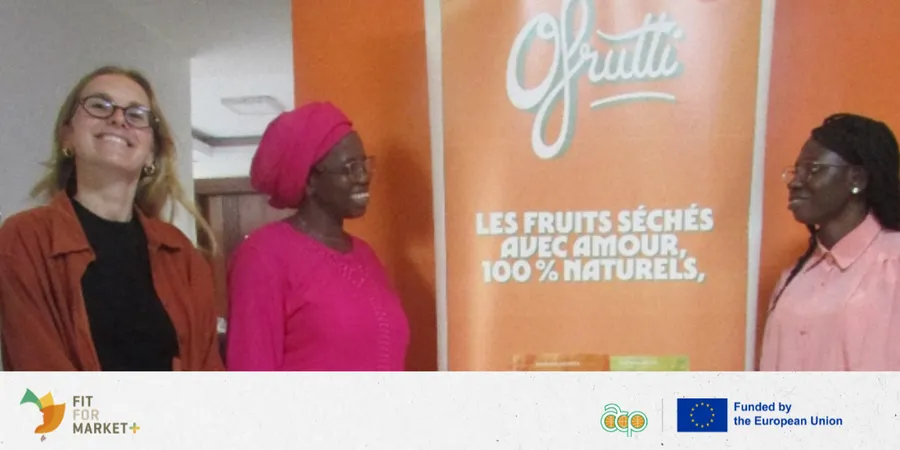
OFRUTTI in Senegal: post-training support strengthens financial management
Founded in 2021, OFRUTTI processes locally grown Senegalese fruit into high-value products for both domestic and international markets, helping to reduce post-harvest losses while increasing producers' incomes. The company has recently benefited from post-training technical assistance to translate the knowledge acquired through the Accounting and Financial Management training into practical business practices. Delivered under the Fit For Market Plus (FFM+) programme, this tailored support strengthened OFRUTTI's financial management tools and provided the company with a clear roadmap to prepare for its future growth and development projects.Following the "Accounting and Financial Management" training organised under the Fit For Market Plus (FFM+) programme, COLEAD supported the Senegalese company OFRUTTI through post-training technical assistance, designed to turn what was learned into concrete improvements in its management practices. Specialising in fruit processing, OFRUTTI produces dried mangoes in particular, for both local and international markets.Support tailored to the company's maturityAlready equipped with an accounting structure and management software, OFRUTTI wanted to go further: to strengthen its financial steering tools and consolidate its practices in order to support its growth. The support was therefore calibrated to this level of maturity and built on a prior assessment of the company's accounting and financial practices.Strengthening financial steeringThe assistance enabled OFRUTTI to strengthen its steering tools, particularly in cash-flow and stock management, budget planning and tax compliance. The company was also made aware of what financial institutions expect, and guided in understanding the key elements of a business plan, with a future funding application in mind.A roadmap to keep progressingBeyond the recommendations, a number of practical tools were made available to the company to help it steer its finances. By the end of the mission, OFRUTTI had a prioritised roadmap setting out short- and medium-term actions to continue structuring its financial management and better prepare its development projects. The practical, tailored approach of this support — built on an analysis of the company's own practices and data — made it possible to identify solutions directly applicable to its day-to-day realities.This activity is supported by the Fit For Market Plus (FFM+) programme, implemented by COLEAD within the Framework of Development Cooperation between the Organisation of African, Caribbean and Pacific States (OACPS) and the European Union. This publication receives financial support from the European Union and the OACPS. The content of this publication is the sole responsibility of COLEAD and can in no way be taken to reflect the views of the European Union or the OACPS.
New EU rules on MOAH: a topic mobilising the global agri-food sector
In June, COLEAD, through AGRINFO, held two webinar sessions on the "New EU rules on maximum levels for mineral oil aromatic hydrocarbons (MOAH)", which brought together 1,134 participants from 87 countries. Veerle Vanheusden (European Commission) set out the content of the upcoming Regulation on MOAH, and food quality expert Claus-Michael Brieber (Food QSafety First) provided advice on strategies to mitigate the risk of MOAH contamination. What is it about?MOAH are contaminants derived from mineral oils that can find their way into food through multiple sources (lubricants, printing inks, packaging materials, harvesting and processing operations). In its 2023 scientific opinion, EFSA confirmed that food containing MOAH can damage DNA in cells and may cause cancer. The upcoming Regulation sets for the first time maximum levels (MLs) for MOAH in certain foods. Most MLs will apply from 1 January 2027, but for some MLs a later application date is foreseen.Which products and what implications?The new MLs concern a wide range of products: oilseeds and oil fruits, animal and vegetable fats and oils, tree nuts, pulses, cereals, milk, dairy products, cocoa beans, cocoa products, spices, dried herbs, dry tea and herbal infusions, food supplements, food additives, foods for infants and young children and for compound and processed food containing these ingredients. No maximum levels are set for fresh foods, such as fruits, vegetables meet and seafood. There is currently not sufficient data available to set maximum levels for processed foods, but EU competent authorities are recommended to investigate together with food operators foods that are found to exceed “indicative levels” that the Commission has recommended. All sectors are therefore advised to check for the presence of MOAH in their supply chains. Suppliers face two particular challenges. Firstly, MOAH contamination can come from multiple sources including the environment, agricultural machinery, food processing and packaging. Secondly, identifying sources of MOAH will require significant analysis of food, but there is currently limited laboratory capacity for testing MOAH outside the EU.Further information The webinar presentations, together with recordings in English, French and Spanish, are available on the AGRINFO Webinars page: https://agrinfo.eu/webinars/. French and Spanish translations of the presentations will be published shortly, along with a questions-and-answers document compiling the questions raised during the two sessions.This activity is supported by the AGRINFO programme, implemented by COLEAD and funded by the European Union (EU). This publication receives financial support from the European Union. The content of this publication is the sole responsibility of COLEAD and can in no way be taken to reflect the views of the European Union.
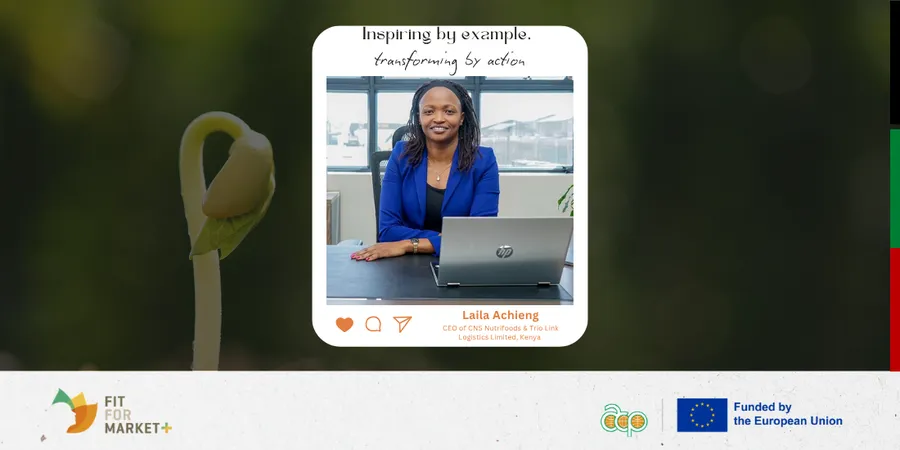
Laila Achieng, Connecting Kenyan farmers to global markets
With over 18 years of experience in logistics, international trade, and agribusiness, Laila Achieng has built businesses driven by a central question: how can African farmers access global markets more effectively and competitively? She is the Chief Executive Officer of CNS Nutrifoods and Trio Link Logistics Limited, two Kenyan enterprises strengthening Africa’s agrifood value chains.At CNS Nutrifoods, Laila leads the export of premium Kenyan products such as avocados, cashew nuts, vegetables, and herbs. The company works closely with farmers, focusing on quality, traceability, and responsible sourcing to meet international market requirements and unlock higher-value opportunities.Beyond fresh produce exports, CNS Nutrifoods is gradually moving toward value addition, processing, and shelf-life improvement. This approach aims to reduce post-harvest losses and increase returns along the value chain, ensuring that growth benefits producers as well as the business.Logistics is a core pillar of Laila’s work. Through Trio Link Logistics Limited, she supports exporters in navigating international trade by providing export readiness, compliance support, and supply chain coordination. The company increasingly integrates digital tools, data analytics, and AI-driven solutions to improve efficiency and transparency.By combining agribusiness and logistics, Laila has developed a complementary business model that addresses key challenges faced by African SMEs, including fragmented supply chains and high transaction costs. Her work reflects a strong commitment to African-led solutions built on partnerships, robust systems, and market-driven strategies.An alumna of Harvard CORe and USIU Africa’s MBA programme, Laila Achieng exemplifies how locally rooted enterprises can create sustainable value while positioning African agriculture as a credible player in global food markets.Laila Achieng shared her entrepreneurial journey during Innovation Session N°25, organised by PAFO and COLEAD which explored how foresight can equip african agrifood entrepreneurs to anticipate key changes, climate impacts, demographic pressures, digital transitions, safety requirements and respond proactively.Join the Climate resilience conversation on the Agrinnovators Forum.This activity is supported by the Fit For Market Plus (FFM+) programme, implemented by COLEAD within the Framework of Development Cooperation between the Organisation of African, Caribbean and Pacific States (OACPS) and the European Union. This publication receives financial support from the European Union and the OACPS. The content of this publication is the sole responsibility of COLEAD and can in no way be taken to reflect the views of the European Union or the OACPS.
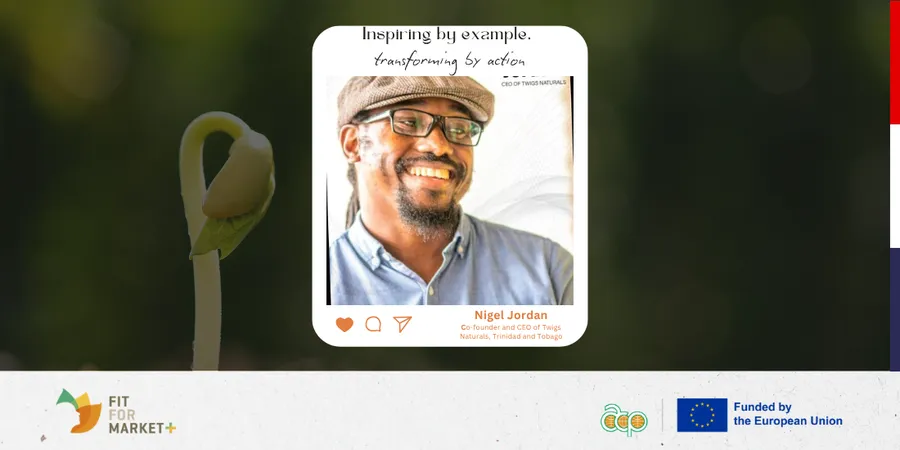
Nigel Jordan, co-founder and CEO of Twigs Naturals: From a Family Garden to a National Brand
Nigel Jordan is a Trinidad and Tobago–based entrepreneur and co-founder and CEO of Twigs Naturals, a company producing natural teas, seasonings, and essential oils.The idea behind the business began in 2014 when Nigel and his son experimented with herbs from their family garden to create tea bags for a school project. The results encouraged further exploration of local ingredients, leading Nigel to develop early herbal tea prototypes that were well received within his community. Despite initial skepticism about the commercial viability of locally made herbal teas, he continued refining the concept.Nigel brings over 20 years of experience in telecoms and web application development, including e-services and e-commerce systems. This background influenced his structured, systems-based approach to building the business, particularly in production management and operations.In 2016, he formalised the venture as Twigs Naturals. To strengthen his expertise, Nigel participated in the Business Hatchery Programme at the Caribbean Industrial Research Institute (CARIRI) and became a certified tea specialist through the Specialty Tea Institute in the United States.A key part of his approach has been sourcing herbs from local farmers across Trinidad and Tobago. Although the company's first raw materials came from Paramin, it quickly expanded its sourcing across the country, reinforcing its brand's focus on representing the authentic taste of the islands.The company produces a range of 100% natural teas, blended infusions, dried seasonings, and essential oils. Production follows HACCP, GMP, and PCQI standards, with an emphasis on consistency, food safety, and quality control. It also uses recyclable packaging and composts organic waste as part of its environmental practices.Nigel also leveraged external support to strengthen the business. Through COLEAD's Fit For Market+ Programme, Twigs Naturals benefited from online trainings on Sustainable Energy Management, Managing Gender Dynamics in the Workplace, and Labour Conditions as well as post-training support on food fraud and food defence.For Nigel Jordan, a simple idea rooted in local resources can evolve into a structured business that supports farmers, promotes sustainability, and brings Caribbean products to international markets.Nigel Jordan presented his enterprise during the Caribbean Agrifood Business Session n°2, organised by IICA and COLEAD, and aimed at showcasing the innovations and successes of Caribbean farmer-led businesses and small and medium enterprises. You can access the business profile of Twigs Naturals here.This activity is supported by the Fit For Market Plus (FFM+) programme, implemented by COLEAD within the Framework of Development Cooperation between the Organisation of African, Caribbean and Pacific States (OACPS) and the European Union. This publication receives financial support from the European Union and the OACPS. The content of this publication is the sole responsibility of COLEAD and can in no way be taken to reflect the views of the European Union or the OACPS.

COLEAD 2026 General Assembly: 2025 Annual Report approved and new Board of Directors elected
Meeting at their Annual General Assembly on 25 June 2026, COLEAD's members approved the association's 2025 Annual Report and elected a new Board of Directors and a new Executive Committee for a four-year term.The decisions taken at this General Assembly strengthen the association's governance at a time when COLEAD is continuing to implement its 2030 Strategy, in close collaboration with its members and partners, in order to contribute to the development of sustainable, inclusive and resilient agri-food systems.Board of DirectorsGabriel OUIDI (OCAB, Côte d'Ivoire)Hans-Willem VAN DER WAAL (AgroFair Europe, Netherlands)Jacqueline SAUZIER (Mauritius Chamber of Agriculture, Mauritius)Jean-Marie SOP (UNAPAC, Cameroon)Karim DOSTMOHAMED (Frigoken – Spieken EPZ, Kenya)Leena MALDE (Wealmoor, United Kingdom)Maren PETERS (Tradin Organic Agriculture, Netherlands)Moctar FOFANA (AOM, Mali)Thomas HILDENBRAND (SIPEF, Belgium)Vincent OMER-DECUGIS (SIIM / Omer-Decugis & Cie, France)Executive CommitteePresident: Jean-Marie SOPVice-President: Leena MALDETreasurer: Vincent OMER-DECUGISSecretary General: Karim DOSTMOHAMEDThe General Assembly also paid a heartfelt tribute to the outgoing President, Stephen Mintah, acknowledging his exceptional commitment and the leadership he has demonstrated over the past thirteen years. His work has contributed significantly to COLEAD's development and to the evolution of its strategic positioning.COLEAD extends its warmest congratulations to the newly elected members of the Board of Directors and the Executive Committee. It wishes them every success in carrying out their mandate and looks forward to continuing, together with them, the implementation of the COLEAD 2030 Strategy in support of more sustainable, inclusive and resilient agri-food systems.The 2025 Annual Report, approved by the General Assembly, is available here.