
Cultivating
Sustainable Futures
 News
News
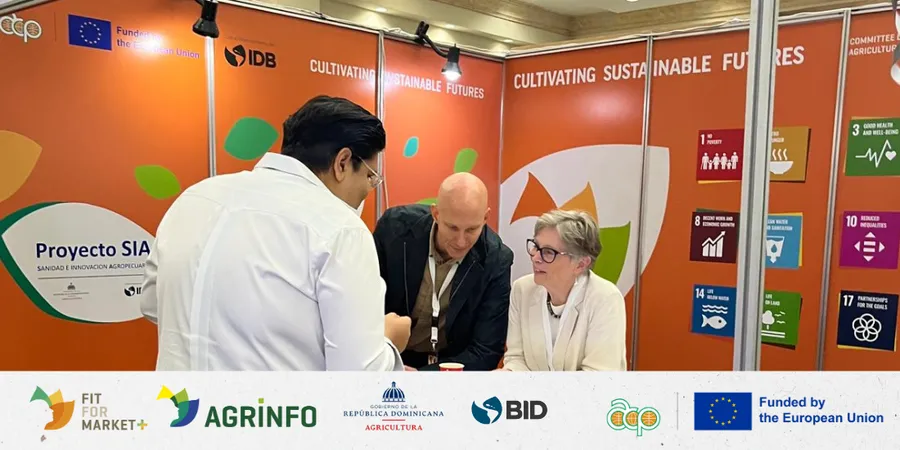
COLEAD at Agroalimentaria 2025: Promoting structural actions in the Caribbean Region for a sustainable agri-food sector
From 28 to 31 May 2025, COLEAD has participated in the Feria Agroalimentaria in Santo Domingo, the Dominican Republic's flagship agri-food event. Organised by public and private institutions every two years, the event brings together over a hundred exhibitors and thousands of visitors, providing an essential platform for promotion, dialogue and cooperation.COLEAD had an institutional stand to inform participants about its activities and partnerships in the country. The aim of this presence is to raise the organisation's profile and facilitate deeper exchanges with public and private sector stakeholders. Several events marked COLEAD's participation, including two presentations at the technical conference organised during the fair.The first, entitled 'Presentation of the Good Practice Manuals produced for the Sanidad e Innovación Agropecuaria (SIA) project', highlighted the work carried out under the SIA project. This project is funded by the Inter-American Development Bank and implemented with the Dominican Ministry of Agriculture. The project aims to enhance food security, productivity, and competitiveness within the agri-food sector by reinforcing animal and plant health services, encouraging innovation in animal health, and generating dependable statistical data. The second presentation, focusing on the AGRINFO programme, is entitled 'Presentation of tools to stay informed about European Union regulations'. Funded by the EU, this programme provides public authorities and the private sector with a strategic information service to help them anticipate and adapt to European regulatory developments affecting agri-food value chains.This mission also promoted COLEAD's other ongoing initiatives in the country, particularly the Fit for Market Plus (FFM+) programme. This programme supports the resilience and sustainability of the ACP horticultural sector in the face of the impacts of the pandemic and climate change. COLEAD's participation in the Feria Agroalimentaria, which fully embraces international cooperation and sustainable development, demonstrates its commitment to working alongside Dominican stakeholders to strengthen a safer, more competitive and more resilient agri-food sector. Furthermore, by meeting with multilateral organisations such as the World Bank, the European Investment Bank, the Inter-American Development Bank, and European and Japanese cooperation agencies, COLEAD is opening up the results of its work in the country and the region — particularly through the SIA project — to synergies aimed at achieving the Sustainable Development Goals in the Caribbean.Engage with companies and experts to promote the Agrinnovators platform, a community of entrepreneurs in the agrifood sector from the global South, and promote their contributions, in particularly around the discussion forum themes.The Fit For Market Plus programme, implemented by COLEAD within the framework of Development cooperation between the Organisation of African, Caribbean and Pacific States (OACPS), and the European Union (EU). The AGRINFO programme, implemented by COLEAD and funded the European Union (EU). This activity is supported by the SIA project (Sanidad e Innovación Agropecuaria), implemented by COLEAD on behalf of the Ministry of Agriculture of the Dominican Republic and financed by the Inter-American Development Bank (IDB) under loan no. BID-4909/OC-DR. This publication receives financial support from the European Union and the OACPS The contents are the sole responsibility of COLEAD and in no way reflect the views of the Dominican Ministry of Agriculture, the IDB, the European Union or the OACPS.
 News
News
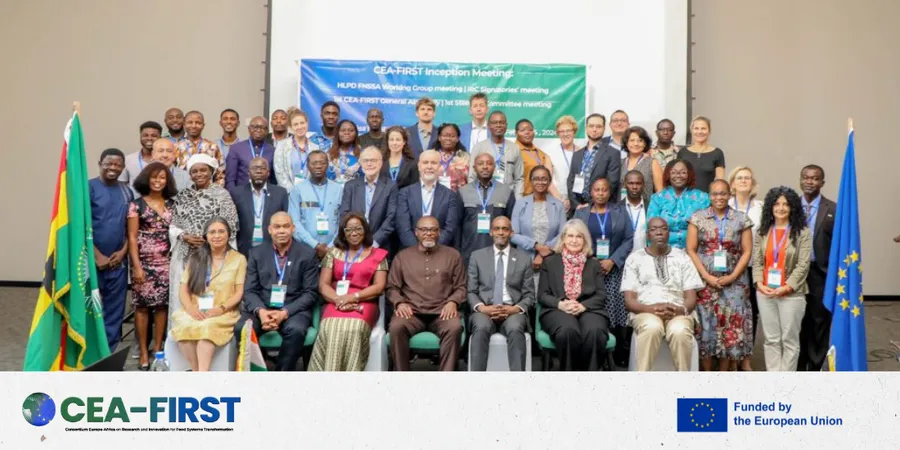
Mapping of multistakeholder initiatives in Food and Nutrition Security and Sustainable Agriculture (FNSSA): The CEA-FIRST Consortium identifies key opportunities for strengthened EU-AU collaboration.
The CEA-FIRST Consortium identifies key opportunities for strengthened EU-AU collaboration.As part of the CEA-FIRST project aiming to establish a functional International Research Consortium (IRC) on FNSSA, a mapping report of multistakeholder initiatives (MSIs) active in the field of food and nutrition security and sustainable agriculture in Africa and Europe has just been finalized. Conducted as part of Work Package 3, the aim of this mapping exercise is to support the implementation of the IRC by identifying existing multi-stakeholder platforms, fora, and/or initiatives directly involved in food and farming systems that include actors in Europe and/or Africa and relate to research or innovation. The final goal was to assess their synergies and inform future stakeholder engagement strategies.A rich but fragmented ecosystemThe study identified 242 MSIs through a combination of desk research, internal and external consultations, and targeted data analysis. The initiatives were distributed as follows: 38% operate at the global level; 39% operate at the regional level. Only 10% are bi-continental (Africa–Europe). Just 10% are specifically focused on Africa. These findings highlight a significant geographical imbalance and emphasise the urgent need to bolster African-led initiatives that are grounded in local contexts and realities.Stakeholders and funding: A landscape still dominated by EuropeIn contrast to earlier expressed concerns about private sector dominance in MSIs on agricultural transformation at global scale, the majority of identified initiatives in this EU-AU landscape are funded by public sources (64%), followed by blended finance (24%) and private funding (12%). The European Union is the main funder, supporting almost half of the identified initiatives.Academic institutions are the most represented stakeholders (48%), followed by government actors (41%). In contrast, the private sector is underrepresented, particularly in initiatives focused on research and innovation suggesting a significant untapped potential.A major challenge: sustainabilityWhile 62% of initiatives are currently active, many depend on short-term funding and end once the initial financing is consumed. The frequent use of the term 'partnership' for short-lived projects highlights the need for stronger governance structures, sustainable financing mechanisms and institutional anchoring.The report also recommends adopting a network-based approach to better understand the interconnections, flows of influence and structural dynamics among MSIs and actors, moving beyond isolated analyses.The strategic role of the International Research ConsortiumDrawing on the findings of this mapping exercise, the International Research Consortium (IRC) can establish itself as a strategic coordination hub, reducing fragmentation, fostering synergies and supporting long-term engagement by: Thematic working groups; Shared governance platforms; Establishing a dynamic, continuously updated MSI database. Next stepsFrom 2025 onwards, the IRC will organise a series of stakeholder engagement webinars targeting public and private actors involved in funding, implementing or using FNSSA R&I; results. The objective is to expand the IRC’s membership and reinforce bi-continental coordination.More information on the CEA FIRST consortium: https://news.colead.link/fr/lancement-du-consortium-europe-afrique-sur-la-recherche-et-linnovation-pour-la-transformation-des-systemes-alimentaires-cea-first/
 News
News
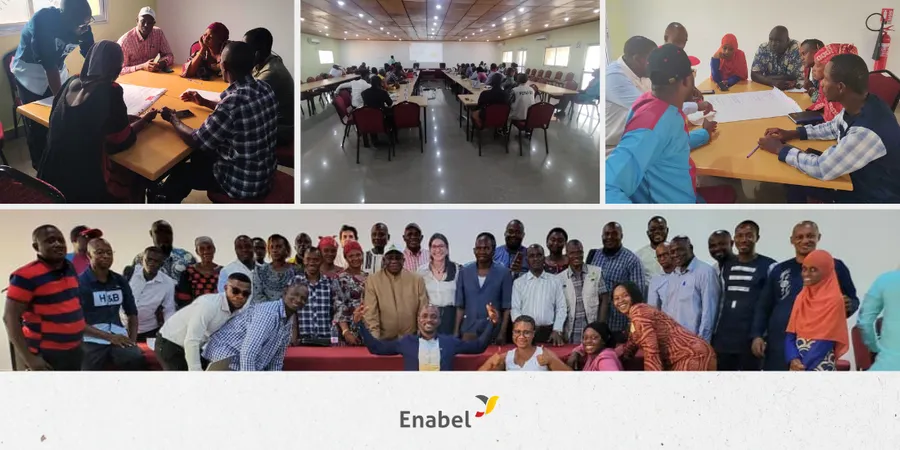
Focus on agroecology in Guinea: highlights from two participatory workshops held in Mamou and Kindia
As part of the ENABEL Guinea-funded programme, 'Strengthening the resilience of Guinean populations to climate, food and economic shocks through sustainable agricultural development', COLEAD carried out its first field mission dedicated to the agroecological transition in the Mamou and Kindia regions.A foundational mission to support local value chainsThe project, which was launched in 2025, aims to improve the incomes of stakeholders in the potato, pineapple and vegetable farming value chains in a sustainable way, with a particular focus on youth and women. The project's specific objective is to encourage these stakeholders to engage in an inclusive and progressive transition towards agroecology while addressing growing market demands.To this end, two participatory workshops were organised to initiate collective reflection on the targeted agricultural value chains. This mission marks a foundational step in COLEAD’s work in Guinea under this programme.The workshops had three main objectives: Present the fundamentals of agroecology and its core principles, which are directly connected to the realities of local value chains. Define collective action areas for the short, medium and long term. Structure dialogue within a sustainable perspective using the Farmer Field School (FFS) methodology. Local mobilisation and participationIn Mamou, 37 participants gathered, representing a dynamic agricultural ecosystem. In Kindia, 42 stakeholders participated in the discussions. The workshops were characterised by the strong involvement of producers and cooperative leaders, effective group activities and completed questionnaires that helped lay the groundwork for the initial stage of support.Early outcomesA positive group dynamic emerged, driven by the deployment of the TAPE (Tool for Agroecology Performance Evaluation), developed in close collaboration with ENABEL’s team and Guinea’s decentralised services. Beyond the workshops, key meetings helped to strengthen operational partnerships between iCRA, ENABEL, COLEAD and local stakeholders.These exchanges reinforced a shared commitment to supporting an agroecological transition that promotes resilience and opportunity for Guinea’s agricultural stakeholders.The Agriéco project, implemented in Guinea with financial support from the Belgian Development Agency (ENABEL). This publication was produced with financial support from ENABEL. Its contents are the sole responsibility of COLEAD and cannot in any way be considered to reflect the official position of ENABEL.
 News
News
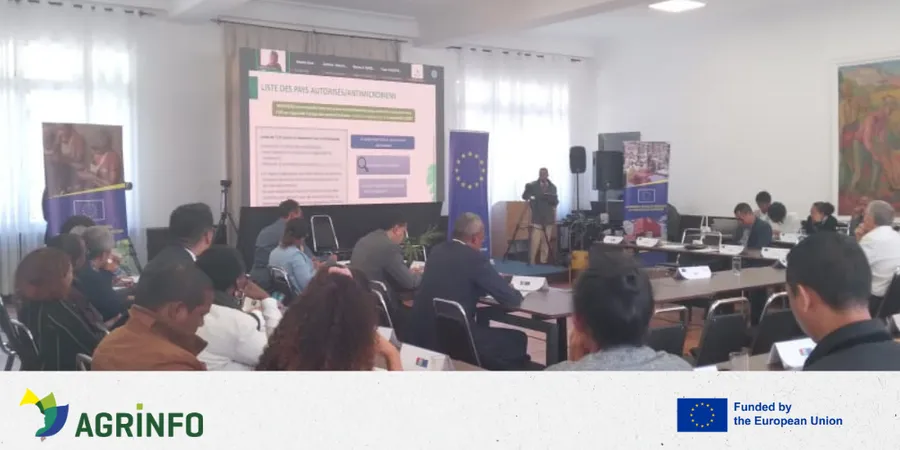
AGRINFO supporting a better understanding of EU market access rules: the case of Madagascar.
Implemented by COLEAD with the support of the European Union, the AGRINFO programme is a strategic information service designed to help low- and middle-income partner countries understand, anticipate, and adapt to changes in European regulations impacting their agri-food exports. Through its digital platform, newsletter, regulatory digest and interactive Q&A; service, AGRINFO gives competent authorities, private sector actors and professional organisations direct access to clear, up-to-date, actionable regulatory intelligence.On 20 May 2025, as part of Europe Week celebrations, the European Union Delegation to Madagascar and the Union of the Comoros organised a workshop in Antananarivo entitled 'Access to the European Market: Rules are Evolving”. The event brought together a wide range of Malagasy institutional and economic stakeholders with the aim of improving their knowledge of the EU's evolving market access requirements.During the workshop, AGRINFO was presented as a key support tool for Malagasy exporters. COLEAD, who were invited to participate remotely, introduced the main features of the programme and highlighted several forthcoming changes in European regulations that could impact Malagasy exports, particularly with regard to pesticide residues, contaminants and certain products of animal origin, such as aquaculture products and honey.There was also a rich exchange of ideas between the EU Ambassador and the participants at the workshop, revealing a strong local demand for tools like AGRINFO and emphasising the importance of improving their visibility and uptake. The event thus served as a valuable opportunity for dialogue and raising awareness, based on a collaborative approach between partners.More information is available at Agrinfo.euThis activity is supported by the AGRINFO programme, implemented by COLEAD and funded by the European Union (EU). This publication receives financial support from the European Union. The content of this publication is the sole responsibility of COLEAD and can in no way be taken to reflect the views of the European Union.
 News
News
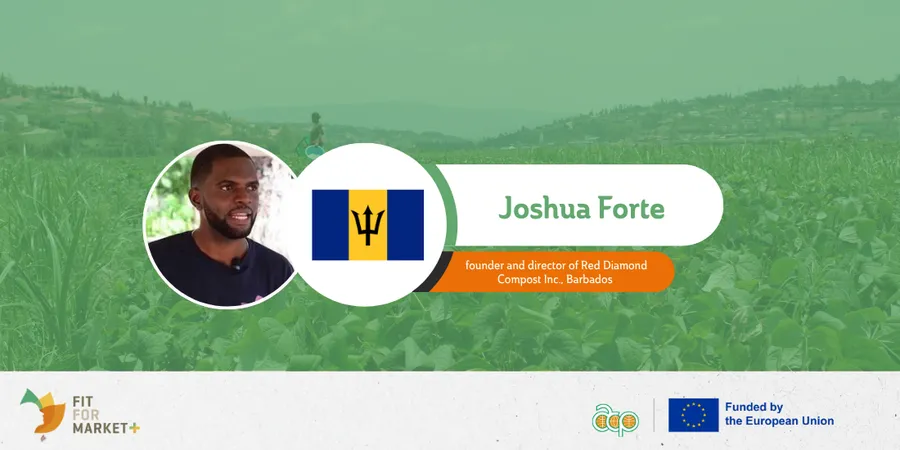
Joshua Forte is the founder and director of Red Diamond Compost Inc. in Barbados. The company transforms organic waste and invasive species into effective, environmentally friendly soil and crop inputs.
In Barbados and the wider Caribbean, agriculture faces increasing challenges: soil degradation, climate change, rising input costs, and food security concerns. Against this backdrop, entrepreneur Joshua Forte is building solutions that support farmers and gardeners in growing healthier food while protecting the environment.As founder and director of Red Diamond Compost Inc., Joshua Forte leads a social enterprise dedicated to regenerative agriculture, turning organic waste and invasive species into effective, eco-friendly soil and crop inputs. A vision rooted in soil and sustainabilityFounded in 2014, Red Diamond Compost operates with a clear mission: to ensure everyone has access to healthy, nutrient-dense food through clean and green crop inputs. The company’s focus is on improving soil health, a critical foundation for resilient farming, using innovative bioconversion processes to create organic fertilizers, biostimulants, and soil amendments. To validate their effectiveness and safety, Red Diamond’s products have undergone independent field trials and lab analysis, including DNA sequencing, phytohormone profiling, and plant metabolite analysis. Two flagship products, Supreme Sea Biostimulant (made from sustainably sourced Sargassum seaweed) and Liquid Sunshine Organic Plant Food (produced using regeneratively cultivated Tithonia, a fast-growing plant known for its rich nutrient profile and biomass yield), are designed to enhance plant growth, soil structure, nutrient cycling, and water retention. Backed by microbial analysis and field trials, these formulations avoid synthetic residues that harm soil microbiota and pollinating insects, supporting healthier ecosystems.Education and community buildingRecognizing that knowledge is as important as inputs, Red Diamond Compost offers multiple online courses covering regenerative farming techniques, soil building, and crop management. These are part of the company’s broader Journey to 1000 Acres Initiative, aiming to empower farmers and gardeners to transition toward sustainable practices. The company also provides a digital crop guide, complete with detailed instructions and how-to videos, to help growers implement climate-smart gardening techniques. Complementing these resources is an active online community, via a Facebook group and YouTube channel, where growers exchange ideas, experiences, and practical advice.Joshua also leads curriculum development for the Living Soils Mastery and Plant Power Essentials courses under the Journey to 1000 Acres Initiative, which combines scientific soil health training with practical regenerative methods. “We’re not just feeding plants, we’re restoring ecosystems from the soil up,” says Forte. “Our goal is to build resilience at every level: environmental, economic, and community.” Inspiring leadership for sustainable futuresJoshua Forte’s innovative approach embraces a circular economy that supports regenerative agriculture while enhancing climate adaptation and the resilience of farming systems in Barbados and the wider Caribbean.He is a truly inspiring entrepreneur who has motivated others to adopt circular, climate-smart agricultural solutions. For example, as an expert in solid waste management and regenerative practices, he shared his knowledge at One Young World Belfast 2023.Through his leadership, scientific rigour, and community-driven ethos, Joshua is redefining sustainable agriculture in small island nations. By blending entrepreneurship with environmental stewardship, his work exemplifies how local innovation can solve global challenges, turning waste into opportunity and knowledge into resilience, driving positive change for people and the planet.Joshua Forte has presented his company during the Caribbean Agrifood Business Session n°11, organised by IICA and COLEAD through the FFM+ programme, and aimed at showcasing the innovations and successes of Caribbean farmer-led businesses and small and medium enterprises. You can access the business profile of Red Diamond Compost.This activity is supported by the Fit For Market Plus (FFM+) programme, implemented by COLEAD within the Framework of Development Cooperation between the Organisation of African, Caribbean and Pacific States (OACPS) and the European Union. This publication receives financial support from the European Union and the OACPS. The content of this publication is the sole responsibility of COLEAD and can in no way be taken to reflect the views of the European Union or the OACPS.
 News
News
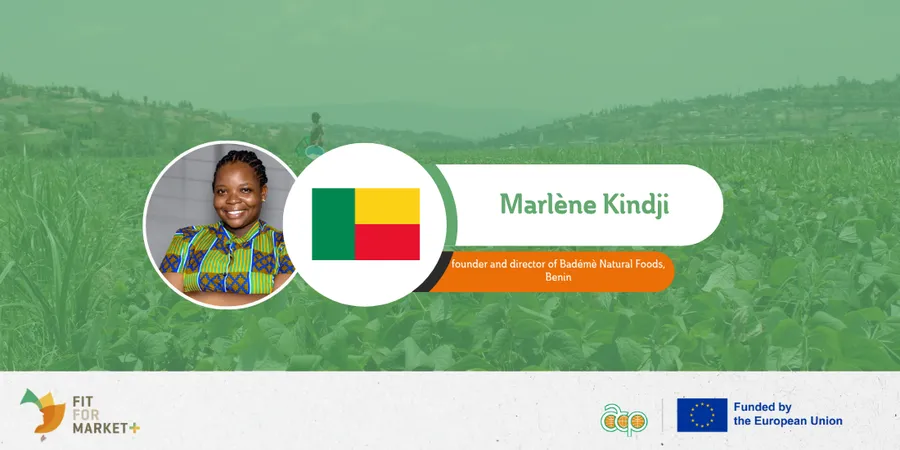
Marlène Kindji: founder and director of Badémè Natural Foods, Championing natural, nutritious and locally sourced foods in Benin
In the heart of Benin, Marlène Kindji is leading a transformation in how vegetables are preserved, valued, and consumed. As the Founder and Director of Badémè Natural Foods, Marlène has made it her mission to ensure that locally grown, perishable produce doesn’t go to waste but instead nourishes communities at home and across the diaspora.Badémè Natural Foods, established in 2017, was born out of a personal and pressing need. Marlène watched her mother, a market gardener, struggle to sell all her fresh produce before it spoiled. Faced with the stark reality of post-harvest losses that plague many smallholder farmers in Benin, Marlène sought a solution that would preserve the nutritional value of vegetables while creating new economic opportunities. What began as small-scale processing in her kitchen has since grown into an agro-processing enterprise.Today, Badémè Natural Foods specializes in the transformation of leafy greens, fruit vegetables, and aromatic plants into convenient, shelf-stable products. Through dehydration and artisanal processing techniques, the company produces a range of 100% natural, additive-free food items, from dried vegetables to locally inspired confectionery made with aromatic plants. Each product reflects a commitment to health, quality, and environmental sustainability.“Our goal is to make vegetables easy to cook, easy to store, and accessible year-round not only in Benin, but also for our communities abroad,” Marlène explains.But beyond business, Badémè is also about empowerment. Marlène works closely with local women and youth, providing training and opportunities in agro-processing and entrepreneurship. The company sources raw materials directly from farmers, creating a ripple effect that strengthens the entire value chain.With a Master’s degree in Public Finance and Treasury Administration, Marlène Kindji entered the field of agri-food processing without formal training in the sector. Instead, she drew on a rich heritage passed down from her mother, who shared traditional recipes and processing techniques, and continues to support her today in the transformation journey at Badémè. Marlène later deepened her technical knowledge through various training programs offered by governmental and international institutions.Passionate about nutrition and food sovereignty, she has emerged as an inspiring figure in Benin’s agrifood sector. Her innovative approach to adding value to perishable produce has earned her recognition from numerous entrepreneurship programs and regional networks.In a market often flooded with imported and processed foods, Marlène is proving that local, natural solutions thrive. With Badémè Natural Foods, she’s showing how tradition, innovation, and community spirit can come together to nourish both people and the planet.Marlène presented her company during the Innovation Session n°21, organised by PAFO and COLEAD, aimed at showcasing innovations and successes of African farmer-led businesses and small and medium enterprises. You can access Badèmè Natural Foods’ business profile.This activity is supported by the Fit For Market Plus (FFM+) programme, implemented by COLEAD within the Framework of Development Cooperation between the Organisation of African, Caribbean and Pacific States (OACPS) and the European Union. This publication receives financial support from the European Union and the OACPS. The content of this publication is the sole responsibility of COLEAD and can in no way be taken to reflect the views of the European Union or the OACPS.
 News
News
Focus on EU regulatory developments for fruit and vegetables: what ACP countries need to know
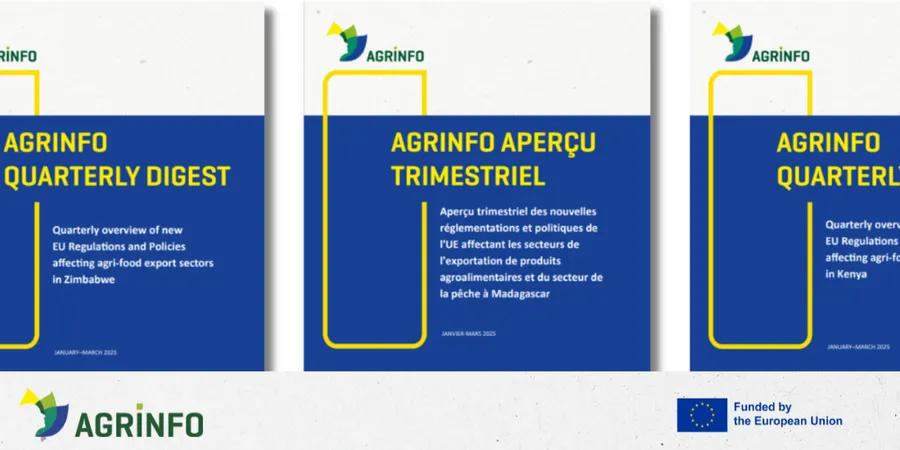
COLEAD's Regulations and Standards Department recently hosted a briefing on Thursday 24 April on recent regulatory changes in the European Union that may affect the export of fruit, vegetables and flowers from ACP countries.An important tool for anticipating future challengesCovering the period January-March 2025, the Digest summarises new EU regulations and policy updates that are likely to affect the agri-food value chain. It is a valuable resource for all stakeholders involved in supporting the ACP horticultural sector, particularly in the areas of food safety, trade compliance and sustainability.Working in the agri-food sector requires keeping abreast of legislative developments in Europe, as these can have a direct impact on market access, product quality and compliance requirements. This digest is designed to : support regulatory monitoring for technical teams and project managers raise awareness among local partners and beneficiaries gather feedback and questions from the field on new requirements The digest includes: Actions required: immediate and forthcoming Significant reductions in MRLs: substances affected and export implications Food safety and plant health: new requirements Marketing standards: labelling, grading and quality requirements Customs and trade: new procedures Sustainability: Green Deal related measures, environmental traceability, etc. Policy outlook: medium term regulatory trends The COLEAD Regulations and Standards team remains available to answer questions and provide further clarification as required. They can be reached at network@colead.linkThis activity is supported by the AGRINFO programme, implemented by COLEAD and funded by the European Union (EU). This publication receives financial support from the European Union. The content of this publication is the sole responsibility of COLEAD and can in no way be taken to reflect the views of the European Union.
 News
News
COLEAD at the Ghana-EU Business Forum : Investing together for sustainable agriculture
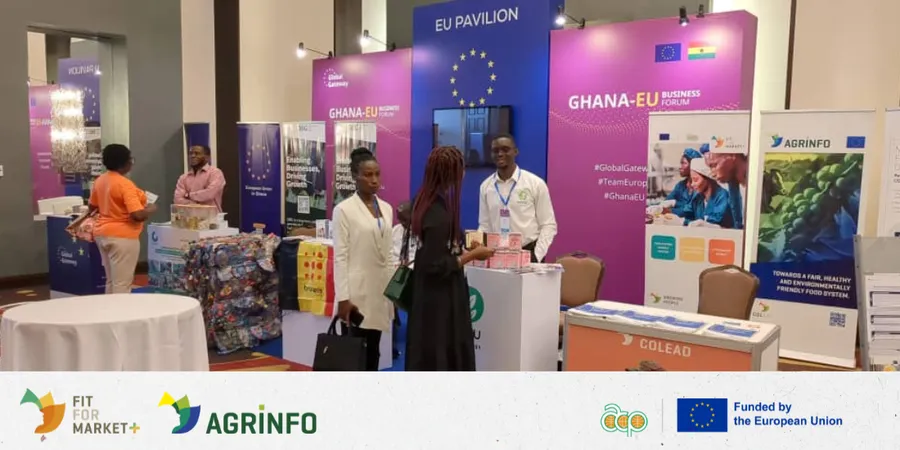
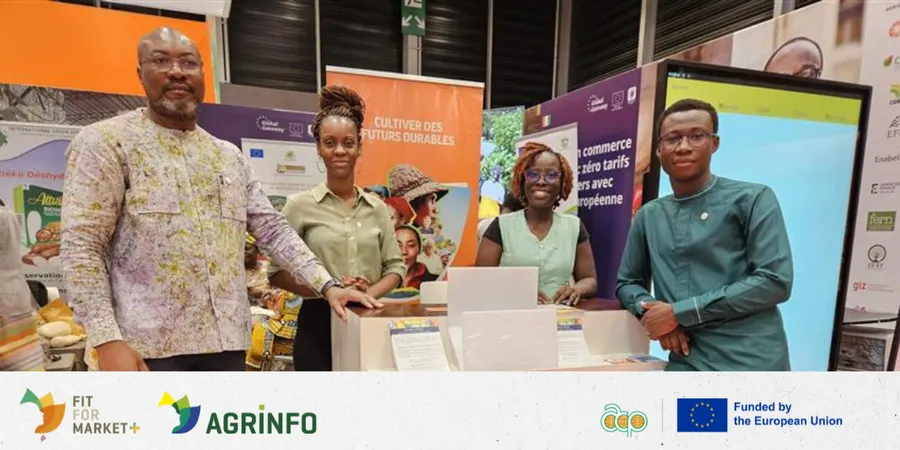
COLEAD participated in the third edition of the Ghana-EU Business Forum, which took place on 20 and 21 May in Accra. Organised by the Delegation of the European Union to Ghana in partnership with the Ministries of Finance, Trade, Agribusiness and Industry, and Foreign Affairs, as well as several key institutions including the Ghana Export Promotion Authority (GEPA), the Ghana Investment Promotion Centre (GIPC), EU Member State embassies, EuroCham, the Ghana Agribusiness Chamber, the Association of Ghana Industries (AGI) and the Ghana National Chamber of Commerce and Industry (GNCCI), the event aimed to promote sustainable agriculture.A platform for strategic dialogueThe Ghana-EU Business Forum provides a privileged space for dialogue between public decision-makers and economic actors from both continents. The aim is to foster a climate of trust and commitment around sustainable investment, promoting transparent and inclusive cooperation between the European Union, its Member States, and the Ghanaian and European private sectors. COLEAD’s contributionInvited by the EU Delegation in Accra, COLEAD participated in a high-level panel entitled:'Harnessing sustainable agriculture for green growth: collaborative strategies for EU-Ghana Partnerships and Investment'. The panel examined the synergies between public policies and private initiatives to accelerate the agroecological transition in Ghana. In this context, COLEAD’s Regulations and Standards Department joined the discussion remotely to present on the topic: 'How can the transition to sustainable agribusiness be accelerated through the adoption of climate-smart and environmentally responsible practices? The Role of Regulations and Standards'. COLEAD also facilitated the participation of WAD, a Ghanaian partner beneficiary of the Fit For Market Plus (FFM+) programme, in the panel discussion.COLEAD also hosted a stand in the EU Projects and Programmes area to showcase the FFM+ and AGRINFO initiatives, highlighting the concrete actions taken to promote sustainable development and strengthen the capacities of the agri-food sector across Africa.Meetings and perspectivesBeyond participating in the forum, the mission provided an opportunity to hold several bilateral meetings with Ghanaian FFM+ partner beneficiaries to discuss ongoing activities, upcoming technical support and the implementation of tailored action plans and group training sessions.The Fit For Market Plus programme, implemented by COLEAD within the framework of Development cooperation between the Organisation of African, Caribbean and Pacific States (OACPS), and the European Union (EU). The AGRINFO programme, implemented by COLEAD and funded the European Union (EU). This publication receives financial support from the European Union and the OACPS. The content of this publication is the sole responsibility of COLEAD and can in no way be taken to reflect the views of the European Union or the OACPS.
 News
News
COLEAD at SARA 2025 in Côte d'Ivoire: promoting synergies between local and global programmes
To mark the 6th edition of the Salon de l’Agriculture et des Ressources Animales (SARA) in Abidjan, the COLEAD team conducted a mission to Côte d’Ivoire from 26 to 30 May 2025.During this strategic week, the COLEAD team was able to:Host a dedicated stand in the European Union pavilion to showcase the Fit For Market Plus (FFM+), AGRINFO and PASA-Côte d'Ivoire programmes implemented by COLEAD.Meet with Ivorian stakeholders to lay the groundwork for the operational launch of the PASA-Côte d'Ivoire programme, which is supported by the European Union.Engage with FFM+ partner-beneficiaries to review ongoing activities, assess new support requests and plan upcoming actions (training sessions, tailored technical assistance, etc.)Hold discussions with several technical and institutional partners, both current and potential, to strengthen synergies and share recent developments within the association.Present interventions carried out under the PASA, FFM+ and AGRINFO programmes to the EU Delegation in Côte d’Ivoire.Engage with companies and experts to promote the Agrinnovators platform, a community of entrepreneurs in the agrifood sector from the global South, and promote their contributions, in particularly around the discussion forum themeComplementarity of local and global approaches: a lever for impactSince 2016, COLEAD has received 170 technical support requests from Côte d'Ivoire, including 41 under the FFM+ programme. This strong level of engagement reflects the diversity and relevance of the needs expressed by stakeholders in the country's agri-food sector.SARA 2025 provided an ideal setting to highlight the critical complementarity between national programmes such as PASA-Côte d’Ivoire and multi-country programmes like FFM+ and AGRINFO.The PASA-Côte d'Ivoire programme is part of the Support Programme for Sustainable Forestry and Agri-Food Systems (PASSAD), which is funded by the European Union under the Multiannual Indicative Programme (MIP) for Côte d'Ivoire from 2021 to 2027. Developed in close collaboration with the relevant Ivorian authorities, its specific objective is to strengthen the capacity of private agri-food sector operators in the areas of food safety and plant health management and control, with a special focus on two targeted value chains. It also aims to support these operators in adapting to evolving market requirements (including SPS regulations, commercial, social and environmental standards).PASA-Côte d'Ivoire will directly benefit from the tools and expertise developed through FFM+ and AGRINFO, which focus on building the capacities of economic operators and providing knowledge on evolving market requirements, particularly with respect to EU regulatory frameworks.By combining these two levels of intervention, COLEAD enhances the efficiency, sustainability and consistency of the support provided to African agricultural and agri-food value chains.Haut du formulaireThe Fit For Market Plus programme, implemented by COLEAD within the framework of Development cooperation between the Organisation of African, Caribbean and Pacific States (OACPS), and the European Union (EU). The AGRINFO programme, implemented by COLEAD and funded the European Union (EU). This publication receives financial support from the European Union and the OACPS. The content of this publication is the sole responsibility of COLEAD and can in no way be taken to reflect the views of the European Union or the OACPS.
 News
News
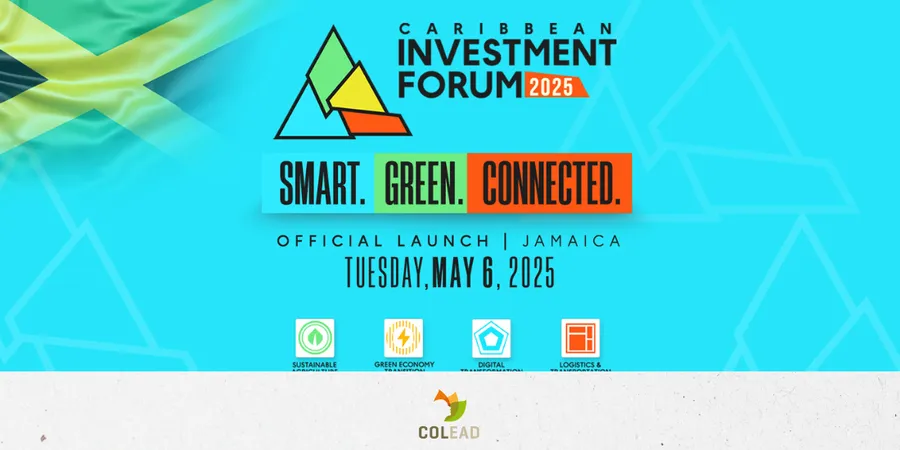
Join the Caribbean Investment Forum (CIF) in Montego Bay, Jamaica, from 29 to 31 July 2025!
This year's Forum represents a unique opportunity for businesses committed to sustainable transition. Organised in collaboration with the European Union and the Caribbean Export Development Agency (CEDA), this flagship event aims to stimulate investment in the sectors that will shape the future of the Caribbean economy and beyond.Official website: caribbeaninvestmentforum.comAn initiative supported by the European Union and COLEAD.As a strategic partner for sustainable development in the region, the European Union is coordinating the organisation of this Forum with CEDA. In response to an EU request, COLEAD is encouraging businesses, particularly those involved in sustainable agriculture, logistics, digital transformation and the green economy, to participate.The CIF offers an ideal platform to: forge public-private investment partnerships; connect with key actors in Caribbean and international economic development; promote innovative solutions in priority areas for the region’s future. Four strategic themes are at the heart of the forumThe 2025 Caribbean Investment Forum will focus on four major pillars: Green Economy Transition: renewable energy, energy efficiency and the circular economy. Digital Transformation: tech innovation, the digitalisation of services, start-ups and digital ecosystems. Sustainable Agriculture: value chain development, agri-tech and climate resilience. Logistics and Transportation: smart infrastructure, regional connectivity and international trade. Why participate? Identify new market opportunities in the Caribbean region. Showcase your commitment to sustainable and inclusive solutions. Access a network of investors, public agencies and regional organisations. Contribute to a development dynamic that is aligned with EU priorities. COLEAD partners: Let's mobilise!Whether you are already active in the region or exploring new horizons, participating in CIF 2025 offers a valuable opportunity to present your solutions, projects, or innovations in an environment tailored for international collaboration.COLEAD is here to support its partners throughout this process.Save the date: 29–31 July 2025.📍 Montego Bay, Jamaicawww.caribbeaninvestmentforum.com
 News
News
The phytosanitary legislation reform project is in full swing in Senegal. Highlights from the May workshop
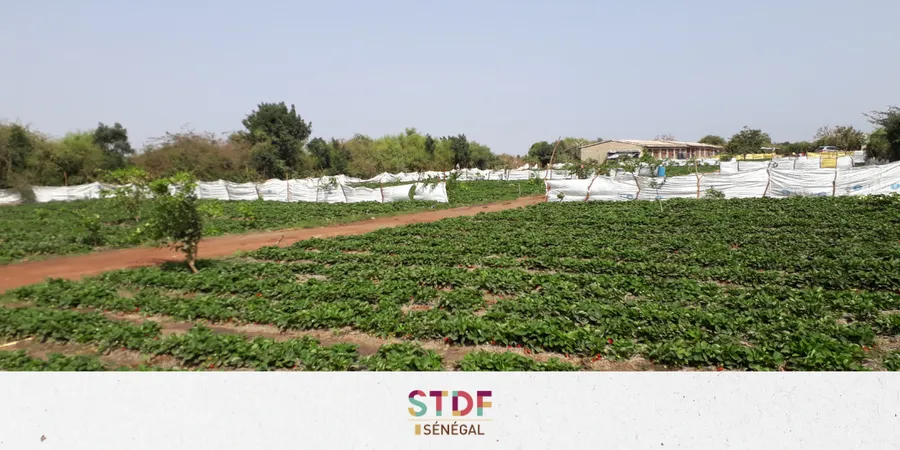
As part of the STDF/PG/946 project, COLEAD collaborated with the Senegalese Ministry of Agriculture's Plant Protection Directorate (DPV) to organise a workshop on 6–7 May, focusing on revising existing phytosanitary legislation.A structured approach was adopted to align with international standards. The approach led by COLEAD and its partners aims to: conduct an in-depth analysis of the current laws and regulations governing phytosanitary control to ensure alignment with regional and international standards signed by Senegal, such as the International Plant Protection Convention (IPPC), the WTO’s SPS Agreement and the SPS measures of the African Continental Free Trade Area (AfCFTA) agreement; propose an update to the phytosanitary decree (dating back to 1960) and draft at least three implementing regulations (ministerial orders), which are considered a priority in order to address the shortcomings identified in the national phytosanitary framework; organise a validation workshop for the draft legislation in consultation with stakeholders from Senegal's horticultural sector. Inclusive participation and constructive dialogueThe workshop in Dakar brought together horticultural business operators, sector associations and Senegalese authorities, including legal experts from various relevant ministries. Initial feedback was very positive, and participants' contributions were both rich and constructive.The texts reviewed at this stage included: (1) The draft decree on phytosanitary regulation and (2) draft ministerial orders concerning (i) surveillance and pest control (ii) import-export phytosanitary inspections (iii) phytosanitary fees.Gender considerations integrated into legal reforms. In line with the gender analysis carried out at the beginning of the project, certain legislative texts were revised to reflect key observations. Women tend to work more in small-scale agricultural units for subsistence or local markets. Women have limited access to technical support. Women in rural areas tend to have lower education levels and higher illiteracy rates. Village plant health committees are important in providing women with information. Female DPV inspectors often experience inappropriate behaviour from operators. The “STDF/PG/946 ” project is funded by the WTO’s Standards and Trade Development Facility (STDF) at the request of the Senegalese Ministry of Agriculture, Rural Development and Food Sovereignty’s (MAERSA) Directorate of Plant Protection.
 News
News
Kenya: advancing solutions for minor crops – PPP Registration, MRL compliance, and Integrated Pest Management
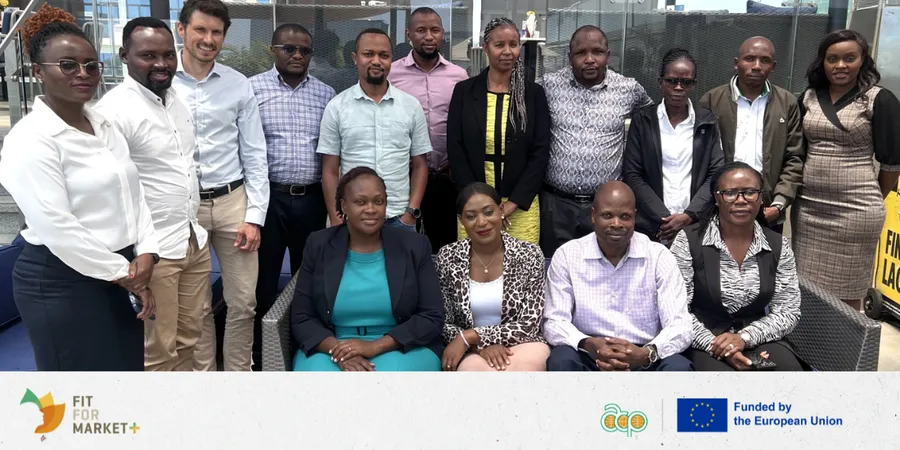
In April 2025, COLEAD organised a workshop in Nairobi for the Minor Crops Technical Working Group (MCTWG), which is coordinated by the Kenyan National Horticulture Standing Committee (NHSC). The group brings together competent authorities, the crop protection industry, producer organisations, and business membership organisations to facilitate the registration of plant protection products (PPPs) for minor crops, thereby enhancing their availability.Tangible progress in PPP registrationWith support from CABI, the Pest Control Products Board (PCPB) presented the group's progress since 2017. The achievements are significant: 507 trial permits issued 423 efficacy dossiers submitted 201 PPPs registered Over 140 PPPs are currently in the registration process These figures reflect the MCTWG's growing efficiency, and its milestones will soon be communicated by the NHSC and PCPB. COLEAD, along with CABI and the Minor Use Foundation (MUF), will contribute to this communication effort.COLEAD’s technical supportSince 2021, COLEAD has actively supported MCTWG activities through its FFM-SPS, FFM+ and NExT Kenya programmes. A total of 15 registration trials have been supported, resulting in six PPPs being registered, three dossiers being submitted, and five trials still ongoing. COLEAD has reaffirmed its commitment to continuing its support beyond the NExT Kenya programme, particularly through the EU-funded FFM+ programme. COLEAD is also supporting the extension of registrations to other East African Community (EAC) partner states.MRL compliance: A key priorityA presentation by KEPHIS (the Kenya Plant Health Inspectorate Service) highlighted the interception of exports to the EU and the UK, particularly on roses, basil, capsicum, peas and beans. The main issues were non-compliance with plant health documentation and exceeding Maximum Residue Limits (MRLs), primarily due to substances such as acephate and methamidophos, which are set to be phased out after December 2024. Additional support is also needed for documentation compliance.Towards sustainable pesticide managementThe National Pesticide Residue Monitoring Plan, which is currently in the pilot phase, aims to standardise monitoring efforts across domestic and export value chains. Developed with CABI, the plan addresses regulatory frameworks, national MRLs, pesticide screening and risk assessment, as well as data management and reporting. Meanwhile, the Minor Use Foundation is finalising its prioritisation exercise for 2025, which will identify new projects to support MRL data generation for minor crops.Supporting the transition to integrated pest management (IPM).As the demand for sustainable agricultural practices increases among consumers, retailers and markets, minor crops continue to have limited access to innovations. Stricter regulations have reduced the number of available pest and disease control solutions, while alternative options require time for adaptation and have lengthy registration processes.Through this partnership, COLEAD aims to provide producers with the necessary tools to implement IPM strategies, combining various approaches and improving access to sustainable solutions. This will enhance productivity while ensuring compliance with market standards and environmental expectations.This activity is supported by the Fit For Market Plus (FFM+) programme, implemented by COLEAD within the Framework of Development Cooperation between the Organisation of African, Caribbean and Pacific States (OACPS) and the European Union. This publication receives financial support from the European Union and the OACPS. The content of this publication is the sole responsibility of COLEAD and can in no way be taken to reflect the views of the European Union or the OACPS.