
Cultivating
Sustainable Futures
 News
News
Closure of NExT Kenya: "Asante sana! Let's build on the programme's legacy together"
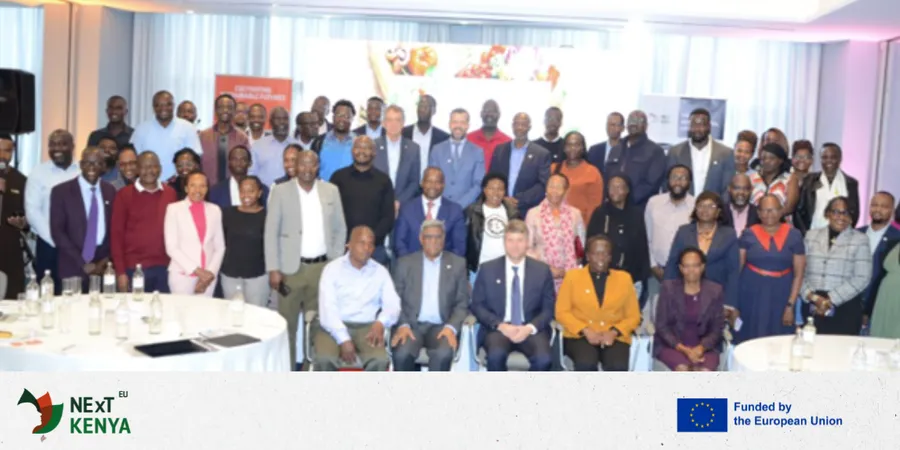
The closing workshop of the NExT Kenya (New Export Trade Kenya) programme took place in Nairobi on 28 March 2025, marking the end of a five-year journey to strengthen horticultural value chains in Kenya. Led by COLEAD and funded by the European Union to the tune of €5 million, the programme brought together a wide range of public and private partners to address key challenges in the sector, while laying the foundations for long-term transformation.A resilient programme in a turbulent contextLaunched in 2020, the programme unfolded in a highly volatile environment: the COVID-19 pandemic, the war in Ukraine, new regulatory frameworks (such as the EU Green Deal) and climate disruption. Despite these challenges, NExT Kenya was able to adapt its interventions through an integrated and participatory approach. Notable results include: Increased market share of Kenyan fresh fruit and vegetables in European markets; Overall growth in horticultural export volumes, including to regional markets; Significant progress in food safety, social inclusion and environmental sustainability among supported enterprises; Long-term capacity building of local stakeholders, from public institutions to private operators.Key lessons for the future The programme has generated key lessons to strengthen the impact and sustainability of future initiatives:Participatory approaches and local ownership: Co-developing interventions with beneficiaries, especially SMEs and cooperatives, fostered strong engagement and relevance.Holistic value chain vision: Interventions spanned all levels - from national policy frameworks to on-farm practices.Building resilience: Combined solutions - including training, tools, policy dialogue and access to finance - helped address climate and market uncertainties.Engaging youth, women and marginalised groups: Involving these groups from the outset created powerful levers for more equitable growth.Networking and synergies: Multi-stakeholder platforms such as the National Standing Committee on Horticulture enabled sharing, innovation and strategic alignment.A committed public private partnershipDuring the workshop, COLEAD highlighted the exemplary commitment of its many partners, including:The Government of Kenya and its relevant agencies (KEPHIS, PCPB, KALRO, MINAGRI...),Professional and inter-professional organisations (KFC, FPEAK, FPC, ASOK...),Training institutions, service providers and cooperatives,Technical and financial partners, exporters, buyers and NGOs.A horticultural master plan for sustainable growth A major achievement was the identification of 122 bottlenecks along horticultural value chains. The analysis, conducted by the National Horticulture Standing Committee, will inform a Horticulture Master Plan - a strategic roadmap for the next decade. The aim is to double horticultural exports from KES 156 billion to over KES 300 billion within 10 years through better market management, simplified regulations, enhanced compliance with regulations in destination markets (e.g. SPS) and effective governance.What's next for NExT Kenya?The final workshop was not the end, but the beginning of a new chapter. The tools, networks and capacity that have been developed provide a strong foundation to move forward: Responding to evolving regulations (e.g. SPS) and market dynamics; Innovating to meet climate challenges; Consolidating inclusive and sustainable growth.COLEAD remains committed to working with sector stakeholders to make Kenyan horticulture a model of competitiveness, resilience and inclusion.
 News
News
Launch of the PASA-Côte d'Ivoire programme: A strong commitment to food safety and sustainable development in the Ivorian agricultural sector
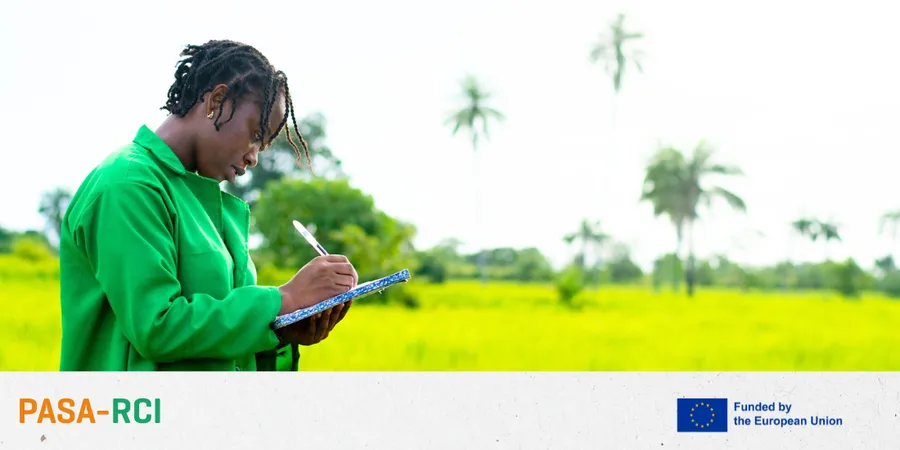
The Food Safety Support Programme for the Republic of Côte d'Ivoire (PASA-Côte d'Ivoire) is funded by the European Union under the Support Programme for Sustainable Forestry and Agri-Food Systems (PASSAD). It is part of the Multi-Annual Indicative Programme (MIP) 2021-2027 for Côte d'Ivoire and also supports the objectives of the second phase of the National Agricultural Investment Programme (PNIA 2). The European Union Delegation (EUD) in Côte d'Ivoire has entrusted COLEAD with the implementation of this programme. PASA Côte d'Ivoire has now officially started to engage key national stakeholders and to prepare the first communications to potential partner beneficiaries.A programme at the heart of national priorities The overall objective of PASA-Côte d'Ivoire is to strengthen the contribution of the agri-food sector to the country's economic growth, food security and sustainable development. The programme focuses on improving the competitiveness, resilience, inclusiveness and sustainability of agri-food value chains. It aims to build the capacity of private sector actors - especially along two priority value chains - to manage and control the sanitary and phytosanitary (SPS) quality of food, while helping them to adapt to evolving regulatory, commercial, social and environmental requirements. Three key outputs are expected : 1/An accessible system for acquiring SPS knowledge and skills for actors along the value chains. 2/ A concrete pilot implementation of the approach in two selected value chains. 3/A tangible improvement in the SPS quality and image of Ivorian agri-food products, supported by effective public-private dialogue.PASA-Côte d'Ivoire partner beneficiaries PASA-Côte d'Ivoire targets a wide range of potential partner beneficiaries:Private sector actors in the agri-food sector, such as MSMEs, agricultural cooperatives, livestock farmers, fishermen and smallholders.Service providers, including training centres, consultants, certification and standardisation bodies, multi-stakeholder platforms and Ivorian research institutions.Public institutions, starting with the competent authorities: DPVCQ, MINADER, DSV, MIRAH, the Food Safety Agency and LANADA.In addition, regional economic communities (ECOWAS, UEMOA), consumers and economic operators in Côte d'Ivoire and beyond are considered indirect beneficiaries of this transformative programme.A first highlight at SARA 2025SARA 2025, The Salon international de l'Agriculture et des Ressources Animales (SARA) in Abidjan, starting on 23 May 2025, will be a key opportunity to present PASA-Côte d'Ivoire to stakeholders. The programme will be presented at the stand of the European Union delegation and the COLEAD team will be present on 26 and 27 May to meet key stakeholders and prepare the next steps.Initial structuring measuresCOLEAD, the European Union Delegation and the Côte d'Ivoire-EU Strategic Partnership Coordination Unit have already taken concrete steps to launch the programme:Continued engagement between PASA-Côte d'Ivoire and the Ministries of Agriculture and Animal Resources, including the formalisation of cooperation through memoranda of understanding, the creation of steering and technical committees, and the designation of focal points.Finalise and submit COLEAD's methodology for selecting priority value chains, pending validation.Planning of participatory launch workshops scheduled for June.Developing a communication plan for PASA.Join us at SARA in May to learn more about PASA Côte d'Ivoire and meet the project team!For further information, please contact: victor.boro@colead.linkThis activity is implemented by COLEAD and supported by the Food Safety Support Programme for the Republic of Côte d'Ivoire (PASA-Côte d'Ivoire), funded by the European Union through the EU Delegation in Côte d'Ivoire. This communication has been produced with the financial support of the EU. Its contents are the sole responsibility of COLEAD and can in no way be taken to reflect the views of the EU.
 News
News
Africa : sustainability of agribusiness SMEs ; COLEAD's Self-Assessment System shows progress achieved over 5 years - the case of Kenya
As part of its holistic approach to sustainability, COLEAD has developed a Sustainability Self-Assessment System (SAS) over the past ten years and through the FFM programmes. This system is designed to help agricultural stakeholders - particularly micro, small and medium enterprises (MSMEs), cooperatives and producer groups - analyse their practices, identify strengths and areas for improvement, and make progress towards more responsible and competitive agriculture. The SAS is based on four key objectives: To create a dynamic of continuous improvement in sustainable practices; To facilitate market access through better compliance with international standards; To provide strategic management tools through access to critical data; To guide and measure COLEAD's technical interventions with partner beneficiaries.As part of the NExT Kenya programme, COLEAD implemented the SAS with a large number of local MSMEs. Two SAS iterations - the first during the project design phase and the second in the fifth year of implementation - allowed the progress of the supported enterprises to be assessed.Concrete and promising results - Kenya as an exampleThe results are compelling: significant improvements were observed in all areas evaluated. In particularFood safety: from 73.7% to 91.6%Occupational health and safety: from 74.8% to 90.3%Financial management: from 66.4% to 81.2%Sustainable agricultural practices: from 58.2% to 73.2%Energy efficiency: from 39.8% to 55.6%Water management: from 44.1% to 61.3%Waste management: from 47.0% to 59.4%Biodiversity: from 59.5% to 68.1%Soil management: from 57.0% to 66.4%Responsible business practices: from 81.5% to 86.2%Labour rights: from 83.4% to 85.9%Each percentage reflects the level of application or compliance with sustainability best practices in each specific area, as reported in the self-assessments conducted by participating MSMEs. A high score (close to 100%) means that the enterprise is applying the vast majority of recommended good practices in that area. These improvements demonstrate not only a greater understanding of quality and sustainability standards, but also an increased ability of enterprises to plan, invest and position themselves competitively in international markets.An ongoing processThe data presented is not final: a further phase of indicator collection and validation is underway and will continue until end of April 2025. This rigorous approach ensures a nuanced assessment of the programme's impact and will help shape future activities based on key learnings.COLEAD's SAS, implemented through the NExT Kenya programme, is proving to be a powerful transformation tool for agricultural MSMEs. It supports their professionalisation, improves their environmental and social performance and prepares them to meet international market demands. Despite ongoing challenges, particularly around climate change, the results to date are encouraging and demonstrate the transformative potential of a structured and well-supported approach to sustainability.This activity is implemented by COLEAD and supported by the NExT Kenya (New Export Trade) programme, established in collaboration with the EU Delegation in Nairobi and Kenyan stakeholders. This publication has been produced with the financial support of the EU. Its contents are the sole responsibility of COLEAD and can under no circumstances be regarded as reflecting the position of the EU.
 News
News
Caribbean Agrifood Business - Spotlight on session #16 of the IICA COLEAD series: cross-border value chains
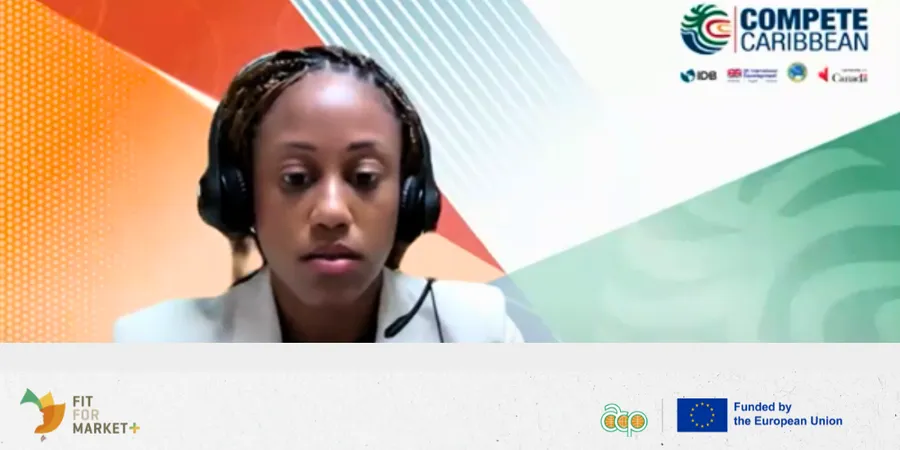
A strategic collaboration for Caribbean agriculture Since June 2021, the Inter-American Institute for Cooperation on Agriculture (IICA) and COLEAD have joined forces through the FFM+ programme in the Caribbean Agrifood Business Series. This initiative highlights the innovations and successes of farmer-led agribusinesses and small and medium-sized enterprises (SMEs) in the Caribbean region.The series is driven by a common vision: to build a more sustainable, resilient and inclusive Caribbean agricultural sector. It promotes business models that are economically viable, environmentally sound and socially responsible. Each session provides a platform to share experiences, best practices, technological innovations and business scaling strategies.Session #16 - Seizing opportunities in cross-border value chains The 16th session in the series focused on a key theme: cross-border value chains. Guest speakers, entrepreneurs from the region, shared their development journeys across national borders, highlighting the challenges faced and solutions implemented to access new markets. The session also showcased support mechanisms from various development partners that support regional expansion efforts.Key figures:549 registered participants, demonstrating strong interest in the topic ; 174 active participants on the day of the event, from different countries, contributing to a rich and insightful discussionAvailable resources🔗 Session Programme🧑💼 Speaker Biographies🎥 Session RecordingThis activity is supported by the Fit For Market Plus (FFM+) programme, implemented by COLEAD within the Framework of Development Cooperation between the Organisation of African, Caribbean and Pacific States (OACPS) and the European Union. This publication receives financial support from the European Union and the OACPS. The content of this publication is the sole responsibility of COLEAD and can in no way be taken to reflect the views of the European Union or the OACPS.
 News
News
Pacific: 60 villages, 1,200 farmers committed to sustainability and export with Kokonut Pacific Solomon Islands
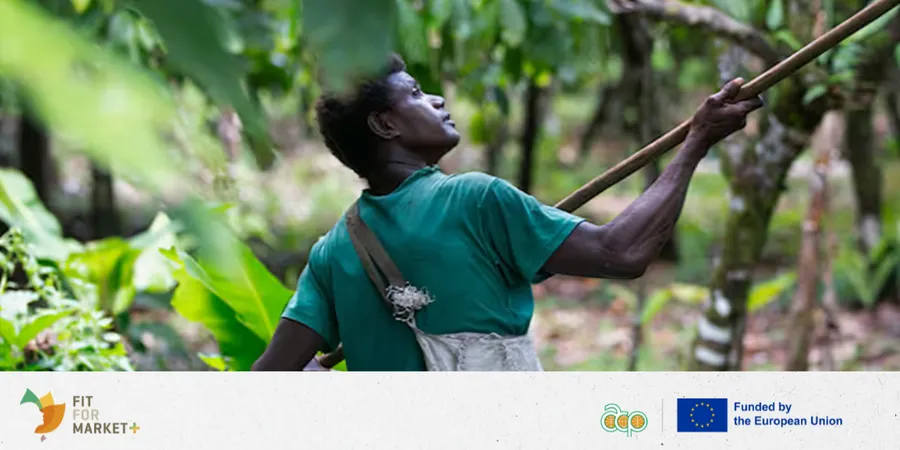
As part of the FFM+ programme, Kokonut Pacific Solomon Islands (KPSI) has just completed its sustainability assessment using COLEAD's Sustainability Self-Assessment System (SAS).KPSI: a company serving rural communities KPSI is a social enterprise and a major player in agricultural exports. For more than 20 years, it has been working to improve the livelihoods of 1,200 smallholder farmers in 60 villages in the Solomon Islands. The company purchases virgin coconut oil (VCO) and cocoa beans at fair prices and processes these raw materials into high-quality food and cosmetic products for local and international markets.Tangible economic and social impacts Economic impacts: KPSI has returned an average of 3 million Solomon dollars (approximately USD 355,500) per year to village communities over the past 15 years.Sustainable growth: By creating commercial opportunities, KPSI reduces economic dependency, supports small rural businesses and builds local resilience.Social impact: Through training and certification, KPSI equips producers with the skills to produce organic coconut oil, promoting employment and economic self-sufficiency within villages.Why is completing the SAS strategic?While most companies in the Pacific export to the United States, Australia or New Zealand, KPSI aims to enter the European market. The SAS is a key tool to align with EU requirements and demonstrate best practice.The SAS: a lever for sustainability and export readiness COLEAD's SAS is a management tool aimed primarily at producers and suppliers of fruit and vegetables in exporting countries. It enables them :prevent harmful practices and adopt sustainable farming and business practicesstrengthen financial viability by ensuring compliance with market requirementsimprove market access by demonstrating good practiceCongratulations to Kokonut Pacific Solomon Islands for successfully reaching this milestone!This activity is supported by the Fit For Market Plus (FFM+) programme, implemented by COLEAD within the Framework of Development Cooperation between the Organisation of African, Caribbean and Pacific States (OACPS) and the European Union. This publication receives financial support from the European Union and the OACPS. The content of this publication is the sole responsibility of COLEAD and can in no way be taken to reflect the views of the European Union or the OACPS.
 News
News
Access to finance: How to find and identify the right funding source for your agri-project
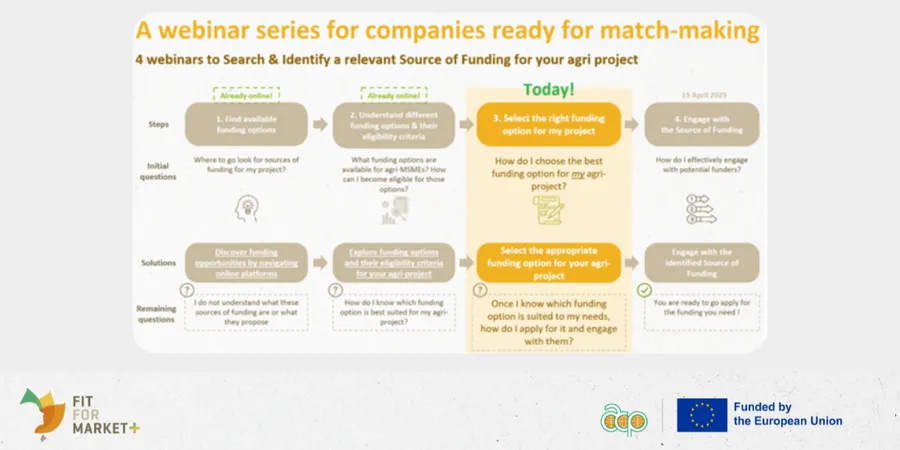
(The recording and supporting materials are available here: COLEAD Access to Finance webinars)As part of its structured investment-oriented support, COLEAD's Access to Finance Department held, as part of the FFM+ programme, a webinar on 25 February entitled " Selecting the right funding options for your agri-project". This session is the third in a four-part webinar series designed to build the capacity of project leaders to identify, select and approach the most appropriate sources of funding for their activities.Profile of the targeted project leadersThis webinar was specifically designed for project leaders who have reached step 3 of the COLEAD Investment Readiness Pathway. This means that participants were expected toHave a valid business model (generating revenue for at least one year)Have a robust business plan (at least 10 pages detailing their growth strategy)Have a structured financial plan with realistic forecasts aligned to the business plan.For those not yet at this stage, previous webinars and training materials will remain available online to support their progress.Key Takeaways & ImpactThe webinar provided concrete answers to two key questions:What are the key factors to consider when choosing an appropriate funding source?What practical tips can help entrepreneurs access external finance more effectively?The webinar attracted 116 live participants from 38 countries, with strong representation from Kenya, Nigeria, Zimbabwe and Ghana. Nearly 400 people registered to access the recording and materials afterwards, demonstrating the growing need for capacity building in this critical area for agricultural entrepreneurs.What's Next?“Preparing to engage with funders” webinar in the series will take place on 15 April 2025 and will focus on "Successfully engaging sources of funding for your agri-Project". A second series of webinars is also planned for later this year, covering the steps to take after submitting a funding application.New training tools achieved in collaboration with COLEAD's training department, related to the topic of the webinars are now available:Business Plan (collective training, available in English and in French)Financial plan (self-study course, available in English)This activity is supported by the Fit For Market Plus (FFM+) programme, implemented by COLEAD within the Framework of Development Cooperation between the Organisation of African, Caribbean and Pacific States (OACPS) and the European Union. This publication receives financial support from the European Union and the OACPS. The content of this publication is the sole responsibility of COLEAD and can in no way be taken to reflect the views of the European Union or the OACPS.
 News
News
Innovations and market trends: what international trade shows tell us about the future of agri-food
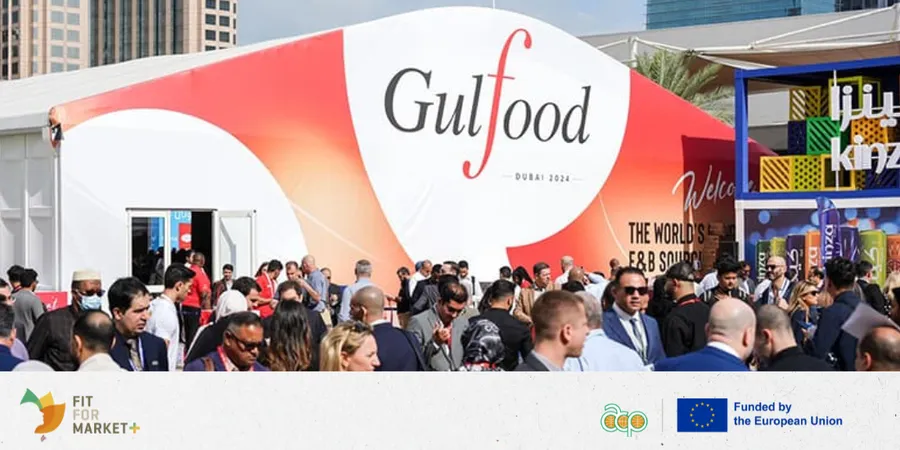
COLEAD's Market Insights department, through the FFM+ programme, recently attended several major trade shows - Fruit Logistica, Biofach, Gulfood, IFE - to capture innovations, marketing signals and identify emerging trends. Between product innovation, the rise of superfoods, the shift towards sustainability and the breakthrough of artificial intelligence, the 2025 editions of these shows confirm that the global agri-food sector has entered a new era.Superfoods and well-beingDemand for nutritious products is booming, driven by a growing focus on well-being. African superfoods such as moringa and baobab have attracted particular attention. Moringa can now be found in teas and snacks, while baobab is used in drinks and dietary supplements - particularly for its digestive and immune system benefits. But the trend goes further: functional foods are gaining momentum. Collagen drinks, snacks enriched with botanical extracts and blends designed to boost energy or focus are turning food into a targeted wellness solution.Alternative proteinsA Growing transition with the rise of flexitarian diets and the desire to reduce environmental impact, alternative protein sources are diversifying: tofu, tempeh, vegan protein powders (pea, fava bean, rice, chickpea), and even hybrid solutions that combine plant-based and fermented proteins for improved taste and texture. Generation Z is driving the demand for healthy, natural, protein-packed snacks - and the market is responding.Sustainable packaging : innovation becomes a necessityReducing plastic packaging is no longer optional. Compostable, recyclable and even wood packaging solutions are being introduced to meet both consumer expectations and regulatory requirements (such as the PPWR in Europe). Packaging is now a strategic and marketing priority.AI is revolutionising the agri-food chain Artificial intelligence is becoming a powerful force in the food sector, from logistics optimisation and climate forecasting to personalised nutrition, faster product development and social media trend spotting. Companies that embrace AI will gain a significant innovation advantage.Spotlight on key horticultural innovations Rubyglow (Del Monte): A visually striking premium red pineapple positioned as a niche product for the European market.ONIX: A deep red seedless orange, ideal for the HORECA (Hotel, Restaurant, Catering) sector."Rain-grown avocados (Eosta): Grown using only rainwater, without chemical inputs.Halloweena: pumpkin-shaped mandarins aimed at younger consumers.Aldina: A strawberry variety with consistent flavour and strong resistance to transport to reduce waste.Samantha: A small, sweet, pointed Savoy cabbage that is easy to cook and store.Liquid seasonings: Convenient alternatives to fresh or dried spices, ideal for sauces and drinks.What's next?These shows are a powerful reminder that agility, sustainability and innovation are the keys to success in a rapidly evolving global food market. COLEAD invites you to join us on 4 and 10 June for a dedicated webinar to explore the market trends and business opportunities revealed by these major international events.[maxbutton id="12" text="Stay tuned and register now for the upcoming COLEAD Market Insights webinar scheduled on next June!" ]This activity is supported by the Fit For Market Plus (FFM+) programme, implemented by COLEAD within the Framework of Development Cooperation between the Organisation of African, Caribbean and Pacific States (OACPS) and the European Union. This publication receives financial support from the European Union and the OACPS. The content of this publication is the sole responsibility of COLEAD and can in no way be taken to reflect the views of the European Union or the OACPS.
 News
News
Flashback 2003 : Capacity building for ACP service providers through the PIP programme
Source PIP magazine n°2, December 2003“(…) Whilst the PIP makes every effort to use local ACP service providers whenever it can, it continues to rely to a great extent on European service providers to carry out its daily activities. However, in order to guarantee the long-term viability of its current training programme, the PIP will also contribute to building the capacity of local ACP service providers so that in due course these local consultants may take over most of the PIP’s activities. These service providers may either be private service companies or public bodies specialised in horticultural issues, either way the aim is to contribute to more local expertise being made available to horticultural companies in ACP countries.Currently, when the PIP is about to conduct a training session, either collective workshops or in-company training sessions, it searches for qualified local service providers capable of setting up food safety systems and train staff. If the qualifications of interested local service providers are deemed adequate they may be asked to conduct training sessions. If the local providers qualifications are not completely up to par, he or she may be teamed up with an international expert to carry out a session or asked to attend a training session to become familiar with the subject matter. If required, supplementary training may be provided in the EU– through internships or intensive thematic training to further enhance the service providers’ knowledge and expertise.While Kenya is by far the best endowed with qualified service providers, other ACP countries like Senegal and Côte d’Ivoire are not far behind. Much work will be required, however, to bring other countries up to par. Contacts have been made with a number of professional organisations, public services, independent consultants, and training centres and in all likeliness many capacity building actions for these service providers will be set in motion in 2004.(…)”.The Pesticides Initiative Programme (PIP) was financed by the European Development Fund. The ACP Group of States and the European Commission entrusted responsibility for its implementation to COLEACP (today COLEAD).
 News
News
Strengthening plant biosecurity: example of a successful pilot internal audit mission with the NPPO in Zimbabwe
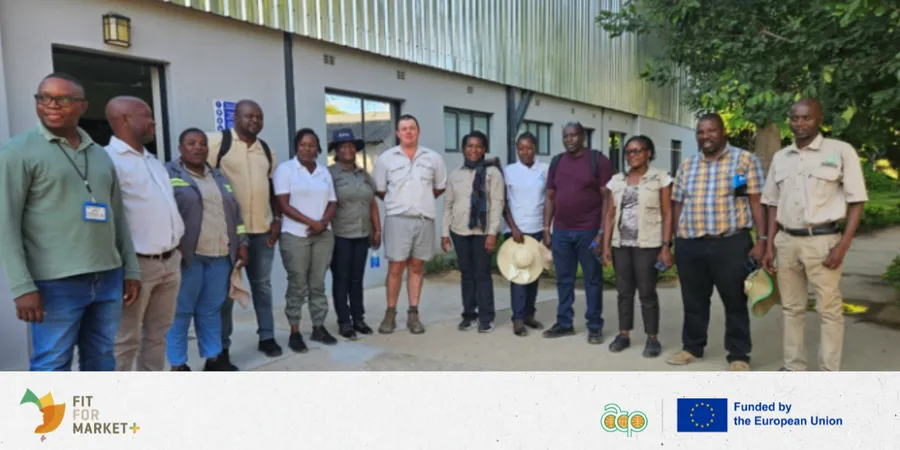
As part of the FFM+ programme, a successful pilot internal audit mission was conducted with the National Plant Protection Organisation (NPPO) of Zimbabwe. This initiative represents a significant step forward in strengthening plant biosecurity and facilitating trade in the country.Over the course of three days, the team combined field visits to citrus production and processing facilities (two days) with analysis and reporting at NPPO border offices (one day). The goal: to establish an efficient and sustainable internal audit system based on local expertise.Concrete and promising results The mission achieved several key results:Strengthened internal audit system: A robust framework was developed, including clearly defined roles, risk assessments, annual planning and quality assurance protocols.Capacity building: Practical coaching and constructive feedback was provided to NPPO staff to strengthen their internal audit skills.Process improvement: Existing practices were analysed and recommendations made to ensure more effective and sustainable implementation.Institutional commitment: Strong support from NPPO leadership was secured, ensuring the longevity of the newly established audit system.A strategic lever for international trade This pilot project represents a strategic lever for improving plant health in Zimbabwe and facilitating access to regional and international markets. It reflects the NPPO's commitment to meeting global phytosanitary standards and contributing to the fight against plant pests.Congratulations to all stakeholders on reaching this important milestone!This activity is supported by the Fit For Market Plus (FFM+) programme, implemented by COLEAD within the Framework of Development Cooperation between the Organisation of African, Caribbean and Pacific States (OACPS) and the European Union. This publication receives financial support from the European Union and the OACPS. The content of this publication is the sole responsibility of COLEAD and can in no way be taken to reflect the views of the European Union or the OACPS.
 News
News
Cooperation agreement signed between COLEAD and ACTESA/COMESA: A new strategic partnership for regional agriculture in Eastern and Southern Africa
COLEAD has recently signed, through the FFM+ programme, a Memorandum of Understanding with the Alliance for Commodity Trade in Eastern and Southern Africa (ACTESA), a specialised agency of COMESA. This partnership aims to strengthen cooperation to support smallholder producers, improve market access and promote sustainable agricultural practices in 21 COMESA member states and 7 East African Community (EAC) countries.This collaboration is based on a shared vision of agricultural development as a driver for a more resilient, equitable and prosperous future. Key areas of cooperation include support to agricultural policies, development of market services, facilitation of investment and capacity building for sector stakeholders.First strategic action with the CEHAThe first concrete initiative under this partnership is the support to CEHA (COMESA-EAC Horticulture Accelerator). COLEAD is currently supporting CEHA in finalising its regional strategy for 2025-2035, which aims to strengthen the horticulture sector and improve smallholder farmers' access to markets, finance and certification. This joint effort reflects the commitment of both organisations to move quickly into action.A framework for innovation, sustainability and impact This MoU establishes a flexible yet ambitious framework for collaboration, based on mutual respect, complementary approaches and a shared ambition to strengthen agricultural ecosystems. It represents a new milestone in COLEAD's ongoing commitment to build more inclusive, innovative and sustainable agri-food value chains with its partners.This activity is supported by the Fit For Market Plus (FFM+) programme, implemented by COLEAD within the Framework of Development Cooperation between the Organisation of African, Caribbean and Pacific States (OACPS) and the European Union. This publication receives financial support from the European Union and the OACPS. The content of this publication is the sole responsibility of COLEAD and can in no way be taken to reflect the views of the European Union or the OACPS.
 News
News
Ethiopia: MAHEBER* (Mobilizing Actors in Horticulture for Entrepreneurship and Boosting Ethiopian Resilience), a new programme entrusted to COLEAD by the European Union - a strategic initiative fully aligned with the Global Gateway priorities
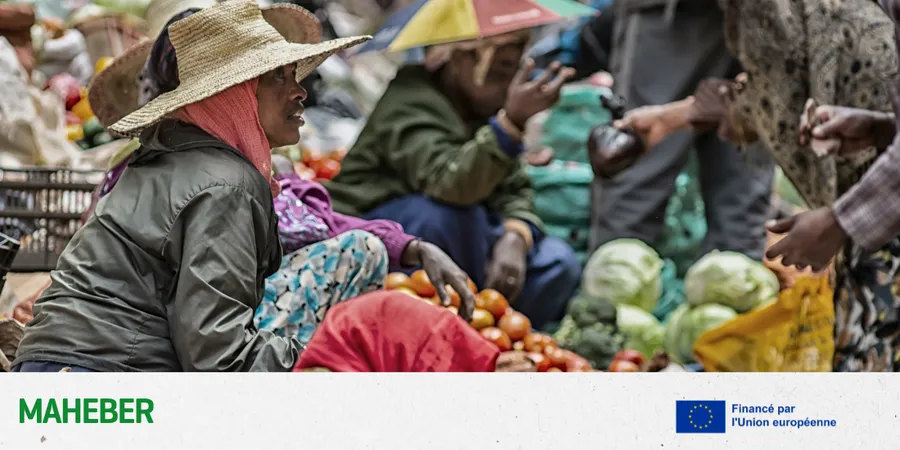
(*MAHEBER in Amharic means association, union, group gathered for a common purpose)COLEAD has been selected by the European Union Delegation to Ethiopia to lead an ambitious five-year programme to strengthen the competitiveness, resilience, inclusiveness and sustainability of the country's horticulture value chains. Entitled 'Enhancing the Competitiveness of Ethiopia's Horticulture Sector', this initiative is fully aligned with the Global Gateway priorities and contributes to the objectives of the EU Action Plan for the Development of Sustainable Agri-Food Systems in Ethiopia (2024-2027).A lever for economic, social and environmental development The overall objective of the programme is to enhance the contribution of the Ethiopian horticulture sector to economic growth, food security, food safety, nutrition and sustainable development. More specifically, it aims to build the long-term capacity of stakeholders across the horticultural ecosystem to meet evolving sanitary and phytosanitary (SPS), commercial, social and environmental requirements in local, regional and international markets.A proven approach serving a whole ecosystem This programme builds on COLEAD's 25 years of experience in technical assistance, training, market intelligence and facilitation of public-private dialogue. It will help stimulate private investment, increase local value addition and improve access to finance, working conditions and compliance with EU standards for horticultural MSMEs.It will also address logistical challenges and support sustainable management efforts, in particular by addressing gaps in agro-ecological production and local processing, including support to smallholder farmers.Multiple partner beneficiaries for systemic impact The programme will directly benefit a wide range of actors in the sector:Economic operators: MSMEs in the fruit and vegetable sector, cooperatives, producer groups, intermediaries, transporters and certain cut flower producers - through support to business membership organisations and competent authorities.Support services: consultants, training centres, technical and research institutes, smallholder support structures, certification bodies, logistics operators, etc.Competent authorities at national and regional level, with whom synergies will be sought in full complementarity with existing programmes, including the forthcoming Twinning Grant Agreement.Three main expected results The programme aims to achieve the following resultsR1. Strengthened capacities of MSMEs and producer groups to improve their positioning on national, regional and international markets;R2. Improved enabling environment to support the competitiveness and sustainability of Ethiopian horticultural products;R3. Removal of key export constraints through enhanced policy dialogue and public-private cooperation.This new programme illustrates the renewed confidence of the European institutions in COLEAD's ability to support sustainable agricultural transitions in Africa. This new programme represents an important milestone in the development of Ethiopian horticultural value chains that can respond to global challenges while creating inclusive and sustainable economic opportunities.Moreover, this national initiative is being launched in continuity and complementarity with the multi-country (ACP) Fit For Market Plus programme. It will fully benefit from the tools developed under this programme, allowing for deeper and more tailored support to Ethiopian horticultural stakeholders.This activity is implemented by COLEAD and supported by the MAHEBER Program (Mobilizing Actors in Horticulture for Entrepreneurship and Boosting Ethiopian Resilience), funded by the European Union through the EU Delegation in Ethiopia. This communication has been produced with the financial support of the EU. Its contents are the sole responsibility of COLEAD and can in no way be taken to reflect the views of the EU.
 News
News
Jeanette Marcelle inspires us—And you?
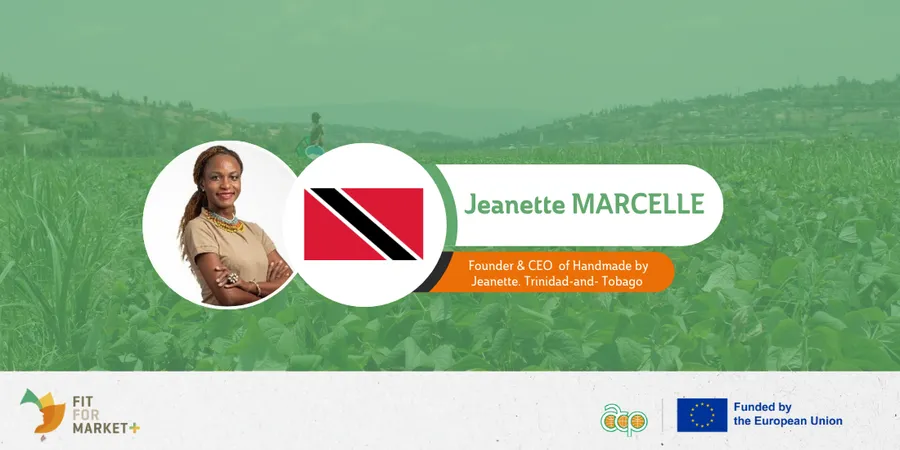
In Trinidad and Tobago’s agri-food landscape, Jeanette Marcelle, also known as Chef Marcelle, stands out as a visionary and dedicated entrepreneur. As the founder and CEO of Handmade by Jeanette, she embodies resilience, innovation, and social impact through her brand, which promotes healthy, sustainable, and locally rooted food products.From culinary passion to purpose-driven entrepreneurshipJeanette Marcelle’s journey is anything but conventional. Initially pursuing a career in early childhood education, a part-time job as a waitress in a Thai restaurant ignited her passion for food and diverse flavors. This experience became a pivotal moment—she set aside teaching to fully immerse herself in the culinary world. Over the years, she honed her skills as a traveling chef, blending different culinary traditions to create memorable dishes. When the COVID-19 pandemic disrupted economies worldwide, Jeanette turned crisis into opportunity. Facing unemployment, she identified a crucial need—reducing Trinidad and Tobago’s reliance on food imports by developing innovative, locally sourced products. In 2020, she founded Handmade by Jeanette, a company that merges artisanal craftsmanship, a commitment to health, and environmental responsibility.A business committed to well-being and local impactHandmade by Jeanette stands out for its healthy and natural products, including cocoa nib-infused granola, flavorful sauces, and aromatic spice blends. More than just a brand, the company embodies a philosophy: “You are what you eat.” With 75% of ingredients sourced locally, Handmade by Jeanette actively supports small farmers and promotes the circular economy. Its impact goes beyond sourcing raw materials. The company repurposes by-products—tamarind seeds and coconut shells are given to artisans for jewelry making, pepper seeds are returned to farmers for replanting, and orange peels are transformed into wellness teas. Handmade by Jeanette is not just selling products; it is building a more sustainable and inclusive food ecosystem. Jeanette’s ambitions don’t stop there. She is actively involved in food security discussions and import substitution efforts in the Caribbean while developing an ambitious project: a food bank that will provide healthier food options to underserved families and help farmers manage surplus produce responsibly, reducing food waste while supporting community well-being.Innovation and international expansionOne of Handmade by Jeanette’s major strengths is its commitment to food innovation. Jeanette continuously experiments with new ingredient combinations, such as blending dried mushrooms with cocoa to create a shelf-stable, flavorful product adapted for international markets.In just a few years, the company has achieved key milestones: ✔ First official shipments to Saint Lucia and the United States, paving the way for international expansion. ✔ Participation in three major trade missions, fostering strategic partnerships. ✔ Showcasing products at SIAL Paris, one of the world’s largest food innovation expos.Today, Handmade by Jeanette is experiencing rapid growth, seeking to expand into new foreign markets and obtain additional certifications for the European market.Overcoming challenges to empower women entrepreneursJeanette Marcelle does not shy away from discussing the challenges of being a woman entrepreneur in a still male-dominated industry. She emphasizes that women often have to work twice as hard for recognition and fair funding opportunities. Yet, rather than being discouraged, she turns obstacles into stepping stones toward greater success. Her message to women entrepreneurs? See every challenge as a gateway to new opportunities.Her dedication to excellence and quality also led her to participate in COLEAD’s Fit For Market Plus (FFM+) programme, where she received training in hygiene, food safety, and traceability. These skills further strengthen her company’s positioning in global markets.An inspiring success storyJeanette Marcelle represents a new generation of agri-food entrepreneurs, where innovation, sustainability, and social responsibility converge to create lasting impact. Her journey is a testament to the power of support and capacity building in accessing markets and financing. COLEAD is proud to support entrepreneurs like Jeanette Marcelle and to share inspiring success stories that demonstrate how sustainable agribusiness can be a powerful driver of economic and social transformation.This activity is supported by the Fit For Market Plus (FFM+) programme, implemented by COLEAD within the Framework of Development Cooperation between the Organisation of African, Caribbean and Pacific States (OACPS) and the European Union. This publication receives financial support from the European Union and the OACPS. The content of this publication is the sole responsibility of COLEAD and can in no way be taken to reflect the views of the European Union or the OACPS.