
Cultivating
Sustainable Futures
 News
News
Zimbabwe: introducing good agricultural practices …through farmer-led demonstration plots
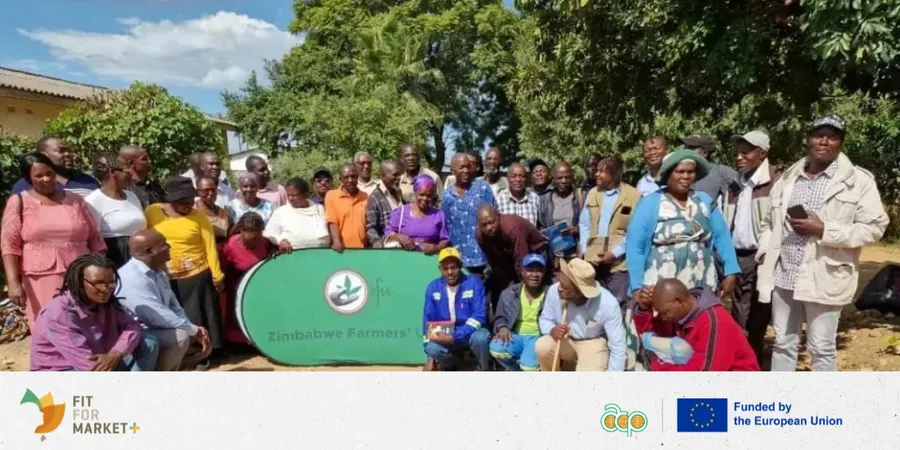
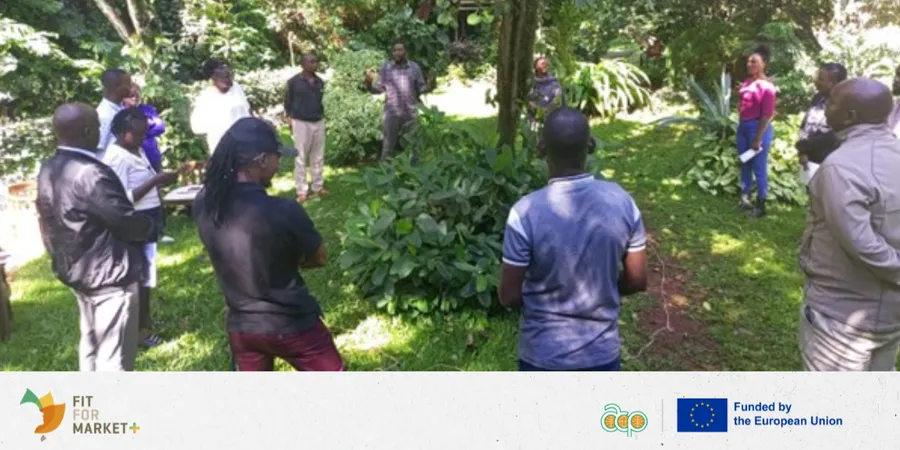
As part of the FFM+ programme, COLEAD recently conducted a field mission to provide technical support to the Zimbabwe Farmers Union (ZFU) in assessing avocado orchard management practices. Although this type of support is usually offered to companies, this initiative was exceptional in that it engaged a producer organisation and used its members' farms as demonstration plots — an innovative and effective approach.The mission's primary objective was to evaluate the implementation of Good Agricultural Practices (GAPs) and provide practical recommendations to enhance critical areas such as irrigation, pruning, nutrient management, and pest control.The field assessment revealed several challenges, including limited knowledge of GAPs, poor seed and orchard site selection, weak nursery and orchard management, and inadequate post-harvest practices. Farmers also lacked information on quality and food safety standards such as GlobalG.A.P. and HACCP.The recommendations from the mission included:- Improved rootstock selection- Establishing partnerships with certified nurseries;- Structuring orchard layouts;- Enhancing irrigation and pruning schedules;- Strengthening post-harvest handling practices.Based on these findings, ZFU has developed an action plan to scale up producer coaching through COLEAD’s e-learning platform.During the debriefing, the ZFU Capacity Building Manager provided positive feedback:'The training was very informative, and the farmers realised many things that need improvement. One of the key takeaways is the importance of establishing avocado orchards with certified nurseries. The farmers have already begun to implement an action plan in this direction. Thank you for the support.'This initiative lays the foundation for the sustainable development of Zimbabwe’s avocado sector by equipping producers with the tools and knowledge needed to boost productivity and meet market requirements.This activity is supported by the Fit For Market Plus (FFM+) programme, implemented by COLEAD within the Framework of Development Cooperation between the Organisation of African, Caribbean and Pacific States (OACPS) and the European Union. This publication receives financial support from the European Union and the OACPS. The content of this publication is the sole responsibility of COLEAD and can in no way be taken to reflect the views of the European Union or the OACPS.
 News
News
Biodiversity & sustainable agriculture: The example of COMAKO in Côte d’Ivoire
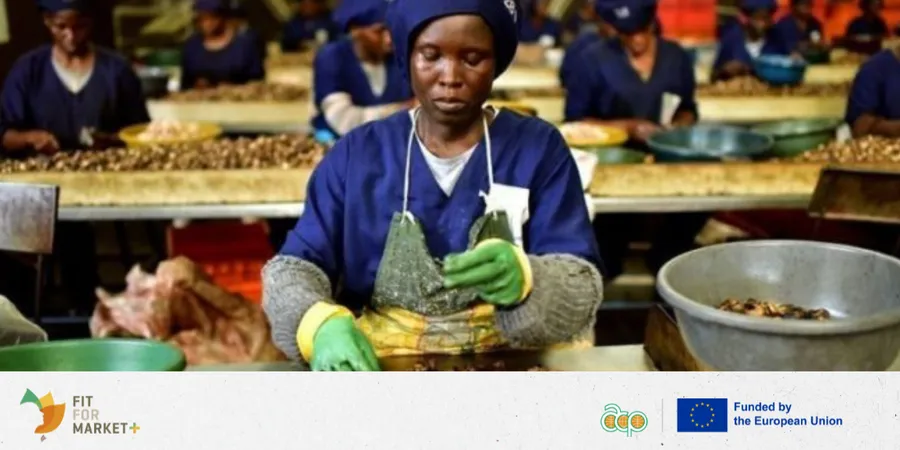
As part of its commitment to the conservation of biodiversity in tropical agricultural systems, COLEAD supports its partners in integrating environmentally sound practices into their production models. In Côte d'Ivoire, this commitment is being realised through a collaboration with the Cooperative of Mango and Cashew of Korhogo (COMAKO) to develop a Wildlife-Flora-Landscape Integrated Management Plan (IMP) under the Fit For Market Plus (FFM+) programme.Already certified by GLOBAL G.A.P., GRASP, SMETA and Rainforest Alliance, COMAKO is now strengthening its alignment with the LEAF Marque standard, laying the foundation for more resilient, responsible and environmentally sound agriculture.A comprehensive diagnosis to strengthen biodiversityThe mission carried out by COLEAD enabled:- A complete assessment of the cooperative's environmental management practices;- To identify risks and opportunities related to wildlife, flora and landscape within the orchards;- To co-develop a structured Integrated Management Plan (IMP) with monitoring indicators to measure progress over time.The results revealed a remarkable floral diversity, albeit limited in some areas, and a rich animal presence - including bees and butterflies - representing a natural heritage to be protected and enhanced.Concrete actions at farm levelThe IMP outlines a series of practical measures, tailored to the local context, to improve the environmental performance of farming activities:- Conservation of emblematic species such as shea and néré trees through awareness campaigns and sacred protection practices;- Integrating annual legume crops (groundnut, cowpea, soybean) into orchards to improve soil fertility and diversify farmers' incomes;- Utilising mango residues by systematically collecting and composting them to enrich the soil;- Training producers to identify soil fertility indicators and understand the importance of biodiversity in agro-ecosystems.Resilient and sustainable agriculture at the heart of the cooperative modelThe implementation of this IMP will enable COMAKO to better manage natural resources, reduce productivity-related risks and reconcile economic performance with environmental responsibility.With COLEAD's support, COMAKO is positioning itself as a pioneer of agro-ecological transition in Côte d'Ivoire, demonstrating that respect for biodiversity is a powerful driver of sustainable competitiveness.This activity is supported by the Fit For Market Plus (FFM+) programme, implemented by COLEAD within the Framework of Development Cooperation between the Organisation of African, Caribbean and Pacific States (OACPS) and the European Union. This publication receives financial support from the European Union and the OACPS. The content of this publication is the sole responsibility of COLEAD and can in no way be taken to reflect the views of the European Union or the OACPS.
 News
News
Senegal: Setting up a quality and traceability system for dried mangoes - the example of O'FRUTTI
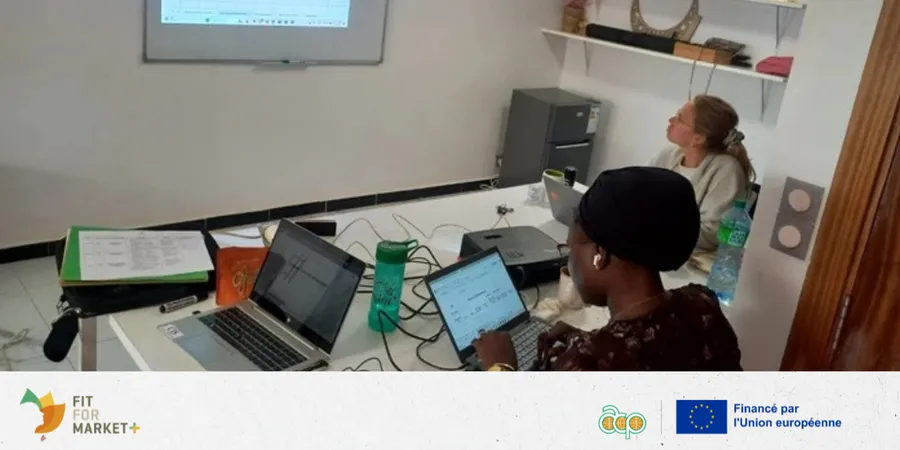
Dakar, May 2025 - As part of the Fit For Market Plus (FFM+) programme, COLEAD has provided post-training support to O'FRUTTI, a young Senegalese company specialising in mango processing. This intervention aims to structure the company's quality and traceability management system, building on the knowledge acquired during a recent collective training on food safety principles.A young and ambitious company with market reachFounded in 2022, O'FRUTTI has quickly positioned itself on the European and local markets by focusing on a flagship product: dried mango. Already distributed in Belgium, France and in major supermarkets and hotels throughout Senegal, the company has committed itself to a process of progressive improvement by initiating the implementation of a Quality Management System (QMS).Targeted support to structure growthDespite its young age, O'FRUTTI has demonstrated a strong motivation to structure its internal processes and meet market requirements in terms of quality and traceability. The diagnosis carried out by COLEAD highlighted several strengths: A clear commitment from top management to the quality approach Solid control of production and quality assurance processes Traceability already in place, both upstream and internally COLEAD's intervention enabled the company to Assess the maturity of its quality system through a structured diagnosis Formalise its quality policy and define coherent quality objectives Improve its traceability tools with customised recording templates Lay the foundations for a solid documentation system (procedures, work instructions, traceability forms). Towards certification and international marketsThis tailor-made technical support represents a key milestone in O'FRUTTI's development. The company is now better equipped to complete the implementation of its QMS, to ensure the hygiene and safety of its products and to meet the growing expectations of consumers and commercial partners in terms of transparency, traceability and compliance.With COLEAD's support, O'FRUTTI is paving a promising path towards international recognition and positioning quality as a strategic lever for its growth.This activity is supported by the Fit For Market Plus (FFM+) programme, implemented by COLEAD within the Framework of Development Cooperation between the Organisation of African, Caribbean and Pacific States (OACPS) and the European Union. This publication receives financial support from the European Union and the OACPS. The content of this publication is the sole responsibility of COLEAD and can in no way be taken to reflect the views of the European Union or the OACPS.
 News
News
EU Organic Regulation Updates: Enhancing Organic Production and Pest Control
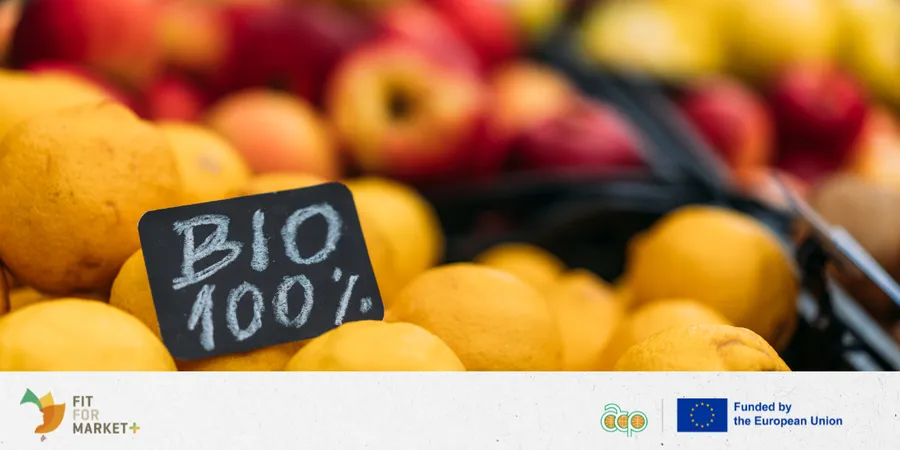
Requirements regarding pesticide use under the new EU Organic Regulation The new Organic Regulation (EU) 2018/848 entered into application in January 2021 in the European Union (EU). For Third Countries, the initiation of certificate issuance under the new compliance regime, signifying the conclusion of the equivalence regime started in January this year.Some of the new requirements, including rules on the use of plant protection products, have implications for third countries. The list of plant protection products permitted for use in organic agriculture under the new EU organic regulation is presented in Annex I of Regulation (EU) 2021/1165. All products and substances listed therein, and the conditions of use, must be aligned with the EU approval under the horizontal Regulation (EC) 1107/2009. This means that use of Plant Protection Products (PPPs) in third countries should be according to EU authorizations and conditions of use.If substances - or their uses - are not authorized in the EU, an application can be made to authorize their use in third countries through listing under Annex VI of Regulation (EU) 2021/1165. There must be justified reasons to support such a submission, for example to manage a pest not present in the EU. An application dossier must be made using the template provided by the European Commission and must be submitted to the Expert Group for Technical Advice on Organic Production (EGTOP) by a “control authority” or “control body”.New amendments facilitating use of critical active substances These new requirements affect in particular areas where crops, pests, and agroecological conditions are very different to those in the EU. COLEAD has been highlighting this issue since 2016 through bilateral meetings with the European Commission, and by responding to public consultations.In 2023, in collaboration with ECOCERT, COLEAD supported the development and submission of the first dossier for listing under Annex VI. This concerns the use of ethylene for pineapple floral induction, essential for commercial organic pineapple production. EGTOP approved the dossier in August 2023.In addition, COLEAD worked in a collaborative effort with IBMA, EOCC, OPTA Europe and IFOAM* to secure further Annex VI listings. Some micro-organisms used outside the EU are different from those used within the EU (different species and/or strains). In alignment with EGTOP recommendations, COLEAD and its partners engaged dialogue with the EU Commission to advocate that microorganism and virus are critical tools to operationalise integrated pest management and therefore use should not be restricted to EU approvals. The objective was to ensure that control options are available for priority pests and diseases (e.g. quarantine pests, pests/diseases of significant economic importance) in the first instance, thereby minimising as far as possible the disruption of trade in organic products to the EU from January 2025.The concerns highlighted by COLEAD and the industry have been taken into account, and we are happy to announce the publication of Commission Implementing Regulation (EU) 2025/973 confirming that : Ethylene for pineapple floral induction has been added to Annex VI, allowing for a two-year renewable authorization for use in third countries. Microorganisms and viruses are now authorized, provided they comply with relevant third-country legislation. This is a great example of collaborative efforts between the industry and the EU Commission to apply a pragmatic approach to support trade and access of EU consumers to quality organic products.Further recommendations to the organic sectorThe organic sector must address these requirements, and compile lists of all substances used in organic production for the EU market to check: if they are authorised (according to the intended conditions of use) as listed in the Annexes of Regulation (EU) 2021/1165. if they are registered in the EU and if they have local authorisation in every exporting country (except where there is a regional harmonised system). If anything is not locally authorised, the process of formal authorisation needs to start as soon as possible. if they are using plant extracts that are not listed in Annex I, dossiers for Annex VI should be submitted as soon as possible. The process of compiling and submitting dossiers for each product/substance is time-consuming. If you are concerned about losing any biocontrol solutions that you are currently using please contact us at: network@colead.link.* IBMA : International Biocontrol Manufacturers Association, EOCC : European Organic Certifiers Council, OPTA Europe : Organic Processing and Trade Association Europe, IFOAM : International Federation of Organic Agriculture Movements This activity is supported by the Fit For Market Plus (FFM+) programme, implemented by COLEAD within the Framework of Development Cooperation between the Organisation of African, Caribbean and Pacific States (OACPS) and the European Union. This publication receives financial support from the European Union and the OACPS. The content of this publication is the sole responsibility of COLEAD and can in no way be taken to reflect the views of the European Union or the OACPS.
 News
News
EU and GB MRL changes in 2025 (January-March 2025)
Changes to EU and GB pesticide maximum residue levels COLEAD’s monitoring of pesticide regulations covers maximum residue limit (MRL) changes in both the EU and Great Britain (GB). Note that EU MRLs still apply in Northern Ireland (GB covers only England, Scotland, and Wales). During the period January-March 2025, we have been highlighting significant changes to EU MRLs that affect 8 active substances, 7 of which are important for ACP export horticulture. During this same period, 20 changes to GB MRLs were published, 13 of which are important for ACP export horticulture. During this period, the EU also recently notified the World Trade Organization (WTO) of additional proposed changes involving a further 3 substances including one that is key in ACP horticulture (benthiavalicarb). Note that comments and concerns can be submitted to the WTO via your national contact points . How will ACP producers/exporters be affected? Changes to EU/GB MRLs also apply to products that are exported to the EU/GB. Growers producing for export may need to adapt their practices to meet the new MRL or, if this is not possible, stop using these products and look for an alternative method of pest management. What should ACP producers/exporters do now? For each plant protection products (PPPs) and crop concerned, the Good Agricultural Practices (GAPs) in place will need to be verified and possibly adapted to ensure compliance with the new MRLs. The GAPs include dose rate, number of applications, and pre-harvest interval. In some cases, adaptations to the GAPs will allow the new MRLs to be met (see Crop Protection database ). However, in many cases, especially where the level is reduced to the Limit of Determination (LoD), it may not be possible to meet the new MRL, and growers will have to look for alternative crop protection solutions. This is essential to avoid interception and destruction of exported produce at the EU/GB borders. In case there is no available alternative, manufacturers can consider the option of requesting an import tolerance. The process for approving an import tolerance MRL in the EU can take time and may imply costs. It is recommended to contact the PPP manufacturer to assess the feasibility. If you have any major concerns about these changes, and fear that you will be left without an effective and locally available alternative, please contact COLEAD at: network@colead.link .
 News
News
Join the COLEAD 2030 movement. Your voice matters! 👉 2030@colead.link
For over 50 years, COLEAD has been working to strengthen sustainable, inclusive and competitive agricultural systems. In 2025, we open a new chapter in our collective history: the development of our COLEAD 2030 strategy.This process will not take place in isolation. On the contrary, it is based on a strong conviction: COLEAD's future and the future impact of its action will be built with those who bring it to life – team, members, partners, partner-beneficiaries, institutions, practitioners, donors, experts, trainers, learners etc... and allies for change.A participatory process to meet the challengesOur ambition? To define an ambitious, realistic and shared strategy capable of responding to the major challenges of today and tomorrow through the transformation of agri-food systems: poverty reduction, decent work, food security and nutrition, climate change, gender equality, and more. To this end, we have set up a structured consultation process, the first important stage of which is now available: the COLEAD 2030 Strategic Questionnaire, designed on the basis of our Theory of Change.A questionnaire to think together about our impactThis questionnaire explores COLEAD's main areas of intervention and the main issues identified at all levels (micro, meso and macro). It invites reflection on fundamental questions:What levers can be activated to promote sustainable agriculture in low-income countries?How can we better coordinate our actions between macro, meso and micro levels?How can we accelerate and increase the positive impact of our actions?Where should we focus our efforts to maximise our social, economic and environmental impact?How can we work more effectively with national programmes, donors and technical partners?Whether you are an entrepreneur, a member of a farmers' organisation, a public institution, a bilateral or multilateral project, a consultant or a trainer, your point of view is important.How to get involved in the development of the COLEAD 2030 StrategyWould you like to contribute to our strategic thinking? You can reply to our questionnaire and share your observations.and/orWould you like to go further? We will also be setting up targeted discussion groups (by type of stakeholder, geographical area, key issues) in the coming months.Express your interest by sending an email to
 News
News
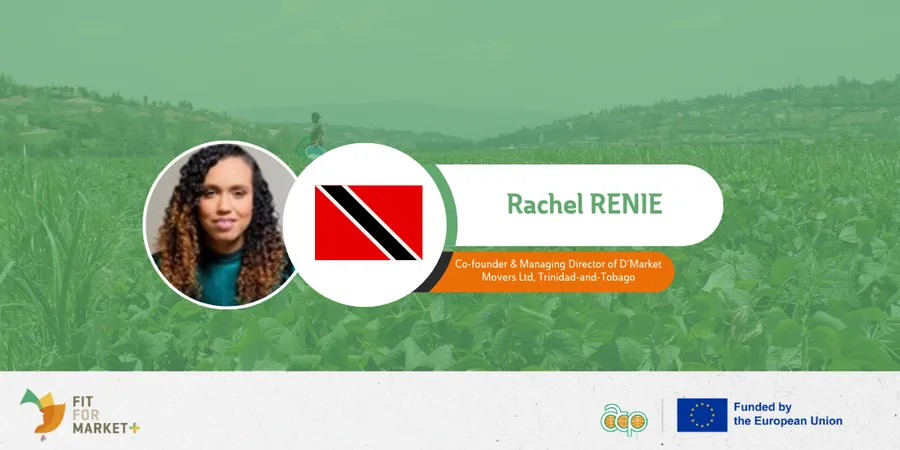
Rachel Renie, an inspirational figure from Trinidad and Tobago who combines entrepreneurship, innovation and social impact
Rachel Renie is a visionary entrepreneur and a leading force in Trinidad and Tobago’s agri-food sector. As the co-founder and Managing Director of D’Market Movers Ltd, Rachel has redefined how food is sourced, sold, and consumed in the Caribbean. Her bold vision, combined with her entrepreneurial spirit, has not only transformed food distribution in her country but also laid the foundation for empowering women and local communities through innovation and sustainable practices.D’Market Movers: bridging farmers and familiesIn 2009, Rachel and her co-founder David Thomas launched D’Market Movers, the first farm-to-door produce service in Trinidad and Tobago. This innovative platform allowed consumers to easily access fresh, locally grown produce with just a few clicks. By connecting rural farmers with urban families, D’Market Movers addressed two pressing issues: the need for more accessible, healthy food and the desire to support local agriculture. The service has been a game-changer, not only by providing convenience to consumers but also by creating a direct, mutually beneficial relationship between farmers and customers, making it easier to purchase fresh produce and support local economies.Expanding her impact: other venturesRachel’s entrepreneurial impact extends beyond D’Market Movers. With her passion for both food and design, she co-founded Farm & Function TT, a line of frozen fruit products that offer easy, nutritious, and locally sourced options for consumers. This business transforms surplus Caribbean fruit into frozen blends ideal for smoothies, desserts, and more. Additionally, Rachel launched MMDesign, a food branding and e-commerce consultancy. Through MMDesign, Rachel empowers businesses—from startups to established companies—by enhancing their product offerings and developing distinctive, market-savvy branding strategies. She helps clients refine their brand identities, create compelling narratives, and strengthen their online presence, allowing them to stand out in an increasingly competitive market. Another key initiative, Our Moving Table, is a monthly farm-to-table event that connects consumers with local farmers while promoting sustainability and the importance of supporting local agriculture.E-commerce as a gateway to market access for women entrepreneursRachel has demonstrated how e-commerce platforms like D’Market Movers are transforming access to markets, particularly for women entrepreneurs. By enabling the online sale of products and services, these platforms break down traditional barriers and open up entirely new opportunities both locally and globally. She highlighted that digital commerce—through tools like user-friendly websites, mobile payment systems, and integrated delivery services—removes many of the geographic and logistical limitations that have traditionally constrained small businesses. For women entrepreneurs, who often face additional social and structural challenges, e-commerce offers a powerful pathway to scale their businesses, reach broader audiences, and build greater financial independence. Rachel’s journey showcases how technology can act as a catalyst for inclusive growth and economic empowerment, particularly for women who might otherwise be excluded from larger markets.Empowering women and leading by exampleAs a female entrepreneur in a male-dominated industry, Rachel is not only focused on building successful businesses, but also on paving the way for other women to succeed. Her journey has always been one of empowerment, empowering local farmers, fellow entrepreneurs, and especially women in business. Rachel also works with organisations like Youth Business of Trinidad & Tobago to guide aspiring entrepreneurs, particularly women, and to foster an environment where women feel supported and capable of leading. Rachel’s leadership is a testament to the fact that when women are given the opportunity and the right tools, they can lead and innovate in industries from agriculture to e-commerce.Inspiration in actionRachel Renie is more than just an entrepreneur, she is a symbol of resilience, leadership, and the power of technology in driving positive change. Through her work with D’Market Movers, Farm & Function TT, Our Moving Table, and MMDesign, Rachel is not only transforming food systems but is also inspiring a new generation of entrepreneurs, especially women, to take charge of their futures. By using her platform to create opportunities for others, Rachel is showing the world that women can lead in every sector, and they can do so while making a meaningful difference in their communities and beyond.Rachel was a panellist at the Caribbean Agrifood Business Session n°3, organised by IICA and COLEAD through the FFM+ programme ; the session aimed at showcasing the innovations and successes of Caribbean farmer-led businesses and small and medium enterprises. She was also a panellist at the South-South Session n°2, organised by UN Women and COLEAD, also through FFM+ ; this session aimed at strengthening women-led businesses by fostering collaboration, knowledge-sharing, skills development, market access, and networking opportunities. You can find the highlights in this document.This activity is supported by the Fit For Market Plus (FFM+) programme, implemented by COLEAD within the Framework of Development Cooperation between the Organisation of African, Caribbean and Pacific States (OACPS) and the European Union. This publication receives financial support from the European Union and the OACPS. The content of this publication is the sole responsibility of COLEAD and can in no way be taken to reflect the views of the European Union or the OACPS.
 News
News
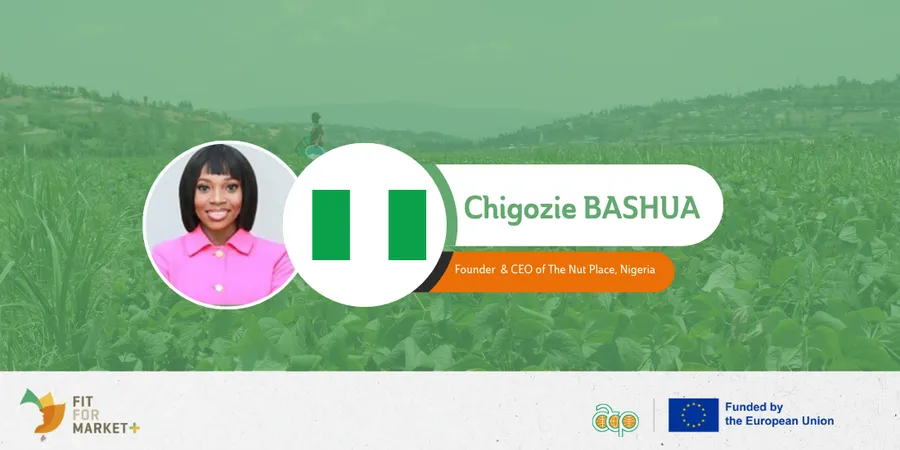
Chigozie Bashua: entrepreneur at the forefront of nut-based nutritional solutions for a thriving Africa
Chigozie Bashua is the founder and CEO of The Nut Place, a Nigerian food tech company redefining how indigenous nuts can address health challenges, food insecurity, and gender inequality. With over 14 years of experience in information technology and business strategy, and a degree in Electrical/Electronic Engineering from Nnamdi Azikiwe University, Chigozie has made a remarkable transition from tech to agribusiness, blending analytical expertise with a strong commitment to healthy living, local sourcing, and sustainable impact.From engineer to food innovatorChigozie's entrepreneurial journey began in 2013 during a trip to the United Kingdom. While grocery shopping, she discovered a variety of healthy nut-based products and wondered why similar options weren't available in Nigeria. This sparked her interest in nut processing. Determined to learn more, she visited a processing plant in Tottenham, UK, gaining practical knowledge that would lay the foundation for her business. Upon returning to Nigeria, she founded The Nut Place in December 2013, starting operations in July 2016 from her mother's kitchen, laying the foundation for a mission-driven enterprise rooted in health and innovation.Tech-Driven Social ImpactAs a food tech company, The Nut Place integrates technology into its social impact initiatives. The company leverages digital tools to educate communities about healthy eating, offers discounted access to nutritious food products. These initiatives ensure that underserved communities not only have access to affordable healthy options but are also empowered with the knowledge to make better dietary choices. By leveraging digital platforms for outreach and awareness, the company combines innovation with purpose to create lasting change in local communities.Commitment to health and sustainabilityThe Nut Place transforms locally sourced nuts into gluten-free, nutrient-rich flours, snacks, crisps, and lactose-free beverages providing healthy options for people with dietary restrictions like gluten intolerance or diabetes. Beyond individual wellness, the company contributes to national food security by promoting local sourcing, reducing reliance on imports, and making nutritious foods more accessible. The company’s model supports SDGs 2, 5, 8, and 12, advancing zero hunger, gender equality, decent work, and responsible consumption.Empowering women and promoting gender equalityUnder Chigozie’s leadership, The Nut Place operates as an 80% women-led company and actively empowers women across the agri-processing value chain. From sourcing ingredients to engaging female vendors and artisans, the company creates inclusive economic opportunities and fosters an ecosystem where women thrive. By repurposing by-products like tamarind seeds and coconut shells into craft materials, The Nut Place also promotes circular economy practices and supports local creatives.Recognitions and global engagementChigozie’s innovative leadership has earned her global recognition. She is an alumna of the Tony Elumelu Foundation, the African Women Entrepreneurship Cooperative (AWEC), the Academy for Women Entrepreneurs (AWE), and the Vital Voices Grow Fellowship. In 2023, she was named a Vital Voices Global Fellow and selected as one of the Meaningful Business 100. She also participated in the Google Hustle Academy and the Women Entrepreneurship for Africa (WE4A) program. Through these platforms, Chigozie shares her insights on business continuity, leadership, and scaling impact.“What’s worth doing is worth doing well”Chigozie envisions The Nut Place becoming the leading producer and exporter of nut-based food products across Africa by 2030. Her focus is on expanding product lines, scaling operations, and enhancing market access, all while staying true to the company’s mission of innovation, nutrition, and social good. Her journey is a testament to how purpose-driven entrepreneurship can transform not only industries, but entire communities.“What’s worth doing is worth doing well. Don’t settle for shortcuts, build your brand on values that matter, and the results will follow.”Chigozie recently served as a panelist during the second session organised by COLEAD and UN Women South-South Series through the FFM+ programme, an initiative dedicated to strengthening women-led businesses through knowledge exchange, skill development, market access, and strategic networking.Valuable resources about the session can be find here:HighlightsRecording hereThis activity is supported by the Fit For Market Plus (FFM+) programme, implemented by COLEAD within the Framework of Development Cooperation between the Organisation of African, Caribbean and Pacific States (OACPS) and the European Union. This publication receives financial support from the European Union and the OACPS. The content of this publication is the sole responsibility of COLEAD and can in no way be taken to reflect the views of the European Union or the OACPS.
 News
News
FFM+ programme after three years: results illustrate horticulture's progress towards a more sustainable ecosystem in OACPS member countries
In the face of a series of health, climate, economic and geopolitical crises, the resilience of the horticulture sector in African, Caribbean and Pacific (ACP) countries is a strategic priority. The Fit For Market Plus (FFM+) programme, implemented by COLEAD with funding from the European Union and the OACPS, has been a driving force for change for three years, combining technical support, systemic action and innovation in the field. Designed from the outset to respond to post-COVID disruptions, FFM+ has gradually consolidated its position as a multi-level strategic lever capable of acting simultaneously with producers, institutions and markets.A collective dynamic in the ACP networkSince its operational launch in 2022, the programme has received 1,095 applications for support from 54 OACPS member countries. To date, 620 development projects have been signed, 54% of which directly involve horticultural MSMEs or producer cooperatives. These projects are the beating heart of the programme: they reflect the ownership of the programme by the partner beneficiaries and COLEAD's ability to respond to concrete needs on the ground.A new generation of partner beneficiaries with different profilesFFM+ attracts a large number of new actors: 77% of the supported MSMEs had never received support from COLEAD before. More local, more rooted in regional markets and often small in size, these companies and producer groups represent up to 87,500 producers. Although their export volumes to the EU are smaller, their impact on the local economy is significant.Massive investment in training, knowledge transfer and know-howKnowledge transfer and skills development are a constant priority. In three years, FFM+ has trained nearly 1,500 people in food safety, good agricultural practices and sustainability (FFM+ Outcome 1), 770 partner beneficiaries in business management, financing and economic resilience (Outcome 2), close to 300 actors contributing to strengthening links between MSMEs and producer groups (Outcome 3), an increasing number of business membership organisations (BMO) and their members to strengthen their economic and political role (Outcome 4), and approximately 200 representatives of SPS competent authorities (Outcome 5). In parallel, the COLEAD online training platform has exceeded 30,000 users, with nearly 12,000 new registrations in period 3 alone, from all OACPS member states.Acting and innovating to transform agricultural practicesThe COLEAD Research and Innovation brokerage has launched or completed more than 25 agronomic trials, covering key topics such as: integrated pest management for mangoes, avocados, carrots and tomatoes; the valorisation of agricultural waste, such as in Benin, where pineapple by-products are turned into animal feed; and alternative solutions to pesticides to secure access to European markets. Nearly 60 requests for emergency technical assistance were also handled, ranging from pesticide residue management to regulatory support for exports.Multiplying synergies: FFM+ and national projectsFFM+ does not work alone. It works in active partnership with other country initiatives led by European Union delegations, the STDF, ENABEL and AFD, among others. Concrete actions are underway or in preparation in Côte d'Ivoire, Guinea, Uganda, Senegal, Gambia, Ethiopia and Zimbabwe.This coordination makes it possible to pool resources, speed up the dissemination of good practices and respond more accurately to the specific needs of each country or region.The tools developed through a multi-country programme such as FFM+ therefore benefit national programmes, which can reach many more partner-beneficiaries and implement more tailor-made development projects.Strategic monitoring, influence and market accessIn an environment of rapidly changing European standards, particularly those arising from the Green Deal, COLEAD supports its partners through active strategic monitoring. In addition, the www.agrinfo.eu platform enables horticultural stakeholders to better anticipate regulatory changes. Technical advocacy is also carried out in groups such as GlobalGAP, Freshfel, Fairmiles and the coalition against unfair trading practices.Beyond the numbers, a coherent vision of development is needed: FFM+ contributes to food security, poverty reduction, gender equality (with its new integrated gender strategy) and the environmental transformation of ACP food systems. In three years, FFM+ has not only strengthened capacities: it has contributed to a collective transformation, rooted in the territories, open to innovation and fed by strong partnerships.This activity is supported by the Fit For Market Plus (FFM+) programme, implemented by COLEAD within the Framework of Development Cooperation between the Organisation of African, Caribbean and Pacific States (OACPS) and the European Union. This publication receives financial support from the European Union and the OACPS. The content of this publication is the sole responsibility of COLEAD and can in no way be taken to reflect the views of the European Union or the OACPS.
 News
News
Dominican Republic - First Strategic Workshop on the National Sanitary and Phytosanitary Policy: SPS policy development is a cornerstone of the One Health approach of the SIA project
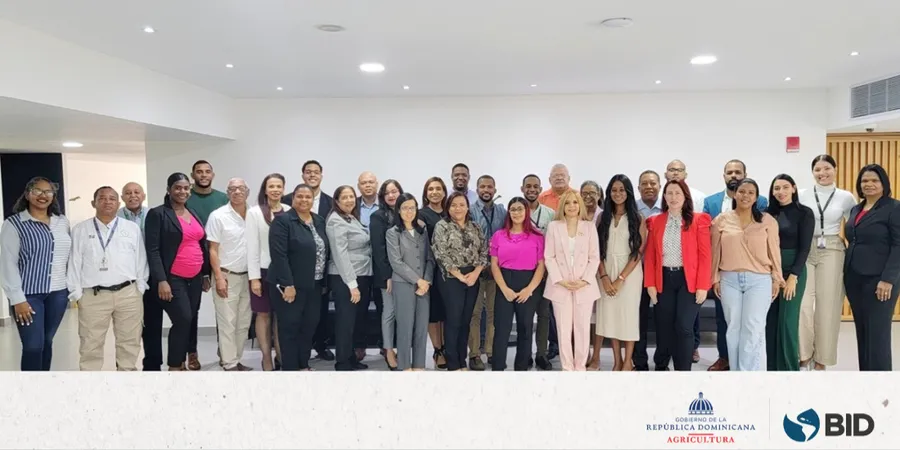
The Sanidad e Innovación Agropecuaria (SIA) project, implemented by COLEAD on behalf of the Ministry of Agriculture of the Dominican Republic, reached an important milestone in April 2025 with the organisation of the first workshop dedicated to the development of the National Sanitary and Phytosanitary (SPS) Policy and Strategic Guidelines.This ambitious project, financed by the Inter-American Development Bank (IDB) through loan IDB 4909/OC-DR, began in May 2024. It aims to strengthen the country's institutional and technical capacities around the One Health approach through more than 40 activities carried out by an international team of 15 COLEAD experts based in Latin America, the Dominican Republic and Belgium.A foundation workshop for future national SPS policyThe workshop, chaired by Dr Katrina Naut COLEAD expert, brought together more than 30 participants from various ministries, the private sector and international organisations working in the country. It was also actively supported by Pablo Lopez-Herrerias, project coordinator.The workshop followed the SWOT (Strengths, Weaknesses, Opportunities and Threats) methodology, designed as a strategic diagnostic tool. The results of this collective exercise will directly contribute to the definition of the strategic objectives, institutional goals and priority actions of the future national SPS policy.A key action for the future of the agri-food sectorThe development of this SPS policy is a cornerstone of the SIA project. It will play a crucial role in ensuring the sanitary and phytosanitary compliance of Dominican agricultural products, while facilitating their access to national and international markets.Read more about COLEAD's SIA project in the Dominican Republic: See the project pageThis activity is supported by the SIA project (Sanidad e Innovación Agropecuaria), implemented by COLEAD on behalf of the Ministry of Agriculture of the Dominican Republic and financed by the Inter-American Development Bank (IDB) under loan no. BID-4909/OC-DR. This publication has been produced with the financial support of the IDB. The contents are the sole responsibility of COLEAD and in no way reflect the views of the Dominican Ministry of Agriculture or the IDB.
 News
News
Supporting the agro-ecological transition. The example of Guinea in the pineapple, vegetable and potato value chains.
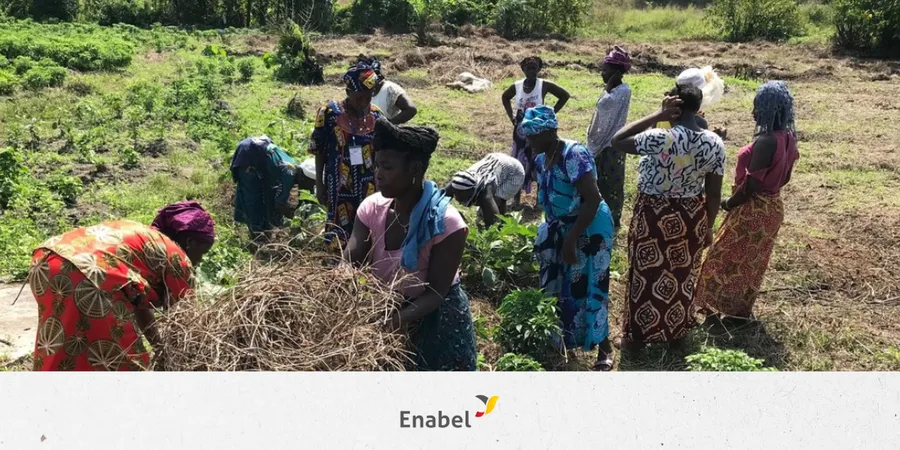
In December 2024, COLEAD signed a new contract with ENABEL, the Belgian development agency, to contribute to the implementation of Intervention 1 of the project "Strengthening the resilience of the Guinean population to climate, food and economic shocks through sustainable agricultural development".In partnership with ICRA, COLEAD is implementing a specific action entitled 'Supporting the agro-ecological transition of the pineapple, potato and vegetable value chains in Guinea'. The aim of this action is to promote the adoption of concrete agro-ecological practices, co-constructed with the actors of the value chains and based on a detailed understanding of their realities.For more information on the programme https://www.colead.link/programmes-page/enabel-guinea/A project launch marked by co-construction and agroecologyA COLEAD mission took place from 28 April to 2 May 2025, and was key step in the implementation of the project in Guinea. In particular, it helped to build collective momentum around agroecology, strengthen local partnerships and lay the foundations for tailored support to the targeted sectors.The objectives of the field mission included :Facilitating participatory workshops within the three targeted value chains to: Present the basics and key principles of agroecology,Initiate a collective reflection on the levers for transition in the short, medium and long term,Present the Farmer Field School (FFS) approach as a learning and structuring tool. Presenting COLEAD's areas of intervention in the project; Discussing the adaptation of the TAPE (Tool for Agroecology Performance Evaluation) tool to the Guinean context prior to its implementation; Meeting with the project partners (local coordinator, field operators) to agree on the next steps; Reviewing with the ENABEL team in Guinea the synergies between this project and other COLEAD programmes such as Fit For Market Plus (FFM+) and AGRINFO. For further information, please do not hesitate to contact the COLEAD team.
 News
News
Reform to protect: towards new plant health legislation in Senegal
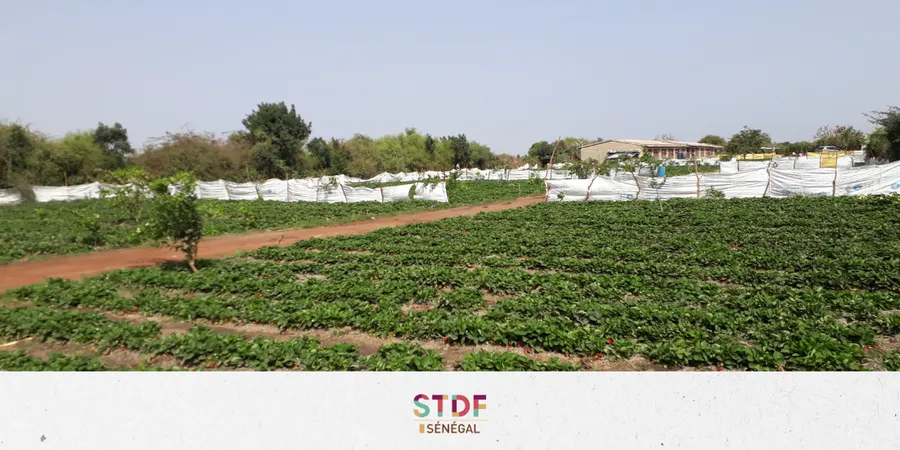
COLEAD's STDF/PG/946 project in Senegal has taken a decisive step with the completion of a strategic mission to analyse and revise the national plant health legislation. This milestone marks the culmination of extensive work to strengthen the regulatory framework in line with Senegal's regional and international commitments and to better protect the local horticultural sector.A project to promote health and trade competitivenessThe STDF Senegal project, funded by the Standards and Trade Development Fund (STDF), aims to strengthen the country's sanitary and phytosanitary capacity to ensure that horticultural products meet international requirements. Implemented by COLEAD in partnership with the Directorate of Plant Protection (DPV) and the Senegalese Ministry of Agriculture, Rural Equipment and Food Sovereignty, the project supports export competitiveness while protecting the country from harmful organisms.A long-awaited phytosanitary reformOne of the main tasks of the project was to carry out an in-depth analysis of the existing laws and regulations on phytosanitary control in Senegal. The aim was to update a 1960 decree to bring it into line withthe International Plant Protection Convention (IPPC)the WTO Agreement on the Application of Sanitary and Phytosanitary Measures (SPS), andthe provisions of the African Continental Free Trade Area (AfCFTA).The result is a draft phytosanitary regulation accompanied by three draft implementing regulations coveringMonitoring and control of harmful organisms,Phytosanitary controls on imports and exports, andRegulation of phytosanitary fees.These texts are submitted for approval on 6 and 7 May in Dakar during a workshop organised within the DPV in the presence of horticultural operators, professional associations and competent authorities. The aim of this consultation process is to ensure that the texts are not only technically sound, but also operational and accepted by the stakeholders.Gender mainstreaming in the reformIn line with the cross-cutting commitments of the project, gender equality has been integrated into the legislative process. The gender analysis carried out at the beginning of the project highlighted several important facts:Women are mainly active in small agricultural units, often focused on subsistence or local markets.They have less access to technical support and training programmes.In rural areas, women's education levels are lower and illiteracy rates are high.Village action committees, which are often closer to women, are important channels for disseminating information.Finally, women phytosanitary inspectors face discrimination in the performance of their duties.These findings were taken into account in the drafting of the legislation, with specific adaptations to better reflect the different needs, constraints and roles of women in the horticultural sector.This legislative reform process represents an important step towards strengthening plant health governance in Senegal. It illustrates the collective capacity of public, private and civil society actors to work together for sustainable, competitive and inclusive horticultural development.The “Strengthening phytosanitary capacity to promote exports of horticulture products from Senegal” project is funded by the WTO’s Standards and Trade Development Facility (STDF) at the request of the Senegalese Ministry of Agriculture, Rural Development and Food Sovereignty’s (MAERSA) Directorate of Plant Protection.