
Cultivating
Sustainable Futures
 News
News
Côte d'Ivoire: strengthening sanitary control of artisanal fish products
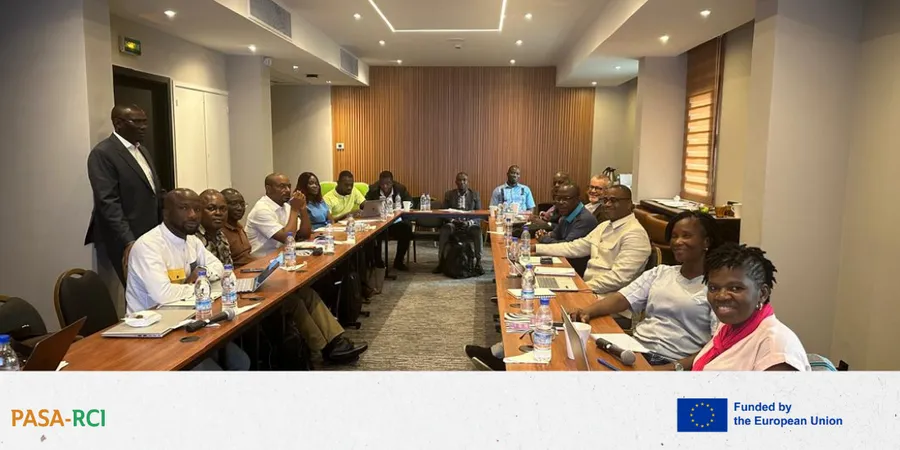
In brief Under the PASA–Côte d'Ivoire programme, COLEAD ran a five-day workshop to assess the national sanitary control system for artisanally processed fish products, using its R-SAT tool.Stakeholders involved: women processors, the Directorate of Veterinary Services and Animal Welfare (DSVBA), municipalities and the Ministry of Animal and Fisheries Resources (MIRAH).Participatory assessment across four dimensions: governance, operational processes, skills, communication — with a gender and youth focus.Results: a shared diagnosis and a structured national action plan.The aim: stronger food safety, competitiveness and market access for the sector.A five-day workshop under the PASA programmeAs part of PASA–Côte d'Ivoire, COLEAD brought together the key actors of the artisanal fisheries sector for five days to assess the national sanitary control system for processed products. Women processors, officials from the Directorate of Veterinary Services and Animal Welfare (DSVBA), representatives of municipalities and of the Ministry of Animal and Fisheries Resources (MIRAH) jointly co-developed a national action plan to improve the sanitary quality of these products.Assessing the system with the R-SAT toolThe workshop drew on COLEAD's R-SAT tool to gauge the maturity of the national system, analyse its strengths, weaknesses and gaps, and define a prioritised action plan. The work combined plenary sessions, breakout group work and participatory evaluations across four dimensions — governance, operational processes, skills and communication — with particular attention to gender and youth integration.Concrete resultsTwo outputs stand out from the week: a shared diagnosis of the national sanitary control system for artisanally processed fish products, and a structured national action plan, ready to guide upcoming interventions to strengthen food safety and market access.A milestone for the sectorThe workshop marks an important milestone for the food safety, competitiveness and sustainability of Côte d'Ivoire's artisanal fisheries. Its focus on the artisanal processing segment, the inclusion of women and the promotion of good hygiene practices aligned with market requirements makes it a practical lever for structuring the value chain.To find out more about the PASA programme[maxbutton id="11" url="https://colead.link/programmes-page/pasa-cote-divoire/" text="PASA-Côte d’Ivoire" ]This activity is implemented by COLEAD and supported by the Food Safety Support Programme for the Republic of Côte d’Ivoire (PASA-Côte d’Ivoire), funded by the European Union through the EU Delegation in Côte d’Ivoire. This communication has been produced with the financial support of the EU. Its contents are the sole responsibility of COLEAD and can in no way be taken to reflect the views of the EU.
 News
News
WANGU Holdings in Sierra Leone: better chain coordination, from farm to factory
In brief Through the Fit For Market Plus (FFM+) programme, funded by the European Union, COLEAD carried out an in-depth analysis of the supply and outgrower supervision systems of WANGU Holdings (Sierra Leone).Founded in 2012, WANGU produces, processes and markets fruits and leafy vegetables (local juices, exports of fruit pulp and frozen leafy vegetables).A systemic approach, from production to processing: farmer surveys, transporter interviews, warehouse and factory assessments.Key finding: the main constraint is not infrastructure capacity, but coordination across the chain.A five-priority action plan to cut losses and boost competitiveness.A systemic analysis, from production to factoryCOLEAD carried out an in-depth analysis of WANGU Holdings' supply and outgrower supervision systems, to identify operational bottlenecks and propose practical solutions to improve supply reliability, reduce losses and strengthen coordination between farmers and the company. The approach covered all key stages — production, collection, transport, warehousing and processing — combining field surveys, interviews and consultations with the technical and management teams.Strong foundations, but cumulative lossesWANGU already benefits from important assets: an established outgrower network and operational processing infrastructure. Several challenges nonetheless affect overall efficiency. At production level, post-harvest losses are significant, linked to collection delays and premature harvesting. Transport is constrained by poor roads, high costs and irregular collection schedules. At warehouse level, gaps in handling, grading, quality control and traceability generate losses and limit readiness for certification. The factory, meanwhile, operates below its potential — at just 45–60% utilisation — owing to inconsistent raw material supply.The real issue: coordinationA key conclusion is that WANGU's main constraint is not infrastructure capacity, but supply chain coordination. Weak linkages between production, transport, warehousing and processing reduce system efficiency and create cumulative losses. Improving communication, planning and synchronisation between actors therefore emerged as a major priority.A five-priority action planThe study proposes: improving transport efficiency (route planning, farmer clustering, fixed collection schedules); strengthening coordination between harvesting and collection; improving warehouse management (grading, sorting, handling, traceability); enhancing supply planning and factory utilisation through forecasting; and reinforcing trust and transparency with farmers (weighing, payments, collection predictability). The expected results: fewer losses, better quality and traceability, higher factory utilisation, and more sustainable relationships with farmers.This activity is supported by the Fit For Market Plus (FFM+) programme, implemented by COLEAD within the Framework of Development Cooperation between the Organisation of African, Caribbean and Pacific States (OACPS) and the European Union. This publication receives financial support from the European Union and the OACPS. The content of this publication is the sole responsibility of COLEAD and can in no way be taken to reflect the views of the European Union or the OACPS.
 News
News
Strengthening a HACCP system for export: the example of JOYTECH in Ethiopia
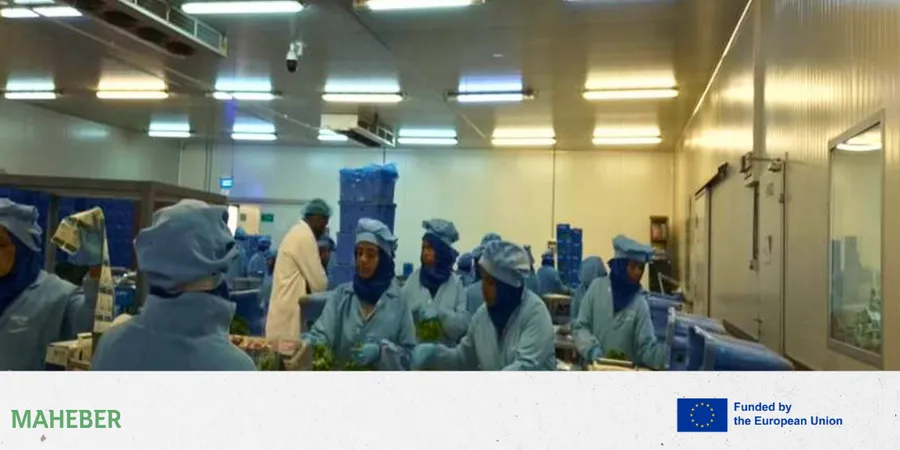
In briefUnder the MAHEBER programme, Joytech PLC received post-training technical support to strengthen its HACCP system and food safety management practices.The intervention followed COLEAD's training on HACCP principles, focusing on turning knowledge into operational improvements.Joytech PLC, based in Debre Zeit (Oromia Region), is an established horticultural exporter (herbs and flowers for European and UK markets), employing more than 1,400 workers, the majority women.Work carried out: reviewing HACCP documentation, a gap assessment, prerequisite programmes (PRPs), and validation of critical control points (CCPs), across farm and packhouse.The result: stronger readiness for certification and export market requirements.Post-training support on HACCPHaving taken part in COLEAD's training on HACCP principles, Joytech PLC received targeted support to strengthen its Hazard Analysis and Critical Control Points system and reinforce food safety management for export horticulture. The mission reviewed and strengthened HACCP documentation, carried out a detailed gap assessment, refined prerequisite programmes (PRPs), and validated critical control point (CCP) monitoring systems across farm and packhouse operations. Practical coaching, facility inspections, document reviews and staff interviews completed the approach.Strong foundations, with room to improveThe assessment confirmed that Joytech already had a strong food safety foundation: structured operational systems, traceability procedures, trained personnel and active management commitment. Several improvement areas were nonetheless identified — infrastructure maintenance, process flow alignment, and stronger physical hazard control — and corrective actions were jointly agreed with management, in a logic of continuous improvement and certification readiness.Successful knowledge transferA key outcome was the strengthening of internal technical capacity. Supervisory staff took an active part in HACCP plan review, hazard analysis exercises, CCP validation and food safety coaching, demonstrating genuine knowledge transfer and ownership of the process. By the end of the intervention, Joytech had significantly strengthened its HACCP readiness, improved PRP compliance, and enhanced its monitoring and verification systems — all assets for meeting export market requirements.This activity is implemented by COLEAD and supported by the MAHEBER Program (Mobilizing Actors in Horticulture for Entrepreneurship and Boosting Ethiopian Resilience), funded by the European Union through the EU Delegation in Ethiopia. This communication has been produced with the financial support of the EU. Its contents are the sole responsibility of COLEAD and can in no way be taken to reflect the views of the EU.
 News
News
Energy efficiency and solar power for more resilient horticulture: the example of Broomrigg Farm in Zimbabwe
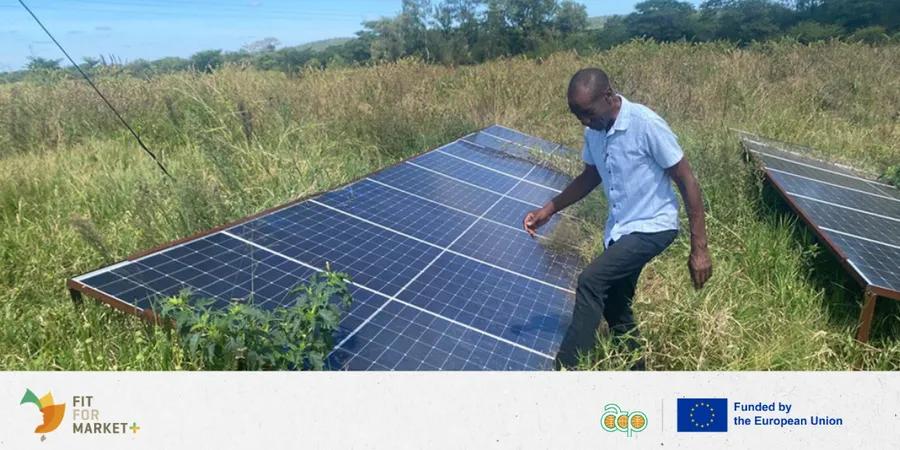
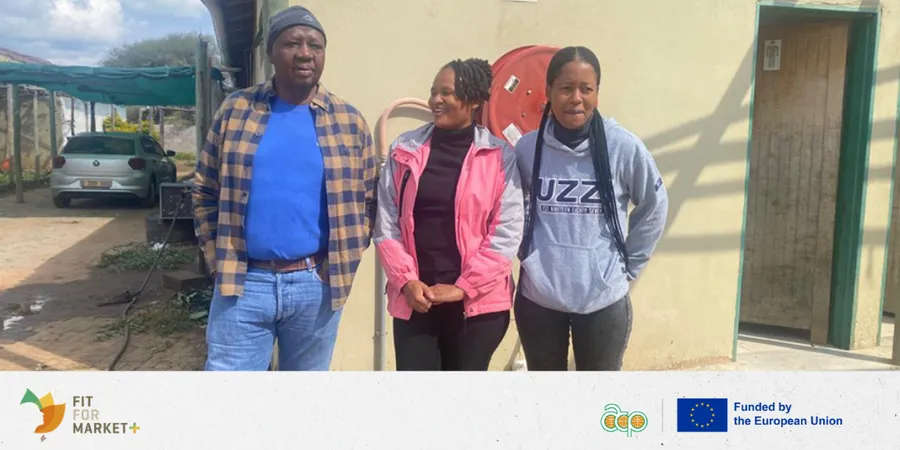
In briefThrough the Fit For Market Plus (FFM+) programme, COLEAD carried out an energy efficiency audit and a renewable energy management plan at Broomrigg Farm (Zimbabwe).The horticultural business faces rising energy costs, grid instability and recurrent load shedding.Irrigation and cold chain operations stand out as the largest energy consumers.A phased roadmap is proposed, built around a 150 kVA hybrid solar PV system.Estimated gains: around 75,000 kWh saved per year (about 54% less consumption), roughly USD 11,250 in annual savings and approximately 75.8 tonnes of CO₂ equivalent avoided each year.An energy system under strainBroomrigg Farm operates within Zimbabwe's horticultural sector, where rising energy costs, grid instability and recurrent load shedding pose major operational challenges for agri-food businesses. Reliable energy is especially critical for irrigation, cold chain operations and future pack house development. The farm has already taken an important step by solarising four boreholes that support irrigation, and is now planning a new pack house and cold rooms with renewable solutions integrated from the design stage.A hands-on technical missionThe mission combined physical inspections of infrastructure and energy systems, a review of consumption records, technical assessments of irrigation, boreholes and cold chain, and consultations with the management and technical teams. The aim was a detailed audit, identification of the main inefficiencies, and an energy management plan aligned with operational realities and expansion plans.What the audit revealedIrrigation pumping and cold chain operations emerged as the largest energy consumers, particularly in winter. Several efficiency measures were identified: variable frequency drives (VFDs) on irrigation pumps, improved cold room insulation and refrigeration, upgrading of non-standard wiring, LED retrofits, load shifting and staggered pumping, and stronger monitoring and maintenance. Technical recommendations were also developed for the future pack house (sizing, insulation, energy-efficient cooling, solar PV integration), alongside a phased roadmap centred on a 150 kVA hybrid solar PV system.What comes nextThe next phase will focus on gradual implementation: solarising the remaining boreholes, building energy-efficient cold rooms and pack house infrastructure, installing VFDs and upgraded electrical systems, introducing performance monitoring, and expanding solar PV capacity. By combining energy efficiency with renewable investment, the farm can lower costs, improve energy reliability and strengthen climate resilience.This activity is supported by the Fit For Market Plus (FFM+) programme, implemented by COLEAD within the Framework of Development Cooperation between the Organisation of African, Caribbean and Pacific States (OACPS) and the European Union. This publication receives financial support from the European Union and the OACPS. The content of this publication is the sole responsibility of COLEAD and can in no way be taken to reflect the views of the European Union or the OACPS.
 News
News
From knowledge to practice: achieving energy efficiency through training – the example of Three Trees Gardens in Botswana
In briefThrough the Fit For Market Plus (FFM+) programme, COLEAD carried out post-training technical support on energy consumption and energy efficiency at Three Trees Gardens (Botswana).A milestone: one of the first such interventions on sustainable energy management in Botswana's horticultural sector.The company, which supplies vegetables, fruits and herbs to the local market, relies heavily on energy (irrigation, cold storage, handling, transport).Main energy consumers identified: cold chain, borehole pumping and transport logistics.A phased roadmap combines immediate operational improvements with longer-term investments, including solar PV.From knowledge to practice: post-training supportHaving taken part in COLEAD's Sustainable Energy Management training, Three Trees Gardens received tailored technical support to translate that knowledge into practical improvements at farm level. Led by a COLEAD expert, the mission aimed to better understand the company's consumption patterns, strengthen energy management practices, and identify practical, cost-effective efficiency opportunities.A hands-on missionThe mission combined field inspections, a review of energy records, consultations with management and technical staff, and assessment of key operational systems — irrigation, cold chain and logistics — to ensure recommendations reflected the company's operational realities.What the assessment revealedCold-chain refrigeration, borehole pumping and transport logistics emerged as the company's main energy consumers and cost drivers. Several practical measures were identified: improved cold-room operating procedures, better irrigation scheduling and off-peak pumping, stronger preventive maintenance for pumps, refrigeration and transport, improved energy monitoring and record-keeping, and, in time, solar PV integration. The mission also proposed a phased roadmap pairing immediate low-cost gains with longer-term strategic investment.What comes nextPriority actions include strengthening energy monitoring, improving operational practices, optimising refrigeration and pumping efficiency, and progressively investing in renewable energy. Beyond cutting energy costs, the intervention strengthens operational sustainability and shows how post-training support can help companies move from acquiring knowledge to putting it into practice.This activity is supported by the Fit For Market Plus (FFM+) programme, implemented by COLEAD within the Framework of Development Cooperation between the Organisation of African, Caribbean and Pacific States (OACPS) and the European Union. This publication receives financial support from the European Union and the OACPS. The content of this publication is the sole responsibility of COLEAD and can in no way be taken to reflect the views of the European Union or the OACPS.
 News
News
Business plans in agriculture: 50 entrepreneurs trained to make their ventures bankable
In briefFrom 19 January to 6 February 2026, COLEAD ran a three-week training course introducing business plans in the agricultural sector.It was delivered under the Fit for Market Plus (FFM+) programme.Around fifty participants — agri-MSMEs, cooperative managers and consultants — from 19 partner countries in Africa, the Caribbean and the Pacific.The goal: turning hands-on expertise and market knowledge into a bankable business plan.A concrete lever to ease access to finance for horticultural businesses.Why this training?Many horticultural entrepreneurs have strong technical skills, yet the business plan often remains a daunting exercise. Banks and investors, by contrast, expect detailed, well-structured plans. From 19 January to 6 February 2026, under the Fit for Market Plus (FFM+) programme, COLEAD's Training team ran a three-week course — "Introduction to business plans in the agricultural sector" — designed precisely to bridge that gap. Step by step, it guided participants in translating their day-to-day operations and market knowledge into a bankable business plan.Who took part?The session brought together around 50 active participants — agri-MSMEs, cooperative managers and consultants — from 19 partner countries in Africa, the Caribbean and the Pacific: Burkina Faso, DR Congo, Ethiopia, The Gambia, Ghana, Guyana, Kenya, Malawi, Nigeria, Papua New Guinea, Rwanda, Sierra Leone, Solomon Islands, South Africa, Suriname, Tanzania, Trinidad and Tobago, Uganda and Zimbabwe. The cohort was deliberately mixed: some came as early-stage entrepreneurs writing their very first business plan; others, leaders of established cooperatives, were looking to secure funding to expand. It was this mix that fuelled some of the course's richest exchanges.Why it mattersFor an agri-MSME, a credible business plan often makes the difference between a good idea and the funding needed to make it happen. By giving participants the tools and the confidence to write their own plan, the training eases access to finance, sharpens internal decision-making and puts horticultural businesses on firmer footing with the markets and partners they are targeting.This activity is supported by the Fit For Market Plus (FFM+) programme, implemented by COLEAD within the Framework of Development Cooperation between the Organisation of African, Caribbean and Pacific States (OACPS) and the European Union. This publication receives financial support from the European Union and the OACPS. The content of this publication is the sole responsibility of COLEAD and can in no way be taken to reflect the views of the European Union or the OACPS.
 News
News
Strengthening food safety while building on local expertise – the example of NSUNGA YA KONGO in the Democratic Republic of the Congo
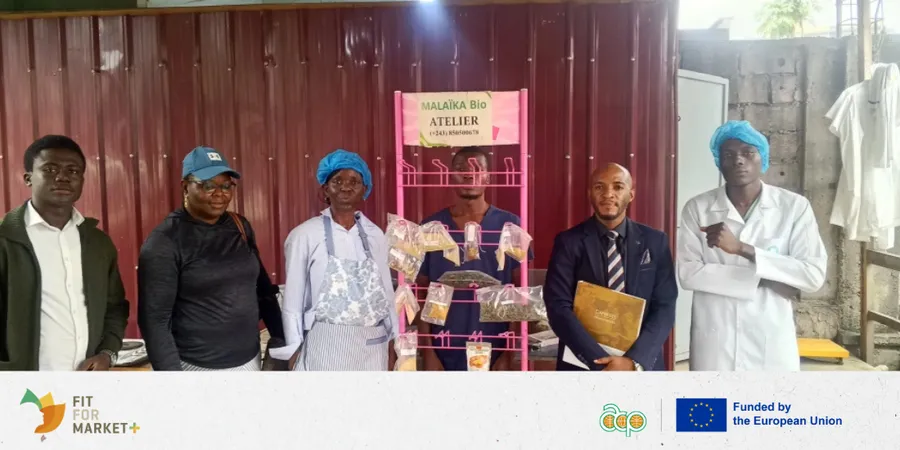
In brief Through the Fit For Market Plus (FFM+) programme, COLEAD supported NSUNGA YA KONGO (Democratic Republic of Congo) in implementing Good Hygiene Practices (GHP).The mission was carried out by a local Congolese expert: assessing practices, strengthening teams, identifying areas for improvement.Strengths noted: strong management commitment, motivated teams, internal technical capacities.Challenges identified: no dedicated hygiene and quality manager, limited knowledge of GHP requirements, need for further training.Recommendations: staff training, regular monitoring of hygiene practices, suitable technical tools.A mission led by a local Congolese expertThrough the Fit For Market Plus (FFM+) programme, COLEAD supported NSUNGA YA KONGO with a technical assistance mission focused on Good Hygiene Practices. Carried out by a local Congolese expert, it aimed to assess how far GHP were being applied, strengthen staff capacities and identify the improvements needed to enhance food safety management.What the assessment showedThe technical assistance combined discussions with the management team, document reviews and assessments of existing practices. It made it possible to analyse internal procedures and the staff's ability to apply hygiene and quality principles in production, processing and stakeholder support. The mission highlighted several positive aspects — strong management commitment, motivated teams and internal technical capacities — alongside a number of challenges: the absence of a dedicated hygiene and quality manager, limited knowledge of GHP requirements, and the need for further capacity building.Practical recommendationsTo strengthen the organisation's hygiene and food safety management system, several recommendations were made: further staff training, regular monitoring of hygiene practices, and the development of appropriate technical tools and resources.Local expertise at the heart of the approachBy drawing on Congolese expertise, this mission reflects COLEAD's commitment, through the FFM+ programme, to strengthening in-country capacities while supporting agricultural and agri-food organisations in developing safer, more structured and more sustainable production systems.This activity is supported by the Fit For Market Plus (FFM+) programme, implemented by COLEAD within the Framework of Development Cooperation between the Organisation of African, Caribbean and Pacific States (OACPS) and the European Union. This publication receives financial support from the European Union and the OACPS. The content of this publication is the sole responsibility of COLEAD and can in no way be taken to reflect the views of the European Union or the OACPS.
 News
News
Towards Rainforest Alliance certification for lychee exporters in Madagascar
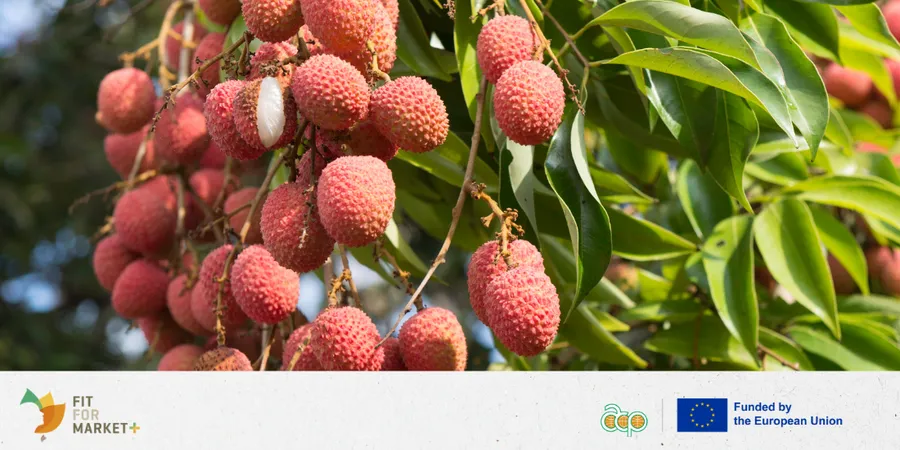
In briefCOLEAD supported two Malagasy lychee exporters, QUALITYMAD and GASYFRUITS, in their compliance journey towards the Rainforest Alliance standard.The support was delivered under the Fit for Market Plus (FFM+) programme, building on training the companies had already completed.The method: field visits, document reviews and assessment tools, covering management, traceability, agricultural practices and the social and environmental dimensions.QUALITYMAD reduced its non-conformities and consolidated its management tools; GASYFRUITS is pressing ahead despite the damage caused by Cyclone GEZANI.The aim: step-by-step continuous improvement, towards certification.Why this support?Under the Fit for Market Plus (FFM+) programme, COLEAD supported two lychee-exporting companies in Madagascar in their compliance with the Rainforest Alliance sustainable agriculture standard. The intervention built on training the beneficiaries had already completed on this standard. The objectives: reviewing the diagnostics carried out, identifying gaps against the standard's requirements and formulating practical recommendations with certification in view.The support combined field visits, in-depth document reviews and Rainforest Alliance assessment tools. The work covered management systems, traceability, agricultural practices, social aspects and environmental requirements. Beyond identifying non-conformities, it strengthened the companies' understanding of the requirements and set them on a progressive path of continuous improvement.QUALITYMAD: consolidating progressFor QUALITYMAD, active in the export of lychee and other agricultural products, the support focused on its east coast lychee supply chain and its network of more than 45 producers already engaged in certification processes. The review, conducted both in the field and on documents, identified seven non-conformities — mainly relating to system management, traceability, agricultural practices and social aspects. Recommendations covered internal governance, stronger documentary procedures, production traceability and the formalisation of practices already in place. The company is showing encouraging progress: fewer non-conformities than in previous support missions, and several management tools now consolidated.GASYFRUITS: pressing ahead despite the cycloneThe support to GASYFRUITS — which specialises in the production, collection and export of lychee and cloves — took place in a difficult context, marked by the damage caused by Cyclone GEZANI to its infrastructure. Despite this, the mission enabled a detailed analysis of practices and the identification of the main gaps. Recommendations focused on strengthening management mechanisms, formalising inspection and monitoring procedures, improving traceability and documenting agricultural practices. With its GLOBALG.A.P., GRASP, Fairtrade and Tesco certifications already in hand, the company has a solid foundation from which to move towards Rainforest Alliance.What is at stakeSetting both companies on a path of step-by-step continuous improvement, towards a certification that conditions access to demanding markets — while strengthening their resilience to climate shocks.This activity is supported by the Fit For Market Plus (FFM+) programme, implemented by COLEAD within the Framework of Development Cooperation between the Organisation of African, Caribbean and Pacific States (OACPS) and the European Union. This publication receives financial support from the European Union and the OACPS. The content of this publication is the sole responsibility of COLEAD and can in no way be taken to reflect the views of the European Union or the OACPS.
 News
News
African Embassies in Brussels meet with AGRINFO to strengthen dialogue on EU regulatory developments
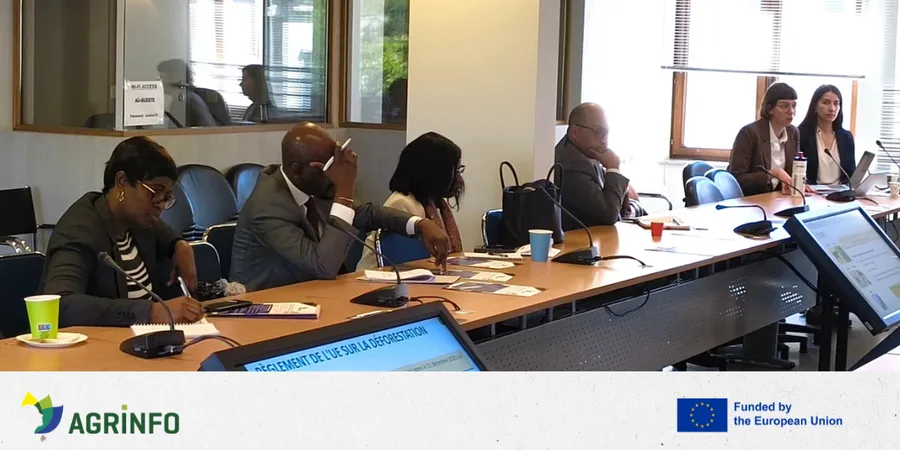
The COLEAD AGRINFO programme organised an in-person session in Brussels on Wednesday 22 April with representatives from the Embassies in Belgium of French speaking African countries. This followed similar events with embassies from Latin America, ASEAN and English-speaking African countries, with the aim of strengthening the flow of information to EU partner countries.Hosted by the African Union, the meeting was attended by representatives from Benin, Burundi, Chad, Côte d’Ivoire, Gabon, Guinea, Lebanon, Morocco, Senegal and Tunisia.The session provided an overview of key European Union legislative developments affecting agrifood and fish exports. The first part focused on EU food safety rules including a proposed new approach to pesticide maximum residue levels (MRLs), new provisions on contaminants — particularly mineral oil hydrocarbons — reinforced import controls, and the regulation of antimicrobial use in livestock, including aquaculture and apiculture.The second part addressed major EU sustainability initiatives notably the EU Deforestation Regulation (EUDR), Corporate Sustainability Reporting Directive (CSRD) and Due Diligence Directive (CS3D), as well as upcoming new rules on packaging.Participants welcomed the quality and relevance of the information shared, with particular interest in topics such as MRLs, mineral oil hydrocarbons and the EUDR. Several requests were made for more in-depth thematic sessions and country-specific webinars — formats that the AGRINFO programme regularly offers upon request from national stakeholders.This activity is supported by the AGRINFO programme, implemented by COLEAD and funded by the European Union (EU). This publication receives financial support from the European Union. The content of this publication is the sole responsibility of COLEAD and can in no way be taken to reflect the views of the European Union.
 News
News
COLEAD adopts its 2030 strategy at an Extraordinary General Meeting
On 21 April 2026, COLEAD reached a major milestone with the formal adoption of its 2030 strategy during an Extraordinary General Meeting. Submitted to an electronic vote of active members, the strategy was approved by an overwhelming majority: 97% voted in favour, with the quorum comfortably reached. This strong result reflects broad alignment around the proposed vision and collective ambition.A renewed ambition: from organisation to movementMore than a strategic framework, COLEAD 2030 represents a fundamental shift: COLEAD is evolving from an implementing organisation into an international movement committed to transforming food systems. This ambition is grounded in a core belief: achieving sustainable impact requires a systemic approach that connects markets, finance, policies and stakeholders.Three strategic orientations to guide actionThe strategy is structured around three complementary priorities:Assert a strong economic positioning to strengthen viability and attractiveness of food value chainsDeploy a digital, field-rooted organization capable of scaling up.Structure a unifying movement to amplify sustainable collective impactSeven priorities to drive transformationThese orientations are translated into seven key priorities :A structured and progressive roadmapThe strategy is operationalised through nine workstreams designed to turn ambition into measurable action, from mobilising investment to building “glocal” alliances and strengthening COLEAD’s influence .It follows a phased trajectory:A strategy built through a participatory processThe 2030 strategy was developed through a structured and inclusive process, engaging members, teams and partners through consultations, working groups and in-depth analysis. This approach ensured strong ownership and broad supportA shared trajectory towards impactWith the adoption of this strategy, COLEAD reaffirms its ambition: to contribute, alongside its partners, to the sustainable transformation of food value chains by strengthening their economic viability, resilience, and social and environmental impact.COLEAD 2030 is not just a strategy. It is a shared trajectory, driven by a collective movement committed to delivering impact at scale.
 News
News
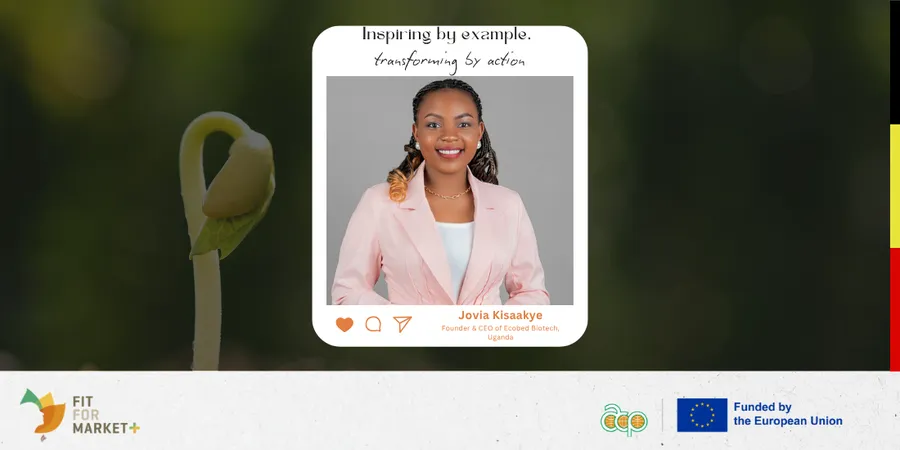
Jovia Kisaakye (Uganda) : Turning waste into value for farmers and communities
Jovia Kisaakye is the Founder and CEO of Ecobed Biotech, a Ugandan biotechnology enterprise transforming agricultural and food waste into practical, market-driven solutions. Her work focuses on addressing everyday challenges faced by farmers while creating new value from under-utilised resources.At Ecobed Biotech, spoilt milk is converted into a powerful and effective organic mosquito repellent skincare lotion and creams that offer 12-hour long protection against mosquito bites. In parallel, the company transforms everyday food waste into organic fertilizers and animal feed using black soldier fly larva, offering alternative uses for products that would otherwise be discarded. Building on this circular approach, Ecobed has recently launched a mobile application designed to reduce food waste and improve market access for smallholder farmers. The digital platform - Nutrigrab, enables vendors such as supermarkets, schools to sell soon-to-expire and surplus food at zero or discounted prices thereby minimizing the would-be food wastage. The platform also supports farmers in selling fresh produce more efficiently, helping to minimize post-harvest losses.Jovia’s entrepreneurial journey reflects resilience and persistence. In the early stages, accessing funding proved challenging, with multiple unsuccessful applications. A first breakthrough came through a small grant of USD 3,000, which validated her idea, helped her register her business, did product certification and branding and reinforced the importance of continuing to seek partnerships every day to bring her products to market.A key pillar of Ecobed’s development has been continuous learning and adaptation. Jovia emphasizes the importance of market research, early testing, and customer feedback in shaping solutions. From refining product design to adjusting branding and targeting specific user groups, her approach highlights the value of iteration in building a sustainable business.She also underscores the importance of visibility and networks. By attending events, engaging with peers, and consistently communicating about her work, she has been able to access new opportunities, partnerships, and funding. Through Ecobed Biotech, Jovia Kisaakye illustrates how locally grounded entrepreneurship can address multiple challenges at once, from food waste and farmer livelihoods to access to markets, while creating tangible value for communities.Jovia Kisaakye shared her experience during Innovation Session N°26, organised by PAFO and COLEAD, where discussions explored practical strategies for entrepreneurs to access funding, validate their solutions, and grow their businesses.Join the Access to finance conversation on the Agrinnovators Forum.This activity is supported by the Fit For Market Plus (FFM+) programme, implemented by COLEAD within the Framework of Development Cooperation between the Organisation of African, Caribbean and Pacific States (OACPS) and the European Union. This publication receives financial support from the European Union and the OACPS. The content of this publication is the sole responsibility of COLEAD and can in no way be taken to reflect the views of the European Union or the OACPS.
 News
News
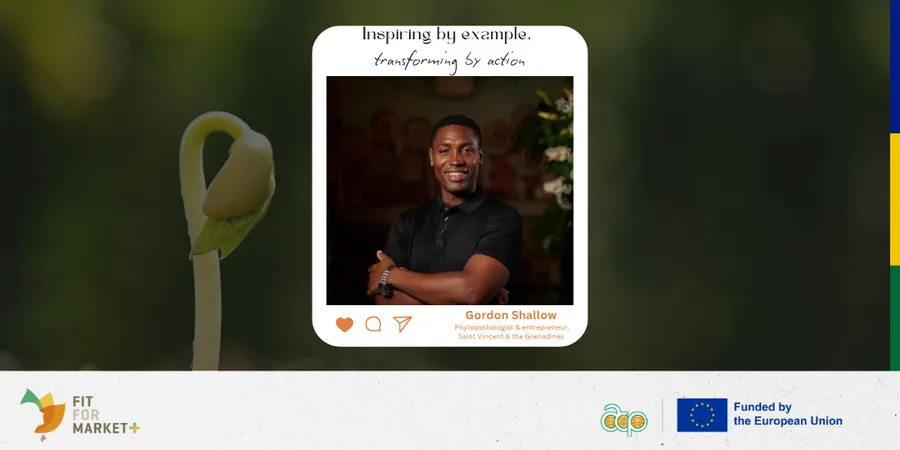
Gordon Shallow (Saint Vincent and the Grenadines): from science to entrepreneurship, cultivating sustainable solutions for caribbean agriculture
Gordon Shallow is a phytopathologist and entrepreneur from Saint Vincent and the Grenadines, whose work combines scientific expertise with practical solutions to strengthen food security and sustainable agriculture. With over fifteen years in plant health and soil science, his career reflects both dedication and innovation in addressing real challenges faced by farmers.Gordon’s interest in agriculture began in secondary school through Agricultural Science, where he was recognised by the Caribbean Examinations Council for his outstanding application of crop and animal sciences. He went on to study at National Chung Hsing University in Taiwan, earning a Bachelor of Science in Phytopathology, which gave him a solid foundation in plant disease management and sustainable farming practices.Upon returning home, he joined the Ministry of Agriculture as an Extension Supervisor and later became Curator of the St. Vincent and the Grenadines Botanical Gardens, the oldest in the Western Hemisphere. In this role, he not only promoted plant conservation and public education but also helped establish the Caribbean and Central America Botanic Gardens Network (Botanical Bridges), fostering regional collaboration and knowledge sharing.Gordon’s entrepreneurial journey is particularly inspiring because it arose from a genuine desire to solve urgent local problems. Observing the country’s dependence on imported agricultural inputs, worsened by COVID-19 disruptions, he recognised the threat to food security and the long-term damage caused by synthetic fertilisers on soil health. Rather than accept the status quo, he took action.He founded The Plant Doctor, initially as a consultancy promoting composting and organic soil management, which evolved into a production-focused enterprise. The Plant Doctor now produces organic compost, fish-based fertilisers, potting soil, and a 3-in-1 plant protection product from locally sourced organic waste. By turning agricultural by-products into effective inputs, the business nurtures the soil, supports farmers, reduces environmental waste, and makes sustainable agriculture affordable.Gordon also serves as a model for disciplined, resourceful entrepreneurship. He emphasises careful planning, sound record-keeping, and strategic use of savings and grants to scale operations, reflecting the patience and foresight required to build lasting impact in the agricultural sector.This activity is supported by the Fit For Market Plus (FFM+) programme, implemented by COLEAD within the Framework of Development Cooperation between the Organisation of African, Caribbean and Pacific States (OACPS) and the European Union. This publication receives financial support from the European Union and the OACPS. The content of this publication is the sole responsibility of COLEAD and can in no way be taken to reflect the views of the European Union or the OACPS.