
Cultivating
Sustainable Futures
 News
News
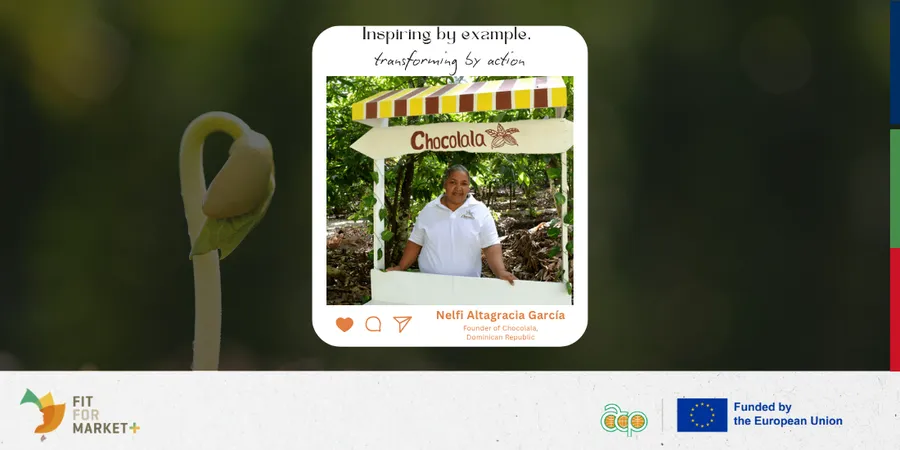
Nelfi Altagracia García (Dominican Republic): from five women selling door to door to a business powering its community
In the rural community of Las Lajas, in the Dominican Republic, Nelfi Altagracia García has created more than just an artisanal chocolate business. Through Chocolala, she has helped create opportunities for women, strengthen local livelihoods, and promote community development.As social worker with a degree in Business Administration and technical training from the National Institute of Technical and Professional Training, Nelfi has long been committed to community causes and women’s inclusion. She founded Chocolala as part of a collective effort led by rural women seeking economic independence without having to leave their families and communities behind.The initiative began in 1990, when five women from the former Ana Idalia Navarro Mothers’ Club started producing artisanal chocolate and selling it door-to-door. At that time, opportunities for women in rural areas were limited, often forcing them to leave their homes to work as domestic workers in larger cities. The modest income generated by chocolate production allowed the women to support their families without being separated from their children.Over the years, the initiative evolved into Chocolala, a women-led agro-industrial enterprise that produces artisanal cocoa products using the Ispaniola cocoa variety, known for its fruity flavor and lower acidity. The company also diversified its products to include traditional corn-based gofio and expanded its operations thanks to partnerships and technical support from the Institute for Innovation in Biotechnology and Industry, the Japan International Cooperation Agency, and Caribbean Export.Today, Chocolala employs about 20 people, most of them women, and works closely with local cocoa producers. The company has also developed an Ecological Trail, an agrotourism initiative that allows visitors to explore the cocoa plantations and learn about chocolate production, while generating additional income for the community.For Nelfi, the entrepreneurial spirit is deeply linked to resilience and inclusion. She continues to advocate for greater support for rural entrepreneurs, highlighting the importance of partnerships, financing, and collective determination to build sustainable businesses and stronger communities.Nelfi Altagracia García has presented her enterprise during the Caribbean Agrifood Business Session n°20, organised by IICA and COLEAD, and aimed at showcasing the innovations and successes of Caribbean farmer-led businesses and small and medium enterprises. You can access the business profile of Chocolala here.This activity is supported by the Fit For Market Plus (FFM+) programme, implemented by COLEAD within the Framework of Development Cooperation between the Organisation of African, Caribbean and Pacific States (OACPS) and the European Union. This publication receives financial support from the European Union and the OACPS. The content of this publication is the sole responsibility of COLEAD and can in no way be taken to reflect the views of the European Union or the OACPS.
 News
News
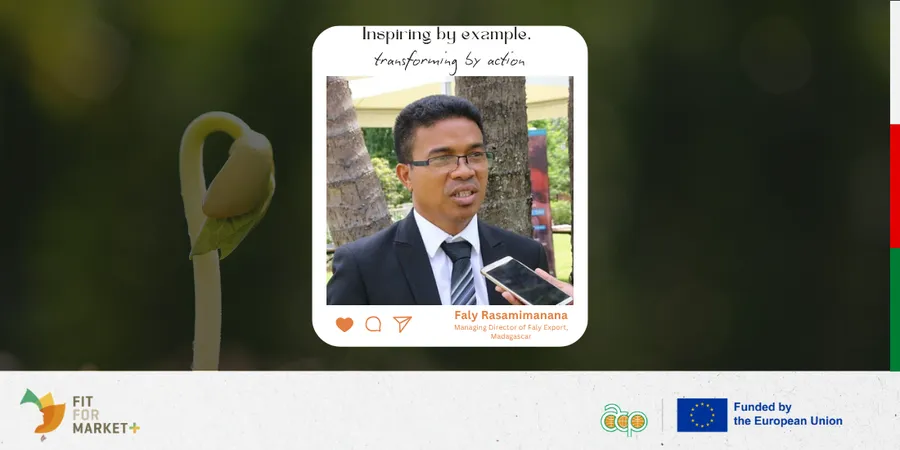
Faly Rasamimanana (Madagascar): when Fihavanana opens global markets to small-scale producers
Faly Rasamimanana is the Managing Director of Faly Export, a company that develops innovative solutions to help small-scale producers access international markets whilst meeting growing demands for quality, traceability and sustainability.Through the SPG-Fihavanana 4.0 system, Faly Export offers a unique approach that combines community governance, digital tools and local traditions to make international standards more accessible to producers who are often excluded from traditional certification schemes. For many of them, international audits remain too costly and technical standards difficult to understand.The model is based on the concept of Fihavanana, founded on solidarity, trust and social cohesion. Instead of imposing a complex external system, Faly Export adapts compliance mechanisms to local realities. Elders play a key role in mediation and social legitimacy, whilst technical committees monitor agricultural practices and market committees facilitate the marketing of products.One of the system’s great strengths lies in its simplicity and accessibility. Good agricultural practices are explained through visual aids using green images for permitted practices and red for prohibited ones. This approach enables even producers who cannot read or write to better understand market requirements.To enhance traceability, Faly Export has also developed the Holy App, a mobile application enabling producers to share geolocated and time-stamped photos and videos of their farming activities. This information is transmitted in real time, facilitating internal checks, reducing supervision costs and boosting buyer confidence.Beyond the technology, the approach championed by Faly Export aims above all to build a more inclusive and sustainable model. The system has contributed to a significant increase in the incomes of participating producers and also supports community initiatives related to training, education and access to certain remote services.Through this innovation, Faly Rasamimanana demonstrates that it is possible to develop more accessible compliance systems capable of sustainably connecting small-scale producers to international markets whilst valuing local realities and community dynamics.Faly Rasamimanana shared his experience during session 12 of the OECD–COLEAD series on the fruit and vegetable sector, dedicated to the theme “European policies and regulations: what are the impacts on fruit and vegetable value chains?”.Join the discussion on compliance, traceability and market access on the Agrinnovators Forum.This activity is supported by the Fit For Market Plus (FFM+) programme, implemented by COLEAD within the Framework of Development Cooperation between the Organisation of African, Caribbean and Pacific States (OACPS) and the European Union. This publication receives financial support from the European Union and the OACPS. The content of this publication is the sole responsibility of COLEAD and can in no way be taken to reflect the views of the European Union or the OACPS.
 News
News
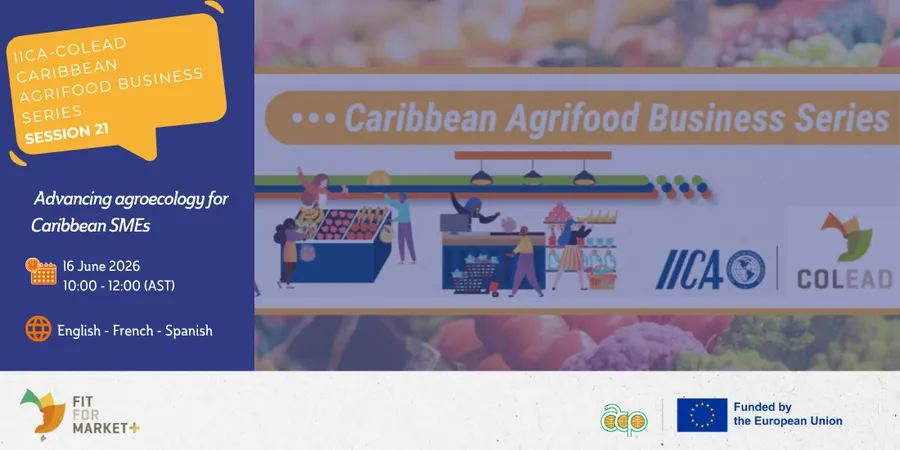
Agroecology as a lever of resilience for agri-food SMEs (Caribbean region)
In briefThe 21st session of the Caribbean Agrifood Business Series, run by IICA and COLEAD, will focus on advancing agroecology for Caribbean agri-food SMEs.Online, on Tuesday 16 June 2026, 14:00-16:00 UTC.A sector largely driven by SMEs and facing significant economic, food security and climate challenges.Agroecology is presented as a flexible, locally adapted approach combining ecological practices and local knowledge.The webinar will bring together entrepreneurs, technical experts and ecosystem actors; registration is open.Why this session?The Caribbean agri-food sector, largely driven by SMEs, faces significant economic, food security and climate challenges. In this context, agroecology may offer a flexible, locally adapted approach that combines ecological practices and local knowledge to strengthen the resilience, sustainability and productivity of food systems.What to expectThe webinar will explore how agroecology can help Caribbean agri-food SMEs strengthen productivity, resilience and sustainability through practical, context-appropriate approaches. It will bring together entrepreneurs, technical experts and ecosystem actors engaged in sustainable agriculture and SME development. By the end of the session, participants will be able to: understand the relevance of agroecological practices for Caribbean SMEs and food systems; identify practical approaches that can be applied at farm and enterprise level; learn from real SME experiences and transition trajectories; recognise the key enabling conditions for adoption (knowledge, finance, market access and technology adoption); and connect with relevant technical and business support actors.Practical informationDate: Tuesday 16 June 2026, 14:00-16:00 UTCFormat: onlineRegistrationProgramme and speakersThis activity is supported by the Fit For Market Plus (FFM+) programme, implemented by COLEAD within the Framework of Development Cooperation between the Organisation of African, Caribbean and Pacific States (OACPS) and the European Union. This publication receives financial support from the European Union and the OACPS. The content of this publication is the sole responsibility of COLEAD and can in no way be taken to reflect the views of the European Union or the OACPS.
 News
News
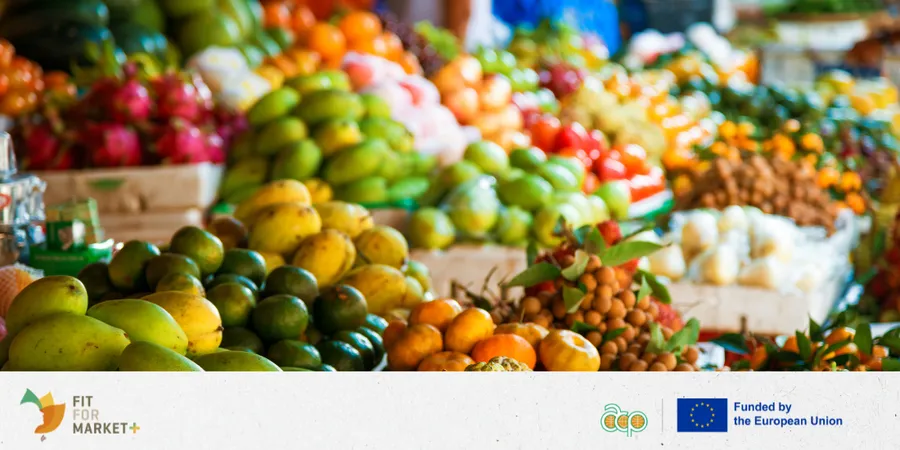
Strengthening regional food safety systems: a look back at the collaboration with CAHFSA.
In briefIn the first half of 2026, COLEAD and the regional agency CAHFSA delivered a series of regional webinars on food safety in the Caribbean.729 registrations in total, from more than 40 countries: clear demand for practical compliance and export-readiness support.Three sessions: a GHP/HACCP refresher, a traceability awareness session (US FDA requirements), and an antimicrobial resistance (AMR) awareness session.Leading audience: Ministries of Health and Agriculture, environmental health departments, regulatory authorities and the University of the West Indies.Over 90% of respondents rated the sessions relevant or very relevant.A regional series, in partnership with CAHFSADuring the first half of 2026, COLEAD — drawing on several of its departments — and the Caribbean Agricultural Health and Food Safety Agency (CAHFSA) ran a series of regional food safety webinars. The initiative drew strong interest across the Caribbean and beyond: 729 registrations in total, from more than 40 countries, reflecting sustained demand for practical food safety and export-readiness support.Three sessions, three prioritiesThe Good Hygiene Practices (GHP) and HACCP refresher, held on 17 March and 17 April 2026, drew 272 registrations from 43 countries, with strong interest from Trinidad and Tobago, Suriname, Grenada and Belize. The traceability awareness session, focused on evolving US market (FDA) requirements and held on 24 March 2026, recorded 317 registrations from 38 countries — led by Jamaica, Suriname, Trinidad and Tobago, Saint Lucia and the British Virgin Islands. Finally, the session on antimicrobial resistance (AMR) as a food safety issue, on 21 April 2026, brought together 140 registrations from 32 countries.Regulators and authorities at the centreAcross all sessions, the most represented organisations were Ministries of Health, environmental health departments and Ministries of Agriculture, alongside key regulatory and food safety authorities and the University of the West Indies. Feedback was overwhelmingly positive: more than 90% of respondents rated the sessions relevant or very relevant, praising the clarity of explanations, practical examples, interactive discussions and the focus on compliance and export requirements.Strong, confirmed demandThe key themes — traceability, documentation and record keeping, hazard identification, and stronger food safety management across the chain — mirror participants' expressed wish to go further on internal auditing, compliance systems and traceability. The series confirmed the need for accessible, practical capacity-building initiatives serving both public and private stakeholders. The partnership with CAHFSA is highly valued in reaching and engaging these actors across the region.This activity is supported by the Fit For Market Plus (FFM+) programme, implemented by COLEAD within the Framework of Development Cooperation between the Organisation of African, Caribbean and Pacific States (OACPS) and the European Union. This publication receives financial support from the European Union and the OACPS. The content of this publication is the sole responsibility of COLEAD and can in no way be taken to reflect the views of the European Union or the OACPS.
 News
News
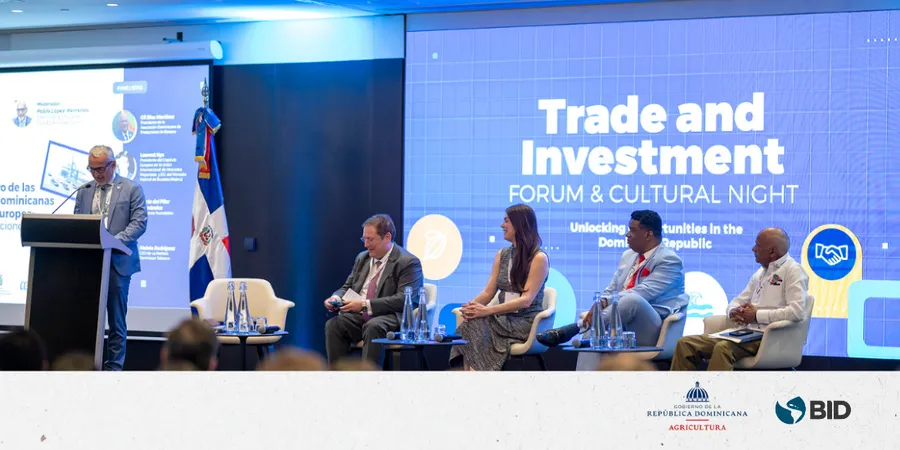
Dominican Week in Belgium and the Netherlands: focus on exports to the European Union
In briefDuring the week of 1 June 2026, the Dominican Republic held the Dominican Week in Belgium and the Netherlands, a strategic platform to strengthen its economic, trade and cultural relations with Europe.On the opening day's agenda: the 5th Dominican Republic – European Union Political Dialogue, a business forum and a cultural evening.Panels examined the present and future of Dominican exports to the EU, drawing on experiences in cocoa, banana and tobacco.COLEAD —co-prepared the exports panel and moderated it, through its office in the country.Among the participants: the European Commission (DG INTPA), the Brussels-Capital Region and the World Customs Organization.A strategic platform between the Dominican Republic and EuropeDuring the week of 1 June 2026, the Dominican Republic held its Dominican Week in Belgium and the Netherlands, designed as a strategic platform to consolidate economic, trade and cultural relations with Europe and open up new opportunities for exports, tourism and foreign investment. The opening day brought together authorities, businesses, international organisations and representatives of the European private sector, around the 5th Political Dialogue between the Dominican Republic and the European Union, a business forum and a Dominican cultural evening.Dominican exports to the EU under discussionThe business forum showcased the country's investment models and development projects. Panels then examined the present and future of Dominican exports to the European Union: entrepreneurs and experts shared their experiences in sectors such as cocoa, banana and tobacco, highlighting the growth of the Dominican export offer on international markets. The Ambassador of the Dominican Republic to the Kingdom of Belgium and the European Union, Joan M. Cedano, stressed the importance of consolidating the country as a reliable destination for investment and a strategic partner in the region.An active contribution from COLEADIn connection with the SIA programme — funded by the Inter-American Development Bank (IDB) and implemented with the Ministry of Agriculture of the Dominican Republic — COLEAD worked closely with the Embassy on the preparation of the panel "Present and future of Dominican exports to the EU: experiences and lessons learned". This contribution notably included the moderation of the panel by Pablo Lopez-Herrerias, Director of Projects in the Dominican Republic, with the support of COLEAD's office in the country.High-level participationThe day also featured the participation of Boris Dilliès, Minister-President of the Brussels-Capital Region; Olga Baus-Gibert (European Commission, DG INTPA); Mauricio Bogaert, President of BelChamRD; and Ian Saunders, Secretary General of the World Customs Organization. Find out more The event in pictures.This activity is supported by the SIA project (Sanidad e Innovación Agropecuaria), implemented by COLEAD on behalf of the Ministry of Agriculture of the Dominican Republic and financed by the Inter-American Development Bank (IDB) under loan no. BID-4909/OC-DR. This publication has been produced with the financial support of the IDB. The contents are the sole responsibility of COLEAD and in no way reflect the views of the Dominican Ministry of Agriculture or the IDB.
 News
News
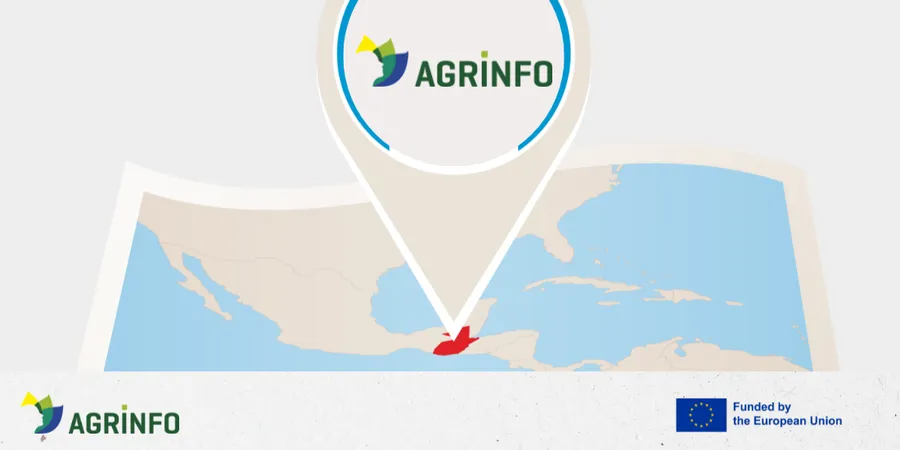
AGRINFO launches first mission to Guatemala
An important step in strengthening engagement with key agrifood stakeholders across Latin America As part of its 2026 regional outreach strategy, AGRINFO selected one country in each region for closer collaboration. In Latin America, Guatemala was chosen due to the concentration of its agricultural exports to the European Union, particularly in the palm oil sector. The mission provided a valuable space for dialogue, knowledge sharing, and stakeholder engagement. The event held on 26 May, “Tools to Export to the EU and the New EU Rules on Packaging” was hosted by the Export Association (AGEXPORT) and officially opened by H.E. Ambassador Julio Orozco, Vice Minister of Foreign Affairs of Guatemala. Representatives of the Ministry of Economy gave a presentation on the free trade agreement with the EU. The session brought together public and private sector stakeholders to discuss practical tools for exporting to the European market and to provide updates on evolving EU regulatory requirements, including new packaging rules that will affect exporters. The event also served as the official launch of AGRINFO’s information study in Guatemala. The study aims to understand how agrifood stakeholders’ access and receive information on EU policy and regulatory developments that may affect their exports. The mission provided an opportunity to strengthen AGRINFO’s mapping of key public and private stakeholders in Guatemala’s agrifood sector and to conduct a series of interviews. On the private sector side, interviews were held with representatives from AGEXPORT, the Agriculture Trade Chamber (Cámara del Agro), and several industry associations and unions representing sectors such as food and beverages, coffee, palm oil, bananas, and sugar. Meetings were also conducted with companies operating across these value chains. Within the public sector, AGRINFO engaged with representatives from the Ministry of Agriculture and the Customs Authority to discuss regulatory developments, trade facilitation, and information needs. This first mission has established a valuable network that will form the foundation for AGRINFO’s continued engagement in Guatemala. The relationships built and insights gathered will support a second mission to continue sharing information on new EU policies and regulations and advancing the stakeholder interviews that form part of the ongoing study. By strengthening cooperation and improving access to regulatory information, AGRINFO aims to help Guatemalan agrifood exporters remain informed, competitive, and well-positioned to access the European market. This activity is supported by the AGRINFO programme, implemented by COLEAD and funded by the European Union (EU). This publication receives financial support from the European Union. The content of this publication is the sole responsibility of COLEAD and can in no way be taken to reflect the views of the European Union.
 News
News
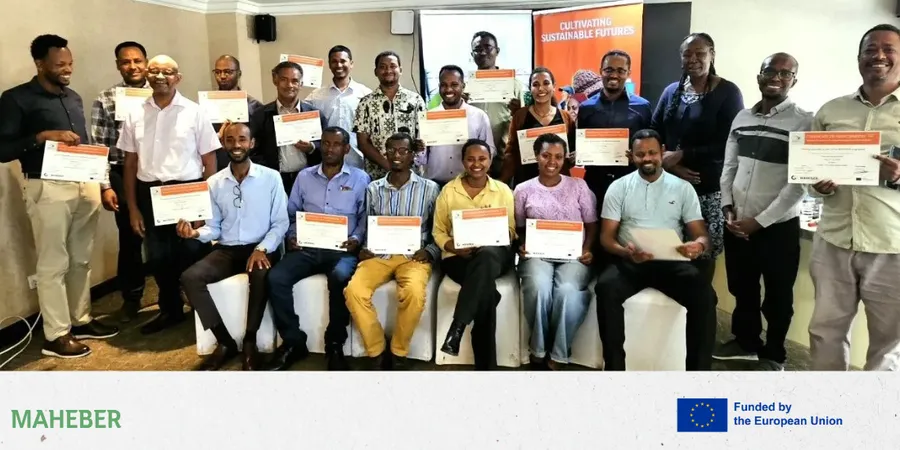
Ethiopia: training the trainers to strengthen the horticultural sector
In brief A Training of Trainers (ToT) on business management was delivered under the MAHEBER programme, bringing together service providers in Ethiopia's horticulture and agri-food industries.The aim: strengthening capacities in business management, advisory services and training delivery, to support more competitive, resilient and sustainable horticultural value chains.A two-phase journey: self-paced online learning, then a 5-day face-to-face course in Addis Ababa (11-15 May 2026).Content covered: business diagnostics, designing context-specific training, adult learning methods, and coaching agri-food companies.Deep dives: financial management, access to finance, human resource management, marketing and communication.A Training of Trainers under the MAHEBER programmeUnder the MAHEBER programme, a Training of Trainers (ToT) on business management brought together service providers from Ethiopia's horticulture and agri-food industries. The aim was to strengthen their skills in business management, advisory services and training delivery, in order to support more competitive, resilient and sustainable horticultural value chains. By training those who in turn train and advise companies, the intervention seeks a multiplier effect across the wider sector.A two-phase journeyThe course combined two stages. The first, self-paced and online, drew on COLEAD's e-learning platform. The second was a five-day face-to-face course held in Addis Ababa from 11 to 15 May 2026 for selected participants. The in-person sessions combined lectures, practical exercises and role play to encourage hands-on, directly applicable learning.Practical competenciesBy the end of the course, participants were able to conduct business diagnostics in agri-food companies, design context-specific training programmes for agri-food value chains, facilitate participatory trainings using adult learning methodologies, and advise and coach agri-food companies on effective business management. Dedicated deep dives covered financial management, access to finance, human resource management, marketing and communication.This activity is implemented by COLEAD and supported by the MAHEBER Program (Mobilizing Actors in Horticulture for Entrepreneurship and Boosting Ethiopian Resilience), funded by the European Union through the EU Delegation in Ethiopia. This communication has been produced with the financial support of the EU. Its contents are the sole responsibility of COLEAD and can in no way be taken to reflect the views of the EU.
 News
News
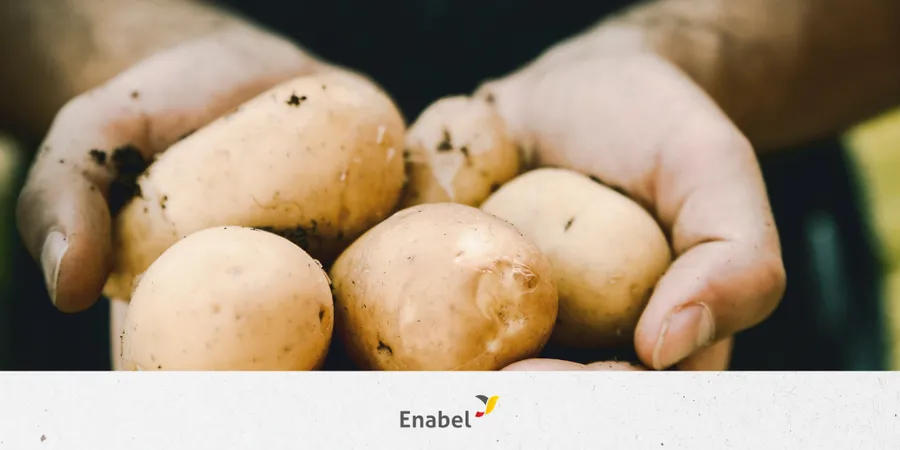
Guinea: a growing potato value chain, still to be structured
In briefPotato is emerging as a growing value chain in Guinea, led by the Mamou and Labé regions.Domestic demand is rising, driven by urbanisation and changing food habits.Growth is still held back by four bottlenecks: seed, storage, transport and local processing.Côte d'Ivoire opens up a promising regional outlet.A new COLEAD market profile maps the way from a growing value chain to a better-organised one.Why this study?Developed under the Agriéco project — funded by Enabel and implemented by COLEAD in consortium with iCRA — the study updates the analysis of Guinea's potato value chain and identifies concrete pathways to strengthen market access, resilience and value creation. It comes at a pivotal moment: production is rising and domestic demand is shifting, but the sector still has several structural bottlenecks to clear — inputs, storage, transport, market organisation and processing.This work is led by COLEAD's Market Insights department, which produces and publishes market studies and profiles to inform value chain stakeholders' decisions and facilitate access to new market opportunities.Three priority leversSecure the inputs. Dependence on imported seed potatoes and their high cost weigh heavily. Producing and conserving seed locally would help cut costs, smooth supply and strengthen producers' autonomy.Invest in storage and logistics. Without suitable capacity, producers often sell just after harvest, when prices are lowest. Storage platforms, cold rooms and better-organised transport would reduce losses and stabilise prices.Structure outlets and processing. Domestic demand is growing and regional opportunities exist, notably in Côte d'Ivoire — provided supply becomes more regular and reliable. At the same time, chips processing offers a realistic way to create more value locally, including from other Guinean tubers.The challengeMoving from a growing value chain to a better-organised one: able to secure producer incomes, meet urban and regional demand, and create more added value in Guinea.To go furtherThe full study details production, outlets, logistics infrastructure, processing opportunities and operational recommendations. Read it here:[maxbutton id="11" url="https://resources.colead.link/sites/default/files/file_fields/2026/library/Profil%20de%20March%C3%A9%20de%20la%20pomme%20de%20terre%20en%20Guin%C3%A9e.pdf" text="Potato Market Profile in Guinea" ]The Agriéco project, implemented in Guinea with financial support from the Belgian Development Agency (ENABEL). This publication was produced with financial support from ENABEL. Its contents are the sole responsibility of COLEAD and cannot in any way be considered to reflect the official position of ENABEL.
 News
News
Benin: a shared diagnosis to unlock horticultural access to EU markets
In briefOn 4 May 2026, a feedback session on the study of bottlenecks in Benin's horticultural sector brought together 37 participants from the public and private sectors.Framework: Trade Capacity Building Programme (PRCC), implemented by COLEAD with the support of AFD.Bottlenecks identified: access to finance, infrastructure, sanitary and phytosanitary (SPS) compliance, value chain organisation.Central issue raised: the lack of coordination between public and private actors, illustrated by the contribution from ABSSA.Next step: co-creating an action plan and a structured public-private dialogue to remove these export barriers for good.A participatory approach for a shared diagnosisThe session presented the main bottlenecks identified in Benin's horticultural sector — access to finance, infrastructure, sanitary and phytosanitary (SPS) compliance, value chain organisation — shared the first proposed lines of action, and opened a constructive exchange with stakeholders. Their contributions will be incorporated into the finalised study, which will be shared shortly with all stakeholders.Giving the floor to stakeholders: a need for structured dialogueAmong the notable contributions, that of Gbodja Hugues Assongba, Director of Control Policies and Programmes at the Benin Food Safety Agency (ABSSA), highlighted a major structural issue: "A weakness I would like to raise concerns the lack of collaboration and cooperation between operators and the authorities responsible for food safety and the phytosanitary authority. This is why such a platform would be welcome." He noted that the competent authorities are generally not informed of the private certification steps undertaken by companies, and are often called upon only when non-conformities have to be managed — a reactive rather than preventive role. This is a direct illustration of one of the bottlenecks identified by the study: the lack of public-private coordination, which weakens competitiveness and complicates access to export markets.Significant media coverageThe session drew strong interest from Agratime, a leading Beninese agricultural media outlet, which published a detailed article on the study's findings and the sector's prospects.Towards a structured public-private dialogueBeyond the presentation of findings, the session marks a step towards structured dialogue between public and private actors. The aim is to co-create an action plan grounded in the identified priorities and owned by the actors themselves, in order to strengthen coordination and information flows, and to remove, on a lasting basis, the barriers to the sector's development and to export market access. By facilitating this shared diagnosis, COLEAD contributes to strengthening the competitiveness of Benin's horticultural sector.To go furtherThe detailed article published by Agratime is available here:[maxbutton id="11" url="https://agratime.com/horticulture-beninoise-le-colead-presente-les-resultats-dune-etude-" text="Agratime" ]The final version of the study will be shared with stakeholders shortly.This activity is supported by the PRCC (Trade Capacity Building Programme), implemented by COLEAD, with financial support from the French Republic through the French Development Agency (AFD). This communication has been produced with the financial support of AFD. Its content is the sole responsibility of COLEAD and can in no way be taken to reflect the position of AFD.
 News
News
Nigeria: gender inclusion as a driver of performance in horticulture
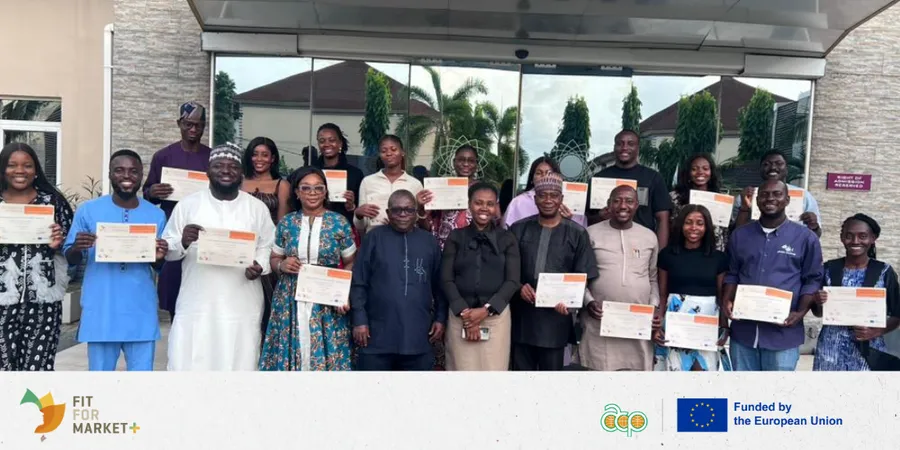
In brief COLEAD ran the final collective training session of the Fit For Market Plus (FFM+) programme in Nigeria, focused on gender inclusion.12 of the country's leading horticultural organisations, 19 industry professionals, over four days.The aim: practical tools to build stronger, fairer and more competitive businesses.Four pillars: gender mainstreaming, inclusive policies, gender-responsive budgeting, audits and monitoring.Every organisation left with a tailored, concrete action plan ready to launch.Four days to equip the sectorFrom 21 to 24 April 2026, COLEAD brought together twelve of Nigeria's leading horticultural organisations for the final collective training session of the Fit For Market Plus (FFM+) programme. The goal was not simply to talk about gender inclusion, but to give nineteen industry professionals the practical tools to make it a driver of growth. Gender inclusion is not just a corporate social responsibility metric: it is a recognised driver of operational success.Four practical pillarsThe training was built around four areas: gender mainstreaming, to better understand and manage team dynamics; inclusive policies, to build environments where top talent wants to stay; gender-responsive budgeting, to allocate resources equitably and effectively; and audits and monitoring, to keep companies accountable over time.From theory to action plansBeyond the concepts, participants widely described the session as "eye-opening". Above all, each organisation left not with a mere certificate, but with a tailored, concrete action plan, ready to launch immediate initiatives within its teams.Equity and competitiveness, hand in handBy connecting equity with business efficiency, these organisations are unlocking higher productivity, strengthening their brand image and finding it easier to meet strict international market and certification standards. This milestone reflects COLEAD's mission to scale up actions that strengthen the contribution of agriculture, and horticulture in particular, to the Sustainable Development Goals — by bridging social equity and commercial viability.This activity is supported by the Fit For Market Plus (FFM+) programme, implemented by COLEAD within the Framework of Development Cooperation between the Organisation of African, Caribbean and Pacific States (OACPS) and the European Union. This publication receives financial support from the European Union and the OACPS. The content of this publication is the sole responsibility of COLEAD and can in no way be taken to reflect the views of the European Union or the OACPS.
 News
News
Sierra Leone: towards a modern phytosanitary authority aligned with international standards
In briefUnder the Fit For Market Plus (FFM+) programme, COLEAD is supporting Sierra Leone's National Plant Protection Organisation (NPPO), currently operating as the Crop Protection Unit (CPU) within the Ministry of Agriculture and Food Security.The goal: to modernise its governance, structure and operational capacity.An assessment — document review, virtual consultations and a survey of 42 technical officers — revealed a legal framework inherited from 1946 and limited resources.The central recommendation: transform the CPU into a fully mandated National Plant Protection Division (NPPD), built around five specialised units.A lever to align the country with the IPPC and the WTO-SPS Agreement, and to strengthen its biosecurity, agriculture and trade.Why this support?Without a strong phytosanitary authority, a country struggles both to protect its crops and to secure its trade. In Sierra Leone, the system still rests on a legal framework dating back to 1946, out of step with international obligations under the IPPC and the WTO-SPS Agreement. Launched in late 2025 under the lead of expert Ruth Woode, COLEAD's support opened with a full assessment: a document review, virtual consultations and a survey of 42 technical officers. The findings were clear — poorly defined reporting lines, overlapping responsibilities, insufficient staffing and equipment, weak mobility and the absence of integrated data systems. Yet they also revealed strong staff commitment and a real willingness to improve.A new institutional architectureThe central recommendation is to turn the current CPU into a fully mandated National Plant Protection Division (NPPD), organised around five specialised units — Phytosanitary Official Control; Phytosanitary Inspection & Certification; Plant Pest Surveillance; Phytosanitary Diagnostic Laboratory; and Phytosanitary Support Services. A detailed organisational chart, functional architecture and table of responsibilities were drawn up in line with international best practice and COLEAD's Job Description Framework.Beyond the structureRebuilding an institution is about more than an organisational chart. The support also calls for a modern phytosanitary legal and regulatory framework, the institutionalisation of Continuous Professional Development (CPD) for all staff, and increased budget for surveillance, inspection, diagnostics and mobility. It recommends developing and enforcing Standard Operating Procedures, strengthening inter-agency coordination — especially at border points — and establishing robust systems for data management, internal audit and risk communication.Why it mattersA modern, internationally compliant phytosanitary authority is the condition for protecting national agriculture over the long term and opening access to markets. Together, the proposed reforms aim to reinforce the country's biosecurity, improve service delivery and strengthen Sierra Leone's capacity to protect both its crops and its trade.This activity is supported by the Fit For Market Plus (FFM+) programme, implemented by COLEAD within the Framework of Development Cooperation between the Organisation of African, Caribbean and Pacific States (OACPS) and the European Union. This publication receives financial support from the European Union and the OACPS. The content of this publication is the sole responsibility of COLEAD and can in no way be taken to reflect the views of the European Union or the OACPS.
 News
News
TRACES: around 120 competent authority representatives mobilised on plant product certification
In briefOn 21 May 2026, through the Fit for Market Plus (FFM+) and AGRINFO programmes, COLEAD ran two follow-up sessions (in French and English) on using TRACES for phytosanitary and safety certification of plant products.Around 120 representatives from competent authorities took part.On the agenda: TRACES-PHYTO, the IPPC ePhyto module, EU IMPORT, electronic certification via eSeal, and access to CHED and QlikSense.The aim: to strengthen competent authorities' capacity and encourage the use of TRACES.Presentations and recordings available below.Why these sessions?On 21 May 2026, through the Fit for Market Plus (FFM+) and AGRINFO programmes, COLEAD ran two follow-up sessions — one in French and one in English — on the use of TRACES for the phytosanitary and safety certification of plant products. They brought together around 120 representatives from competent authorities.The webinars offered practical guidance on TRACES' main functionalities: the TRACES-PHYTO module and the IPPC ePhyto module, EU IMPORT for the safety certification of food and feed of non-animal origin (FFNAO), electronic certification via eSeal (digital signature), and access to Common Health Entry Documents (CHED) and QlikSense.These sessions continue COLEAD's support to competent authorities and encourage the use of TRACES to manage and follow up plant product certification — a key link in smoothing trade and securing market access, particularly to the EU. They also reflect the growing role of electronic certification, a lever for simpler, more reliable processes across the value chain.To go further — presentations and recordings (EN)Overview of TRACES (Presentation – Recording)Access to the Common Health Entry Documents (CHED) and QlikSense (Presentation – Recording) Parallel session 1: Use of TRACES-PHYTO / IPPC ePhyto module for phytosanitary certification / EAD - Export Additional Declarations. (Presentation – Recording)Parallel session 2: Use of TRACES - EU IMPORT module for safety certification of FFNAO (Presentation – Recording)Parallel session 3: Use of eSeal for electronic certification in TRACES (digital signature) (Presentation – Recording)If you would also like to watch the recordings from the end of last year on similar topics, you can find them by clicking on the light grey “View full report” button on the AGRINFO website via this link.This activity is supported by the Fit For Market Plus (FFM+) programme, implemented by COLEAD within the Framework of Development Cooperation between the Organisation of African, Caribbean and Pacific States (OACPS) and the European Union; and by the AGRINFO programme, implemented by COLEAD and funded by the European Union (EU). This publication receives financial support from the European Union and the OACPS. The content of this publication is the sole responsibility of COLEAD and can in no way be taken to reflect the views of the European Union or the OACPS.