
Cultivating
Sustainable Futures
 News
News
COLEAD Annual Report 2023
In a global political and economic context that continues to appear threatening, we must count on the continued determination and shared will of the parties involved in COLEAD's field of action to continue thinking and working together to contribute to the necessary transformation of agri-food systems. The issues at stake and the needs require us to be ambitious and innovative. COLEAD must continue to carry out its mission based on a multiple role, in particular with regard to: vocational training and specialised technical assistance related to the achievement of the SDGs; advocacy to defend the specific situation of producers in EU partner countries, particularly in the face of the consequences of climate change; liaison with the public sector and competent authorities to facilitate communication; access to financing adapted to the agricultural sector; and contributing to gender equality and to the creation of a better future for young people.In this new Annual Report, you will find many concrete examples of what we are doing on the ground: the list is long, but there is still much to be done. We would also like to pay tribute to the work and commitment of all those in and with COLEAD who, every day, enable us to fulfil our shared mission of building a more sustainable and fair future. As we celebrate the 50th anniversary of COLEACP and the first year of COLEAD, we pledge to intensify our efforts to do more, better and faster. We also reiterate our call to action for all of us, because only together will we succeed.We hope you will enjoy reading this 2023 Annual Report, which was approved by the COLEAD General Assembly on 27 June.[maxbutton id="12" url="https://resources.colead.link/en/system/files/file_fields/2024/07/22/ultraultralight-2023coleadannualreport.pdf" text="2023 Annual report" ]
 News
News
The PAFO-COLEAD Partnership: results of the 2024 satisfaction survey
Since 2020, the Pan-African Farmers’ Organization (PAFO) and COLEAD have been working together in a strategic partnership. This collaboration aims to strengthen fair and sustainable business linkages between smallholders, farmer groups, and agri-food Micro-, Small and Medium-sized Enterprises (MSMEs) on the African continent. Together, they are developing joint activities to support the transformation towards sustainable and inclusive food systems in Africa. The primary goals are to promote sustainable and inclusive growth, alleviate poverty, enhance food security, ensure food safety, and improve nutrition.The Innovations SeriesStarting in November 2020, PAFO and COLEAD have organized 19 online sessions showcasing 81 inspiring African farmer-led businesses and MSMEs. These sessions, known as the Innovations Series, are designed to support African entrepreneurs in seizing opportunities offered by local, regional, and export markets across various value chains. The series also features contributions from those who support an enabling environment for African entrepreneurs, including policy makers, researchers, and business support entities. Topics covered in these sessions include among other value addition, sustainability, regional trade, access to finance, resilience to climate change and technological innovations.The Agrinnovators WebsiteIn response to requests from participants in the Innovations Series for a dedicated space for continuous information exchange and networking, PAFO and COLEAD launched the Agrinnovators.org website in October 2023. This joint platform consolidates all information related to the Innovations Series, including business profiles of featured companies, publications, and articles on specific topics. Additionally, it provides a forum for discussion and networking among users.Results of the 2024 Satisfaction SurveyTo continually improve their joint activities and meet the expectations of African farmers, entrepreneurs, and other professionals working in agrifood sectors, PAFO and COLEAD conduct regular satisfaction surveys. The second satisfaction survey was conducted from January 17 to March 1, 2024. This survey aimed to collect feedback on the Innovations Series and related activities, especially the Agrinnovators website, to measure their impact and identify areas for improvement.In addition to the 98% satisfaction rate – which is very encouraging - it is interesting to note the feedback from participants on what the sessions have enabled them to achieve the following:Increased access to market for smallholders.Networking amongst participants and visits of their factories.Improved knowledge on critical parts of the value chain and access to distribution networks.Knowledge and contacts to initiate certification processes.Entrepreneurs’ good practices have been replicated and engagement amongst entrepreneurs has been useful.Professional improvement, access to updates on key topics of the agrifood sector and access to good experts.Use and sharing of the business profiles.To access the full report of the PAFO-COLEAD 2024 Satisfaction Survey, please click here.This activity is supported by the Fit For Market Plus (FFM+) programme, implemented by COLEAD within the Framework of Development Cooperation between the Organisation of African, Caribbean and Pacific States (OACPS) and the European Union. This publication receives financial support from the European Union and the OACPS. The content of this publication is the sole responsibility of COLEAD and can in no way be taken to reflect the views of the European Union or the OACPS.
 News
News
Results of a GCFP survey
The Global Coalition of Fresh Produce (GCFP) , a collaboration of global fresh produce associations, recently conducted its second annual survey to assess the impact of rising production and trading costs on fresh fruit and vegetable suppliers. The survey included 88 respondents from various sectors including growers, shippers, packers, wholesalers, distributors and other supply chain partners in Asia, the Americas, Europe, Africa and Oceania. Note that more than 50% of the respondents are producers and 48% of the respondents are in Africa.Survey objectives and methodologyThe primary objective of the 2024 survey was to assess whether the industry has shown signs of recovery from the unprecedented cost increases experienced during the COVID-19 pandemic. By comparing current data with responses from 2023, the survey seeks to develop global and national perspectives on the evolving impact of production and trade costs across the regions covered by the Coalition: Canada, USA, Europe, Africa, New Zealand, Australia and South America.Key findingsThe survey shows that the vast majority of fresh fruit and vegetable suppliers continue to face significant cost increases more than four years after the onset of the COVID-19 pandemic. More than four-fifths of respondents reported continued increases in the costs of labour, fuel, gas, fertilizer, electricity, and transportation.In Africa, the survey highlighted several key challenges and trends:Transport and logistics: shipping costs have escalated, affecting the profitability and competitiveness of African produce in the global market. Suppliers have noted that logistical challenges, including port congestion and inefficient transport networks, have exacerbated these problems.Labour costs: they remain a major concern for fresh produce suppliers in Africa, exacerbated by inflationary pressures and political and economic instability in a number of regions.Electricity, fertiliser and fuel costs: the rising cost of electricity has been a significant burden, particularly for those involved in packing and processing. Unreliable power supply in some regions also poses additional challenges. Suppliers in Africa also reported significant increases in the cost of fertiliser and fuel.Impact on businessesThe continued increase in costs has forced many companies to implement various coping strategies. These include :Cost-cutting measures: companies are exploring all possible avenues to reduce costs, including reducing the workforce and optimising the use of resources.Price adjustments: some suppliers have had to increase the prices of their products, which can lead to reduced competitiveness in both local and international markets.Innovation and efficiency: there is a growing emphasis on adopting innovative practices and technologies to improve efficiency and reduce costs. For example, some manufacturers are investing in renewable energy sources to mitigate the impact of rising electricity costs.Despite some global moderation of the cost rises since the COVID 19 period, the industry continues to grapple with substantial cost increases across various areas.The survey highlights too the need for continued support and innovative solutions to help the fresh produce industry meet the ongoing challenges of rising costs. For Africa in particular, there is still a critical need for investment in infrastructure, technology and capacity building to improve the resilience, sustainability and competitiveness of fresh produce supply chains.The Global Coalition of Fresh Produce and COLEAD in particular remain committed to voicing solutions and promoting best practices in the context of the needed transformation of agrifood systems to address these disruptions and ensure sustainable and resilient supply chains, especially for fresh produce.For more information, please contact the Global Coalition of Fresh Produce.The full report on the satisfaction survey will be available here shortly.This activity is supported by the Fit For Market Plus (FFM+) programme, implemented by COLEAD within the Framework of Development Cooperation between the Organisation of African, Caribbean and Pacific States (OACPS) and the European Union. This publication receives financial support from the European Union and the OACPS. The content of this publication is the sole responsibility of COLEAD and can in no way be taken to reflect the views of the European Union or the OACPS.
 News
News
Packaging : alternatives to plastic
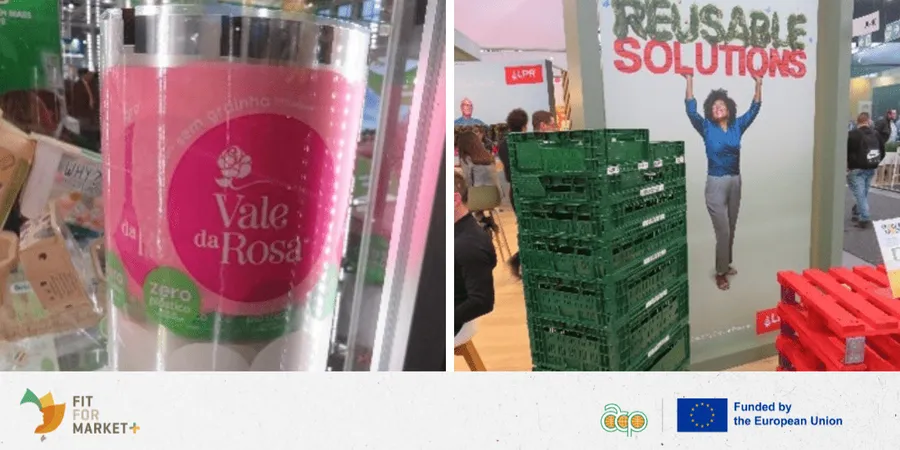
The COLEAD Market Insights department keeps an eye through the FFM+ programme, on trends and innovations at major trade shows, and one of the hot topics is sustainable packaging. Forthcoming regulatory changes are driving innovation, as seen at Fruit Logistica (Germany), Macfrut (Italy) and the recent Empack (Belgium).Discover cutting-edge alternatives to plastic such as cellulose, thermobonded packaging, laser-printed labels on produce and waterproof recyclable paper solutions, highlighting the industry's slow but steady shift towards greener packaging.GirBagger's : Giro introduces plastic-free thermobonded solution[caption id="attachment_19103" align="aligncenter" width="274"] Innovative netting options from Giro, 100% cellulose = 100% plastic free.[/caption]The first plastic-free thermobonded packaging made from 100% cellulose and recycled paper was introduced by Giro. Other sustainable innovations included Girbags in plastic but mono-material with a Girclip (a plastic clip that allows us to replace the current metal clip) and label all in the same material, making it easier to recycle. You can read more about this on their website.Cellulose film[caption id="attachment_19104" align="aligncenter" width="284"] Cellulose film can be used instead of plastic film on fresh fruit and vegetable packaging.[/caption]It has exactly the same properties as plastic film, but is entirely vegetable-based and therefore plastic-free. It is used for (modified atmosphere) packaging of fresh fruit and vegetables. The last image also shows cellulose film around a cardboard tray. Click here for more details.Laser-printed labels reappear on various fruits and vegetable[caption id="attachment_19105" align="aligncenter" width="293"] Laser printed labels on products that can be sold in bulk.[/caption]Laser-printed labels have also reappeared on various fruits and vegetables, including avocados, pumpkins, sweet potatoes and coconuts. Combined with bulk presentation at the point of sale, this results in a completely waste-free shopping option. However, the quality of the laser printing should not be overlooked as it can damage the product if it is too deep.Compostable labels made from corn or potato starch are also available from most label manufacturers as an alternative to plastic labels. As with most alternatives to plastic, their widespread use will depend mainly on whether new regulations make them mandatory.Fully recyclable paper, board and wood solutions[caption id="attachment_19106" align="aligncenter" width="294"] A range of fully recyclable alternatives to plastic packaging have been showcased at various exhibitions. [/caption]Various paper, cardboard, thin wood and combinations of cardboard and cellulose were presented as alternatives to plastic packaging. Waterproof paper solutions were presented using a special coating added during the manufacturing process. Unlike many other coatings, this coating does not affect the recyclability of the product and it can be recycled in the same way as standard paper-based packaging. Click here for more details.Reusable, refillable and recycled packaging[caption id="attachment_19107" align="aligncenter" width="298"] Circular economy with reusable solutions or 100% recycled materials.[/caption]Several suppliers showed reusable (folding) trays that can go from grower to processor to retailer and back again. If this is not feasible, an alternative could be packaging made from 100% recycled plastic or even 100% recovered ocean plastic. Others showed circular e-commerce packaging that can be reused for up to 10 deliveries.This activity is supported by the Fit For Market Plus (FFM+) programme, implemented by COLEAD within the Framework of Development Cooperation between the Organisation of African, Caribbean and Pacific States (OACPS) and the European Union. This publication receives financial support from the European Union and the OACPS. The content of this publication is the sole responsibility of COLEAD and can in no way be taken to reflect the views of the European Union or the OACPS.
 News
News
A new biopesticide is now available in Kenya
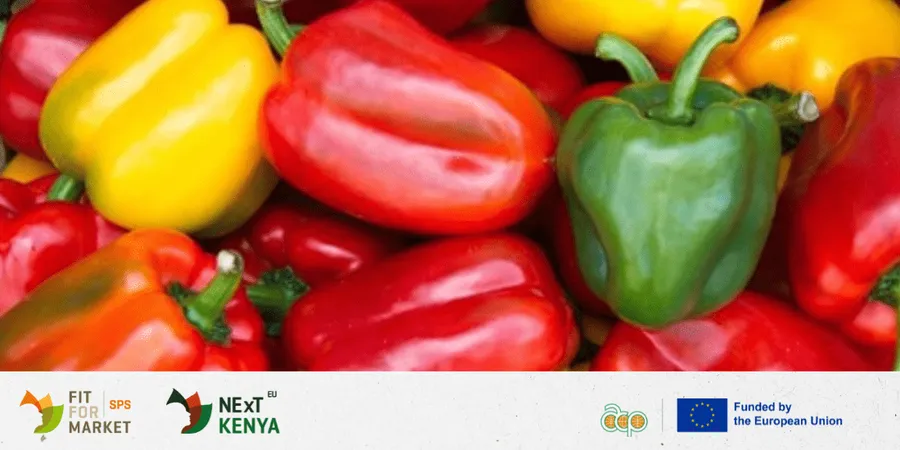
A new bioprotection product; HALT NEO 5% WP (Bacillus thuringiensis sub-species kurstaki 32000 IU/mg) has been officially registered by the Kenyan Regulatory Authority, Pest Control Products Board (PCPB), under Reg No: PCPB(CR)1959 for control of the False codling moth (FCM) on Sweet Pepper. This registration which is a result of field trials supported by COLEAD through the NExT Kenya and FFM SPS programmes, in collaboration with a Kenyan plant protection product (PPP) manufacturer; Osho Chemicals Ltd, signifies a crucial advancement in pest management solutions available for Sweet Pepper producers in Kenya.At COLEAD, we are committed to addressing production challenges faced by ACP suppliers, including small-scale producers, through comprehensive research and practical solutions. Our activities involve identifying priority pests and diseases where current solutions are inadequate and conducting field trials to assess the efficacy of potential new technologies and practices recommended by our experts. The overarching goal is to expand the farmers’ toolbox to support the operationalization of integrated pest management (IPM) strategies, reducing thereby the overall use of plant protection products, in line with the objectives of EU’s Farm-to-Fork strategy.False Codling Moth (FCM) has been identified as a significant threat to various key crops in ACP agriculture, particularly peppers. A survey conducted in 2019 highlighted the limited availability of PPPs registered in Africa, underscoring the urgency to address this issue. In Kenya, FCM was recognized as a priority pest by the Minor Crops Technical Working Group (MCTWG), emphasizing the critical need for registered PPPs on peppers due to limited number of PPPs available and interception challenges.FCM is classified as a quarantine pest in the European Union (EU), with high interception rates reported in consignments originating from ACP countries, including East Africa. Between 2015 and 2023, a total of 344 notifications were issued for interceptions related to FCM on pepper, with Uganda recording 197, Kenya 89, Rwanda 47, and Tanzania 11 interceptions. These interceptions result in significant economic losses, food waste, and damage the reputation of produce of East Africa origin. Continued interceptions could potentially lead to stricter measures or temporary bans on affected products by the EU.HALT NEO 5% WP is now available to Sweet Pepper producers in Kenya and complete the farmer toolbox to effectively manage FCM and address this current barrier to trade in the region. This biopesticide is compatible with integrated pest management strategies and in particular with the FCM management protocol developed by COLEAD in collaboration with the Kenya Plant Health Inspectorate Service (KEPHIS).The list of registered PPPs in Kenya is available here. The Research and Innovation Brokerage department is now exploring ways to replicate and disseminate this successful outcome within the East African Community (EAC).For any question, please contact network@colead.linkThis activity is supported by the Fit For Market Plus (FFM+) programme, implemented by COLEAD within the Framework of Development Cooperation between the Organisation of African, Caribbean and Pacific States (OACPS) and the European Union; and by the NExT Kenya (New Export Trade) programme, established in collaboration with the EU Delegation in Nairobi and Kenyan stakeholders. This publication receives financial support from the European Union and the OACPS. The content of this publication is the sole responsibility of COLEAD and can in no way be taken to reflect the views of the European Union or the OACPS.
 News
News
Zimbabwe: "I've learnt a lot about training programmes"
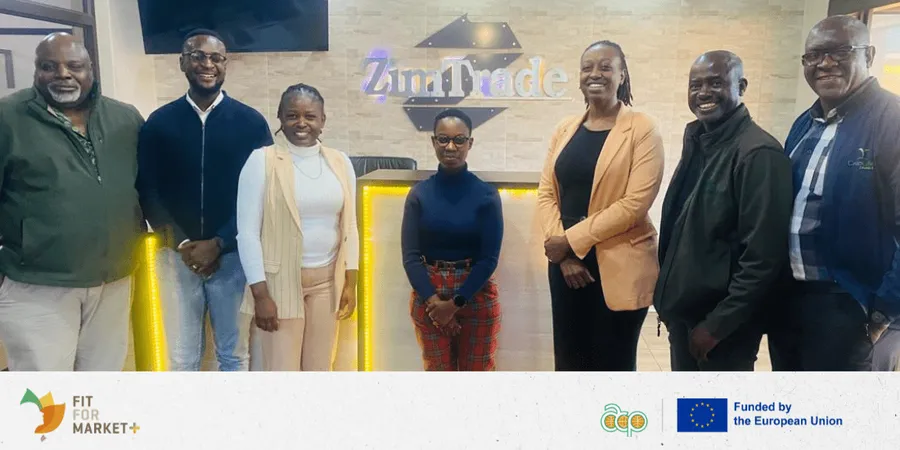
From June 10th to 14th, 2024, the Fit For Market Plus programme provided an intra-organizational training to the Horticultural Development Council (HDC) and ZimTrade, two key business membership organizations in Zimbabwe. The global objective was to enhance the training capacity of HDC and ZimTrade on how to define their training offer to their members through a viable and sustainable training model.The support was delivered in two phases. First, HDC and ZimTrade conducted a self-assessment via Zoom meetings to review their existing training offerings, policies, and procedures. The second phase consisted of an intensive five-day in-person training session at the ZimTrade Boardroom. Attended by four staff members from ZimTrade and two from HDC, the training was highly participatory, allowing for personalized guidance and coaching due to the small group size. The sessions were marked by active engagement and experience sharing among participants.Participants provided some very encouraging feedback on the training's impact:“It was a very comprehensive and impactful session as I gained knowledge on how to structure training programmes effectively. The exercises were very relevant, and the use of icebreakers was timely and piqued my interest.”"The session was very insightful, bringing new perspectives to areas that were previously neglected. It will definitely help with training, planning, and implementation."This example of work in Zimbabwe illustrates COLEAD's specific approach to helping professional agricultural organisations such as HDC and ZimTrade to deliver effective and sustainable training programmes to their members.This activity is supported by the Fit For Market Plus (FFM+) programme, implemented by COLEAD within the Framework of Development Cooperation between the Organisation of African, Caribbean and Pacific States (OACPS) and the European Union. This publication receives financial support from the European Union and the OACPS. The content of this publication is the sole responsibility of COLEAD and can in no way be taken to reflect the views of the European Union or the OACPS.
 News
News
Technical resources for 27 educational institutions
On Thursday 13th of June, COLEAD organized through the FFM+ programme a new webinar for training institutions focused on enhancing pedagogical skills and tools using COLEAD’s digital resources and network. Various COLEAD departments presented relevant e-resources such as the e-learning platform, e-library, crop protection database, skills framework, analytics and the AGRINFO platform.The webinar had a total of 44 participants representing 27 different training institutions both from the African as well as the Caribbean region. The session was highly engaging, featuring interactive polls that gathered valuable insights from attendees. Participants had the opportunity to connect with a diverse range of training institutions and professionals, fostering the exchange of ideas and best practices for enhancing their educational frameworks. At the same time, COLEAD collected valuable feedback for better adapting the support offer through the Fit For Market + and AGRINFO programmes.This activity is supported by the Fit For Market Plus (FFM+) programme, implemented by COLEAD within the Framework of Development Cooperation between the Organisation of African, Caribbean and Pacific States (OACPS) and the European Union. This publication receives financial support from the European Union and the OACPS. The content of this publication is the sole responsibility of COLEAD and can in no way be taken to reflect the views of the European Union or the OACPS.
 News
News
Cameroon: towards a strategic plan for the Penja pepper IGP
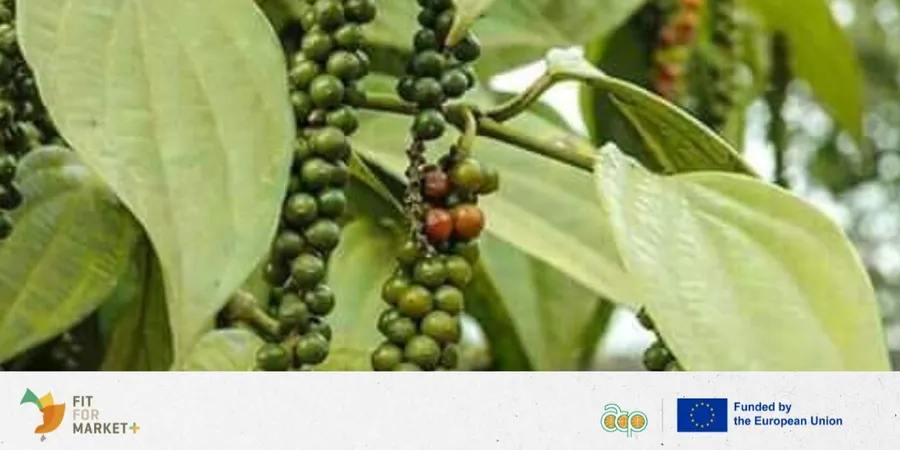
In the first half of 2024, a Cameroonian expert successfully completed the mission "Elaboration of the strategic development plan for the Groupement Représentatif de l'Indication Géographique Poivre de Penja (GR.IGPP)" under the Fit For Market Plus (FFM+) programme. The main objective was to design the plan while (i) identifying the priority services to be put in place to operationalise the plan, (ii) defining the group's economic model and (iii) clarifying the role of the C.A.C. COOP.CA cooperative (focusing on group sales) in relation to the GR.IGPP. The assignment also made it possible to put in place a member loyalty and satisfaction strategy.The working methodology was based on an assessment of the current situation, a participatory workshop focused on a self-analysis of the current situation and the intervention mechanisms of the GR.IGPP, and the use of the data collected. The expert then formulated a business model and a funding mechanism, which were tested and evaluated.Despite the logistical and organisational difficulties encountered, due in particular to the geographical dispersion of the operators, the mission was successful thanks to the awareness and use of the GI label already achieved by the GR.IGPP, the provision of diagnostic studies and the marketing plan currently being drawn up, as well as the full availability of the management team of the GR.IGPP and the cooperative.The next stages of implementation will be based on the recommendations made by the expert at the end of his mission, namelyCreation of a trained team capable of monitoring the strategic plan.Recruitment of section managers.Mobilisation of an external consultant to monitor the implementation of the action plans.Drawing up a global business plan to ensure the financial and strategic monitoring of the development plan.This activity is supported by the Fit For Market Plus (FFM+) programme, implemented by COLEAD within the Framework of Development Cooperation between the Organisation of African, Caribbean and Pacific States (OACPS) and the European Union. This publication receives financial support from the European Union and the OACPS. The content of this publication is the sole responsibility of COLEAD and can in no way be taken to reflect the views of the European Union or the OACPS.
 News
News
Benin Senegal: an example of strengthening local expertise
COLEAD, through the FFM+ programme, supported an 8-month ICRA training course for two of its experts on the theme "Boosting agribusiness: building trust in agribusiness relationships for sustainable growth". The training took place from September 2023 to June 2024. Through online and face-to-face sessions, individual and group practical work, personal mentoring and individual feedback, the experts were trained toEstablishing and strengthening sustainable business relationships between farmers and agribusinesses, input and service providers by building trust and pursuing common interests.Creating market value in supply chains;Using and improving negotiation skills to achieve better contracts and commercial agreements;Managing group dynamics and preventing and resolving potential conflicts between stakeholders.The trained experts will be mobilised to support COLEAD's partner-beneficiaries under the FFM+ programme on strengthening links between producers and other actors in their value chain.This activity is supported by the Fit For Market Plus (FFM+) programme, implemented by COLEAD within the Framework of Development Cooperation between the Organisation of African, Caribbean and Pacific States (OACPS) and the European Union. This publication receives financial support from the European Union and the OACPS. The content of this publication is the sole responsibility of COLEAD and can in no way be taken to reflect the views of the European Union or the OACPS.
 News
News
Burton & Bamber: a Kenyan success story
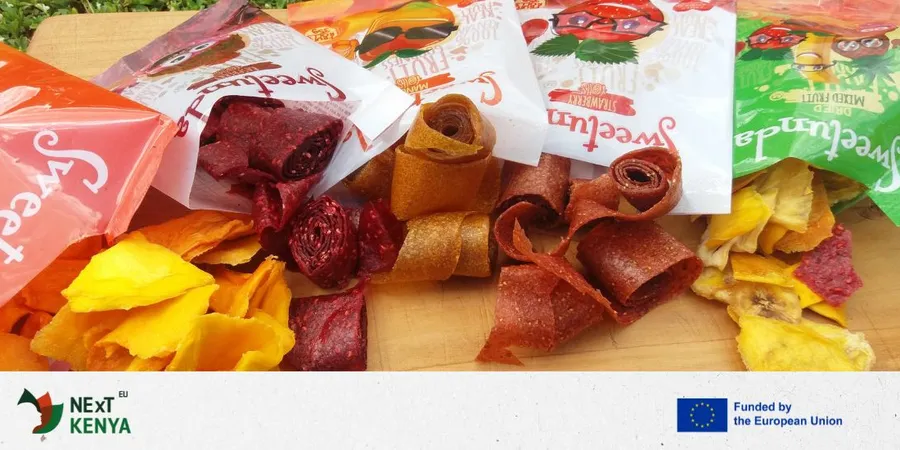
Burton & Bamber is a Kenyan company, registered in 2015, that processes fruit into snacks and food ingredients. These include dried fruit (mainly mango) and fruit rolls, granola, orange flesh sweet potato extruded snacks and aseptic fruit purees. The company works with 500 smallholder farmers to source produce and provide access to markets for their products. Some of the farmer groups are GLOBALG.A.P. certified, while the company's processing facilities are FSSC 22000 certified. The company employs 78 people.Under the EU-funded NExT Kenya programme, COLEAD completed a technical assistance mission to provide a skills and lean management assessment to improve the operations and business performance of Burton and Bamber.The work was initiated following discussions with management about the high cost of processing. Despite investing in high quality equipment and adequate staff, the company was still facing relatively low profit margins. This was putting a strain on the business - it needed a higher profit to pay back the investment and maintain steady growth. Two options were explored: improve the efficiency of its own operations or look for additional sales. The first approach was preferred: focus on efficiency and product quality (mainly dried mango).A skills gap and lean management approach was used to map the value stream: distinguish activities that add value to the production of Burton & Bamber's products from those that don't, the latter being considered 'waste'. The next step was to identify the processes that needed improvement: SOPs (Standard Operating Procedures), quality management, streamlining operations, reducing waste and costs, and improving skills and profitability. The systematic reduction of all non-value-added or wasteful activities is expected to increase efficiency, productivity and employee morale. The primary goal of this lean approach was to reduce waste to an absolute minimum, while increasing the speed at which the product reaches the customer.The results of the mission were impressive: a hands-on approach was used to review and improve various procedures, SOPs and quality management processes associated with the mango processing activities. Experiments were carried out to assess efficiency and improve standardisation of operations (see videos below).
 News
News
Launch Workshop for the STDF Project in Senegal
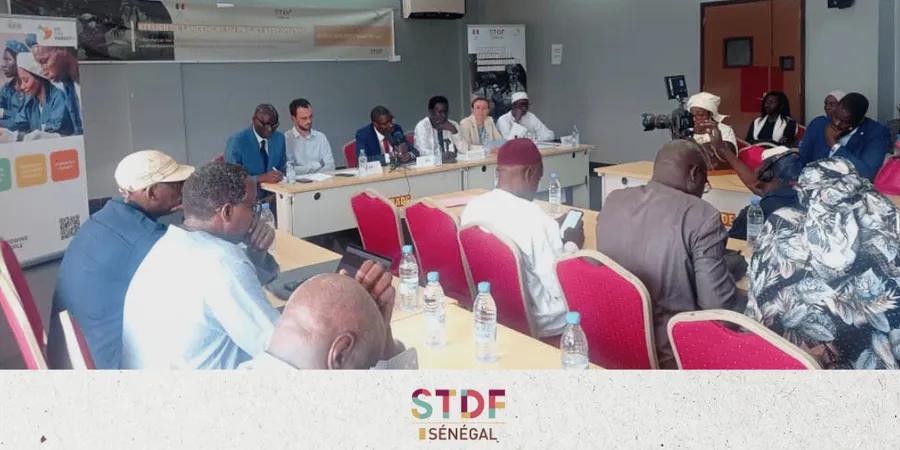
On 6th June 2024, the new project "Strengthening phytosanitary capacity to promote exports of horticulture products from Senegal" was officially launched in Dakar. Funded by the STDF and implemented by COLEAD, this project aims to strengthen Senegal's phytosanitary system in partnership with the Senegalese Ministry of Agriculture, represented by the Directorate of Plant Protection.The project, which will last for three years, revolves around four main areas:Revising the legal framework,Strengthening operational capacities,Improving the skills of involved personnel,Stimulating communication and cooperation among various stakeholders.Thanks to this project, Senegal will be able to position itself as a regional leader in phytosanitary protection, aligning its practices with international standards and contributing to a safer and more sustainable global trade environment.The “Strengthening phytosanitary capacity to promote exports of horticulture products from Senegal” project is funded by the WTO’s Standards and Trade Development Facility (STDF) at the request of the Senegalese Ministry of Agriculture, Rural Development and Food Sovereignty’s (MAERSA) Directorate of Plant Protection.
 News
News
DRC: Training supervisors to train producers on sustainable farming practices
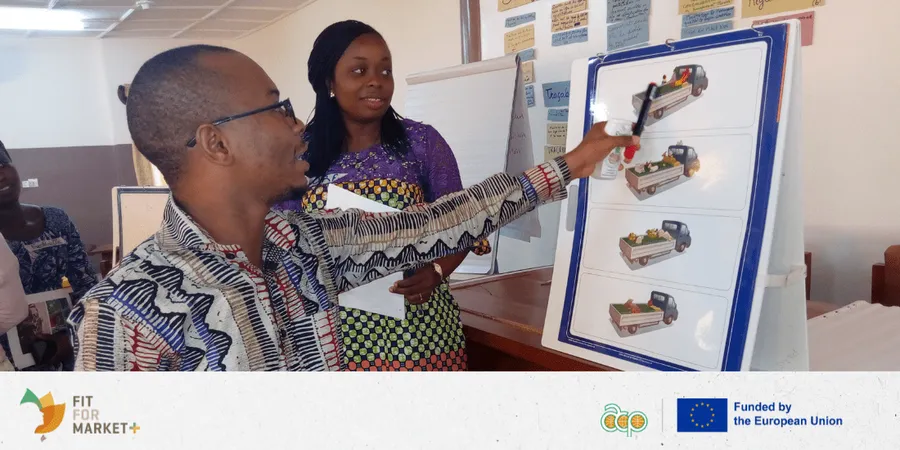
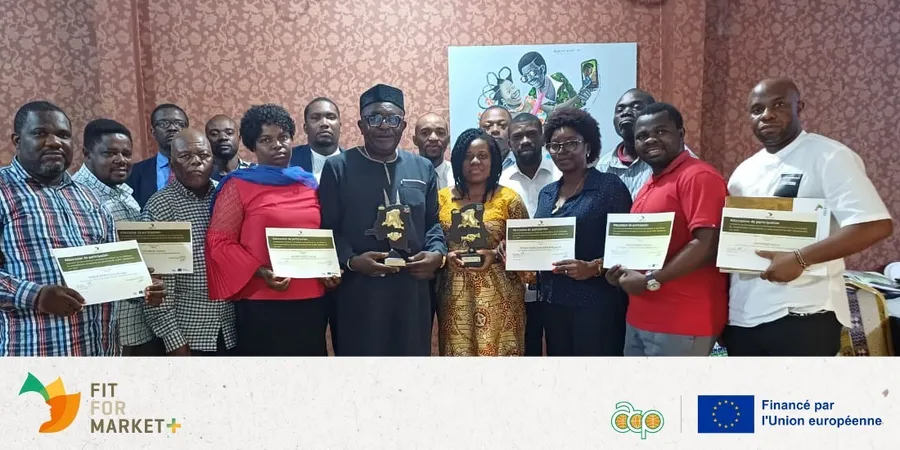
As part of the Fit For Market Plus (FFM+) programme, a second training session for supervisors was recently held in Kinshasa, Democratic Republic of Congo. This activity illustrates COLEAD's cascade training methodology, which is at the heart of its ISO 21 001 certified training system.The aim of this initiative was to strengthen the teaching and technical skills of supervisors, experts from cooperatives and support structures, using the teaching methodology developed by COLEAD. The training aims to enable supervisors to provide effective support to producers, meeting market requirements while promoting the adoption of sustainable agricultural practices.During this activity, participants developed a training programme that they can replicate within their respective structures. Inspired by feedback from the first training session in Bukavu, participants highlighted the difficulty of accessing the market in an increasingly complex commercial environment.In response to this challenge, the Agence Nationale de Promotion des Exportations (ANAPEX) and the Direction de la Protection des Végétaux (DPV) were invited to participate in the training. Their contribution enabled Congolese companies to gain a better understanding of the regulatory and commercial requirements of international markets and export opportunities.15 participants attended the training, including two from Congo-Brazzaville, reinforcing the regional dimension of this capacity-building effort.In addition to strengthening the skills of the participants, this training of trainers in Kinshasa laid the foundations for fruitful cooperation and concerted action to meet market challenges while promoting the sustainable development of local structures in the DRC and Congo-Brazzaville.We would particularly like to thank our two trainers, Ms Chantal NTIMA and Mr Florent NKOUASSEU, for their dedication and expertise during these training missions. Their work was greatly appreciated by all participants.This activity is supported by the Fit For Market Plus (FFM+) programme, implemented by COLEAD within the Framework of Development Cooperation between the Organisation of African, Caribbean and Pacific States (OACPS) and the European Union. This publication receives financial support from the European Union and the OACPS. The content of this publication is the sole responsibility of COLEAD and can in no way be taken to reflect the views of the European Union or the OACPS.