
Cultivating
Sustainable Futures
 News
News
Continued strengthening of the technical capacity of the contracting parties to adopt the IPPC effectively and efficiently
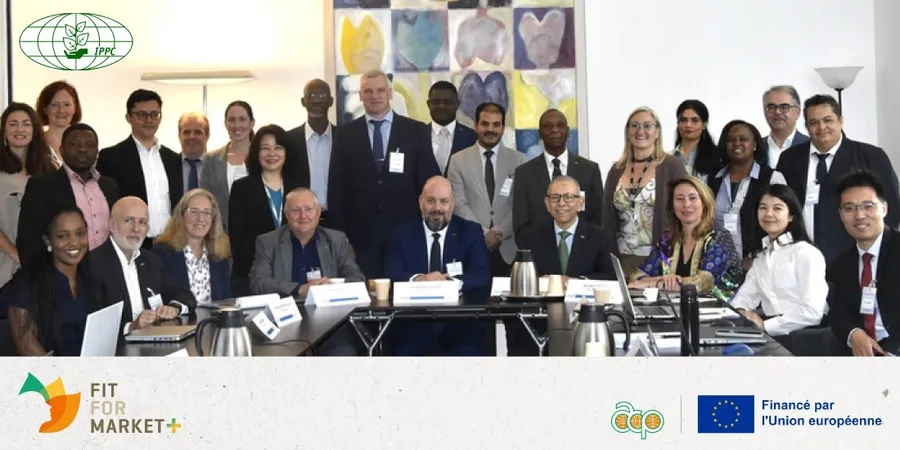
The Implementation and Capacity Development Committee (IC) met from 13-17 May 2024 in Rome, Italy, to discuss strategies of enhancing the technical capacity of contracting parties to effectively and efficiently adopt the International Plant Protection Convention (IPPC) and implement plant health standards. The IC is one of the subsidiary bodies of the Commission on Phytosanitary Measures (CPM), the IPPC’s main governing body.The IC discussed decisions of the Eighteenth Session of CPM (CPM-18), related to the IC’s work plan and follow-up actions. Proposed interventions are expected to enhance effectiveness in implementing the convention and improve future strategies and actions.One of the key issues was the need for adequate and sustainable funding for implementation and capacity-development (CD) activities as well as development and delivery of priority CD materials and resources such as guides and training materials. Sustainable funding would also ensure continuity of IPPC flagship projects such as the Phytosanitary Capacity Evaluation (PCE), the global coordination on Fusarium TR4 and IPPC Observatory activities.The IC acknowledged the comprehensive report from the secretariat on ongoing PCEs, aligned with the PCE Strategy 2020-2030, and the plan to modernize PCEs. The IC agreed on a set of actions to enhance the user-friendliness, reliability and effectiveness of the tool. Conducting PCEs has led to improved technical capacity in several countries’ national plant protection organizations (NPPOs) and enhanced phytosanitary infrastructure for better IPPC implementation.The IC also reviewed the Development Agenda Items (DAIs) of the IPPC Strategic Framework which it oversees: harmonization of electronic data exchange, management of courier and mail pathways, developing guidance for the use of third-party entities, as well as pest outbreak alert and response systems. The DAIs reflect global changes that impact national, regional and global plant protection organizations and present opportunities for innovation, collaboration, research, standard setting and capacity development in emerging plant health areas.Osama El-Lissy, IPPC Secretary commended the IC for facilitating the effective implementation of the IPPC. He highlighted the contribution of the IC and the Implementation and Facilitation Unit, in strengthening plant health and safe trade through the IPPC ePhyto Solution and awareness creation about e-commerce as a pathway for pest spread.“The role of the IC is essential for the IPPC Community. Without capacity development materials, ISPMs would be challenging for NPPOs to implement,” he said.The Standard Setting Unit and the Integration Support Team of the IPPC Secretariat updated the IC on various topics, including preparations for CPM-19 and the 2024 IPPC Regional Workshops, International Day of Plant Health observance, and outcomes of the Standards Committee (SC) meeting in May 2024. To facilitate prioritization of relevant ICD topics, the IC invited the SC to regularly share issues concerning implementation, identified by the SC and Expert Working Groups.The IC Team for Submission of Implementation Topics presented updated and simplified submission forms for implementation topics and the IPPC Observatory to streamline the topic submission process and enhance user-friendliness. The IC approved the revisions and recommended them for submission to the Task Force on Topics for use in the 2025 call for topics.The meeting also addressed ongoing development of IPPC CD materials and their increased promotion among contracting parties, creation of a new digital learning platform with extra eLearning courses, and engagement of IC members in the 2024 IPPC Regional Workshops. The IC stressed the significance of promoting the ICD materials at the workshops, recognizing implementation issues and gathering valuable feedback from contracting parties.Observers from the European Commission, Comité de Liaison Entrepreneuriat Agriculture Développement (COLEAD), and the Standards and Trade Development Facility Secretariat (STDF), shared their work in phytosanitary capacity evaluation, common activities with the IPPC Secretariat, and discussed potential future collaborations. The IC expressed gratitude for their presentation and ongoing support, emphasizing the value of knowledge exchange.The IC meeting report is available here.(Source of the article : IPPC)This activity is supported by the Fit For Market Plus (FFM+) programme, implemented by COLEAD within the Framework of Development Cooperation between the Organisation of African, Caribbean and Pacific States (OACPS) and the European Union. This publication receives financial support from the European Union and the OACPS. The content of this publication is the sole responsibility of COLEAD and can in no way be taken to reflect the views of the European Union or the OACPS.
 News
News
Shared Interest-COLEAD: an ongoing partnership supporting cocoa & coffee cooperatives in Côte d'Ivoire, Ghana and Rwanda
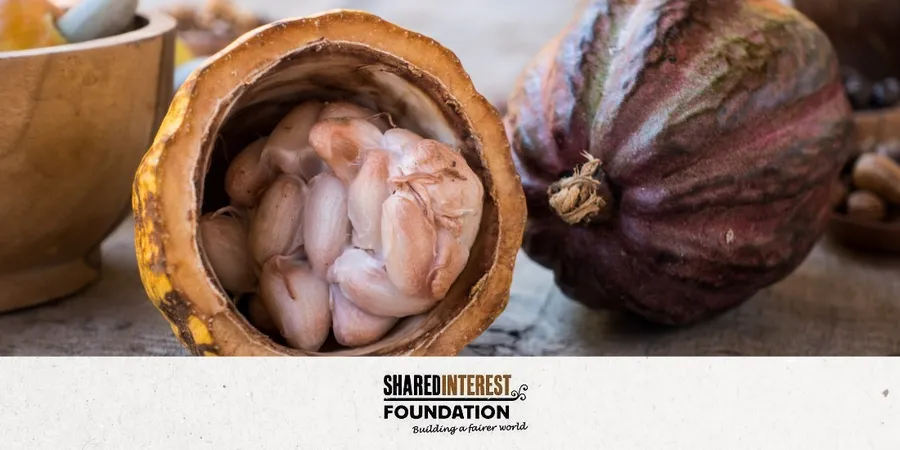
First phase of the project completed: completion of a diagnostic of the "governance and financial framework of the participating cooperatives".Next phase of the project: start of training on "Cooperative governance and management".The Shared Interest Foundation (SIF), a UK-based charity, is working with COLEAD to improve the operational effectiveness and sustainability of cooperatives in Côte d'Ivoire, Uganda and Rwanda. These cooperatives are currently funded by the Shared Interest Society, the commercial arm of SIF.The partnership, signed at the end of February 2024, will run for one year and has three main components: (i) a baseline diagnostic phase to identify gaps and weaknesses in each cooperative's governance and financial framework, (ii) a training programme on cooperative governance, management, planning and commercial/financial management, and (iii) an introductory session to raise awareness of climate resilience measures. The cooperatives benefiting from this initiative are mainly active in the cocoa and coffee sectors.Following the signing of the partnership, virtual kick-off meetings were held with teams in West Africa (Côte d'Ivoire) and East Africa (Uganda and Rwanda). These meetings included presentations from COLEAD's central and local (expert) teams, cooperative representatives and the Shared Interest Foundation/Lending teams.Over the past few months, face-to-face working sessions have been held with each of the eight cooperatives, culminating in the completion of the first element of the project - the baseline diagnostic phase. The diagnostic reports, which identify existing gaps and weaknesses in governance and financial frameworks, are currently being shared with the eight participating cooperatives.The next step in the partnership is the launch of a "Training on Cooperative Governance and Management", which will begin on 1 July with pilot cooperatives in Côte d'Ivoire, followed by those in Uganda and Rwanda. This training is specifically targeted at the Presidents of the Boards of Directors (PCA), Secretaries General (SG), Treasurers, Directors and Accountants of the cooperatives. Upon completion of the training, it is expected that the participants will have improved skills and competencies in governance and organisational management procedures.The partnership with Shared Interest Foundation is an important milestone for COLEAD, as it confirms the association's role as an implementing agency for technical assistance, helping MSMEs and agricultural cooperatives to access appropriate finance, complementing the technical assistance COLEAD has historically provided in the area of market access. Shared Interest Foundation was established in 2004 as a charitable subsidiary of Shared Interest Society. Its aim is to work with producers who need support to grow and be more sustainable, ultimately alleviating poverty by helping people to trade and earn a living. Founded in 1990, Shared Interest Society brings together a community of more than 12,000 people in the UK with the common goal of investing in a fairer world. They work hand in hand with communities where income opportunities may be limited and where businesses face increasing challenges. Shared Interest works cooperatively, funding Fair Trade enterprises in 45 countries. Most of these organisations support smallholder farmers who produce around a third of the world's food but often struggle to feed their families.
 News
News
INDIA: Evolution and impact of EU regulation on the agenda at meeting with Indian exporters
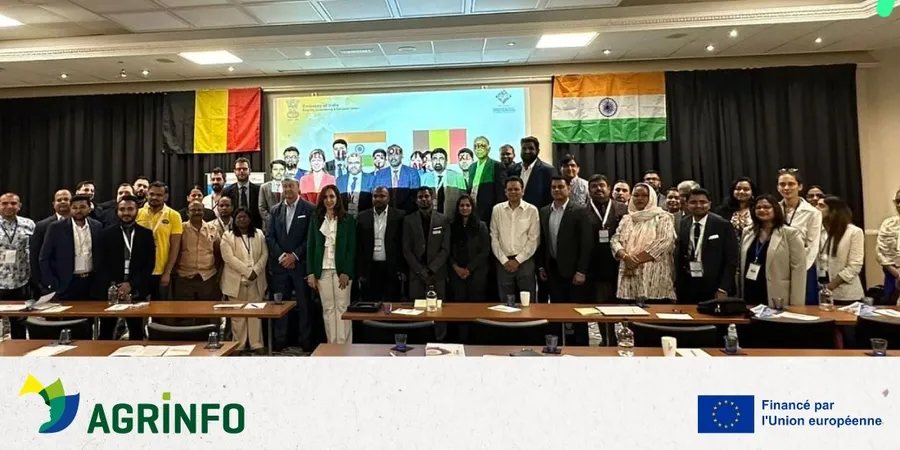
Upcoming EU regulations and their implications for Indian Food & Agri Exports were the primary focus of a workshop organised in Antwerp on June 20 by the Federation of Indian Export Organisations with the support of the Belgian Embassy and COLEAD through its Agrinfo programme.The workshop was part of a series of meetings between Indian, Belgian and Dutch food businesses seeking to expand EU-Indian trade in agrifood products.Drawing on insights from the AGRINFO programme, COLEAD explained major regulatory trends that would impact short and long term exports and brought special attention to upcoming EU legislation on mineral oils which could present a challenge for major Indian export sectors such as coffee, food oils, rice, tea and spices. Around 70 delegates attended the event.This activity is supported by the AGRINFO programme, implemented by COLEAD and funded by the European Union (EU). This publication receives financial support from the European Union. The content of this publication is the sole responsibility of COLEAD and can in no way be taken to reflect the views of the European Union
 News
News
BENIN: a new innovative Africa-EU university-private sector partnership for sustainable pineapple production
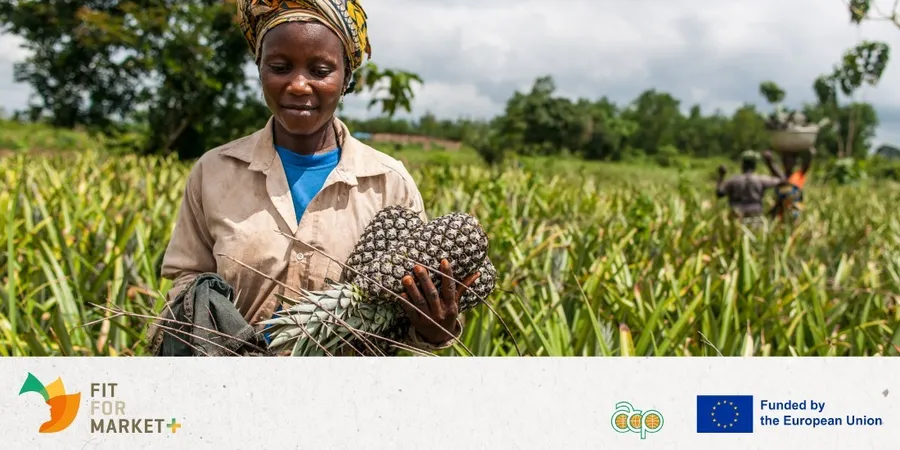
Pineapple production is at the heart of export diversification in Benin. However, the depletion of soil nutrients and high energy requirements for pineapple juice production challenge its sustainability. Within an independent research project funded by VLIRUOS (Belgian government), a pioneering project in Benin aims to address these challenges through an innovative and collaborative approach, optimising the use of underutilised pineapple crop residues and processing them through anaerobic digestion to produce renewable energy and organic fertiliser. The project has strong focus on climate change mitigation and gender equality.Key partnerships and SDGsThis initiative is the result of a strong research partnership between KU Leuven, the University of Abomey-Calavi (UAC) and the National University of Sciences, Technologies, Engineering and Mathematics (UNSTIM). It also involves a multi-stakeholder network set up by COLEAD and the National Federation of Pineapple Producer Cooperatives of Benin (FENACOPAB). The project aims to provide access to renewable energy and organic fertiliser for sustainable agriculture by transforming waste from one of Benin's core economic activities - pineapples - into valuable resources. This initiative contributes to achieving universal access to affordable, reliable, sustainable and modern energy (SDG 7) and improving soil fertility and crop productivity (SDGs 2 and 12).SDG 7: Ensure access to affordable, reliable, sustainable and modern energy. By producing biogas from pineapple residues, the project enables energy autonomy for pineapple juice production units, 55% of which are run by women.SDG 2: Achieve food security and improved nutrition through sustainable agriculture. The availability and use of organic fertiliser will improve soil fertility, crop productivity and fruit quality.SDG 12: Ensure sustainable consumption and production patterns. The project will promote the use of organic fertiliser derived from anaerobic digestion, thereby reducing reliance on chemical fertiliser and improving environmental sustainability.Biogas production from pineapple processing residues displaces fossil fuel-based energy sources, protecting forests and increasing carbon stocks. Improving soil fertility and halting soil degradation further increases soil carbon stocks, contributing significantly to climate change mitigation.Gender equality and empowermentGender equality and empowerment are central to this project. Currently, over 50% of the pineapple producers and processors involved are women. The project ensures that women are actively involved in decision-making processes, particularly on activities that focus on biogas production, organic fertiliser development and soil fertility improvement. The involvement of women farmers within the communities is a priority, and the project also emphasises the training and education of women. Two female professors and researchers in Benin play a key role in inspiring young women to pursue higher education and careers in agriculture and environmental sciences.Capacity building and knowledge disseminationThe project includes the training of eight local Masters students and two PhD students, with at least 50% of the candidates being women. The PhD students will enrol in the Arenberg Doctoral School for a 4-year programme at KU Leuven. This training will increase the pool of teaching researchers and young specialists in soil fertility and renewable energy, contributing to the overall development of sustainable agriculture in Benin.The installed equipment and infrastructure will support the training of students in waste treatment, energy and process engineering, further strengthening the capacity of local institutions. The results of the project will be disseminated through peer-reviewed scientific publications and practical guides on biogas production and organic waste management. These resources will be shared not only with pineapple producers in Benin, but also with other African, Caribbean and Pacific countries and beyond. COLEAD's activities under this new initiative will be closely linked to the Fit For Market Plus programme.This activity is supported by the Fit For Market Plus (FFM+) programme, implemented by COLEAD within the Framework of Development Cooperation between the Organisation of African, Caribbean and Pacific States (OACPS) and the European Union. This publication receives financial support from the European Union and the OACPS. The content of this publication is the sole responsibility of COLEAD and can in no way be taken to reflect the views of the European Union or the OACPS.
 News
News
Kenya, Vegpro: an example of the successful implementation of an internal training unit
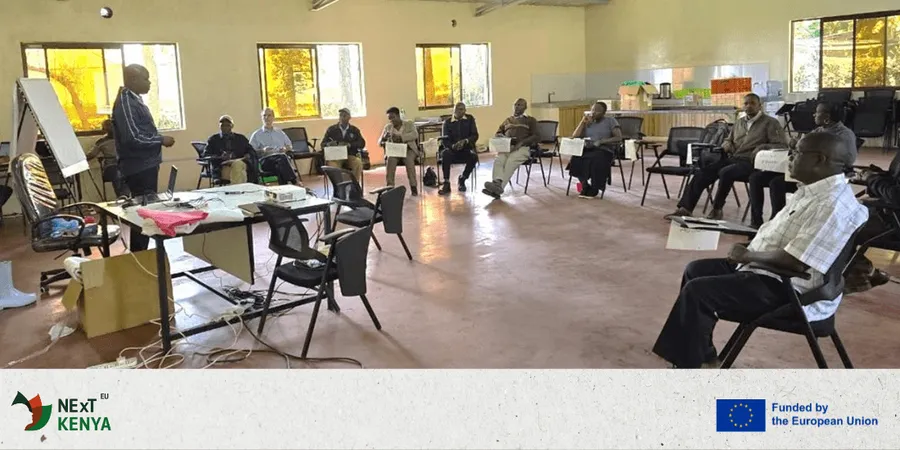
Vegpro Kenya, one of the country's largest horticultural producers and exporters, has made significant progress in strengthening its internal training capacity. As a major producer of fruit, vegetables and flowers and a major employer in the region, Vegpro has long recognised the importance of training and capacity building for food safety, compliance and performance. However, the investment required for external training was a significant challenge.To address this, COLEAD through its programmes including NExT Kenya, has been actively supporting Vegpro to improve the efficiency of its internal training system and increase training uptake. This collaboration aims to reduce the burden of external training and promote a more sustainable, proactive approach to training within the company.Assessment and initial training supportFrom 2020 to 2021, COLEAD supported Vegpro through the Fit for Market programme to assess its training strategy and provide training on how to design a functional training unit. This comprehensive approach included a Training Needs Assessment (TNA) and the development of the building blocks necessary for an effective training unit. It was found that while various managers and supervisors were conducting internal training, few had received formal training on how to deliver effective training.Developing internal master trainersFollowing a thorough review of Vegpro's training strategy and identification of key human resources, the company's training team received extensive training in pedagogical skills and training methodology. This initiative resulted in the creation of a team of internal 'master trainers' who are able to transfer these skills throughout the organisation.Training of Trainers (ToT) programmeAs part of COLEAD's EU-funded NExT Kenya programme, a Training of Trainers (ToT) was organised for Vegpro's Master Trainers in 2022. The main objective was to equip these trainers with the skills to facilitate training sessions and effectively use training tools for different target groups, including managers, technical staff, farm workers, packhouse workers and smallholder producers.The training built on the previous TNA and Building Block training and focused on COLEAD's active training methodology:Training for Teaching in Business: strengthening the capacity of Vegpro staff to become internal trainers.Communication skills in groups: strengthening the capacity of trainers to lead groups, conduct structured exercises and master meeting facilitation techniques.Coaching and continuous developmentFollowing the initial ToT and the establishment of a training strategy, it was crucial to coach the new master trainers in organising and facilitating their own ToT sessions within Vegpro. This was done in collaboration with a COLEAD expert. The aim is for these trainers to eventually conduct mini-ToTs for new staff or as needed, thereby improving the effectiveness and efficiency of training and strengthening the company's human capital and operational quality.In-company ToT sessionsThe in-company training of trainers was conducted in several phases, starting with an introductory TNA session in November 2023, followed by the main ToT sessions in May-June 2024. These sessions aimed to build the technical and pedagogical capacity of the participants, enabling them to deliver in-company training and coach team members on best practices using COLEAD's Field Training Workshop (FTW) methodology.Looking aheadWith the completion of these training initiatives, Vegpro Kenya is well positioned to maintain a robust internal training system that supports continuous improvement and sustainability. This collaboration between COLEAD and Vegpro highlights the importance of building internal capacity to support long-term growth and development in the horticultural sector.COLEAD's support in building Vegpro Kenya's internal training unit highlights the critical role of capacity building in achieving sustainable development. By empowering internal trainers and improving training methods, COLEAD through NExT Kenya and Vegpro are working together to create a more resilient and efficient agricultural value chain in Kenya.This activity is supported by the NExT Kenya (New Export Trade) programme, established in collaboration with the EU Delegation in Nairobi and Kenyan stakeholders. This publication receives financial support from the European Union. The content of this publication is the sole responsibility of COLEAD and can in no way be taken to reflect the views of the European Union
 News
News
IFAD, CAADP and COLEAD join forces to address agroecology at the African Fertiliser and Soil Health Summit 2024
For decades, agricultural productivity in Africa has been hampered by widespread land and soil degradation. This is reflected in loss of organic matter, negative nutrient balances, erosion, acidification and pollution, leading to a decline in soil fertility. To address these challenges and support a growing population, the African Union (AU) convened the African Fertilizer and Soil Health Summit (AFSH) in Nairobi, Kenya, in May 2024. This summit resulted in several important outcomes:The Nairobi Declaration on Fertilisers and Soil Health in AfricaA ten-year action plan for fertiliser and soil health in Africa (2024-2034)The launch of an African Soil Initiative (SIA)The design of a financing mechanism for the Action Plan.The Nairobi Declaration sets out global commitments to improve fertiliser production and distribution and soil health management in Africa, with the aim of achieving substantial improvements by 2034. It emphasises coordinated efforts to improve fertiliser availability, soil health and agricultural productivity, focusing on sustainable practices and capacity building.The ten-year action plan outlines practical implementation to regenerate degraded soils, increase the use of mineral and organic fertilisers, and improve nutrient use efficiency to ensure an inclusive, food and nutrition secure agricultural sector. The strategy focuses on creating enabling financing, market and policy conditions, research and development, and capacity building through multi-stakeholder partnerships and investments.The Soil Initiative for Africa (SIA) is an ambitious effort to improve the health and productivity of African soils, aligned with agendas such as Agenda 2063 and CAADP. The SIA prioritises investment in integrated soil and water fertility management, optimising data and information for effective planning and monitoring, and ensuring supportive policy, legal and regulatory frameworks.The AFSH Summit also hosted 55 parallel sessions dedicated to promoting soil health and sustainable agricultural practices in Africa. These sessions, organised by various stakeholders, covered topics ranging from innovative soil fertility management strategies and the integration of organic and mineral fertilisers to the role of digital tools and data-driven decision-making.COLEAD through the DESIRA LIFT programme, in collaboration with the International Fund for Agricultural Development (IFAD) and African research organisations (CAADP-XP4), organised a side event on Integrated Soil Health Management for Productive, Inclusive and Sustainable Agriculture and Food Systems in Africa. The event highlighted research, private sector and policy perspectives on sustainable soil health management practices and agro-ecological transitions.In addition, COLEAD supported a parallel session on new opportunities for organic and bio-organic fertilisers for soil health in Africa, organised by the European Commission/DG INTPA, which highlighted smallholder and SME experiences with biofertilisers, a key area for COLEAD.COLEAD's soil strategy is closely aligned with the outcomes and objectives of AFSH, building on the principles of integrated soil fertility management and supporting a range of technology-driven field activities, trials and pilot projects. The overall aim is to translate sustainability theories into concrete agronomic practices that make sense in the field, and to support knowledge transfer, capacity building and business development in key areas of sustainable soil management.DeSIRA-LIFT (June 2021 – May 2025) is the result of close collaboration between Agrinatura (European Alliance on Agricultural Knowledge for Development), the European Forum on Agricultural Research for Development (EFARD) and the European Commission’s Directorate-General for International Partnerships (DG INTPA). This publication receives financial support from the European Union. The content of this publication is the sole responsibility of COLEAD and can in no way be taken to reflect the views of the European Union.
 News
News
COLEAD's first development project in São Tomé and Príncipe (coco value chain)
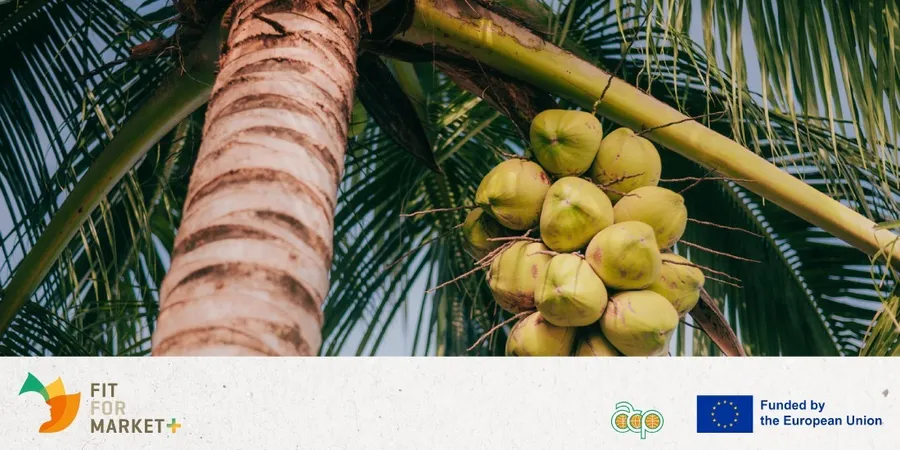
Following a meeting with VALUDO at Biofach, COLEAD received its first application for support from São Tomé and Príncipe through the FFM+ programme in 2023. This project is an important step for COLEAD in its commitment to support sustainable agri-food systems in ACP (Africa, Caribbean and Pacific) countries.Following a Sustainability Assessment (SAS) to identify key challenges and gaps, a tailor-made action plan was developed to benefit VALUDO staff and outgrowers and have a significant impact on coconut production and quality on the island.The first planned action is to establish an internal capacity building system within VALUDO. This project will involve an expert from the Ivory Coast. The system is designed to improve the skills of staff and producers, with a view to more efficient and higher quality production.São Tomé and Príncipe is a small, low-middle-income island developing state comprising two main islands and four islets in the Gulf of Guinea, 350 km off the west coast of Africa. It has a population of about 197,900 and is a Portuguese-speaking country. The economy is mainly based on the export of cocoa, coffee and palm oil, with a growing tourism sector. In 2012, the entire island of Príncipe and its surrounding waters were designated by UNESCO as a Man and Biosphere Reserve to promote sustainable development. In 2016, 13.8% of São Tomé and Príncipe's agricultural land was devoted to organic farming, the highest proportion in Africa and the fifth highest in the world. Organic cocoa is the main product, accounting for 95% of exports.VALUDO LIMITADA, founded in 2017, operates in the coconut value chain, producing coconut oil (50% for the food industry and 50% for cosmetics), shredded coconut and coconut flour. The company sources 100% of its coconuts from 600 outgrowers and collectors who harvest both from their own plantations and in the wild. The company employs 80 permanent staff and holds several certifications including Fair for Life, BIO EU, BIO FR, USDA Organic, BIOSUISSE, Vegan and AgriCert.VALUDO operates all year round and uses a variety of coconuts from wild plantations. Packaging and storage facilities are located in Belgium and exports are mainly to the European Union and the United States. The company plans to extend its activities to Togo and competes mainly with Asian suppliers.Activities planned by COLEAD under the FFM+ programmeInternal capacity building through the establishment of a capacity building system for VALUDO staff.Training and coaching of staff and producers in organic coconut farmingManagement training for VALUDO producer managersHygiene and traceability training followed by post-training supportAccess to targeted tutored group courses on topics such as organic farming, market access and human resources.This ambitious project aims to strengthen the sustainability of coconut production in São Tomé and Príncipe by providing technical support and training to local stakeholders to improve their production and access new markets.This activity is supported by the Fit For Market Plus (FFM+) programme, implemented by COLEAD within the Framework of Development Cooperation between the Organisation of African, Caribbean and Pacific States (OACPS) and the European Union. This publication receives financial support from the European Union and the OACPS. The content of this publication is the sole responsibility of COLEAD and can in no way be taken to reflect the views of the European Union or the OACPS.
 News
News
MANGO-SO in Burkina Faso: a business success story based on the development and certification of processed coconuts and mangoes
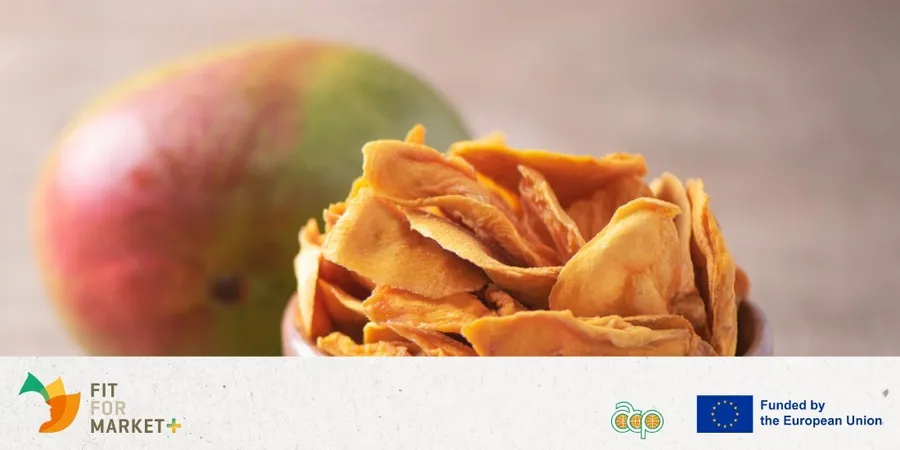
MANGO-SO, founded in 2001, is a Burkina Faso company specialising in the drying of mangoes and coconuts. 90% of its dried mango production is exported directly to the European Union (Germany, Sweden, Italy), while the rest is sold locally to another company for marketing. The entire production of dried coconuts is destined for Germany. MANGO-SO is HACCP and BIO certified and has two drying units equipped with seven South African 'tunnel' dryers. The company employs 20 permanent staff and, at peak times, around 500 seasonal workers, mainly women.MANGO-SO has grown considerably over the years. In 2014, it exported 35 tonnes of dried mangoes, a figure that is expected to rise to 300 tonnes by 2022. Dried coconut production has also increased, from 4.5 tonnes in 2014 to 200 tonnes in 2022. This growth has been supported by technical assistance and training provided through COLEAD's FFM and FFM SPS programmes. These training courses covered a range of topics including sanitary quality management, commercial negotiations, commercial dispute management and waste recovery.In response to customer requirements and with a view to continuous improvement, MANGO-SO has implemented a Food Safety Quality Management System in accordance with the British Retail Consortium (BRC) standard. This commercial standard certifies the control of food safety and monitors the quality levels of producers. With the support of COLEAD through the FFM+ programme, a mock audit was carried out in April 2024 to evaluate this system, followed by a final certification audit in June 2024. The company achieved BRC Grade A certification, confirming the quality of its food safety management system.This certification strengthens customer confidence and opens up new opportunities on the international market. MANGO-SO is an eloquent example of how local businesses can thrive thanks to the strategic and technical support provided by programmes such as FFM+, contributing to the transition towards more sustainable and resilient agri-food systems.Photo credit: MANGO SO.This activity is supported by the Fit For Market Plus (FFM+) programme, implemented by COLEAD within the Framework of Development Cooperation between the Organisation of African, Caribbean and Pacific States (OACPS) and the European Union. This publication receives financial support from the European Union and the OACPS. The content of this publication is the sole responsibility of COLEAD and can in no way be taken to reflect the views of the European Union or the OACPS.
 News
News
EU and GB approval changes (January-May 2024)
EU and GB approval changes COLEAD’s Regulation Monitoring covers both European Union (EU)and Great Britain (GB) approval changes. Note that EU approvals still apply in Northern Ireland. Great Britain is the mainland comprising England, Scotland and Wales. The European Commission (EC) has recently published changes to 48 plant protection product (PPP) approvals within the EU, some of which are important for ACP horticulture. These include: Extension of the approval period for 11 PPPs Non-renewal of approval of active substance dimethomorph Expiration of the approval for dodemorph and Trichoderma atroviride (formerly T. harzianum ) strain IMI 206040 In addition, the EC has recently notified the WTO of its intention to approve the active substance metconazole and to withdraw the approval of acibenzolar-S-methyl. The Health and Safety Executive (HSE) has recently published changes to 44 PPP approvals within GB, of which 21 are of importance for ACP horticulture. These include: Extension of the approval period for 11 active substances Approval of the active substance pydiflumetofen Withdrawal of approval of 9 active substances How will ACP producers/exporters be affected? Non-approval, withdrawal of approval or expiration of approval mean that EU/GB maximum residue levels (MRLs) are likely to be maintained or reduced to the limit of determination (LoD) which, in most cases, will mean that they cannot be used on crops for export to the EU/GB. !! NEW!! COLEAD now compiles a dashboard of ACP countries impacted by the recent changes of approvals in the EU and GB. Check it out here . What should ACP producers/exporters do now? If you currently use dodemorph or Trichoderma atroviride strain IMI 206040 on crops destined for the EU market, or one of the withdrawn substances from GB on crops for the GB market, you need to look for alternatives, or ensure that current uses allow you to comply with the new MRLs (most likely at LoD), as soon as the change is communicated. If this is likely to cause you significant problems, and you fear being left without effective and available alternatives, please contact COLEAD at: network@colead.link . We will keep you informed as more information becomes available.
 News
News
Calls for experts: Vocational and Lifelong Learning Systems in African Universities
The DeSIRA-LIFT project (June 2021–May 2025) funded by the European Commission (DG INTPA) aims to catalyse the European Union’s DeSIRA programme current and future activities supporting the Development of Smart Innovation through Research in Agriculture to enhance its impacts.As lead of the second service area (with support from the Natural Resources Institute), COLEAD and RUFORUM are joining forces to fill in identified gaps that impede the potential of African universities, students and professionals that are engaged in innovation projects in the agricultural sector. The Regional Universities Forum for Capacity Building in Agriculture is a Pan-African network of 170 predominantly agriculture teaching and research universities in 40 African countries that aims at strengthening the capacities of universities to foster innovations responsive to demands of smallholder farmers.A first call for expert (March 2024) has enabled to start reviewing national science, technology, and innovation landscape for translation of university research and innovation into enterprises.Now, DeSIRA-LIFT SA2 is looking for experts to support RUFORUM regarding vocational and lifelong learning systems in African universities. Details about the two assignments are provided below:Position 1: Expert in E-learning Platforms for Agricultural Sector (NKE2.8)Download the Terms of Reference 2.8Duration: 32 daysMax fee rate: 700 euros per dayPeriod: September to November 2024 (possible extension in time, budget unchanged)Position 2: Expert in Certification Mechanisms for Professional Training in Agricultural Innovation (NKE2.9)Download the Terms of Reference 2.9Duration: 30 daysMax fee rate: 700 euros per dayPeriod: September to November 2024 (possible extension in time, budget unchanged)Interested candidates should review the Terms of References and submit their applications, including a cover letter and a CV highlighting relevant experience, to desira.lift@wur.nl. Please specify the assignment for which you are applying.Application deadline: Sunday 18 August 2024
 News
News
COLEAD attends ARSO General Assembly in Abuja, Nigeria
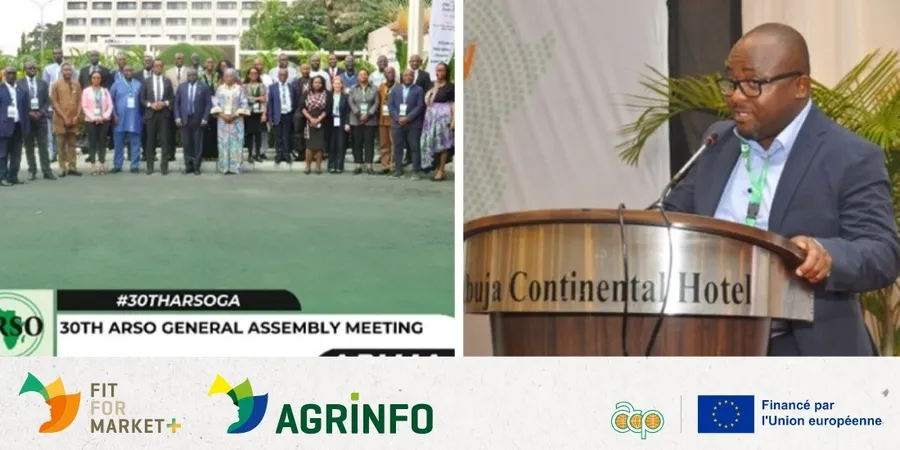
From 19 to 21 June, COLEAD through the FFM+ and AGRINFO programmes, participated in the 30th ARSO (African Organisation for Standardisation) General Assembly in Abuja, Nigeria, under the theme "Educate an African fit for the 21st Century - Building a Quality Culture - One Market - One Standard". The event provided a platform for ARSO members and stakeholders to discuss strategies for effective partnerships in ensuring quality infrastructure in Africa. COLEAD played an interactive role during the three day event and participated in several sessions:Building a Quality Culture - One Market - One StandardThe role of harmonised standards and conformity assessment in promoting intra-African tradeAfrica Quality Policy - Is it a Game Changer in Promoting Made in Africa Products?Partnerships for effective quality infrastructure in AfricaKey highlights and discussionsSessions highlighted the importance of standardisation as a tool for sustainable development in the 21st century. A coherent regulatory framework addressing the need for "one market - one standard" was seen as essential for regulatory cooperation. COLEAD highlighted the need to build a quality culture in Africa, targeting policy makers, consumers, MSMEs, regulators, youth and women. The focus was on capacity building and well-coordinated training activities across the agricultural value chain.David Sodade, representing COLEAD, addressed the General Assembly by highlighting the critical role of building a quality culture and fostering collaboration to achieve the common goals of the AfCFTA (African Continental Free Trade Area) and beyond.The General Assembly theme highlighted the status and opportunities for partnerships to address the challenges of quality infrastructure in Africa. Discussions focused on creating awareness of how quality has become a determinant in trading systems, affecting the acceptance of products in markets based on compliance with quality and safety requirements.Several key issues were discussed during the interactive sessions, focusing on how international standards facilitate global trade and the benefits for Africa in the context of the AfCFTA agreement. Discussions explored how harmonised standards and conformity assessment promote market access within a single African market under the TBT (Technical Barriers to Trade) Annex 6 and SPS (Sanitary and Phytosanitary Measures) Annex 7.COLEAD contributions and resourcesThe conference concluded with an open partnership session where COLEAD presented its activities and resources, including Agrinfo and other COLEAD's technical resources such as the e-learning platform, the e-library and the market analytics/dashboards’ section. These resources are open access tools, showcasing over 20 years of expertise in the agrifood sector throughout OACPS member countries and beyond.This activity is supported by the Fit For Market Plus (FFM+) programme, implemented by COLEAD within the Framework of Development Cooperation between the Organisation of African, Caribbean and Pacific States (OACPS) and the European Union; and by the AGRINFO programme, implemented by COLEAD and funded by the European Union (EU). This publication receives financial support from the European Union and the OACPS. The content of this publication is the sole responsibility of COLEAD and can in no way be taken to reflect the views of the European Union or the OACPS.
 News
News
Towards future collaboration – WorldVeg and COLEAD sign new MoU
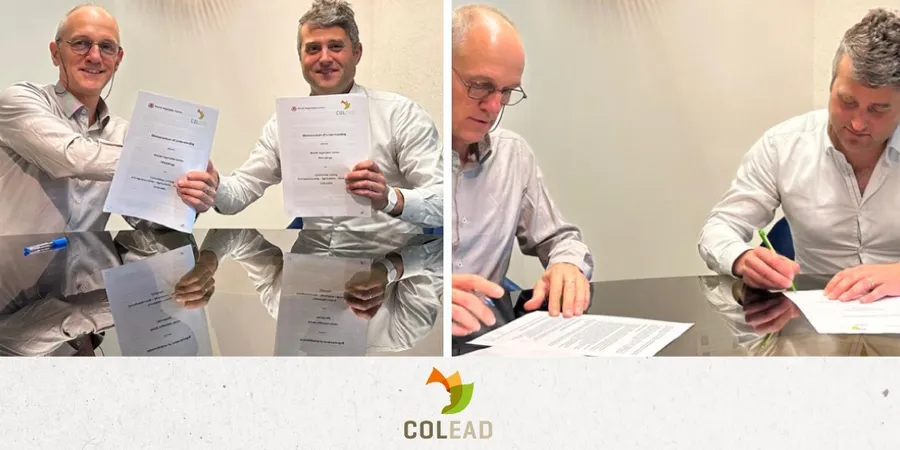
The Memorandum of Understanding was signed by Marco Wopereis, Director General of WorldVeg, and Jeremy Knops, COLEAD General Delegate, at COLEAD's headquarters in Brussels on 7 June. The mission of both COLEAD and WorldVeg are highly complementary. Both organizations acknowledge that developing sustainable global food systems is crucial to meet the challenges of poverty, inequality, food insecurity and fragility in the face of climatic and economic shocks. And now they will work more closely together to address these issues.The World Vegetable Center conducts research, builds networks, and carries out training and promotion activities to raise awareness of the role of vegetables for improved health and global poverty alleviation. Vegetables can alleviate poverty by creating new jobs and new sources of income for farmers and landless laborers, improve health by providing essential micronutrients lacking in diets, enhance learning and working capacities of adults and children through improved diets and health, and improve the sustainability of food production practices by diversifying cropping systems. The Center’s research and development work focuses on breeding improved vegetable lines, developing and promoting safe production practices, reducing postharvest losses, and improving the nutritional value of vegetables.This partnership aims to leverage the strengths and resources of both organizations to advance sustainable agricultural practices, improve vegetable production, and enhance food security worldwide. The MoU signifies a shared commitment to innovation, research, and development in the vegetable sector, with a focus on supporting smallholder farmers and SMEs, promoting biodiversity, and addressing climate change challenges. By combining COLEAD’s expertise in sustainable development with the World Vegetable Center’s extensive research capabilities, this collaboration promises to foster impactful projects and initiatives that will benefit communities globally.WorldVeg and COLEAD will now work on a joint value proposition and action plan that aims to promote safe vegetable production for domestic, regional and international markets, stimulate South-South collaboration, engage with regional economic communities and potential funders, and organize joint events.