
Cultivating
Sustainable Futures
 News
News
Review of EU and GB MRL changes in 2023
Key points This news update is a review of changes that were made in 2023 . European Union (EU) maximum residue levels (MRLs) were changed for 82 plant protection products (PPPs) in 2023, compared with 75 in 2022. These changes include cases where MRLs for certain foods have been raised or lowered. In Great Britain (GB) maximum residue level (MRL) changes concerned 41 plant protection products (PPPs), compared with 23 in 2022. Note that EU MRLs still apply in Northern Ireland (GB covers only England, Scotland and Wales). How will ACP producers/exporters be affected? In export crops, meeting the MRLs of the destination market is critical to prevent interception and destruction of merchandise at the border. ACP growers and exporters need to remain up-to-date with regulatory changes to ensure they remain aligned. What should ACP producers/exporters do now? For each substance and crop concerned, the Good Agricultural Practices (GAPs) in place need to be verified and possibly adapted to ensure compliance with new MRLs. The GAPs include dose rate, number of applications, and pre-harvest interval. In some cases, adaptations to the GAPs will allow the new MRLs to be met. However, in many cases, especially where the level is reduced to the Limit of Determination (LoD), it may not be possible to meet the new MRL, and growers will have to look for alternative crop protection solutions. If you have any major concerns about these changes, and fear that you will be left without an effective and locally available alternative, please contact COLEAD at: network@colead.link . If you require more frequent updates on EU MRL changes, we invite you to visit our AGRINFO website and subscribe to the newsletter on EU regulations.
 News
News
Empowering horticultural companies on sustainability: an energy audit for the Tanzanian company Africado Ltd.
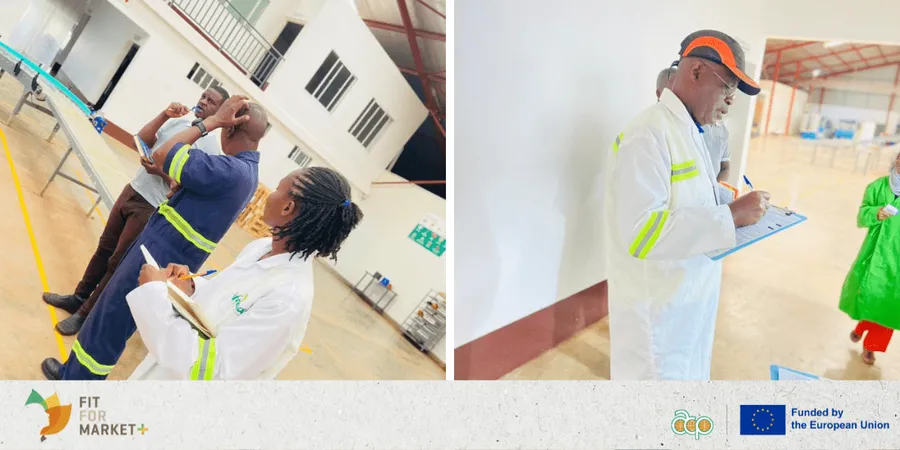
In a world where environmental sustainability is becoming increasingly important, organizations are looking for ways to reduce their carbon footprint and operate more efficiently. One initiative is to conduct energy audits to ensure sustainability and efficiency by determining and documenting energy usage, providing estimates of energy savings from alternatives, and focusing on the use of alternative energy. Africado Ltd, one of the leading Tanzanian exporters specializing in fresh avocado exports, in partnership with COLEAD through the FFM Plus programme is currently implementing a comprehensive energy audit, aimed at optimizing energy efficiency and reducing operational costs. Although it’s impossible to arrive at a single figure, one can safely say that energy is a major input cost at packhouse level for the fresh fruits and vegetables industry. The audit will shed light on the costs incurred by the company and enable the company to explore alternative energy sources, such as solar power.The assessment will provide insights into the kind of investments needed to transition towards a more sustainable and cost-effective energy solution for its operations particularly the packhouse. Moreover, a training program has been designed and developed for Africado to technically upskill its employees. This training will focus on energy efficiency strategies and competencies, enabling the company to implement sustainable practices and maximize energy savings in their operations. By conducting this energy audit and providing training for technical upskilling of its staff, Africado Ltd will not only reduce its environmental impact but also enhance its operational efficiency and cost-effectiveness. Through the adoption of renewable energy sources and the implementation of energy-efficient strategies, the company will be better equipped to meet the challenges of a rapidly changing world while contributing to a more sustainable future. In conclusion, the intervention of conducting an energy audit and providing training for its technical staff is a significant step towards ensuring sustainability and efficiency and underscores Africado's commitment to sustainable operations and efficient resource utilization.COLEAD through the Fit For Market Plus programme, is supporting partner beneficiaries amongst other topics to embrace renewable energy sources and implementing energy-saving strategies, to enable organizations to pave the way for a greener, more sustainable future.This activity is supported by the Fit For Market Plus (FFM+) programme, implemented by COLEAD within the Framework of Development Cooperation between the Organisation of African, Caribbean and Pacific States (OACPS) and the European Union. This publication receives financial support from the European Union and the OACPS. The content of this publication is the sole responsibility of COLEAD and can in no way be taken to reflect the views of the European Union or the OACPS.
 News
News
New STDF funded project in Senegal to strengthen the plant health system
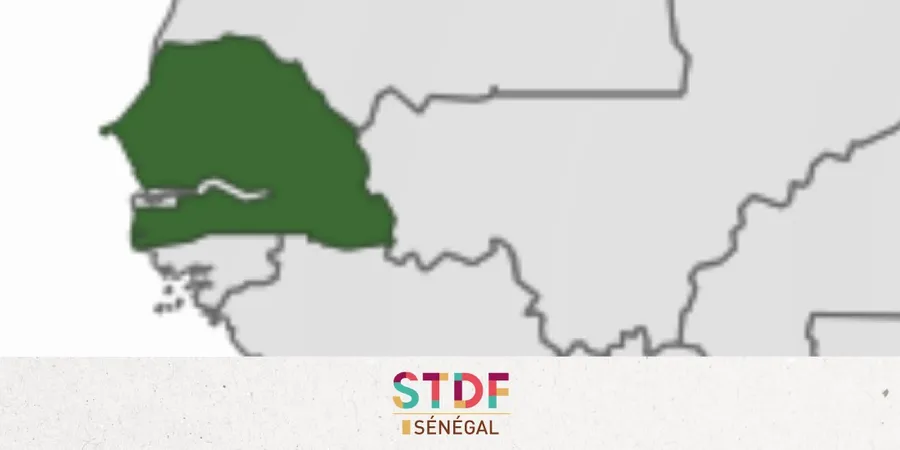
Senegal, like many countries in the Sahel region, faces major challenges in securing its food supply in the face of rapid population growth and urbanisation. The threat posed by climate change, with the increased spread of pests and transboundary diseases, poses a significant risk to the country's agriculture and food security. In this context, the Senegalese Ministry of Agriculture, led by the Directorate of Plant Protection, has launched a major initiative to strengthen its phytosanitary system through a new STDF funded project entrusted to COLEAD.The project proposes a series of updates and improvements to current plant health management frameworks to bring Senegal up to international phytosanitary standards. It has four main thrusts: revising the legal framework, strengthening operational capacity, improving the skills of the staff involved, and stimulating communication and cooperation between the various stakeholders.By addressing these issues, Senegal hopes not only to strengthen plant protection, but also to facilitate safe international trade in its agricultural products, particularly fruit and vegetables. Compliance with IPPC standards will ensure that Senegalese exports meet international phytosanitary requirements, minimising the risk of harmful interceptions and enhancing the country's reputation on the world market.Through this project, Senegal is positioning itself as a regional leader in phytosanitary protection, bringing its practices in line with international standards and contributing to a safer and more sustainable global trading environment.The "Strengthening phytosanitary capacity to promote exports of horticulture products from Senegal" project is funded by the WTO's Standards and Trade Development Facility (STDF) at the request of the Senegalese Ministry of Agriculture, Rural Development and Food Sovereignty's (MAERSA) Directorate of Plant Protection.https://standardsfacility.org/PG-946
 News
News
Guinea: good agricultural practices for small potato farmers
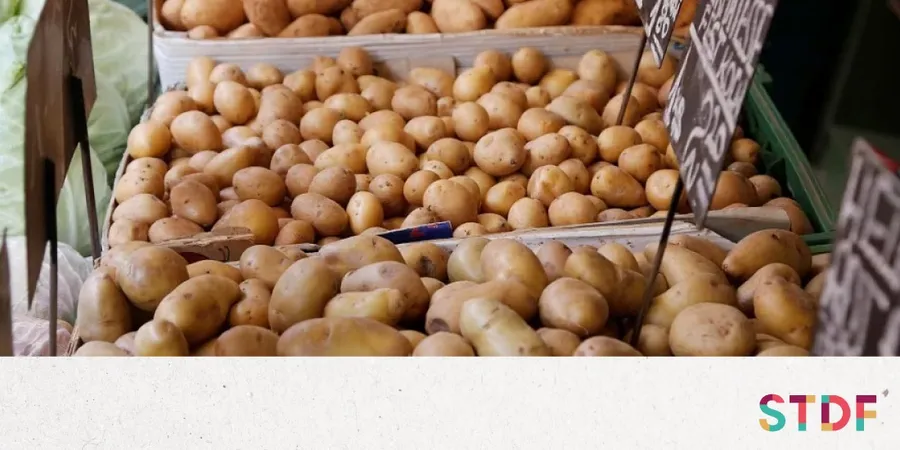
In February, COLEAD, through the STDF Guinée programme, organised a training session in Mamou to improve the skills of supervisors and extension workers in disseminating good agricultural practices in potato production. The training focused on the effective use of the "Boîte à Images", an educational tool to help communicate the key messages of the Good Potato Practice Guide. Particular emphasis was placed on food safety and plant health aspects, emphasising the importance of responsible agricultural practices to ensure safe and healthy production.At the end of this intensive training course, the participants are now equipped to conduct awareness-raising sessions with smallholder farmers. Thanks to the “Image Box”, they can illustrate the consequences of poor farming practices and suggest concrete improvements. This approach will ensure that good practices are effectively disseminated to potato growers. With these new ambassadors of good practice, Guinea is equipping itself with the resources it needs to improve the quality and safety of its potato production, thereby contributing to its agricultural and economic development. This action was organised as part of the project to strengthen the phytosanitary control and certification system in Guinea, financed by the Standards and Trade Development Facility (STDF) and implemented by COLEAD.
 News
News
Flashback 2005: task forces in the fruit and vegetable sector, strengthening public-private dialogue
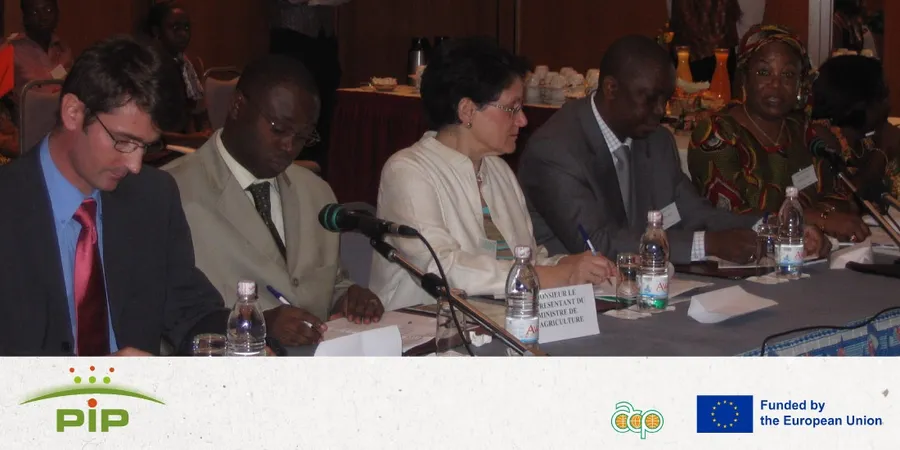
(Source : PIP Magazine, July 2005)“(…)The European Union defines specific food safety and phytosanitary standards for all types of food, whether produced on its territory or imported from third countries. Naturally the ACP fruit and vegetable export sector is obliged to abide by these rules. In that context, ACP private operators and the public sector have to work together to develop strategies enabling them to take up current and future challenges. With that aim in mind, the PIP programme supports the creation of Task Forces as structures for private-public dialogue.Changing food safety requirements on the European and global market make it increasingly difficult for ACP fresh fruit and vegetables exporters to come up with personalised responses to the different challenges they face. The coordinated intervention of the public and private sectors is therefore increasingly crucial. To promote and enhance public-private dialogue, the PIP programme is currently investing considerable efforts, as part of its Local Capacity Building drive, to set up and develop Task Forces in ACP States.To date, nine national Task Forces have been created, six in West and Central Africa, namely Senegal, Ghana, Burkina Faso, Mali, Guinea and Cameroun; two in East Africa, namely Kenya and Uganda; and one in the Caribbean.Sharing knowledge and developing joint strategies The Task Forces are permanent dialogue and working groups, which bring together the private- and public-sector players active in the fruit and vegetable sector. These include production companies, professional organisations, laboratories, legislative and monitoring bodies. They serve as forums for discussion and exchange, enabling members to share their knowledge with a view to developing strategies and implementing actions based on consultation and consistency. Companies can use these structures to let the public sector know their needs and the actions they think should be taken. These structures allow the public sector to get first-hand information from private operators and to receive some feedback from them on policies that have been implemented and measures being considered. A well structured and active Task Force can act as a lobbying group with national authorities as well as with national and international donors on a variety of SPS (sanitary and phytosanitary) and trade issues. In time, the national Task Forces could create structures at regional level that would have real powers of representation and negotiation for issues of common interest, especially on technical and trade matters. These regional Task Forces could then be grouped into a central structure for representation on important export markets.One can clearly see that Task Forces play a very important role and that their potential for action is immense. That is why an analysis of Task Force experiences and difficulties was carried out over the last few months under the PIP programme . The evaluation gave rise to a reference paper entitled “Guidelines for the Implementation and Functioning of Task Forces”, which presents recommendations for setting up and managing a Task Force. There is no standard profile of a Task Force, each has to be adapted to the context, structures and strategies of the country's fruit and vegetable sector. On the other hand, there are what can be called “keys to success” which are reflected in certain ground rules to be observed, particularly as regards the establishment and representation of the structure as well as its group work and long-term sustainability (…)”
 News
News
18 months after FFM+ launch: over 900 applications received and 300 development projects underway
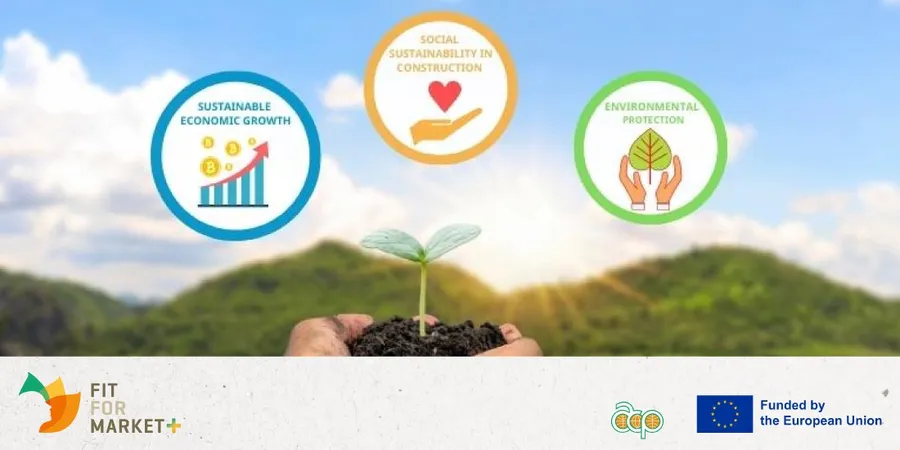
Support for the Fit For Market Plus (FFM+) programme has been designed to contribute to the transition of agriculture in the member countries of the Organisation of African, Caribbean and Pacific States (OACPS) towards a more sustainable agricultural and food system by integrating the priority areas for action set out in the EU Green Pact's Farm to Fork Strategy.FFM+ has been designed and implemented as a continuation of the FFM and FFM SPS programmes and the results of COLEAD's COVID Action Plan, which has been implemented since March 2020. The FFM+ programme supports the horticultural sector in the OACPS countries. It aims to maintain and improve the capacity of smallholder farmers, farmer groups and horticultural MSMEs to access national, regional and international markets through the progressive sustainable intensification of the horticultural sector, while adapting to changes in their operating environment due to Covid-19 and climate change.Since the operational start of the FFM+ programme (1 July 2022, opening of online application forms for support), more than 910 applications have been received from partner beneficiaries in 54 OACPS member countries. 60% came from micro, small and medium enterprises and producer groups. More than 80% have been analysed and almost 300 development projects have already been signed with partner beneficiaries.
 News
News
DRC: training supervisors in Bukavu to help producers meet market demands
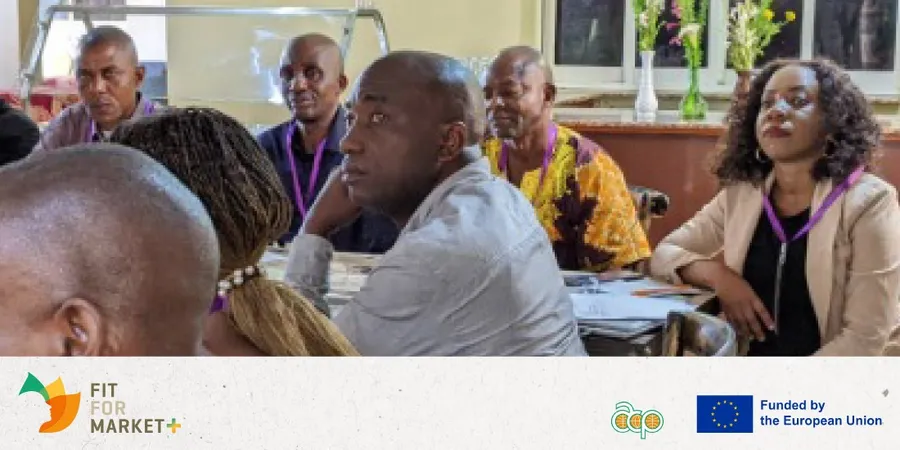
As part of its ongoing commitment to promoting excellence and sustainable development within agricultural cooperatives, COLEAD recently organised a training session for supervisors of producer support structures in Bukavu as part of its Fit For Market Plus programme. The initiative, which lasted for two intensive weeks, brought together supervisors and experts from different smallholder support structures with a common goal: to strengthen their pedagogical and technical skills in order to better support producers to meet market demands.Emphasis was placed on the use of an innovative methodology for educational activities designed to effectively transfer knowledge to producers. Participants from a wide range of backgrounds were able to familiarise themselves with practical tools designed to improve practices within cooperatives and respond appropriately to challenges on the ground.The dynamics of the session were characterised by an exceptional level of engagement and motivation from the participants. The training offered everyone, regardless of their initial technical and pedagogical level, the opportunity to learn the techniques of educational leadership and to take a proactive approach to learning and applying the knowledge acquired.One of the most significant outcomes of this training is the development by the participants of a personalised training programme to be implemented within their respective structures. This work illustrates the willingness of the participating organisations to sustain and share what they have learnt from the training beyond the individuals directly involved, with the aim of broadening its impact at a local and regional level.Thirteen trainers attended the course, including two from Burundi, underlining the importance of regional cooperation in capacity-building efforts. This initiative is laying the foundations for a future in which local structures in DRC and Burundi are better equipped to face market challenges while adopting a sustainable development approach.The next training session in the DRC will take place in Kinshasa in May/June.
 News
News
Final evaluation of the FFM and FFM SPS programmes
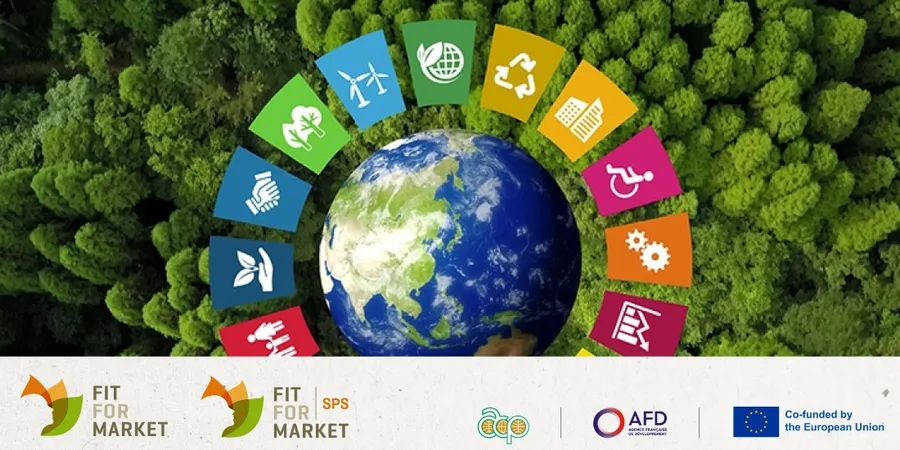
Launched in 2016 and 2019 respectively, the FFM and FFM SPS programmes have built on the valuable lessons learned from COLEAD's previous initiatives, amongst other the Pesticides Initiative Programme (PIP & PIP2) and the Development of Food Safety Systems (EDES), funded by the European Union (EU), and the Organisations of ACP States (OACPS). With funding from the EU, the OACPS and the Agence Française de Développement (AFD) of €25 million for FFM and a contribution of €15 million from the EU and OACPS for FFM SPS, the FFM and FFM SPS programmes represent a strong commitment to sustainable and inclusive agricultural development in member countries of the OACPS, with a particular emphasis on the horticultural sector.A final technical evaluation was carried out from September 2023 until February 2024, and consisted of an inception phase, a desk study phase and an intensive field mission phase in 11 countries where both programmes have been active : Surinam, Dominican Republic, Sénégal, Ghana, Togo, Cameroon, Uganda, Zimbabwe, Madagascar, Papua New Guinea and Fiji.According to the evaluation team, the positive results of the FFM and FFM SPS programmes are largely due to COLEAD's ability to adapt to different national contexts and to meet challenges such as the COVID-19 pandemic and changes in market access conditions. In particular, COLEAD's ability to adapt its approach to the specific SPS policies of each country and to the particular needs of individual partner beneficiaries was considered remarkable.COLEAD's expertise and the quality of the capacity building support provided to all partners was highlighted, leading to recognised and measurable improvements in sustainability and SPS practices among partner beneficiaries. In addition, COLEAD's strategic cooperation with other initiatives has been crucial in providing complementary support, demonstrating a commendable coordination effort that leverages the strengths of different actors towards common goals.The FFM and FFM SPS programmes’ substantial contribution to market access, management skills, sectoral link strengthening, support for SPS compliance, fostering technical innovation, and promoting sustainable practices has led to tangible economic benefits (improvements in livelihoods, including education, food security, and household investments) and improved adoption of sustainable production practices among MSMEs and producer groups.In terms of recommendations, the final evaluation highlights the need for COLEAD to pursue its decentralisation process, to strengthen field missions for improved information sharing, to foster more partnerships and to focus increasingly on the economic and commercial performance of operators in order to contribute to access to finance facilitation for MSMEs and producer groups.Moving forward, COLEAD is incorporating the lessons learned and recommendations from these programmes for the implementation of current and upcoming interventions through member of the OACPS and beyond.These positive results are an opportunity to thank the entire COLEAD team and its network of experts in the field, who together have contributed to these results. We would also like to thank our partners, the European Union, the OACPS and the AFD for their trust. This encourages us to continue our efforts to ensure that agriculture contributes to achieving the Sustainable Development Goals. That's what our mission is all about.This activity is supported by the Fit For Market and Fit For Market SPS programmes, implemented by COLEAD within the Framework of Development Cooperation between the Organisation of African, Caribbean and Pacific States (OACPS) and the European Union. Fit For Market is co-funded by the French Development Agency (AFD). This publication has been developped with financial support of the European Union and the OACPS. The content of this publication is the sole responsibility of COLEAD and can in no way be taken to reflect the views of the European Union or the OACPS.
 News
News
Philippines–EU fisheries trade: EU market access today and tomorrow
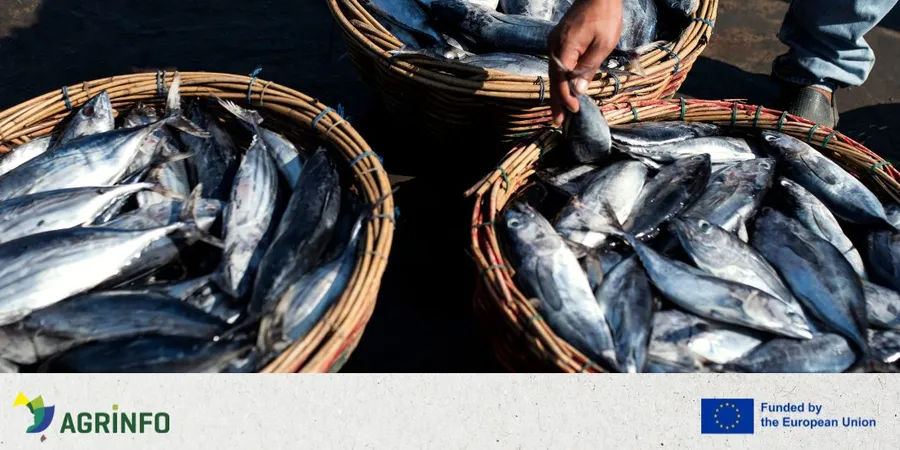
On 19 March a timely webinar for the Philippines fish and seafood sector was held just as trade negotiations resumed between the Philippines and the European Union. The webinar, organised by the AGRINFO programme along with the Philippine Embassy in Brussels and the Bureau of Fisheries and Aquatic Resources (BFAR), focused on the the world’s biggest single market for fish and fishery products - the EU market.Pablito Mendoza, Deputy Chief of Mission and Consul General of the Embassy, welcomed participants, and Martin van Brakel, COLEAD’s fisheries expert, gave a brief introduction to the EU-funded AGRINFO information service. On behalf of our partner MacAlister Elliott & Partners (MEP), Francisco Blaha described the context of the Philippines–EU fisheries trade. He presented a comprehensive overview of regulatory requirements for EU market access, including food safety issues and official guarantees for fish as a legally caught resource. It will be important for exporters in the Philippines to keep up with upcoming changes to EU policies and rules.More than 200 participants – from private sector companies, fishing, aquaculture, processing industries, and exporters – meant there was a lively discussion and Q&A; session. Key topics included opportunities for export diversification into aquaculture, composite products, and higher-value products. On behalf of the Philippines Department of Agriculture, Kristine Yap, Agriculture Attaché to the EU, thanked all the participants for enriching discussions, valuable insights, and meaningful connections forged during the webinar.This webinar was organised as part of the AGRINFO programme, implemented by COLEAD and funded by the European Union (EU).
 News
News
COLEAD at the world banana forum: advocating for a sustainable future in the banana industry
In an important step towards sustainable development in the banana industry, COLEAD participated in the Fourth Global Conference of the World Banana Forum. This world event, hosted by the Food and Agriculture Organization of the United Nations (FAO), took place on 12-13 March at the FAO headquarters in Rome, Italy. It brought together stakeholders from around the world to focus on promoting sustainable practices in the banana sector.The World Banana Forum is a beacon of collaboration, bringing together private sector entities, farmer organisations, agribusinesses, government institutions, trade unions, the retail sector, civil society organisations, research institutions and certification bodies. It aims to promote the adoption of best practices to ensure the sustainable production and trade of bananas.COLEAD, led by Morag Webb as Head of Science & Policy, and a member of the Steering Committee since 2015, has been at the forefront of these efforts. The organisation's active participation in the Forum underlines its commitment to addressing the critical challenges facing the banana industry, ranging from environmental impacts and climate change adaptation to sustainable production systems and equitable trade practices.This year's conference addressed a wide range of pressing issues such as the environmental impact of banana production, climate change mitigation strategies, sustainable farming systems, fair distribution of value along the supply chain, living wages, shared responsibility, due diligence, labour rights, decent work and gender equity. It also served as a platform to discuss the latest developments within the World Banana Forum and to elect new members to the Steering Committee.Prior to the main event, COLEAD representatives also participated in key side events on 11 March, including a discussion on Fusarium Wilt TR4. This session highlighted the proactive measures being taken by the industry to prevent, prepare for and respond to the threat of TR4. Another notable session focused on gender equity in the banana industry, with Inês Bastos, Regional Programme Manager and Gender Focal Point, highlighting innovative initiatives to promote gender mainstreaming and equality.The World Banana Forum and events like this play a crucial role in global efforts to ensure a sustainable future for the industry. As the world's most exported fresh fruit, with an estimated economic value of US$10 billion per year, bananas are a vital link in the global supply chain. Addressing the environmental, economic and social challenges facing the industry is paramount and requires the active collaboration of all stakeholders.Through its engagement with the World Banana Forum through the Fit For Market Plus programme, COLEAD is committed to contribute to positive change within the industry, towards a future where sustainability, equity and prosperity are within reach for all stakeholders.This activity is supported by the Fit For Market Plus (FFM+) programme, implemented by COLEAD within the Framework of Development Cooperation between the Organisation of African, Caribbean and Pacific States (OACPS) and the European Union. This publication receives financial support from the European Union and the OACPS. The content of this publication is the sole responsibility of COLEAD and can in no way be taken to reflect the views of the European Union or the OACPS.
 News
News
The critical role of gender equality in sustainable development
On the occasion of the International Women's Day, we celebrated in March the significant contributions of women in agri-food systems around the world. The agri-food sector is a major source of employment for women, with an estimated 66% of women in sub-Saharan Africa working in the sector. However, women often face discrimination and constraints that limit their productivity and earning potential.Understanding the root causes that limit women's participation in agriculture is critical to integrating gender equality into sustainable agri-food systems. Factors such as discriminatory social norms, care responsibilities, lack of access to subsidised agricultural inputs and credit, and the seasonality of labour demand disproportionately affect women's productivity and opportunities for upgrading.Race, ethnicity, age, disability, and health also play a role in determining women's access to agricultural resources. In most cases, lack of land ownership and tenure security limits women's ability to benefit from participation in global value chains. This is particularly alarming given the role of women in horticulture, where they have been instrumental in the growth of the sector but often have limited access to training in alternative and advanced horticultural technologies.COLEAD, an organisation dedicated to sustainable agricultural production and trade, recognises the critical role of gender equality in sustainable development. We are committed to addressing the vulnerabilities and disadvantages faced by women in the agri-food sector and actively promoting their empowerment.Integrating a gender perspective into agricultural technology development, training programmes and policy design has been shown to increase women's productivity and the adoption of sustainable agricultural practices. Engaging men and addressing their own perceptions of gender barriers is also critical to ensuring that women's needs and priorities are prioritised.As an example and illustration of women's remarkable contribution to sustainable global agriculture, we would like to pay special tribute today to the 58 exemplary and inspiring women entrepreneurs from the COLEAD network, featured in our online Partnership Agrifood Sessions.In addition to recognising the contributions of women in the agri-food sector, we also took this opportunity to celebrate the women within our organisation (60% of COLEAD team members are women) who are working towards our shared vision of gender equality and sustainable agriculture. Their skills, passion and commitment are vital to our mission! A big thanks to all of them!We recognise that achieving gender equality in the agri-food sector requires a collective effort and a holistic approach. It involves addressing structural barriers that limit women's access to resources, challenging discriminatory social norms and promoting women's leadership and decision-making.On this International Women's Day, we reaffirmed our commitment to provide training and skills development opportunities to support efforts to help both women and men access the knowledge and resources they need to adopt sustainable agricultural practices and comply with international market standards and regulations. We are committed to creating the conditions for successful women entrepreneurs and managers to inspire their peers to believe that everything is possible.Let's celebrate the achievements of women in agri-food systems and continue to strive for gender equality in sustainable agriculture!Read COLEAD's Gender Equality Statement here.© Photo credit : UN
 News
News
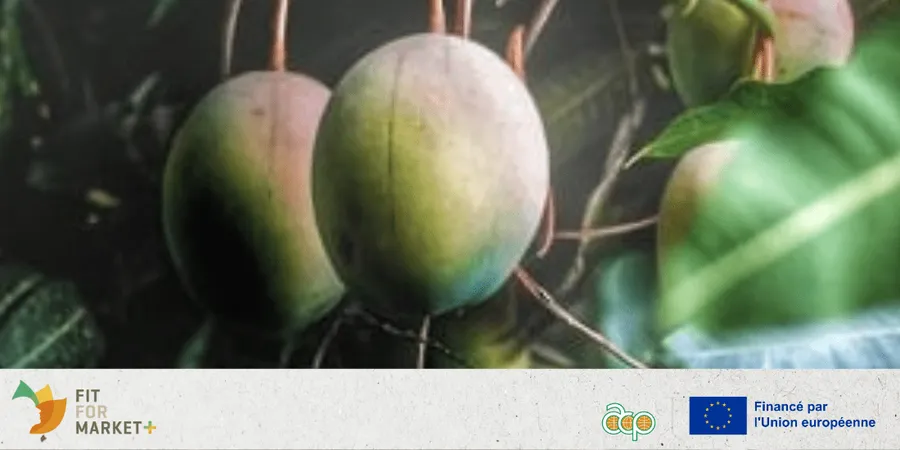
Sustainable mango production in Mali
As part of its efforts to increase the competitiveness through the adoption of sustainable practices by Malian companies, COLEAD organised two intensive training sessions on GlobalGAP Integrated Farm Assurance (IFA) version 6 in Bamako, Mali, as part of the Fit For Market Plus programme. These training sessions, organised in response to growing demand from local companies exporting mangoes to the European Union, aimed to bring food safety and sustainable management practices in line with the latest international standards.The introduction of GlobalGAP Integrated Farm Assurance (IFA) version 6 brings significant advances and changes aimed at improving food safety, environmental sustainability and the overall well-being of workers. Specifically, IFA version 6 introduces new sustainability criteria focusing on plastic use, water and waste management, carbon neutrality and deforestation. These criteria reflect a commitment to environmental responsibility and ethical practices. Another significant addition is the requirement for producers to implement a continuous improvement plan. This plan should outline the farm's objectives and targets for reducing chemical use and improving worker health, among other sustainability goals.The first training session took place in January 2024 and was specifically designed for companies that were not yet GLOBAL G.A.P. certified. It brought together 11 companies and focused on the 'modalities and checklists' of version 6 of the standard. Topics covered included GLOBAL G.A.P. Certification Options I and II, the implementation of an Internal Control System (ICS) and a Quality Management System (QMS) for Option II, and the implications in terms of equipment, processes, budget and human resources for individual and QMS audits.The second session, held in February, was aimed at companies already certified to version 5.2 of the GLOBAL G.A.P. standard and wishing to update their quality management system to version 6. This session brought together 7 companies and focused on the specific requirements of version 6, the impact of these new requirements on the existing QMS and the adaptations required to respond to these changes.These training sessions provided participants with the essential tools to successfully implement the GLOBAL G.A.P. version 6 standard within their companies. They also identified the adaptations required to comply with the standards of this latest version, ensuring that participating companies are better able to meet the requirements of their respective markets.Thanks to this training and the introduction of COLEAD's sustainability self-assessment system among companies, Mali is taking an important step towards improving the quality, sustainability and competitiveness of its mango exports and strengthening its position on the international market.This activity is supported by the Fit For Market Plus (FFM+) programme, implemented by COLEAD within the Framework of Development Cooperation between the Organisation of African, Caribbean and Pacific States (OACPS) and the European Union. This publication receives financial support from the European Union and the OACPS. The content of this publication is the sole responsibility of COLEAD and can in no way be taken to reflect the views of the European Union or the OACPS.