
Cultivating
Sustainable Futures
 News
News
EU and GB approval changes from January to March 2023
EU and GB approval changes Following the United Kingdom (UK) departure from the European Union (EU), COLEAD’s Regulation Monitoring now covers both EU and Great Britain (GB) approval changes, enabling us to keep COLEAD members and partner-beneficiaries up-to-date on both regulatory frameworks. Note that EU approvals still apply in Northern Ireland. Great Britain is the mainland comprising England, Scotland and Wales. The European Commission (EC) has recently published changes to 20 plant protection product (PPP) approvals within the EU. These include: - Extension of the approval period for 14 PPPs - Renewal of approval of active substances abamectin and Pseudomonas chlororaphis strain MA 342 - Approval as a low-risk substance of Trichoderma atroviride AT10 and Trichoderma atroviride agr2 - Non-renewal of approval of active substance benfluralin - Non-approval as a low-risk substance of lemon essential oil - Notification to the WTO of its intention to withdraw the approval of ipconazole and not to renew the approval of dimoxystrobin. GB has not published nor notified any approval changes during this period. How will ACP producers/exporters be affected? Non-approval, withdrawal of approval or expiration of approval mean that EU/GB maximum residue levels (MRLs) are likely to be maintained or reduced to the limit of determination (LoD) which, in most cases, will mean that they can not be used on crops for export to the EU/GB. What should ACP producers/exporters do now? If you currently use benfluralin, ipconazole and dimoxystrobin on crops destined for the EU market , you need to ensure that current uses allow you to comply with new EU MRLs or start looking for alternatives as soon as the change is communicated. If this is likely to cause you significant problems, and you fear being left without effective and available alternatives, please contact COLEAD at: network@colead. link . We will keep you informed as more information becomes available
News
EU and GB MRL changes in January – March 2023
Changes to EU and GB pesticide maximum residue levels Following the departure of the United Kingdom from the European Union (EU), COLEAD’s monitoring of pesticide regulations now covers maximum residue limit (MRL) changes in both the EU and Great Britain (GB), enabling us to keep COLEAD members and partner-beneficiaries up-to-date. Note that EU MRLs still apply in Northern Ireland (GB covers only England, Scotland and Wales). During the period January-March 2023, we have been highlighting significant changes to EU MRLs that affect 45 active substances, 15 of which are important for ACP export horticulture. During this same period, changes of MRLs in GB affect 6 active substances, of which 2 are considered key substances for ACP horticulture (lambda-cyhalothrin and mandipropamid ) . The EU and GB have also recently notified the World Trade Organization (WTO) of additional proposed changes involving a further 13 substances including 6 that are key in ACP horticulture (diuron, spinetoram, thiram, pyriproxyfen, methomyl, and teflubenzuron). Note that comments and concerns can be submitted to the WTO via the national contact points . How will ACP producers/exporters be affected? Changes to EU/GB MRLs also apply to products that are exported to the EU/GB. Growers producing for export may need to adapt their practices to meet the new MRL or, if this is not possible, stop using these products and look for an alternative method of pest management. What should ACP producers/exporters do now? For each plant protection products (PPPs) and crop concerned, the Good Agricultural Practices (GAPs) in place will need to be verified and possibly adapted to ensure compliance with the new MRLs. The GAPs include dose rate, number of applications, and pre-harvest interval. In some cases, adaptations to the GAPs will allow the new MRLs to be met. However, in many cases, especially where the level is reduced to the Limit of Determination (LoD), it may not be possible to meet the new MRL, and growers will have to look for alternative crop protection solutions. This is essential to avoid interception and destruction of exported produce at the EU/GB borders. In case there is no available alternative, suppliers can consider the option of requesting an import tolerance. The process for approving an import tolerance MRL in the EU can take time and may imply costs. It is recommended to contact the PPP manufacturer to assess the feasibility. If you have any major concerns about these changes, and fear that you will be left without an effective and locally available alternative, please contact COLEAD at: network@colead.link .
 News
News
Boosting intra-Africa trade: the agricultural midstream in the value chain – FFM+ in action at AASW8 side events
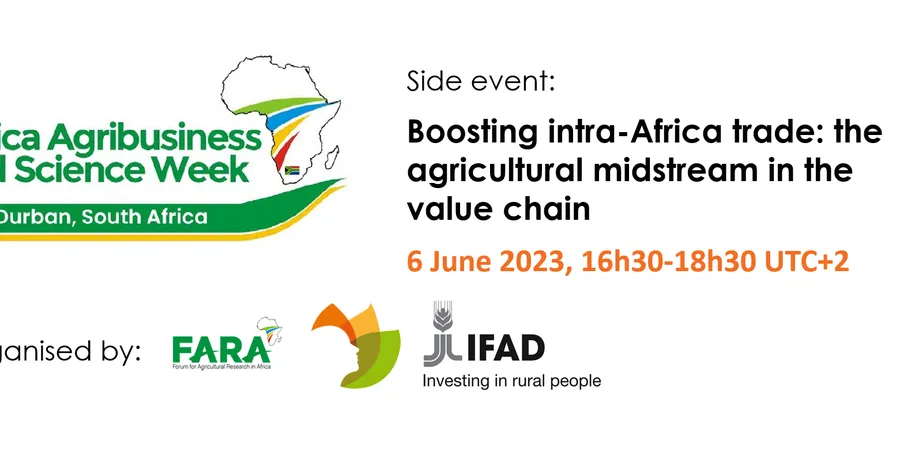
As the link between the primary production of crops and the final stage of consumption, the agricultural midstream sector has a great potential to drive intra-African trade. It includes the processing, storage, and transportation of agricultural products, and it plays a crucial role in improving their quality, and making them marketable. This also contributes to reducing post-harvest losses. At the same time, intra-Africa trade has long been recognized as a crucial driver of economic growth and development for the continent. However, many challenges hinder intra-African trade such as poor infrastructure, high transportation costs, and low productivity. The agricultural midstream can function to mitigate these problems through innovations and the promotion of regional value chains, efforts of which are led by many successful African farmers and agri-entrepreneurs.On Tuesday 6 June, 4:30-6:30 PM UTC+2, FARA, the COLEAD, and IFAD are convening to host a side event on Boosting intra-Africa trade: the agricultural midstream in the value chain at the 8th African Agribusiness and Science Week (AASW). The side event will feature 2 inspiring African entrepreneurs and a panel of experts.The session will be held online and on-site in Durban, South Africa. Online participants have to register using this link.Find the concept note here and biodata here.Live interpretation in English and French will be available.The AASW is the main continental platform to share progress and information, network, create business alliances, and map out priorities for joint action. The 8th AASW focuses on strengthening linkages between agribusiness and science plus innovation to improve the continent’s productivity and competitiveness in agro-industry. It will be held in Durban, South Africa, from 5 to 7 June.Registrations are required for on-site participation here.Stay tuned for upcoming news articles about the stories of featured panellists!COLEAD’s contribution is supported by its Fit For Market Plus programme, implemented within the framework of Development cooperation between the Organisation of African, Caribbean and Pacific States (OACPS), and the European Union (EU).This publication is supported with the financial support of the EU and the OACPS. Its contents are the sole responsibility of COLEAD and can under no circumstances be regarded as reflecting the position of the EU or the OACPS.
 News
News
Ethiopia: Rapid assessment of the SPS system
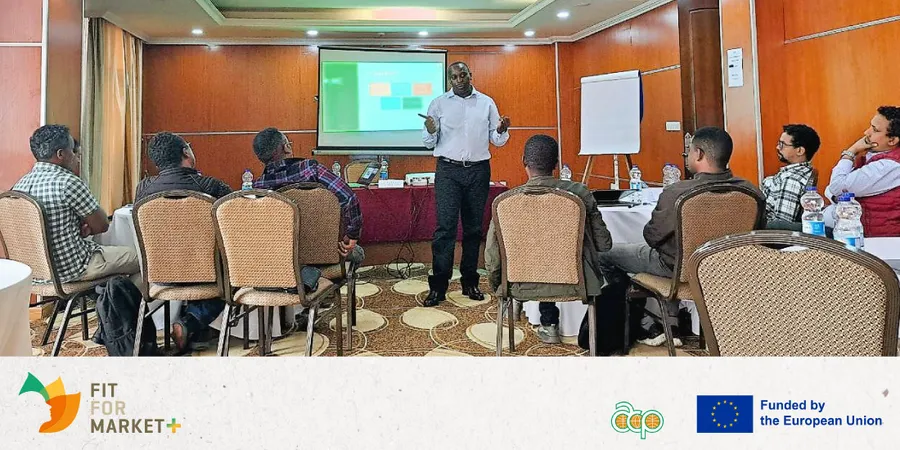
Ethiopia has one of the fastest-growing economies in Africa and is home to the second largest population (about 100 million people) after Nigeria in Africa. The total area of the country is 1.12 million km2. Agriculture contributes 45% of the Gross Domestic Product and employs more than 80% of the population. In the 2014/15 financial year, 75% of export earnings were generated from Agriculture.The role of the government is therefore crucial in creating a conducive environment for business and investment through the creation of favourable policies and incentives. This could include, among others, facilitation of financing and land allocation to investors, in addition to tax incentives in the importation of farm machinery, inputs and equipment. Ethiopia has gained traction in the horticultural sector; the federal government is aiming to expand and diversify market outlets. The European markets are emerging as a priority destination for Ethiopian produce – the Middle East markets, China and other regional destinations in Africa are also important. However, recognising the need to transform the horticultural sector towards high-value production and improved agro-industry, the sector has introduced basic transformation changes as an intervention.COLEAD has partnered with the Ethiopian Agricultural Authority (EAA) with the aim of setting up effective SPS systems. SPS systems and activities in Ethiopia are the responsibility of the state. In this partnership, COLEAD and EAA are assessing the national SPS system in Ethiopia using the COLEAD Rapid SPS Assessment Tool (R-SAT) methodology, which is intended to focus on food safety and plant health control systems within the avocado value chain. The approach used was conducted in a step-by-step sequence of activities together with a technical working group drawn from both public and private stakeholders.The R-SAT provides a practical, step-by-step guide to assist African, Caribbean, and Pacific countries in their assessment of national SPS systems to strengthen them to meet international standards and regulations. The aim is to facilitate the development of a national priority action plan to strengthen SPS systems, which is firmly anchored on a common strategic vision agreed by all stakeholders. The R-SAT is considered as an integrated change management model to facilitate dialogue and engagement among key SPS stakeholders.This activity is supported by the Fit For Market Plus (FFM+) programme, implemented by COLEAD within the Framework of Development Cooperation between the Organisation of African, Caribbean and Pacific States (OACPS) and the European Union.This publication is supported with the financial support of the EU and the OACPS. Its contents are the sole responsibility of COLEAD and can under no circumstances be regarded as reflecting the position of the EU or the OACPS.
 News
News
SOWIT, CIRAD & COLEAD in Ghana : a partnership to digitize the Mango value chain
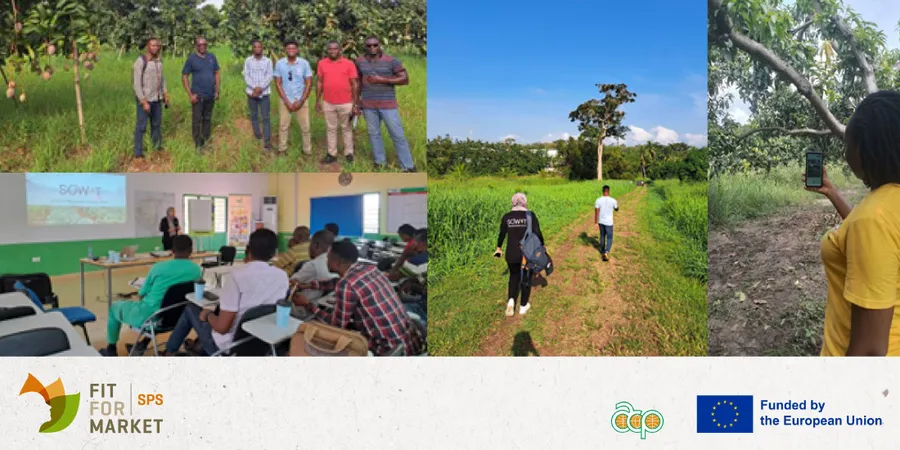
Measuring and predicting yields are major challenges in agriculture. The uncertainty of such evaluations has multiple repercussions that can affect the development of entire value chains.HPW Fresh & Dry Ltd., the largest dried-fruit producer in West Africa, requested support from COLEAD to resolve one of its most critical pain points: the lack of methods to estimate yields of its partner mango farmers reliably and efficiently. The company’s goal was to be able to accurately size its supply chain and optimize the resources needed to collect the data on the ground from the multitude of outgrowers.CIRAD had presented their image recognition app to COLEAD a year previously. Since then, CIRAD has partnered with the startup SOWIT for the distribution of the yield estimation solution SOYIELD®. COLEAD Research and Innovation Brokerage department proposed to conduct a pilot with HPW in Ghana.SOYIELD® had been successfully deployed in mango production in Côte d’Ivoire and Senegal, and in Morocco and Tunisia on citrus crops, with the app able to estimate the yields with a precision of 90–95% for various crop conditions. Ghana was a new territory for SOYIELD® and represented an opportunity to evaluate the solution and observe its scalability first-hand, across regions and crop conditions. Spending a week with the HPW field team also allowed SOWIT to build further capacity on the ground, by onboarding farmers and HPW resources alike on the use of precision agriculture technologies leveraging artificial intelligence (AI) and remote sensing to empower smallholder farmers. This was achieved through a series of training sessions with farmers to build their understanding of AI as a whole; how it works, its benefits and challenges. Farmers also received field training, where they were able to test the solution in real conditions.This first season was successful, and the teams found that the model is proficient at detecting mangoes for yield estimation in Ghana’s conditions (without further training). The full study shows that there is a margin of error of around 10.5%, which is expected to decrease to around 7% due to the ability of the model to learn from its past experiences. HPW teams will continue using SOYIELD® for the upcoming major mango season, which will constitute the second phase and validation of this pilot.The deployment of digital technologies can support increased competitiveness and sustainability of the agrifood sector and will be key in the future for the transformation of the food systems. Through its EU-funded programme Fit for Market SPS, COLEAD supports private sector operators and public authorities to deliver healthy food across African, Caribbean and Pacific (ACP) countries and aims to contribute to accelerating investment in digital infrastructure, upscaling successes and promoting best practices across regions. This example demonstrates how, via proof of concepts and pilots, COLEAD intend to support testing and adapting solutions to the ACP context to bridge the ‘last mile delivery’, thereby ensuring that farmers have access to suitable innovation.This activity is supported by the Fit For Market SPS programme, implemented by COLEAD within the Framework of Development Cooperation between the Organisation of African, Caribbean and Pacific States (OACPS) and the European Union.This publication is supported with the financial support of the EU and the OACPS. Its contents are the sole responsibility of COLEAD and can under no circumstances be regarded as reflecting the position of the EU or the OACPS.
 News
News
Benin: training in sustainable soil management
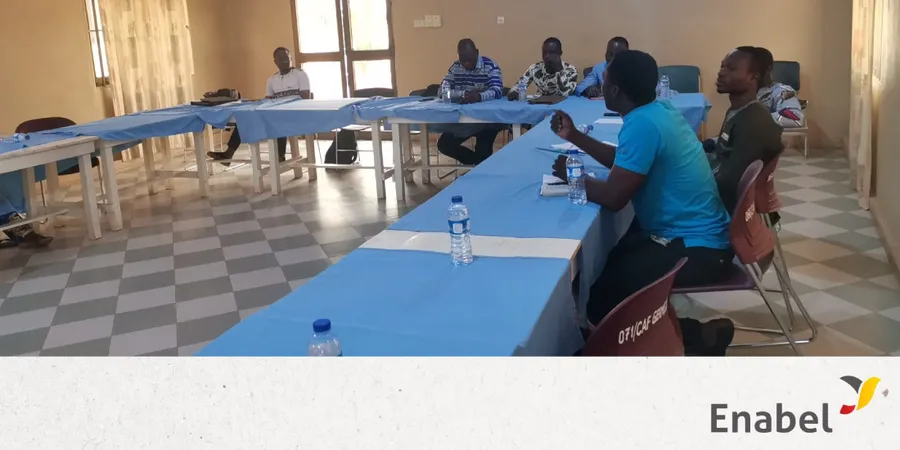
COLEAD organised a collective training course on ‘Sustainable soil management’ for the partner clusters of the DEFIA programme within the framework of the Support for the agro-ecological transition of the pineapple sector in Benin project.The training brought together a dozen participants from seven organisations, all of whom were farm managers, company executives or technicians responsible for supervising producers. The participants received training on:Assessment of soil properties and determination of key elements of soil fertilityIdentification of practices that can cause soil degradation and reduced fertilityRecommended practices to preserve or restore soil fertility.During the training, participants also made a field visit to the pineapple field to observe and experiment with soil fertility assessment methods. Feedback from participants about their expectations and the usefulness of the training was positive.The objective of the project is to facilitate the initiation of a process of agro-ecological transition towards a sustainable production system for the pineapple sector. To this end, COLEAD provides Beninese operators with qualified service providers in key areas such as agroecological practices, soil fertility preservation and restoration, crop associations, and more.This training was organised within the framework of the project to support the agro-ecological transition of the pineapple sector in Benin, financed by ENABEL through its Programme for the Development of Entrepreneurship in Agricultural Sectors (DEFIA) and implemented by COLEAD.
 News
News
ACP together in Rome to meet the challenges of plant health
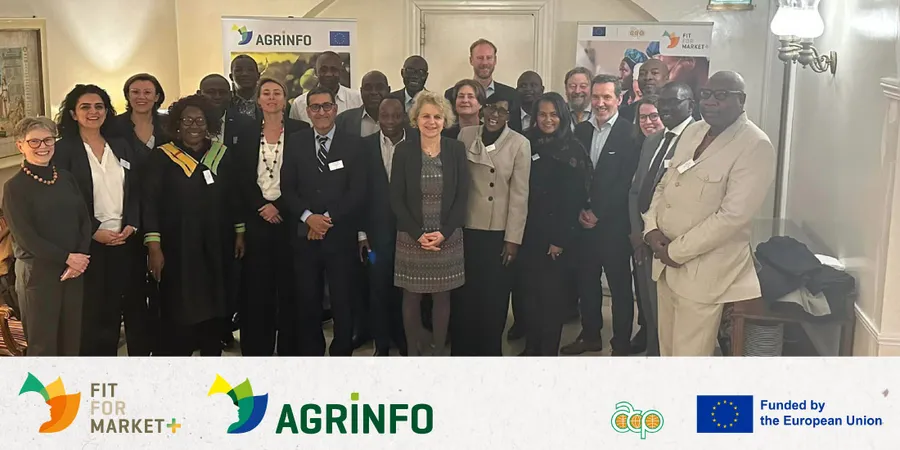
The Commission on Phytosanitary Measures (CPM) held its 17th face-to-face session from 27–31 March 2023 at the FAO Headquarters in Rome. The event was attended by approximately 400 participants from national and regional plant protection organisations, as well as other partner organisations of the International Plant Protection Convention (IPPC), including COLEAD.Complimentary to the CPM-17 event, COLEAD organised two events (in French and English) to provide an overview of recent changes in the European plant health regulations. The testimonials of the national plant protection organisations (NPPOs) described the challenges in complying with the European phytosanitary standards, as well as the measures taken to meet these standards. The discussions have stimulated great interest from countries starting this process, and there are plans to continue these exchanges between NPPOs in the future.COLEAD also presented its support programmes Fit For Market Plus (FFM+) and AGRINFO, as well as the resources available to the horticultural sector in ACP countries in general, and to the relevant authorities in particular.The countries that participated in these events were Benin, Burkina Faso, Cameroon, Chad, Côte d'Ivoire, Guinea, Madagascar, Mali, Mauritania, Togo and the Democratic Republic of Congo, as well as Belize, Bahamas, Barbados, Kenya, Ghana, Ethiopia, Liberia, Malawi, Nigeria, Zambia and Zimbabwe. The participation of seven representatives was secured under the Memorandum of Understanding between COLEAD and IPPC, through the support of the FFM+ programme.Representatives from DG Health, the Standards and Trade Development Facility (STDF) Secretariat and IPPC were also present and participated in the discussions.In addition to this collaboration, and at the request of Common Market for Eastern and Southern Africa (COMESA), COLEAD (in the framework of the FFM SPS programme) and IPPC have joined forces and shared their expertise to develop three e-learning courses on topics related to plant health. These courses have been developed by plant health experts from around the world, under the guidance of the IPPC Secretariat and with the supervision of the IPPC Implementation and Capacity Building Committee. These online courses, which are accessible to all, will soon be available in French.This activity is supported by the Fit For Market+ programme, implemented by COLEAD in the framework of the development cooperation between the Organisation of African, Caribbean and Pacific States (OACPS) and the European Union; and AGRINFO, a programme funded by the European Union and implemented by COLEAD.This publication is supported with the financial support of the EU and the OACPS. Its contents are the sole responsibility of COLEAD and can under no circumstances be regarded as reflecting the position of the EU or the OACPS.
 News
News
Get inspired by entrepreneurs!
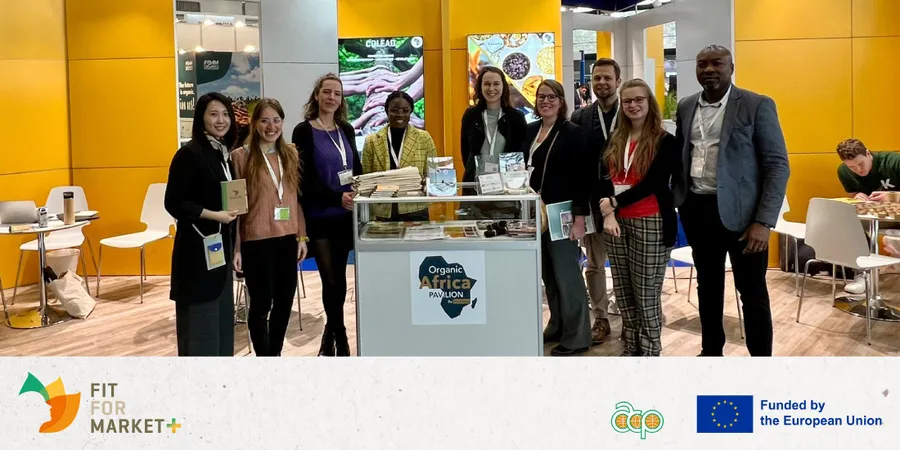
BIOFACH 2023 was an exciting occasion for COLEAD to learn more about the journeys and success stories of African entrepreneurs in the organic farming sector. We had the opportunity to meet inspirational men and women who are turning their ideas into reality and developing their businesses.Here are some inspiring thoughts from the entrepreneurs we met. Get inspired!Read on as they share some of their thoughts and get inspired by them!Wherever you are, get started!! Opportunities can be found anywhere - the entrepreneurs interviewed started off in their current surroundings. “I started drying a few mangoes in my kitchen," said Rose Eclat from Burkina Faso. A representative of JJ Agro Growers Ltd, in Tanzania, said: "I wanted to sell my products on the international level, but I realised that everything starts on the local markets where I can try out the products".Learn by doing - and trust the process. Universities don't usually teach the practical aspects of business development. "We should encourage students to do internships so that they can move from theory to practice," suggested Sam, a representative of a Togolese company.Networking is essential. The key to success lies in the ability to connect with the right people around you. Money alone doesn't necessarily guarantee success. You may be able to start with little money, but having talented people around you is essential. "Having a good network that you can rely on is essential. It's more important than access to finance," said a Senegalese representative of O-Fruity.Lead by example and inspire others. By believing in their business, entrepreneurs can inspire others. "We want the countries of East Africa to respect us. We want Kenya to lead by example. When we make changes in our organisation, we hope that others can learn from them", said a representative of organic farming in Kenya.Trust your employees. Trust is essential if your business is to develop successfully. Having a balanced ecosystem within your organisation will contribute to its success. Gianna Palmaro, Director of Agri-Products Locally Sourced - Vanilla & Spices (APLV), recruits her employees based on their personality rather than their skills. APLV takes care of its employees by offering flexible working hours and allowing them to take responsibility for their own tasks and schedules. After signing a two-year contract, APLV pays its employees' school fees. "Trust is essential at APLV. We can all rely on each other. I trust my staff. It's like a family atmosphere. They are responsible for their work and their hours. I also believe that working fewer hours is more productive.One of COLEAD's roles is to encourage entrepreneurs in their journey and facilitate the sharing of experiences. Particularly when they are inspiring. We do this at international trade fairs like Biofach. But also, throughout the year via webinars such as those in the Innovations series co-organised with PAFO.This activity is supported by the Fit For Market Plus (FFM+) programme, implemented by COLEAD within the Framework of Development Cooperation between the Organisation of African, Caribbean and Pacific States (OACPS) and the European Union.This publication is supported with the financial support of the EU and the OACPS. Its contents are the sole responsibility of COLEAD and can under no circumstances be regarded as reflecting the position of the EU or the OACPS.
 News
News
Unlocking business opportunities with Marlene José: FFM+ in action at AASW8 side events
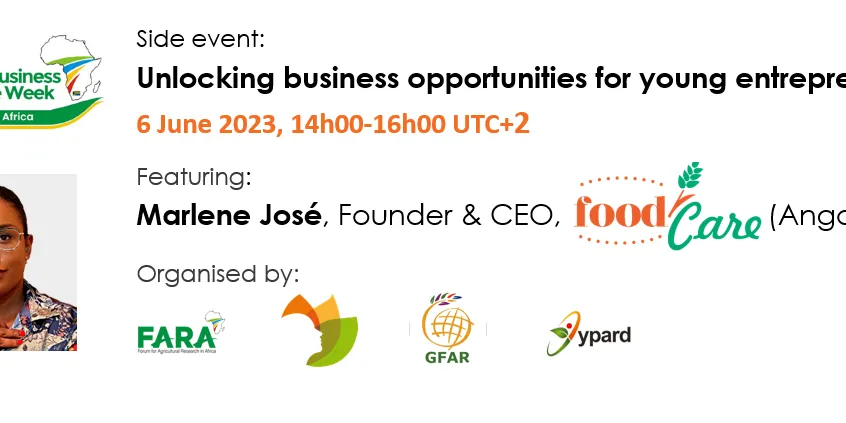
On Tuesday 6 June, 14h00-16h00 UTC+2, Marlene José will present her business during a side event on Unlocking business opportunities for young entrepreneurs organised by FARA, the COLEAD, YPARD and GFAR at the 8th African Agribusiness and Science Week (AASW8). The session will be held online and on-site in Durban, South Africa. Online participants have to register using this link.Live interpretation in English and French will be available. About Marlene José and FoodCareMarlene is the founder and CEO of Angolan agribusiness FoodCare Lda. Created in 2020, FoodCare aims to add Angolan gastronomy to the world map and to promote traditional Angolan food products by producing and packaging products that meet the highest standards set by international markets. A pioneer in the food processing sector in Angola, FoodCare produces a wide range of 100% organic products destined for local and international markets. The company establishes relationships with small food processors in Angola to collectively achieve support and training on food processing practices, business management and financial support for machinery and infrastructure. Additionally, it provides mentoring, engages with and supports the empowerment of others in the value chain. Marlene is an active entrepreneur and strives to create economic opportunities actors in the food industry, including local farmers and small food processors. As a panellist during the PAFO-COLEAD Innovations Session n°12 on “Entrepreneurial Skills Developed by Successful African SMEs”, she highlighted that planning and executing business goals, mastering the craft and ensuring consistency are essential to growth as an SME. Engaging in capacity building and with partners that provide support in training, skills development and access to finance has been key for FoodCare’s development. Following her participation in the Innovations Sessions, FoodCare has become a beneficiary of the Fit For Market Plus programme, implemented by the COLEAD within the Framework of Development Cooperation between the Organisation of African, Caribbean and Pacific States (OACPS) and the European Union. Through FFM+, FoodCare will be receiving support to expand products to new customers and markets and continue to grow. COLEAD’s contribution is supported by its Fit For Market Plus programme, implemented within the framework of Development cooperation between the Organisation of African, Caribbean and Pacific States (OACPS), and the European Union (EU). This publication is supported with the financial support of the EU and the OACPS. Its contents are the sole responsibility of COLEAD and can under no circumstances be regarded as reflecting the position of the EU or the OACPS.
 News
News
(Re-)Discover the producers’ and SMEs innovations in agroecology presented at the PAFO-COLEAD Innovations Session n°13
On 10 May, COLEAD and PAFO convened the Innovations Session n°13 that focused on producers’ and SMEs innovations in agroecology for sustainable agrifood systems. Four inspiring farmers and entrepreneurs presented how their agrifood activities and businesses support agroecology and sustainability. The first panel was followed by the presentations of two African support organisations and of their successes with agroecological practices on the field. The online session – available in English, French and Portuguese - gathered 250 participants and was again an opportunity for agrifood stakeholders from across the globe to connect, share opportunities and start discussions that go beyond the session. Peer to peer learning and exchange of best practices are the core of the Innovations Sessions. During the session n°13, panellists have shared how they contribute to agroecological transitions and what innovations they are developing which could inspire others. Robin Ndung’u (Founder and CEO) started the conversation by presenting Kisumeo Organics Limited. The youth-led farming business in Kenya operates across multiple aquatic value chains (i.e. crawfish, shrimp/prawn, lobster). It also processes crawfish flesh and shells respectively into crawfish powder and livestock feed. The company further ensures that small scale farmers are informed on best uses of climate smart technologies. It is facilitating links to training on crawfish farming, securing reliable markets for products and managing logistics for out growers, of whom are majority women and youth, through its franchise system. Tanzanian company AgriLife Limited transforms organic waste into animal feed and organic fertiliser utilising the Black Soldier Fly. Costantine Edward (Co-founder and Managing Director) explained that the Black Soldier Fly is a rich source of protein and essential amino acids for animal feeds, thus boosting animal productivity. With 70% of the world’s soy production being dedicated to feed animals, AgriLife Limited is offering a sustainable alternative to animal feed that is more accessible and affordable in comparison to conventional feeds, and which has less of an environmental impact. Ella Inzahbo (Founder) presented the women's cooperative AGROTECH that specialises in the producing, processing and marketing of agricultural products. The cooperative uses and promotes agroecological practices to improve its members’ livelihoods, focusing specifically on women and youth and their efforts to strengthen food security and drive sustainable development. This includes selecting seeds that are adapted to climate change by taking into account their conservation and sustainability, as well as producing and using compost to enrich soils. Edmond Ng’walago (Founder and CEO) presented Ngwala Inventions, a Tanzanian company making organic farming more profitable to over 200,000+ smallholder East African farmers. Using a solar powered organic pesticides and fertiliser dispensing system, Ngwala Inventions is combatting the high costs and variability in prices of chemical pesticides and fertilisers. At the same time, it addresses problematic chemical exposures associated with their usage. Through a Mobile App, farmers can also track the performance of their crops and monitor any deficiencies. To complement the presentations made by African entrepreneurs, the second panel of speakers was comprised of experts who are promoting agroecology within their organisations, to better support the stakeholders involved in scaling good practices. Rosinah Mbenya (Country Coordinator) outlined the efforts of Participatory Ecological Land Use Management (PELUM) Kenya in promoting agroecological principles and practices among member organisations. Rosinah highlighted how the practices of PELUM Kenya members contribute to diversification and the circular economy; soil health; input reduction; integrated pest management; participation, co-creation and sharing of knowledge; biological synergies; recycling and efficiency; culture and food traditions; land and natural resource governance; and responsible governance. Koudasse Afantchawo (President) discussed the actions of ROPPA Youth College concerning agroecology training and supporting youth and women. Through its national platforms in Togo, ROPPA has developed several training centres and agroecological farms which combine classroom and field work settings dedicated to teaching agroecological practices for plant and livestock production and to encouraging farmer-to-farmer learning. The recording of this session (and others) is available in English, French and Portuguese on COLEAD’s YouTube channel. This session was supported by the Fit For Market Plus programme, implemented by COLEAD within the framework of Development cooperation between the Organisation of African, Caribbean and Pacific States (OACPS), and the European Union (EU). This publication has been produced with the financial support of the EU and the OACPS. Its contents are the sole responsibility of COLEAD and can under no circumstances be regarded as reflecting the position of the EU or the OACPS.
 News
News
Fall armyworm: effective, sustainable, and affordable control solutions are needed for this devastating pest in Africa
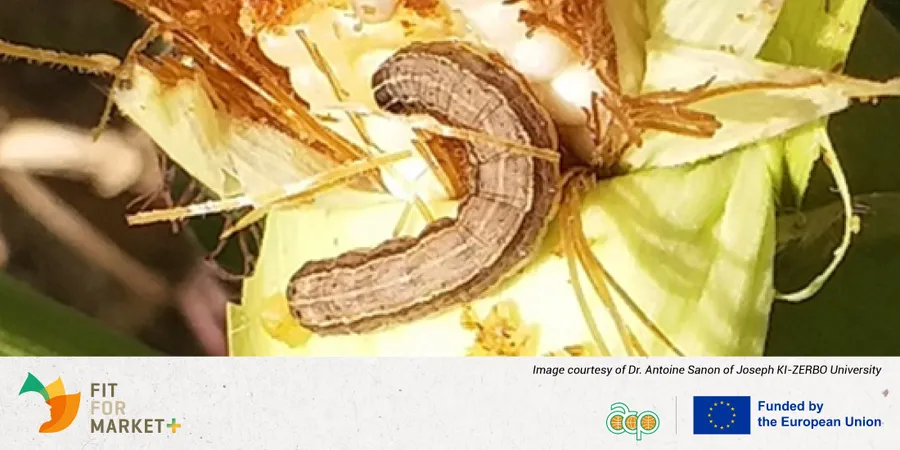
The fall armyworm (FAW), Spodoptera frugiperda, is an emerging insect pest that was first recorded in West Africa in 2016. FAW attacks more than 80 plant species, with a strong preference for maize, one of the most widely produced and consumed cereals in sub-Saharan Africa. Since its introduction, the distribution of FAW has been expanding steadily and now covers the whole of Africa. The pest causes significant yield and economic losses and poses a serious threat to food security in Africa. Furthermore, as it is a quarantine pest, there is a zero tolerance in exports to the European Union.COLEAD's Research and Innovation Brokerage department is conducting research to find effective, sustainable, and affordable solutions to significantly reduce FAW populations.Efficacy trials have been implemented in 2021 to test two biopesticides, followed by an Integrated Pest Management (IPM) trial in 2022 that combined different control methods including varietal tolerance, crop associations for the push-pull effect, and the biopesticides. Results obtained in this trial demonstrate that, compared to the use of conventional plant protection products (PPPs), the alternative approaches tested here were not able to provide the degree of control needed. While other studies have demonstrated that FAW is susceptible to these methods, their degree of effectiveness is variable. These results highlight the challenging nature of developing alternative control methods and IPM systems that provide the level and reliability of control needed for serious pests such as FAW, under the diversity of agronomic conditions. COLEAD research efforts will continue in partnership with the key stakeholders involved including growers, exporters, importers, PPP manufacturers, and research organisations, to ensure that solutions are quickly made available to growers.COLEAD's Research and Innovation Brokerage department is planning further trials in 2023/2024. We would welcome the opportunity to discuss our work with any interested parties, and to explore opportunities to collaborate.This activity is supported by the by the Fit For Market Plus programme, implemented by COLEAD within the framework of Development cooperation between the Organisation of African, Caribbean and Pacific States (OACPS), and the European Union (EU). This publication has been produced with the financial support of the EU and the OACPS. Its contents are the sole responsibility of COLEAD and can under no circumstances be regarded as reflecting the position of the EU or the OACPS.
 News
News
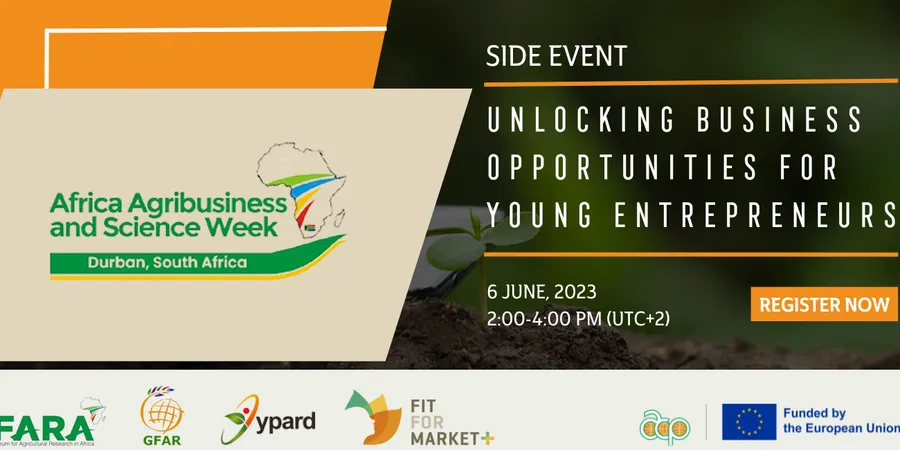
Unlocking business opportunities for young entrepreneurs: FFM+ in Action at AASW8 Side Events
About 11 million young Africans enter every year the labour force which continuously adds pressure to local economies and food systems. Many young farmers and agri-entrepreneurs are innovators and risk-takers but lack access to market. There is an urgent need to strengthen the entrepreneurial ecosystem, especially in rural areas, to ensure that youth can establish viable livelihoods. Investing in youth and empowering young agri-entrepreneurs to engage responsibly in their farms and businesses are fundamental to achieve many Sustainable Development Goals (SDGs). On Tuesday 6 June, 14h00-16h00 UTC+2, FARA, the COLEAD, YPARD and GFAR are convening to host a side event on Unlocking business opportunities for young entrepreneurs at the 8th African Agribusiness and Science Week (AASW). The session will feature four inspiring African entrepreneurs and a panel of experts who are part of the enabling ecosystem required for young entrepreneurs to grow. Find the programme and biodata.The session will be held online and on-site in Durban, South Africa. Online participants must register using this link.Live interpretation in English and French will be available.The AASW is the main continental platform to share progress and information, network, create business alliances, and map out priorities for joint action. The 8th AASW focuses on strengthening linkages between agribusiness and science plus innovation to improve the continent’s productivity and competitiveness in agro-industry. It will be held in Durban, South Africa, from 5 to 7 June. Registrations are required for on-site participation here.Stay tuned for upcoming news articles about the stories of featured entrepreneurs!COLEAD’s contribution is supported by its Fit For Market Plus programme, implemented within the framework of Development cooperation between the Organisation of African, Caribbean and Pacific States (OACPS), and the European Union (EU). This publication is supported with the financial support of the EU and the OACPS. Its contents are the sole responsibility of COLEAD and can under no circumstances be regarded as reflecting the position of the EU or the OACPS.