
Cultivating
Sustainable Futures
 News
News
Review of EU and GB MRL changes in 2022
Key points This news update is a review of changes that were made in 2022 .European Union (EU) maximum residue levels (MRLs) were changed for 75 plant protection products (PPPs) in 2022, compared with 123 in 2021. These changes include cases where MRLs for certain foods have been raised or lowered.In Great Britain (GB) maximum residue level (MRL) changes concerned 23 plant protection products (PPPs), of which 13 are considered key for ACP horticulture. Note that EU MRLs still apply in Northern Ireland (GB covers only England, Scotland and Wales). How will ACP producers/exporters be affected? In export crops, meeting the MRLs of the destination market is critical to prevent interception and destruction of merchandise at the border. ACP growers and exporters need to remain up-to-date with regulatory changes to ensure they remain aligned. What should ACP producers/exporters do now? For each substance and crop concerned, the Good Agricultural Practices (GAPs) in place need to be verified and possibly adapted to ensure compliance with new MRLs. The GAPs include dose rate, number of applications, and pre-harvest interval. In some cases, adaptations to the GAPs will allow the new MRLs to be met. However, in many cases, especially where the level is reduced to the Limit of Determination (LoD), it may not be possible to meet the new MRL, and growers will have to look for alternative crop protection solutions. If you have any major concerns about these changes, and fear that you will be left without an effective and locally available alternative, please contact COLEAD at: network@colead.link . If you require more frequent updates on EU MRL changes, we invite you to visit our AGRINFO website and subscribe to the bi-monthly newsletter on EU regulations.
News
EU and GB pesticide approval changes in 2022
Review of EU and GB pesticide approval changes during 2022 During 2022, the European Commission (EC) published 125 changes to plant protection product (PPP) approvals within the European Union (EU). These include 35 changes concerning substances that are of importance for African, Caribbean and Pacific (ACP) horticulture. Great Britain (GB) has published 3 changes to PPP approvals involving alpha-cypermethrin, cinmethylin and indoxacarb. How will ACP producers/exporters be affected? Many of these changes to EU regulations involve the loss of approval, so that a substance can no longer be used within the EU. This may be due to non-approval, withdrawal of approval or expiration of approval. Loss of approval is generally followed by a change to the maximum residue levels (MRLs), which are likely to be reduced to the limit of determination (LoD). In most cases, when an MRL is reduced to the LoD, the substance can no longer be used on crops for export to the EU. The implications are the same when there is a loss of GB authorisation. What should ACP producers/exporters do now? If you currently use one of the PPPs affected on crops destined for the EU or GB market, you need to ensure that the current Good Agricultural Practices (GAP) allow you to comply with new MRLs in these countries, or start looking as early as possible for alternative crop protection solutions. If any of these changes are likely to cause you significant problems, and you fear being left without effective and available alternatives, please contact COLEAD at: network@colead.link We will keep you informed as more information becomes available. If you require more frequent updates on PPP approval changes in the EU, we invite you to visit our AGRINFO website and subscribe to the bi-monthly newsletter on EU regulations.
 News
News
OECD-COLEAD session on the impact of climate change on fruit and vegetables
Climate change is a major concern to the agricultural sector with effects on the quality of fruit and vegetables that could undermine, or reverse progress made in recent decades in terms of food security and safety. In this context, it is key to adapt and find solutions to the challenges linked to climate change to still be able to offer quality and enough food to consumers. The fruit and vegetable industry needs to adapt its methods for food production (from how crops are planted to how fruit and vegetables are grown and harvested), pest and disease management, as well as food processing.The Impact of climate change on production and quality of fruits and vegetables will be the subject of the 4th session organised by the OECD and the COLEAD within their series on the fruit and vegetable industry. The session will be held on Tuesday 16 May from 10:00-11:30 CET. You can register using the link below:REGISTERThe first panel will present some findings of recent research on the impact of climate change in the fruit and vegetable sector. It will be followed by private-sector operators from Africa and Europe who will share their experiences, including how they have developed and implemented innovations to cope with climate change effects. More information is available in the programme below:AGENDAWe are looking forward to welcoming you to the session!
 News
News
Nigeria: Agronomists build capacity in crop protection
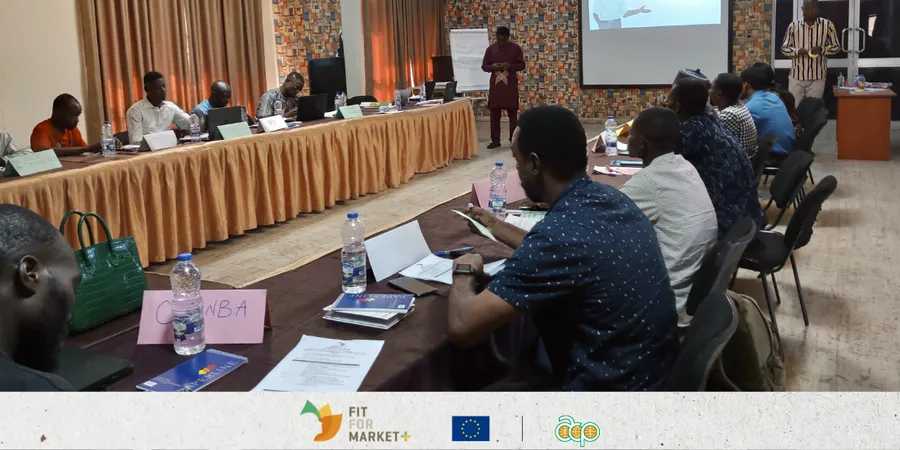
COLEAD provided training to Nigerian agronomists last year on the safe and effective use of appropriate control method for target pests. Fit For Market Plus (FFM+) recently organized a 5-day group training in Ibadan to reinforce previous lessons, share best practices, and teach effective messaging on safe pesticide use and crop protection to colleagues and members.Trainers Jimi Talabi and James Ekele employed field training workshop methodology and role-playing exercises to impart knowledge, improve understanding, and facilitate the adoption of good practices among the trainees' organizations. The training was engaging, and the participants showed a strong willingness to learn.Here are a few comments from the trainees:
 News
News
PAFO-COLEAD Innovations Session on Agroecology: Join us on 10 May 2023
The 13th session of the Innovations Series on the theme of Producers’ and SMEs Innovations in Agroecology for Sustainable Agrifood Systems, will be hosted online via Zoom on Wednesday 10 May from 12:00-14:00 UTC. Live interpretation for the session will be available in English, French and Portuguese. Join us and register for this event by clicking on this link.The programme note for the session is available here.During this Innovations Session, producers and SMEs will showcase how their business models are driving agroecological transitions and building the resilience of the agri-food system. These innovative models are designed to address the many challenges affecting food and nutrition security, biodiversity, and natural resource availability. By adopting these models, agriculture can create new opportunities to have a positive impact on the environment and enhance food security.Agroecology is a holistic and integrated approach to transitioning towards a sustainable food system that ensures food security and nutrition for all, while preserving economic, social, and environmental resources for future generations. Farmers and other actors in the value chain play a critical role in the development of sustainable agri-food systems through the application of ecological and social concepts and principles. This includes the valorisation of waste to create valuable and affordable organic agricultural inputs for farmers, as well as training and encouraging farmers to adopt agricultural practices that promote soil health, biological pest control, crop diversification, and integration of natural elements.The 13th session of the Innovations series offers participants the opportunity to gain insights from a diverse panel of farmers and entrepreneurs, as well as experts from the public and private sectors who are working to promote agroecology. The event provides a platform for participants to share their experiences, exchange contacts, and connect with individuals from across the African continent and beyond who share a common interest in promoting sustainable, equitable, and effective food systems. Join us for an inspiring and informative session!For those who cannot join live, the session will also be recorded and available to watch on YouTube.This series is supported by the Fit For Market SPS programme, implemented by COLEAD within the Framework of Development Cooperation between the Organisation of African, Caribbean and Pacific States (OACPS) and the European Union.
 News
News
Presenting COLEAD, its FFM+ and AGRINFO programmes to Gabon stakeholders
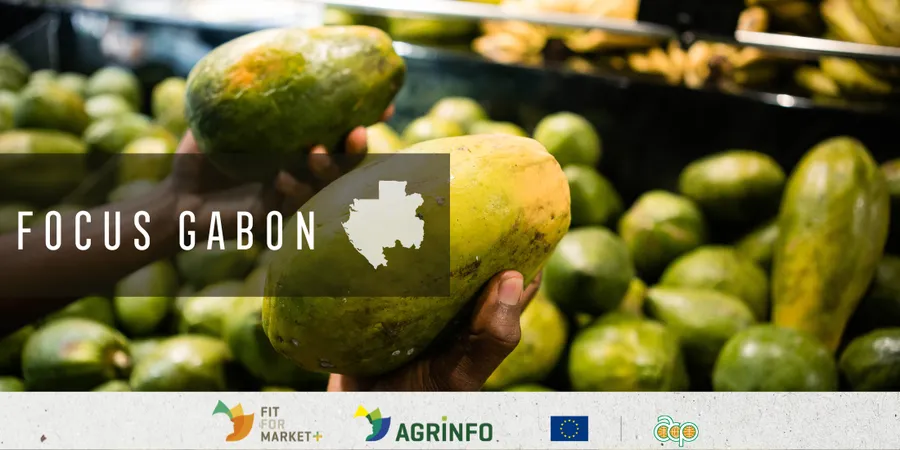
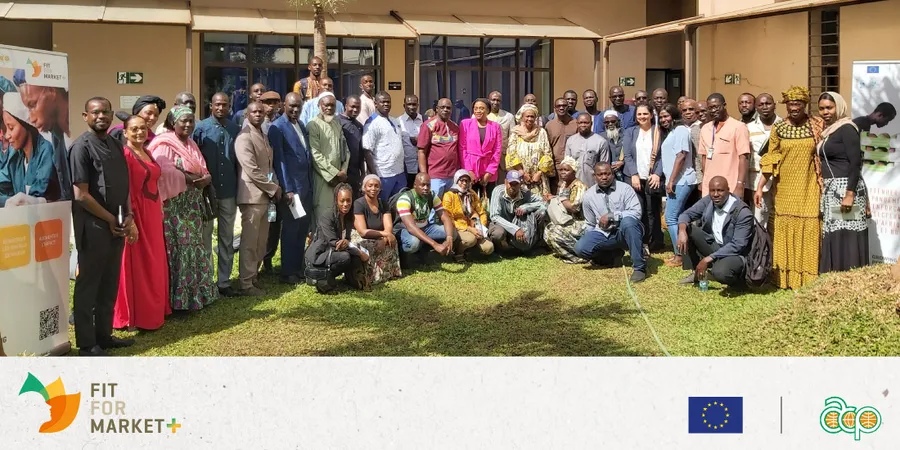
On 12 April 2023, COLEAD collaborated with the Embassy of Gabon in Belgium to host an online workshop, presenting its FFM+ and AGRINFO programmes to stakeholders in Gabon's horticultural sector. The event was attended by H.E. Mr. Serge Thierry MICKOTO, Ambassador of the Republic of Gabon to Belgium, as well as over thirty public and private sector actors.The COLEAD team presented on the evolving regulatory requirements and trends in regional and international fruit and vegetable markets during the workshop. Attendees were informed about how the FFM+ programme can support horticultural operators meet market demands, identify new opportunities, and improve their practices sustainably. The team also introduced the AGRINFO regulatory monitoring programme.This activity is supported by the Fit For Market+ programme, implemented by COLEAD in the framework of the development cooperation between the Organisation of African, Caribbean and Pacific States (OACPS) and the European Union; and AGRINFO, a programme funded by the European Union and implemented by COLEAD.
 News
News
MALI and BURKINA FASO: COLEAD and the EU in the fields
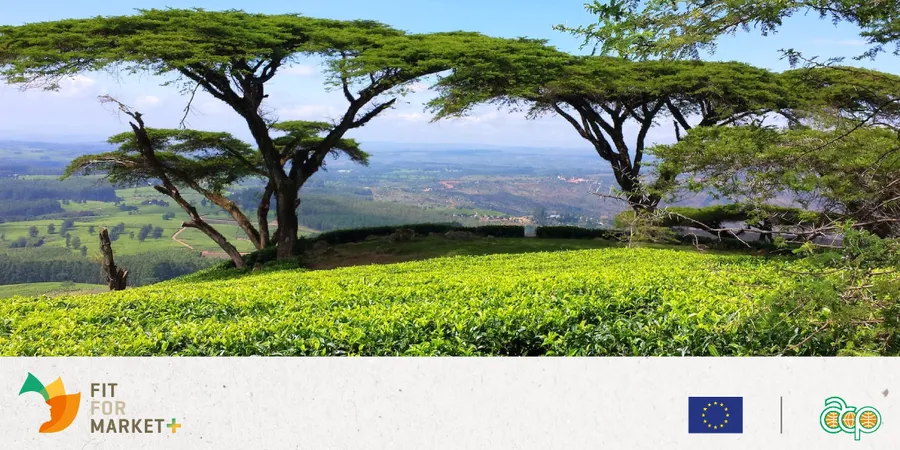
The Fit For Market Plus (FFM+) programme was launched in Mali and Burkina Faso through the organization of two workshops in March. In total, 100 participants were present, including companies, professional organisations, cooperatives, service providers and competent authorities. At the event, the COLEAD team presented the evolution of EU market access requirements for fruit and vegetables, as well as the support opportunities available through the FFM+ programme, which aims to “mitigate the impacts of the COVID-19 pandemic by strengthening the sustainability of the horticultural sector in ACP countries.”Following the workshop in Burkina Faso, representatives from the EU delegation and COLEAD visited a remarkable initiative that illustrates the dynamism of local producers despite a complex national political context. It is a store called BIO FARMERS MARKET, which sells organic products and is associated with two production sites located near Ouagadougou. A total of around 1,000 farmers are certified organic for the local market (by CNABIO). In addition to the fact that all of them are committed to organic farming, the production and marketing sites have a strong social dimension, with the involvement of an association (La saisonnière) of 150 women, many of which had been displaced due to events in the northern part of the country.It is planned that the EU Ambassador will visit BIO FARMERS soon to commend this inspiring initiative. Meanwhile, the EU delegation and COLEAD have begun a fundamental reflection on how to further strengthen, at the national level, the continuous improvement of the food safety of horticultural products intended for the local market, following the example of BIO FARMERS. This type of support would complement the FFM+ programme currently underway in the country and would meet the needs of about 50 companies and producer groups. This activity is supported by the Fit For Market+ programme, implemented by COLEAD within the Framework of Development Cooperation between the Organisation of African, Caribbean and Pacific States (OACPS) and the European Union.
 News
News
FFM+ launch reflects the new dynamics of the agricultural sector in Malawi
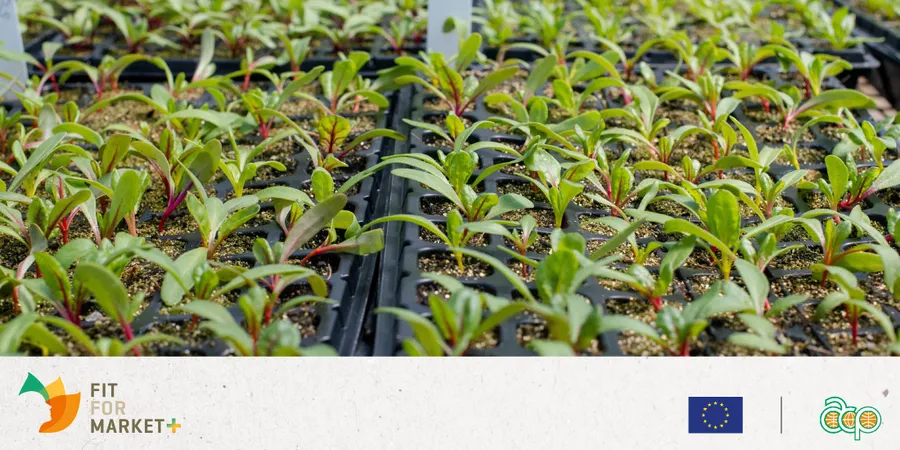
As part of the Fit for Market Plus (FFM+) programme, a COLEAD team visited Malawi in March. To date, 65 FFM+ applications for support have been received from this country. The mission was an opportunity to meet with FFM+ programme candidates and share the COLEAD/FFM+ offer. This is significantly more than in previous programmes.Specifically, FFM+ applications have been received from 47 horticultural MSMEs (producers, processors), 12 support structures for smallholder farmers, 5 service providers and 1 professional association.This positive increase in the number of applications is likely due to the growing visibility of COLEAD in the Southern Africa region and the dynamism of the country’s private and public sectors. Another explanatory factor is the involvement of the Malawi Embassy in Brussels, which circulated information about the programme, especially to the Malawi Investment & Trade Centre, which played an important role in promoting FFM+ to potential partner beneficiaries.The FFM+ launch event took place at the Kumbali Country Lodge Hotel in Lilongwe. It was followed by a networking lunch and an afternoon of bilateral meetings. These meetings helped deepen discussions on applications for support and contributed to setting the framework for the drafting of development projects.FFM+ was designed and will be implemented in continuity with the FFM (FFM/FFM SPS) programmes and the results of the COLEAD COVID-19 action plan implemented since March 2020. This 25 million EUR programme over 5 years is funded by the European Union and the OACPS. FFM+ support is designed to contribute to the transition of ACP countries' agriculture towards a more sustainable food and agricultural system, integrating priority areas of action identified by the EU's "Farm to Fork" strategy of the Green Deal. This activity is supported by the Fit For Market+ programme, implemented by COLEAD within the Framework of Development Cooperation between the Organisation of African, Caribbean and Pacific States (OACPS) and the European Union.
 News
News
FFM+ : Over 550 applications received from 45 member countries of the OACPS
As part of the implementation of the Fit For Market Plus (FFM+) programme, the COLEAD team has organized 6 virtual regional events and 20 national workshops since May 2022, bringing together a total of 1,600 participants. The team has also met with numerous potential partner-beneficiaries at trade fairs and conferences. Interested organisations were invited to fill out an application for support form available on the COLEAD website. The form is tailored to each type of organisation: production/processing companies, service providers, training institutions, professional organisations, small-scale produders’ support structures, competent authorities and research centres. As of the end of March 2023, 551 applications had already been registered under the FFM PLUS programme and were being analysed by country teams to co-define with partners the support that would be most appropriate to their needs.More than half of the requests come from horticultural MSMEs.
 News
News
COLEAD: a network and a toolbox
The development of a sustainable global food system is crucial to meet the challenges of reducing poverty and inequality, ensuring food security for all and protecting our planet.COLEAD aims to contribute to the agricultural sector’s transition towards more sustainable agri-food systems adapted to local contexts.COLEAD is a network of companies, professional organisations, experts, private and public partners working in the agricultural and food sector, the world of development and the transmission of knowledge and expertise.In practice, through development programmes COLEAD provides, online and in the field, technical assistance, vocational training and support services in regulatory monitoring, market insights, partnerships, research and innovation brokerage and access to finance. COLEAD offers a toolbox for all actors committed to a sustainable agri-food system.Our mission is to facilitate and implement activities that, directly or indirectly, increase the contribution of the agricultural sectors to achieving the Sustainable Development Goals.More informations in our one pager and in our video:
 News
News
Tanzania: Avocado commercial fruit quality collective training
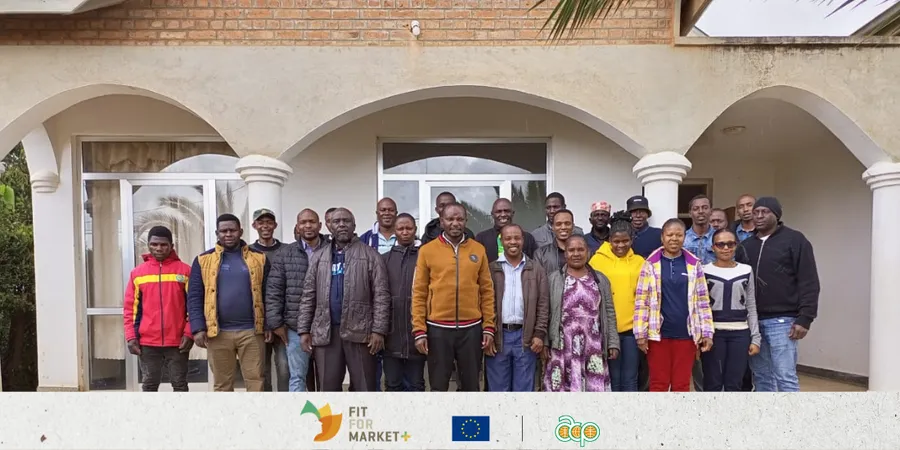
The Fit for Market Plus programme recently held a collective training session in Njombe, from 21st-24th March 2023, on "Avocado Commercial Fruit Quality: Good Harvest and Post-Harvest Practices."This training aimed to enhance the capacity of twenty-three technical and extension staff, and agronomists responsible for avocado quality control in different exporting companies in Tanzania. The training covered avocado characteristics, nursery establishment, avocado maturity testing, harvesting, transport, packhouse operations, market requirements, and other relevant topics during two sessions: theoretical and practical.The training was organized in two session theory and practical session. Participants also visited both large-scale and small-scale avocado orchards, as well as an operating packhouse, to gain practical experience and understand different management practices. The training provided hands-on experience in nursery establishment, orchard management, avocado maturity determination, harvesting techniques, and post-harvest handling in both the field and packhouse settings. All participants had the opportunity to determine avocado maturity tests under expert guidance.This activity is supported by the Fit For Market+ programme, implemented by COLEAD within the Framework of Development Cooperation between the Organisation of African, Caribbean and Pacific States (OACPS) and the European Union.
 News
News
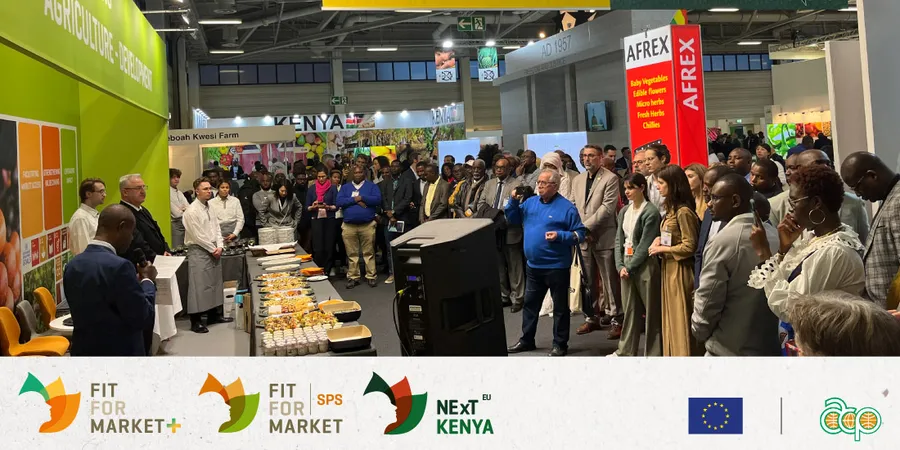
Lessons from the first trade fairs in 2023
In February 2023, COLEAD successfully participated in Fruit Logistica and BIOFACH in Germany, under the FFM+, FFM SPS and NExT Kenya programmes. Through a series of meetings, conferences and networking events, we established and nurtured relationships with almost 400 contacts from 57 countries. Despite ongoing challenges posed by the COVID-19 pandemic, both fairs made strides towards post-pandemic recovery. However, the number of visitors remained lower compared to the pre-pandemic period.We observed that the demand in the sector remains dynamic despite the industry facing various challenges, such as inflation and the energy crisis. Moreover, we anticipate that the transition from air freight to other logistics options by certain retailers (e.g. Albert Heijn in the Netherlands) may present obstacles for some EU market suppliers.The newly implemented EU organic regulations regarding group certification are of significant concern to producers/exporters working with small farmers. Nonetheless, the organic sector remains attractive, and consumers in Europe are still willing to purchase organic products. Counter-season and tropical fruit and vegetables are also expected to suffer less from the increased competition from local organic production in the EU. For the US market, new and stricter organic regulations are expected to bring changes to the sector.Additionally, COLEAD observed a growing market for organic vegetarian and vegan products, along with an emerging trend of producing/exporting companies stepping into processing to add value to their produce locally. MSMEs in Sub-Saharan Africa have also shown a strong interest in local processing options, such as dried, individual quick frozen, oils and frozen purees.In the coming months, COLEAD will attend the following international trade fairs : Macfrut, 3–5 May in Italy SARA (Salon International de l’Agriculture et des Ressources Animales d’Abidjan) 29 September – 8 October in Côte d'Ivoire Fruit Attraction, 3–5 October in Spain. These activities are supported by the Fit For Market SPS, Fit For Market+ and the NExT Kenya (New Export Trade) programmes. The Fit For Market SPS and Fit For Market+ programmes are implemented by COLEAD within the Framework of Development Cooperation between the Organisation of African, Caribbean and Pacific States and the European Union. The New Export Trade Kenya (NExT Kenya) programme is implemented by COLEAD, funded by the EU and established in collaboration with the EU Delegation in Nairobi and Kenyan stakeholders (NExT Kenya).