
Cultivating
Sustainable Futures
 News
News
FFM+ launches in Senegal and the Gambia
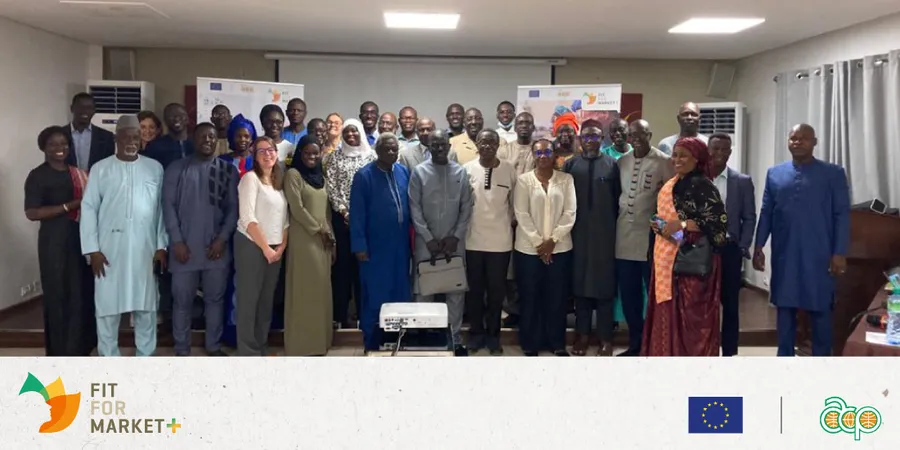
January saw the local launch of the FFM+ programme in Senegal and the Gambia, following the programme’s virtual launch event for the Western African region in May 2022. The launch events brought together horticultural sector stakeholders in each country. The events were also an opportunity to inform partners and potential partner-beneficiaries about the new programme; to meet entities that have recently applied for support under FFM+; and to meet with current partner-beneficiaries under the FFM SPS Programme to evaluate activities conducted under the programme and discuss the activities to be conducted in the coming months.On 18 January 2023, a workshop was held in Dakar to launch FFM+, in the presence of a representative of the European Union Delegation to Senegal and the Coopérative Fédérative des Acteurs de l'Horticulture du Sénégal (CFAHS). The COLEAD team presented the evolution and requirements of the Senegalese fruit and vegetable market as well as the support offered by the FFM+ programme to help operators maintain their markets and identify new opportunities while improving their practices in a sustainable manner.This event brought together some 40 actors from the Senegalese horticultural sector, both from the private and public sectors. The exchanges made it possible to identify some of the challenges facing the horticultural sector, and the support of the FFM+ programme for a better competitiveness of the sector.In the Gambia, the FFM+ launch event was held on 25 January. The event, a workshop co-hosted by COLEAD and Gambia Investment & Export Promotion Agency, was again attended by around 40 representatives of the Gambian horticultural industry. Participants showed great interest in both COLEAD and the modalities of FFM+. Following the workshop, site visits and meetings have been held to further analyse requests for support under FFM+ that have already been received, and initiate the drafting of development projects.This activity is supported by the Fit For Market+ programme, implemented by COLEAD within the Framework of Development Cooperation between the Organisation of African, Caribbean and Pacific States (OACPS) and the European Union.
 News
News
COLEAD at Fruit Logistica 2023: More meetings and contacts in a fair that was less crowded than before COVID
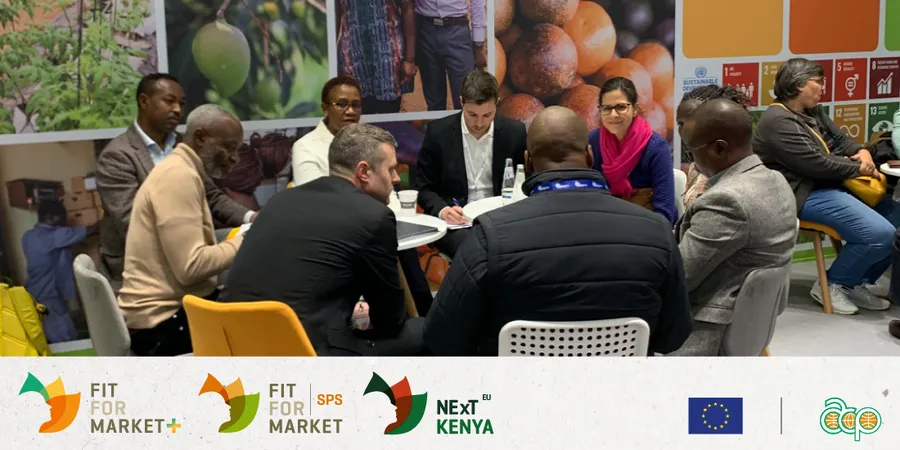
The 2023 edition of Fruit Logistica marks a return to normal after COVID and the delayed 2022 fair, which took place last April. This year's show had a total of 63,470 trade visitors, buyers from over 140 countries and 2,610 exhibitors from 92 countries. However, in 2019 the show had over 78,000 trade visitors from 135 countries and 3,200 exhibitors from 90 countries. In an increasingly digital world, this shows the continued need for face-to-face meetings, especially in difficult economic times, when the sector is facing high energy prices, supply chain issues and inflation.Against this background, COLEAD is making a positive assessment of its participation in Fruit Logistica, with more than 250 valuable contacts at the show. This is even more meetings than in the years before COVID. Most of the exchanges were with existing and potential partners from programmes such as FFM SPS and FFM. This is one of the main assets of this fair for COLEAD: it is a three-day mission to meet companies, professional organisations (SPEG, VEPEAG, TAHA, EHPEA and more) and experts from about 15 African and Caribbean countries. Other objectives achieved: understanding the trends in the international fresh fruit and vegetable market, notably through participation in 17 conferences; observation of the latest innovations, particularly in packaging and equipment; and meetings with other professional organisations in the sector, such as the CPMA. Finally, within the framework of the AGRINFO programme, exchanges with some 20 professional representatives of the sector, particularly from Latin and Central America and Asia, enabled interesting feedback to be collected on the AGRINFO platform launched by COLEAD at the end of January.The cocktail party organised on our stand in the Africa Hall brought the COLEAD family together and facilitated networking. It reflected our participation in Fruit Logistica 2023: a lot of people and a good representation of the different stakeholders in COLEAD's field of action. This was an opportunity for the President, Stephen Mintah, to look back at the beginning of the year, which was marked by our change of name from COLEACP to COLEAD. He recalled that this change signified a turning point in the life of our organisation, both a continuity and a second life, as a network but also as a technical, digital and field resource centre. Furthermore, Stephen stressed that COLEAD is and will be committed to a process of continuous improvement in order to play a different, effective and human role in the sustainability of the agricultural sector and in particular the fruit and vegetable value chain.See you in one year in Berlin!
 News
News
EU and GB approval changes - October-December 2022
EU and GB approval changes Following the UK departure from the EU, COLEACP’s Regulation Monitoring now covers both EU and GB approval changes, enabling us to keep COLEACP members and partner-beneficiaries up-to-date on both regulatory frameworks.The European Commission (EC) has recently published changes to plant protection product (PPP) approvals within the European Union (EU). These include:Renewal of approval of Fish oil and Heptamaloxyloglucan as low-risk active substancesRenewal of approval of active substance Pythium oligandrum strain M1Notification to the WTO of its intention to renew the approval of captanGreat Britain (GB) has recently notified the WTO of its intention to withdraw the approval of the active substance alpha-cypermethrin .How will ACP producers/exporters be affected? Non-approval, withdrawal of approval or expiration of approval mean that EU/GB maximum residue levels (MRLs) are likely to be maintained or reduced to the limit of determination (LoD) which, in most cases, will mean that they can not be used on crops for export to the EU/GB.What should ACP producers/exporters do now? If you currently use alpha-cypermethrin on crops destined for the GB market, you need to ensure that current uses allow you to comply with new GB maximum residue limits or start looking for alternatives as soon as the change is communicated. If this is likely to cause you significant problems, and you fear being left without effective and available alternatives, please contact COLEACP at: network@colead.link.We will keep you informed as more information becomes available. Following the UK departure from the EU, the PPP approvals for Great Britain (GB) have been following a different review process since January 2021. Note that EU approvals still apply in Northern Ireland. Great Britain is the mainland comprising England, Scotland and Wales.COLEACP’s regulation monitoring now covers both EU and GB approval changes, enabling us to keep COLEACP members and partner-beneficiaries up-to-date.In this News, ‘key active substances’ refers to those used/registered in one or more ACP countries on horticultural crops that are frequently exported regionally or internationally. While COLEACP makes every effort to provide comprehensive information about EU and GB PPP regulatory changes, it is possible that some PPPs or crops relevant to you are not included in our list of key substances/crops. We recommend that you review the following section, which gives details on all changes in 2022, to check for any others that could affect you. If you see any PPP that you use on crops for export to the EU or GB in the lists below, we recommend that you check the regulation itself using the link provided. Changes of approval in the EU Fish oil Fish oil is a natural animal-derived substance. It is an oil extracted from the tissues of oily fish that can be used as a repellent for game in deciduous and conference forests. It is suitable for use in organic farming and for IPM, where approved for use in a given country.The European Commission (EC) has published Commission Implementing Regulation (EU) 2022/2305 concerning the renewal of approval of Fish oil as a low-risk active substance in the EU.Heptamaloxyloglucan Heptamaloxyglucan is a natural substance that is not strictly speaking a pesticide, but proposed for use on grapevines as a frost protectant.The European Commission (EC) has published Commission Implementing Regulation (EU) 2022/2315 concerning the renewal of approval of heptamaloxyloglucan as a low-risk active substance in the EU.Pythium oligandrum strain M1 Pythium oligandrum strain M1 is a fungal parasite widespread in nature, which can be used to control a wide range of soil-borne fungal pathogens, including: Botrytis, Fusarium, Gaeumannomyces, Ophiostoma, Phialophora, Phoma, Phythopthora, Pseudocercosporella, Pythium, Sclerotinia and Verticillium.The European Commission (EC) has published Commission Implementing Regulation (EU) 2022/2314 concerning the renewal of approval of the active substance Pythium olgandrum strain M1 in the EU.All PPP approval changes introduced in 2022 Table 1 shows all changes to PPP approvals introduced in the EU and GB since the start of 2022. If you require additional information, or face particular problems as a result of these changes, please contact COLEACP at: network@colead.link.Further proposed approval change Table 2 shows WTO notifications of draft regulations of active substance approvals that have a potential impact on ACP horticulture exports.Table 2. World Trade Organization (WTO) notifications of EU and GB decisions concerning active substance approvals potentially affecting horticulture exports, in accordance with Regulation (EC) 1107/2009 and amending Regulation (EU) 540/2011.
 News
News
FFM SPS supports Farm Fare Produce in implementing the SMETA 4-Pillar quality standard
From September to December 2022, the Zimbabwean company Farm Fare Produce - a family-owned horticultural business supplying fresh vegetables mostly to retailers and supermarkets - was supported by the Fit for Market SPS programme in implementing the SMETA 4-Pillar quality standard, demonstrating the company's efforts in good practice on social compliance, environment, and business ethics.A local Zimbabwean expert was assigned to conduct a needs assessment in preparation for the upcoming audit and to train the staff on the SMETA standard and its practical implications. The expert highlighted the corrective actions to be made, including the development of policies and procedures. The company then carried out the corrective actions via the tailor-made advice provided.Farm Fare Produce is now enabled to develop and implement the procedures and other requirements to successfully pass the final SMETA 4-Pillar Audit. Thanks to one of the participants for his enthusiastic feedback about the support: The training and coaching was hugely beneficial and has prepared us extremely well for our SMETA accreditation.This activity is supported by the Fit For Market SPS programme, implemented by COLEAD within the Framework of Development Cooperation between the Organisation of African, Caribbean and Pacific States (OACPS) and the European Union.
 News
News
Kenyan floriculture industry welcomes Ethiopian delegation to discuss false codling moth management
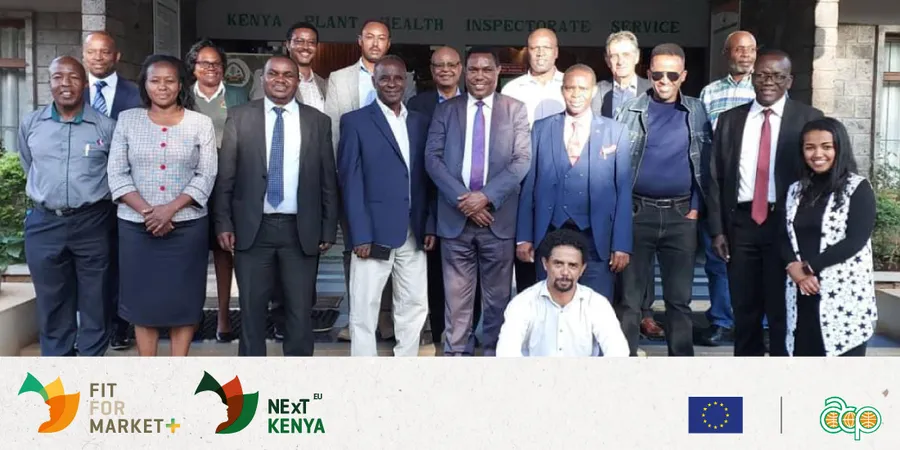
This week (8–13 January 2023), a delegation from the Ethiopian public and private sector are in Kenya as part of an expert mission on false codling moth (FCM) management. The visiting delegation is composed of technical and management staff from the Ethiopian Agricultural Authority (EAA) and the Ethiopian Horticulture Producer Exporters Association (EHPEA). The FCM is classified a priority quarantine pest in the EU, one of Ethiopia’s main export destinations. To address the FCM challenge, various consultations were held between Kenyan, Ethiopian and EU industry stakeholders to facilitate exchange of information on best practices related to the management and control of FCM. During the preparatory stages, Sylvie Mamias, Secretary General of the International Flower Trade Association (Union Fleurs), highlighted that FCM interceptions are a real threat to the competitiveness of floriculture industries, with a potential negative impact on the income and livelihoods of growers and workers in Ethiopia and Kenya. It was acknowledged that the Kenyan floriculture industry has been at the forefront of FCM management in past years. Therefore, the Kenyan and Ethiopian floriculture industries and competent authorities agreed to share experiences and join forces in a regional approach to FCM management and control.During the visit to Kenya, Ethiopian plant health inspectors, trainers and extension staff will learn from their Kenyan peers on the best practices for managing and controlling FCM at the farm level, performing inspections both at farm and at the airport, and how to set-up improved internal audit systems to limit the spread of FCM. In addition, meetings will be held with the Kenya Plant Health Inspectorate Service (KEPHIS), the Kenya Flower Council (KFC), the Pest Control Products Board (PCPB), Royal FloraHolland and various Kenyan exporters. Through its Fit for Market Plus and NExT Kenya programmes, COLEAD participated in the consultations prior to the visit, and will participate in and facilitate some of the meetings in Kenya.This activity is supported by the Fit For Market Plus (FFM+) and NExT Kenya (New Export Trade) programmes, implemented by COLEAD within the Framework of Development Cooperation between the Organisation of African, Caribbean and Pacific States (OACPS) and the European Union. NExT Kenya programme is established in collaboration with the EU Delegation in Nairobi and Kenyan stakeholders.
 News
News
COLEACP team attend OACPS Business Days 2022 in Angola
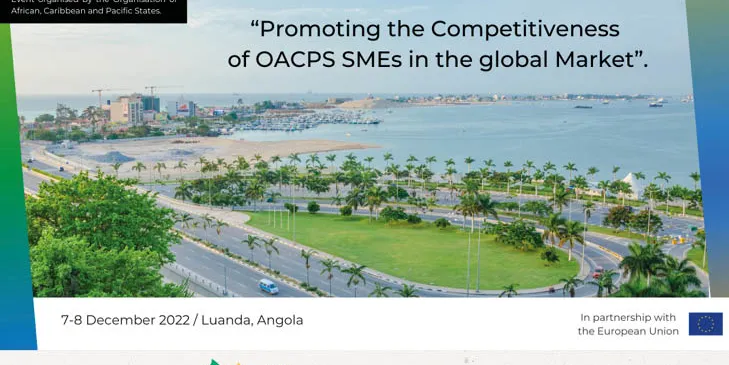
A COLEACP team led by Mr Jeremy Knops, General Delegate, visited Luanda, Angola, as part of the OACPS Business Days. The event, organised by the Secretariat of the Organisation of African, Caribbean and Pacific States (OACPS), aimed at promoting the economic transformation of OACPS states through industrialisation and private sector engagement. It was organised in the margins of the 10th Summit of OACPS Heads of State and Government.Read the OACPS Luanda Declaration: THREE CONTINENTS, THREE OCEANS, ONE COMMON DESTINY: BUILDING A RESILIENT AND SUSTAINABLE OACPS.On 7 and 8 December 2022, the theme of the OACPS Business Days was "Promoting the competitiveness of OACPS SMEs in the global market". The first workshop was an interactive session through which OACPS Stakeholders were be able to debate the review and updating of the 2015 OACPS Private Sector Development (PSD) Strategy. The second workshop sought to identify innovative solutions available to OACPS Micro, Small and Medium Sized Enterprises (MSMES) to tackle their investment and funding needs. The same enabled the sharing experiences on new business and financing mechanisms, strategies, practices and models for ACP countries PSD. The panel sought to review financial instruments available and how they can benefit the MSMEs and the growth of their ecosystem. Finally, the third workshop, in which the COLEACP General Delegate participated, explored opportunities for development of agriculture value chains and discussed good practices being implemented within the OACPS regions with a view to: (i) promoting innovation, technology development/transfer and sustainable business models which enhance diversification and agribusiness value addition; (ii) increasing intra-OACPS trade and facilitating access to international markets through the combination of policies and investment that address supply side constraints and new market requirements/trends including the economic, social and environmental sustainability aspects; (iii) building resilience of regional value chains, by promoting sustainable food systems that deliver food security and nutrition in relation to climate change. COLEACP, through the implementation of programmes such as Fit for Market Plus (FFM+), supports MSMEs and entrepreneurs in the agriculture and food system throughout OACPS member countries by providing continuous capacity building to promote more equitable and inclusive value chains. The FFM+ programme was exhibited at the OACPS Business Village alongside several institutions and companies, to present its support package and to create synergies with OACPS stakeholders, private sector focal points and regional integration communities.The COLEACP team's presence in Luanda was also an opportunity to meet with Angolan agri-good MSMEs to discuss how to access support from the FFM+ programme. Around 12 applications for support have already been received.This activity is supported by the Fit For Market Plus programme, implemented by COLEACP in the framework of development cooperation between the Organisation of African, Caribbean and Pacific States (OACPS) and the European Union.
 News
News
COLEACP becomes COLEAD
The process of changing the name of our organisation was initiated two years ago in a context of continuous evolution of the field of action of COLEACP and its partners.The choice of COLEAD - Committee Linking Entrepreneurship-Agriculture-Development is the result of a participatory and iterative process carried out with the marketing committee of the Board of Directors, the team, the members of the association and its main partners. The main motivations/reasons behind the evolution of the name were to represent the mission and vision of the association, to facilitate the understanding and ownership of who we are and what we do, rather than where we do it.The new name of COLEAD received unanimous support; it was voted for in June 2022 at the COLEACP Extraordinary General Assembly. The name was felt to be particularly appropriate because it embodies an evolution by retaining the root 'COL' of the current name and thus the liaison committee function for the association, while defining the current and future scope of COLEACP's mission. Agriculture: specifies the speciality of our field of action Entrepreneurship: highlights the culture of the organisation, its membership and the main target of our actions (MSMEs) Development: refers to the development of the partner-beneficiaries of the organisation's programmes and the value chains in which they work, but also the people (link to "Growing people") and the countries where we work.
 News
News
News digest: Agri-food Systems and Sustainability
African female farmers clamour to be heard at COP27 At COP27, where heads of state discussed crucial climate-related issues such as loss and damage, mitigation, and adaptation, it was difficult to hear the voices of African female farmers. But a small representation of them could be found at COP27 side events organised by NGOs and climate justice activists. Some of them came in person from countries currently experiencing prolonged droughts or floods, where farming is impossible and women suffer. One of the farmers who made it to Egypt was Mana Omar, who came from Kenya where women farmers have to migrate from area to area and wait for rainy seasons in an attempt to survive. Omar shared her experience supporting women farmers in Kenya during a session organised by the Ban Ki-Moon Centre for Global Citizens, EmpoderaClima, and YPARD on Gender Day at COP27, and explained how her NGO was seeking to build climate resilience in Kenya. (Scidev.net, 15 November 2022)UNIDO and the African Union discuss food security and value chains Gerd Müller, Director General of UNIDO, and his delegation, held a fruitful meeting with Josefa Sacko, African Union Commissioner for Agriculture, Rural Development, Blue Economy and Sustainable Environment. At the heart of the discussion was agreement on the need to strengthen intra-African value chains, especially in agricultural goods. Commissioner Sacko explained that the African Union is pushing to establish regional zones where countries can use their comparative advantage to boost regional trade, for example, rice from West Africa and cereals from East Africa. Director General Müller highlighted UNIDO’s work on integrated agro-industrial parks and agropoles in Ethiopia and Senegal respectively, and suggested collaboration on this topic with the African Union. (UNIDO, 11 October 2022)West Africa's agro-industrial clusters get a boost While the African Development Bank (AfDB) officially launched the Special Agro-Industrial Processing Zone (SAPZ) programme in Nigeria on 24 October, providing €120 million in financing, it yesterday granted a €63.6 million loan to finance the Agropole Centre in Senegal. This agropole will cover four regions in the centre of the country: Kaolack, Kaffrine, Fatick and Diourbell and will focus on agro-industrial value chains, notably groundnuts, cereals and salt, in favour of producer organisations and SMEs. At the end of August, the ECOWAS Bank for Investment and Development (EBID) provided FCFA 30 billion (€45.74 million) for the agro-industrial cluster in the north. (Commodafrica, 27 October 2022)In Burkina Faso, Dénis Ouédraogo is the new Minister of Agriculture The Prime Minister of the transition of Burkina Faso, Apollinaire Joachimson Kyélem de Tambela, revealed on Tuesday the composition of the new transition government composed of 23 ministers. Dénis Ouédraogo is the new Minister of Agriculture, Animal Resources and Fisheries (MARAH). He is the third Minister of Agriculture in 10 months. He holds a PhD in Economics and Socio-Economics of Development from the University of Ouagadougou, and since 2004 has been a teacher-researcher in economics in the Department of Sociology and Rural Economics at the Institute of Rural Development (IDR)/University Nazi BONI (UNB). He was Director General of the Promotion of Rural Economy (DGPER) in the Ministry of Agriculture and Food Security between September 2013 and March 2016 and Director General of the Multipurpose Agricultural Centre of Matourkou, which became the National Agricultural Training School (ENAFA), between March 2016 and July 2022. (Commodafrica, 27 October 2022)Eastern Africa Farmers Federation (EAFF) Call to Action for COP27 The Eastern Africa Farmer’s Federation (EAFF), comprising 24 farmer organisations from ten countries, has signed a shared call to action to enhance the role of farmers in climate policy. The EAFF’s members represent apex farmer associations, cooperatives and commodity associations, representing over 25 million farmers across East Africa. Despite the unique national priorities and processes within each member country, this call serves as a common request for support to enhance farmer-led climate change intervention processes at the national and regional levels. This collective statement includes key messages from farmer organisations, as well as contributions from the EAFF Secretariat in support of their members. The Eastern Africa Farmers Federation (EAFF) Call to Action for COP27 statement. (EAFF, 7 November 2022)
 News
News
News Digest: Agri-food Markets, Production and Trade
Egypt establishes model farms in nine African countries As Egypt is seeking new agriculture and food security cooperation across the continent, this nation has established ten joint model farms in nine African countries. Egypt’s Minister of Agriculture, El-Sayed El-Quseir, confirmed the development. He stated that his country had established joint model farms in South Sudan, Zambia, Zanzibar, Niger, the Democratic Republic of Congo (DRC), Mali, Togo, Uganda and Eritrea. According to El-Quseir, Egypt’s idea of establishing joint model farms in Africa dated back to 1995 when the project was launched by the Egyptian Fund for Technical Cooperation with Africa, an organisation affiliated to the Foreign Affairs Ministry. The first farm was established in Niger, in 1998. (Fresh Plaza, 1 November 2022)West Africa's mango industry in battle against the fruit fly The concern of West African mango exporting countries was palpable last week at the review and programming workshop of the Regional Fruit Fly Management and Control Plan for West Africa (RFMP). It took place all last week in Abidjan as part of the EU-FDA project entitled "Innovative Regional Fruit Fly Management System in West Africa" (Syrimao), which will be launched in 2021. And for good reason... Most ECOWAS member countries have had their mango shipments intercepted on arrival on the European market due to sanitary issues related to the fruit fly of the Tephritidae family. Originating in Asia, Kenya first detected it in 2003 and it has since spread to the rest of the continent, particularly in West Africa. (Commodafrica, 15 November 2022)Namibia: Fresh produce smuggling frustrates Agro-Marketing and Trade Agency Namibia's Agro-Marketing and Trade Agency (AMTA) is concerned about certain individuals who have been accused of smuggling fresh produce into Namibia via unchecked entry points from neighbouring countries such as Zambia and Angola. This smuggled fresh produce includes fresh tomatoes, potatoes, beans, onions, avocados and paw paws. According to the AMTA, these illegal activities hamper and rob local farmers of an opportunity to supply fresh produce. “It is sad to note that during these trying times post Covid-19, when the country is striving to grow and stabilize its economy, some citizens allegedly resort to such syndicates of smuggling in fresh produce,” said AMTA spokesperson Pasval Elijah. (Fresh Plaza, 24 October 2022)Ghana orange growers losing cash to black spot disease Despite the Ghanaian government's crucial interventions to avoid the collapse of the economy, huge sums of money are being lost to black spot disease which has affected acres of orange farms in the country. The Orange Growers Association was instituted with the sole objective of assisting farmers with technical knowledge and up-to-date farming techniques to ensure rich yields and direct access to off-takers to purchase quality organic oranges at competitive prices to prevent post-harvest losses. Orange growers are being hard-hit by the airborne fungal black spot disease. "Almost 50% of our oranges here at Aprade are affected by black spot disease. It affects the whole fruit. Since it is airborne it spreads fast and nearby farms are at risk if we don't periodically remedy the situation. Mancozeb and Bendazid are the fungicides we use to fight black spot disease but they are very expensive," farm manager Sam Dokyi lamented. (Graphic News, 28 November 2022)Kenyan Ministry of Agriculture wants 16% VAT on veg seeds abolished The Ministry of Agriculture says it will initiate talks with the Treasury with the view to having the 16% VAT levied on vegetable seed abolished to make Kenya’s produce competitive in the market amid cheap imports. Agriculture and Livestock Principal Secretary Harry Kimtai said the tax has made it expensive for farmers to engage in profitable business, especially in the wake of cheap imports from countries such as Tanzania. He said they have engaged the Seed Trade Association of Kenya (STAK) on how the issue can be addressed and have agreed to have a meeting that will give recommendations. Mr Kimtai said the high cost of seed locally has seen some farmers source the commodity from neighbouring countries even as they are not sure whether they meet the required standards. Earlier this year, STAK spokespersons denounced the lack of competitiveness of local products, particularly against Tanzanian products which are not subject to this VAT. (Fresh Plaza, 30 November 2022 and 6 December 2022)Project launched to prevent spread of Fusarium wilt in bananas The Australian Centre for International Agricultural Research (ACIAR) has launched a project to protect small-scale banana growers in Mozambique and Tanzania against Fusarium wilt tropical race 4 (TR4). The invasive soil-borne fungus causes plant disease and can devastate banana plantations – a top staple food in Africa and a vital economic crop in several African countries. Led by the Queensland Department of Agriculture and Fisheries, the initiative will investigate banana farming systems, the cultivars grown, and production practices in the two countries. The project also seeks to work with country partners and landholders to identify practical bio-security measures to reduce risks and mitigate potential damage from the disease on small farms. (Farmers Review Africa, 28 November 2022)
 News
News
Caribbean Virtual Agri-Food Trade Mission 2022
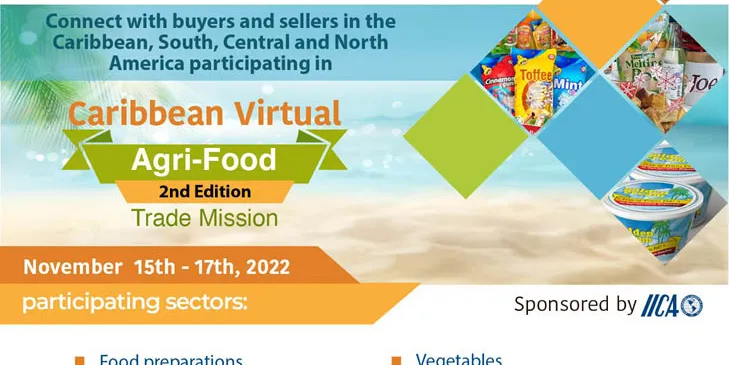
The second Caribbean Virtual Agri-Food Trade Mission was held from 15–17 November 2022 to promote commercial exchange between companies from the Caribbean and other regions, to foster trade linkages among agri-food sector entities, and to assist Caribbean companies in consolidating or diversifying their export markets. A total of 172 participants (companies, ministries, UN agencies and programmes, etc.) from five regions (Caribbean, Central, South America and North America, the United Kingdom) engaged virtually in business meetings hosted by a platform that was available in English and Spanish. The countries with the highest numbers of participants were Trinidad and Tobago, Jamaica and Saint Lucia. A Caribbean company participated in 106 of the 125 online meetings.Caribbean companies represented 88% of all participants; of a total of 151 companies, 8 either presented their business in one of the seven sessions of the IICA-COLEACP Caribbean Agrifood Business Series and/or attended these sessions as participants.According to the feedback collected from 42 participants who answered an optional survey at the end of the business meetings: The reason why companies participated in the business meetings were to meet prospective customers (57%) and to make business contacts (43%) 78% of the participating companies achieved the meeting purpose Meetings resulted in an estimated business amount of US$1,225,000. The second Caribbean Virtual Agri-Food Trade Mission was co-organised by the Inter-American Institute for Cooperation on Agriculture (IICA), the Central American Trade Network regional (SIECA) Central American Trade Network (REDCA) and COLEACP through the Fit For Market Plus programme (FFM+). This activity is part of the collaboration between IICA and COLEACP to develop joint activities supporting entrepreneurship in the Caribbean.Joint activities like the Caribbean Agrifood Business Series aim to support entrepreneurs, farmers and small and medium-sized enterprises (SMEs) to seize opportunities offered by local, regional and export markets that are economically, environmentally and socially viable. The best practices, innovations and technologies presented by inspiring Caribbean farmer-led businesses and SMEs are available to watch here or can be (re-)discovered by reading this article.This activity is supported by the Fit For Market+ programme, implemented by COLEACP within the Framework of Development Cooperation between the Organisation of African, Caribbean and Pacific States (OACPS) and the European Union.
 News
News
IICA-COLEACP Caribbean Agrifood Business Session n°7
On 23 November 2022, during the 7th Caribbean Agrifood Business Session organised by IICA and COLEACP, several Caribbean companies shared their journey to successfully entering lucrative markets. The online session was attended by over 180 participants from the Caribbean region, Africa and Europe (agenda of the session; spearkers' biodata). The recording of the session is available on COLEACP’s YouTube channel.Norman McDonald presented the Jamaican company Canco Ltd. and its brand, Linstead Market, of high-quality products such as canned ackees, calaloo and breadfruit slices. Canco Ltd. is one of the first two Jamaican companies to legally gain access to the US market.CEO Kenneth Van Gom presented the Surinamese company Gom Food Industries Ltd, an agro-food company that produces nine different sauces and marinades, based on family recipes. The company successfully expanded by continuously investing in marketing and developing market entry strategies, participating in seminars and trade fairs, and investing in research and development.The Alliance of Rural Communities of Trinidad and Tobago (ARCTT), co-founded and -directed by Gillian Goddard, supports and develops financially independent, community owned chocolate businesses and affiliated projects. The ARCTT and cocoa producers jointly brand, market and distribute the products.Don Fletcher, founder of Trinidad-based company Meico Ltd., shared key advice based on the company’s experience of manufacturing healthy local fruit drinks sold on the domestic market under the brand BareFruit Juices. The company developed strong relationships and trust with the farming communities of Trinidad and Tobago.Initiatives supporting entrepreneurship were also highlighted during the session. Ricardo Berris founded the commerce platform Purpusly LLC to bring together consumers and underrepresented, purpose-driven brands from across the globe to create stronger social and environmental impacts. Keith Flett created One Skip, LLC, the first company solely focused on fisheries development from a for-profit point of view specialised in the digital transformation, investment and market linkages.This series is supported by the Fit For Market SPS programme, implemented by COLEACP within the Framework of Development Cooperation between the Organisation of African, Caribbean and Pacific States (OACPS) and the European Union.
 News
News
Companies promoting the circular economy and reducing food waste
On 28 November 2022, during the 11th Innovations Session organised by the PAFO and COLEACP, inspiring African companies demonstrated how their businesses based on the circular economy contribute to reducing food loss and waste (agenda ; speakers' biodata). The online session was attended by over 170 participants from Africa, the Caribbean region and Europe.The recording of the session is available on COLEACP’s YouTube channel.The growing global population requires increased food production levels to address food and nutrition security while reducing negative environmental impacts such as soil and water degradation, greenhouse gas emissions and loss of biodiversity. During the Innovations Session, six entrepreneurs explained the critical contribution of the circular economy to feeding the population – without destroying the planet and its resources.Rose Noah, CEO of Ghanaian biotech firm West African Feeds Ltd., described how the company uses black soldier fly larvae to valorise food waste. Through this process, the company converts bio-waste into valuable inputs for Africa’s livestock industry, including organic fertiliser, insect-based animal feed, animal nutrition, compost and hygiene products.Fatou Titine Cissoko, founder and manager, explained how Guinea-based company Enterprise Fatou & Kadija reduces post-harvest losses by producing 100% natural, preservative-free dried pineapples, dried mangoes and natural juices that are sold on both national and international markets under the brand Jedengui.Co-founder Amogelang Shaun Masi presented Viva Organica, a company in Botswana that transforms kitchen waste and animal manure into highly nutritious, 100% organic natural farming inputs rich in nutrients and pro-biotics. The products improve soil moisture and overall soil health, enhancing the climate resilience of farming communities, and have reduced the cost of fertiliser by 25%.Founded in 2019 by Mark Musinguzi, Hya Bioplastics upcycles local food waste from a range of flexible plant fibres to create 100% home compostable products including fruit and vegetable trays, takeaway food boxes and disposable plates. The company provides a cost competitive alternative to plastics, while also creating additional revenue streams for smallholder farmers in Uganda who are able to profit from their fibre waste.Oscar Ekponimo, founder of Chowberry, a technology-driven social business that reduces food waste and improves access to food in Nigeria, described how the company creates a secondary market for food at risk of waste or expiration.Lastly, Andrew McNaught, founder and lead consultant, showed how Zambia-based company Tandem Circular Consulting works with the private sector to develop circular projects, improve resource utilisation and operating efficiencies and provide sustainable business solutions.This series is supported by the Fit For Market SPS programme, implemented by COLEACP within the Framework of Development Cooperation between the Organisation of African, Caribbean and Pacific States (OACPS) and the European Union.