
Cultivating
Sustainable Futures
 News
News
Madagascar: Support for the start-up of a cassava flour production plant
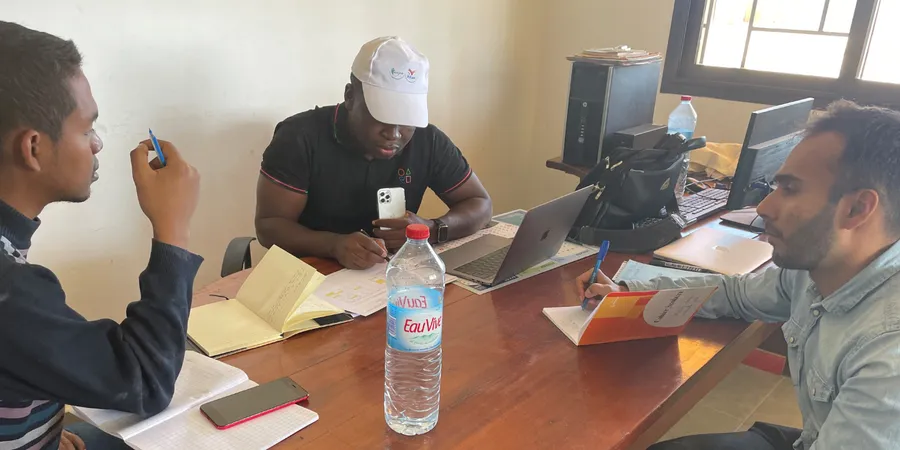
Located in the commune of Tsianisiha, Madagascar, the mission of Malakass is to contribute to the development of the cassava sector in the Atsimo-Andrefana region of Madagascar. The company plans to process cassava into flour for sale on both local and international markets. In July 2022, the company, being in the process of completing the installation of an industrial unit and preparing to launch the first trials, benefited from a visit from Togolese COLEACP experts to improve the process to produce a quality flour. The mission consisted of a diagnosis, followed by a proposal for an action plan and support for its implementation.This mission allowed Malakass to better understand the intricacies of cassava processing, to acknowledge the challenges involved and to appreciate the capacity of its factory. Several recommendations were made to support the start-up of the company, notably on the training needs of the personnel, and on the support needs of the producers supplying the company with cassava. This activity is supported by the Fit For Market SPS programme, implemented by COLEACP in the framework of development cooperation between the Organisation of African, Caribbean and Pacific States (OACPS) and the European Union.
 News
News
INNOVAGRI (Mauritius): Support for the implementation of a sanitary quality manual
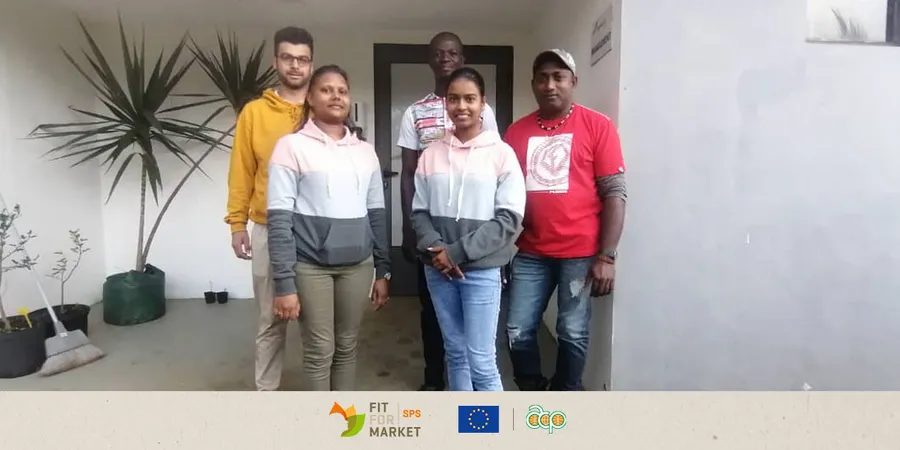
INNOVAGRI Ltd is a fruit and vegetable – onion, potato, carrot, pepper, tomato, pumpkin, pineapple, passion fruit – production company based in Rivière des Anguilles, Mauritius. The company operates a 55-hectare farm with 2500 m2 of greenhouses. All the fruit and vegetables produced, estimated at around 3,000 tonnes for 2019, are currently sold on the local market. With a view to continuous improvement and at the request of its main client, INNOVAGRI wished to set up a sanitary quality management system that complied with the requirements of GLOBALG.A.P.On 27 April 2022, GLOBALG.A.P. launched version 6 of its Integrated Farm Assurance standard, which advocates a holistic approach across all subjects that contribute to responsible agricultural practices. An Ivorian COLEACP expert, familiar with the new version, recently travelled to Mauritius to train INNOVAGRI’s staff, to visit the production plots, to update the remote diagnosis carried out in 2021 due to COVID-19, and to assist staff in complying with the requirements of the standard. The mission went very well, with excellent collaboration between the company's staff and the COLEACP expert, who continues to assist the company remotely regarding compliance. This activity is supported by the Fit For Market SPS programme, implemented by COLEACP as part of the development cooperation between the Organisation of African, Caribbean and Pacific States (OACPS) and the European Union.
 News
News
The Fit For Market programme technical support towards HACCP system certification of Spices Rwanda Ltd
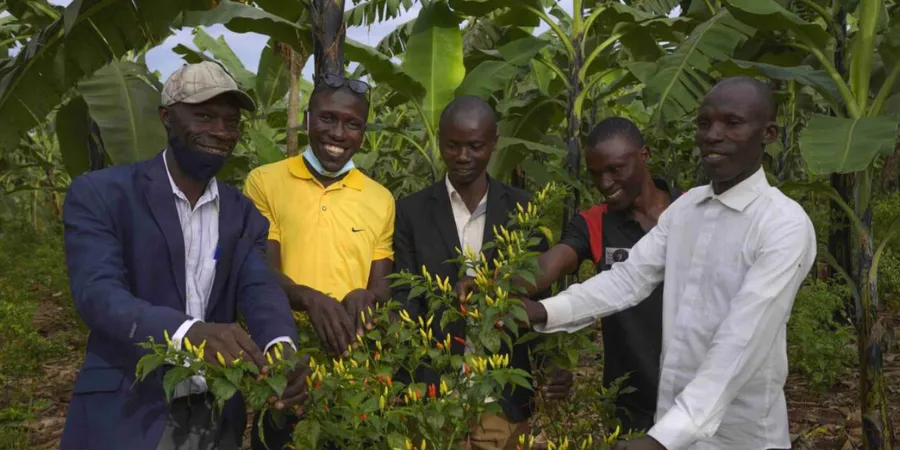
Company background Spices Rwanda Ltd is a whole dried chilli business in Rwamagana District, Eastern Province, Rwanda. The company was registered by the Rwanda Development Board (RDB) in August 2017 under Tax Identification No. 107358351. Spices Rwanda Ltd works with different suppliers who produce raw chillies which they then sell to the company. The suppliers follow set instructions provided by Spices Rwanda Ltd to produce safe products that meet the specifications set by the company.The chillies are grown, harvested, and dried by the growers, and then sold to the company where they are received, stored temporarily, sorted, packaged, and then shipped to the European market.The Fit For Market programme support provided to Spices Rwanda LtdSupport from the Fit For Market programme was given to Spices Rwanda Ltd in two different phases. Phase one support aimed at reviewing the current Spices Rwanda Ltd HACCP plan and identifying and documenting corrective actions that need to be taken for future HACCP system certification. Phase one support was carried out successfully, and a revised HACCP plan was developed. Based on gaps highlighted in HACCP system implementation, Spices Rwanda Ltd requested further support from the Fit For Market programme for technical assistance in HACCP system establishment, implementation, and maintenance. The request was accepted, and support offered from May to June 2020.Phase two support from the Fit For Market programme involved training of Spices Rwanda Ltd staff on the general principles of food hygiene (Hygiene code of practice, CAC/CRP 1961; Food safety systems based on Hazard Analysis and Critical Control Points (HACCP) – Requirements for any organization in the food chain, RS 184: 2017), and coaching in the development of HACCP documentation. Other beneficiaries also joined the training sessions, including two staff from the National Agriculture Export Development Board (NAEB) and two staff from East African Queen Ltd. Phase two technical support took place from November 2020 to February 2021.Spices Rwanda Ltd self-sponsored activitiesSince receiving technical support from the Fit For Market programme, Spices Rwanda Ltd has invested further into HACCP system implementation toward certification.There was a delay in certification due to the unpredictable impact of COVID-19; however, Spices Rwanda Ltd has now been HACCP system certified by the Rwanda Standards Board (RSB) since 20 May 2022.© Spices RwandaThis activity is supported by the Fit For Market programme, implemented by COLEACP within the Framework of Development Cooperation between the Organisation of African, Caribbean and Pacific States (OACPS) and the European Union, and co-funded by the French Development Agency (AFD).
 News
News
Ghana: Collective training on coconut tree cultivation
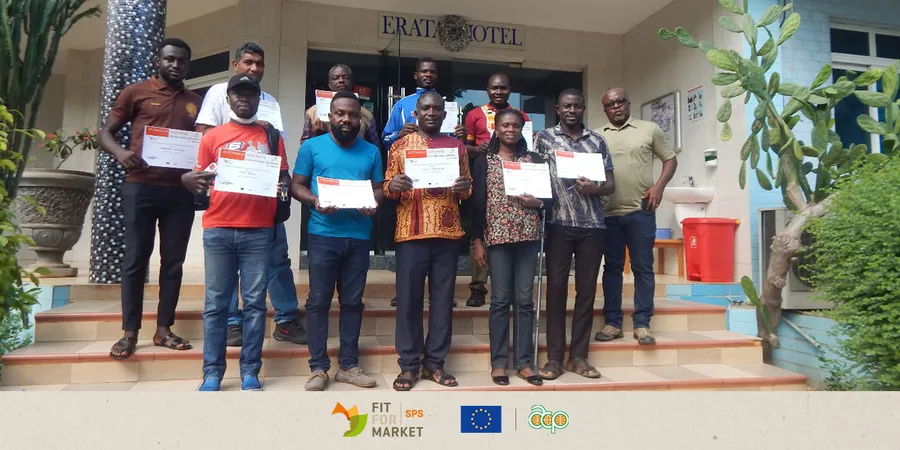
From 13 to 17 June 2022, the Fit For Market SPS organised the first session of collective training on "Coconut tree cultivation" for coconut growers in Ghana. The training took place in Accra and gathered 12 production managers from coconut producing and/or exporting companies in Ghana from five different companies.The specific objective of this training was to strengthen capacities of coconut smallholders, farmer groups and organisations, and horticultural MSMEs, to access local and international markets by complying with SPS measures and other market requirements. The success of the first session led to the organisation of a second session in the following week which this time brought together 14 participants from 14 different companies.
 News
News
STDF Togo: Workshop on the validation of a strategic development plan for APROTELF
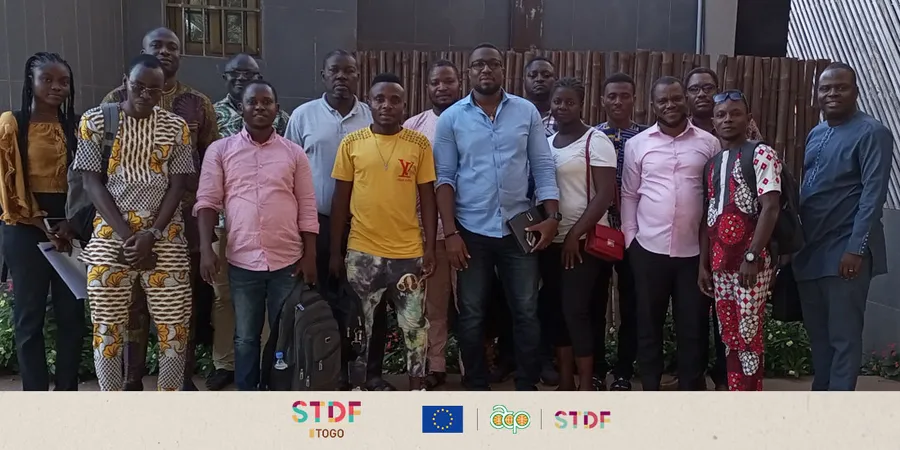
A workshop on the validation of a strategic development plan and the adoption of internal regulations of the Association of Producers, Processors and Exporters of Fruits and Vegetables of Togo (APROTELF) took place on 5 August 2022 in Lomé, Togo.This workshop, which brought together some 30 participants, resulted from support for APROTELF to draw up its 2022–2026 strategic development plan and revise its statutes and internal regulations.The support, which lasted for 2 months, allowed APROTELF to:review, with all the members, the vision, mission, and structure of the associationestablish clear operating rulesdefine and prioritise the services offered to the members of APROTELF – representation of the actors of the fruit and vegetable sector and defence of their interests, capacity building of members, development of a framework for permanent consultation with public services and partnerships with institutions working in the sector, facilitation of market access, collection and dissemination of strategic information for the fruit and vegetable sector at national, regional and international level, etc.During the workshop, the various documents drawn up during the support, in particular the internal regulations and the strategic development plan, were reviewed and validated after discussions and the considering of some amendments. The regulations and plan will be adopted at the next General Assembly of APROTELF scheduled for September 2022 and will then come into force.This activity was organised within the framework of the “Project to strengthen the national phytosanitary control and certification system for fruit and vegetables in Togo”, funded by the Standards and Trade Development Facility (STDF) and implemented by COLEACP.
 News
News
Capacity building for plant health experts
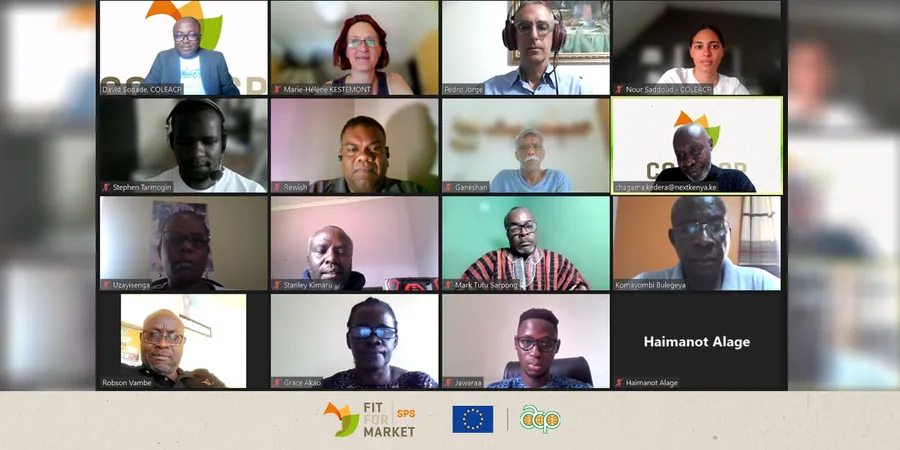
A series of capacity building workshops for plant health experts (12 French- and 12 English-speaking experts) started in August 2022. The objective of the workshops is to broaden the pool of COLEACP experts capable of carrying out technical assistance missions and accompanying ACP competent authorities and other stakeholders. The workshops focus mainly on three cross-cutting themes: (i) pest surveillance; (ii) pest risk analysis – establishment and updating of lists of regulated pests; (iii) official control systems (import and export) – establishment and implementation of operational procedures. The workshops will run from August to October 2022 and will alternate between synchronous sessions (ten half-day Zoom sessions) and asynchronous sessions (individual study).The participating experts are from the following countries: Benin, Burkina Faso, Burundi, Cameroon, Dominican Republic, Ethiopia, Gambia, Ghana, Guinea, Ivory Coast, Kenya, Madagascar, Mauritius, Rwanda, Senegal, Suriname, Togo, Uganda, and Zimbabwe.This activity is supported by the Fit For Market SPS programme, implemented by COLEACP within the Framework of Development Cooperation between the Organisation of African, Caribbean and Pacific States (OACPS) and the European Union.
 News
News
Sierra Leone: Assessment and training for horticultural processing companies
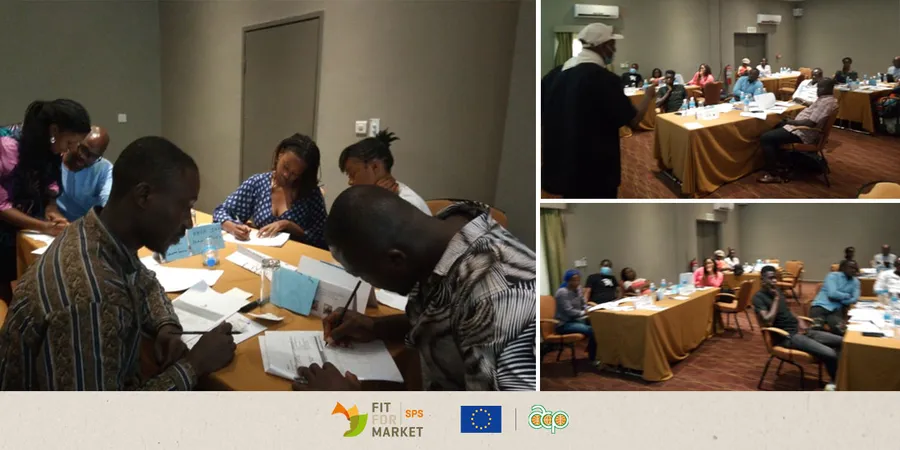
The Fit For Market SPS programme, organised training on hygiene and food safety principles including Hazard Analysis and Critical Control Point (HACCP) methodology for horticultural companies producing both fresh and processed goods in Sierra Leone. The objective was to support six processing companies to master the HACCP approach in their production units, and in parallel, build the capacity of local consultants to conduct assessments on food safety management systems.The training was carried out in three phases:an initial quick review of each participating company,followed by a collective classroom session presenting the theory on food safety management with a focus on HACCP methodology.The third phase allowed for more practical and individual coaching, for more mature companies: they were supported in the writing of new food safety procedures and food safety manuals.The target group for this training was production and/or quality managers – as well as internal auditors, when available – in charge of setting up and implementing food safety management systems. One consultant, based in Kenema, was also part of the training and on-site intervention. At the end of the training, participants were able to implement the food safety management systems – manage documents, keep records, carry out regular monitoring, etc. – and to follow and apply good hygiene practices as well traceability along the value chain. Local experts are also available to support the companies in their future development and assist other companies in initiating risk analysis and food safety management systems.This activity is supported by the Fit For Market SPS programme, implemented by COLEACP within the Framework of Development Cooperation between the Organisation of African, Caribbean and Pacific States (OACPS) and the European
 News
News
Malagasy companies at BIOFACH 2022
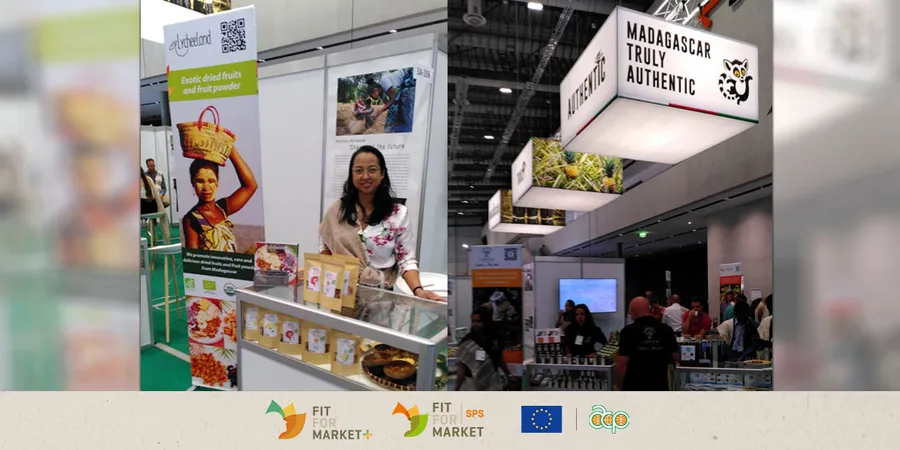
COLEACP exhibited in the Organic Africa Pavilion at this year's BIOFACH – the world’s leading trade fair for organic food – which took place from 26 to 29 July 2022 in Nuremberg, Germany.Madagascar had its own stand at the event, and 11 companies, members of the Syndicat Malagasy de l'Agriculture Biologique (SYMABIO), were able to promote organic products "made in Madagascar". The stand was officially inaugurated by His Excellency Mr Harifidy Ramilison, Madagascar’s Minister of Agriculture and Livestock, who met with all SYMABIO partners on 26 and 27 July.During the exhibition, Malagasy exhibitors were able to promote their products – vanilla, ginger, fruit juices, dried fruits, spices, to name but a few – make contacts through business-to-business meetings, target new markets and exchange ideas with visitors and other exhibitors about the latest developments in the organic sector, including changes in European Union organic regulations.This was an opportunity for COLEACP to meet new Malagasy companies and to maintain links with those companies already benefiting from COLEACP activities. In particular, it was helpful to obtain feedback on the two training sessions organised by COLEACP prior to the fair for exporting companies and member business organisations to help them prepare for participation in such an event. Three Malagasy companies attended this training and were able to apply their theoretical knowledge. When interviewed, the companies confirmed the benefit of the training whilst at BIOFACH.A working meeting with SYMABIO regarding ongoing activities concerning a feasibility study at the Organic Observatory and possible collaborations on sanitary and phytosanitary aspects, in collaboration with the Ministry of Agriculture, was also organised.The COLEACP team was also able to present its new programme, Fit For Market +, launched in early July 2022.This activity is supported by the Fit For Market + and Fit For Market SPS programmes, implemented by COLEACP in the framework of the development cooperation between the Organisation of African, Caribbean and Pacific States (OACPS) and the European Union.
 News
News
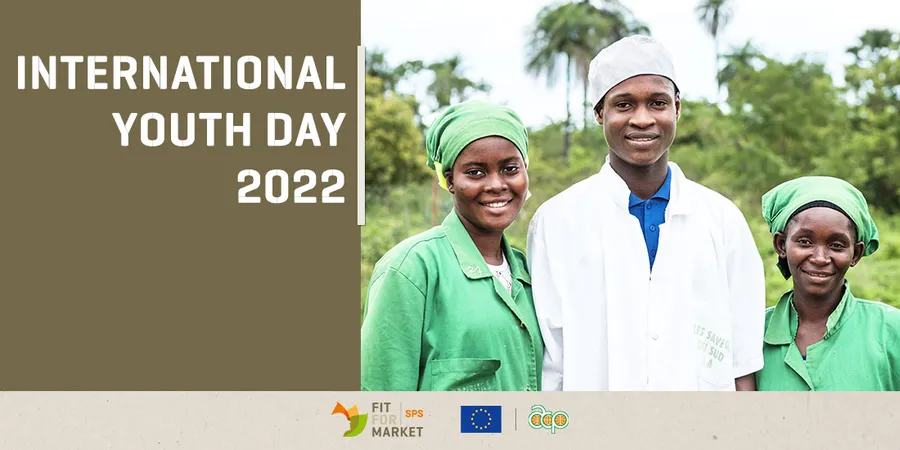
Celebrate young African and Caribbean entrepreneurs
The young people of today and tomorrow play a central role in transforming food systems to provide access to sufficient and nutritious food, and adopt sustainable approaches to address climatic and environmental challenges. There are 1.2 billion young people between the ages of 15 and 24 worldwide (16% of the global population), of whom nearly 1 billion world resides in developing countries. Their numbers are growing far more rapidly than in higher-income countries.1 60% of Africa’s 1,2 billion population are below the age of 25, and approximately 52% of the entire Latin America and the Caribbean population are under 29 years old. However, youth unemployment highly affects these regions. Every year, roughly 11 million young Africans enter the labour force, but at best, only a quarter will find paying jobs over the next decade.2 Youth are two times more likely than adults to be unemployed and the growing mismatch between the supply and demand for skills is the main driver of high youth unemployment rates.3 In Latin America and the Caribbean, youth unemployment is three times higher than in the adult population as one in five young people is unable to find work.4Investing in youth and empowering young agri-entrepreneurs to invest responsibly in their farms and businesses are fundamental to drive youth employment and economic transformation,5 and achieve many Sustainable Development Goals. Many, if not most, of the more than 130 million young people in rural Sub-Saharan Africa are engaged in agriculture to a greater or lesser degree. 6 out of 10 young people in Latin America and the Caribbean work in the informal sector, including agriculture.6Many young farmers and agri-entrepreneurs are innovators and risk-takers. They are increasingly involved in high-profit businesses related to marketing, processing, packaging, and food services, in addition to on-farm production. They are better informed, better connected and willing to invest in capacity development. Youth needs to be able to access specialised skills development programmes and trainings, information and technical services, to expand thriving businesses. Supporting sustainable food systems is a necessity driving forward a resilient food system that is better for people, planet and prosperity. Green jobs7 can provide more sustainable livelihoods provided that rural youth accesses the necessary skills, market information and available green technologies. Investing in the education and training of young rural people is becoming ever more important as the challenges associated with adopting sustainable, climate-smart production methods and linking up with marketing opportunities in modern value chains are growing.The International Youth Day 2022 celebrates solidarity across generations to ensure no one is left behind by removing age-related barriers such as employment, policy and health. COLEACP supports entrepreneurship development and business growth in Africa, the Caribbean and the Pacific (ACP) regions, with a specific focus on youth-led enterprises and enterprises which have a positive impact on youth lives. Young entrepreneurs engaged in small and medium enterprises (SMEs), as well as agrifood related businesses and services require assistance to analyse market potential for their products, and to identify and address priority policy and regulatory issues that affect value chain development.42 African and 18 Caribbean MSMEs presented their best practices, innovations and technologies during the PAFO-COLEACP Innovations Series and the IICA-COLEACP Caribbean Agrifood Business Series. Celebrate with us young entrepreneurs, farmers and agri-entrepreneurs who support sustainability, growth and inclusion, and (re-)discover them by clicking in the links below !
 News
News
EU and GB MRL changes in 2022
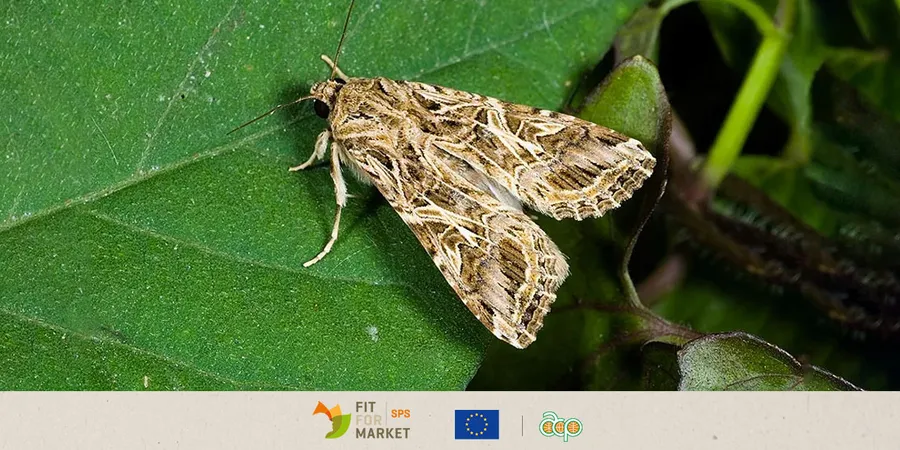
Changes to EU and GB pesticide maximum residue levelsFollowing the departure of the United Kingdom from the European Union (EU), COLEACP’s monitoring of pesticide regulations now covers MRL changes in both the EU and Great Britan (GB), enabling us to keep COLEACP members and partner-beneficiaries up-to-date.Note that EU MRLs still apply in Northern Ireland (GB covers only England, Scotland and Wales).During the period April-June 2022, notifications of MRL changes were issued for the following: - flutianil (EU)- sulfoxaflor (GB)- cyantraniliprole (GB)- and cinmethylin (GB)The EU and GB have also recently notified the World Trade Organization (WTO) of additional proposed changes involving a further 20 substances including 12 that are key in ACP horticulture (chlorothalonil, cyfluthrin, ethoprophos, fenamidone, propiconazole, pymetrozine, benalaxyl, epoxiconazole, fenamiphos, clothianidin, thiamethoxam and abamectin). Note that comments and concerns can be submitted to the WTO via the national contact points.How will ACP producers/exporters be affected?Changes to EU/GB Maximum Residue Limits (MRLs) also apply to products that are exported to the EU/GB. Growers producing for export may need to adapt their practices to meet the new MRL or, if this is not possible, stop using these products and look for an alternative method of pest management.What should ACP producers/exporters do now?For each use of the plant protection products (PPPs) involved, the Good Agricultural Practices (GAPs) in place will need to be checked to ensure compliance with the new MRLs. This is essential to avoid interception and destruction of exported produce at the EU/GB borders.If you use these PPPs, it is important to liaise with your producer /exporter associations and national authorities to check whether the GAPs you currently apply are still appropriate, and enable you to meet the new MRLs. In most cases, where the MRL is lowered, adaptations to the GAP will be needed (dose rate, number of applications, application method or pre-harvest interval).If you have any major concerns about these changes, and fear that you will be left without an effective and locally available alternative, please contact COLEACP at: network@coleacp.org.In this Flash Info, ‘key active substances’ refers to those used/registered in one or more ACP country on horticultural crops that are frequently exported regionally or internationally. While COLEACP makes every effort to provide comprehensive information about relevant regulatory changes, it is possible that some PPPs or crops relevant to you are not included in our list of key substances/crops. We recommend therefore that you check the final section of this FlashInfo, which details all the changes in 2022, to make sure that you are aware of any other changes that could affect you. Changes to EU MRLs FlutianilThe European Commission (EC) recently issued a notification of changes to flutianil MRLs within the EU. Commission Regulation (EU) 2022/566 was applied on 28 April 2022 and includes changes to MRLs on a number of fruit and vegetable crops(Table 1).Table 1. EU MRL changes for flutianil on fruit and vegetables.
 News
News
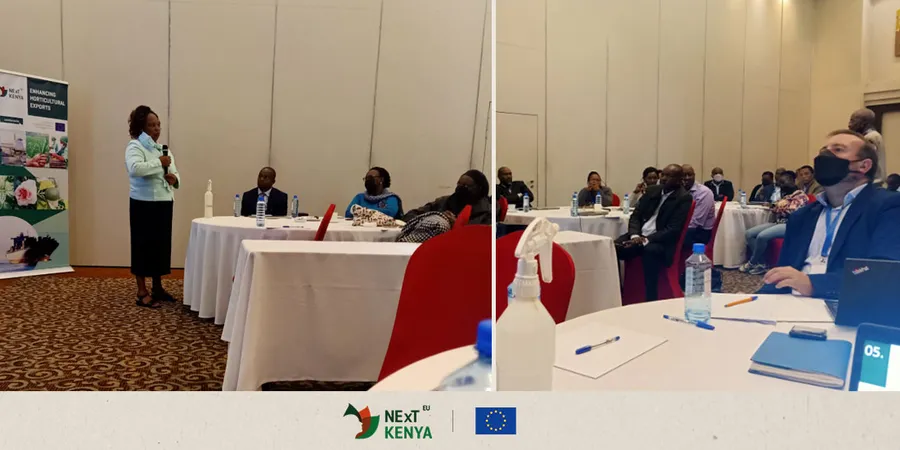
Kenya: Consultative meeting with exporters of beans and peas with pods by the Horticultural Crop Directorate (HCD)
Kenya is a major exporter of horticultural produce to the European Union (EU) which constitutes 80% of total exports. The total value of horticultural exports reached 157.7 billion Kenya shillings (KSh) in 2021. Kenya’s beans and peas with pods have, over the years, enjoyed a sizeable market share in the EU. However, this is threatened by the numerous notifications that Kenya has been receiving of late. There is need for more engagement with industry players to ensure good quality, safe produce to enhance market access. The beans and peas with pods value chain represents an important foreign exchange earner and employment generator for Kenya. The country’s domestic value of horticulture production in 2018 was 248.47 billion KSh compared to 207.52 billion KSh in 2017, equivalent to an increase of 19.7%. From this, the value of vegetables exported was 52.22 billion KSh compared to 47 billion KSh in 2017, equivalent to an increase of 21% – source: HCD Horticulture Validated Report, 2017–2018.The National Horticulture Taskforce, a platform for addressing multi-sectoral challenges in horticulture sub-sector, organised a delegation to the EU from 27 March to 8 April 2022 sponsored by the NExT Kenya programme. The main objective of the mission was to discuss the challenges and opportunities of the Kenyan horticulture industry. Among the countries visited were Belgium, France, the Netherlands, and Germany. Some of the issues raised were plant health and use of restricted pesticides, the Green Deal, the Farm to Fork Strategy, sustainability, sea transport, data collection and information sharing. To address the above challenges, achieve reduced notifications and remove Kenya from the risk list, there is need to address EU concerns and share feedback with exporters of beans and peas with pods.Several initiatives have already taken place in collaboration with COLEACP to ensure market access. Such initiatives include development of a good practice guide for avocadoes – the guide was validated at a workshop on 17 May 2022. The development of a good practice guide for beans and peas with pods is almost complete in readiness to be presented to the sector. The guide of good practice that has been elaborated for the beans and peas with pods sector is based not only on the usual recommendations of good hygiene practices, but also on a systematic analysis approach of the "Hazard Analysis and Critical Control Point (HACCP)" type – analysis of the different stages of production, identification of hazards and evaluation of the level of risk – that has been applied to SPS risks within the sector. This purpose of this guide is: to facilitate the compliance of practices and products: to help professionals in the beans and peas with pods sector to control the commercial quality and SPS safety of products so that they meet the requirements of the destination market – national, regional or export to facilitate the recognition of compliance with standards and regulatory requirements by professionals: to obtain recognition of the capacity of operators in the sector by the local competent authorities and those of the destination market, regarding: demonstrating their capacity to effectively control SPS risks obtaining a more favourable "risk profile" that can reduce the burden of official control facilitating SPS inspections by communicating their "Integrated Control Plan" indicating the critical control points (CCP) in the processes and the control measures implemented; more easily obtaining certification of their SPS Quality Management System (SPSQMS) as well as export certification for their products – issuing Phytosanitary Certificates. to facilitate dialogue and the exchange of practices in the sector: to establish an open and permanent dialogue between private and public sector stakeholders in order to agree on control methods as well as on the internal controls that will have to be set up within companies, from the plot of land to the shipment of the finished product. The composition of the both the Technical Working Group and the Steering Committee is drawn from industry players from both the public and private sector and thus it is envisaged that they will initiate and manage this dialogue. to be a pedagogical tool: the good practice guide was written to be a pragmatic tool, facilitating the understanding of objectives, content and methods (e.g., HACCP) by professionals. A user manual explains how to implement the good practice guide recommendations, in a step-by-step manner, to be easily understood by those in charge of the beans and peas with pods sector and to be used by company managers, by production or packaging station managers, by quality and traceability managers or by inspectors in charge of official controls in the sector. Risk profiling is an imperative activity for the regulators – the Kenya Plant Health Inspectorate Service (KEPHIS) and the Horticultural Crop Directorate (HCD); the results of the profiling that has already been done will be used to set management standards of the different exporters or consolidators. The HCD has been working with COLEACP on defining the objectives of the risk profile and establishing the risk profile tool to be used by exporters; a risk profile team has already been established. It is noted that horticulture industry players have agreed to develop a national risk register for beans and peas with pods exporters that will enhance the surveillance, inspection and testing done by HCD and KEPHIS, especially among high-risk companies thereby improving efficiency of the two regulators. Risk analysis should therefore adapt an internationally accepted framework that provides national food safety authorities with a systematic and disciplined approach to making risk and evidence-based food safety decisions. Risk analysis consists of three interactive components: risk assessment, risk management and risk communication. All these components are important in estimating the risk to human health and safety. An assessment of risk profiles available and used in Kenya for flowers and fine vegetables has been conducted. Risk profile tools have been developed and validated. The parameters of the risk profile register include quality assurance, technical capacity, institutional capacity, traceability, pesticide management, quality control measures, environmental awareness, hygiene measures, monitoring and evaluation, workers welfare, and new exporter’s accreditation to recognized standards. These parameters are gauged against control points, compliance criteria, level of risk, details of risk, likelihood of occurrence, consequence of risk, risk rating and mitigation actions.An industry consultative meeting for exporters of beans and peas with pods in Kenya was held to review and give updates on the vegetable export status and discuss new developments and recommendations for ensuring food safety from production to consumption. The measures will improve the Kenyan vegetable market both globally and locally to ensure both better prices and better food safety to consumers.This activity is implemented by COLEACP and supported by the NExT Kenya (New Export Trade) programme, established in collaboration with the EU Delegation in Nairobi and Kenyan stakeholders.
 News
News
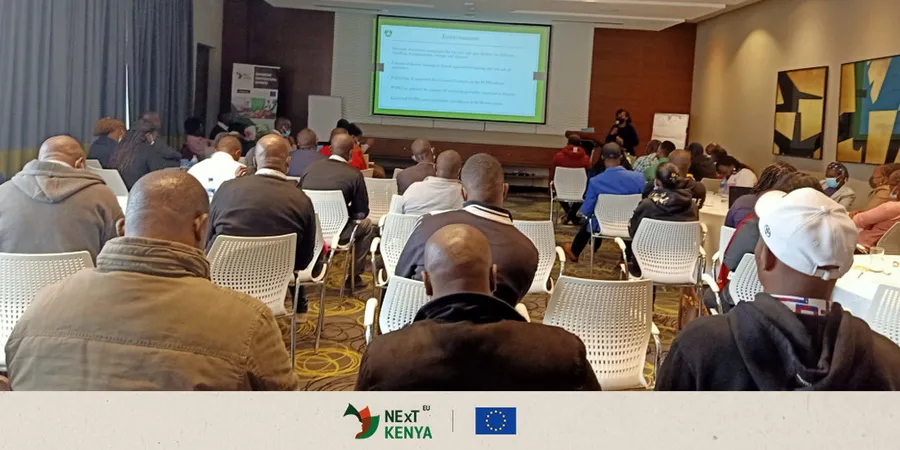
Presentation of the findings of an EU trade visit, and the outcome of a COLEACP-supported study
The National Horticulture Taskforce (NHT) of Kenya is a multi-stakeholder interactive and consensus-building forum with representation from public and private sector stakeholders in the horticulture sub-sector, promoting private-public sector dialogue. The major goal being to assure Kenya’s horticultural produce complies with market requirements and sustains its reputation as a leading grower and exporter of horticultural produce. The taskforce is involved in activities such as: capacity building; accreditation of business support facilities; awareness creation; development of common strategies; risk assessment; adoption of international codes of practice and regulations; and market diversification. To address some of these issues, the NHT undertook two critical activities facilitated by the NExT Kenya programme:Between 2021 and 2022, the NHT commissioned a study to identify structural and cyclical bottlenecks affecting the competitiveness – and resilience – of the Kenyan horticultural sector in the short, medium and long term. The findings of the study aimed to offer pragmatic and in-depth recommendations on how to best deal with the identified bottlenecks, allow representatives of the Kenyan horticultural sector to derive clear priority actions to increase the competitiveness of the sector and take advantage of new market opportunities. A trade visit to some of the countries of the European Union (EU) – France, Belgium, Netherlands, Germany – was organised in March-April 2022 with the objective of understanding current regulatory and market requirements, deepen existing trade relations and bridge the gaps occasioned by the shifting market dynamics for the Kenyan horticultural sector in light of:evolution of the European market and regulationsthe partnership between Kenya and the EUthe shared vision to contribute to the Sustainable Development Goals (SDGs).The Kenyan delegation was drawn from the NHT, composed of key regulatory agencies in the horticultural sector, Kenyan embassies in the targeted EU countries, the private sector and development partners.This activity was implemented by COLEACP and supported by the NExT Kenya (New Export Trade) programme, established in collaboration with the EU Delegation in Nairobi and Kenyan stakeholders.