
Cultivating
Sustainable Futures
 News
News
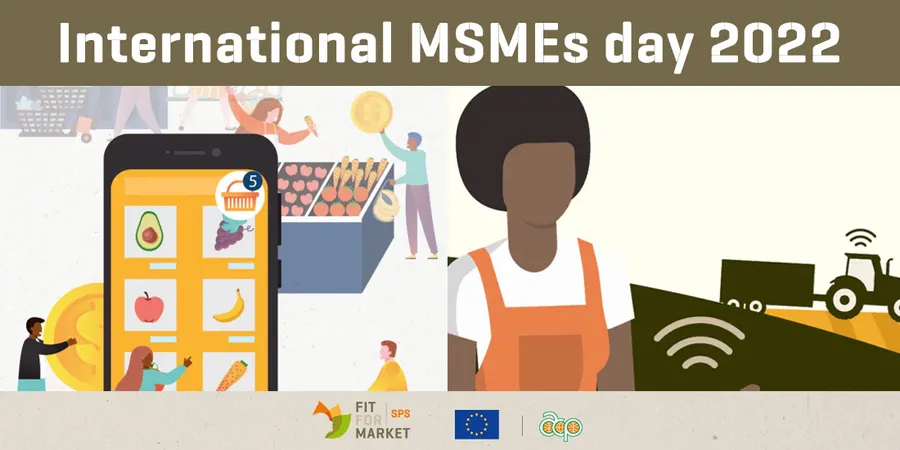
Celebrate resilient African and Caribbean MSMEs supporting sustainability, growth and inclusion
With respectively less than 10, 50 and 250 employees, Micro, Small and Medium-sized Enterprises (MSMEs) are the backbone of most economies. They account worldwide for over 70% of all businesses and for more than 50% of jobs,1 especially for women and youth. MSMEs work with millions of family farms and contribute to securing food safety and security, providing nutrition to local consumers and communities, as well as promoting innovation and creativity towards sustainable food systems.MSMEs are highly sensitive to external shocks, especially to COVID-19 and climate change. The COVID-19 effects aggravated existing challenges in the agriculture and agrifood business sector with an increase in unemployment and income reductions, closure of businesses, especially for MSMEs and supply chain disruptions. Moreover, the struggle to combat global environmental degradation and the progress in including socioeconomically marginalised communities in global value chains are both fundamentally dependent on MSMEs.2Despite their challenges, COVID-19 and climate change are an opportunity for a paradigm shift in the way people produce and consume food, and creates new opportunities for businesses. Health and safety concerns, transparency in the chain, and closer relations with producers have become a strong feature in many markets. The pandemic led the private sector to seize business opportunities for online food ordering and delivery systems, as well as digital payments. Promoting local sourcing and supporting the local value chain actors are also essential and can be achieved in rebuilding more sustainable food systems.To adapt to climate change, MSMEs develop innovation across the value chains such as recyclability and compostability; promoting regenerative agricultural practices; improving sustainable soil and water management; designing food products and supply chains to eliminate waste and bring production closer to consumption; transforming food by-products into new products, biomaterials, and agriculture and aquaculture inputs to return nutrients to the soil; developing approaches to minimize food losses.3COLEACP supports entrepreneurship development and business growth in Africa, the Caribbean and the Pacific (ACP) regions. 38 African and 18 Caribbean MSMEs showed their resilience and shared their best practices, innovations and technologies to support others to embrace the unprecedented opportunities offered by local, regional and export markets during the PAFO-COLEACP Innovations Series and the IICA-COLEACP Caribbean Agrifood Business Series. Celebrate with us these resilient African and Caribbean MSMEs that support sustainability, growth and inclusion, and (re-)discover them by clicking in the links below !
 News
News
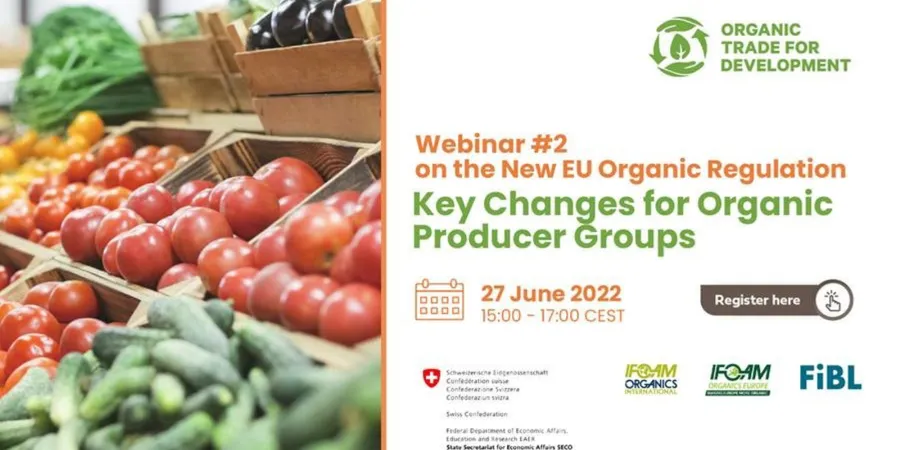
IFOAM webinar on the new EU organic regulation - 27 June 2022
Join IFOAM to the second webinar on the new EU organic regulation: Key Changes for Organic Producer Groups.When:27 June 2022 (15:00 - 17:00 CEST) on Zoom.IFOAM - Organics International together with FIBL, IFOAM – Organics Europe, and leading experts in the field are developing guidance to explain the implications of the new EU Organic Regulation for producer groups worldwide.This second webinar hosted by IFOAM - Organics International summarizes again the fundamental changes for a certified group’s composition, size & legal set-up which were explained in more detail in the first webinar. Additionally, they will provide an overview of the new ICS Requirements and the organic production rules applicable to Producer Groups in Third Countries (outside the EU).Register here to join the session.
 News
News
Pacific: Training-of-trainers in "Training and communication techniques"
From February to May 2022, 10 experts from Fiji and Papua New Guinea took part in training-of-trainers on communication methods, supported through the EU-funded Fit For Market SPS programme. The training in Fiji was face-to-face; in Papua New Guinea it had to be conducted remotely due to government restrictions.In May, the experts in both countries followed the second phase of this training – to master digital tools, and to be able to facilitate remote training sessions.Conducting remote training sessions requires trainers to be creative and solution-oriented. The more fun your exercises are, the better you motivate your group! Learning through gaming is key for remote sessions.Ms. Alfatina Tawake, a participant from Fiji, said “so much interesting stuff to learn in such a short time. We are enjoying our sessions and at the same time hands on practice. Ernest is amazing with so much patience. We know we are in good hands.”The experts taking part follow the online sessions and put their learning into practice through exercises. A “sandbox” was created on Moodle for participants to practice. They were asked to create quizzes, H5P activities, homework, facilitating an ice breaking session online, etc. Role plays were organised so that the experts could facilitate a digital training sequence themselves.Mr. Gure’ahafo Tumae, a participant from Papua New Guinea, said “it has been a hectic 2 months for the TOT to conclude today eventually. Ernest was superb in getting us through to the end. I want to thank you and the team at COLEACP for the opportunity to undergo this training.”This activity is supported by the Fit For Market SPS programme, implemented by COLEACP within the Framework of Development Cooperation between the Organisation of African, Caribbean and Pacific States (OACPS) and the European Union.
 News
News
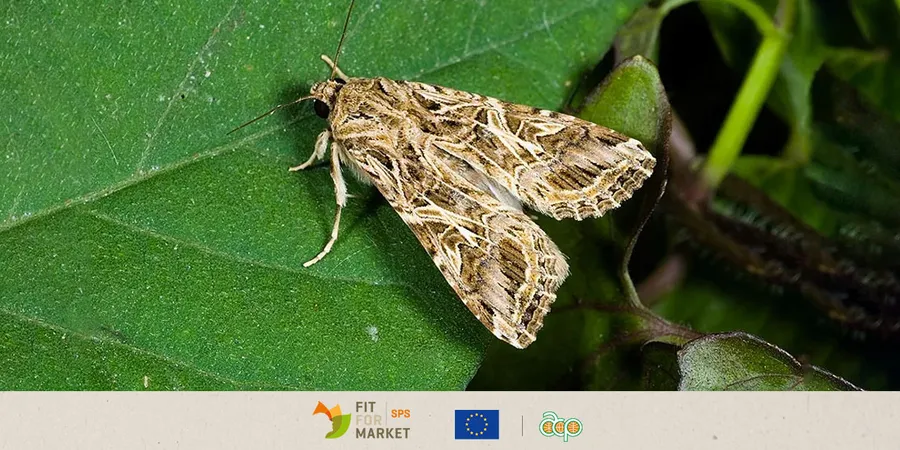
Amendments to EU plant health rules for False Codling Moth - June 2022
False Codling Moth (FCM, Thaumatotibia leucotreta) is listed as a priority pest under EU plant health regulations ((EU) 2019/1702). Unfortunately, as this pest has been intercepted on several host plants in recent months at EU border controls, stricter rules are now being introduced in a new regulation (EU) 2022/959 of 16 June 2022. It is expected that this will be applied in July 2022.1A draft of the new regulation was submitted to the WTO in April. Some amendments were subsequently made, including a more detailed sampling methodology for official inspections, and new options for FCM management in oranges. The new rules for FCM include: Revised import requirements for fruits of Capsicum, Citrus (other than Citrus aurantiifolia Citrus limon), Prunus persica, and Punica granatum L. (point 62 of the Annex) Specific import requirements for Citrus sinensis (point 62.1 of the Annex) Action needs to be taken to protect exports of these crops to the EU. The most important points to note are for countries exporting these crops according to the options (c) “pest free place of production” or (d) “systems approach/post-harvest treatment”: The NPPO must send a list of production site codes in advance in writing to the European Commission (EC) Details of the systems approach (or the post-harvest treatment method) for FCM must be communicated in advance to the EC together with documentary evidence of its effectiveness Prior to export, produce must be subjected to official inspections for the presence of Thaumatotibia leucotreta (Meyrick). The number of samples to be inspected must follow ISPM 31 “with an intensity to enable at least the detection of 2% level of infestation, with a level of confidence of 95% and including destructive sampling in case of symptoms”. Table 1 in Appendix 2 of ISPM 31 (Page 14) indicates the number of samples that need to be taken to meet this specification, according to lot size) For every consignment, the code for the production site must be included in the phytosanitary certificate. (Alongside the description of the product, you must write the unique identification number or name of the approved production site). In the Additional Declaration, the NPPO must copy and paste the Option selected by the country. For example, for Option (c), copy the following text and paste into the AD: “The consignment complies with Option (c) of Points 62 of Annex VII to Implementing Regulation (EU) 2019/2072: fruits (i) originate in a place of production established by the national plant protection organisation in the country of origin as being free from Thaumatotibia leucotreta (Meyrick) in accordance with the International Standard for Phytosanitary Measures ISPM 10, and which is included in the list of place of production codes that has been communicated in advance in writing to the Commission by the national plant protection organisation of the country of origin, and (ii) have been subjected to official inspections carried out in the place of production at appropriate times during the growing season and prior to export, including a visual examination with an intensity to enable at least the detection of a 2 % level of infestation, with a level of confidence of 95 % in accordance with the International Standard for Phytosanitary Measures ISPM 31 and including destructive sampling in case of symptoms, and have been found to be free from Thaumatotibia leucotreta (Meyrick), and (iii) are accompanied by a phytosanitary certificate that indicates the place of production codes. The amendments introduced in the new regulation affect a number of ACP export crops, targeted because they are a known pathway into the EU of a serious quarantine pest that could damage EU agriculture or the environment. They bring in strict new requirements for approval of production sites, inspections, and information. NPPOs and export sectors in the countries concerned need to act now to ensure that the necessary steps are taken to allow exports after July 2022.Amendments like this are generally made following risk assessments, or where there have been large numbers of non-conformities in imports from third countries. The rules have been tightened due to repeatedly high numbers of FCM interceptions from a number of countries, often in consignments exported under option (c) “free place of production”. Stricter measures must be now put in place in each exporting country, and communicated to the EU.The following text is extracted from the revised Regulation, and lists the options that must be used in order to export after July. The amendments concern Points 62 and 62.1 of Annex VII to Implementing Regulation (EU) 2019/2072, and they affect Options (c) and (d), the most commonly used by ACP countries. Point 62 (amended) This gives 4 options that specify strict conditions for the management of FCM (T. leucotreta): In fruits of Capsicum (L.), Citrus L., other than Citrus aurantiifolia (Christm.) Swingle Citrus limon (L.) Osbeck. and Citrus sinensis Pers., Prunus persica (L.) Batsch and Punica granatum L. (pomegranate) From countries on the African continent, Cape Verde, Saint Helena, Madagascar, La Reunion, Mauritius and Israel The 4 options are as follows: Option (a) the fruits originate in a country recognised as being free from T. leucotreta (Meyrick) in accordance with the relevant International Standards for Phytosanitary Measures, provided that this freedom status has been communicated in advance in writing to the Commission by the national plant protection organisation of the country of origin, orOption (b)the fruits originate in an area established by the national plant protection organisation in the country of origin as being free from T. leucotreta (Meyrick), in accordance with the International Standard for Phytosanitary Measures ISPM 4. The pest free area is mentioned on the phytosanitary certificate, provided that this freedom status has been communicated in advance in writing to the Commission by the national plant protection organisation of the country of origin, orOption (c) fruits (i) originate in a place of production established by the national plant protection organisation in the country of origin as being free from T. leucotreta (Meyrick) in accordance with the International Standard for Phytosanitary Measures ISPM 10, and which is included in the list of place of production codes that has been communicated in advance in writing to the Commission by the national plant protection organisation of the country of origin, and(ii) have been subjected to official inspections carried out in the place of production at appropriate times during the growing season and prior to export, including a visual examination with an intensity to enable at least the detection of a 2 % level of infestation, with a level of confidence of 95 % in accordance with the International Standard for Phytosanitary Measures ISPM 31 and including destructive sampling in case of symptoms, and have been found to be free from T. leucotreta (Meyrick), and(iii) are accompanied by a phytosanitary certificate that indicates the place of production codes.Option (d) (i) the fruits have been produced in an approved site of production, which is included in the list of production site codes that has been communicated in advance in writing to the Commission by the national plant protection organisation of the country of origin,and (ii) have been subjected to an effective systems approach to ensure freedom from T. leucotreta (Meyrick), in accordance with the International Standards for Phytosanitary Measures ISPM 14, or an effective stand-alone post-harvest treatment to ensure freedom from T. leucotreta (Meyrick), provided that the respective systems approach used or the post-harvest treatment, together with documentary evidence of its effectiveness, have been communicated in advance in writing to the Commission by the national plant protection organisation of the country of origin and that post-harvest treatment has been assessed by the European Food Safety Authority,and (iii) prior to export, have been subjected to official inspections for the presence of T. leucotreta (Meyrick), with an intensity to enable at least the detection of 2 % level of infestation, with a level of confidence of 95 % in accordance with the International Standard for Phytosanitary Measures ISPM 31 and including destructive sampling in case of symptoms,and (iv) are accompanied by a phytosanitary certificate that indicates the production site codes and mentions the details of the post-harvest treatment used, or the use of the systems approach Point 62.1 (New) This gives 4 options that specify strict conditions for the management of FCM (T. leucotreta): In fruits of Citrus sinensis Pers. From countries of the African continent, Cape Verde, Saint Helena, Madagascar, La Reunion, Mauritius and Israel. Option (a) the fruits originate in a country recognised as being free from T. leucotreta (Meyrick) in accordance with relevant International Standards for Phytosanitary Measures, provided that this freedom status has been communicated in advance in writing to the Commission by the national plant protection organisation of the country of originOption (b) the fruits originate in an area established by the national plant protection organisation in the country of origin as being free from T. leucotreta (Meyrick), in accordance with the International Standard for Phytosanitary Measures ISPM 4(*). The pest free area is mentioned on the phytosanitary certificate, provided that this freedom status has been communicated in advance in writing to the Commission by the national plant protection organisation of the country of originOption (c) the fruits (i) originate in a place of production established by the national plant protection organisation in the country of origin as being free from T. leucotreta (Meyrick) in accordance with the International Standard for Phytosanitary Measures ISPM 10, and which is included in the list of place of production codes that has been communicated in advance in writing to the Commission by the national plant protection organisation of the country of origin, and(ii) have been subjected to official inspections carried out in the place of production at appropriate times during the growing season and prior to export, including a visual examination with an intensity to enable at least the detection of a 2 % level of infestation, with a level of confidence of 95 % in accordance with the International Standard for Phytosanitary Measures ISPM 31 and including destructive sampling in case of symptoms, and found to be free from Thaumatotibia leucotreta (Meyrick), and(iii) are accompanied by a phytosanitary certificate that indicates the place of production codes,Option (d) the fruits (i) have been produced in an approved site of production, which is included in the list of production site codes that has been communicated in advance in writing to the Commission by the national plant protection organisation of the country of origin, and(ii) have been subjected to: - an effective systems approach, which includes a cold treatment of 0°C to -1°C for at least 16 days, in accordance with the relevant International Standards for Phytosanitary Measures ISPM 14 and ISPM 42, provided that the cold treatment has been documented and checked for each consignment by the exporting third country and the systems approach, together with documentary evidence of its effectiveness, have been communicated in advance in writing to the Commission by the national plant protection organisation of the country of origin,or - an effective systems approach in accordance with the International Standard for Phytosanitary Measures ISPM 14, which includes a precooling step of the pulp of the fruit to the temperature of the cold treatment applied, followed by that cold treatment for at least 20 days at a set temperature between -1°C and +2°C, provided that the precooling step and the cold treatment have been documented and checked for each consignment by the exporting third country, and provided that the systems approach, together with documentary evidence of its effectiveness, have been communicated in advance in writing to the Commission by the national plant protection organisation of the country of origin,or - an effective stand-alone post-harvest treatment to ensure freedom from Thaumatotibia leucotreta (Meyrick), provided that that post-harvest treatment, together with documentary evidence of its effectiveness has been communicated in advance in writing to the Commission by the national plant protection organisation of the country of origin and has been assessed by the European Food Safety Authority,or - until 31 December 2022, an effective systems approach in accordance with the International Standard for Phytosanitary Measures ISPM 14, which includes a precooling step of the pulp of the fruit to 5°C, followed by a cold treatment for at least 25 days at a set temperature between -1°C and +2°C, provided that the precooling step and the cold treatment have been documented and checked for each consignment by the exporting third country, and provided that the systems approach, together with documentary evidence of its effectiveness, have been communicated in advance in writing to the Commission by the national plant protection organisation of the country of origin,and (iii) prior to export have been subjected to official inspections for the presence of T. leucotreta (Meyrick), with an intensity to enable at least the detection of a 2 % level of infestation, with a level of confidence of 95 % in accordance with the International Standard for Phytosanitary Measures ISPM 31 and including destructive sampling in case of symptoms,and (iv) are accompanied by a phytosanitary certificate that indicates the production site codes, mentions details of the post-harvest treatment used or the use of the systems approach together with the set temperature used and the duration of the cold treatment applied in that systems approach;and (v) in case the cold treatment has been applied during transport, in addition to the phytosanitary certificate, records on the application of the treatment have been kept and made available upon request. Sampling Intensity Note that under both of these points, there is a new specification concerning the number of samples that should be taken during inspections for Options (c) and (d): “a visual examination with an intensity to enable at least the detection of a 2 % level of infestation, with a level of confidence of 95 % in accordance with the International Standard for Phytosanitary Measures ISPM 31”. Inspectors will need to refer to Table 1 in Appendix 2 of ISPM 31 (Page 14). This gives a list of the number of samples that need to be taken to meet this specification, according to lot size. The following information is extracted from this table (see Annex 1). Minimum sample number according to lot size, to enable detection of a 2% level of infestation with 95% confidence level (from ISPM 31)
 News
News
Call for experts on Climate Smart Agriculture (CSA) and Call for papers Africa CSA Biennial Conference (14-16 September 2022)
The DeSIRA-LIFT project, “Leveraging the DeSIRA initiative for agri-food systems transformation” aims at enhancing the impacts of the DeSIRA programme which supports the Development of Smart Innovation through Research in Agriculture. DeSIRA-LIFT is a 3 year project (June 2021–May 2024) funded by the European Commission (DG INTPA) and implemented by Agrinatura.COLEACP is the lead of the second service area, working closely with African research organisations in areas contributing to sustainable agriculture and food systems. A major area of work is supporting climate-resilient systems in Africa led by the Forum for Agricultural Research in Africa (FARA) and its member organisations, especially regarding the review uptake of climate smart agriculture and innovations.Call for experts on CSATwo short-term opportunities in support of FARA and members work on Climate Smart Agriculture.Terms of Reference for a Consultancy to Conduct a Scoping Study on the State of CSA in Africa - Expert in Climate-Smart Agriculture policy in AfricaTerms of Reference for a Consultancy to facilitate the Africa Biennial CSA Conference 2022Interested experts are requested to submit a CV and short motivation letter before 13th June 2022 COB to: desira.lift@wur.nl with a copy to ofatunbi@faraafrica.orgMore information on the call for experts: https://www.desiralift.org/calls-for-experts/Call for papers for the 2022 edition of the Biennial Africa Climate Smart Agriculture Stakeholders Conference (pdf)Exciting topics linked to CSA will be discussed for which we make a call for papers to bring various perspectives and practices (digitalization, mechanization, extension and advisory services) to ensure, technology generation and use in crop, livestock, fisheries and aquaculture and the contribution of agroecology to CSA.Abstracts (250 words) to be sent before 30th June 2022 to: publications@faraafrica.org.More information on the call for papers: https://www.desiralift.org/call-for-papers/More information about the conference: ofatunbi@faraafrica.org
 News
News
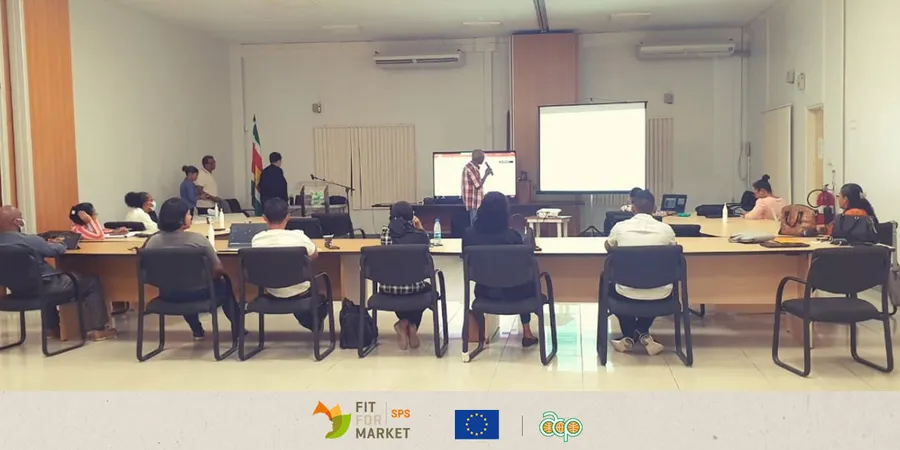
Suriname: Eggplant R-SAT validation workshop
A one-day Eggplant R-SAT Validation Workshop was held on 24 May 2022, in Paramarbio, bringing together 20 key representatives from the public and private horticulture sector to present results of the application of the R-SAT tool to the SPS control system and to identify priority activities. The workshop was delivered by COLEACP and CAHFSA in collaboration with the Ministry of Agriculture, Animal Husbandry and Fisheries of the Republic of Suriname.Prior to this workshop, the COLEACP expert team-initiated dialogue and engagement between key stakeholders, both public and private, in their assessment of Suriname’s national SPS systems to strengthen them in line with international standards and regulations. The aim of the workshop was to facilitate the development of a national priority action plan to strengthen SPS systems that is firmly based on a common strategic vision, agreed by all stakeholders. The workshop concluded with a presentation of the updated national priority action plan which was endorsed by the key players of the sector.This activity is supported by the Fit For Market SPS programme, implemented by COLEACP within the Framework of Development Cooperation between the Organisation of African, Caribbean and Pacific States (OACPS) and the European Union.
 News
News
Togo: Standards training of ANABIO members on organic agriculture
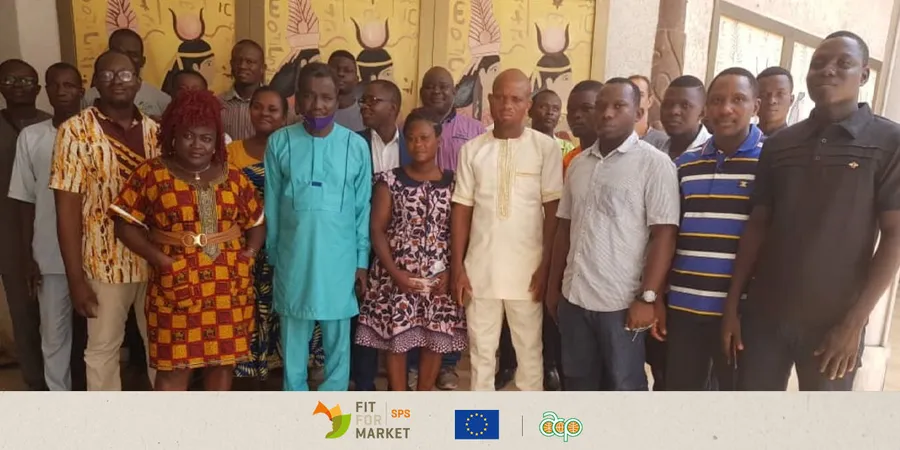
A training workshop on the Togolese organic agriculture standard and the local organic certification process for member companies of the National Association for Organic Agriculture in Togo (ANABIO) was held from 3 to 5 May 2022 in Lomé.Thirty-four (34) participants from about twenty horticultural companies took part in this training whose main objectives were to (i) train on the concept of the Participatory Guarantee System (PGS) and the Togolese regulatory requirements for the production, processing, and distribution of organic products and (ii) inform on the Bio-SPG Togo certification process.The training was organised within the framework was organised within the framework of the Fit for Market SPS programme, and in collaboration with ProDRA implemented by GIZ in Togo.This training is a continuation of a series of actions previously initiated by ANABIO such as:the harmonisation of national organic specificationsthe consolidation of the Togo organic standard.the work on the official recognition process of the Togo organic standard by IFOAM;the establishment of a national evaluation committee for the Togo organic standard, and ;the operationalisation of the BioSPG Togo certification.ANABIO aims to bring together the actors of organic agriculture in Togo to reflect on the strategic directions to be implemented, to develop this sector in a spirit of unity and collaboration. The organisation’s mission is the promotion of organic agriculture, including the representation of the actors of this sector and the defence of their interests; participation in the definition of national policies for the promotion of the sector; reinforcement of the capacities of the members of the organisation; and promotion of the creation of national labelling for organic products.This activity is supported by the Fit For Market SPS programme, implemented by COLEACP within the Framework of Development Cooperation between the Organisation of African, Caribbean and Pacific States (OACPS) and the European Union.
 News
News
Côte d'Ivoire: Information webinar on changes to the Rainforest Alliance standard
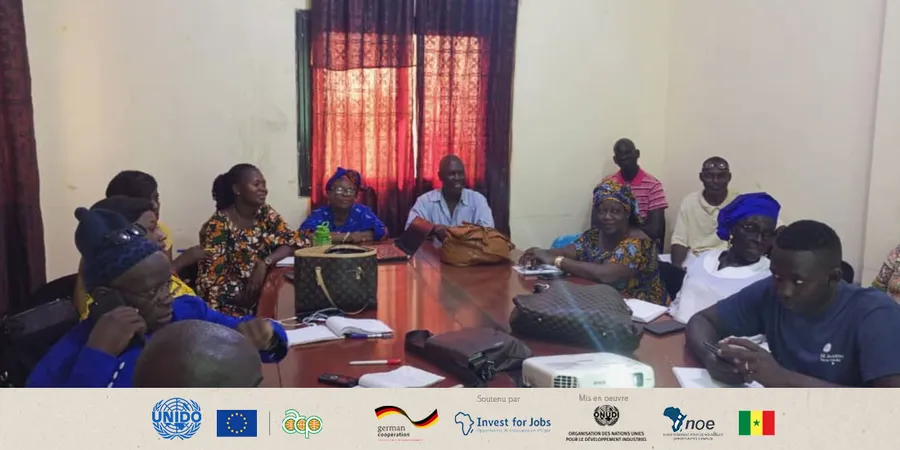
Changes were made in 2020 to the Rainforest Alliance Sustainable Agriculture Standard (Rainforest Alliance – version 1.1 – June 2020). The 2020 Certification Program builds on the previous Rainforest Alliance and UTZ certification programmes. However, this does not represent a simple update of either programme. The Rainforest Alliance 2020 Certification Program contains new requirements for farm and supply chain certificate holders as well as certification and quality assurance system rules. As of 1 January 2023, previous versions of the standard will no longer be valid.In this context, the Fit For Market SPS organised a webinar to inform its beneficiaries of the changes to this standard so that they can eventually align with the new standard. This session took place in March 2022 and was attended mainly by participants from the mango sector.This activity is supported by the Fit For Market SPS programme, implemented by COLEACP within the Framework of Development Cooperation between the Organisation of African, Caribbean and Pacific States (OACPS) and the European Union.
 News
News
UNIDO Senegal: Training on financial and accounting management
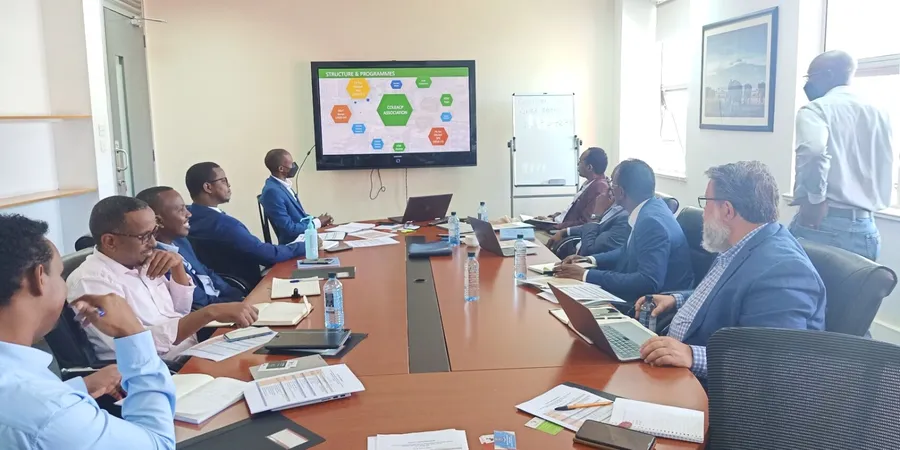
COLEACP organised a training session on the theme of “Accounting, determination of operating costs and decision support tools”. The activity took place within the framework of the INOE 2000 project, in partnership with UNIDO.Access to new markets requires a precise profitability analysis to evaluate the costs of compliance with new market requirements. In previous training courses, it has been noted that the profitability of a company is often not estimated sufficiently accurately. An incorrect estimation of the cost of products becomes an obstacle to the conclusion of contracts with new customers.This training, developed for company managers and executives in charge of financial and accounting management within companies, aimed to enable participants to:know the different methods of recording data to evaluate profitability;understand the importance of equipment depreciation and how it is calculated;know all the indirect costs of the company;determine the cost price of a product;establish the operating account of a product and a company;calculate the break-even point; andunderstand the importance of setting up an efficient management system to ensure the profitability of the company.This activity, implemented by COLEACP and supported by the United Nations Industrial Development Organization (UNIDO), contributes to the project “Inclusive and sustainable industrial development for employment creation in Senegal and Ethiopia”.
 News
News
Study Tour by Somali Bureau of Standards and Somali Agricultural Regulatory and Inspection Service (SARIS) to Kenya
Representatives of the Somali Bureau of Standards (SoBS) and the Somali Agricultural Regulatory Inspection Service (SARIS) will be visiting Nairobi between 23and 28 May. The aim of the tour is to reinforce the capacity of Somalia’s competent authorities to better understand the agricultural regulatory and standard development processes. Their objectives are to learn how standardisation and conformity assessments are done in Kenya, and how the National Plant Protection Organisation (NPPO) works. The visit will include a meeting with the Kenya Plant Health Inspectorate Service (KEPHIS), Kenya Bureau of Standards (KEBS) and Pest Control Products Board (PCPB). The visitors are also seeking to understand better how the private sector works with NPPOs, and will meet with representatives of business member organisations, service providers, and exporters in both fruit and vegetable sectors.Under the Fit For Market SPS programme, COLEACP is coordinating the study tour in collaboration with the European Union (EU) Support to Policy Dialogue on Investment Climate in Somalia project, which aims to enhance the investment climate and business environment by improving access to finance, markets and essential services for medium, small and micro enterprises (MSMEs).This activity is supported by the Fit For Market SPS programme, implemented by COLEACP within the Framework of Development Cooperation between the Organisation of African, Caribbean and Pacific States (OACPS) and the European Union.
 News
News
FFM and FFM SPS recognised for improving the livelihoods of ACP producers
The external mid-term evaluation of the FFM and FFM SPS programmes was conducted between September and November 2021. The evaluation methodology consisted of document review, design, dissemination and analysis of a survey with a representative sample of partner-beneficiaries – 89 invited with a 91% response rate, and interviews with a multitude of stakeholders – national, regional and/or supranational. The main findings of the final evaluation report were very positive, indicating that more than 90% of the partner-recipients interviewed during the evaluation reported that they had seen an improvement in the livelihoods of their employees/affiliates/producers-suppliers since the start of the FFM and FFM SPS programmes.Other positive elements that emerged from the external evaluation were (i) very high levels of satisfaction of the partner-beneficiaries of the programmes – particularly in terms of technical assistance and training activities; (ii) flexibility and capacity to adapt in the implementation according to national contexts and exogenous events, particularly with respect to the COVID-19 pandemic; (iii) direct job creation by the partner-beneficiaries – reported by more than 80% of respondents; (iv) diversification of the destination markets for MSMEs and producer groups, with more products sold on national and regional markets than in the past; and (v) creation of a network of experts competent in a wide range of subjects in most of the countries where the programme is active, whose technical and teaching competence is supported periodically, thus ensuring the sustainability of the programmes over time. At the same time, a series of recommendations were made relating to methodological confirmations, such as the need to implement any new programme whilst maintaining the continuity of the FFM and FFM SPS programmes, and also regarding points for improvement in terms of programme monitoring, activity reporting, proactivity with regard to countries that are less dynamic in requesting support for such programmes, and strengthening the role of the steering committee.The final phase of the FFM SPS programme and the implementation of the new COLEACP Fit For Market+ (FFM+) programme funded by OACPS and the EU will incorporate these recommendations. It should be noted here that FFM+ has been designed and is being implemented as a continuation of the FFM/FFM SPS programmes and the results of the COLEACP COVID-19 Action Plan implemented from March 2020. FFM+ support has been designed to contribute to the transition of ACP agriculture towards a more sustainable food and agricultural system, integrating the priority areas of action recognised by the EU Green Deal's Farm to Fork strategy.The end of the FFM programme is also an opportunity to consolidate all the developments undertaken over the past 5 years in terms of information production, technical material – e.g. training tools – and support methodologies. A final technical report, accompanied by an illustrative synthesis, will be produced and disseminated, using in particular the main lessons learned from the external technical evaluations conducted on the FFM and FFM SPS programmes.
 News
News
Penja pepper: Training on SPS good practices for internal auditors and competent authorities
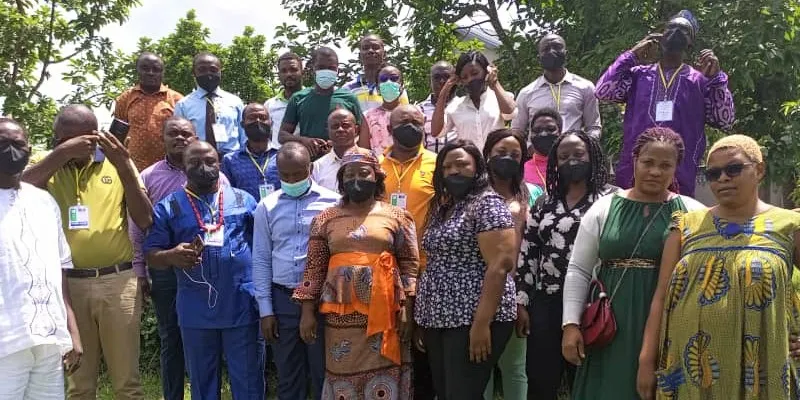
In Njombé, Cameroon, from 26 to 28 April, a three-day training session on good sanitary and phytosanitary (SPS) practices and control points was organised for the Penja pepper value chain, specifically for internal controllers/auditors and for the inspection and control services of competent authorities. The training was organised by COLEACP in the framework of the Fit For Market SPS programme and the STDF Cameroon project.The training session aimed to:define internal controls and the role of the inspector in the framework of SPS measuresknow the requirements of control/inspection in the framework of sanitary policy in the international contextknow which public services are involved in SPS measures in Cameroonunderstand the interests and advantages of inspection and control for SPS compliance of peppermaster the use of the Good Practice Guide in terms of requirementsknow the regulatory and normative requirements applicable to pepperknow the limits of the geographical area of the Penja pepper GIknow the processes of the different stages of the Penja pepper value chain, the risks, and the dangers linked to each stagemaster the batches, sampling plan and controls/inspections at the different stages of production, harvest, post-harvest and shippingmaster the management of non-conformitiescarry out internal control/inspection within a pepper company.We would like to thank our trainers and all the participants for their hard work!This activity is supported by the Fit For Market SPS programme, implemented by COLEACP within the Framework of Development Cooperation between the Organisation of African, Caribbean and Pacific States (OACPS) and the European Union; and within the framework of the project to strengthen the phytosanitary monitoring and certification system for the fruit and vegetable sector in Cameroon, supported by the Standards and Trade Development Facility (STDF) and implemented by COLEACP.