
Cultivating
Sustainable Futures
 News
News
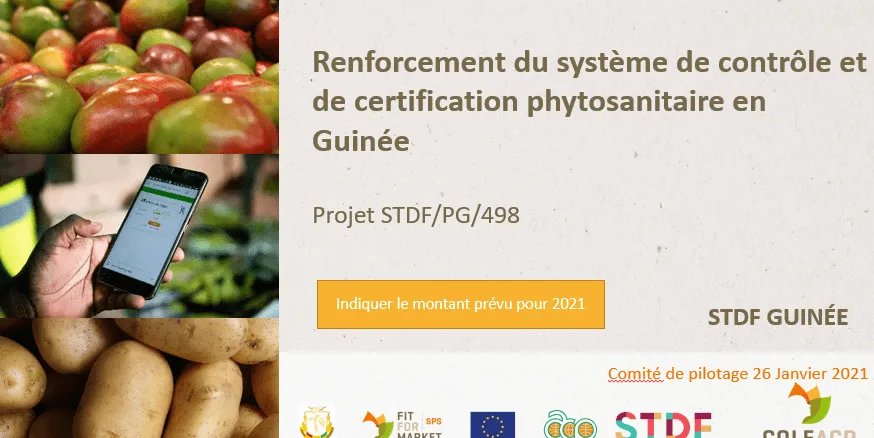
STDF Guinea: increasing the phytosanitary control and certification system
The Steering Committee of the STDF Guinea project was held last week to present the activities carried out in semester 2 and the programme for year 2; and to validate the semester report. In addition to the COPIL members, two Guinean experts, Dr. Traoré and Mr. Bangoura, joined the meeting and contributed greatly to the implementation of our activities during semester 2.
 News
News
AVOCADO ASSOCIATION UGANDA develops a three-year strategic plan
AVOCADO ASSOCIATION UGANDA (formerly HASHAU) has been receiving support from COLEACP to work on their governance structure and guidelines. In addition, board members of AVOCADO ASSOCIATION UGANDA have received coaching to develop a strategic plan for the coming three years (2021-2023), outlining a list of priority services which the association envisions providing to its members. The overall objective is to enable AVOCADO ASSOCIATION UGANDA members to access international and domestic horticultural markets by complying with Good Agricultural Practices, SPS and market requirements, in a sustainable framework. AVOCADO ASSOCIATION UGANDA is a not-for-profit inter-professional association created in 2018 with 50 members, mainly small avocado growers.
 News
News
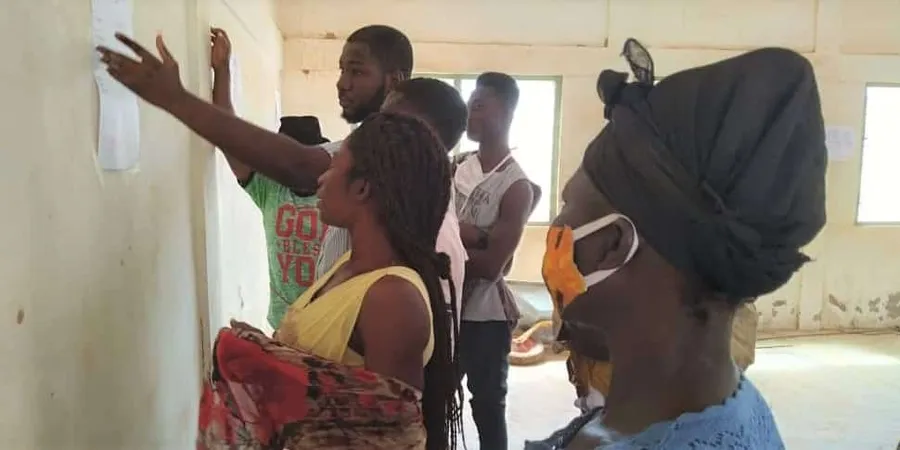
Ghana: training in cost/benefit analysis for a women’s cooperative of Global Shea Alliance
As part of COLEACP's Fit For Market programme, training in cost/benefit analysis for micro/small scale producers was organised for the Global Shea Alliance (GSA). The training aimed to build capacity in cost/benefit and cashflow-related calculations for the production of vegetables at producer level, and in how farmers can be assisted to budget for the various activities in the vegetable production cycle. To increase farmers’ level of professionalism, a budgeting and planning exercise has been set up using simple tools that are understandable and relevant to their daily activities.GSA is a non-profit industry association with 500 members from 35 countries, including women's groups, brands and retailers, suppliers and NGOs, that promotes industry sustainability, quality practices and standards, and demand for shea in food and cosmetics.
 News
News
Second session of STDF Cameroon project facilitator training
All this week, in Penja, a second training session is taking place for experts and strategic actors in the pepper value chain. This follow-up session aims to put into practice the technical and training skills acquired during the first session in December 2020. At the end of this training, participants will be able to play the role of trainers and coaches, especially for the training courses planned within the framework of this project. The STDF Cameroon project, led by COLEACP, aims to improve the sanitary and phytosanitary quality of Penja pepper.
 News
News
Improving the SPS Quality of Penja pepper in Cameroon
COLEACP's STDF-funded project "Improving the sanitary and phytosanitary quality of Penja pepper in Cameroon to facilitate access to international markets" held its biannual steering committee meeting on 28 January at the headquarters of the Penja Pepper Geographical Indication Group (IGPP) and online. The project, which began in October 2019, is now entering its second year. The main activity in year 1 was the finalisation of a good practice guide for the pepper sector. In 2021, actors in the Penja pepper value chain will receive training based on this good practice guide.
 News
News
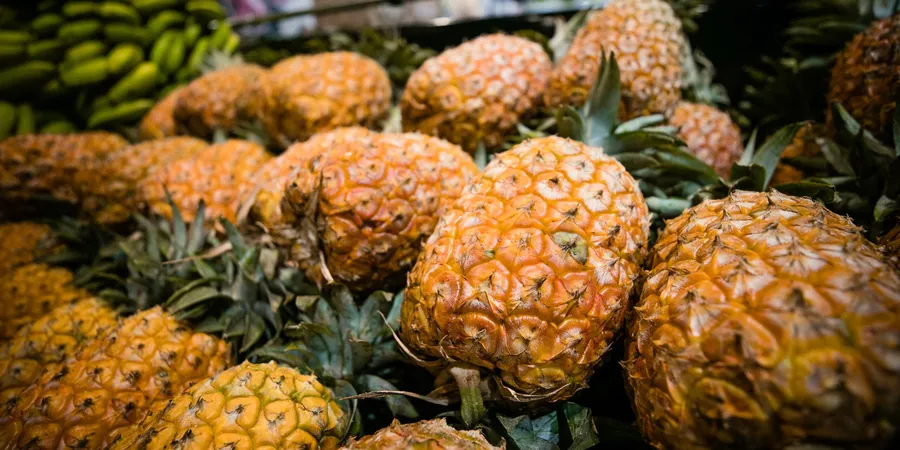
Dominican Republic: JAD-COLEACP webinars
In collaboration with the Dominican Agroenterprise Board (Junta Agroempresarial Dominicana, JAD), COLEACP is organising a series of webinars on market access for processed products in the pineapple, mango and avocado sectors. These are part of the CALIFRUP project "Quality enhancement for the development of MSMEs in the processed fruit value chain", which aims to support the strategy of value chain development and, specifically, to strengthen the processed fruit value chain.The first webinar, on “The international market for processed products”, will be held on 3 February from 10:00 to 13:00 (UTC).
 News
News
Ethiopia : EHPEA launches horticultural training centre
The Ethiopian Horticulture Producer Exporters Association (EHPEA) has announced the opening of a technical and vocational training institute for the horticultural sector, the first of its kind in the country. The focus will be on the competitiveness of the Ethiopian horticultural industry and access to international markets. The institute aims to address the shortage of skilled labour in the sector and to play a role in technology transfer, and plans to offer 3 to 6 month training courses in conjunction with the private sector to provide internships and apprenticeships. More than 2,000 people are expected to be trained by 2022. (Source: De l’autre côté de l’Afrique: La veille agricole, 25 January).
 News
News
Ghana: training on Organic Systems Implementation and Certification
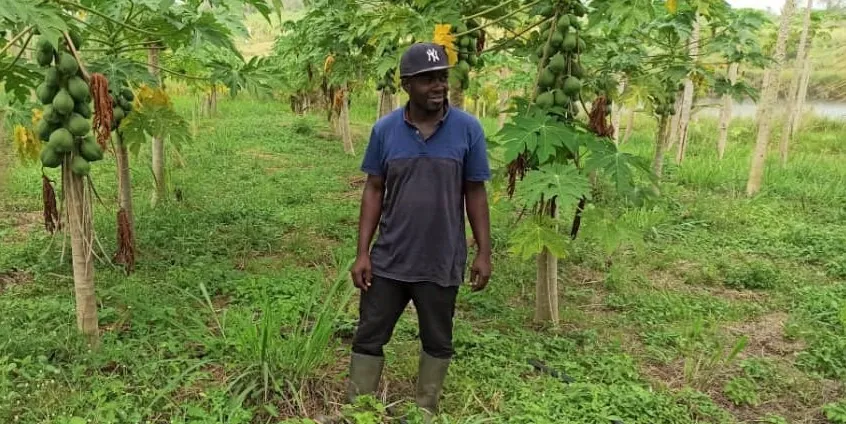
As part of COLEACP's Fit For Market programme, a training in organic implementation systems was organized for a family-owned company SGA Farms, producing papayas in Ghana, in order to build their capacity in organic production methods. This training covered aspects related to certification, setting up an internal control system, drawing up procedures and documentation, maintaining the system, etc. (including technical and financial implications of implementing this production system). The training also aimed at building the capacity of the staff on strategies of integration of external producers into a certified organic production system.
 News
News
STDF Cameroon: Collective training on good nursery practices
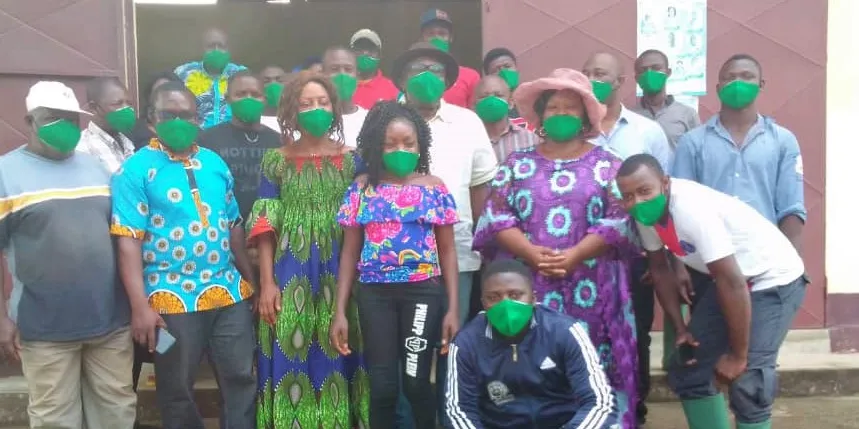
In December 2021, group training was held in Penja, Cameroon on good nursery practices in Penja. The training for member companies of the Penja pepper GI aimed to strengthen the skills of nurserymen and nursery managers so that they can master the management of a nursery, from choosing varieties to an understanding of risk control measures recommended in nurseries. The training, part of the "Project to improve the sanitary and phytosanitary quality of Penja pepper in order to facilitate its access to international markets" (STDF/PG/593), was well received by all involved:
 News
News
Professor Arpaia welcomed to Avocado Society of Kenya’s Board (partner of NExT Kenya)
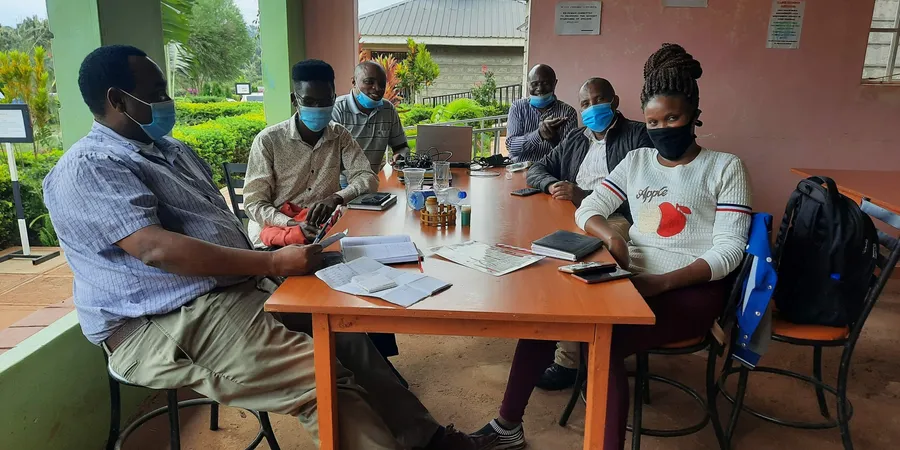
The Avocado Society of Kenya has the honor to have Professor Mary Lu Arpaia to serve on its Board of Directors. Prof Arpaia is a renowned avocado researcher from the University of California. Avocado Society of Kenya promotes efficient production and organised marketing for long-term profitability of avocado agribusinesses in Kenya. It works with public and private stakeholders to provide innovative services that influence agricultural transformation, empowering members and especially smallholder farmers to sustainably increase productivity. COLEACP is looking forward to working with @KenyaAvocados under the new NExT Kenya programme.
 News
News
Access to finance: Instaveg benefits from Agrifi Challenge Fund after COLEACP support
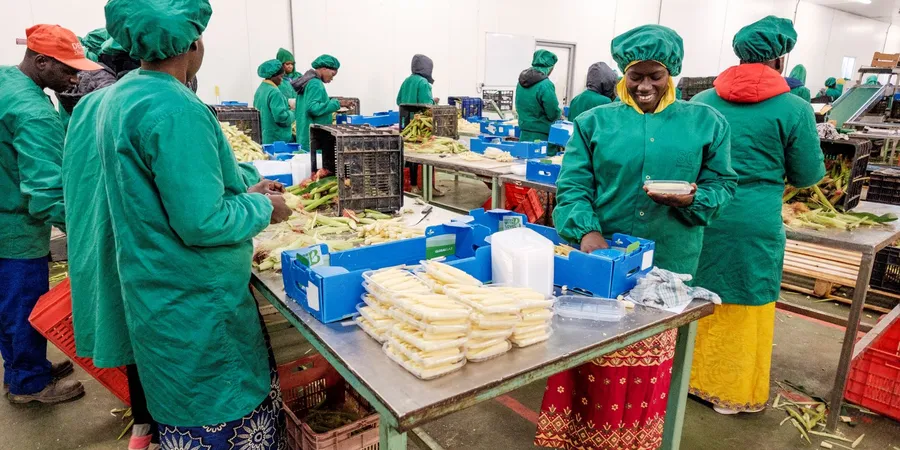
Instaveg Ltd is one of the companies that has actively participated in COLEACP’s Fit for Market programme. Besides technical support, leads to financial institutions and grant programmes enabled the company to benefit from a grant from the Agrifi Challenge Fund to set up a new packaging facility that will facilitate food safety compliance with BRCGS and reduce food waste. The combined support and linkages by COLEACP facilitate market access, creation and retention of jobs, and sustainable activities for farmers and smallholders. Instaveg’s managing director Ashibon Mwangi says Fit For Market support “Will not only help us become a stronger business but also a consistent supplier, employer and farmers’ partner.”
 News
News
Training-of-Trainers in Ethical Production and Corporate Social Responsibility
COLEACP's training-of-trainers in Ethical Production and Corporate Social Responsibility is taking place in two stages.Over 3 weeks in September 2020, online training was provided for French-speaking experts. Of 19 experts selected, 14 took part and successfully completed the training, which included practical exercises and group presentations. Participants attended from Benin, Burundi, Cameroon, Côte d'Ivoire, Madagascar, Senegal and Togo.Next, in January–February 2021, the course will be provided in English – over 4 weeks, as the first experience was quite intensive for the participants. Participants currently number 18, from Ghana, Kenya, Nigeria, Uganda and Zimbabwe, and with some more remaining to be confirmed.Topics covered include: The corporate social responsibility (CSR) approach Working with stakeholders Human rights Labour relations and working conditions Environment The emergence of ethical standards and their significance for business Private voluntary standards relating to production methods Evaluation of sustainable or ethical performance The 21st century challenge on environment and climate change The marketing of ethical and sustainable products Some feedback on the first sessions: Today, as a trainer, I can and I fully intend to use these achievements for the benefit of horticultural companies in my country. For example, in Togo, we have decided to support and assist companies that so desire in the implementation of a CSR approach through the identification of stakeholders, the development of sustainability charters and materiality up to communication of the company's values and commitment. Finally, I would like to thank the entire COLEACP team for the opportunity given to me to participate in this training, and to congratulate the trainers for the expertise, the good atmosphere, the group harmony, the teamwork and the conviviality they have established during the 3 weeks of training. It was an amazing experience. "The notion of human rights has been something very important for me because people always talk about it but I have never made the link with the agricultural sector or business. In the agricultural sector, specifically in DR Congo, Burundi and Rwanda, teaching the rights of these workers is essential because the wages of day labourers are imposed because of the absence of trade unionism. I believe that talking about it could change the situation of these people who are reduced to modern slavery." "This training should not only be aimed at companies or farmers' organisations but should be given to other COLEACP partners, particularly the State through ministries or local authorities, as they are concerned with the sustainable development of these companies and the well-being of workers and consumers."