
Cultivating
Sustainable Futures
 News
News
Training in the new Rapid SPS Assessment Tool (R-SAT)
Two online R-SAT training sessions took place in February and early March, each for nine experts – in English for participants from the Caribbean Agricultural Health and Food Safety Agency (CAHFSA), the Dominican Republic, Ghana, Kenya, Nigeria, Uganda and Zimbabwe; and in French for experts from Cameroon, Benin, Burkina Faso, Burundi, Côte d’Ivoire, Guinea, Madagascar, Senegal and Togo. Experts’ feedback will inform the final version of the tool, and the training will be followed by the use of R-SAT in selected pilot countries. At the heart of the R-SAT model is the facilitation of dialogue and engagement between the key stakeholders, both public and private. R-SAT provides a practical, step-by-step guide to assist ACP countries in their assessment of national SPS systems in order to strengthen them in line with international standards and regulations. The aim is to facilitate the development of a national priority action plan to strengthen SPS systems that is firmly based on a common strategic vision, agreed by all stakeholders. The COLEACP R-SAT does not replace existing dedicated tools such as the various Food and Agriculture Organization and World Health Organization guidelines to assess national food safety systems; the Phytosanitary Capacity Evaluation (PCE) developed by the International Plant Protection Convention; and the STDF’s Prioritizing SPS Investments for Market Access (P-IMA) framework. Instead, it is designed to be complementary to these tools, enabling a rapid preliminary assessment and generating information that can be fed into these more in-depth evaluations as necessary.This training is organised by COLEACP under the Fit For Market SPS programme within the Framework of Development Cooperation between the Organisation of African, Caribbean and Pacific States (OACPS) and the European Union.
 News
News
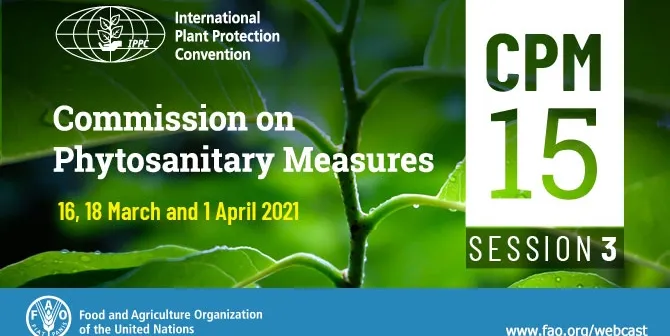
15th Commission on Phytosanitary Measures in March/April
The 15th Session of the Commission on Phytosanitary Measures (CPM-15) will be held on 16 and 18 March, and on 1 April 2021, in virtual format. The agenda includes standard-setting, capacity-building, communication, ePhyto, and the CPM recommendations. These agenda items are of critical importance to the functioning of National Plant Protection Organisations (NPPOs), and COLEACP encourages the participation of ACP countries. For contracting parties to the International Plant Protection Convention (IPPC), registration is via the FAO Members Gateway. Those who are not contracting parties but are interested to observe may also register, by submitting an email to ippc@fao.org. The Session will be held virtually on 16 and 18 March, and on 1 April 2021, from 10:00 am to 1:00 pm (CET) and from 3:00 to 6:00 pm (CET). The invitation letter for IPPC contracting parties can be found here, while the invitation letter for CPM observers is here. The Session will be conducted in Arabic, Chinese, English, French, Russian and Spanish. CPM-15 sessions will also be webcast via the following link: https://www.fao.org/webcast/home/en/, so that those who are interested but not registered can still follow the discussions.
 News
News
Fight against unfair trading practices
For over 10 years, COLEACP has been part of a coalition of organisations, including Oxfam, the Fair Trade Advocacy Office and the International Federation of Organic Agriculture Movements (IFOAM-EU), lobbying the EU to tackle unfair trading practices (UTPs) in agricultural supply chains. Smaller suppliers are particularly vulnerable to unfair practices such as last-minute cancellation of orders and late payments. In April 2019 this lobbying activity finally bore fruit and the groundbreaking EU Directive 2019/633 on Unfair Trading Practices in Business Relationships between Businesses in the Agricultural and Food Supply Chain was formally adopted. Each EU Member State had two years from April 2019 to give force to (or “transpose”) the Directive, and the deadline is now only two months away. While some Member States have already put draft laws on the table, with innovative solutions to protect agri-food suppliers in the EU and globally, others still have to catch up. COLEACP has added its signature to a Joint Civil Society Organisation and Trade Union Statement of 1 March, which reminds EU Member States that they are required to transpose the Directive into their national legal framework by 1 May 2021, and highlights the opportunity of adding in additional protection for suppliers, as already taken up by some Member States. Since the approval of the UTP Directive, civil society organisations have been advocating for a more ambitious transposition by individual Member States. For example, Member States can expand the list of forbidden (“black”) UTPs by also prohibiting some practices that the Directive does not forbid but only limits: “grey” UTPs. They can also include abusive practices beyond those listed in the Directive, or institute a general ban on UTPs. And finally, they can expand the scope of their laws to prevent UTPs not only in agri-food, but also in other supply chains. When the UTP Directive comes into force, for the first time there will be a shared minimum standard for fair trading practices enforced throughout Europe. This will provide regulatory certainty to buyers and confidence to suppliers – even those based outside the EU – that they will be able to access protection regardless of where their European buyer is based. Read the full Joint Statement here The Fair Trade Advocacy Office has more information and resources on the UTP Directive here
 News
News
APROTELF workshop
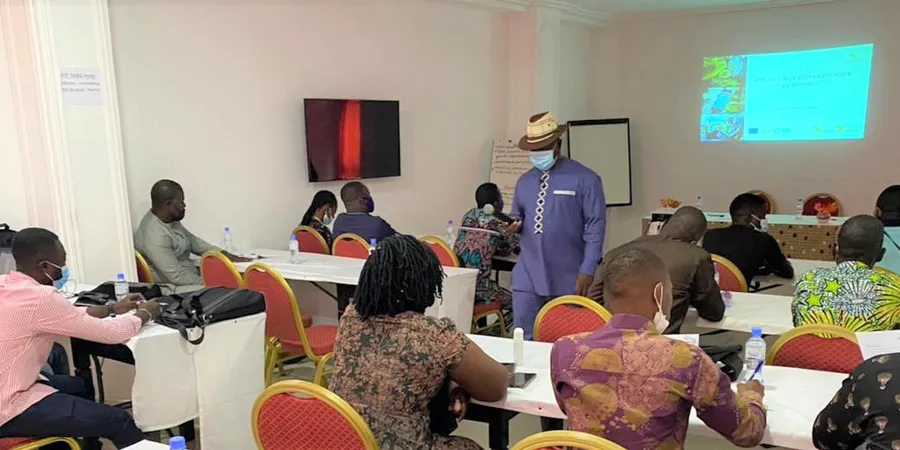
A workshop of the Association of Producers, Processors and Exporters of Vegetables and Fruits of Togo (APROTELF), with about 30 participants, was held on 15 March in Lomé. This workshop, which was part of the revitalisation of APROTELF, aimed to learn about the needs and expectations of companies. Participants discussed the actions needed to support the association to offer appropriate and useful services to its members, while working effectively to promote and defend the interests of the fruit and vegetable sector in Togo. COLEACP’s relay in Togo, M. Bodomziba TCHALA took part in the meeting and took the opportunity to discuss various topics with participants, including COLEACP’s activities in Togo, the development of a Good Practice Guide for leafy vegetables, and the recent incubator (pepinière) for technical managers in Togo which trained 22 young people. This activity was organised within the framework of the project "Strengthening of the phytosanitary control and certification system for the fruit and vegetable sector in Togo", funded by the Standards and Trade Development Facility (STDF) and implemented by COLEACP.
 News
News
COLEACP support to agricultural private sector in Pacific
On March 11, COLEACP invited horticultural stakeholders from the Pacific region’s private sector to participate in an online workshop. The participants introduced themselves, and COLEACP presented its programmes and activities, with a focus on what is planned in the Pacific in the coming weeks and months. Discussions included support for accessing markets; how to set up a sustainable commercial agriculture business model for exports to cover losses from tourism; how to obtain organic certification for products; and the use of COLEACP’s training materials in accredited courses up to diploma level. Our thanks to Ms Mereia Volavola, COLEACP's local relay in the Pacific, for her support in organising this event.This activity is supported by the Fit For Market and Fit For Market SPS programmes, implemented by COLEACP within the Framework of Development Cooperation between the Organisation of African, Caribbean and Pacific States (OACPS) and the European Union, and co-funded by the French Development Agency (AFD).
 News
News
IPM support - NIANDA AGRICULTURE AND TRADING COMPANY (Sierra Leone)
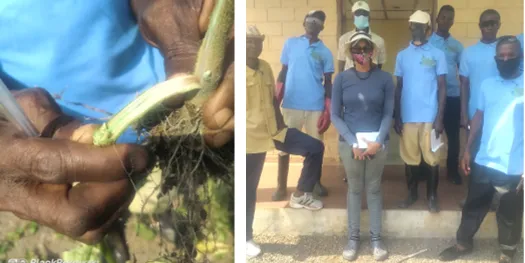
NIANDA AGRICULTURE AND TRADING has benefited from COLEACP’s Fit For Market programme support to analyse its current pest management system. COLEACP expert Mr Emmanuel Owusu carried out an overview of pest and disease status, and suggested solutions for the company to improve its integrated pest management. NIANDA is a Sierra Leonean company with a focus on fruit and vegetables (mangoes, passion fruit, okra, pepper, eggplant, etc.) sold on the local and export markets (fresh and frozen). Founded in 2011, the company produces, collects, and distributes fruit and vegetables produced by outgrowers. NIANDA also trades in high-quality certified seeds, fertilisers, herbicides, and farm tools.This activity is supported by the Fit For Market programme, implemented by COLEACP within the Framework of Development Cooperation between the Organisation of African, Caribbean and Pacific States (OACPS) and the European Union, and co-funded by the French Development Agency (AFD).
 News
News
Dominican Republic: JAD-COLEACP webinar 3 on tools and partners for exporting to Europe
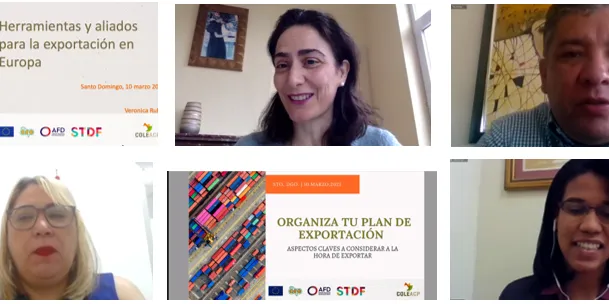
COLEACP is collaborating with the Dominican Agroenterprise Board (Junta Agroempresarial Dominicana, JAD) to present a webinar series on market access for processed products in the pineapple, mango and avocado sectors. The webinars are part of the CALIFRUP project, “Quality enhancement for the development of MSMEs in the processed fruit value chain”. The third webinar, on 10 March, emphasised the importance for exporters and processor of figuring out from the start the type of market they want to conquer. This strategy will help companies to find the right allies within the supply chain – if a company wants to be seen by buyers as serious and reliable, it’s very important that all partners in the supply chain are up to standard, and understand the importance of cooperation and continuous dialogue, responsiveness and resilience, and quality and traceability. Companies also need to identify the right buyers, and a narrative that is adapted to their needs. For example, if I want to get into the Fairtrade or organic market, I can’t give vague answers about the working conditions under which my product is processed. The webinar was presented by Mrs Veronica RUBIO (a trade lawyer specialising in promoting sustainable value chains), Mrs Wendy JIMENEZ (business consultant/specialist advisor for SMEs), and Mrs Maria DE LOURDES NÚÑEZ (of the Consejo Nacional de Competitividad, Dominican Republic). This activity is supported by the Fit For Market programme, implemented by COLEACP within the Framework of Development Cooperation between the Organisation of African, Caribbean and Pacific States (OACPS) and the European Union, and co-funded by the French Development Agency (AFD).
 News
News
Support for NPPOs: Banana fusarium wilt TR4 in West Africa
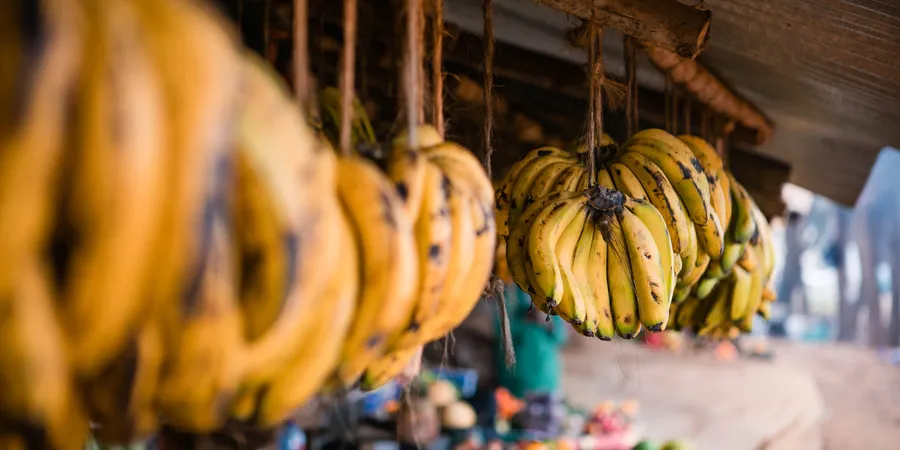
On 9 March, COLEACP and the Economic Community of West African States (ECOWAS) held a webinar with the FAO-led World Banana Forum: “Banana fusarium wilt TR4 – an overview of distribution and impact, and the essential biosecurity measures needed for West Africa”. TR4 is an aggressive strain of banana fusarium wilt (Fusarium oxysporum f.sp. cubense tropical race 4), one of only six strains that attack Cavendish bananas. If unchecked, TR4 can wipe out an entire plantation. The meeting gave an overview of the problem, the potential threat to banana production for both export and domestic markets, and the actions that need to be taken by National Plant Protection Organisations (NPPOs) and other key stakeholders to prevent entry of this serious disease into West Africa. It focused on the biosecurity measures needed at a national level, and the engagement that will be needed with private sector players involved in large-scale production and export. The meeting was recorded in French and English, and is available via the TR4 Global Network, along with other resources including Guidelines and a recent publication, Together, we can prevent the spread of Tropical Race 4 (TR4). COLEACP supports NPPOs to strengthen their sanitary and phytosanitary control systems through its Fit For Market SPS programme. This event was part of a series of regional webinars held with the support of the Directorate of Agriculture and Rural Development, ECOWAS Commission, to update and discuss key plant health issues affecting NPPOs and the fruit and vegetable sector. The Fit For Market SPS programme is implemented by COLEACP within the Framework of Development Cooperation between the Organisation of African, Caribbean and Pacific States (OACPS) and the European Union.
 News
News
Training on traceability for FENACOPAB
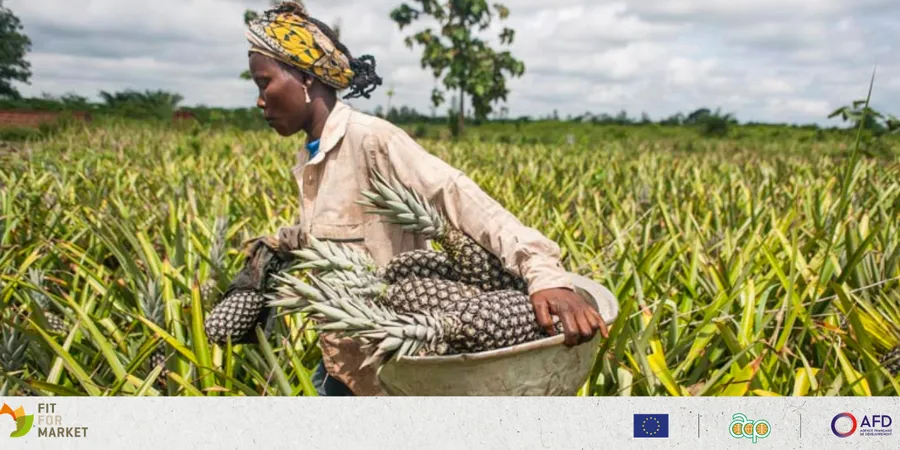
Staff of the National Federation of Village Pineapple Producers Cooperatives of Benin (FENACOPAB) will receive COLEACP training on traceability and good hygiene practices. On completion of this training, participants will be able to implement a traceability system that is adapted to the local context of FENACOPAB, and that conforms with GLOBALG.A.P. requirements. This support is carried out within the framework of COLEACP’s Fit For Market programme. FENACOPAB is the Beninese national umbrella organisation for pineapple producers' cooperatives and agricultural service providers. It was created in 2014 and its headquarters are located in Allada. The Federation provides services to its 2865 producer members in support of the pineapple sector (supply of inputs, capacity building, facilitation of access to finance, marketing of produce through the organisation of group sales, monitoring and advisory support at production level, and services for member unions and cooperatives), and defends members' interests.See all the news about our activities in Benin here.The Fit For Market programme is implemented by COLEACP within the Framework of Development Cooperation between the Organisation of African, Caribbean and Pacific States (OACPS) and the European Union.
 News
News
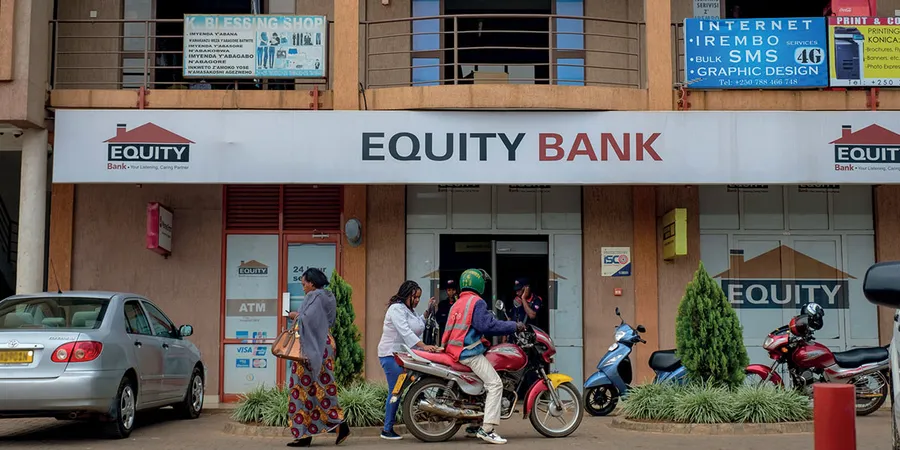
Team Europe partners with Equity Bank to support Kenyan business and agriculture amid Covid-19
The European Union (EU) and the European Investment Bank (EIB), working together as Team Europe, are providing €120 million (KES 15.8 billion) of new support for Equity Bank to enhance financing for Kenyan companies most impacted by the Covid-19 crisis (European Commission press release, 3 March). The financing package will support access to finance under appropriate conditions for Kenyan SMEs, including in the agriculture sector, through €100 million loans from the EIB to Equity Bank and €20 million of EU grant support. New technical assistance, backed by the EU, will further strengthen Equity Bank's capacity to assess, execute and monitor longer-term agricultural value chain investment projects and further develop provision of long-term financing for agriculture. Dr James Mwangi of Equity Group Holdings Plc said “By ensuring their survival and growth the MSMEs will continue to protect jobs, create more jobs and support lives and livelihoods in society, serving to create resilience as the pandemic subsides, vaccines become available in Kenya, and market growth returns.” The financing focuses on: Improving access to finance by agriculture Growth of agriculture-based economic activity is constrained by limited long-term financing, which delays its development and modernisation. Enhancing economic resilience of Kenyan businesses to Covid-19 The new cooperation with Equity Bank will stimulate investment, creating decent jobs and contributing to the country's recovery efforts and sustainable development. Strengthening cooperation with leading Kenyan financial institutions Since 1976 the EIB has provided more than €1.5 billion of financing to support private and public investment across Kenya. Particularly in the context of Covid-19, COLEACP’s support to business management is focusing on access to finance. Through the EU-funded NExT Kenya programme, our Business Development team is actively developing relationships with international financial institutions and other donor programmes that provide support to the horticultural sector in Kenya, and sharing information on calls for application.
 News
News
Women bear the fruits of success!
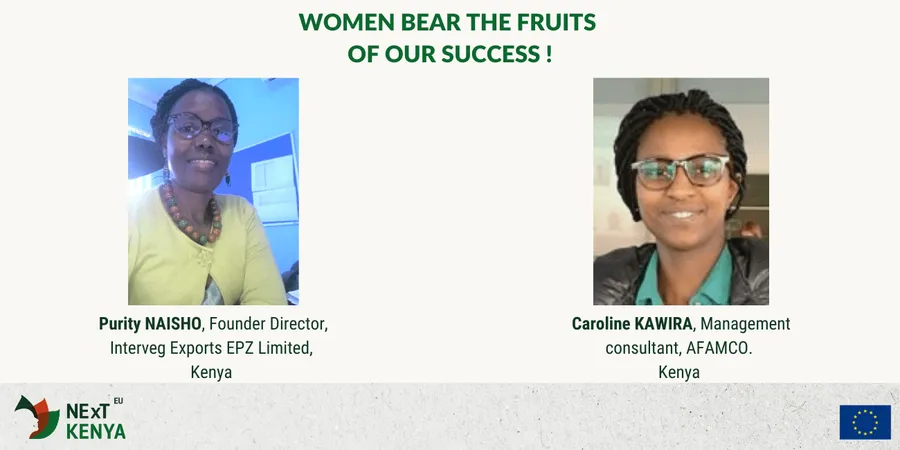
For International Women’s Day 2021, COLEACP is celebrating women’s achievements in Kenyan horticulture. Women entrepreneurs – as farm owners, input suppliers, service delivery enterprises, and running processing and export businesses – contribute to local, national and global economies, with significant impact on poverty reduction, job creation and the well-being of rural communities and society as a whole. PURITY NAISHO is a founding director of Interveg Exports EPZ Limited, a family-owned business. She is also the current vice chair of the Fresh Produce Exporters Association of Kenya (FPEAK). INTERVEG contributes to the national economy through earning foreign income. The company employs a permanent staff of 26, and works with a casual labour force of about 100, and with several outgrower farmers who employ hundreds of people. Interveg owes its success to these local farmers, and supports them by providing inputs such as seeds and cash advances to buy fertilisers and pay their daily workers; technical expertise on good agricultural practices; and advise them on opening bank accounts to help manage their financial growth. CAROLINE KAWIRA works as a small-scale farmer and agricultural advisor, and is a management consultant at the Africa Association Management Company (AFAMCO). With a BSc in food science & technology, an MSc in nutrition and rural development, and further training in partnership building, strategy and innovation, she focuses on entrepreneurship, innovation and youth engagement, and has a keen passion for startups. She promotes opportunities in sustainable agriculture on a one-to-one basis, through speaking engagements, and through the African Caribbean and Pacific Young Professionals Network #ACPYPN. Caroline supports young farmers to develop sustainable businesses, for example by training them on how to make organic pesticides and linking them to organic markets. COLEACP’s EU-funded NExT Kenya programme is supporting women horticultural entrepreneurs and advisors such as Purity and Caroline to enhance Kenya’s sustainable horticultural exports and contribute to hundreds of livelihoods
 News
News
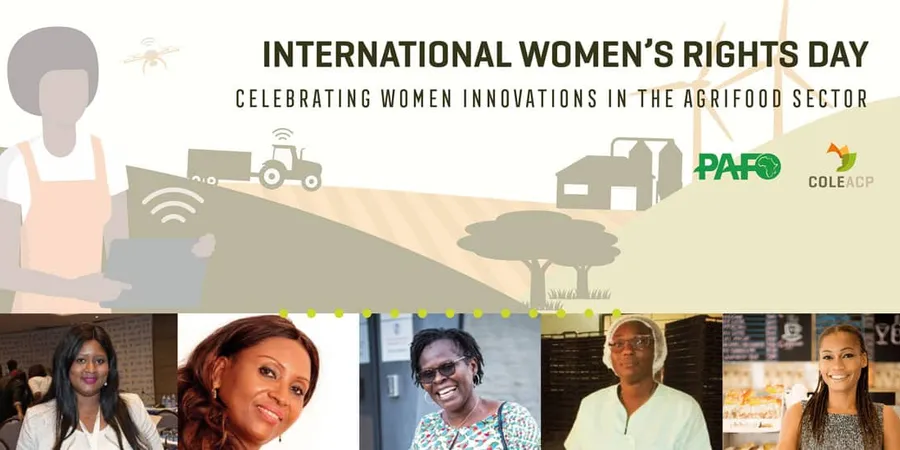
International Women's Rights Day 2021
Women still face too many challenges in finding jobs in the formal economy or starting and developing businesses, due to insufficient conducive policies and normslow rates of land ownership, as well as access and control over resources and limited access to credit.However, women are a significant entrepreneurial force as owners of farms, input supply stores, service delivery businesses, and processing and export firms whose contributions to local, national, and global economies have significant impact on poverty-reduction, employment creation and wellbeing of rural communities and society at large. We need to promote and protect women’s jobs along the food chain, from farm to fork, and advocate for fair wages and better working conditions. Therefore, supporting women entrepreneurship across the value chain is one of the most powerful routes to promote agriculture, agribusiness and boost sustainable rural development. To respond to highly competitive markets in local, regional and export markets and capture gains in value-addition activities, women entrepreneurs need more training and skills in business management, marketing and digital skills along the value chain with an emphasis on growth sectors, green technologies and safe and sustainable farming and agro-processing practices. With this background and willing to support farmers’ organisations, cooperatives and SMEs to seize opportunities in new markets and to establish key partnerships to strengthen their competitiveness, PAFO and COLEACP promote Innovations and Successes of African Women led Businesses and showcase entrepreneurs successes.