
Cultivating
Sustainable Futures
 News
News
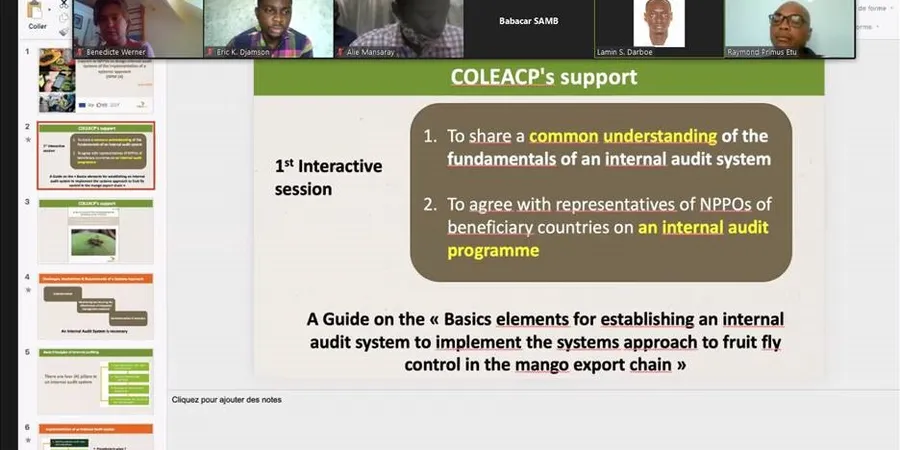
Implementing an internal audit system
COLEACP’s digital training on the identification and management of false codling moth began in Sierra Leone in late June 2020, for participants from both the public sector (NPPO inspectors) and private sector (horticultural producers and exporters). In the first virtual meeting, trainer Mr Samuel Muchemi explained the digital training, and participants introduced themselves and asked questions.
 News
News
Virtual meeting between FPC KENYA and COLEACP market access and food security activities
Virtual meeting between the Fresh Produce Consortium of Kenya (FPC KENYA) team, including FPC's CEO Mr. Okisegere Ojepat and the COLEACP team as part of COLEACP's COVID-19 measures to ensure market access and food security activities. We introduced two new services - for linking local and regional producers and buyers, and for external logistics services - in the framework of #COLEACP's development programmes.
 News
News
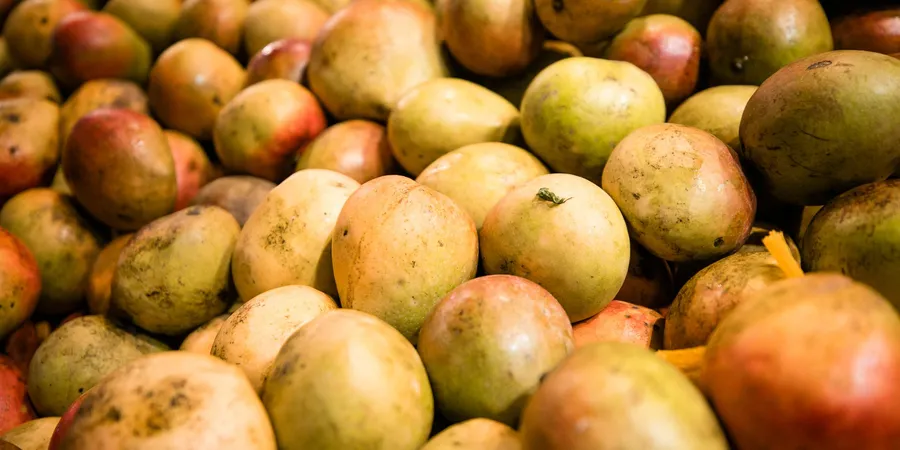
Digital training on integrated fruit fly management for the NPPO and technical managers
COLEACP's digital training on integrated fruit fly management for NPPO and technical managers of Gambian companies ended around positive feedbacks from participants. The training aimed to strengthen the capacity of plant protection officers and technical managers of exporting fresh mangoes companies in integrated fruit fly management measures. It also aimed to strengthen the capacity of phytosanitary agents to inspect operators in the mango sector.
 News
News
Outcome of the UK Global Tariff Consultation
Background In February 2020, the UK Department for International Trade launched an online consultation process to inform the UK’s future most favoured nation (MFN) tariff schedule (i.e. UK Global Tariff, UKGT) following the effective UK’s withdrawal from the EU customs union and single market. The UKGT will be effective as from 1st January 2021.There was an intense debate in the UKGT regime between free market liberalises and trade policy pragmatists, with a specific emphasis on the zero production-zero tariff approach. This approach was a source of considerable concern to COLEACP horticultural exporters. Given the structure of the currently applied MFN tariffs, any move over to such an approach could have led to a severe erosion of existing margins of tariff preferences for ACP exporters.Indeed, this initially foreseen approach would not only have impacted on trade with MFN suppliers to the UK market but would also have carried implications for Standard GSP suppliers, and even in some instances, where only reduced tariff-quota restricted access is granted, free trade agreement (FTA)-based exporters.It was estimated that out of the total value of ACP horticultural exports to the UK (i.e. EUR 1 117 million in 2019), at least 36% could have been adversely affected by the adoption of a zero production-zero tariff approach. For most ACP countries, this would have had a severe negative impact, given the predominant weight the affected products play in total exports to the UK and the criticality of these products to employment and rural development.Against this background, COLEACP supported, throughout January, February and beginning of March 2020, an active process of engagement with ACP business associations and competent authorities (including ACP embassies in Brussels – in close collaboration with the ACP Group of States Secretariat – and in the UK) in order to facilitate their active participation to the UKGT consultation process. This engagement process resulted in a number of private business associations, ACP governments and regional bodies, engaging in informational and representational work with UK officials, parliamentarians and Ministers on areas of concern to ACP exporters.Main outcomes of the consultation The UK government publicly announced its UKGT on the 19th May 2020. The announcement explicitly mentioned that the new MFN scheduled maintained in place some existing tariffs where this supports imports from the world’s poorest countries that benefit from preferential access to the UK market while preserving the UK’s commitment to deepening trade with developing countries in order to reduce poverty and improve prosperity.This has seen many of the concerns raised by COLEACP’s constituency have been fully accommodated within the UKGT as many import tariffs on major horticulture export products of interest to ACP exporters remain unchanged or will be only slightly reduced for suppliers subject to the MFN schedule.Significantly, this leaves unaffected the trade taking place under FTAs where reduced tariff import quotas are applied (most notably for bananas). For example, any move over to a zero production-zero tariff policy would have profoundly impacted on the basis for the majority of UK imports of bananas, since exporters subject to reduced tariff quota restricted access under rolled-over UK-only FTAs would simply have exported under standard zero tariff MFN conditions which such a profound policy shift would have entailed.The principal area of concern arising from the UKGT relates to those products which are currently covered by EU minimum entry price or standard import value requirements. The UK proposal removes these requirements, replacing them with ad valorem tariffs.A critical question now faced relates to the knock-on effects of this UK policy change on tariffs charged under the UK’s future Standard GSP and GSP+ schemes, for products currently covered by such minimum entry price or standard import value requirements.Access the document and its annexesLinks: Public consultation: MFN Tariff Policy (The UK Global Tariff) – Government response & policy Detailed guide to UK tariffs from 1 January 2021 The UK Global Tariff Tool
 News
News
Important update on the expiry of EU PPP approvals in 2019-2022
An update on the expiry of EU approval of key Plant Protection Products (PPPs) for ACP countriesIn the EU, active substances are approved for a maximum period of 10 years under Regulation EC 1107/2009, after which time the approval must be reviewed. The review process is detailed and involves the evaluation of existing (and sometimes new data) against a set of criteria, many of which have changed since the substance was first approved.The schedule for the review of individual active substances is divided into groups (AIR programmes). Recently, the European Commission has updated these programmes for the period 2019-2024 (AIR IV and AIR V programmes).When an active substance comes up for review, a manufacturer must submit a dossier with the required data. In some cases, possibly due to a lack of commercial interest, or in the expectation that some substances will not successfully go through the evaluation processes, manufactures decide not to invest in the re-evaluation.Below is a list of active substances that have expired in 2019, or will expire in 2020-2022, because the manufacture has decided not to resubmit (summary of AIR IV (2019-2022) programme).Following expiration/non-renewal of EU authorizations, the maximum residue levels (MRLs) are generally lowered to the limit of determination (LOD): 0.01 mg/kg. In most cases this will mean that these substances can no longer be used on crops for export to the EU. The date of entry into force of the new MRLs is not yet known. COLEACP will keep you informed as soon as more information becomes available. ACTIVE SUBSTANCES WHERE AUTHORISATIONS EXPIRED IN 2019 BECAUSE NO APPLICATION FOR RENEWAL WAS RECEIVED
 News
News
RHORTICAM and COLEACP have launched a survey of horticultural companies to assess the impact of the health crisis (COVID19 ) on their activities.
RHORTICAM, in collaboration with COLEACP, launched in May 2020 a survey of companies and cooperatives in the horticultural sector in Cameroon. This survey allowed to assess the impact of the global health and economic crisis currently affecting Cameroonian operators.The main impacts are at the level of customer demand (drop in demand), as well as from a logistical point of view on supply chains.The companies' contribution also makes it possible to identify the needs for technical and financial support in the short, medium and long term, with priority being given to market access, access to financing, internal management and awareness raising on barrier gestures.The information gathered will enable COLEACP and RHORTICAM to direct their support to meet the needs identified.Consult the survey results
 News
News
Virtual meeting between Sea-freight Pineapple Exporters of Ghana and COLEACP
M. Stephen Mintah, General Manager of Sea-freight Pineapple Exporters of Ghana (SPEG) and Chairman of COLEACP, attended a virtual meeting with COLEACP's team as part of COLEACP's COVID-19 measures to ensure market access and food security activities.
 News
News
B2B networking in the Pacific region
At the Joint ACP-EU Private Sector Development Information, Knowledge Sharing and Networking event for the Pacific region in December, COLEACP participated in a B2B session for Fijian producers and export companies. The event, organised with the technical support of the Pacific Islands Forum Secretariat and the Pacific Islands Private Sector Organisation (PIPSO), brings together the implementation agencies of ACP/EU financing facilities and private sector development programmes on one hand, and ACP private sector stakeholders on the other.
 News
News
Workshop on strengthening training services
Through de means of videoconferencing, Zimbabwe Farmers Union participated successfully to a Workshop on strengthening training services for their members.
 News
News
First digital training in Ghana
Due to COVID-19, we have moved forward to digital training. Coleacp trainers SARPONG Mark and ADDY Kenneth introduced the first digital training in Ghana, on integrated management for fruit fly control for fresh export technical managers. Trainees followed online courses and did exercises to put their knowledge into practice. Discussions on Zoom platform about each topic enabled a Q/A session and interaction among participants; Trainees reinforced their knowledge on recognizing #mango damage and completing phytosanitary certificates. Both trainers and trainees enjoyed this successful digital experience.
 News
News
Focus on the global flower industry
European market Since mid-April, activity is gradually restarting on the European market with garden centres having opened again in some EU countries (Belgium, Austria, the whole of Germany). It provides some breathing space for the sector, but some major markets are still mostly locked down (e.g. France, United Kingdom, Switzerland). The overall market activity (both volumes and prices) in the EU is in any case nowhere close to what it should be at this time of year, and it is anticipated that it will continue be disrupted for the coming weeks and months. Meanwhile, many flower shops will have gone bankrupt, and wholesalers as well. And the issue of customers’ credit will remain for the wholesalers in this context – customer florists not having paid their debts and now having gone bankrupt. So the ‘domino effect’ is expected to continue disrupting the European market for a long period before it can recover. As a large share of flower and live plant products also go to events, food service and hotels, hospitality, weddings and funerals, and as strict social distancing measures are due to be maintained for several months with most social and cultural events banned for several months across Europe, all sales channels will remain deeply affected with a significant impact on the overall EU market.Trade transactions at the Dutch auctions have been significantly reduced since the collapse of the market mid-March and will continue to be much lower than they should be under normal market conditions at this time of the year and for the weeks and months to come. Royal FloraHolland has reported a reduction of turnover of 85% in the week of 13 to 20 March when the market collapsed. Since then, the loss in turnover has gradually improved step by step and activity at the auctions is now estimated at 30% less than what it should be at this time of the year. This is largely a result of the voluntary measures taken since mid-March to maintain price levels as far as possible by limiting supply and withdrawing products from the market. Royal FloraHolland has announced this week that these measures will now start being phased out from 29 April onwards. Today, price levels are nowhere close to where they should be, even if larger volumes of flowers and plants are now sold at the auctions. This is expected to continue for the coming weeks and months.International news The international flower industry is now intensively preparing for Mother’s day on 10 May in most destination markets (US, most of mainland Europe except for France on 7 June), hoping that the international market, airfreight and logistics connections will be sufficiently restored by then.Asocolflores, the Association of Colombian Flower Exporters, has announced this week that it has activated its ‘Petal Plan’ for Mother’s Day (see Floral Daily), a security and coordination mechanism involving all relevant Colombian authorities to systematise processes along the supply chain as much as possible and reduce risks derived from COVID-19.The Kenyan flower industry is still faced with a number of difficulties for airfreight linkage to destination markets as North–South-bound connections are still greatly insufficient. Efforts by the Kenya Flower Council and other industry stakeholders are slowly starting to pay off. In a statement released on 20 April, the Dutch Embassy in Nairobi announced: “Starting Tuesday, April 21, and Sunday, April 26, Air France KLM Martinair, Cargo will operate two weekly cargo flights bringing 45–50 tons of cargo from Nairobi to Amsterdam. For this purpose, KLM Boeing 777-300 passenger aircraft will be used with ample belly capacity. This comes in addition to the existing full freighter flights Air France KLM Martinair is regularly operating.” The exports will be dominated by cut flowers and other perishable products, including vegetables and fruits from Kenya to the Netherlands.EC package of exceptional measures On 22 April, the European Commission announced it was proposing a package of exceptional measures to support the agri-food sector. For the first time ever, measures under Article 222 of the CMO Regulation (Common Market Organisation) are being put forward to support the flower and plant sector. The proposed measures provide exceptional derogation measures from EU competition rules for the flower and live plants sector, and the authorisation to adopt self-organisational tools for market stabilisation for 6 months (e.g. market withdrawal, free distribution of products, joint promotional measures). The Commission aims to have these measures adopted by the end of April. Beforehand, Member States are being consulted and will vote on these measures.This is an exceptional recognition by the EU Commission of the serious disruptions that have taken place on the market since mid-March. Union Fleurs, together with all other organisations of the sector, welcomes the positive political signal given by the EU Commission with this announcement. However, it is anticipated that these proposed measures will not bring any significant and tangible relief to the urgent needs of the sector, due to the specific characteristics of the sector which differ from other agricultural products. What is needed is a more ambitious plan at EU level with actual financial support to the sector to compensate the losses growers and operators have faced since the start of the crisis and guarantee liquidity to their businesses. Sector organisations will therefore continue advocating for a more direct and financially significant support by the EU under Art. 221 of the CMO and/or any other avenues that could be possible outside the CMO Regulation. OTHER NEWS In the Netherlands, an online initiative Kopen bij de kweker! (Buy from the grower!) is serving 1,000 visitors per day just 2 weeks after launching (Flora News). The website shows consumers a map with growers in the area where they can buy flowers and plants. As the site points out, as growers can’t export, consumers can visit the points of sale on the website to avoid millions of euros worth of flowers and plants being thrown away every day. New growers are registering on the site on a daily basis. Since last weekend, Kopen bij de kweker has also been on social media, and already has a reach of 20,000.Royal FloraHolland provides a weekly country update for the corona crisis. It reports on the retail situation in various European countries (florists and garden centres), and on logistics affecting exporters, particularly Kenya. Royal FloraHolland also has a live blog with market updates.
 News
News
COLEACP launches new Digital Distance Training
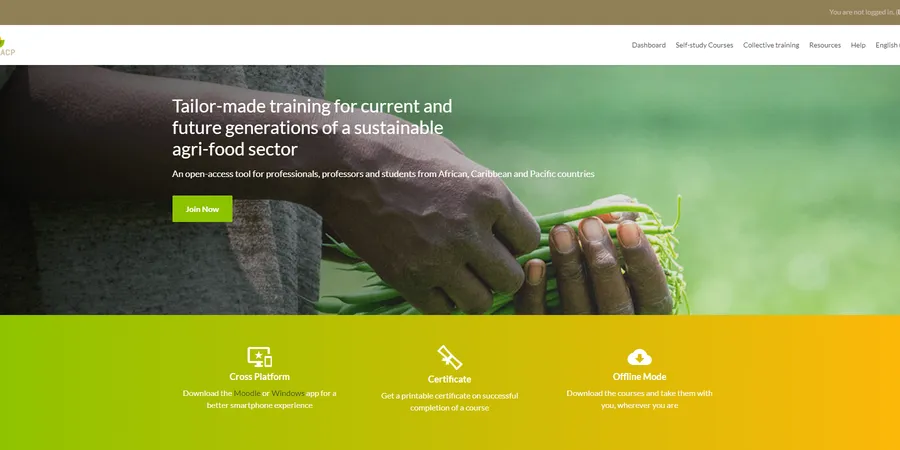
To comply with precautionary measures related to COVID-19, for the time being COLEACP has cancelled the organization of group training sessions. As an alternative, digital distance training is the best solution. Digital distance learning cannot entirely replace face-to-face training. However, methods and technologies are now available to achieve a highly satisfactory quality of training.COLEACP has already moved ahead with the launch of Digital Distance Training as a core activity. Our e-learning platform has been enhanced and we are providing new digital tools to trainers to assist in creating their digital courses (creating videos, etc.). COLEACP staff are working hand-in-hand with ACP trainers, moving from face-to-face training to digital. Some ACP trainers have already received online training on how to use those digital tools effectively. TRAINING ON COVID-19 PREVENTIVE MEASURES COLEACP is currently working on launching digital distance training on COVID-19 preventive measures, which will address the following topics: understanding the virus and the disease raising awareness on protective measures against the spread of the virus reducing the risks within companies integrating COVID-19 measures in food safety management systems introducing the new requirements of private standards with regard to the virus (e.g. British Retail Consortium (BRC) and GLOBALG.A.P.). This training will be available via COLEACP’s e-learning platform, and is addressed to local experts and key players from ACP countries (such as NGOs, national producers’ federations, public services, horticultural companies, women’s associations and medical staff). Their role is to quickly spread key messages and good practices among the horticultural sector and its communities, using the awareness-raising and information tools (leaflets and brochures, podcasts, etc.) currently being developed by COLEACP.Given the emergency, this COVID-19 training will be launched soon in most ACP countries. OTHER TRAINING TOPICS GO DIGITAL In addition to COVID-19 training, COLEACP has recently introduced its first digital training in Ghana aiming at building capacity on integrated management measures for fruit fly control for fresh export technical managers. It has been a success for both trainers and trainees, who enjoyed the outcome of this digital training. Thanks to the trainers M. SARPONG Mark and M. ADDY Kenneth for their contributions.Last but not least, COLEACP is currently working on conducting other digital training, both for ACP horticultural export companies (‘Recovery of waste from the mango sector’; and ‘Commercial negotiation’), and for experts to deliver training-of-trainers. As an example, in the coming months COLEACP will organize training-of-trainers on ‘Environmental management’ to strengthen the technical and teaching skills of experts, which will allow them to subsequently play the role of trainers and coaches for the technical managers of companies, particularly in the context of training sessions organised by COLEACP.For more information, please visit our e-learning platform: https://training.coleacp.org/?lang=en A photo of you in your job On 19 April, in collaboration with Mr. Seun, a young farmer from Nigeria, COLEACP launched a challenge:“To all professionals in the Agriculture Industry, join the challenge to post a photo of you in your job. Just a picture, no description. The goal is to flood social media with our profession as we continue feeding the nations #COVID19 #lockdown”So far 296 farmers from all over Africa have participated, reaching 773 people. See the growing set of photos of African farmers at work here – and if you are an agricultural professional, join the challenge.