
Cultivating
Sustainable Futures
 News
News
Impacts of Covid-19 on horticultural SMEs in Ethiopia
COLEACP’s surveys in the early months of the pandemic aimed to gather first-hand information on the impact of Covid-19 on operators of horticultural businesses, and assess how support from COLEACP and other partners could best be redirected as a response. These were not intended to be systematic surveys – respondents were self-selecting, and the operators taking part varying greatly in size and operation. But the results provide an illuminating qualitative snapshot of the key impacts of Covid-19 to date, and have been used to inform COLEACP’s and partner organisations’ priorities going forward.In June 2020, COLEACP conducted a survey of its members in the Ethiopian horticultural sector. The three responding companies are active in the fresh production and export sector, mainly strawberries and fresh herbs.All participating companies usually market their products on the international and regional markets (European Union and Middle East).During the period of the survey (March–May), two respondents saw losses on their orders up to 25%, and one company experienced losses of 25–50%.However, two companies reported that prices were similar to those received in the same period in 2019, although one company said prices had fallen.The main problems encountered by companies were disturbed domestic logistics, limited supply of fresh produce, high cargo costs and limited airfreight options to main destination markets.In response to the Covid-19 crisis, two of the companies were selling more on domestic markets. One company had processed some of their products; all three were still identifying potential markets to sell off their produce.Covid-19 measures – frequent hand washing, distancing, not shaking hands – were generally known and understood by most employees of the companies. Despite the lack of financial means and restrictions on movements, all the companies were able to implement measures to cope with Covid-19 that allowed them to continue their operations at production (on-farm) and packhouse levels.
 News
News
Impacts of Covid-19 on the horticultural sector in Uganda
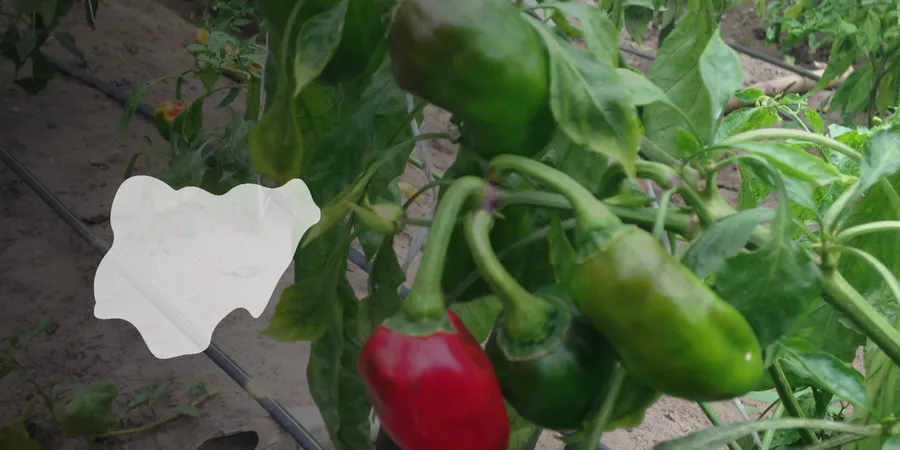
COLEACP’s surveys in the early months of the pandemic aimed to gather first-hand information on the impact of Covid-19 on operators of horticultural businesses, and assess how support from COLEACP and other partners could best be redirected as a response. These were not intended to be systematic surveys – respondents were self-selecting, and the operators taking part varying greatly in size and operation. But the results provide an illuminating qualitative snapshot of the key impacts of Covid-19 to date, and have been used to inform COLEACP’s and partner organisations’ priorities going forward. Key points:33% of respondents saw their orders reduced by more than 75%, 42% said orders were reduced by less than 50%, and 17% reported no impact.70% of companies said cashflow challenges had affected their ability to cover overheads.61% of respondents had employed fewer casual workers than usual, with 15% ceasing to employ them altogether due to the crisis. In June, COLEACP conducted surveys to learn from our members and partners in the horticultural sector about the impacts of the current health and economic crisis throughout March–May. The survey was carried out with the assistance of the Uganda Fruits and Vegetables Exporters and Producers Association (UFVEPA). Thirteen companies responded, and the main crops affected chillies, avocado, sweet potato and aubergine. The markets affected by respondents are mainly international (EU and Middle East), with three companies reporting that local markets were also impacted. The majority reported reduced market demand, although two companies reported increased demand. The supply of fresh produce seemed not to be disturbed too much, but limited airfreight options, high cargo costs, disturbances to domestic logistics and limited market demand had a big negative impact. Most companies reported reduced orders from existing supply contracts. 33% of respondents saw their orders reduced by more than 75%, and 8% by 50–75%. 42% saw orders reduced by less than 50%, and 17% reported no impact. Nine out of 13 companies reported big losses in revenue, but three companies had seen their revenue increase. There was no clear impact on prices, with about one third of respondents reporting increased prices and a quarter experiencing lower prices. The majority of respondents (69%) were still identifying potential markets for their reduced market demand; some companies had begun processing produce. Many companies reported that produce went to waste, was sold at lower prices, was donated, dumped or used as manure in the garden. According to the respondents, no online sales platforms are available in Uganda for fruit and vegetables. Cashflow challenges mostly affected the ability to cover overheads (70% of companies). Half of the respondents reported difficulties in covering payments to outgrowers, commitments to financial institutions (credit, loans, etc), and challenges in covering freight payments and inputs for new production cycles. Half of the companies had taken no measures regarding permanent staff. Five companies had to lay off permanent staff (between 2 and 10 people per company), and four had reduced staff wages. Three companies had to close down the business. 61% of respondents had employed fewer casual workers than usual, with 15% ceasing to employ them altogether due to the crisis. Half of the companies reported that they were not able to guarantee a market for outgrowers, or were unable to pay them. 30% of the companies said that their outgrower base is scaling down the planting schedule. However, 20% of the companies reported an increased supply from outgrowers. Companies did employ workforce protection measures (face masks; social distancing measures; etc.) and implement WHO recommendations at packhouse and production levels. Almost all companies extended these good practices to outgrowers. Most of the companies reported receiving no support from the government. The only support mentioned was clearing of consignments and field inspections. Suggestions for support include regular updates on export guidelines and market requirements; lobbying for access to finance; information on access to markets and facilitation of market linkages; technical training and digital learning.
 News
News
Impacts of Covid-19 on the horticultural sector in Nigeria
In June, COLEACP conducted surveys to learn from our members and partners in the horticultural sector about the impacts of the current health and economic crisis throughout March–May. Key points: The majority of respondents (64%) saw orders for March–May reduced by more than 25%, with 35% seeing a reduction of over 50% of orders; about a fifth of companies saw a positive increase in sales. Almost half of respondents received higher prices for their produce in comparison with 2019; only a small minority indicated that prices had fallen. Only one company had applied for a Covid loan issued under the guidance of the National Bank of Nigeria, and only 15% of the requested amount was granted.The survey was shared with COLEACP partners and members of the Agricultural Fresh Produce Growers & Exporters Association of Nigeria (AFGEAN). The majority of the 16 companies that responded are operating on the domestic fresh produce market, and the main crops affected are chillies, bell peppers, leafy vegetables, lettuce, cucumber and carrots, followed by tomatoes and herbs. All respondents reported that domestic markets have been impacted by coronavirus, largely due to disturbances to logistics. Closing of markets, hygiene measures and social distancing on the Nigerian open markets have impacted sales of fresh produce. The majority of respondents described medium to high impact on market demand, from both prospective customers (40% of respondents) and existing supply contracts (33%). Some companies have observed changes in consumer behaviour and are responding to demand for home delivery of fresh produce. Half of the respondents have access to an online platform to sell their products, mainly through social media platforms (WhatsApp, Facebook, Instagram) and an occasional online shop or website. The majority of respondents (64%) reported reduced orders for March–May of more than 25%, with 35% seeing a reduction of over 50% of orders. About a fifth of companies saw a positive increase in sales. Notably, almost half of respondents received higher prices for their produce in comparison with the same period in 2019. Only a small minority indicated that prices had fallen. In terms of cashflow, companies face challenges in covering overheads (66.7%), inputs for new production cycles (47%), and fulfilling commitments to financial institutions (26.7%). Only three respondents had benefited from a moratorium on the repayment of loans or delayed payments of taxes. One company mentioned a temporary suspension of lease costs and better payment terms from its buyers. 43% of respondents were not employing any casual workers specifically due to the crisis. One third of respondents said there had been no impact on casual workers. Four companies had laid off a total of 23 permanent staff, a reduction of 10% on the total number of permanent employees in January 2020. Although most respondents are still maintaining employment of staff (53%), other measures taken to reduce overheads include reducing wages (33%), putting a stop on recruitment (20%), or encouraging staff to take unpaid leave. Companies that are working with outgrowers are not able to guarantee a market for their small-scale suppliers (43% of respondents), or to pay outgrowers for their fresh produce (29%). Five companies are scaling down on new planting schedules. The majority of respondents (87%) have taken preventive measures to limit spread of the virus by distributing protective equipment (face masks, hand sanitisers, etc). Over half of the companies have had to change their daily operations, and 40% have set up virtual systems for remote or home working. WHO measures have been implemented at packing and production levels (57% of respondents). Only one company had applied for a Covid loan issued under the guidance of the National Bank of Nigeria, and only 15% of the requested amount was granted. Respondents mention that funding is still a major bottleneck for many companies’ operations due to increased costs of logistics, safety measures, protective clothing, etc. Types of support companies would like to receive include negotiation skills to get more out of partnerships (69%); Covid-19-related procedures for farming and production operations (69%); cashflow management (61%); contingency planning (54%); Covid-19-related procedures for packhouse operations (54%); and HR management in times of economic slowdown (46%). Additional topics suggested include risk management; financing and processing skills; post-Covid market support; regular updates/information on health-related issues; advocacy and pressure groups for improved logistics of fresh produce export at the ports; assistance in getting passes to move products around; market access for bulk purchases by processors or institutions.
 News
News
Pest Free Areas workshop
The Plant Protection and Regulatory Services Directorate (PPRSD) of MOFA, Ghana, with #COLEACP, gathered 20 stakeholders in the curry leaves sector (at the Hotel Paloma and via Zoom). This participatory workshop brought together key representatives from both public and private sectors in Ghana to create awareness about the challenges in establishing and maintaining Pest Free Areas for production and export of curry leaves. The workshop was conducted by Mr. Daniel Kwagbenu - COLEACP Liaison Officer / Senior Expert, with the participation of PPRSD and COLEACP experts, as part of COLEACP’s Fit For Market programme.
 News
News
Impacts of Covid-19 on Kenyan horticultural SMEs
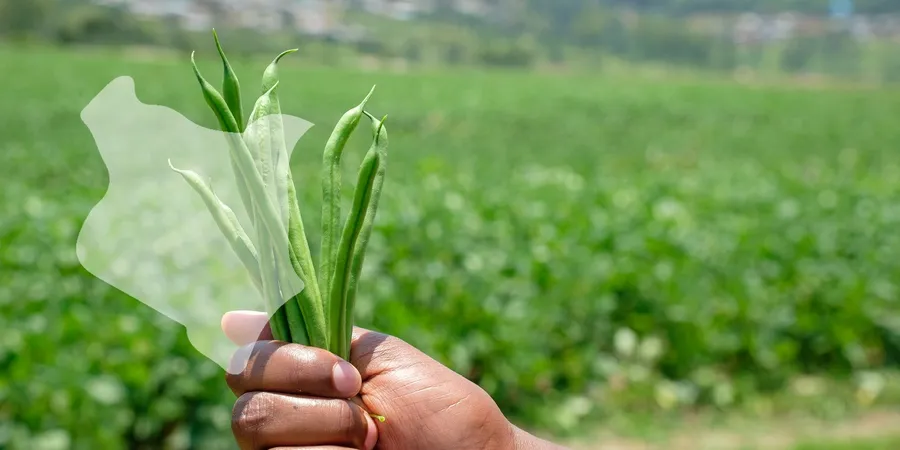
A COLEACP survey on the impacts of Covid-19 on companies’ operations in May shows that despite all the measures taken to cut costs and secure revenues, almost three-quarters of companies responding did not financially break even in May, an increase on 64% that failed to do so in April. Many companies will struggle to survive if this situation persists.This survey, covering May 2020, was carried out among the 65 horticultural companies in Kenya that benefit from COLEACP’s technical assistance programmes. A total of 23 companies (35%) responded. This is the third survey in a series that started in March 2020. The objective is to gather first-hand information on the impact of the Covid-19 crisis on Kenyan operators of horticultural businesses, and assess how support from COLEACP and other partners could best be redirected as a response.Regarding impacts on trade, the majority of respondents (65%) report impacts on French beans, followed by snow peas and sugar snaps. Avocado is mentioned by half of the companies, and to a lesser extent passion fruit (22%). The majority of negatively affected markets are in Europe, mainly the Netherlands, the UK and France. The impact on the Netherlands market (cited by 83% of respondents) has increased on March and April, which could be due to reduced logistical routes, or to the importance of avocado exports where the Netherlands are a hub for further distribution across the EU market. 26% of respondents also note a relatively high impact on Kenyan domestic markets.52% of respondents state that they have not been able to honour existing contracts due to logistical challenges, compared with 46% in April and 79% in March. Orders from prospective clients reduced in May for 52% of respondents, and 70% have seen falling orders from existing clients. Disruptions to both local logistics and air freight have been a major bottleneck: 96% of respondents mention negative impacts of local measures such as curfews, checkpoints and exit passes. 70% of respondents mention that overall high cargo costs are having an impact on their operations, down from 92% for April.52% of respondents say that market demand in May was reduced compared to April; a quarter mention demand being similar; and 21% see an improved market. Half of the respondents state that produce not exported is going to waste (including dumping and composting). And 57% highlight they are not buying from their suppliers as a result, pushing the losses along the value chain – a rise from one-third of respondents not buying from suppliers in April.The total lost revenue due to the crisis for May, for 18 respondents, is estimated at 105 million KES (€900,000). Total combined losses for March (19 respondents), April (26 respondents) and May (23 respondents) add up to 612 million KES (€5.35 million).Given the variance in company size, the median value provides the best representation of average lost revenue. Based on the three monthly surveys March–May, the median Kenyan SME has seen an estimated monthly loss of revenue of 5.5 million KES, or an accumulated direct loss of turnover of 15.5 million KES (€135,000) over the three months, not taking into account higher transaction costs or cargo costs. Importantly, this value remains stable over the three months.In May, 45% of respondents reported having lost more than 50% of anticipated revenues, compared with two-thirds of respondents in March and April. In May half of the responding companies lost 25–49% of projected revenues. Half of respondents consider the prices they are fetching at the market to be lower than in May 2019; around one-third of respondents mention that prices are similar.The majority (78%) of SMEs report that they are not receiving any support from their buyers to ease the impact of the crisis. Some companies mention receiving better payment terms (e.g. quicker payment turnaround), while only one company reported clients participating in increased cargo costs.Importantly, only a small proportion of respondents have been able to develop alternative market channels for their produce: 18% are finding ways of processing existing fresh produce supplies, and 14% are selling more on domestic markets. Based on the sales projections of exporting SMEs, Kenyan operators translate sales orders back into planting schemes for their suppliers. These are often small-scale farmers (outgrowers) who are grouped by location and grow a specific crop variety for an exporter. May saw respondents sourcing from only 2332 outgrowers, a 68% decrease on planned numbers, compared with a 71% decrease in April and a 48% decrease in March.Most companies (74%) are not able to guarantee a market for their small-scale suppliers, and almost half of respondents are scaling down on new planting schedules (43%, compared to 55% in April), which will have an impact on future supply and missed revenue in the coming weeks/months. Around 26% of respondents report being unable to pay their outgrowers, who have no other options for selling their fresh produce. This apparent improvement on April (40%) may be because companies have already downscaled.In May, employment was provided to 1594 casual workers, a reduction of 48% on planned numbers, a similar percentage to April and up on 40% in March. 17% of companies reported having all of their permanent employees working on a full-time basis (down from 40% in April); some SMEs are encouraging workers to take paid leave (30%) and unpaid leave (35%). Eight companies (35%) had cut wages to reduce costs, and 17% had to lay off permanent staff.Most companies responding to the survey have taken measures to protect their workforce (74%), and 52% have had to change their daily operations to adapt to Covid-19 measures. One-third of respondents had implemented a business continuity plan; 22% and had sought financial assistance. Most respondents highlight that cashflow management and the lack of working capital are among the key financial challenges. In general, sales have plummeted while production costs have increased; transport costs have increased while staff working hours and productivity are reduced. This has an impact on meeting financial obligations to cover overhead costs (including staff), pay small-scale suppliers, and buy inputs for new production cycles. Challenges in covering commitments (repayments) to financial institutions are faced by 61%, compared with 69% and 42% in April and March, respectively.One improvement is that 22% of respondents cited freight payments as a major challenge, down from 42% in April, which may be due to the reported lowering of airfreight costs for Kenyan fresh produce since early May.Some companies are using the crisis as a way to drive efficiencies in processes; others are looking to diversify their business model, investigating local sales or value addition, seeking (financial) partnerships, and implementing financial planning and cost reduction measures. Six of 12 companies that responded to this question are benefiting from extensions to loan repayments; 42% have delayed payment of taxes and 33% delayed restitution of VAT.
 News
News
Impacts of Covid-19 on Kenyan horticultural SMEs
A COLEACP survey on the impacts of Covid-19 on companies’ operations in May shows that despite all the measures taken to cut costs and secure revenues, almost three-quarters of companies responding did not financially break even in May, an increase on 64% that failed to do so in April. Many companies will struggle to survive if this situation persists. This survey, covering May 2020, was carried out among the 65 horticultural companies in Kenya that benefit from COLEACP’s technical assistance programmes. A total of 23 companies (35%) responded. This is the third survey in a series that started in March 2020. The objective is to gather first-hand information on the impact of the Covid-19 crisis on Kenyan operators of horticultural businesses, and assess how support from COLEACP and other partners could best be redirected as a response. Regarding impacts on trade, the majority of respondents (65%) report impacts on French beans, followed by snow peas and sugar snaps. Avocado is mentioned by half of the companies, and to a lesser extent passion fruit (22%). The majority of negatively affected markets are in Europe, mainly the Netherlands, the UK and France. The impact on the Netherlands market (cited by 83% of respondents) has increased on March and April, which could be due to reduced logistical routes, or to the importance of avocado exports where the Netherlands are a hub for further distribution across the EU market. 26% of respondents also note a relatively high impact on Kenyan domestic markets.52% of respondents state that they have not been able to honour existing contracts due to logistical challenges, compared with 46% in April and 79% in March. Orders from prospective clients reduced in May for 52% of respondents, and 70% have seen falling orders from existing clients. Disruptions to both local logistics and air freight have been a major bottleneck: 96% of respondents mention negative impacts of local measures such as curfews, checkpoints and exit passes. 70% of respondents mention that overall high cargo costs are having an impact on their operations, down from 92% for April. 52% of respondents say that market demand in May was reduced compared to April; a quarter mention demand being similar; and 21% see an improved market. Half of the respondents state that produce not exported is going to waste (including dumping and composting). And 57% highlight they are not buying from their suppliers as a result, pushing the losses along the value chain – a rise from one-third of respondents not buying from suppliers in April. The total lost revenue due to the crisis for May, for 18 respondents, is estimated at 105 million KES (€900,000). Total combined losses for March (19 respondents), April (26 respondents) and May (23 respondents) add up to 612 million KES (€5.35 million). Given the variance in company size, the median value provides the best representation of average lost revenue. Based on the three monthly surveys March–May, the median Kenyan SME has seen an estimated monthly loss of revenue of 5.5 million KES, or an accumulated direct loss of turnover of 15.5 million KES (€135,000) over the three months, not taking into account higher transaction costs or cargo costs. Importantly, this value remains stable over the three months. In May, 45% of respondents reported having lost more than 50% of anticipated revenues, compared with two-thirds of respondents in March and April. In May half of the responding companies lost 25–49% of projected revenues. Half of respondents consider the prices they are fetching at the market to be lower than in May 2019; around one-third of respondents mention that prices are similar. The majority (78%) of SMEs report that they are not receiving any support from their buyers to ease the impact of the crisis. Some companies mention receiving better payment terms (e.g. quicker payment turnaround), while only one company reported clients participating in increased cargo costs. Importantly, only a small proportion of respondents have been able to develop alternative market channels for their produce: 18% are finding ways of processing existing fresh produce supplies, and 14% are selling more on domestic markets. Based on the sales projections of exporting SMEs, Kenyan operators translate sales orders back into planting schemes for their suppliers. These are often small-scale farmers (outgrowers) who are grouped by location and grow a specific crop variety for an exporter. May saw respondents sourcing from only 2332 outgrowers, a 68% decrease on planned numbers, compared with a 71% decrease in April and a 48% decrease in March. Most companies (74%) are not able to guarantee a market for their small-scale suppliers, and almost half of respondents are scaling down on new planting schedules (43%, compared to 55% in April), which will have an impact on future supply and missed revenue in the coming weeks/months. Around 26% of respondents report being unable to pay their outgrowers, who have no other options for selling their fresh produce. This apparent improvement on April (40%) may be because companies have already downscaled. In May, employment was provided to 1594 casual workers, a reduction of 48% on planned numbers, a similar percentage to April and up on 40% in March. 17% of companies reported having all of their permanent employees working on a full-time basis (down from 40% in April); some SMEs are encouraging workers to take paid leave (30%) and unpaid leave (35%). Eight companies (35%) had cut wages to reduce costs, and 17% had to lay off permanent staff. Most companies responding to the survey have taken measures to protect their workforce (74%), and 52% have had to change their daily operations to adapt to Covid-19 measures. One-third of respondents had implemented a business continuity plan; 22% and had sought financial assistance. Most respondents highlight that cashflow management and the lack of working capital are among the key financial challenges. In general, sales have plummeted while production costs have increased; transport costs have increased while staff working hours and productivity are reduced. This has an impact on meeting financial obligations to cover overhead costs (including staff), pay small-scale suppliers, and buy inputs for new production cycles. Challenges in covering commitments (repayments) to financial institutions are faced by 61%, compared with 69% and 42% in April and March, respectively. One improvement is that 22% of respondents cited freight payments as a major challenge, down from 42% in April, which may be due to the reported lowering of airfreight costs for Kenyan fresh produce since early May. Some companies are using the crisis as a way to drive efficiencies in processes; others are looking to diversify their business model, investigating local sales or value addition, seeking (financial) partnerships, and implementing financial planning and cost reduction measures. Six of 12 companies that responded to this question are benefiting from extensions to loan repayments; 42% have delayed payment of taxes and 33% delayed restitution of VAT. Download the complete of survey results on the impact of Covid-19 Kenyan horticultural SMEs: COVID19 - SURVEY - KENYA
 News
News
Impacts of Covid-19 on Cameroon’s horticultural sector
RHORTICAM, in collaboration with COLEACP, carried out a survey of companies and cooperatives in the horticultural sector in Cameroon during May to help assess the impact of the current health and economic crisis and to identify support needs. The ten companies that participated in the survey are mainly active in several production sectors simultaneously, with pineapple being the most frequently mentioned sector. The majority of respondents export to the European market (70%), the remaining 30% being active on the local market. All participating companies, on both local and European markets, stated that they are being impacted by the current crisis. The main impacts are at the level of customer demand (90% of companies are experiencing a drop in demand); and impacts on supply chain logistics, from the supply of products (50% of companies mentioned blocked supplies) to exports (50% lack freight capacity for their products). The companies on average are losing 12.5 tonnes of product per week as a result of these problems, and only one-third of them have found alternative markets (generally local markets). The identification of alternative markets would be a key benefit to the companies at this time. From an operational point of view, all participating companies reported that they are experiencing liquidity problems and are unable to pay suppliers (100% of respondents) or employees (80%). The main obstacles to operations are related to supply (80% of respondents), transport (80%) and to a lesser extent the absence of employees (40%). Companies did not feel well informed about the government aid available to them, and would welcome information and support in applying for and obtaining financial aid. The majority of World Health Organization (WHO) recommendations (barrier actions) are known and understood by companies and their workers (73% of respondents said that WHO recommendations for all measures combined were known and understood by the company and workers). However, some measures are not applied in day-to-day activities: 65% of respondents said that measures are applied in the stations; 60% said measures are applied at harvest time; and less than 50% said they are transmitting WHO recommended measures to subcontractors (producers, etc.). The survey results suggest the following priorities for support. COLEACP support: Market access: identify alternative markets for companies to sell their products. Commercial negotiation: once alternative markets have been identified, enhance managers’ skills to promote their products and defend the interests of their company. Crisis management support: inform companies about ways to manage their cashflow and secure their supply chain. Support for raising awareness on barrier gestures: offer training in good hygiene practices and dissemination of key messages (e.g. via COLEACP’s courses and online training platform). Access to finance: identify financing structures that may be able to respond favourably to requests for financing from companies, and assist with required investment plannig. RHORTICAM support: Market access: identify alternative markets for companies to sell their products. Information and communication: provide information on barrier gestures and public health; and also on the aid measures put in place by government (and, where possible, assist companies to apply for government aid). Lobbying: approach the government to defend horticultural companies and promote their need for subsidies and/or tax relief in this time of crisis.
 News
News
Introductory Zoom session with national plant protection organisations on #COVID19 training
[COLEACP in ACP countries] - Introductory Zoom session with national plant protection organisations on #COVID19 training - part of our work offering stakeholders in #ACP horticulture practical guidelines on how national inspectors/companies can integrate #COVID19 measures in their food safety management systems.
 News
News
AAA Growers in Kenya: Gains from COLEACP's digital training on COVID-19
As part of COLEACP’s response to the global Covid-19 pandemic, we are offering our members and partners online training on implementing Covid-19 measures through customised coaching sessions for horticultural companies. Frank Obure, General Manager Packhouses of AAA Growers in Kenya, provides some insights on how digital learning is contributing to his company’s overall mission."Covid-19 is touching businesses around the globe. Though we had already implemented preventive measures as per local and international guidelines, it is important to remain updated and act accordingly to mitigate any potential risk. It is crucial for horticultural businesses to comply with regulations and ensure safety of our customers, employees and communities. This was our first real experience with digital, remote learning. I have to say we were not willing to let go of this coaching opportunity provided by COLEACP, as compliance and risk mitigation are important processes for the company. I am pleased to share some practical learning:Discipline and habits are different from physical sessions, though very well manageable. It is even more lean and efficient compared to physical training: there are less logistical challenges to get staff and trainer(s) together on site; no interruption of day-to-day operations as sessions do not extend over 1h30/session. You also have more time to review and absorb technical content. People participate even from the field or from more remote growing areas.Throughout the process, we have had very interactive live and follow up sessions to discuss priorities, review documentation and procedures, comment, etc. In addition, we could bring in relevant staff when required. Of course, learning will now be shared with the rest of the staff and community.Overall, our team has been very positive of this intervention. We have to appreciate these online sessions are part of the way to go."
 News
News
Fit for Market programme in action at Wamu Investments Ltd
COLEACP's Fit for Market in action at Wamu Investments Ltd, a Kenyan exporter of French beans and snow peas. Fit For Market is facilitating the implementation of SMETA requirements, a social standard that is commonly requested by European customers, including some of Wamu’s clients. With respect for local COVID-19 measures, a refresher training was organized for Wamu’s team on the ETI base code, followed by customized coaching to adapt implementation requirements to the company’s context.
 News
News
NExT programme in action in Kenya
Discussions between COLEACP’s regional programme manager Yessie Meyer, project manager Wester Schepers and Fresh Produce Consortium of Kenya's CEO Okisegere Ojepat to explore synergies and collaboration opportunities through the new EU-funded NExT Kenya programme. Fresh Produce Consortium of Kenya (FPC KENYA) is one of the country’s fresh produce trade associations.
 News
News
New EU Organic Regulation postponed by one year
In a press release issued on 4th September, The European Commission (EC) has announced a proposal to postpone the entry into force of the new organic regulation (EU) 2018/848 from January 2021 to January 2022. The proposal still needs to be ratified by the European Parliament, but seems certain to go ahead.COLEACP welcomes this important move, which was originally requested by Member States, the European Parliament, third countries, and other stakeholders, including the Organisation of Africa, Caribbean Pacific States (OACPS) and COLEACP itself.This decision by the EC will provide more time for consultation on the secondary legislation that has to be adopted before the new organic regulation is applied. This secondary legislation is complex, covering many subject areas, and in considerable detail. It involves an extensive consultation process with stakeholders, the European Parliament and Member States. According to the EC, as many implementing and delegated acts would have been adopted at the end of 2020, it was going to be very challenging for stakeholders to start applying the new rules within a few weeks or days of publication, particularly in the context of the coronavirus crisis.The work plan to adopt the secondary legislation was already very demanding, but the coronavirus crisis has made the timeframe unfeasible. Many of the key players have been forced to divert attention to other pressing matters, and this has slowed down the consultation process. It is in recognition of this that the European Parliament has asked for more time to ensure that all stakeholders have the opportunity to take part in the proper scrutiny of the various implementing and delegated acts.This postponement is important for ACP countries. It will provide more time to adapt to the new rules, helping to maintain the flow of organic exports to the EU. In the meantime, COLEACP will continue to actively engage with partners in the consultation process, ensuring that the implications and impacts of the new rules for ACP countries are fully taken into consideration.